
 8 points
 1 km
 2.5 hours




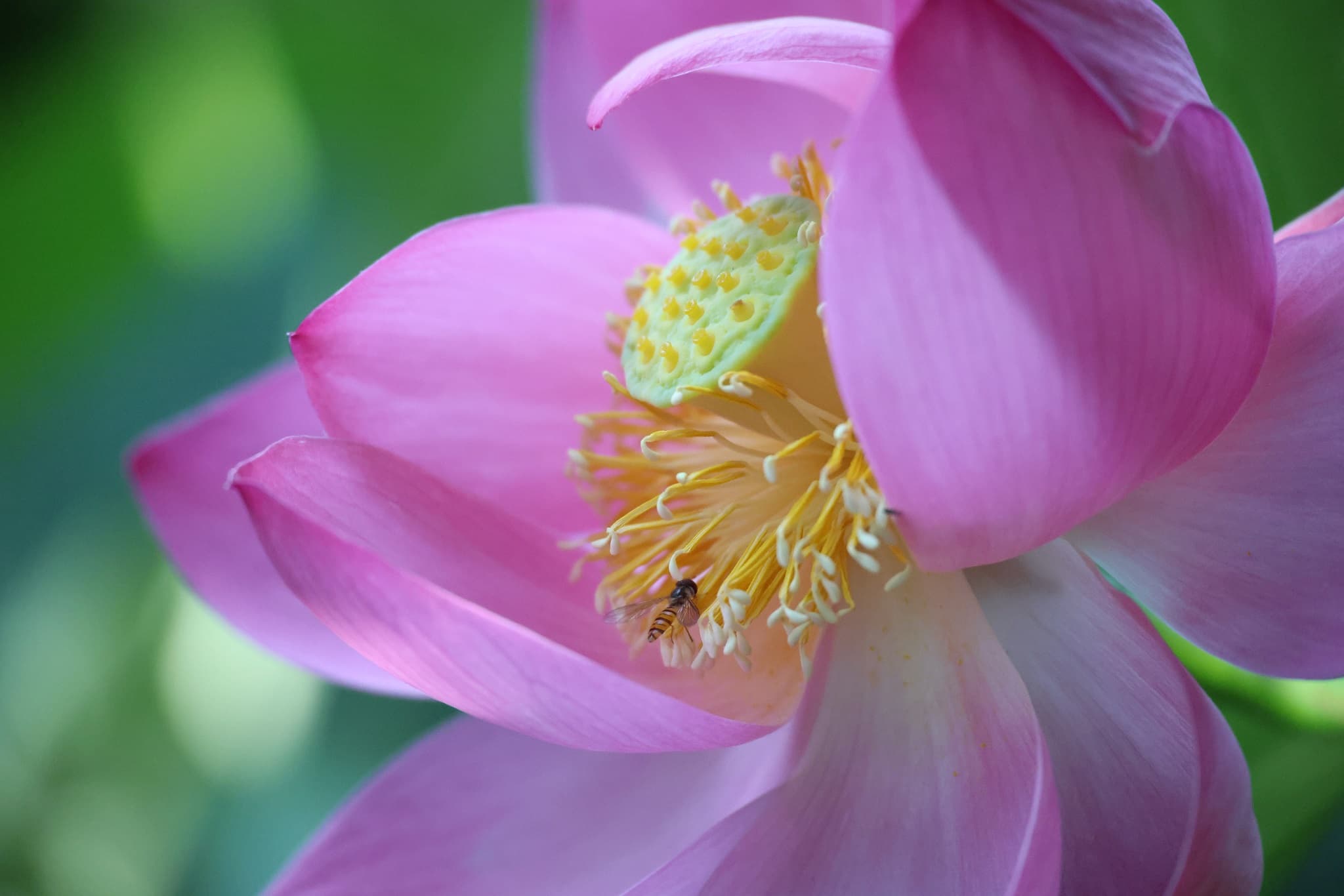
A Wonder of Khabarovsk District Before Your Eyes
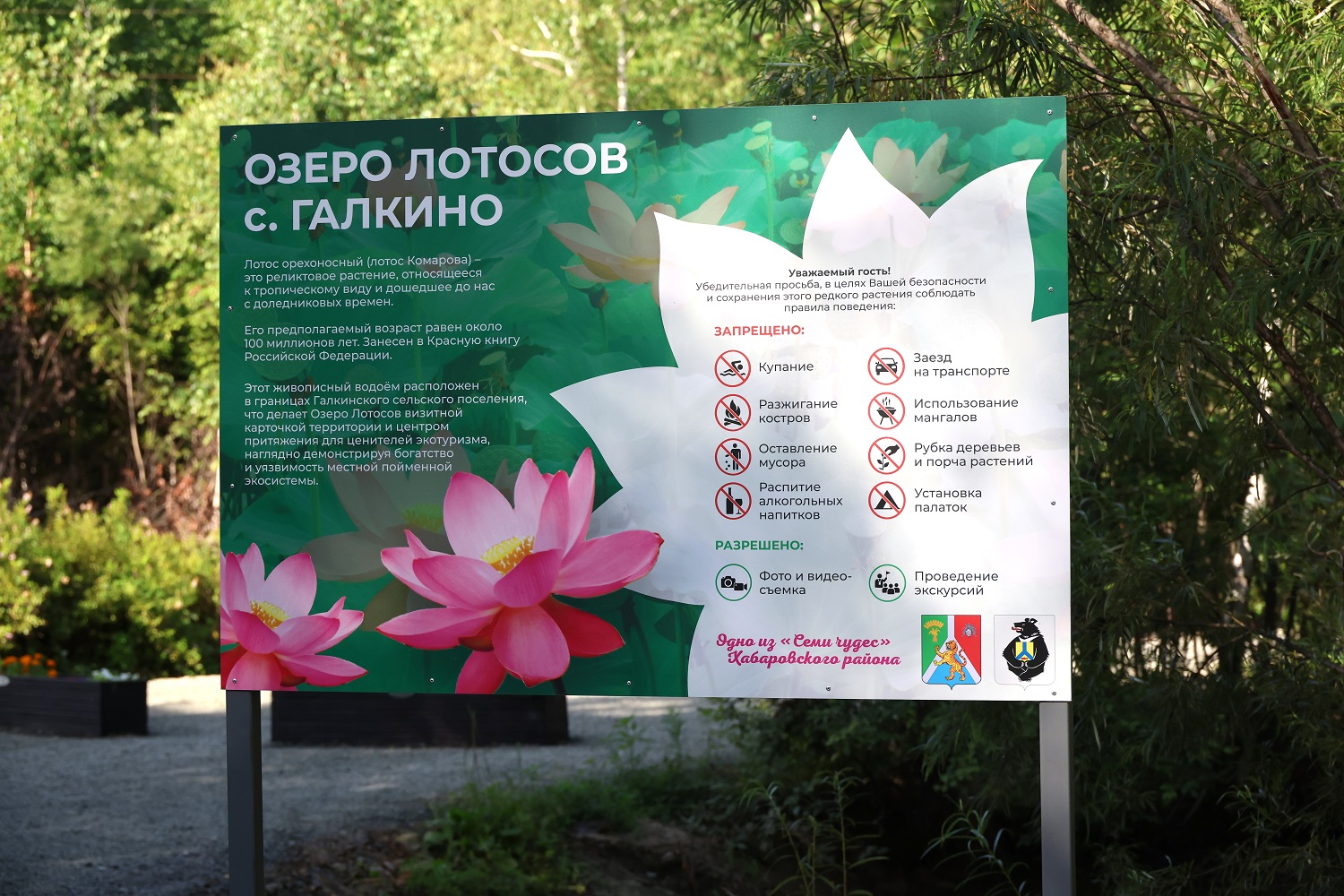
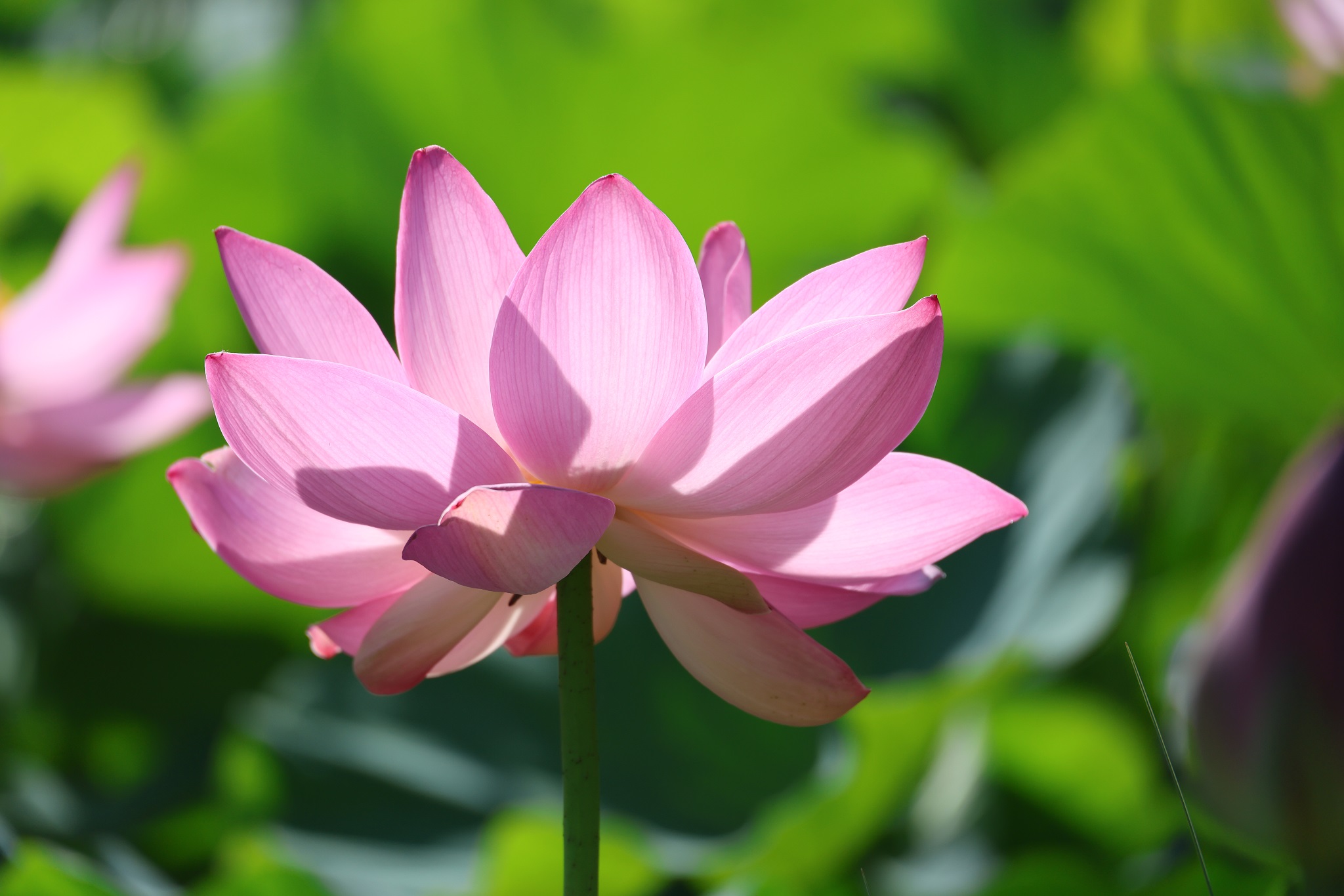
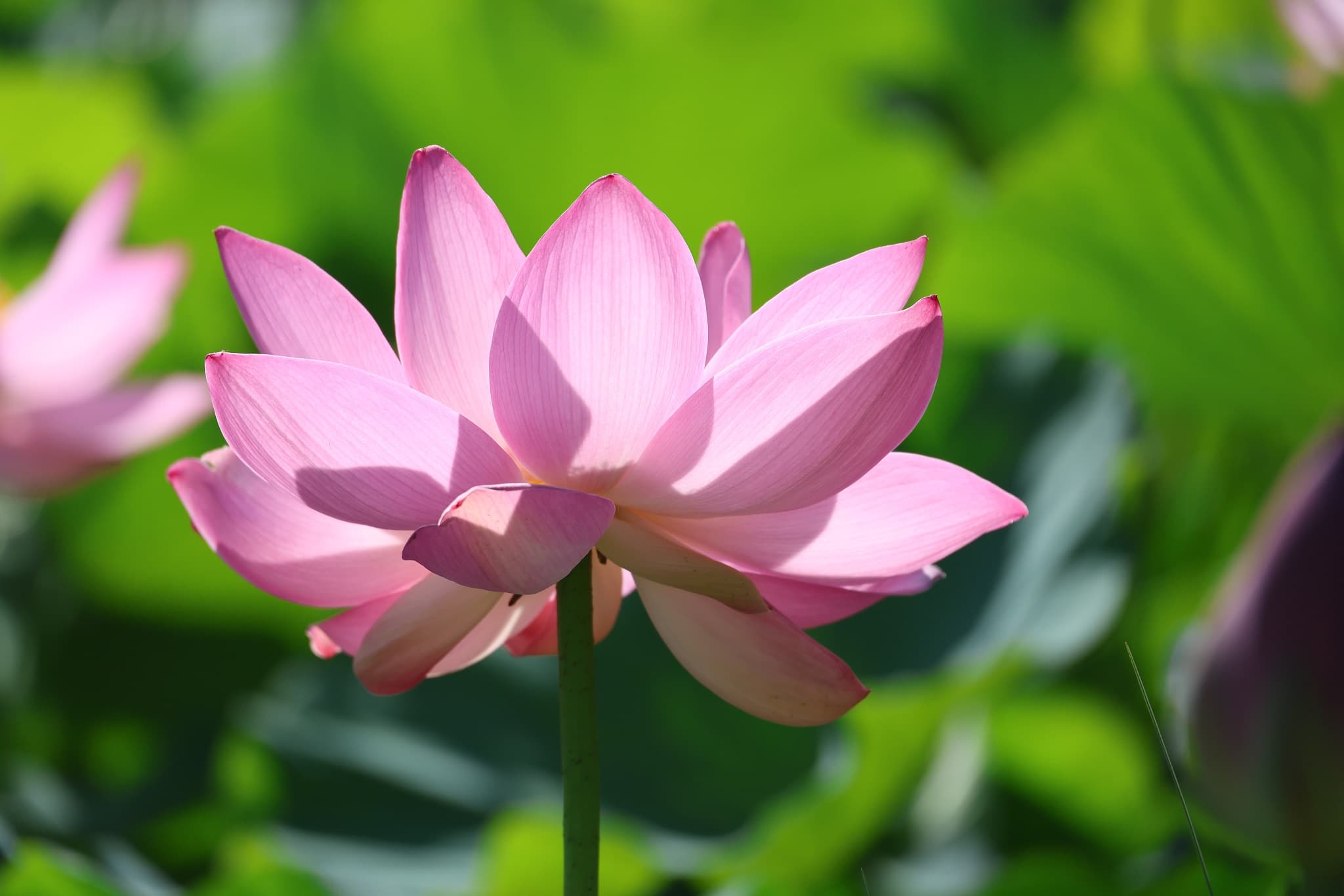
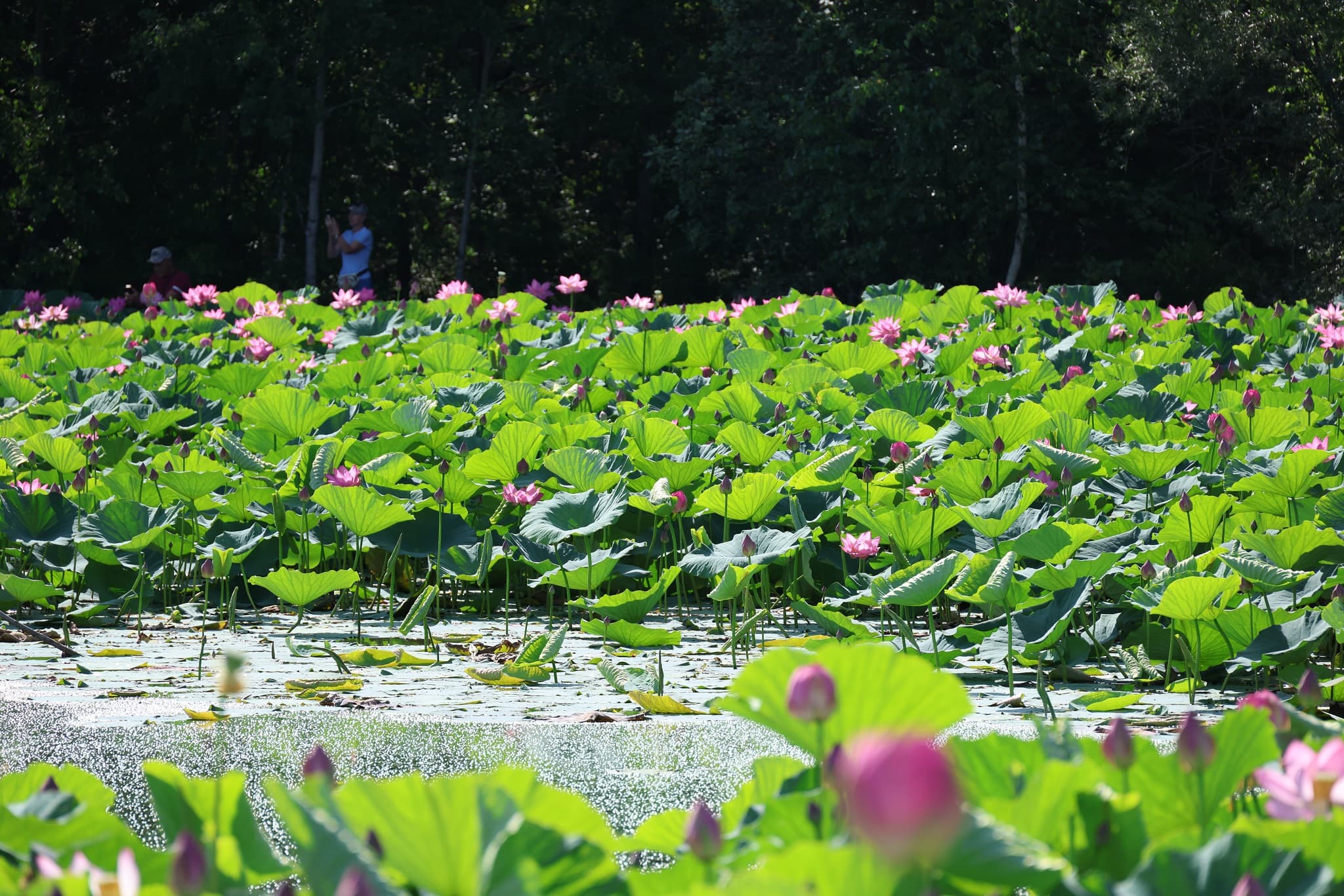
The sacred lotus (Nelumbo nucifera), also known as Komarov's lotus, is not just a beautiful flower but a living witness to ancient history. It appeared on the planet more than 100 million years ago, back in the Mesozoic Era, and survived the dinosaurs and the Ice Age. The plant got its second name in honor of the outstanding Soviet botanist and geographer Vladimir Leontievich Komarov, who made a huge contribution to the study of Far Eastern flora. Komarov's lotus is the most cold-hardy lotus in the world and grows only in the south of the Russian Far East. Its seeds and rhizomes can survive frosts of thirty degrees below zero Celsius (−22°F), preserved in the silt at the bottom of ponds. For its uniqueness the lotus was deservedly included among the “Seven Wonders of Khabarovsk Territory” and listed in the Red Data Books of the Russian Federation and Khabarovsk Territory. The lake near Galkino where these relict plants bloom today is man-made. It was originally a reclamation reservoir created to protect the surrounding farmland from fire. When the question of draining it arose, it turned out that plants and fish had already settled in, so it was decided to keep the lake. In the late 1990s, local residents or gardeners brought lotus seeds from Khasansky District in Primorye and planted them in the lake. The plant not only took root in its new home but multiplied greatly, turning a once utilitarian pond into a real tourist attraction. Today the lotuses on Galkino Lake bloom from the second half of July to mid-August. Each flower lives only 5–8 days. A picked flower dies within hours, and its beauty goes with it. The main rule for visitors to the lake is to admire, take photos, and leave the flowers in peace and harmony.