←A Walk Around Klin

A Walk Around Klin

Photo of route “A Walk Around Klin”
7 points4 km0 hours

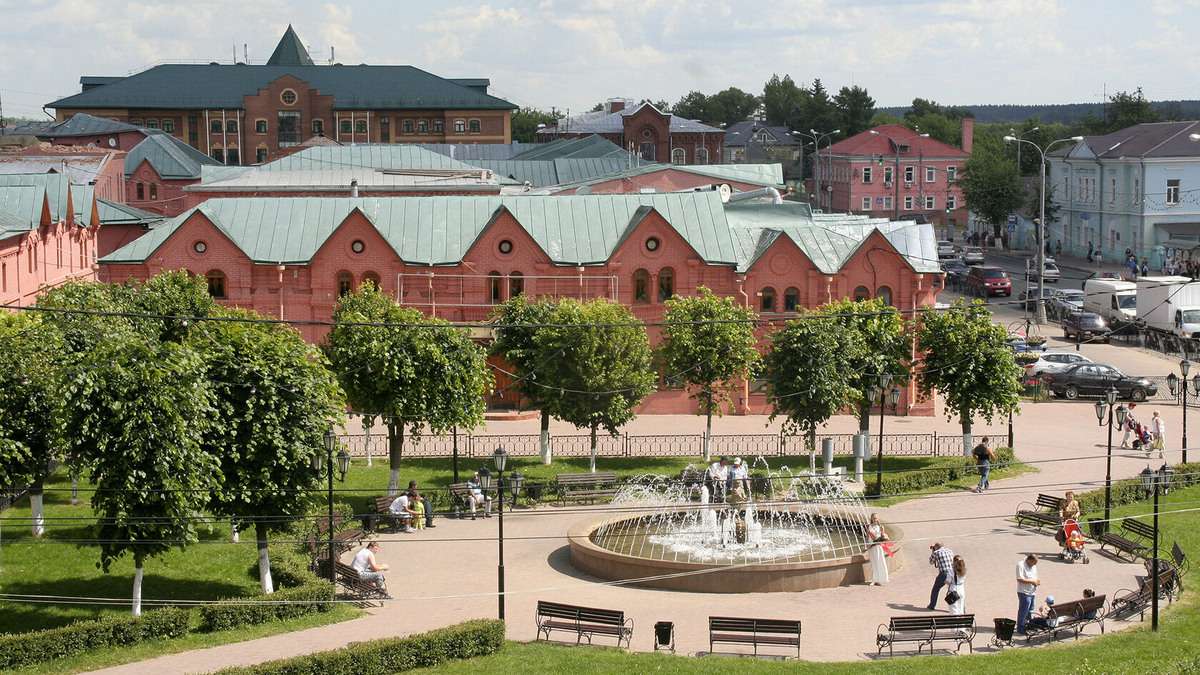
Klin is known as Tchaikovsky's town: the composer spent the last years of his life here. The atmosphere of a provincial district town, with wooden houses and quiet streets, has survived to this day. The town is surrounded by forests and lies on the road from Moscow to Tver. Visitors come for a relaxed stroll through the historic center and a look at the local heritage.

Things to do

  • 🔍🖼️ Spot interesting details
  • 💡🎨 Look for inspiration

Route points (7)

  1. Tchaikovsky Museum and Estate — point on route “A Walk Around Klin”

    Tchaikovsky Museum and Estate

    🏛️ Museum · 📜 Historic site

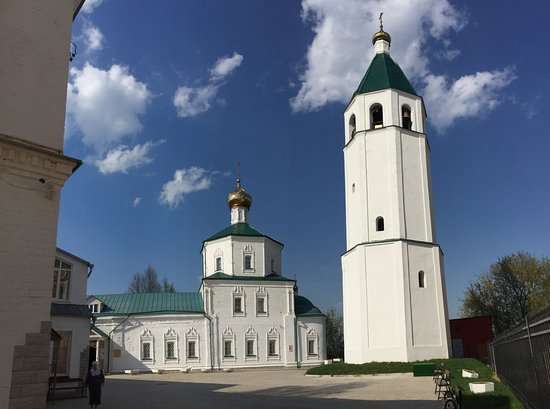
  2. Church of the Dormition of the Most Holy Mother of God — point on route “A Walk Around Klin”

    Church of the Dormition of the Most Holy Mother of God

    🕍 Place of worship · 📜 Historic site

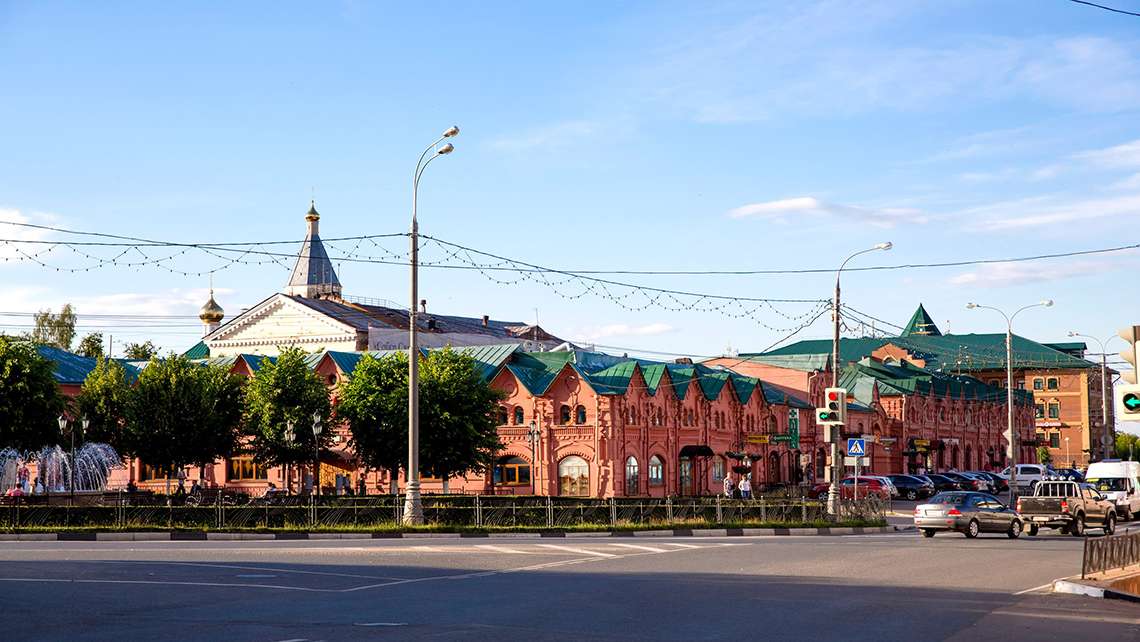
  3. Trading Rows — point on route “A Walk Around Klin”

    Trading Rows

    🏺 Market / bazaar · 🕵️ Urban legend

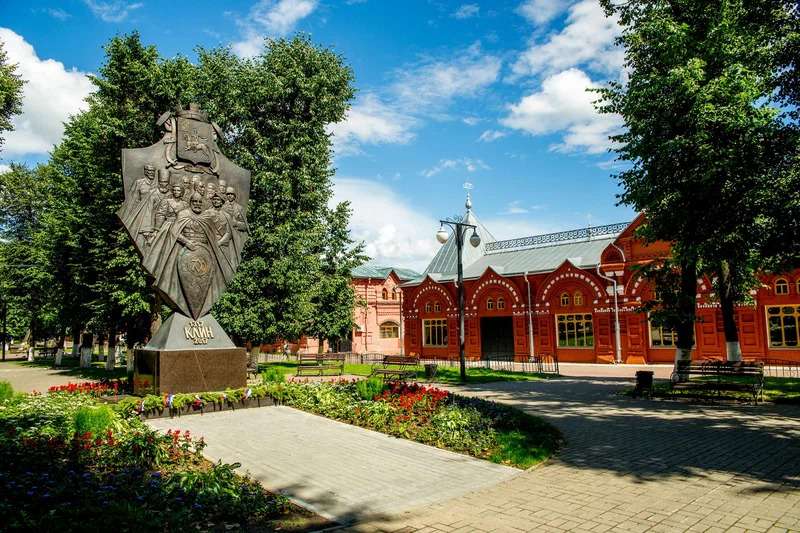
  4. 700th Anniversary Monument — point on route “A Walk Around Klin”

    700th Anniversary Monument

    🗿 Monument

  5. Church of the Resurrection — point on route “A Walk Around Klin”

    Church of the Resurrection

    🕍 Place of worship · 📜 Historic site

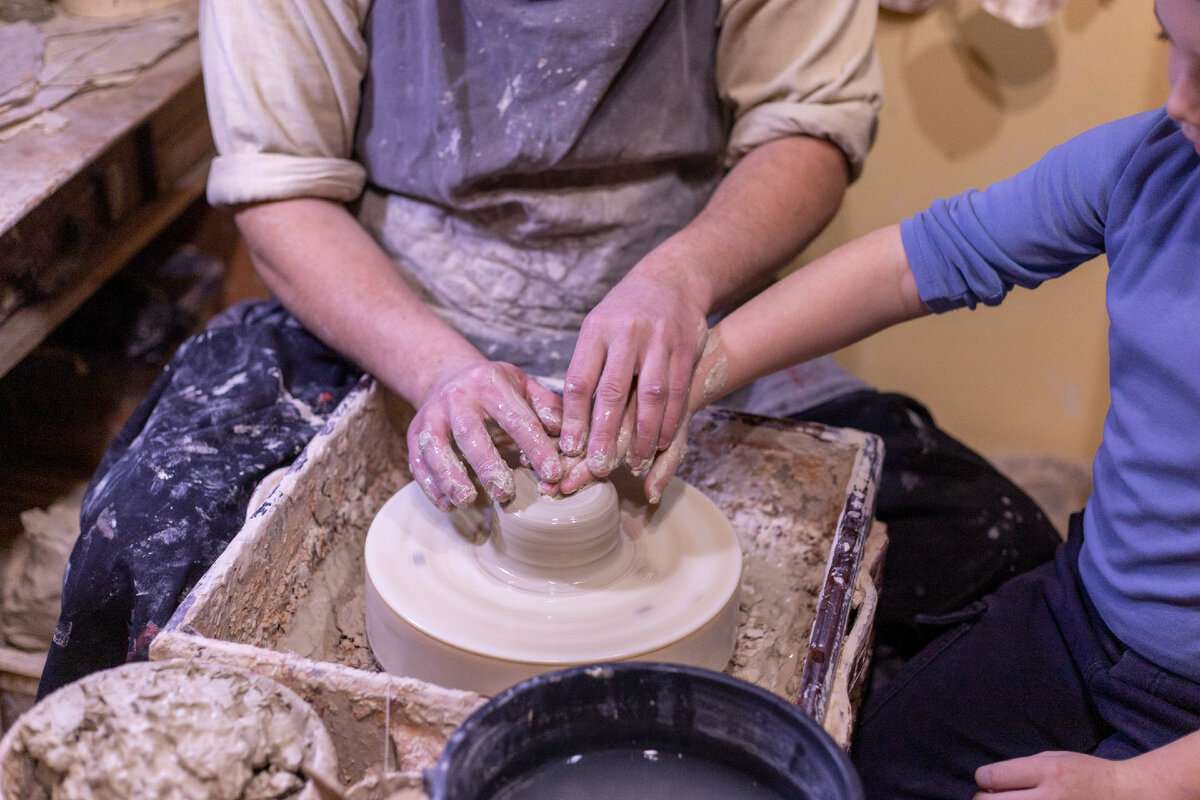
  6. Sergunin Pottery Studio — point on route “A Walk Around Klin”

    Sergunin Pottery Studio

    🕍 Place of worship · 🎨 Art installations

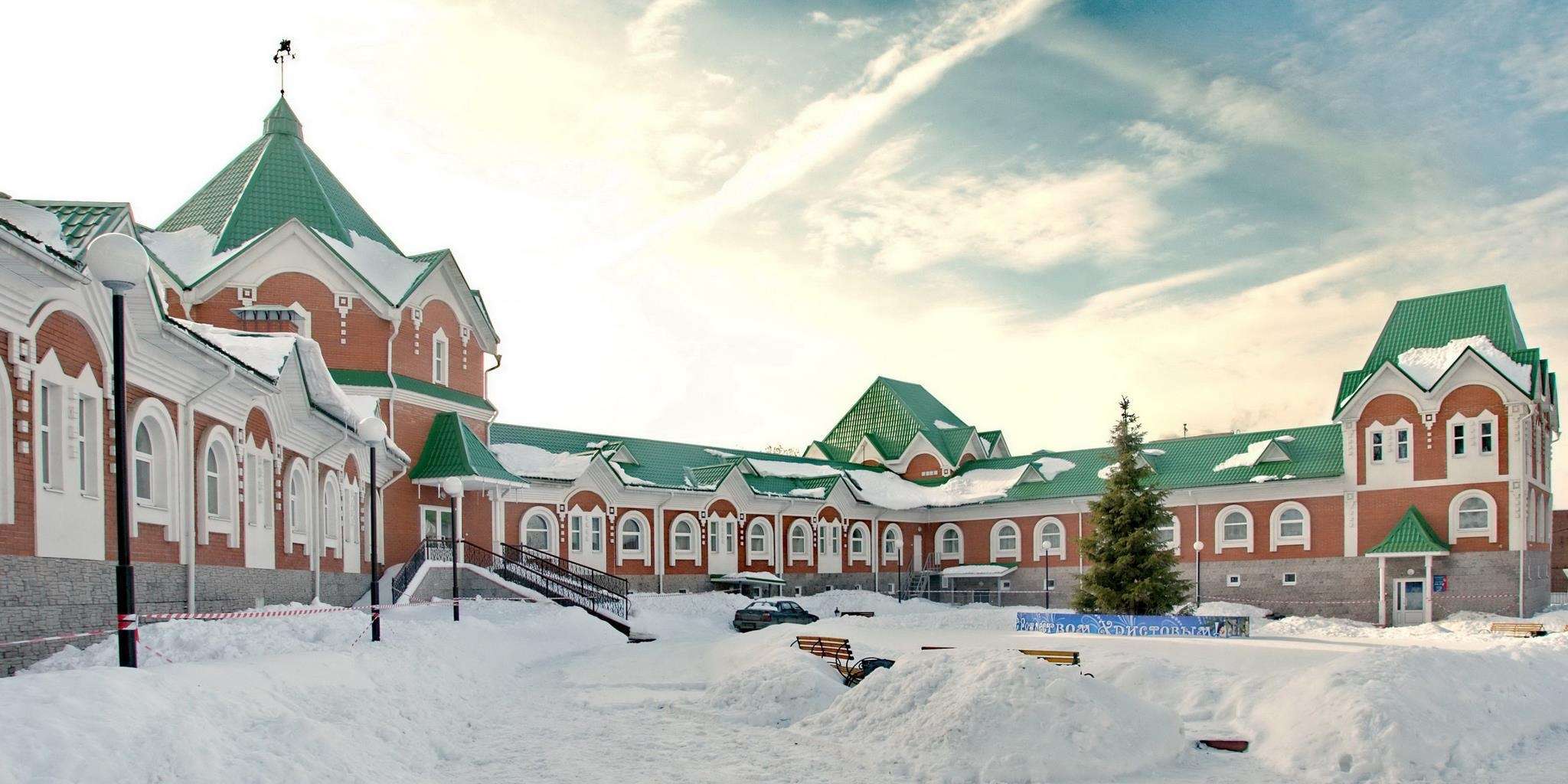
  7. Klinskoye Podvorye Christmas Ornament Museum — point on route “A Walk Around Klin”

    Klinskoye Podvorye Christmas Ornament Museum

    🏛️ Museum · 🕵️ Urban legend

Tchaikovsky Museum and Estate in Klin

Point on route “A Walk Around Klin”

Tchaikovsky Museum and Estate — point on route “A Walk Around Klin”

Point 1

Tchaikovsky Museum and Estate

🏛️ Museum • 📜 Historic site

History of the Museum

The Tchaikovsky State Memorial Musical Museum and Estate in Klin is the oldest memorial house of the great composer in Russia. Pyotr Ilyich spent the last two years of his life in this house, from 1892 to 1893. Here he completed a number of key works that crowned his creative career. As early as 1894, soon after Tchaikovsky's death, his younger brother Modest opened a museum in the house, preserving the furnishings and gathering manuscripts, letters and personal belongings. In 1921 the museum was nationalized; it was badly damaged during the war but restored. Today it is a federal cultural heritage site.

The House and Its Furnishings

The interiors fully recreate the atmosphere of the late 19th century. The largest room served Tchaikovsky as study, library and living room all at once. At its center stands a unique exhibit: a grand piano given to the composer by a St. Petersburg firm in 1885. Tchaikovsky composed on it, and the instrument is still in working order. The bookcases still hold his books, and the sideboard his gifts and souvenirs.

Collection and Archives

Today the museum holds more than 200,000 items, including autograph scores, letters, the Tchaikovsky family archive and the archives of Russian musicians. Here you can see works by the artists Vasily and Konstantin Makovsky, Boris Kustodiev and Vitold Byalynitsky-Birulya. Since the late 20th century the collection has grown to include the archives of the outstanding performers Daniil Shafran and Emil Gilels. The museum also keeps archives on the history of the International Tchaikovsky Competition.

The Museum's Significance

Over more than a century, the museum has become not only a keeper of Tchaikovsky's memory but also a center of musical culture. It hosts exhibitions, concerts and research projects related to the composer's life and work.