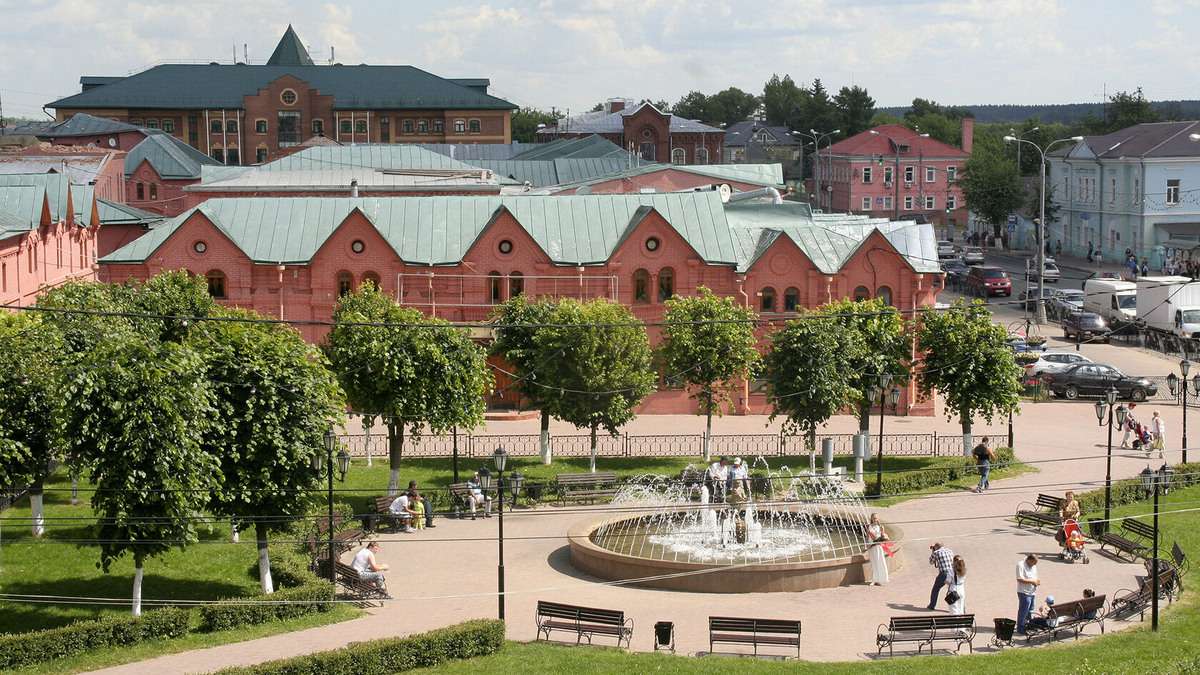
←A Walk Around Klin

A Walk Around Klin

Photo of route “A Walk Around Klin”
7 points4 km0 hours

Klin is known as Tchaikovsky's town: the composer spent the last years of his life here. The atmosphere of a provincial district town, with wooden houses and quiet streets, has survived to this day. The town is surrounded by forests and lies on the road from Moscow to Tver. Visitors come for a relaxed stroll through the historic center and a look at the local heritage.

Things to do

  • 🔍🖼️ Spot interesting details
  • 💡🎨 Look for inspiration

Route points (7)

  1. Tchaikovsky Museum and Estate — point on route “A Walk Around Klin”

    Tchaikovsky Museum and Estate

    🏛️ Museum · 📜 Historic site

  2. Church of the Dormition of the Most Holy Mother of God — point on route “A Walk Around Klin”

    Church of the Dormition of the Most Holy Mother of God

    🕍 Place of worship · 📜 Historic site

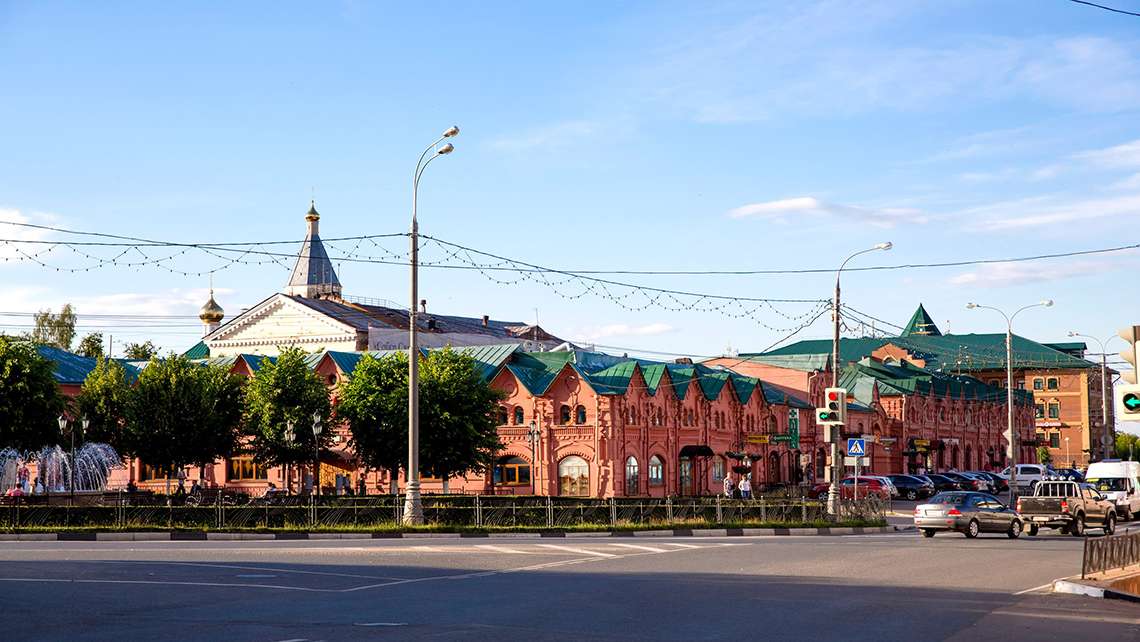
  3. Trading Rows — point on route “A Walk Around Klin”

    Trading Rows

    🏺 Market / bazaar · 🕵️ Urban legend

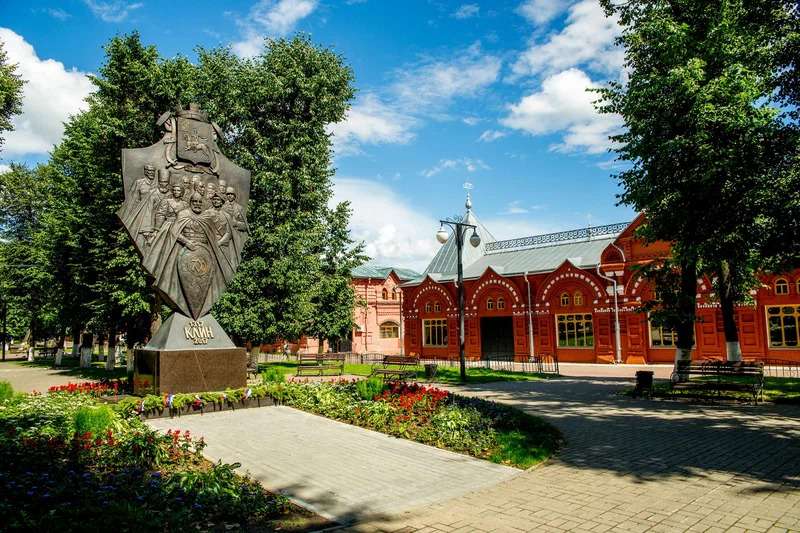
  4. 700th Anniversary Monument — point on route “A Walk Around Klin”

    700th Anniversary Monument

    🗿 Monument

  5. Church of the Resurrection — point on route “A Walk Around Klin”

    Church of the Resurrection

    🕍 Place of worship · 📜 Historic site

  6. Sergunin Pottery Studio — point on route “A Walk Around Klin”

    Sergunin Pottery Studio

    🕍 Place of worship · 🎨 Art installations

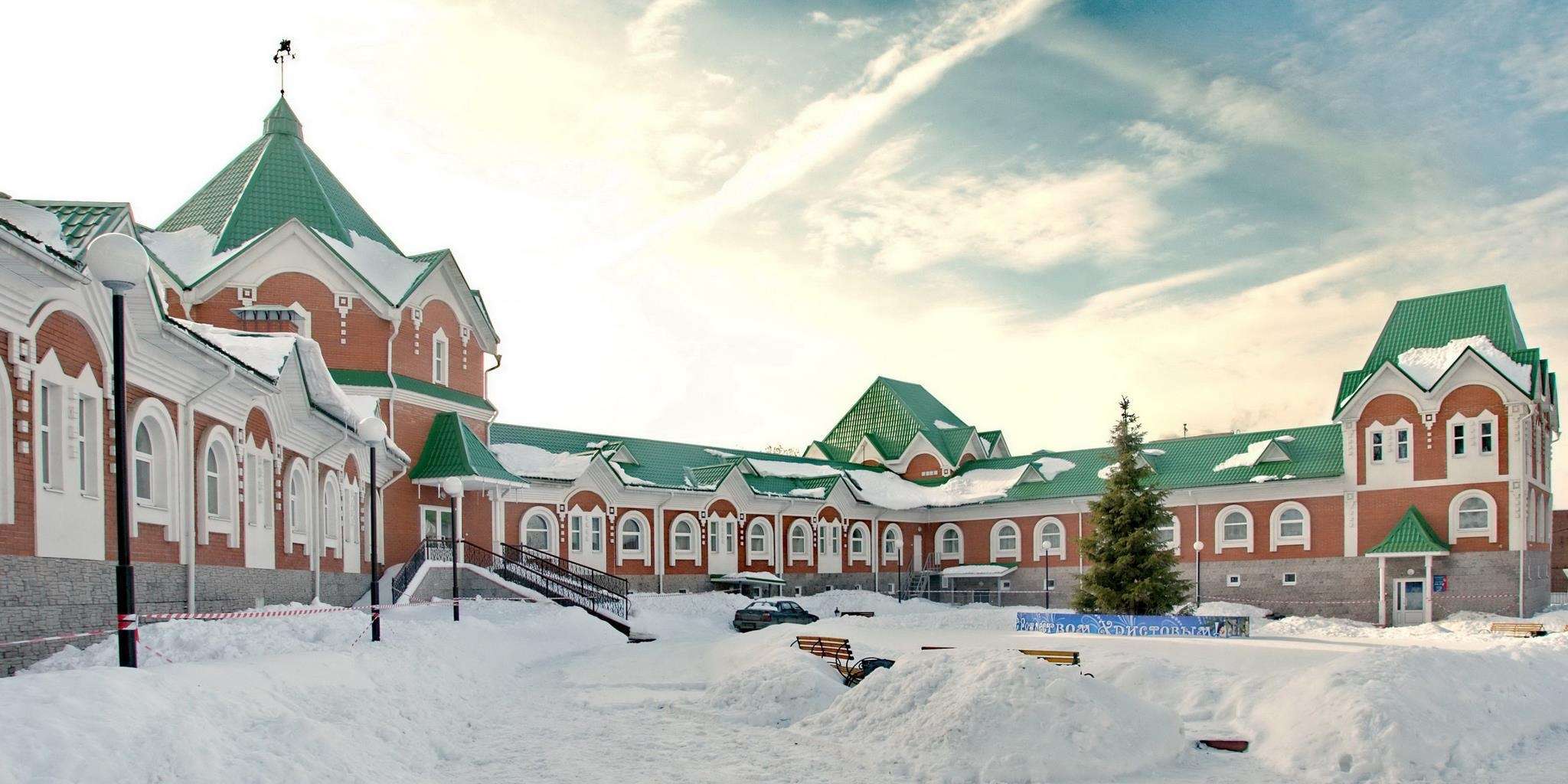
  7. Klinskoye Podvorye Christmas Ornament Museum — point on route “A Walk Around Klin”

    Klinskoye Podvorye Christmas Ornament Museum

    🏛️ Museum · 🕵️ Urban legend

Church of the Dormition of the Most Holy Mother of God in Klin

Point on route “A Walk Around Klin”

Church of the Dormition of the Most Holy Mother of God — point on route “A Walk Around Klin”

Point 2

Church of the Dormition of the Most Holy Mother of God

🕍 Place of worship • 📜 Historic site

Historical Background

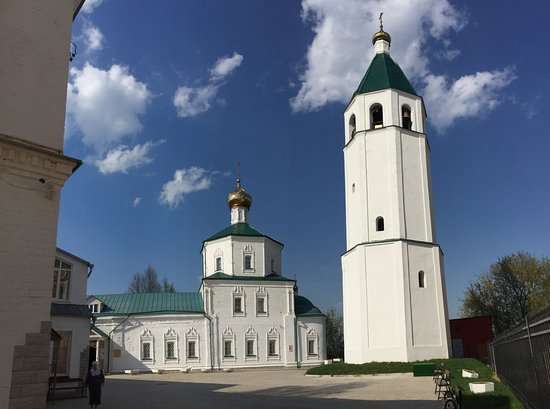
The Church of the Dormition is the oldest church in Klin and one of the oldest landmarks in the Moscow region. Its history goes back to 1380, when a wooden church attached to a convent appeared on the eastern edge of town. According to tradition, the convent was founded by Dmitry Donskoy to guard the approaches to the town. In the mid-16th century a stone church was built on the high bank of the Sestra River in memory of townspeople killed by Ivan the Terrible's oprichniki during his campaign against Novgorod. Until the convent was abolished in 1764, the church was its main cathedral.

Architectural Features

Originally the Church of the Dormition was a brick cross-domed church with four pillars and a wide drum with windows. Its facades end in three gables, a rare detail for churches in the Moscow region. In the late 18th and early 19th centuries a three-tier bell tower and a refectory were added, and the facades were adorned with Empire-style porticoes. This look blends with the simplicity of the provincial style in which the main body of the church was built.

Trials and Restoration

After it was closed in 1937, the church went through hard times: its bell tower was blown up, part of the refectory collapsed, and the building served as a library, a warehouse and a dormitory. In the early 1960s it was slated for demolition, but thanks to the efforts of the architect Nikolai Sveshnikov the church was saved and studied. In 1963–1966 he led a restoration that uncovered the building's original features and rebuilt what had been lost.

Recent History

In 1992 the church was returned to believers. Donations paid for a new iconostasis, a belfry and renovated interiors. The first service in the restored church was held on the Feast of the Dormition of the Most Holy Mother of God. Today the church is fully restored and is an architectural landmark of national importance. It keeps relics of Orthodox saints and has a parish school and its own choir. Many legends surround the Church of the Dormition. Locals say Ivan the Terrible and Patriarch Nikon came here, and there's also a lovely legend about the baptism of Peter the Great. Pyotr Tchaikovsky is known to have attended services here and called them one of his most cherished impressions.