←A Walk Around Klin

A Walk Around Klin

Photo of route “A Walk Around Klin”
7 points4 km0 hours

Klin is known as Tchaikovsky's town: the composer spent the last years of his life here. The atmosphere of a provincial district town, with wooden houses and quiet streets, has survived to this day. The town is surrounded by forests and lies on the road from Moscow to Tver. Visitors come for a relaxed stroll through the historic center and a look at the local heritage.

Things to do

  • 🔍🖼️ Spot interesting details
  • 💡🎨 Look for inspiration

Route points (7)

  1. Tchaikovsky Museum and Estate — point on route “A Walk Around Klin”

    Tchaikovsky Museum and Estate

    🏛️ Museum · 📜 Historic site

  2. Church of the Dormition of the Most Holy Mother of God — point on route “A Walk Around Klin”

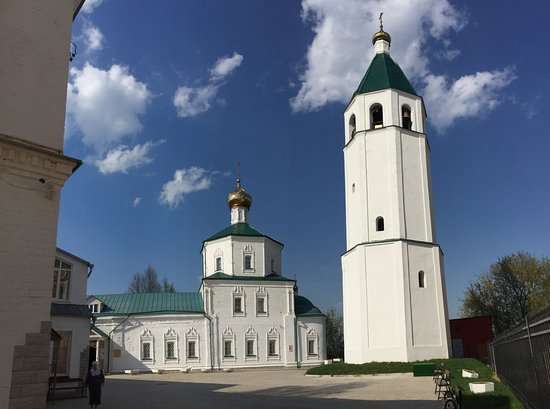
    Church of the Dormition of the Most Holy Mother of God

    🕍 Place of worship · 📜 Historic site

  3. Trading Rows — point on route “A Walk Around Klin”

    Trading Rows

    🏺 Market / bazaar · 🕵️ Urban legend

  4. 700th Anniversary Monument — point on route “A Walk Around Klin”

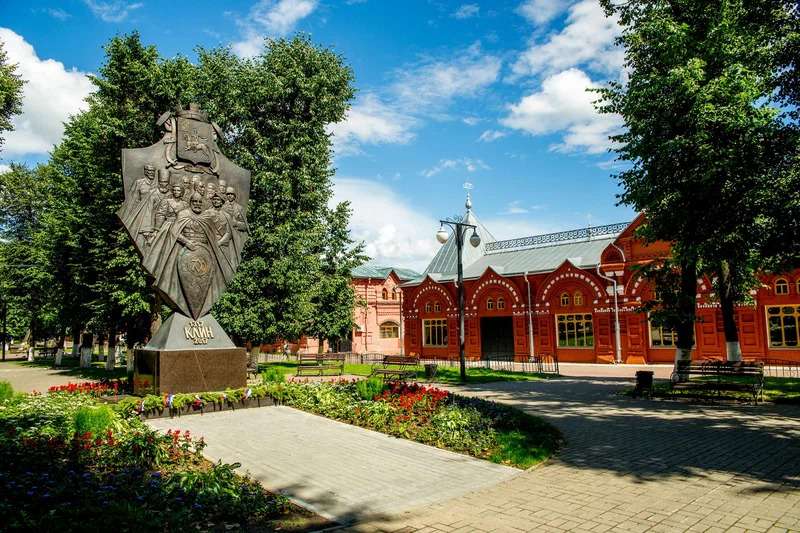
    700th Anniversary Monument

    🗿 Monument

  5. Church of the Resurrection — point on route “A Walk Around Klin”

    Church of the Resurrection

    🕍 Place of worship · 📜 Historic site

  6. Sergunin Pottery Studio — point on route “A Walk Around Klin”

    Sergunin Pottery Studio

    🕍 Place of worship · 🎨 Art installations

  7. Klinskoye Podvorye Christmas Ornament Museum — point on route “A Walk Around Klin”

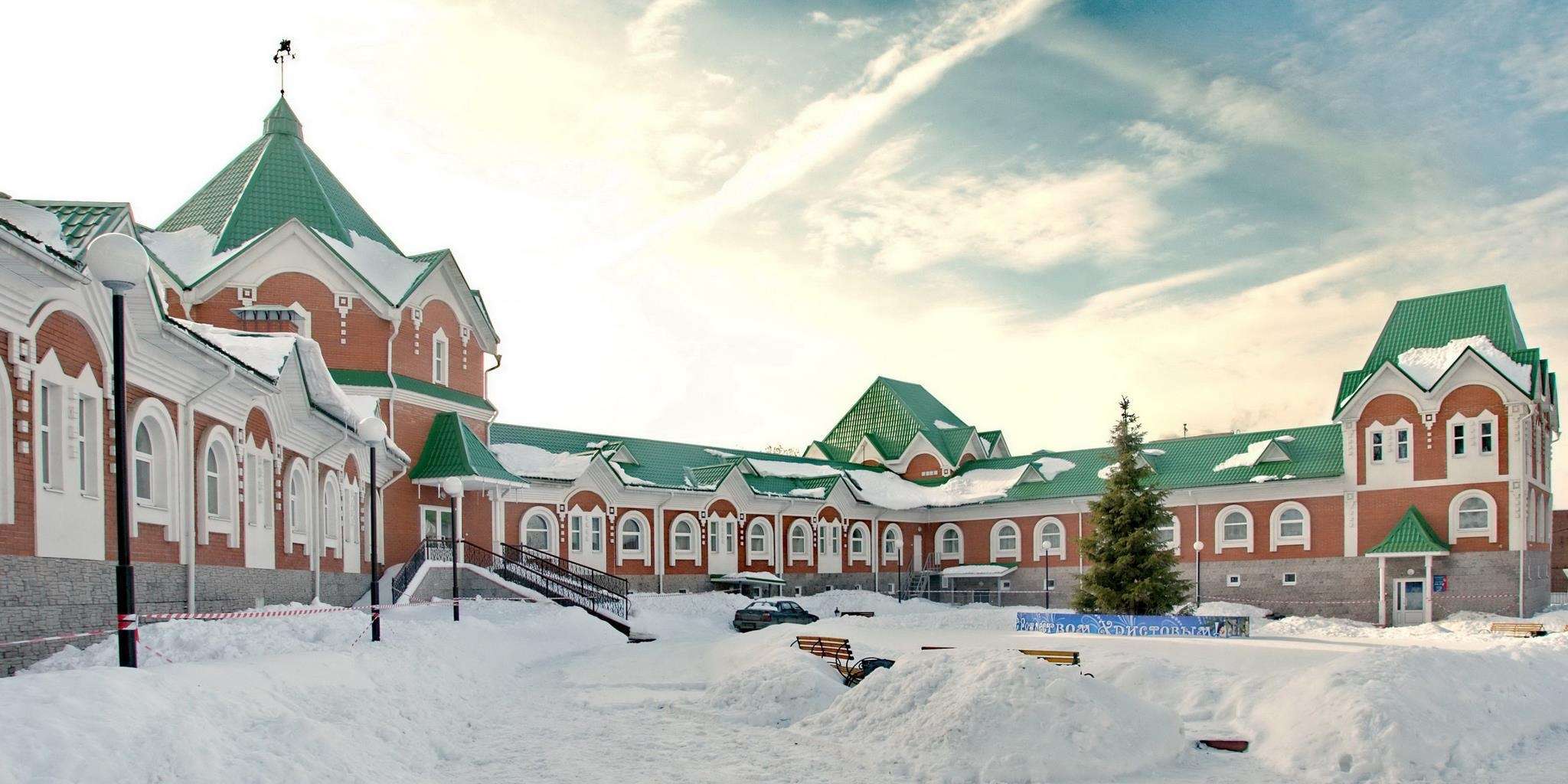
    Klinskoye Podvorye Christmas Ornament Museum

    🏛️ Museum · 🕵️ Urban legend

Trading Rows in Klin

Point on route “A Walk Around Klin”

Trading Rows — point on route “A Walk Around Klin”

Point 3

Trading Rows

🏺 Market / bazaar • 🕵️ Urban legend

Historical Background

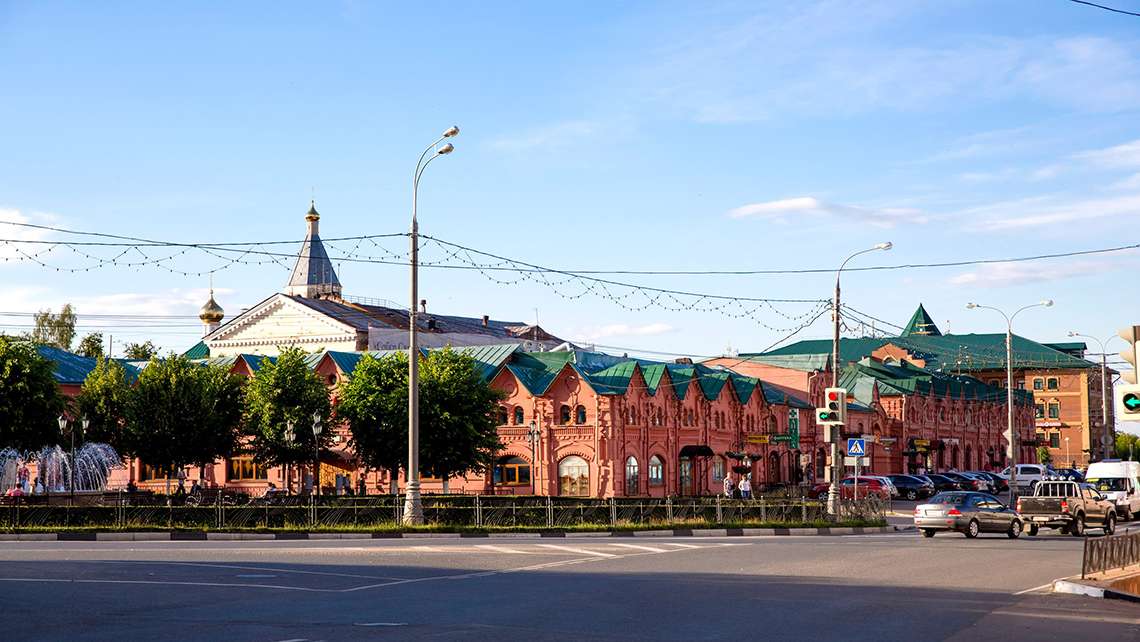
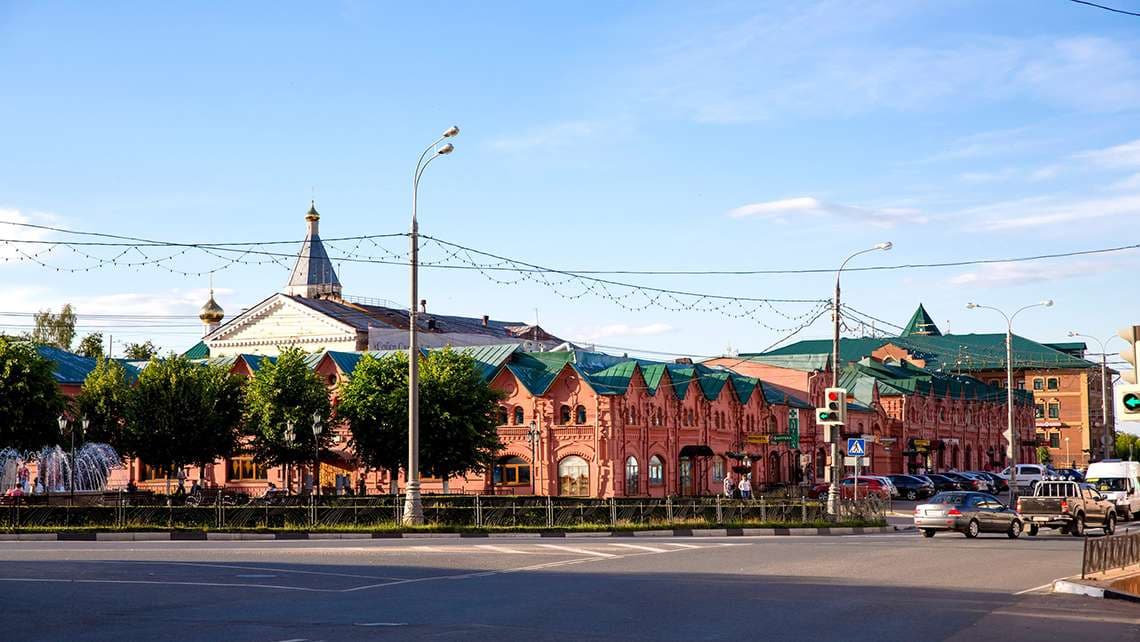
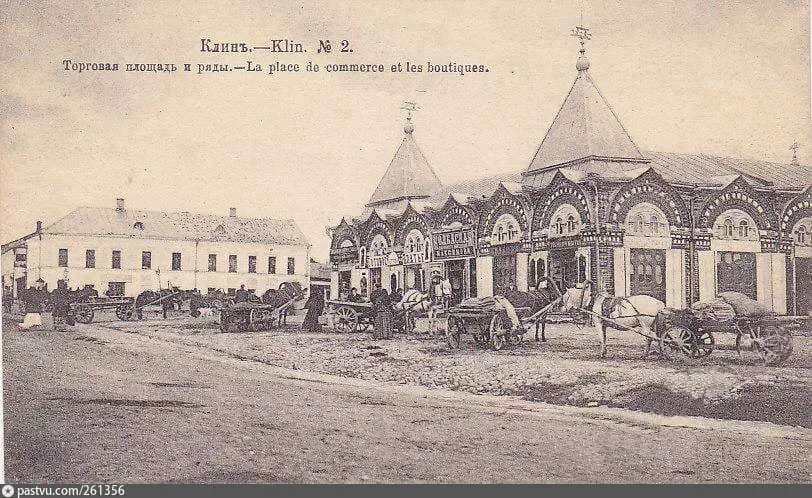
Klin's Trading Rows stand in the very center of town, on Sovetskaya Square. The first wooden shops appeared here in the early 18th century, at the crossroads of the Moscow–St. Petersburg and Dmitrov–Volokolamsk trade routes. Klin had long been a merchant town, and trade played an important part in its life. In the summer of 1885 a great fire destroyed most of Klin, including the old wooden rows. Legend has it that townspeople formed a bucket chain from the river to stop the fire, and the composer Pyotr Tchaikovsky stood among them.

Construction and Role in Town Life

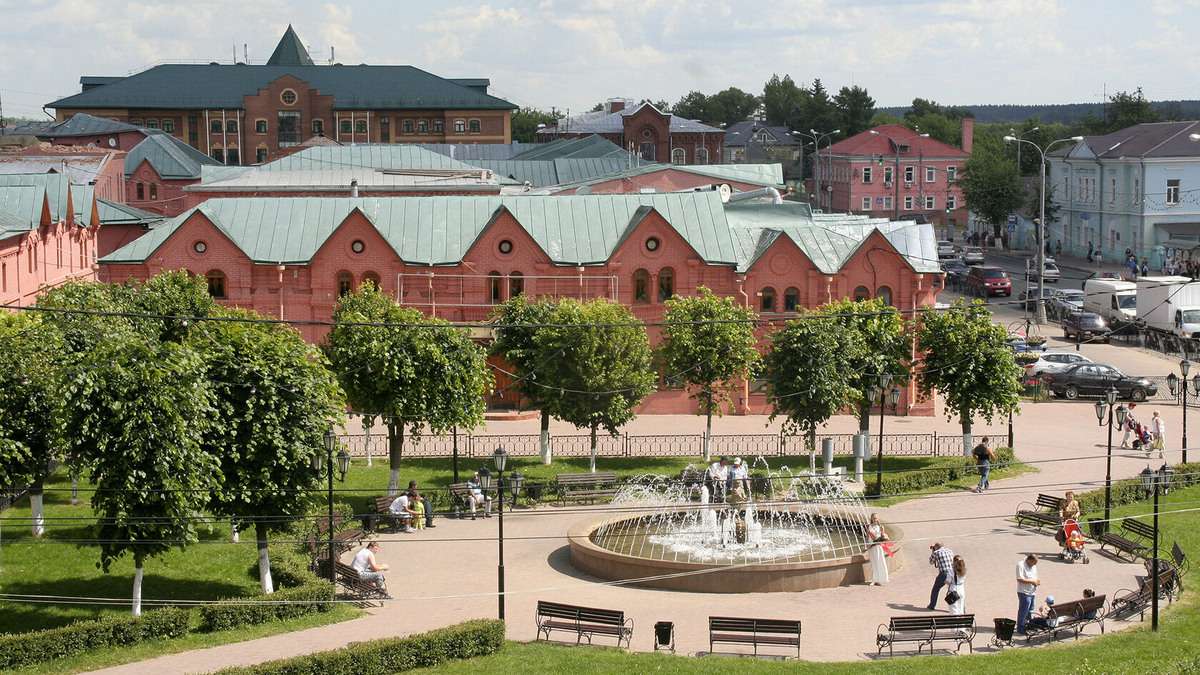
After the fire, the merchants decided to build a brick complex. The new Trading Rows went up in 1886–1888 to a design by the Moscow architect Sergei Rodionov. For a district town this was an exceptional project, on a scale comparable to provincial capitals. The ground floor held shops selling groceries, meat, bread, textiles, ironware, shoes and fruit, while the upper floors served as merchants' offices. Some shops had wrought-iron doors bearing their owners' names, and one of them has survived to this day.

Architecture

The Trading Rows were built in the Russian Revival style. The red-brick buildings form a square with a wide arch in the center. The facades are adorned with kokoshnik gables and decorative “little tower chambers,” and the corners are marked by turrets with weather vanes. Set into the niche of the central arch is an icon of St. Nicholas the Wonderworker, patron of merchants and protector against fire. This look gives the building expressiveness and ties it to the traditions of Old Russian architecture. Today the Trading Rows remain an important architectural landmark and a symbol of historic Klin, a reminder of the days when the town was a major trading center.