←A Walk Around Klin

A Walk Around Klin

Photo of route “A Walk Around Klin”
7 points4 km0 hours

Klin is known as Tchaikovsky's town: the composer spent the last years of his life here. The atmosphere of a provincial district town, with wooden houses and quiet streets, has survived to this day. The town is surrounded by forests and lies on the road from Moscow to Tver. Visitors come for a relaxed stroll through the historic center and a look at the local heritage.

Things to do

  • 🔍🖼️ Spot interesting details
  • 💡🎨 Look for inspiration

Route points (7)

  1. Tchaikovsky Museum and Estate — point on route “A Walk Around Klin”

    Tchaikovsky Museum and Estate

    🏛️ Museum · 📜 Historic site

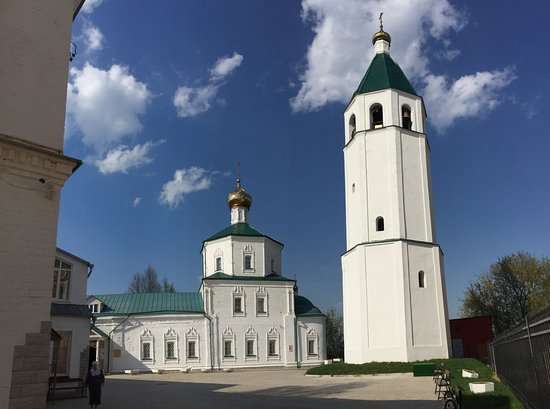
  2. Church of the Dormition of the Most Holy Mother of God — point on route “A Walk Around Klin”

    Church of the Dormition of the Most Holy Mother of God

    🕍 Place of worship · 📜 Historic site

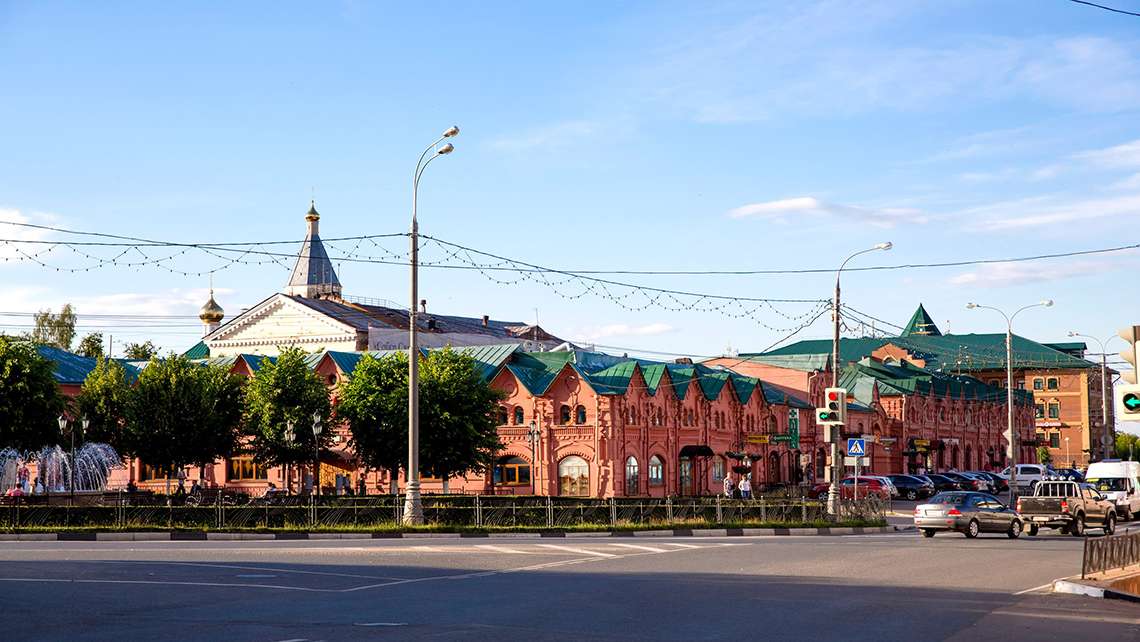
  3. Trading Rows — point on route “A Walk Around Klin”

    Trading Rows

    🏺 Market / bazaar · 🕵️ Urban legend

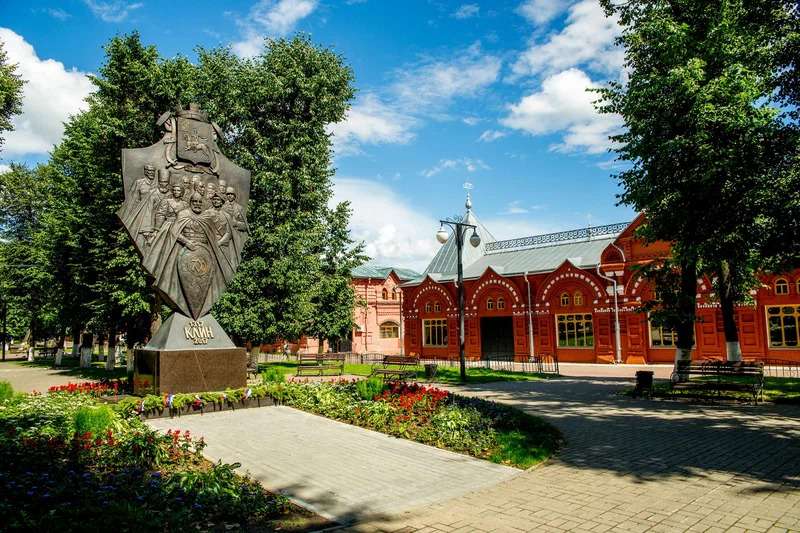
  4. 700th Anniversary Monument — point on route “A Walk Around Klin”

    700th Anniversary Monument

    🗿 Monument

  5. Church of the Resurrection — point on route “A Walk Around Klin”

    Church of the Resurrection

    🕍 Place of worship · 📜 Historic site

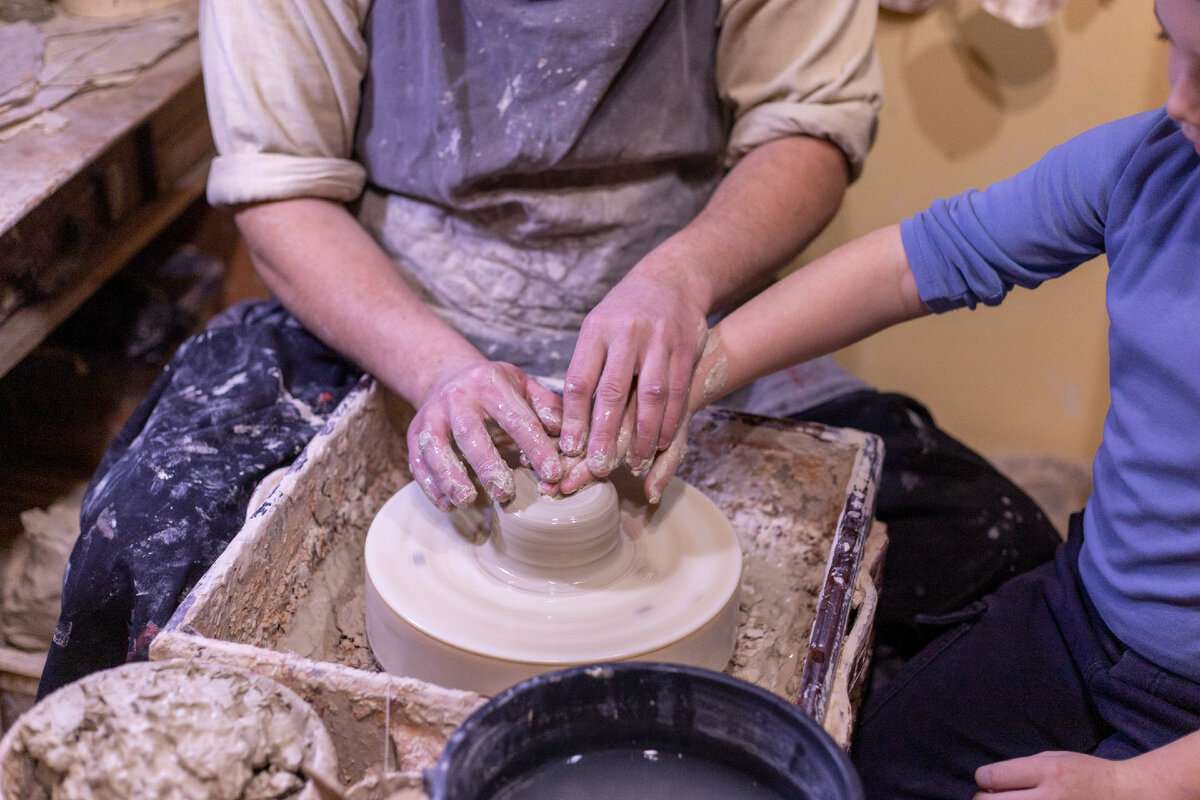
  6. Sergunin Pottery Studio — point on route “A Walk Around Klin”

    Sergunin Pottery Studio

    🕍 Place of worship · 🎨 Art installations

  7. Klinskoye Podvorye Christmas Ornament Museum — point on route “A Walk Around Klin”

    Klinskoye Podvorye Christmas Ornament Museum

    🏛️ Museum · 🕵️ Urban legend

Klinskoye Podvorye Christmas Ornament Museum in Klin

Point on route “A Walk Around Klin”

Klinskoye Podvorye Christmas Ornament Museum — point on route “A Walk Around Klin”

Point 7

Klinskoye Podvorye Christmas Ornament Museum

🏛️ Museum • 🕵️ Urban legend

History of the Craft

Klin's Christmas ornament craft is considered the oldest in Russia, dating back to the mid-19th century. In 1848 Prince Alexander Menshikov founded a glassworks on his estate that made household items of colored glass. Later it began producing glass beads used to decorate New Year trees. Gradually, small workshops sprang up in the surrounding villages, where peasants made holiday decorations by hand. After the revolution production was organized into artels (cooperatives), and later it became a full-fledged art craft that preserved its traditions and its masters.

Klinskoye Podvorye Museum

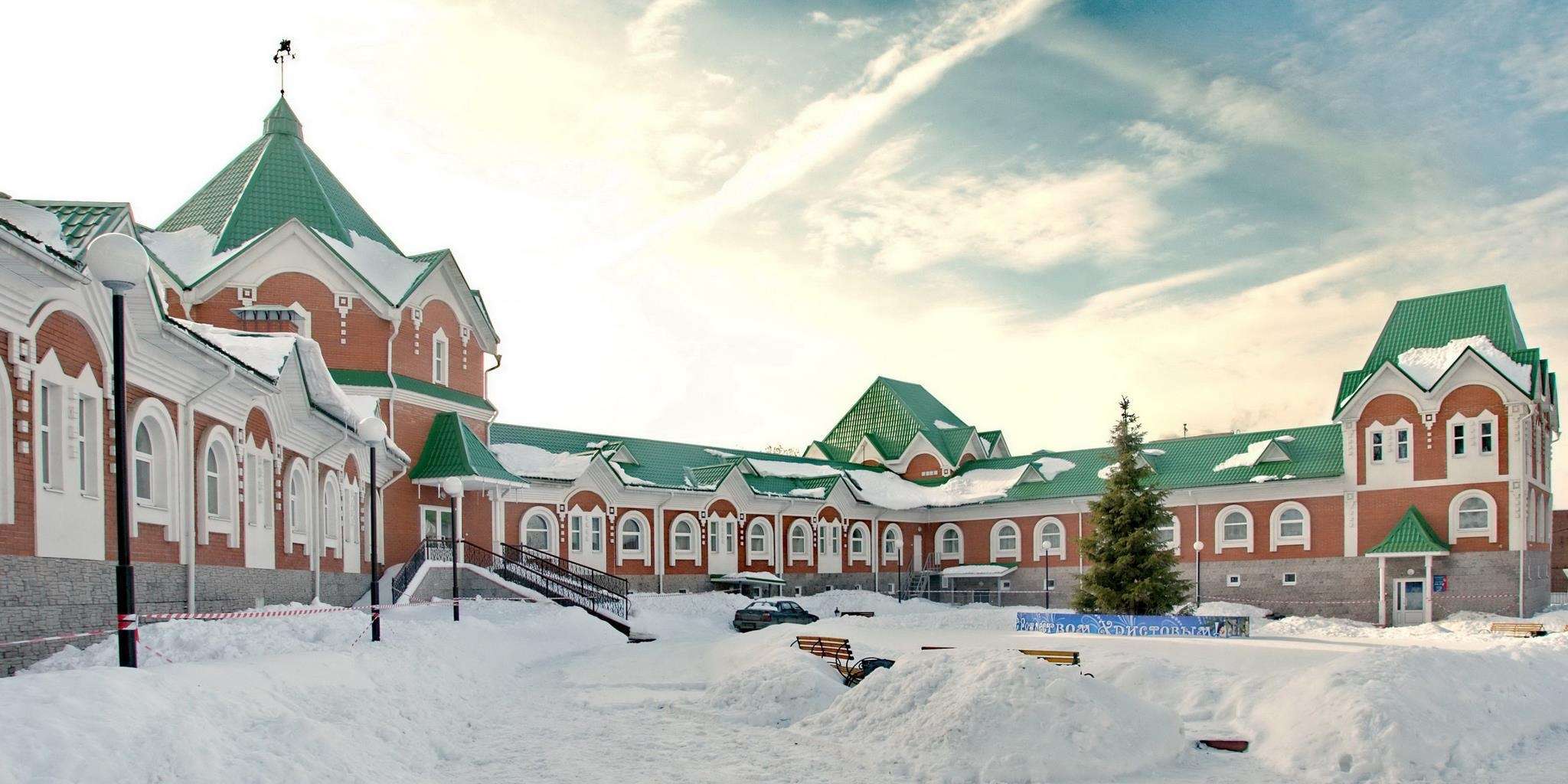
Today the main place to learn about the craft's history is the Klinskoye Podvorye museum, the only Christmas ornament museum in Russia. It is housed in a building designed like a fairy-tale palace. Its twelve halls display a collection of antique and modern ornaments, New Year garlands, Ded Moroz (Grandfather Frost) figures and other holiday treasures.

The Exhibition

The first hall tells the story of the tradition of decorating the tree and of the glassblowing craft. There's a re-created craftsman's cottage with his tools and an industrial hall with toys from the 1920s and 1930s, such as airships, airplanes and bicycles assembled from glass beads. One hall is devoted to a glassblowing workshop, where you can watch fragile baubles and figurines being blown. Artists decorate them by hand with snowflakes, winter landscapes and images of Ded Moroz. A separate space is dedicated to “The Nutcracker,” which links Klin with the name of Pyotr Tchaikovsky.

Modern Traditions

The museum introduces not only the history but also the present-day production of the Yolochka factory, which still makes handmade ornaments. It hosts workshops and theatrical tours that appeal equally to children and adults. Many visitors remark on the festive atmosphere that fills the museum all year round.