 8 points
 30 km
 4 hours


Background
Oh, poor Misha “Eralash”… The morgue where the Universam boys come with Eralash's grandmother was filmed on Suzdalskoye Highway. It's actually an ordinary clinic, Polyclinic No. 2.

Susanin has put together a route through the locations where iconic scenes of the series “The Boy's Word: Blood on the Asphalt” were filmed. According to a popular story, Yaroslavl played 1980s Kazan because the authorities of Tatarstan objected to the series shining a light on the grim history of street gangs. The filmmakers were helped by standard Soviet housing, swapped address plates, and other tricks. So, ready to motatsya*? _*Motatsya_ is 1980s slang meaning to roam around with your crew.
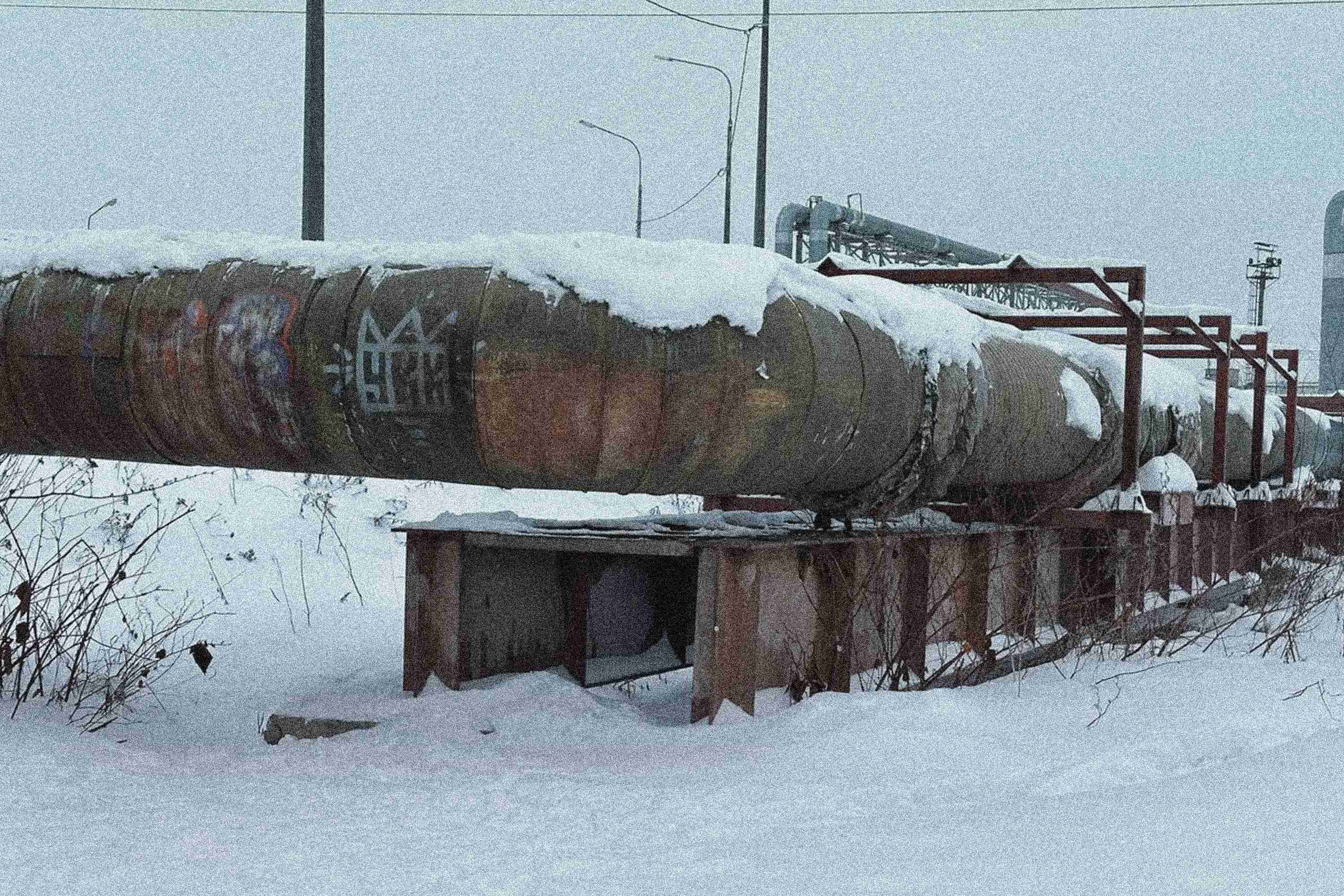
The Pipes: Universam's Meeting Place
🎨 Art installations
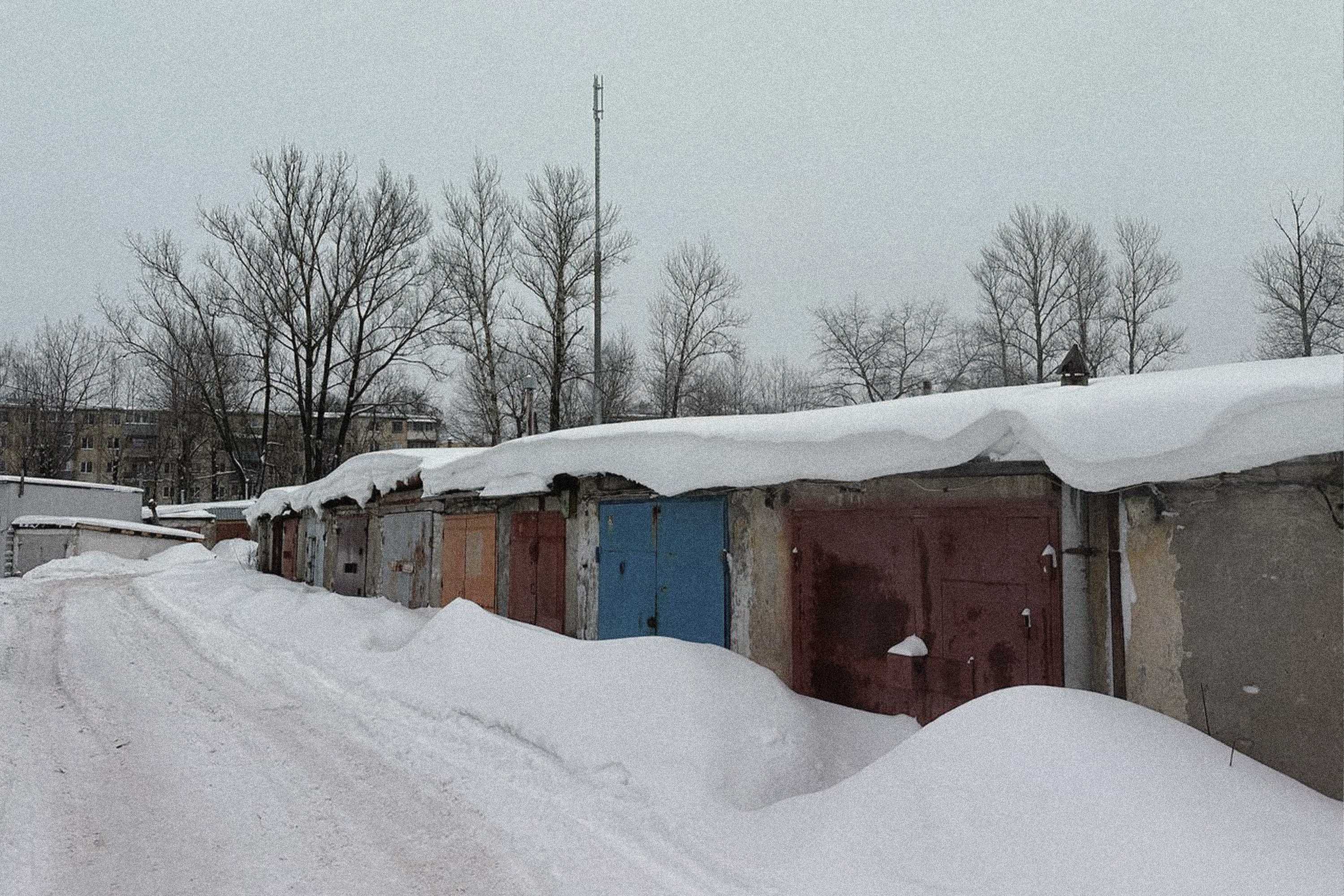
The Garages: The Fight with “Razyezd”
🎨 Art installations
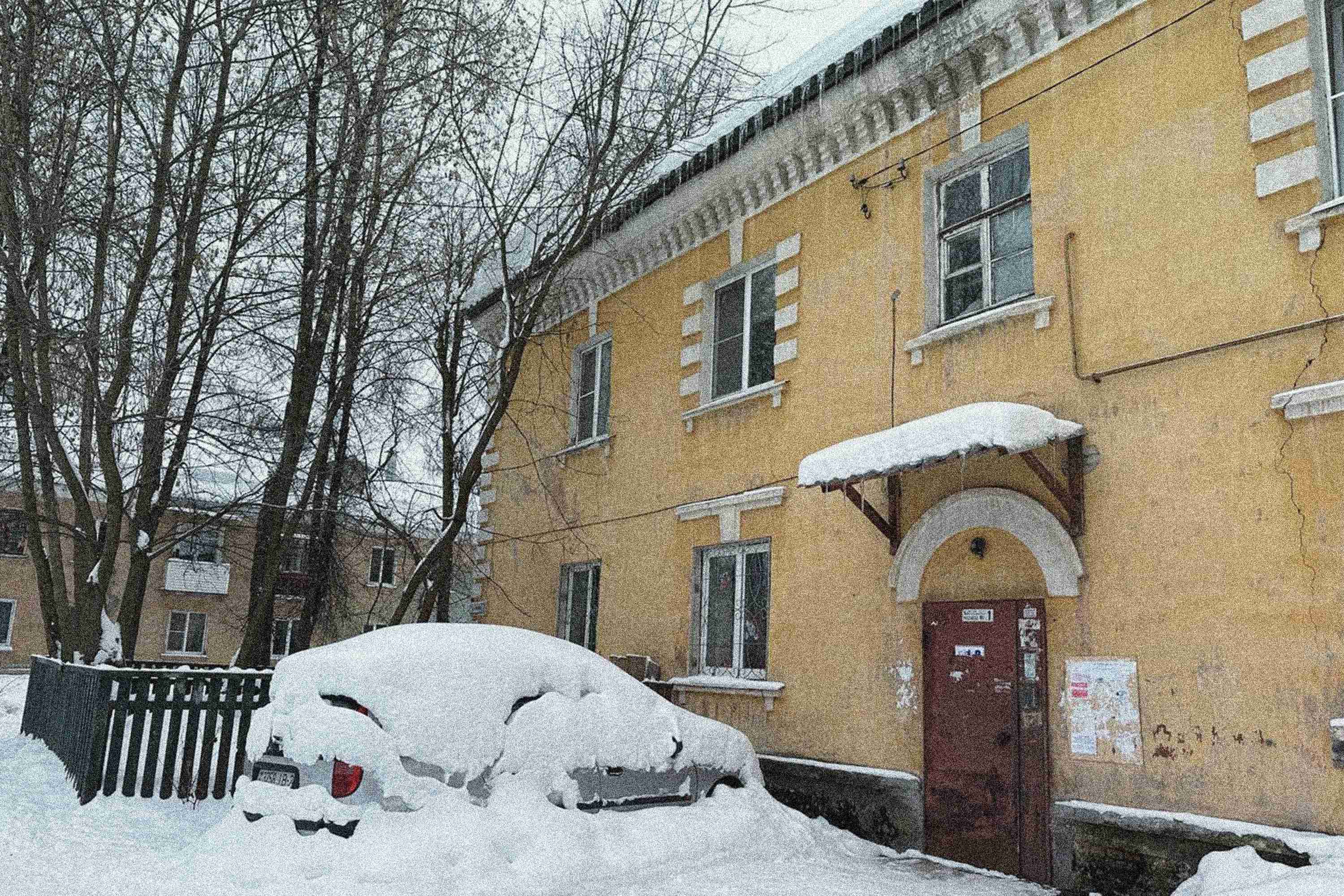
Palto's House
🏟️ Architectural landmark · 🕵️ Urban legend
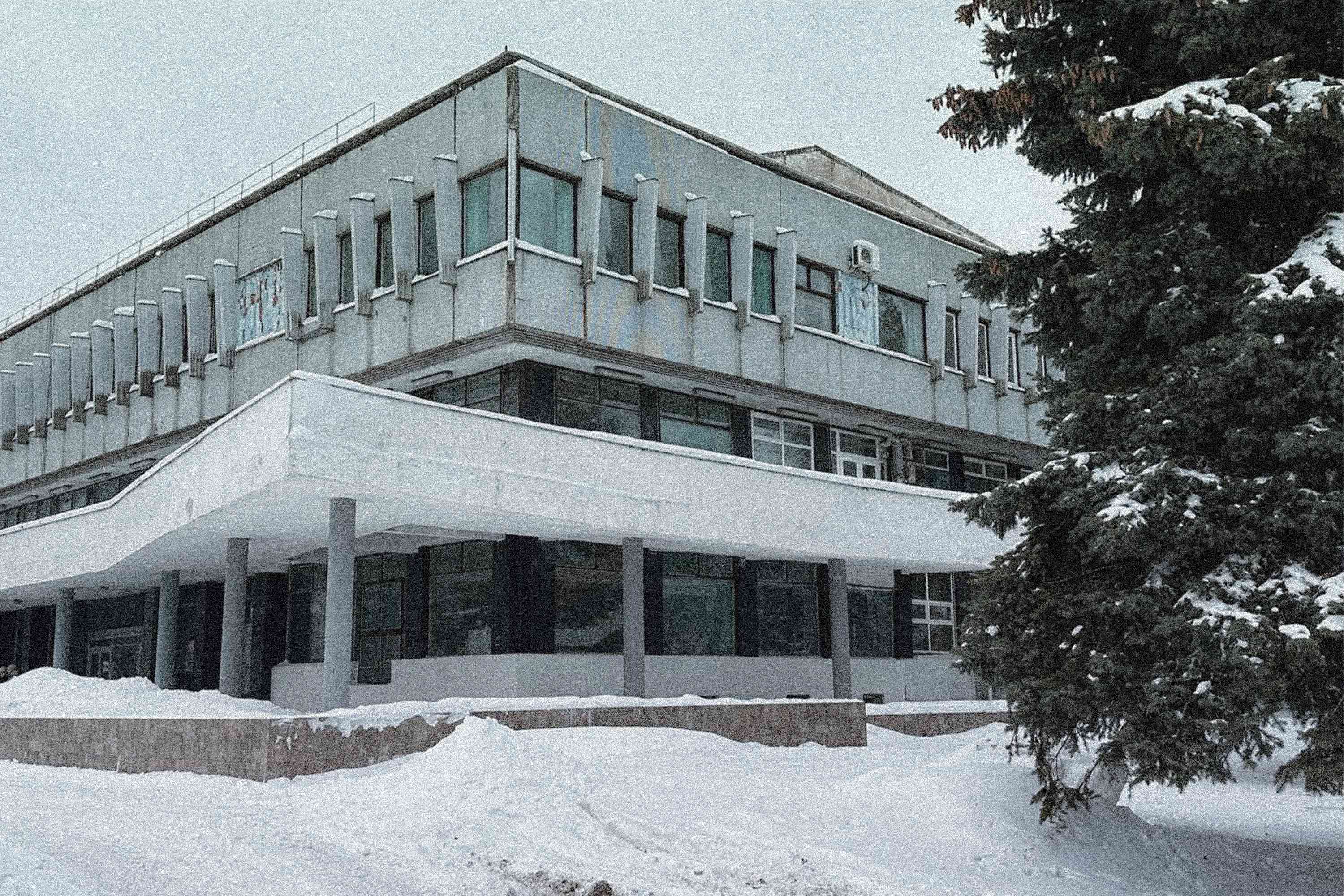
Marat Joins the Komsomol
🏟️ Architectural landmark
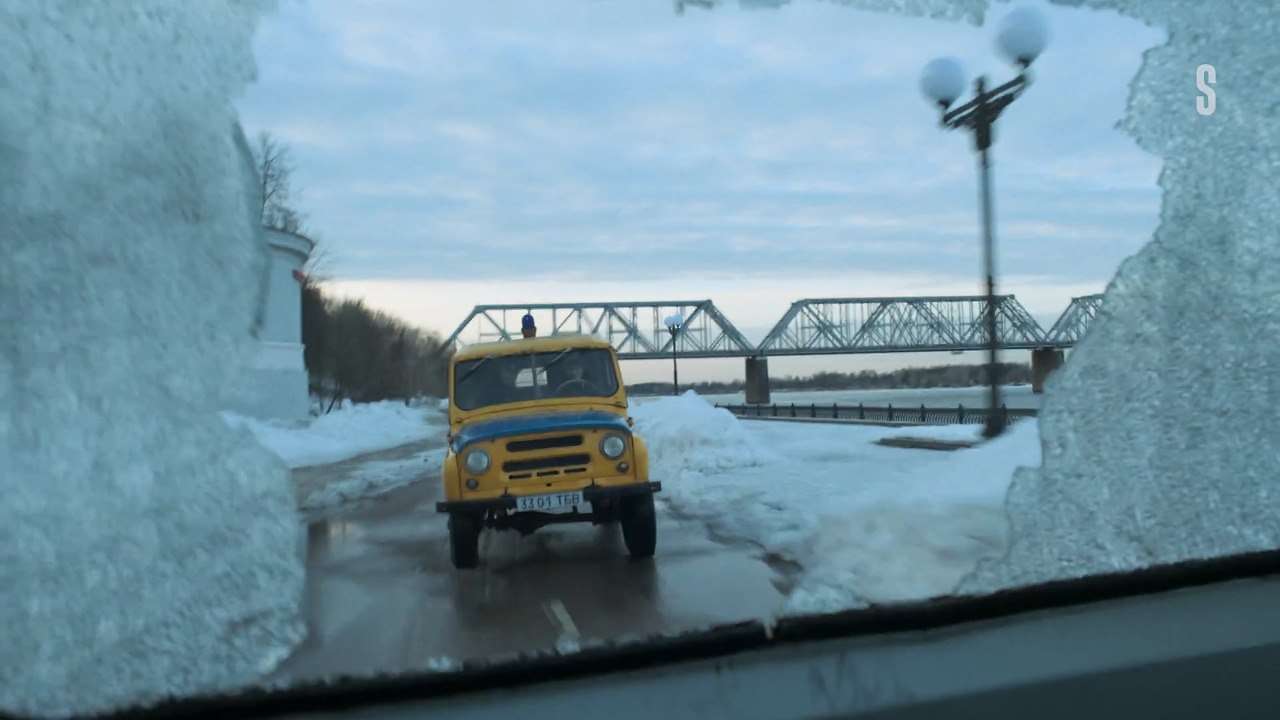
Escape in an Ambulance
🏟️ Architectural landmark · 🌉 Bridge
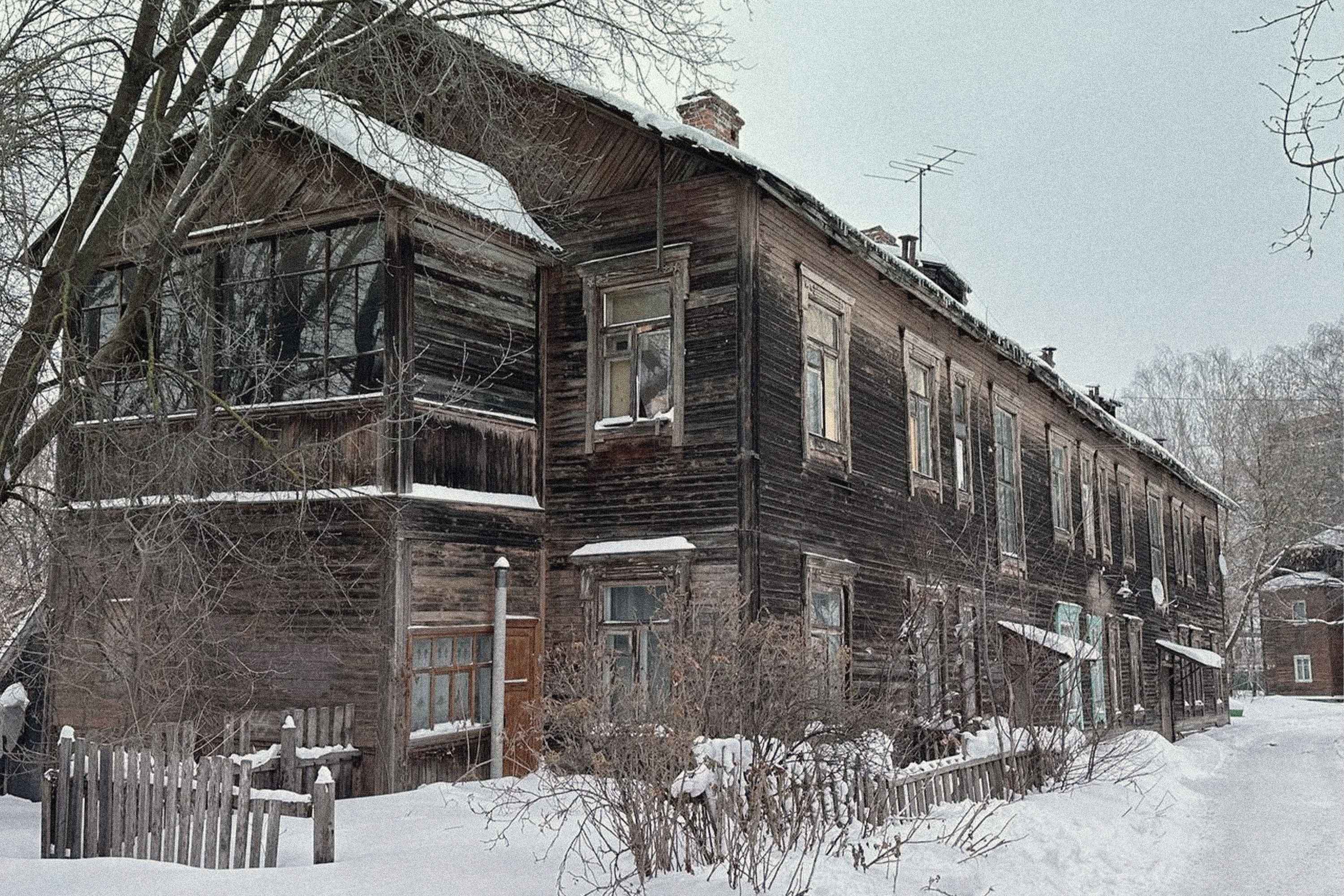
On the Way to Watch the “Vidak”
🏟️ Architectural landmark

Identifying “Eralash”: The Morgue
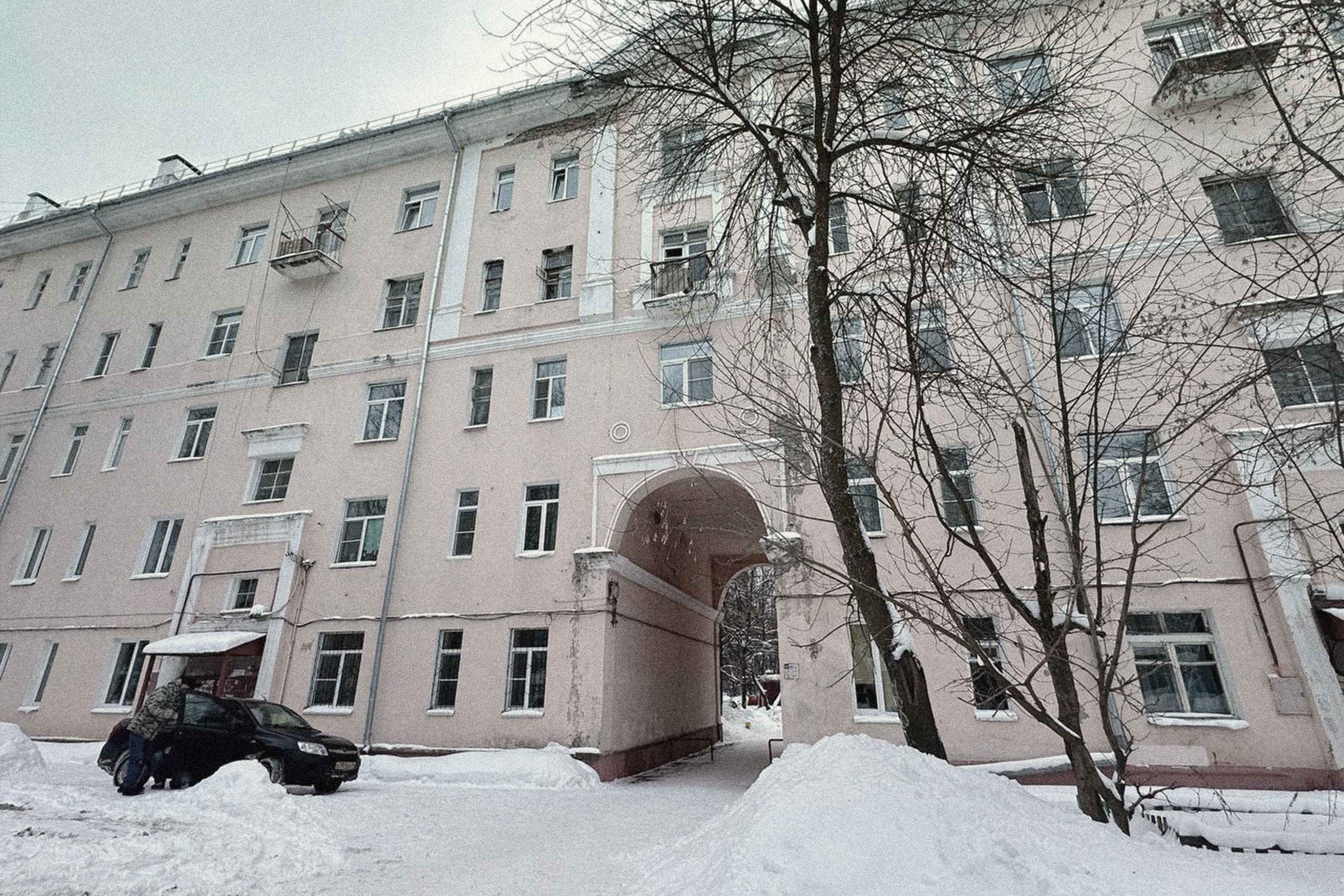
Marat's House
🏟️ Architectural landmark


Point 7
Oh, poor Misha “Eralash”… The morgue where the Universam boys come with Eralash's grandmother was filmed on Suzdalskoye Highway. It's actually an ordinary clinic, Polyclinic No. 2.
Misha “Eralash” is portrayed as a bright, kind boy who dreamed of buying an iron for his grandmother. He was beaten to death by members of a rival gang. Why didn't Misha lie about where he was from? Had he called himself a chushpan, he would have gotten off with a simple beating. The thing is, under the “code of honor” of the Kazan gangs, if you were walking through another gang's territory and were asked “Where are you from?”, you had no right to lie. And so Misha told the truth.
Point on route “Filming Locations of “The Boy's Word””
Point 7
Oh, poor Misha “Eralash”… The morgue where the Universam boys come with Eralash's grandmother was filmed on Suzdalskoye Highway. It's actually an ordinary clinic, Polyclinic No. 2.
Misha “Eralash” is portrayed as a bright, kind boy who dreamed of buying an iron for his grandmother. He was beaten to death by members of a rival gang. Why didn't Misha lie about where he was from? Had he called himself a chushpan, he would have gotten off with a simple beating. The thing is, under the “code of honor” of the Kazan gangs, if you were walking through another gang's territory and were asked “Where are you from?”, you had no right to lie. And so Misha told the truth.