 11 points
 5 km
 4 hours


Everything You Wanted to Know About Bells, and Even More!
At the museum you'll hear about the ancient Russian craft of bell casting. You'll also learn how bells were made in the East, in Western Europe, and in Byzantium.
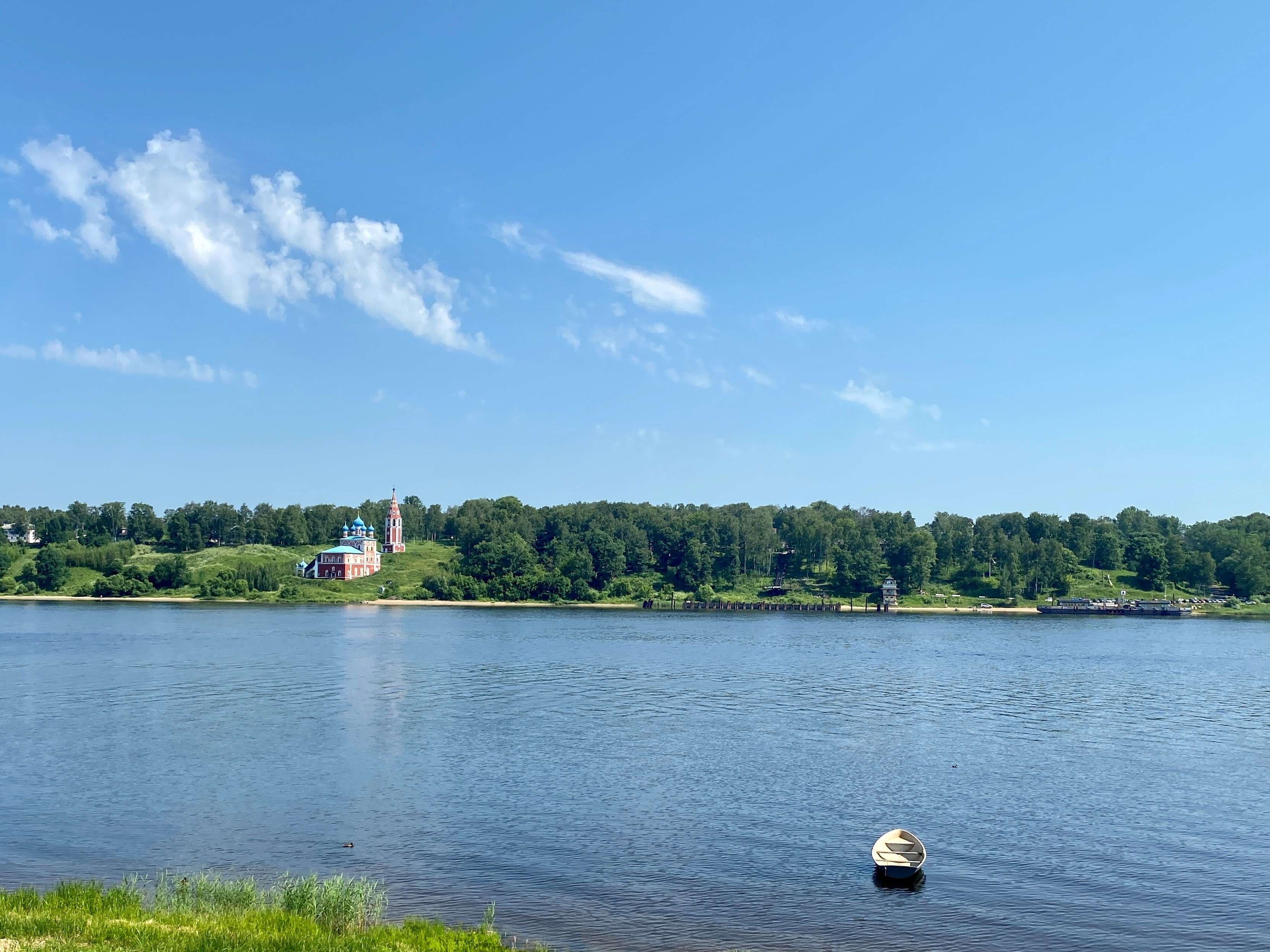
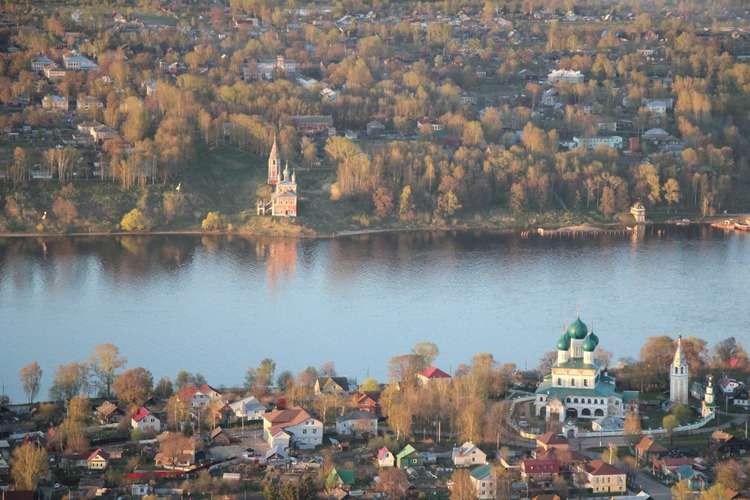
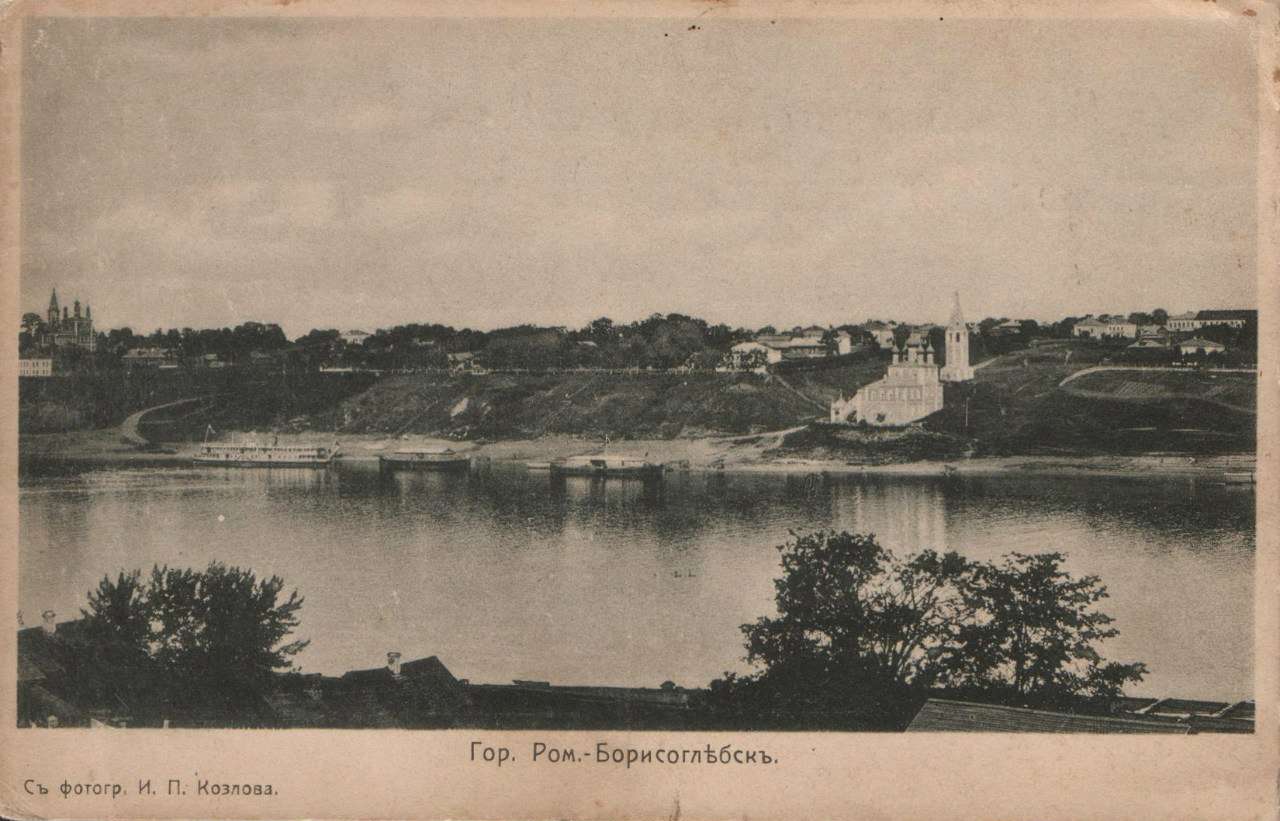
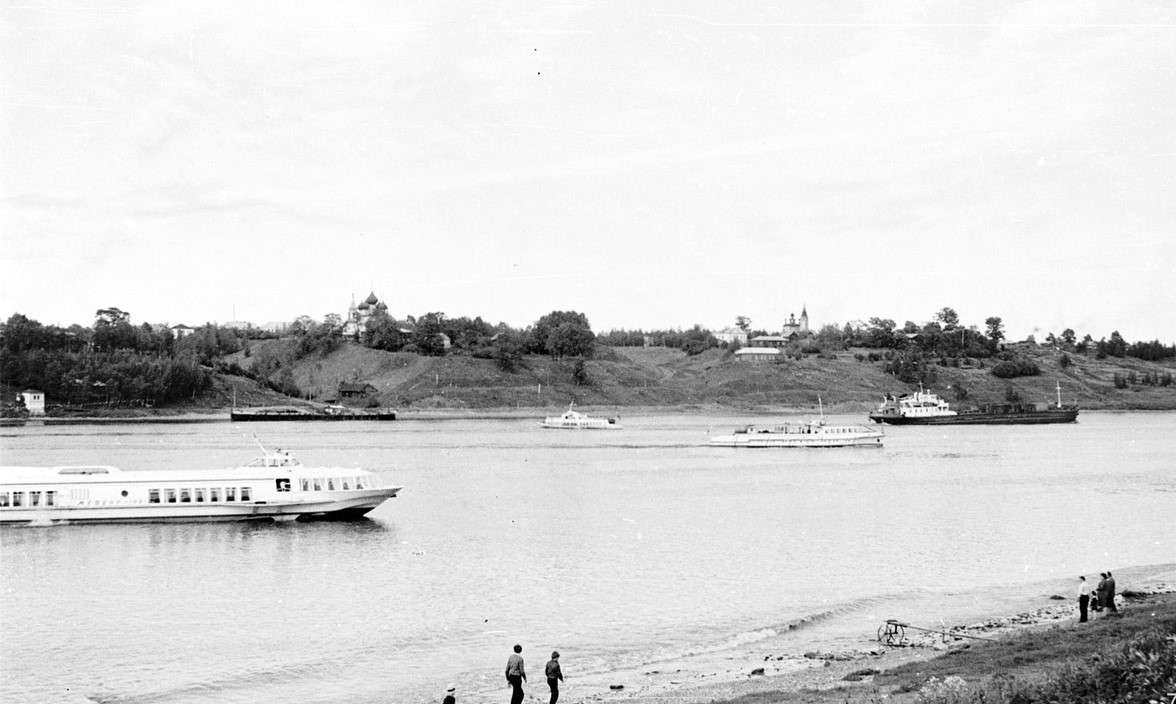
Romanov-Borisoglebsk changed its name to Tutaev only in 1918, in honor of a Red Army soldier killed during the Yaroslavl Uprising. The Volga divides the town into two unequal parts, with the right bank much larger. But that doesn't mean there's nothing to see on the left. Let's stroll past the main sights of the left bank.
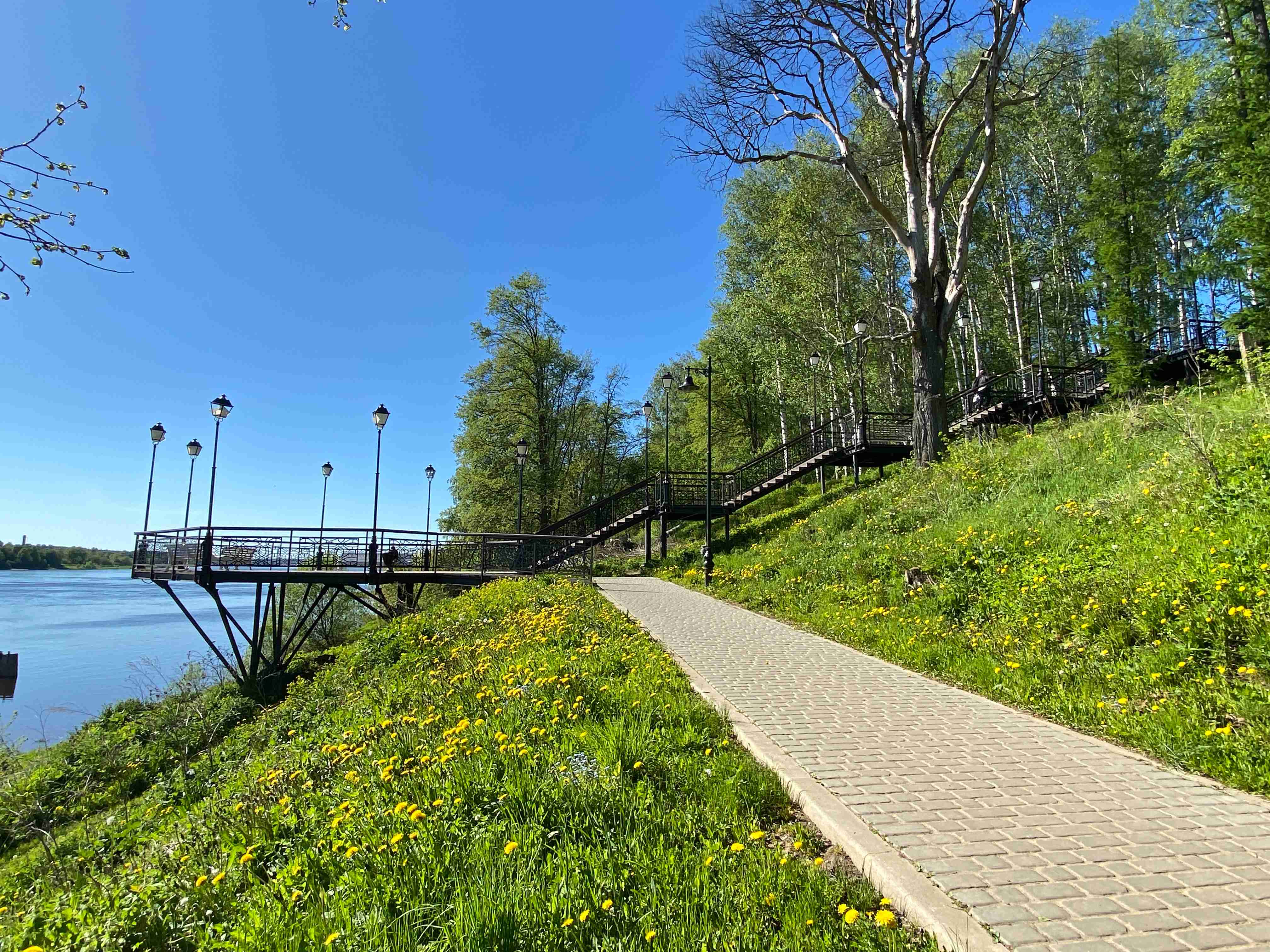
Volga Embankment
🚶♂️ Waterfront
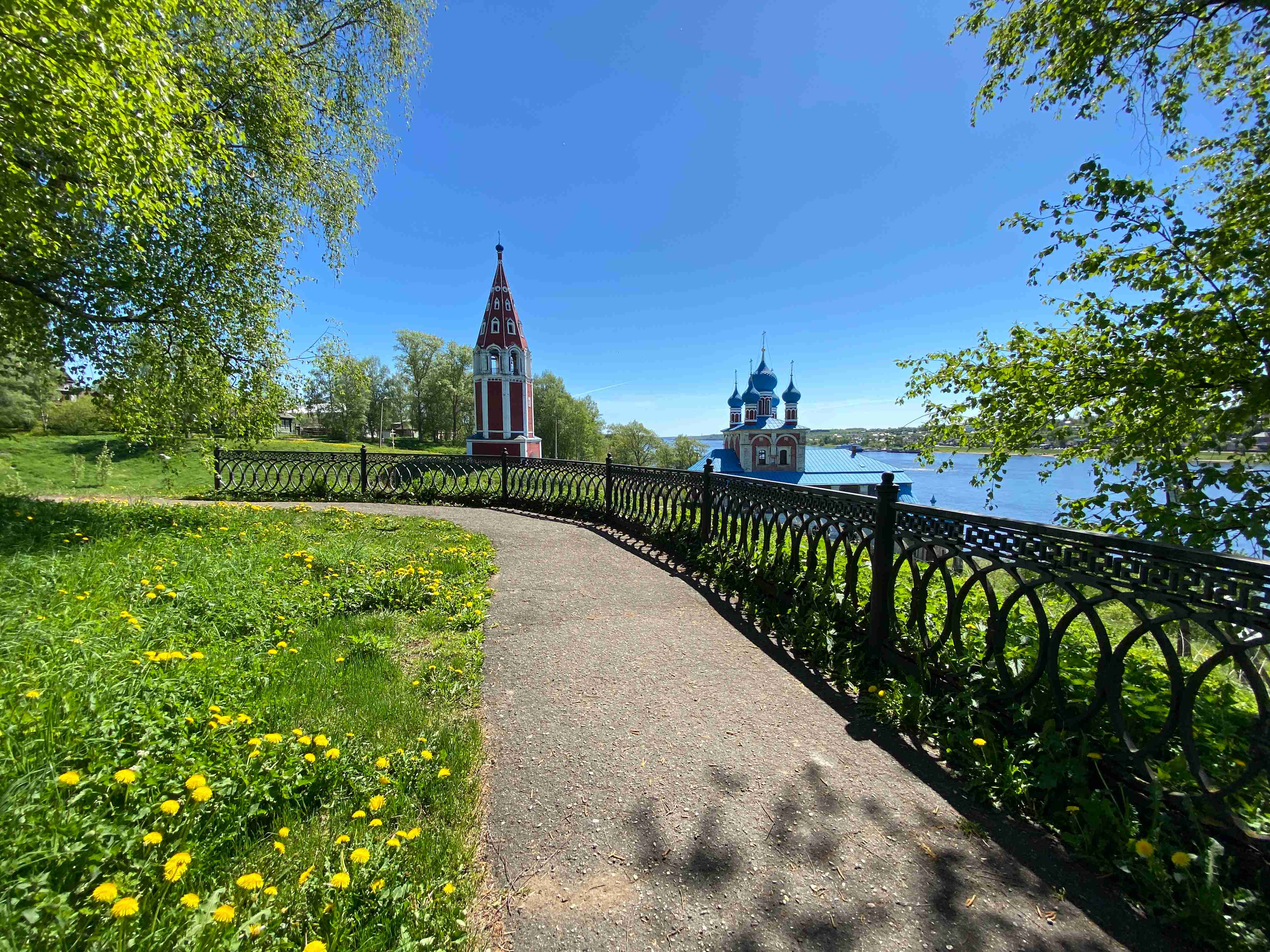
Kustodiev Boulevard
🚶♂️ Waterfront · 📜 Historic site · 🔭 Viewpoint
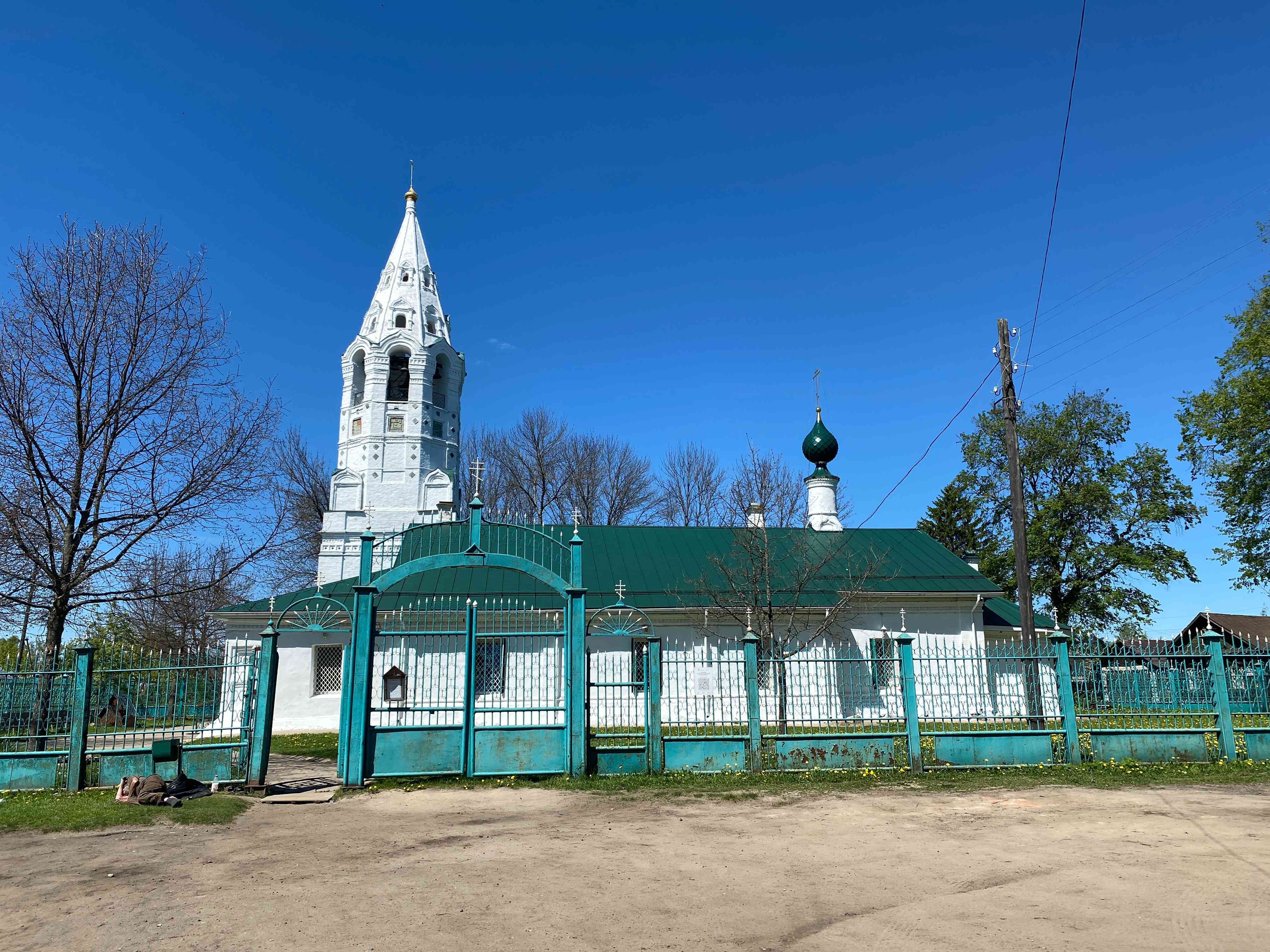
Church of the Protection of the Mother of God
🕍 Place of worship · 📜 Historic site
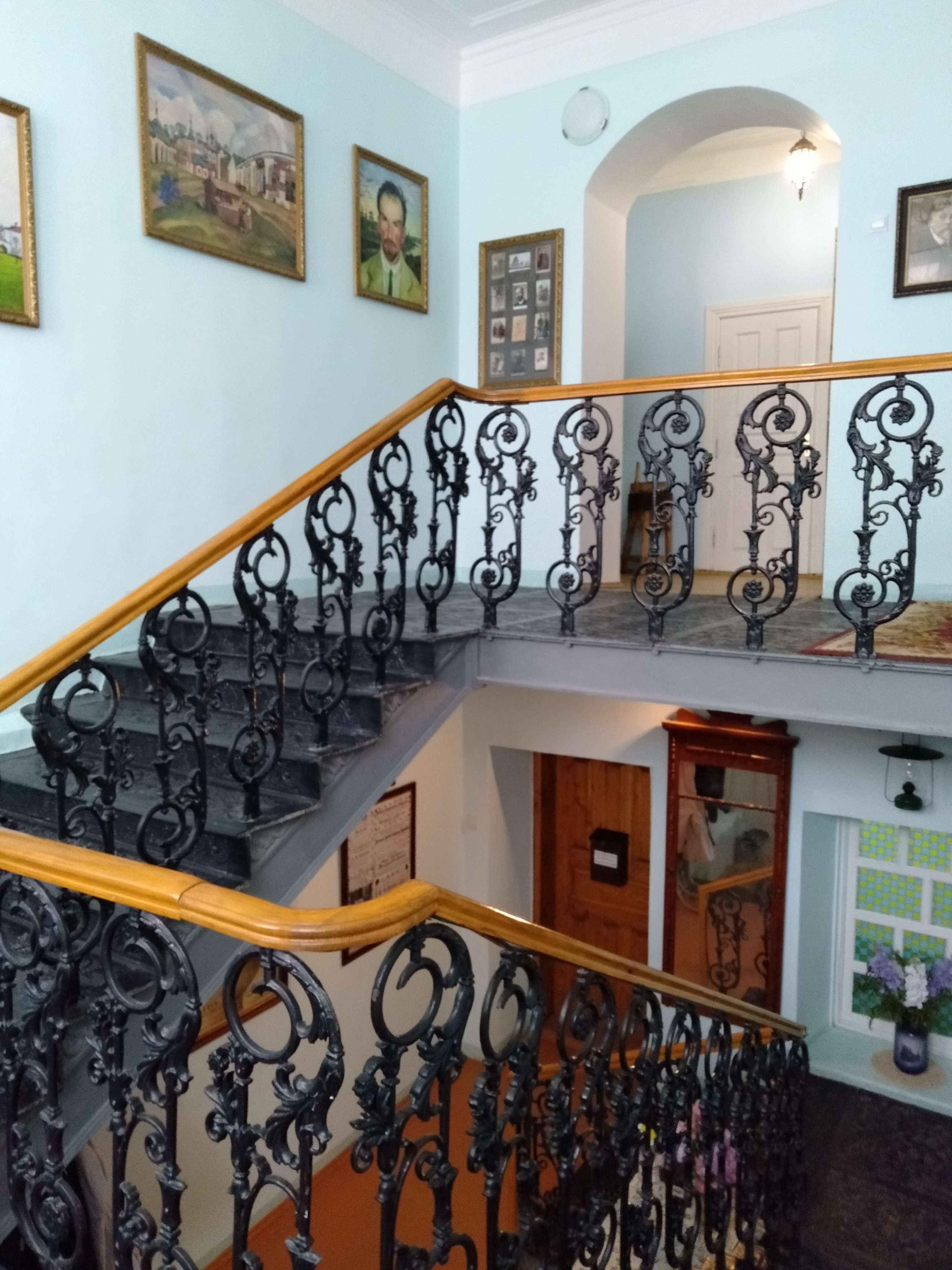
“History Come Alive” Museum
🏛️ Museum · 📜 Historic site
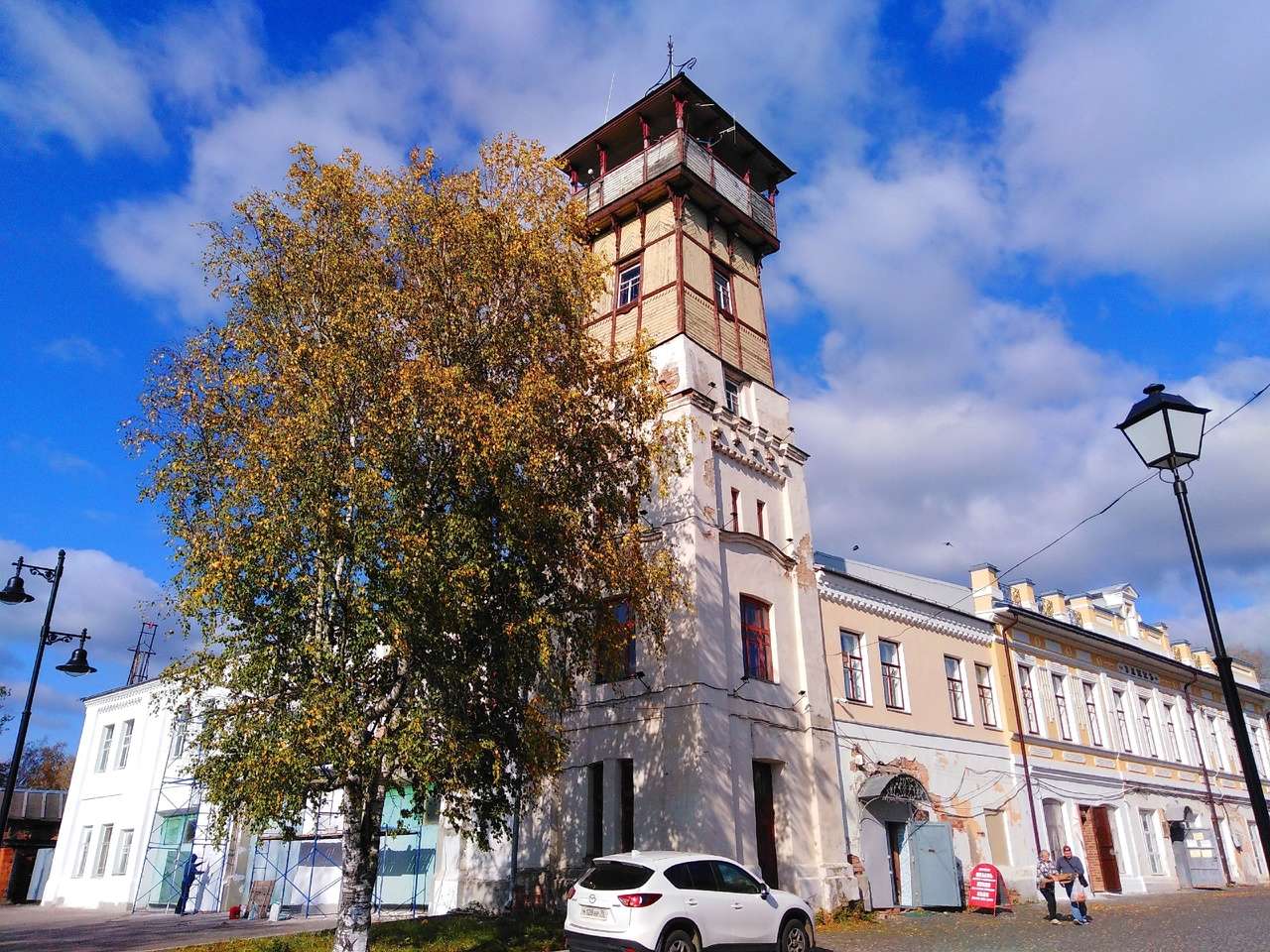
Fire Tower Viewing Platform
🔭 Viewpoint
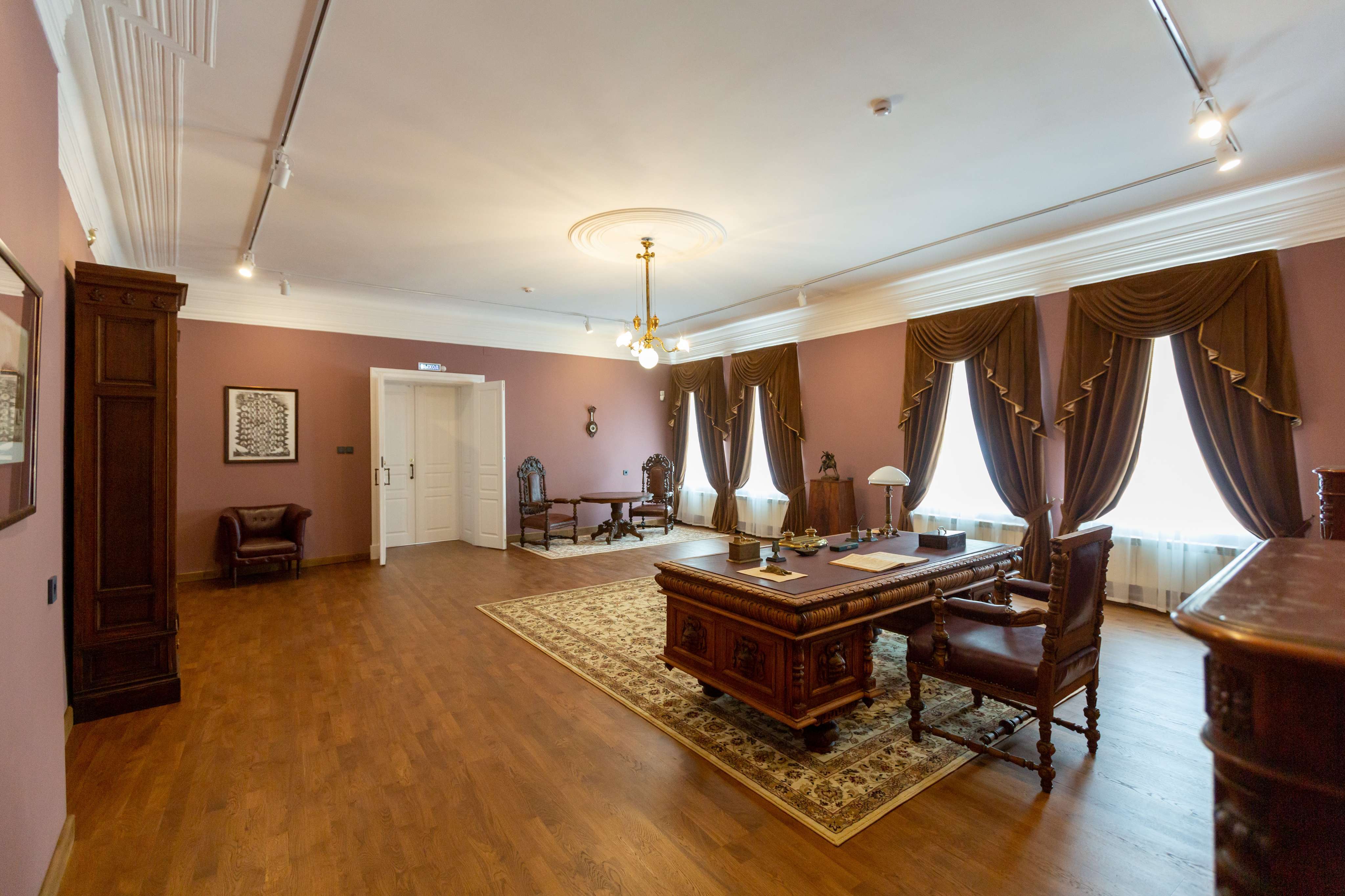
“Dom on Novinskaya” Provincial Bank Museum
🏛️ Museum · 📜 Historic site
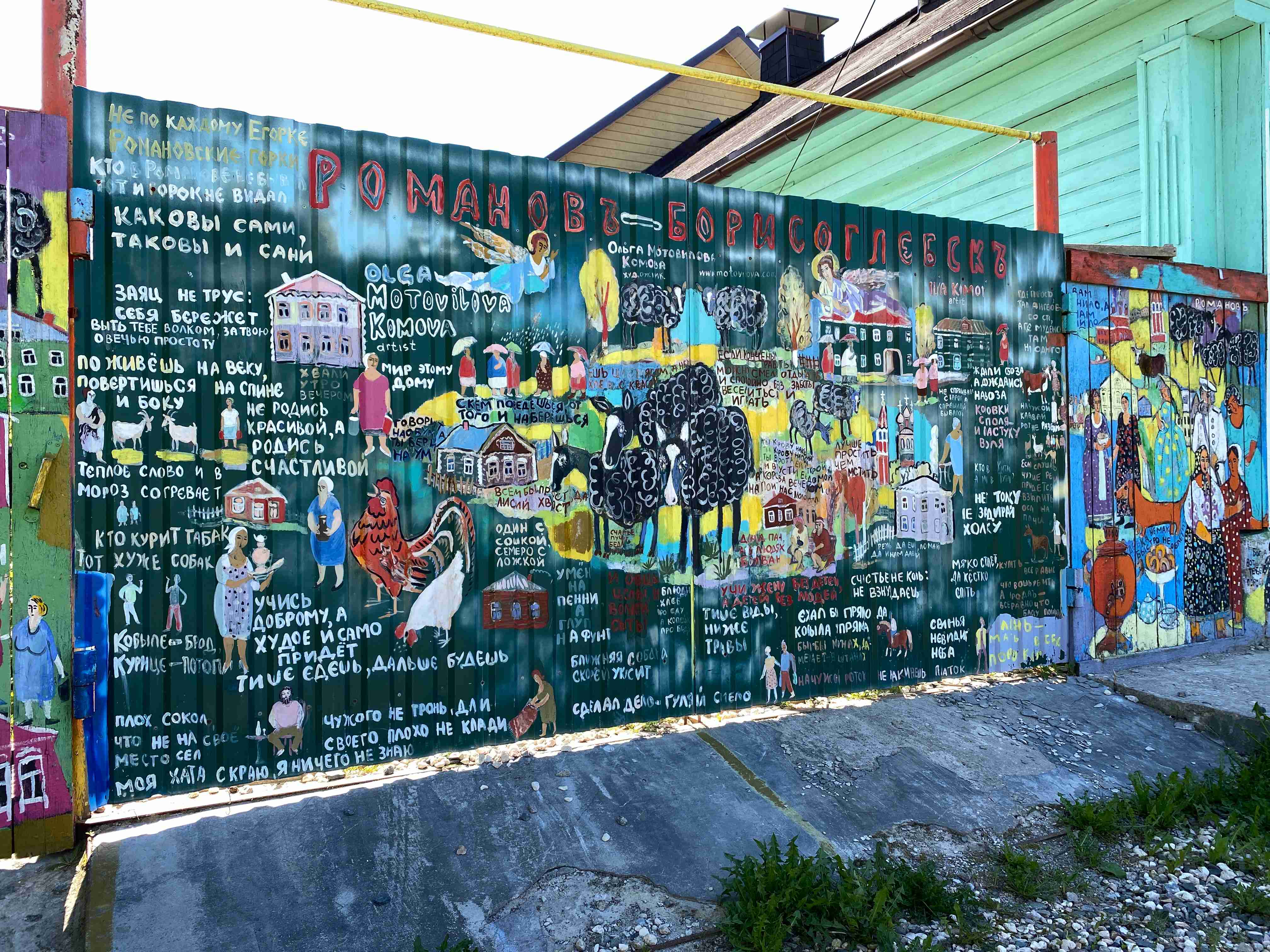
“The History of Romanov on a Fence” Art Fence
🎨 Art installations · 🖌️ Street art
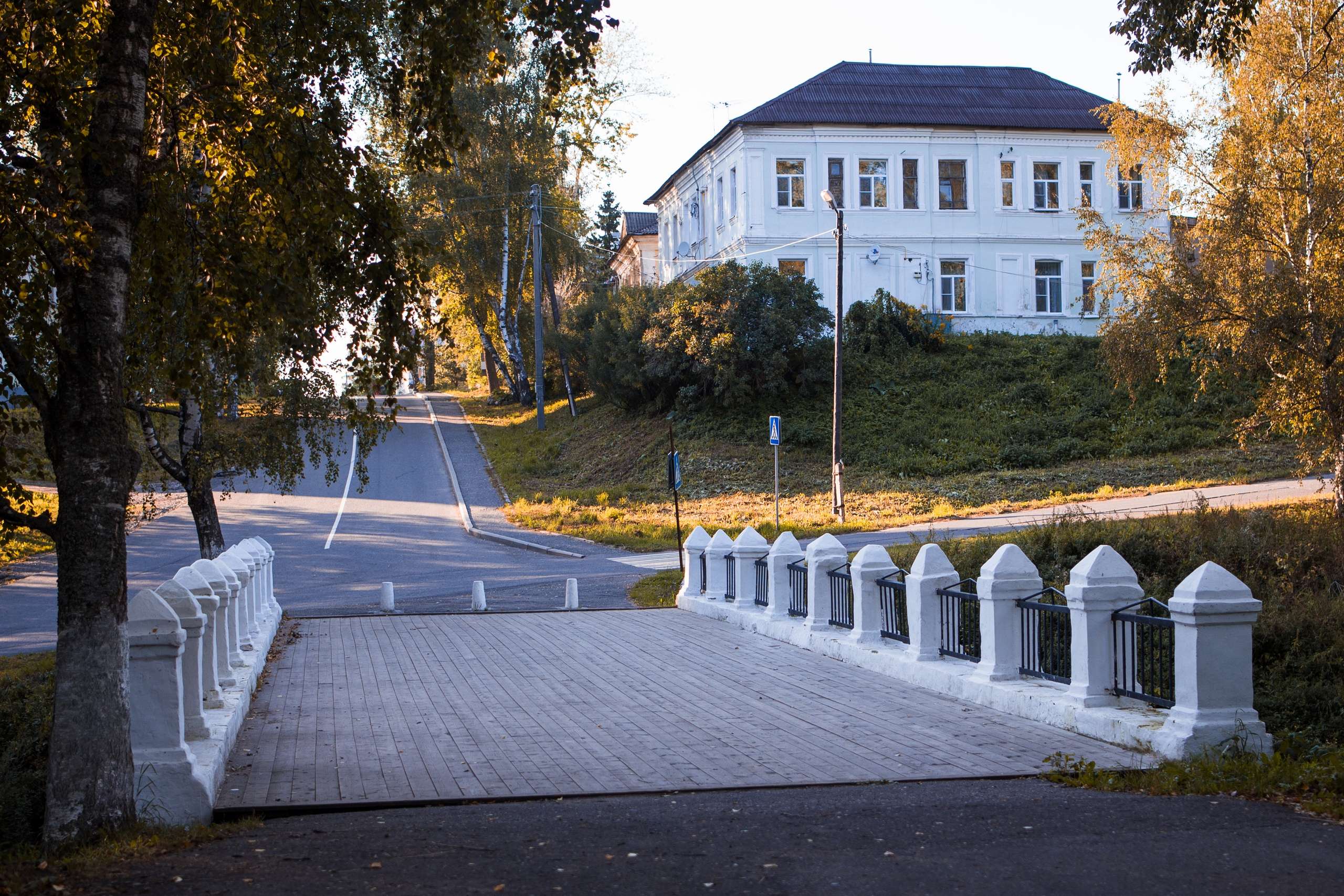
Leontyevsky Bridge
🕵️ Urban legend · 🌉 Bridge
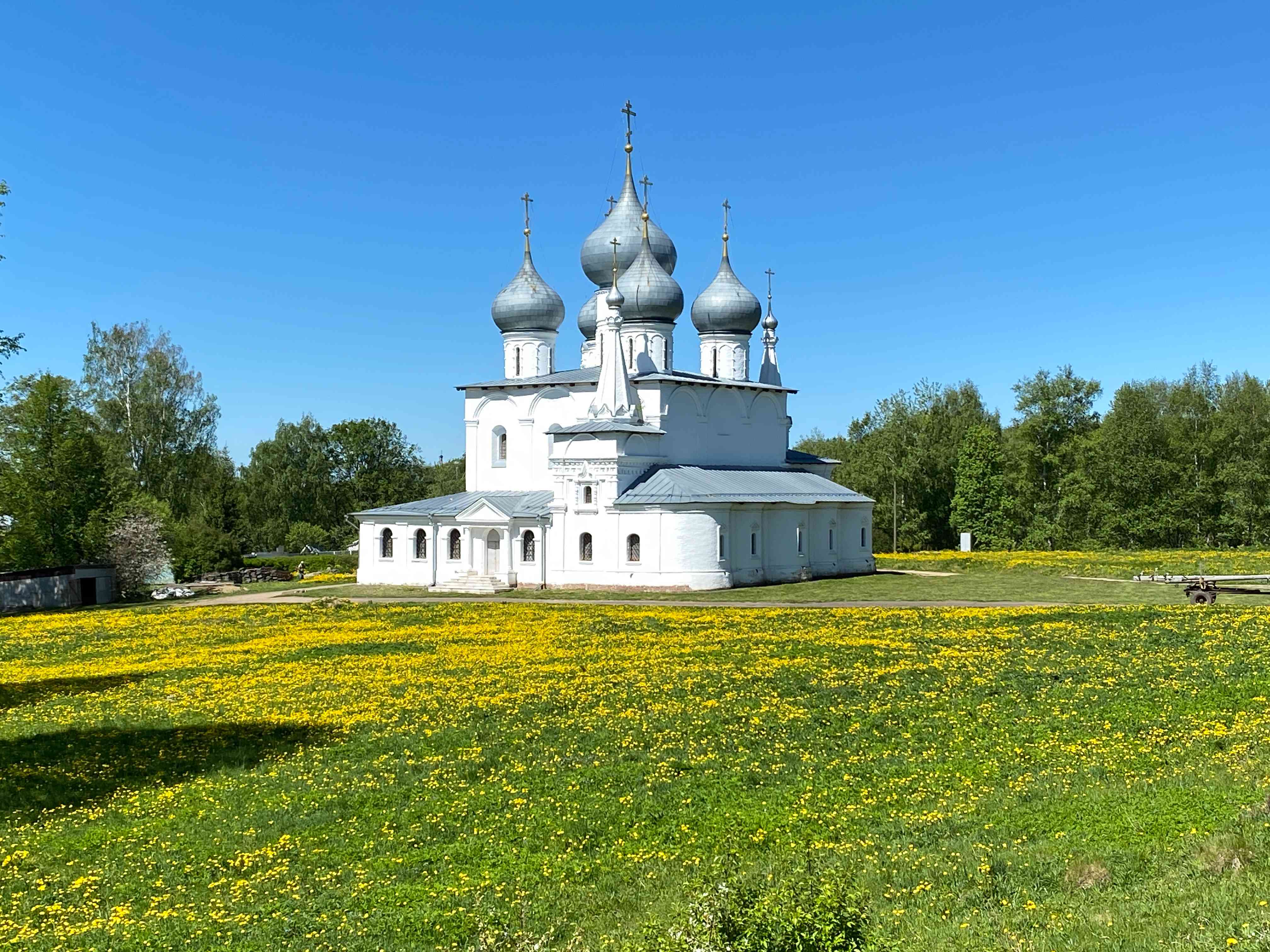
Cathedral of the Exaltation of the Cross
🕍 Place of worship · 📜 Historic site
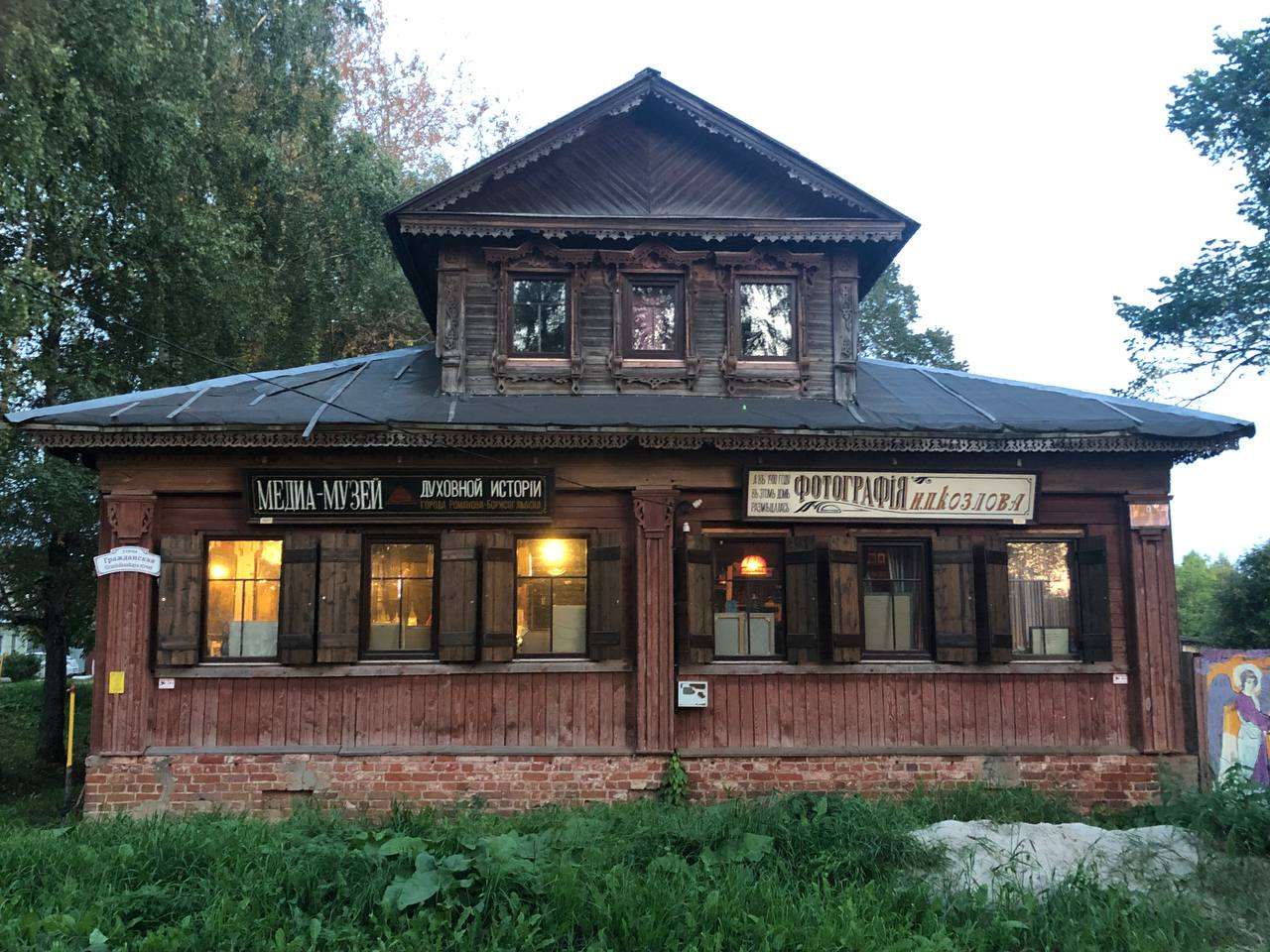
Media Museum of the Spiritual History of Romanov-Borisoglebsk
🏛️ Museum · 🎨 Art installations
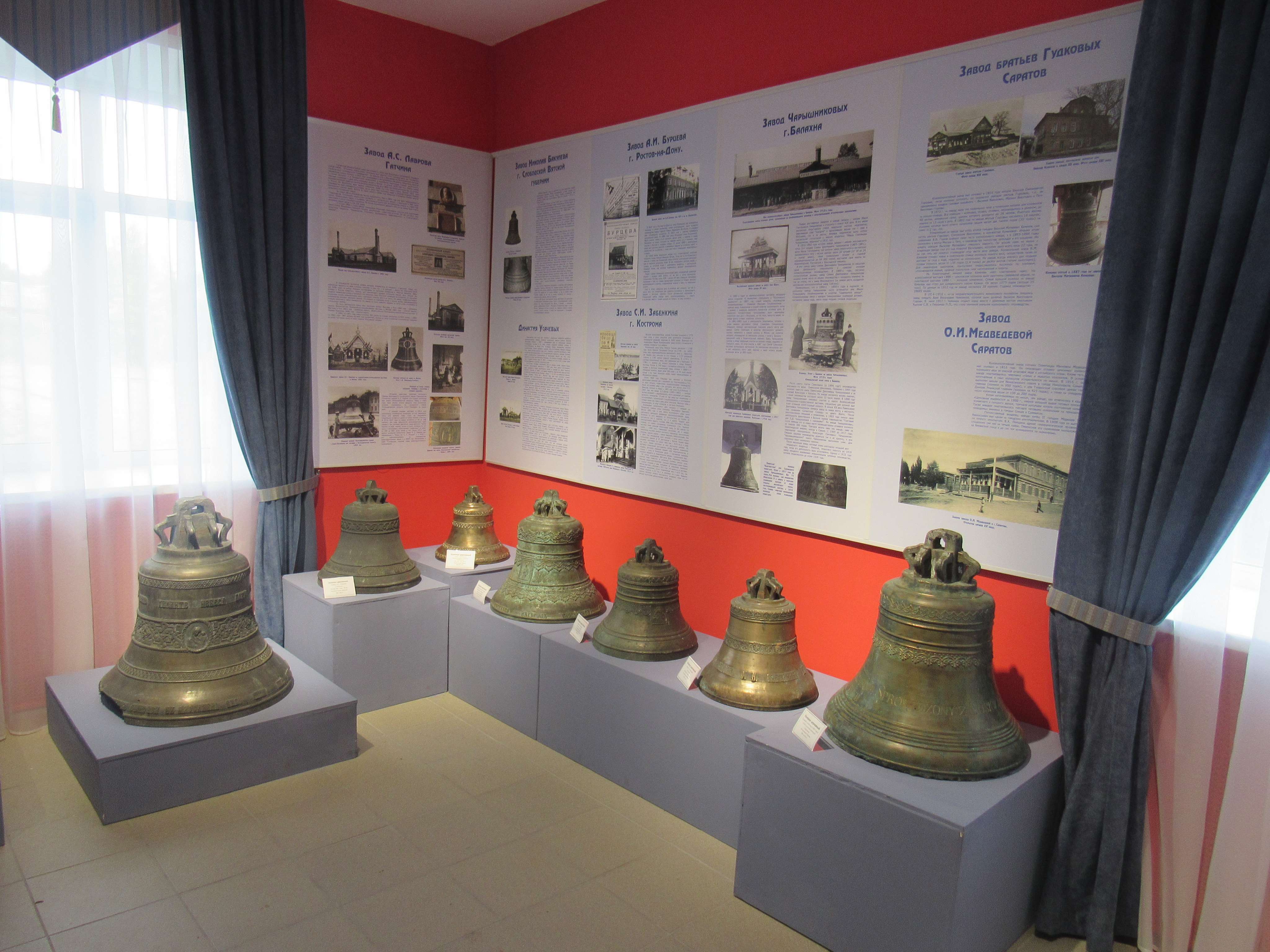
Museum of the Art of Bell Casting
🏛️ Museum


Point 11
🏛️ Museum
At the museum you'll hear about the ancient Russian craft of bell casting. You'll also learn how bells were made in the East, in Western Europe, and in Byzantium.
All the exhibits belong to the private collection of Nikolai Shuvalov, director of the Italmas factory. They were due to be melted down, but their historical and cultural value gave them a second life in the museum. Today they also serve as teaching aids for training bell-casting masters.
Point on route “The Left Bank”
Point 11
🏛️ Museum
At the museum you'll hear about the ancient Russian craft of bell casting. You'll also learn how bells were made in the East, in Western Europe, and in Byzantium.
All the exhibits belong to the private collection of Nikolai Shuvalov, director of the Italmas factory. They were due to be melted down, but their historical and cultural value gave them a second life in the museum. Today they also serve as teaching aids for training bell-casting masters.