 11 points
 5 km
 4 hours


Historical Background
One of the oldest churches in town, built in 1654. On Holy Trinity Day fairs were held by its walls, a tradition that lasted until the 1970s.
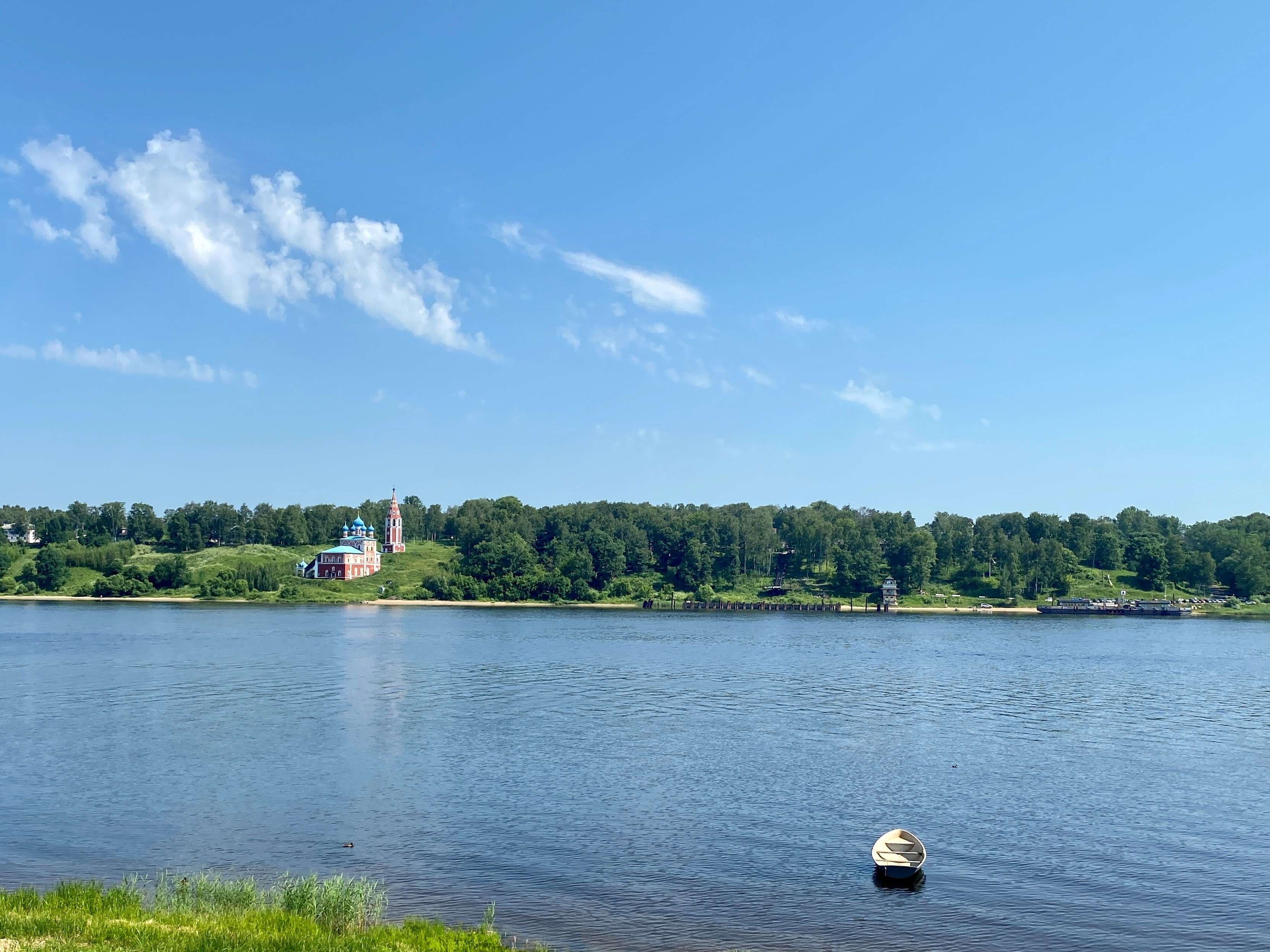
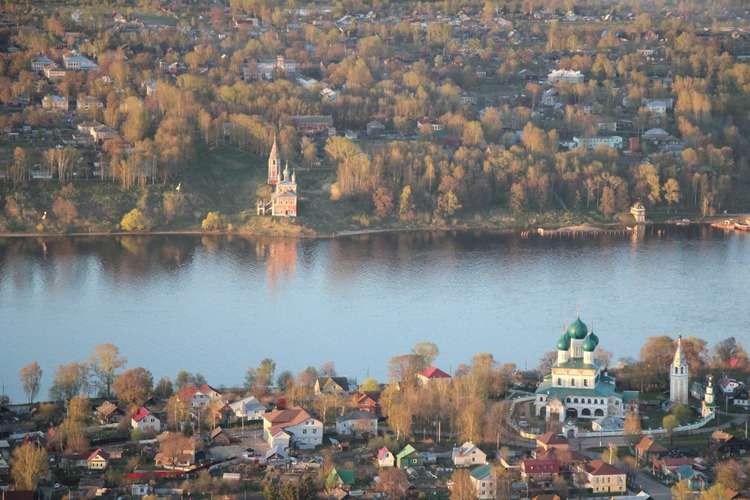
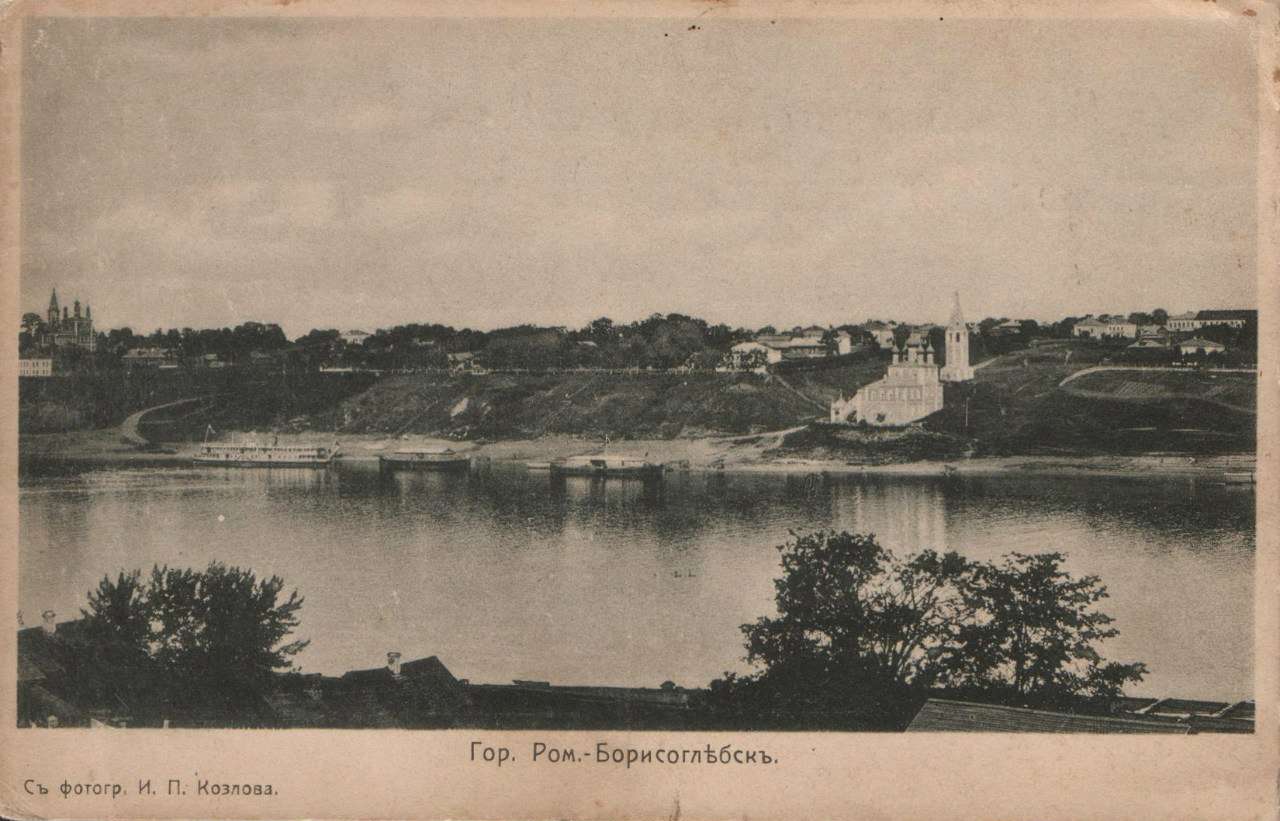
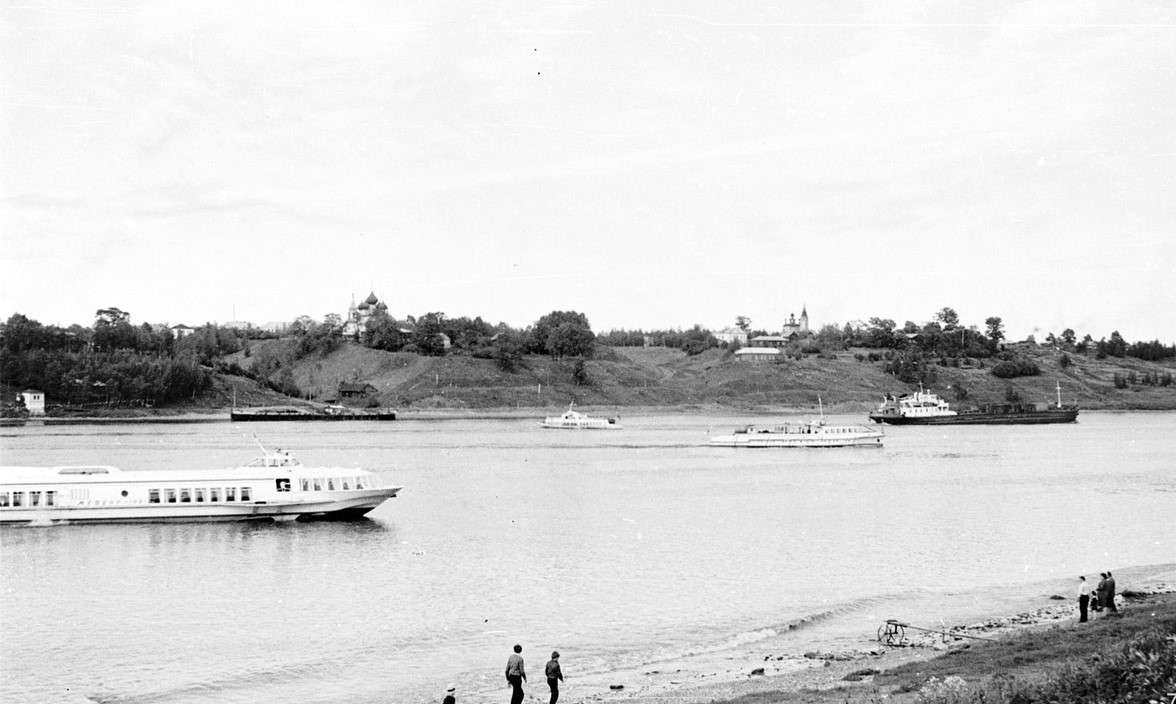
Romanov-Borisoglebsk changed its name to Tutaev only in 1918, in honor of a Red Army soldier killed during the Yaroslavl Uprising. The Volga divides the town into two unequal parts, with the right bank much larger. But that doesn't mean there's nothing to see on the left. Let's stroll past the main sights of the left bank.
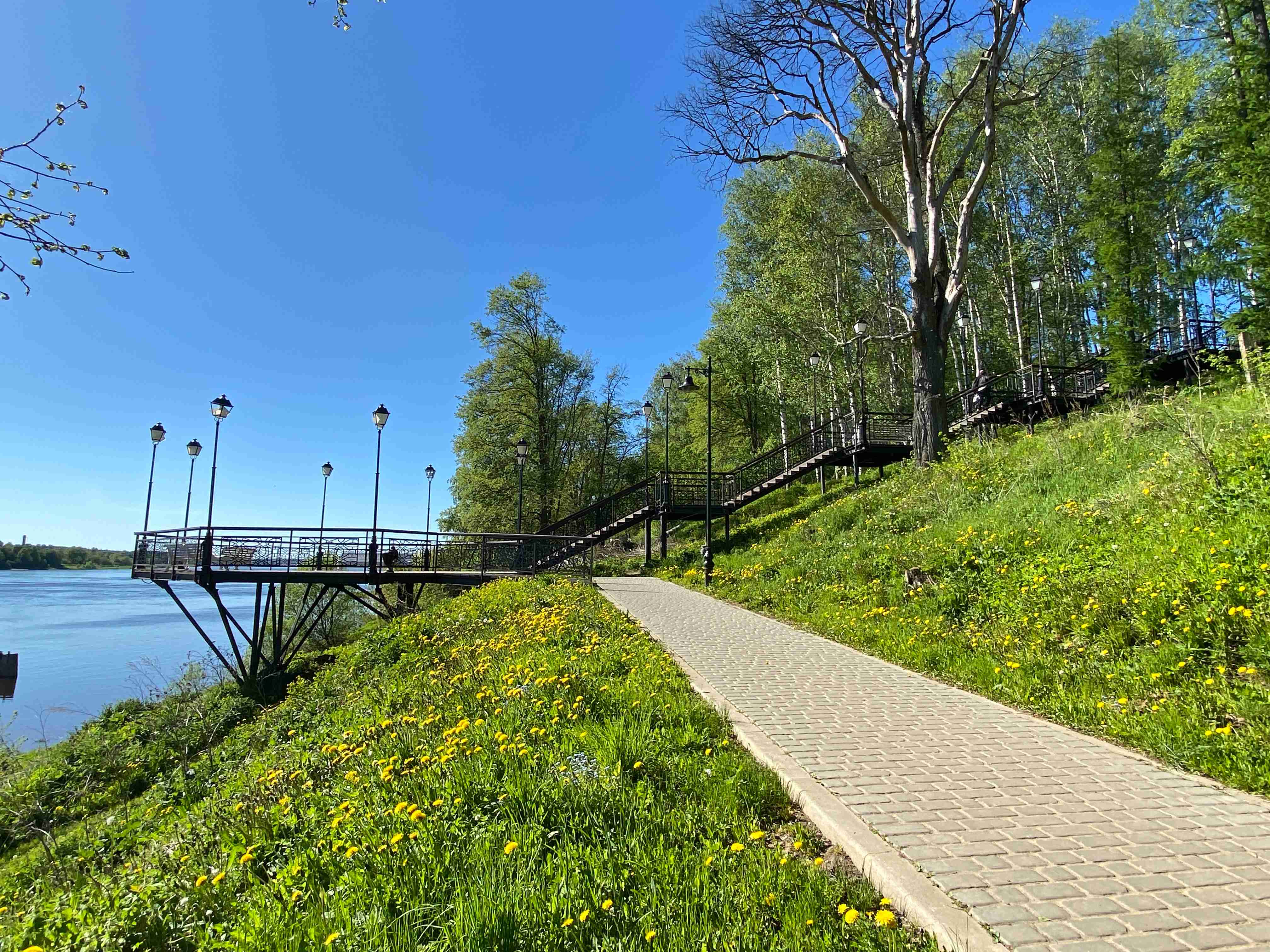
Volga Embankment
🚶♂️ Waterfront
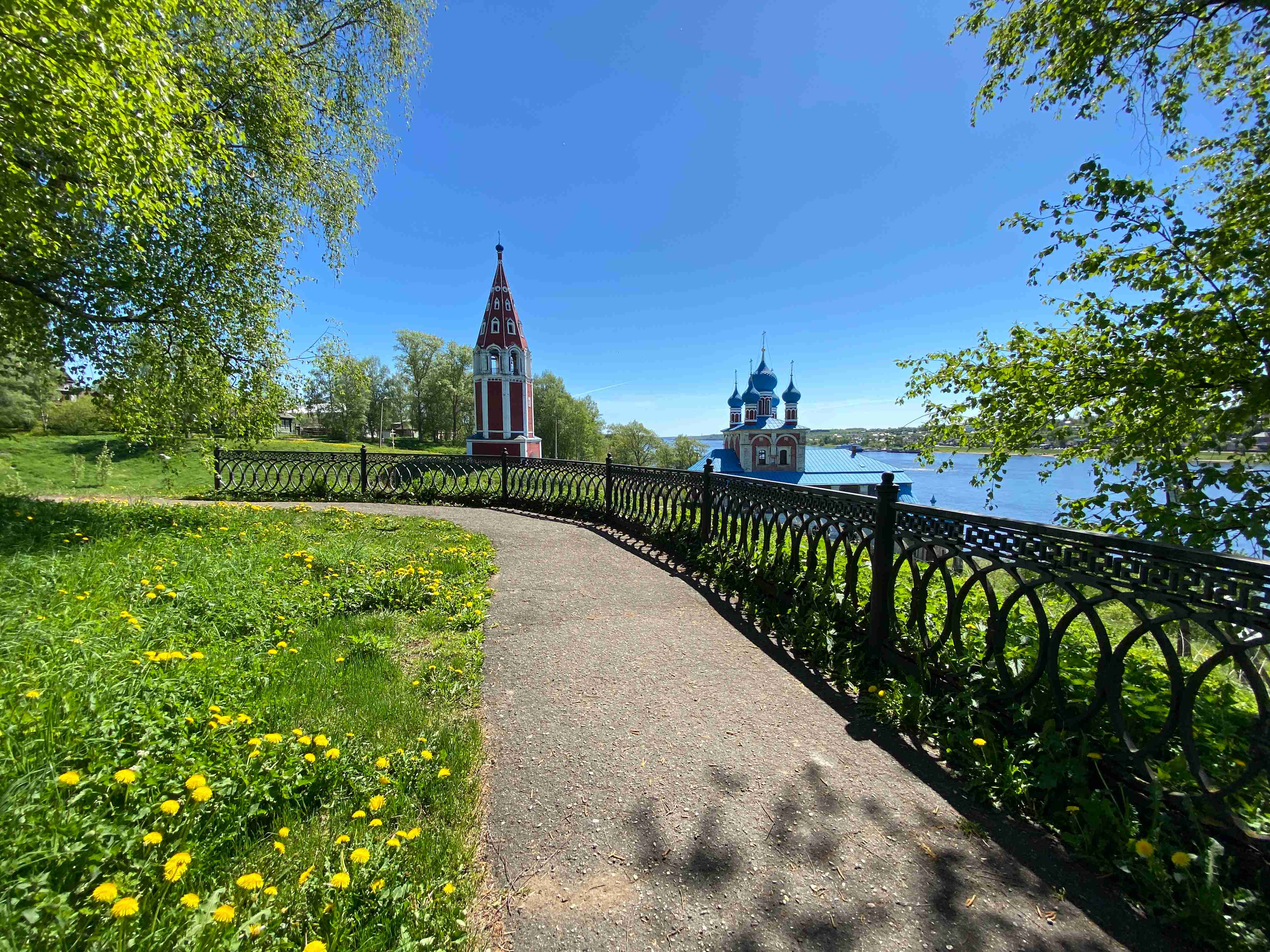
Kustodiev Boulevard
🚶♂️ Waterfront · 📜 Historic site · 🔭 Viewpoint
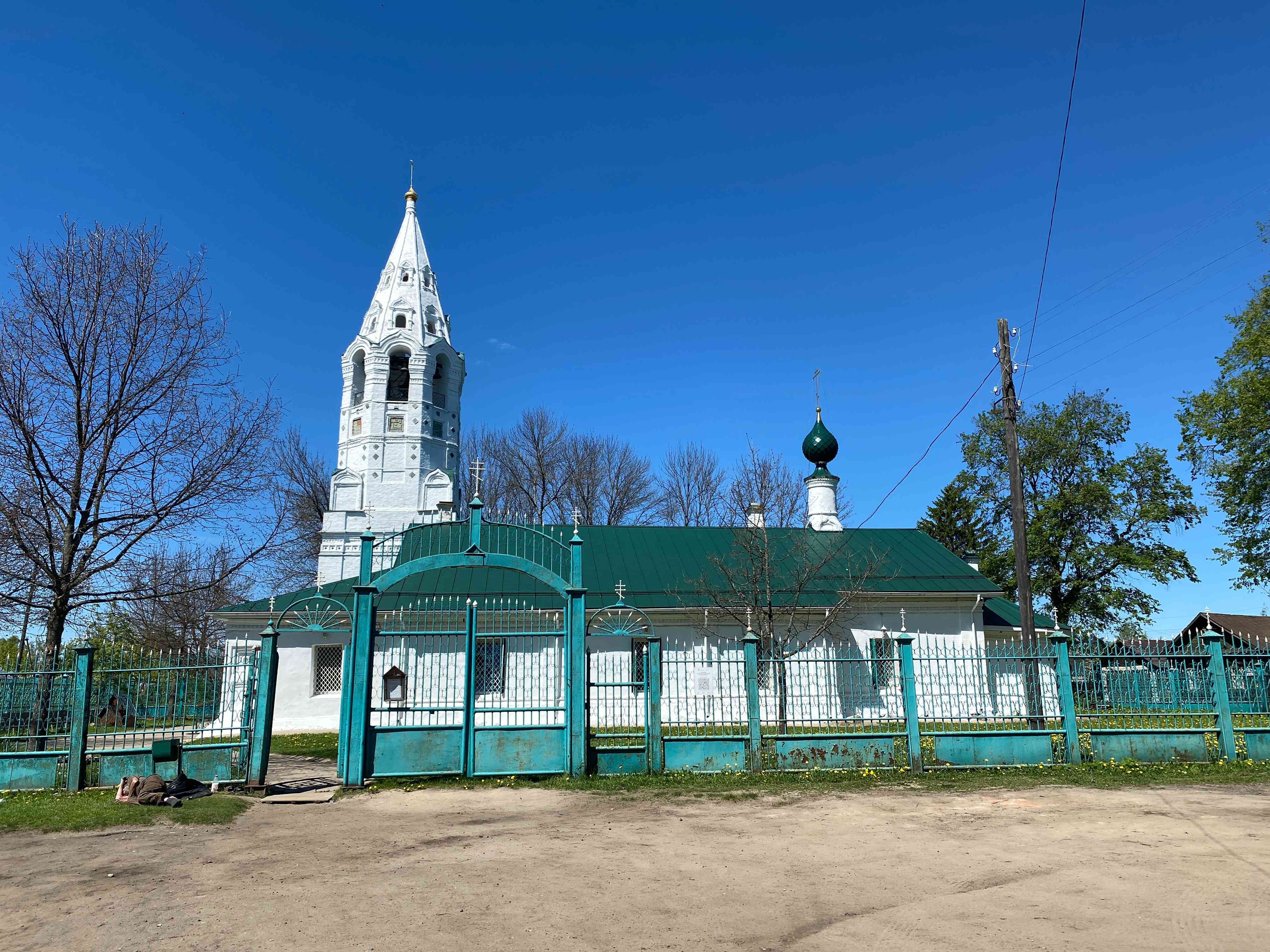
Church of the Protection of the Mother of God
🕍 Place of worship · 📜 Historic site
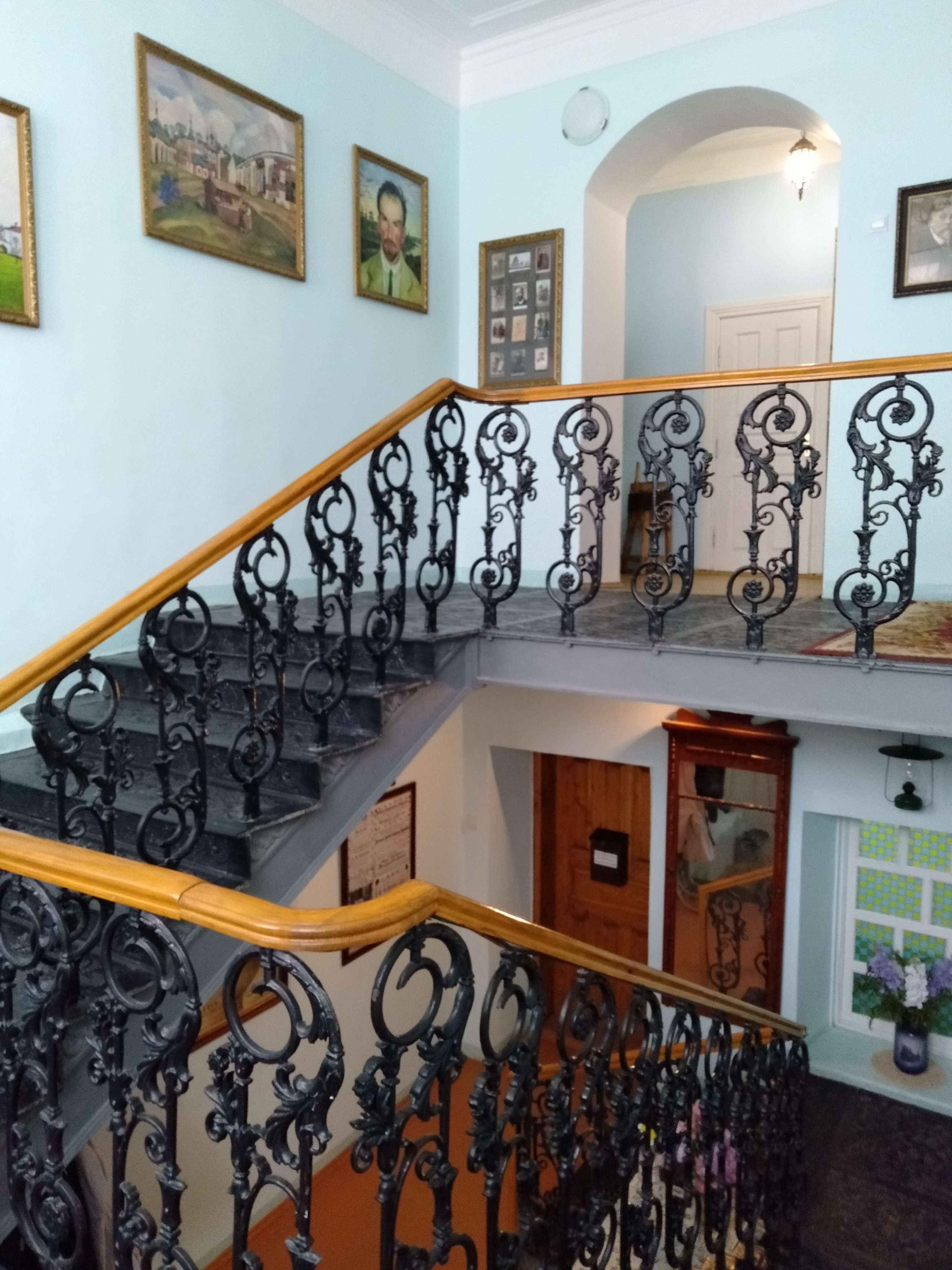
“History Come Alive” Museum
🏛️ Museum · 📜 Historic site
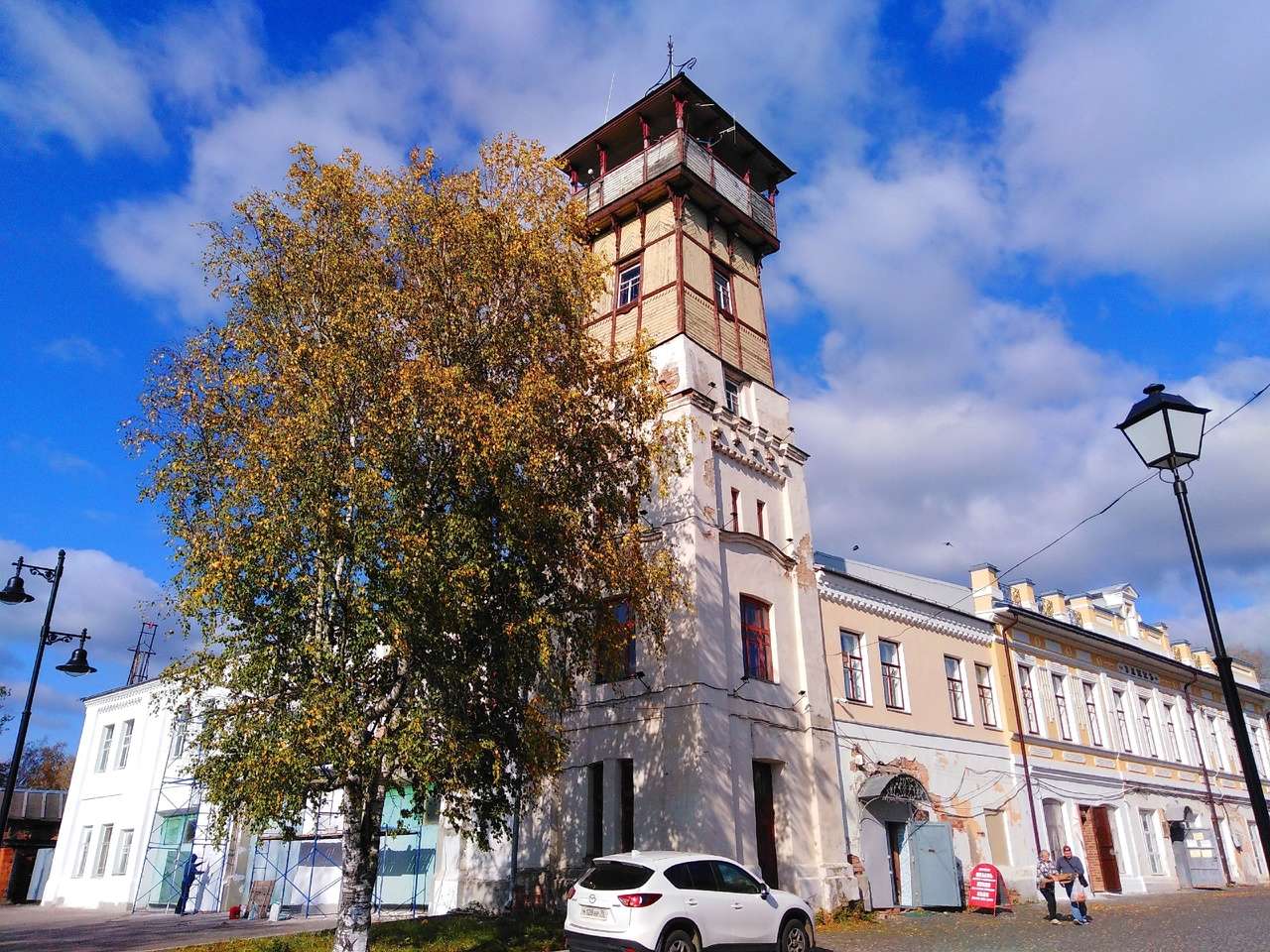
Fire Tower Viewing Platform
🔭 Viewpoint
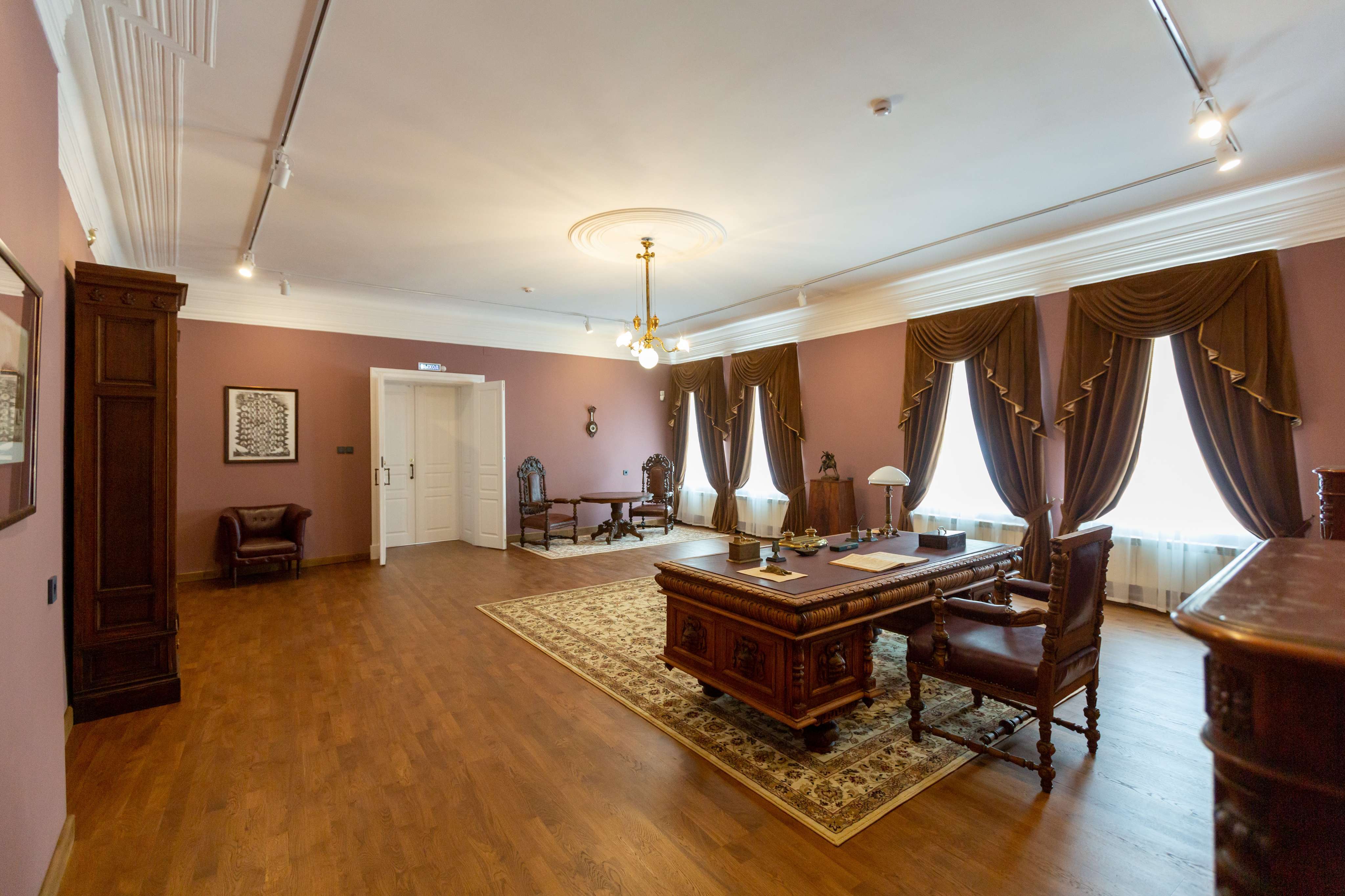
“Dom on Novinskaya” Provincial Bank Museum
🏛️ Museum · 📜 Historic site
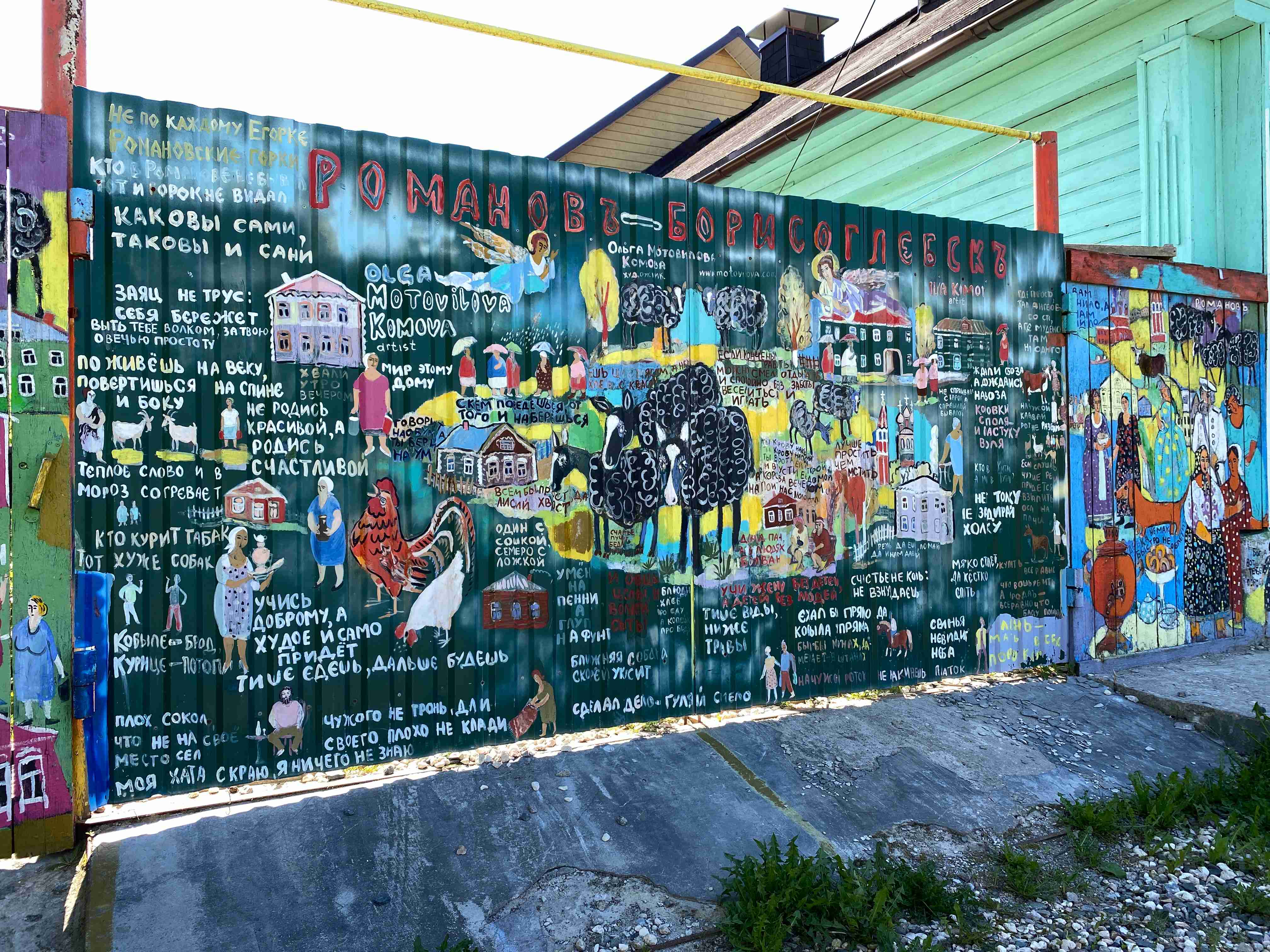
“The History of Romanov on a Fence” Art Fence
🎨 Art installations · 🖌️ Street art
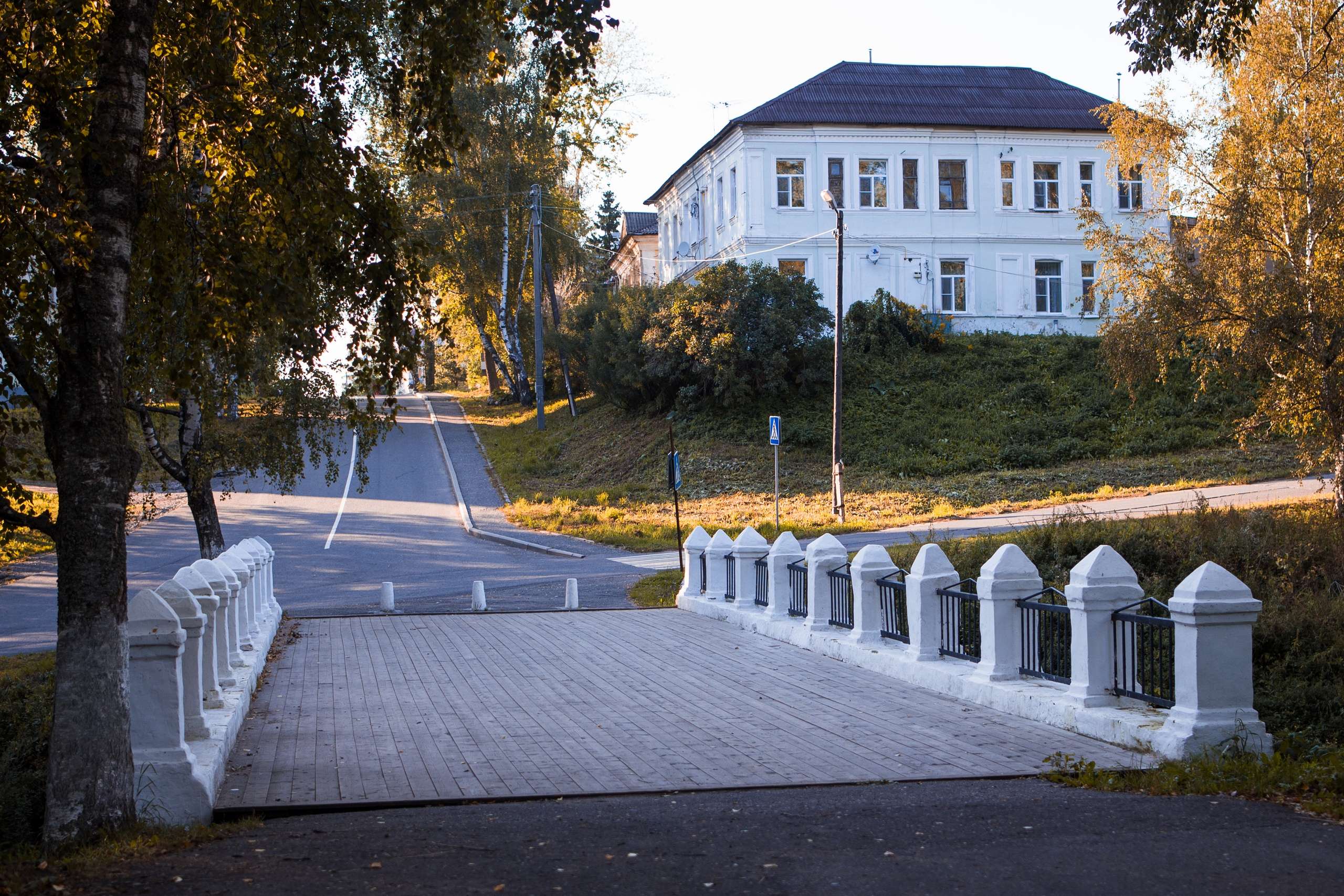
Leontyevsky Bridge
🕵️ Urban legend · 🌉 Bridge
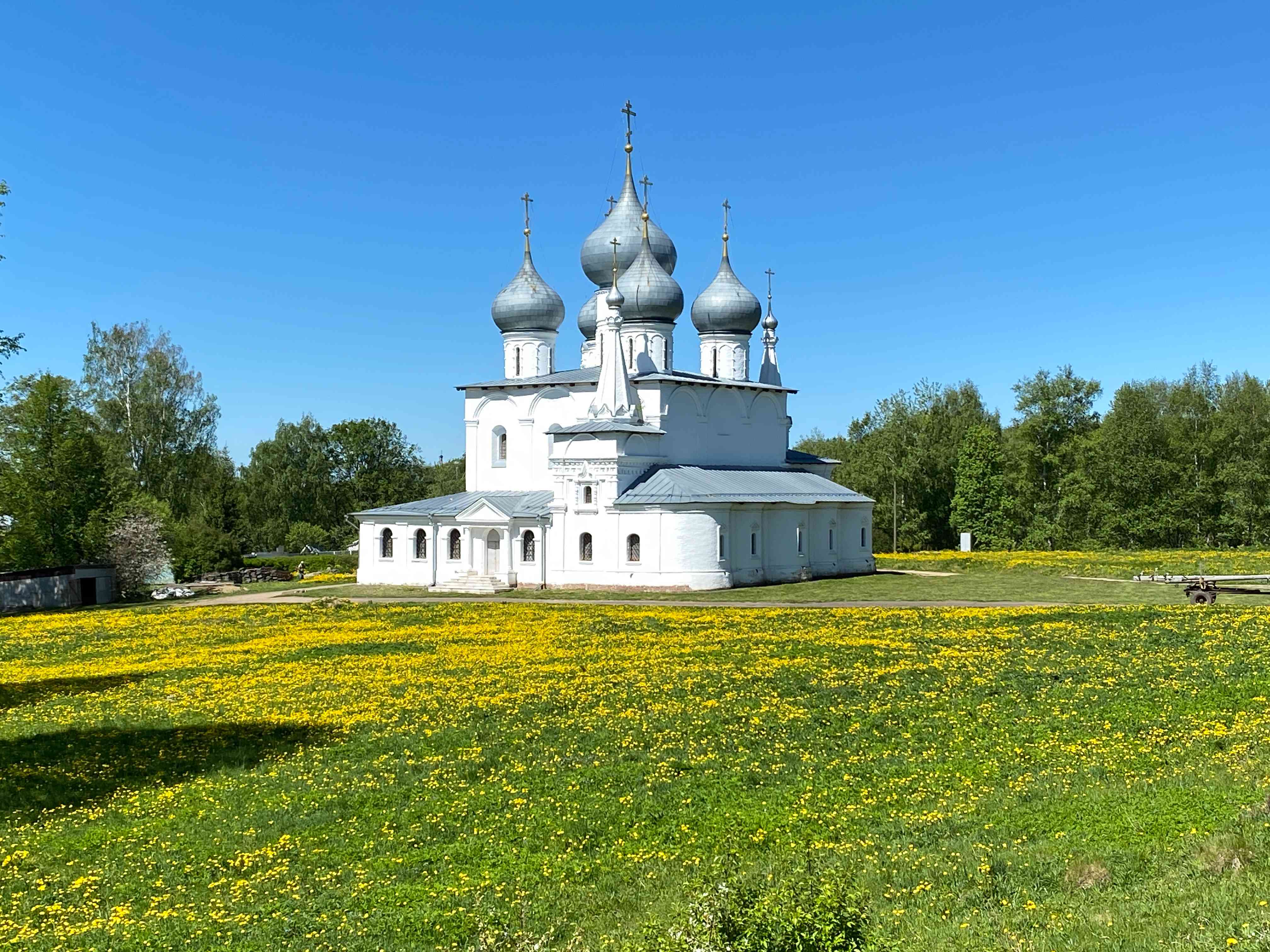
Cathedral of the Exaltation of the Cross
🕍 Place of worship · 📜 Historic site
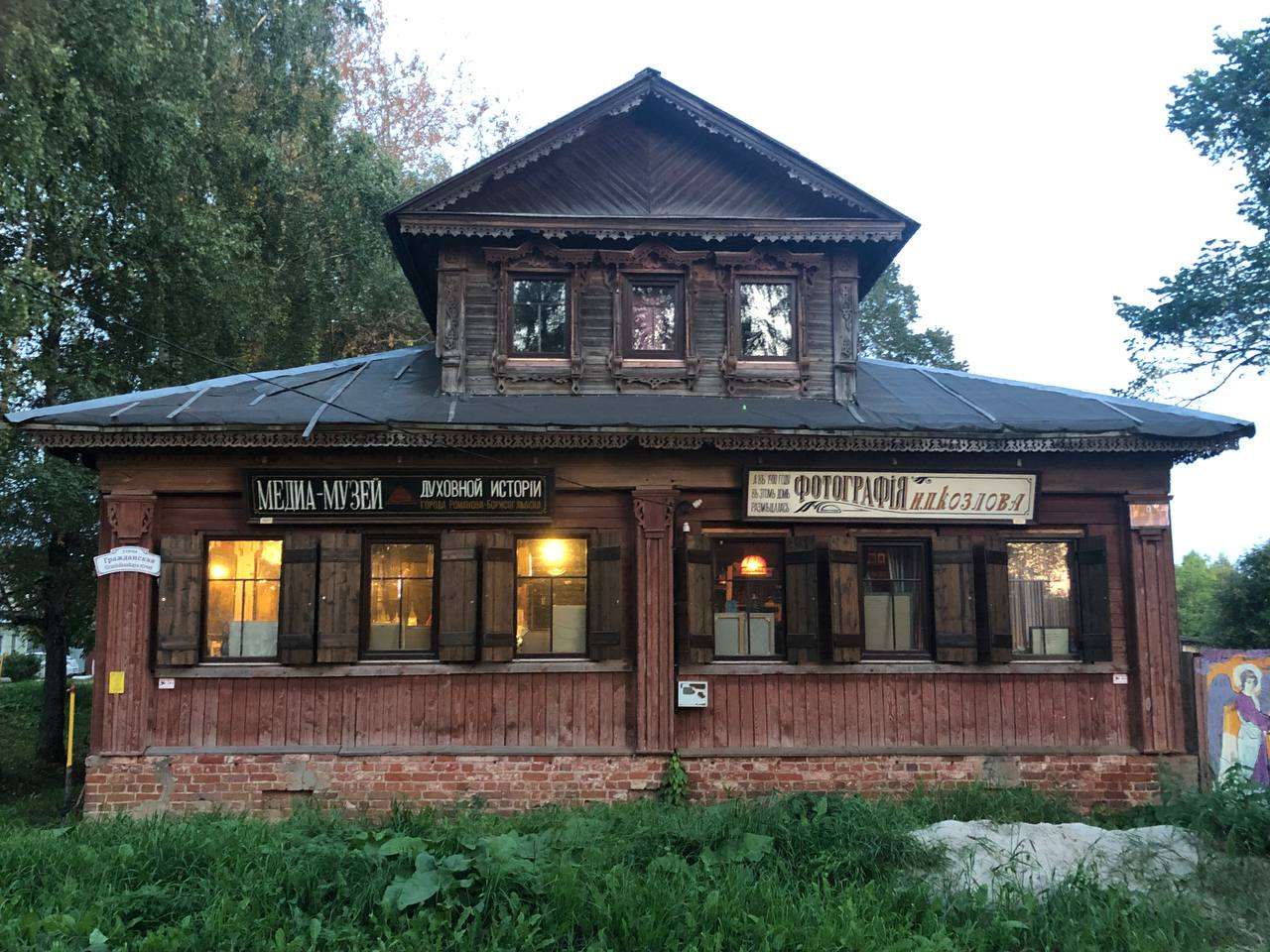
Media Museum of the Spiritual History of Romanov-Borisoglebsk
🏛️ Museum · 🎨 Art installations
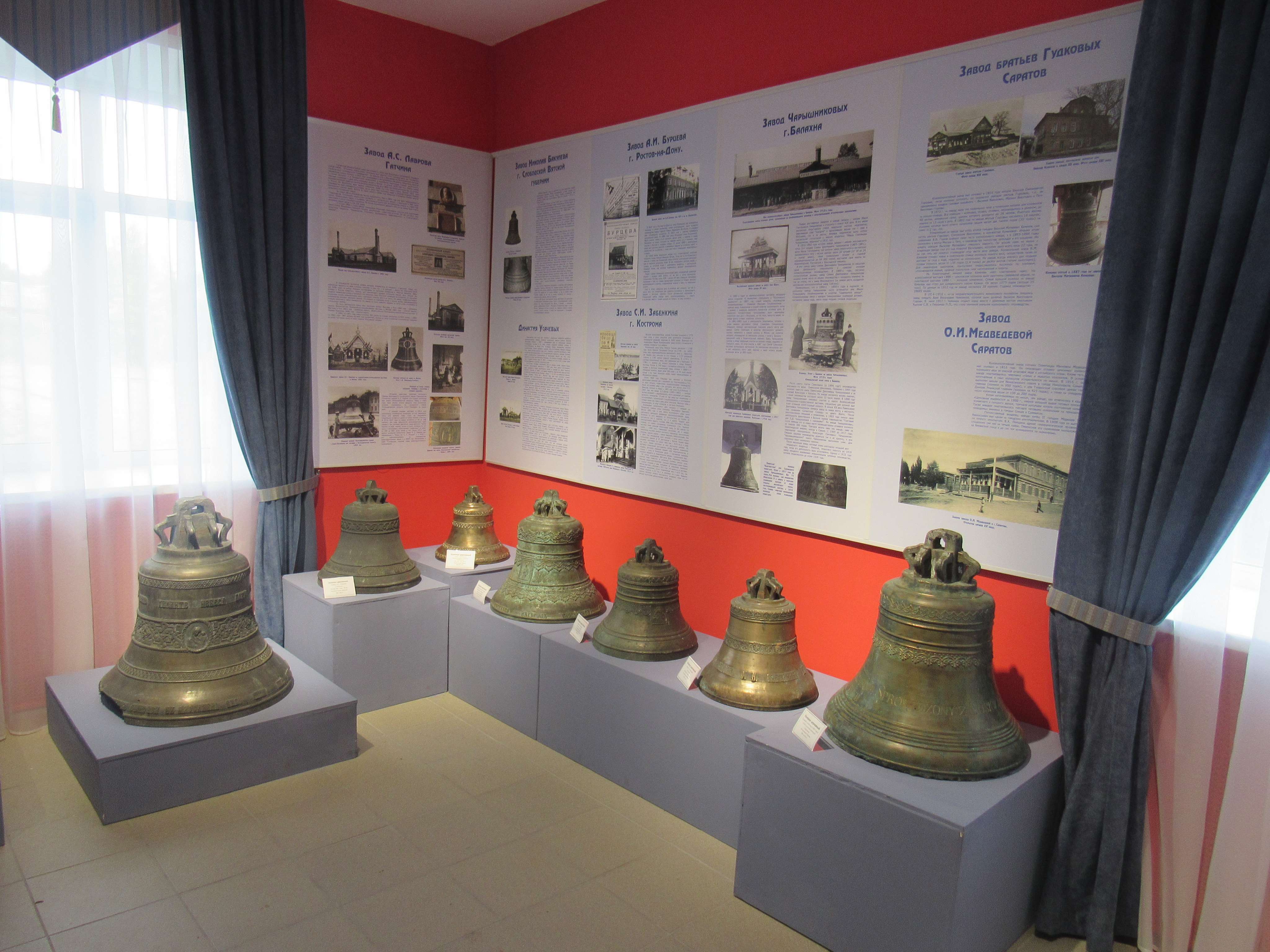
Museum of the Art of Bell Casting
🏛️ Museum


Point 3
🕍 Place of worship • 📜 Historic site
One of the oldest churches in town, built in 1654. On Holy Trinity Day fairs were held by its walls, a tradition that lasted until the 1970s.
The church houses a particularly revered icon of the Mother of God, “Increase of Reason.” According to tradition, the icon was painted in the 17th century by an unknown icon painter who could not understand the meaning of Patriarch Nikon's reforms, fell into despair, and began to pray to the Most Holy Theotokos. One day the Mother of God appeared to him and promised him healing, an “enlightenment” about the reform, if he painted her image. The icon painter kept his promise and named the icon accordingly.
Point on route “The Left Bank”
Point 3
🕍 Place of worship • 📜 Historic site
One of the oldest churches in town, built in 1654. On Holy Trinity Day fairs were held by its walls, a tradition that lasted until the 1970s.
The church houses a particularly revered icon of the Mother of God, “Increase of Reason.” According to tradition, the icon was painted in the 17th century by an unknown icon painter who could not understand the meaning of Patriarch Nikon's reforms, fell into despair, and began to pray to the Most Holy Theotokos. One day the Mother of God appeared to him and promised him healing, an “enlightenment” about the reform, if he painted her image. The icon painter kept his promise and named the icon accordingly.