 11 points
 2 km
 3 hours


Historical Background
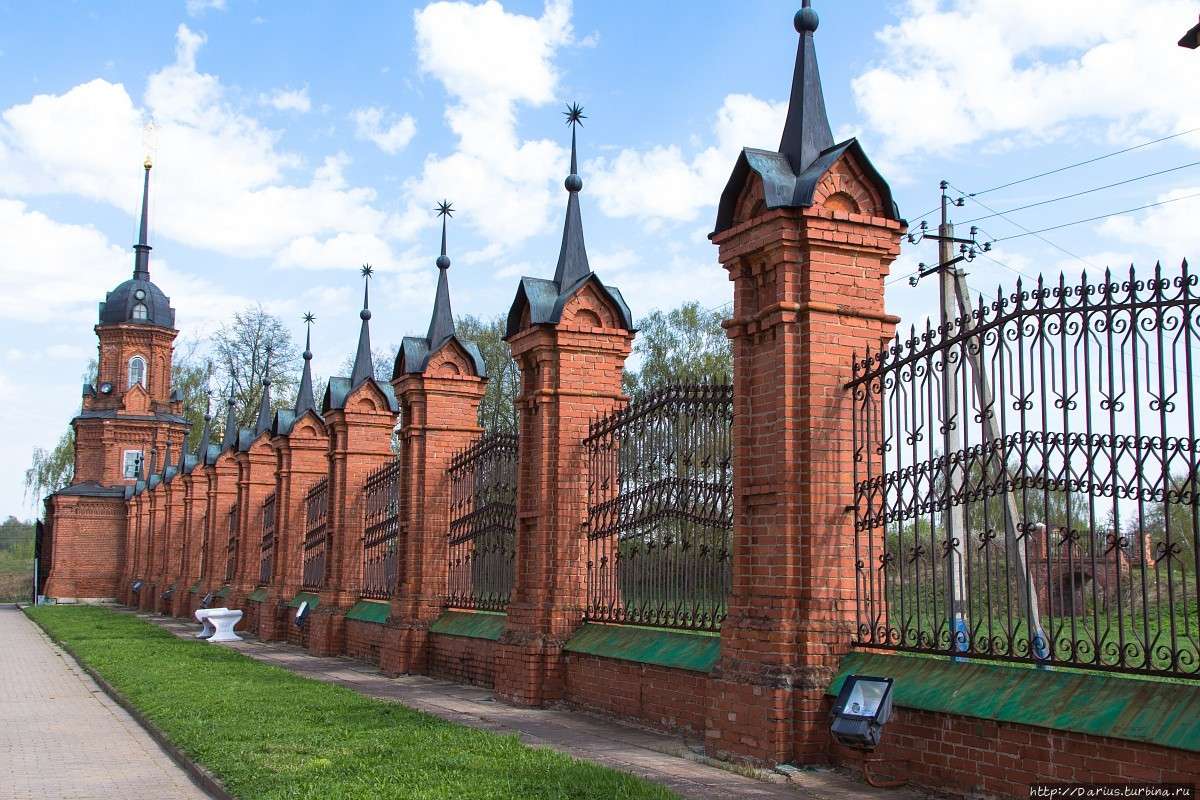
We head down Ilyinskaya Street. What is this work of art in brick that has been following us the whole walk? A wall runs opposite St. Elijah Church and along the entire street. It hides Paphnutius Garden from prying eyes.
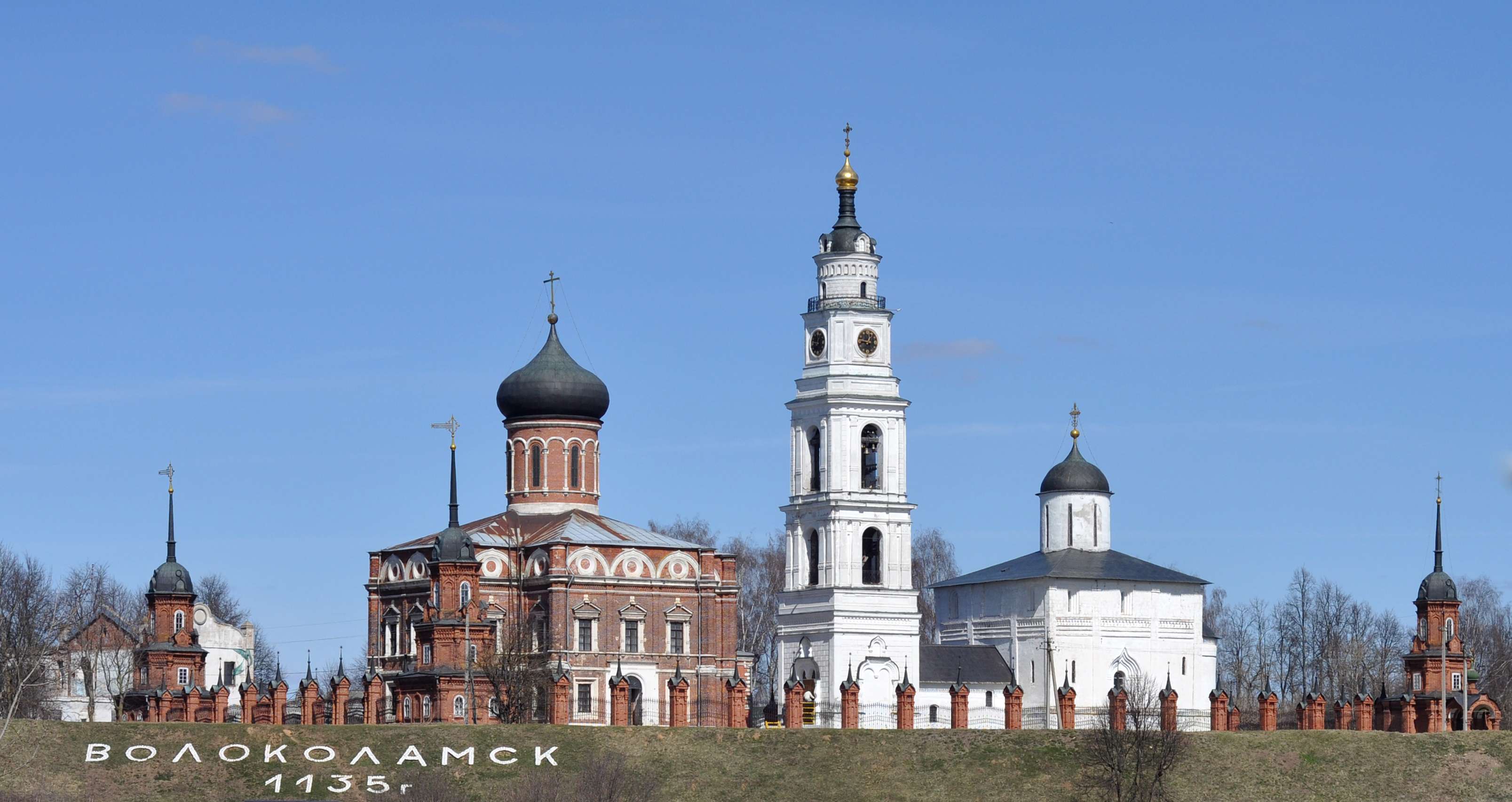
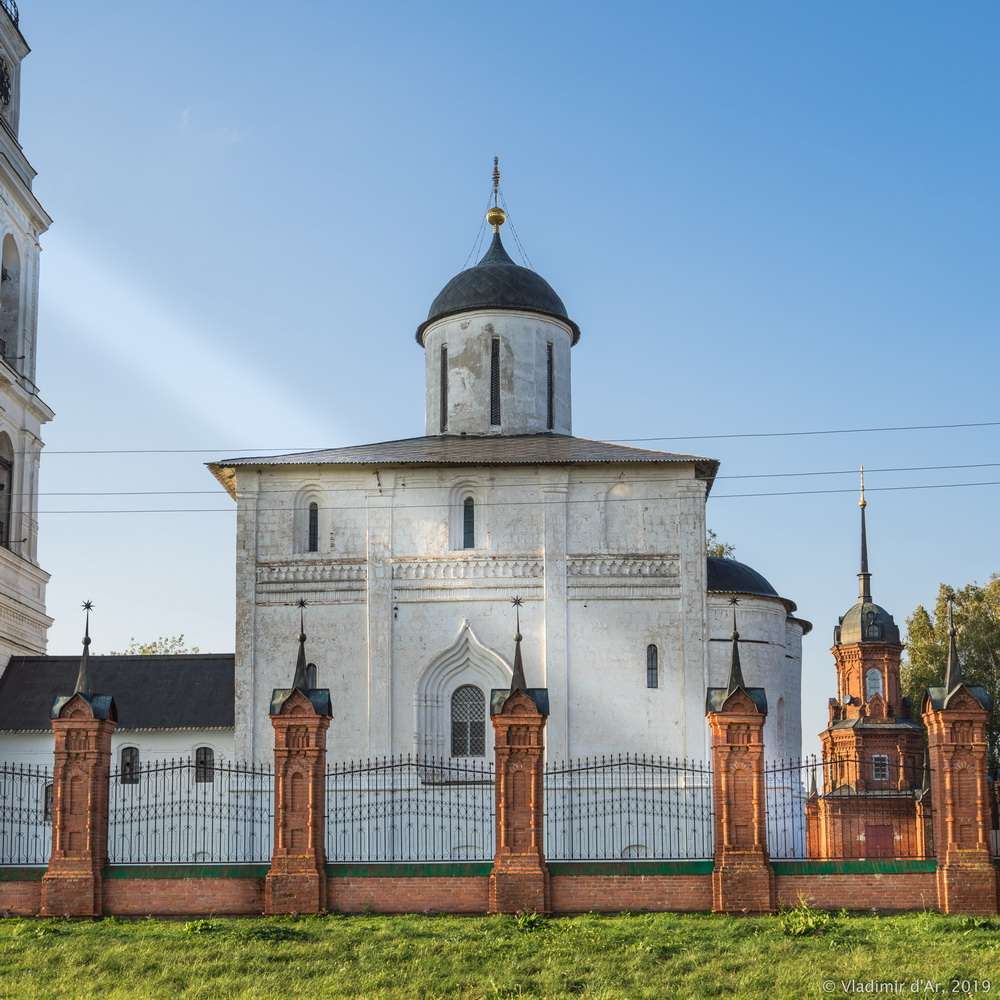
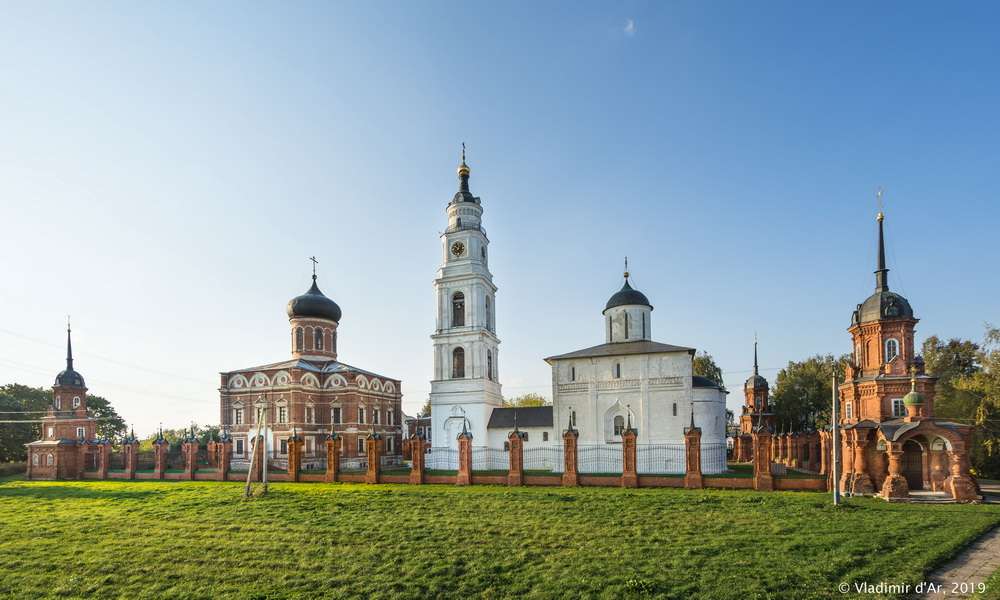
Volokolamsk is the oldest town in the Moscow region. It was once an important strategic point that needed strong defenses, and its kremlin provided them. This route takes you around the kremlin and its surroundings and introduces you to the town's ancient history, as well as local legends and myths.
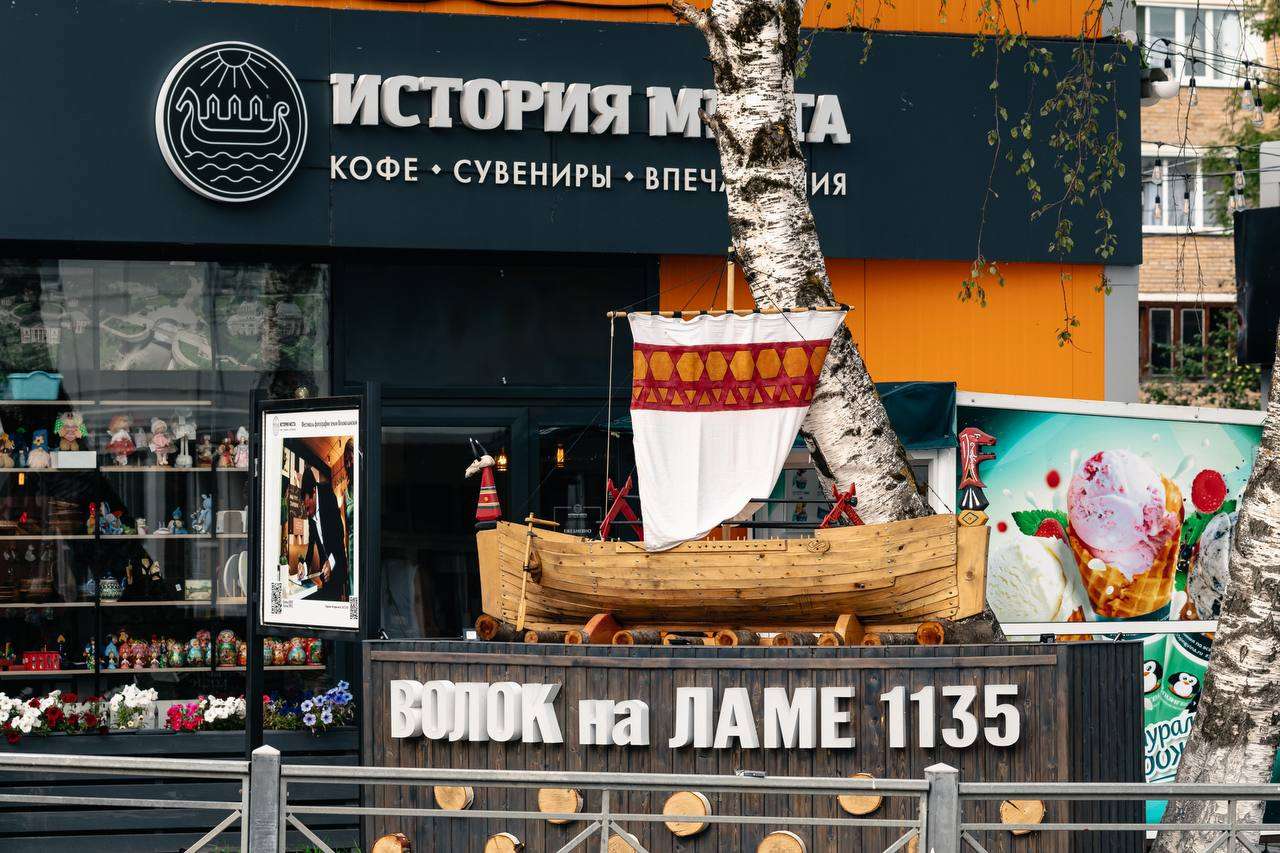
Istoriya Mesta (History of the Place)
🎨 Art installations
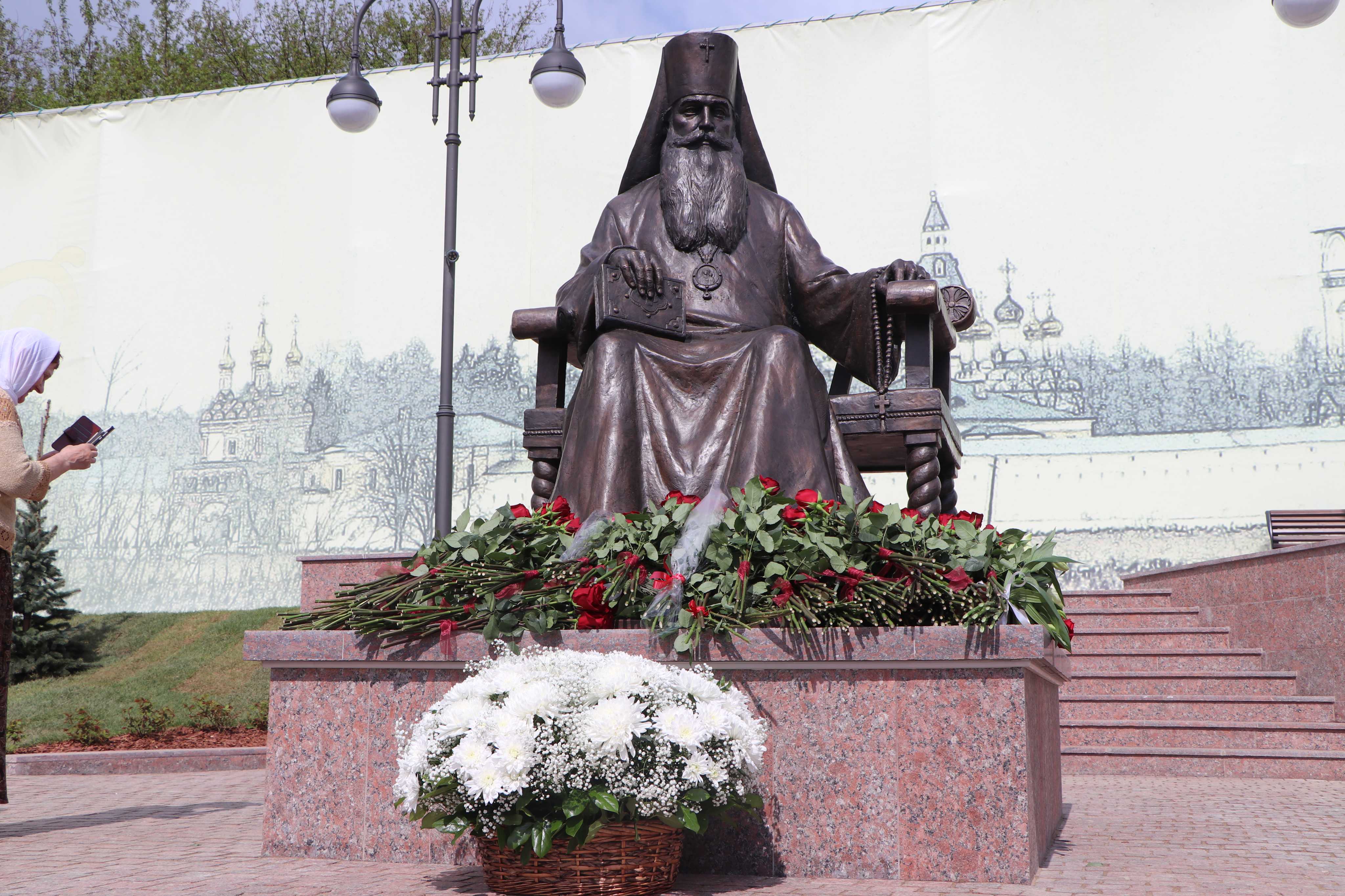
Monument to the Metropolitan
🗿 Monument
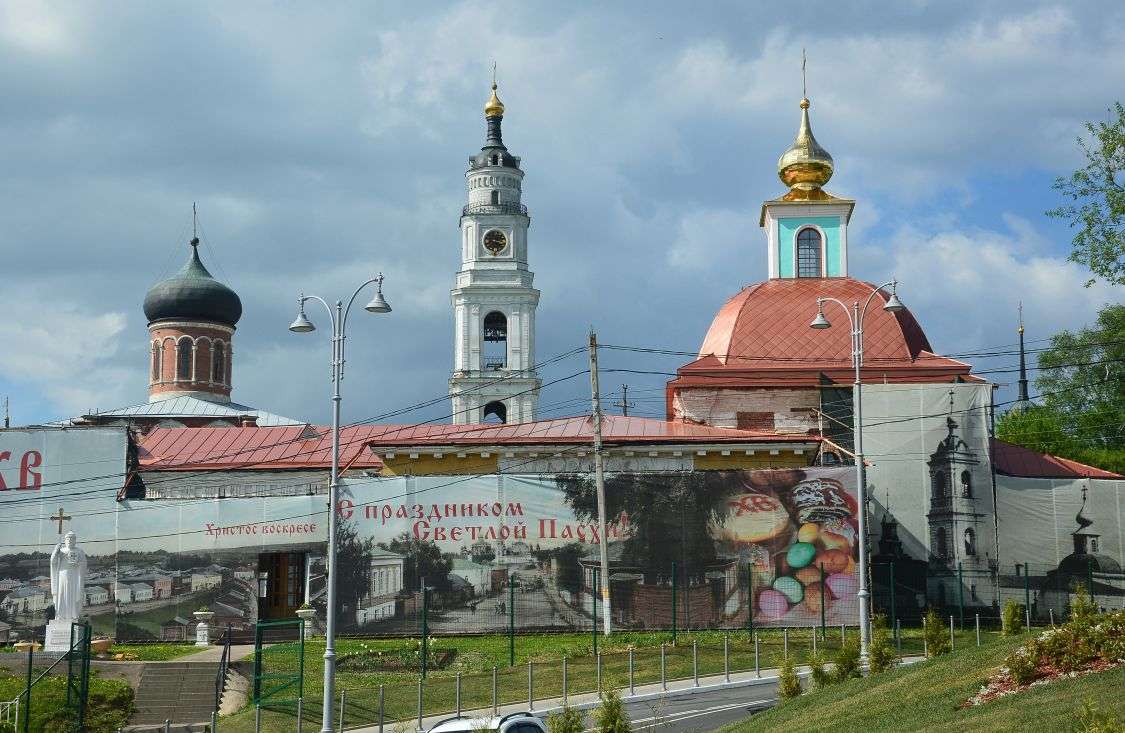
Church of the Nativity
🕍 Place of worship
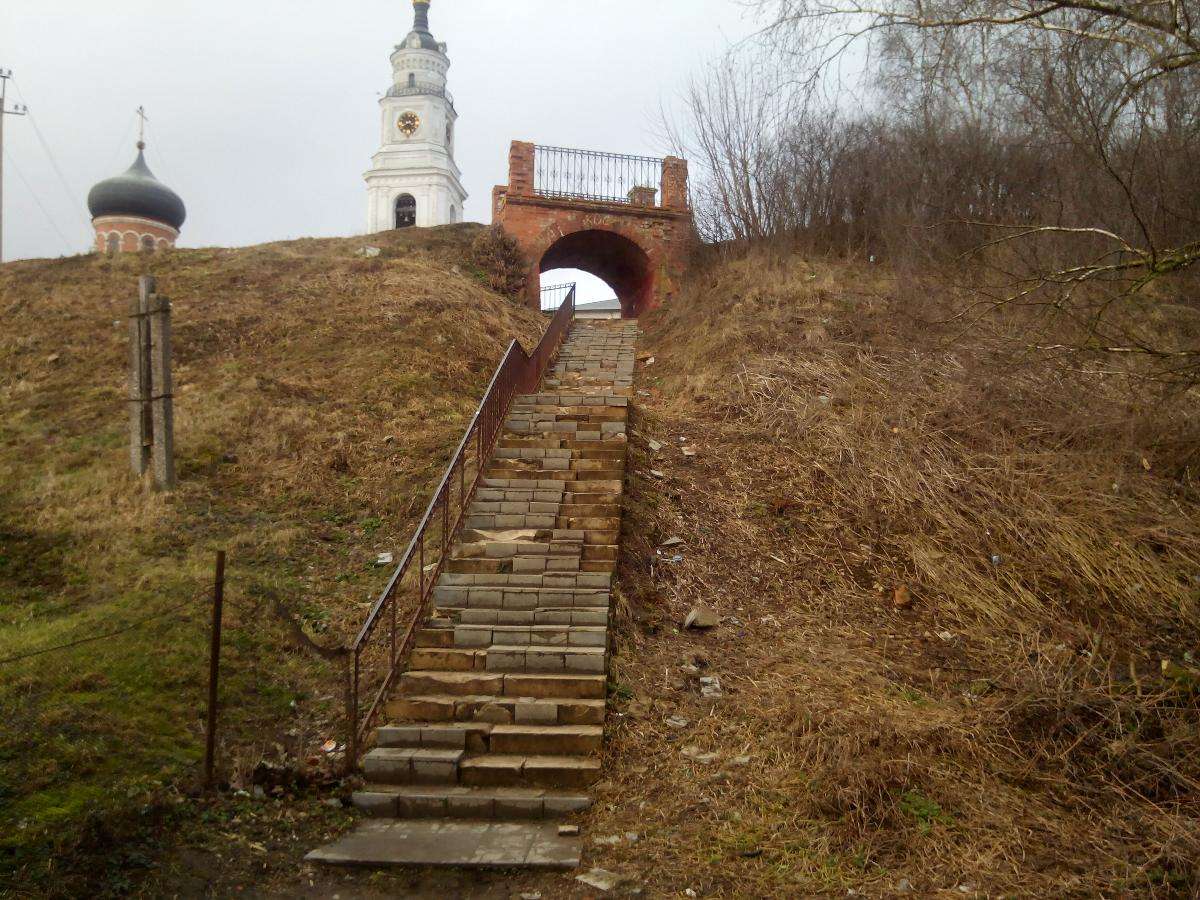
Bridge
🌉 Bridge
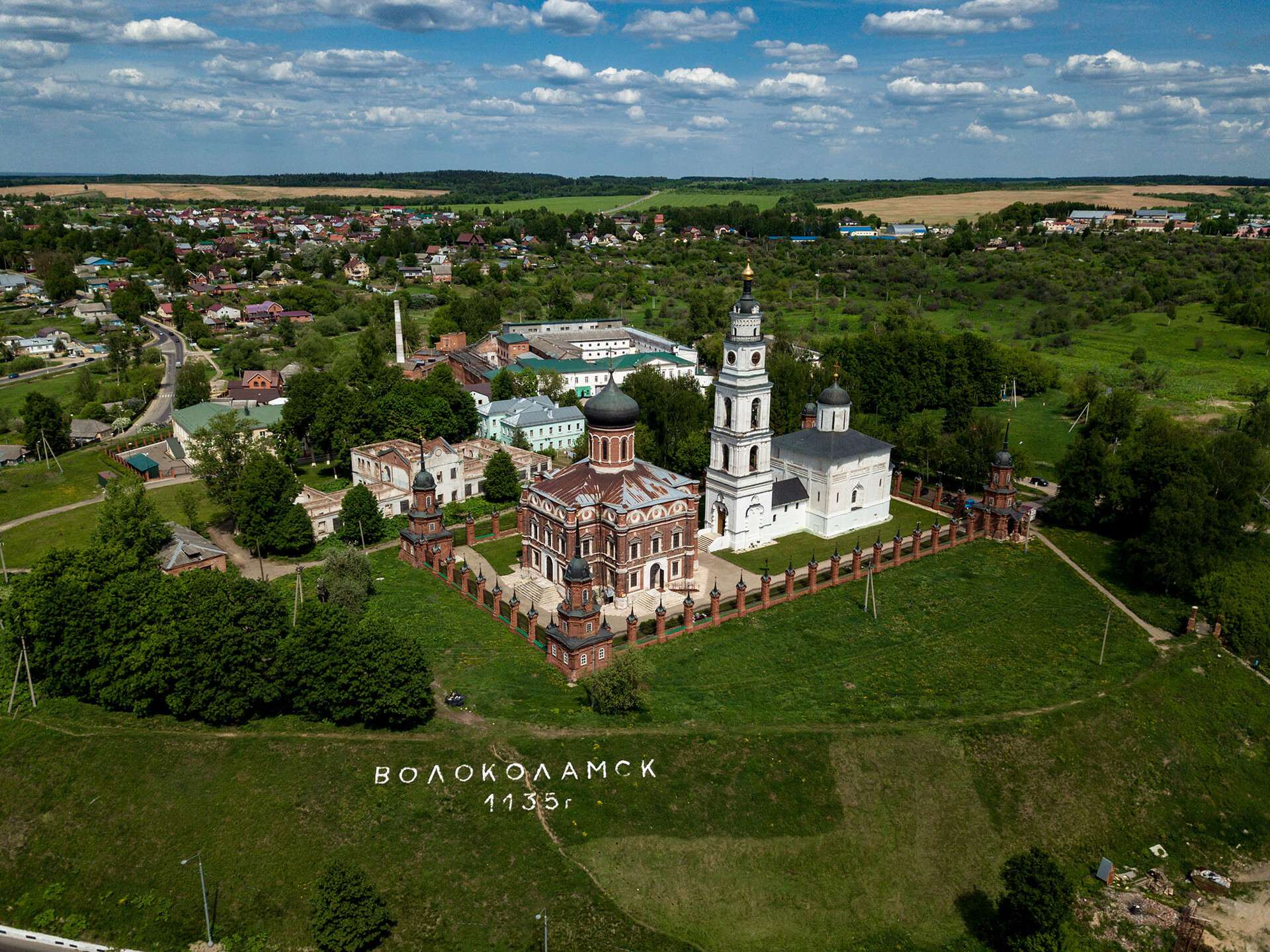
Volokolamsk Kremlin
📜 Historic site · 🏟️ Architectural landmark
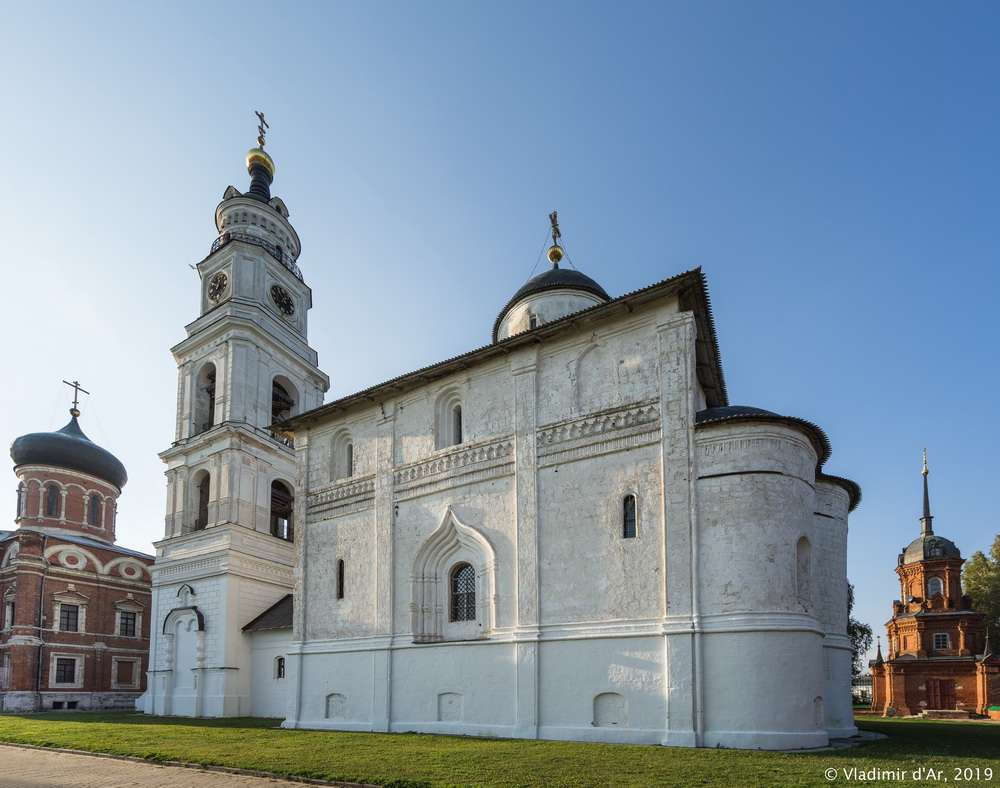
Resurrection Cathedral
🕍 Place of worship · 🏟️ Architectural landmark

St. Nicholas Cathedral
🕍 Place of worship
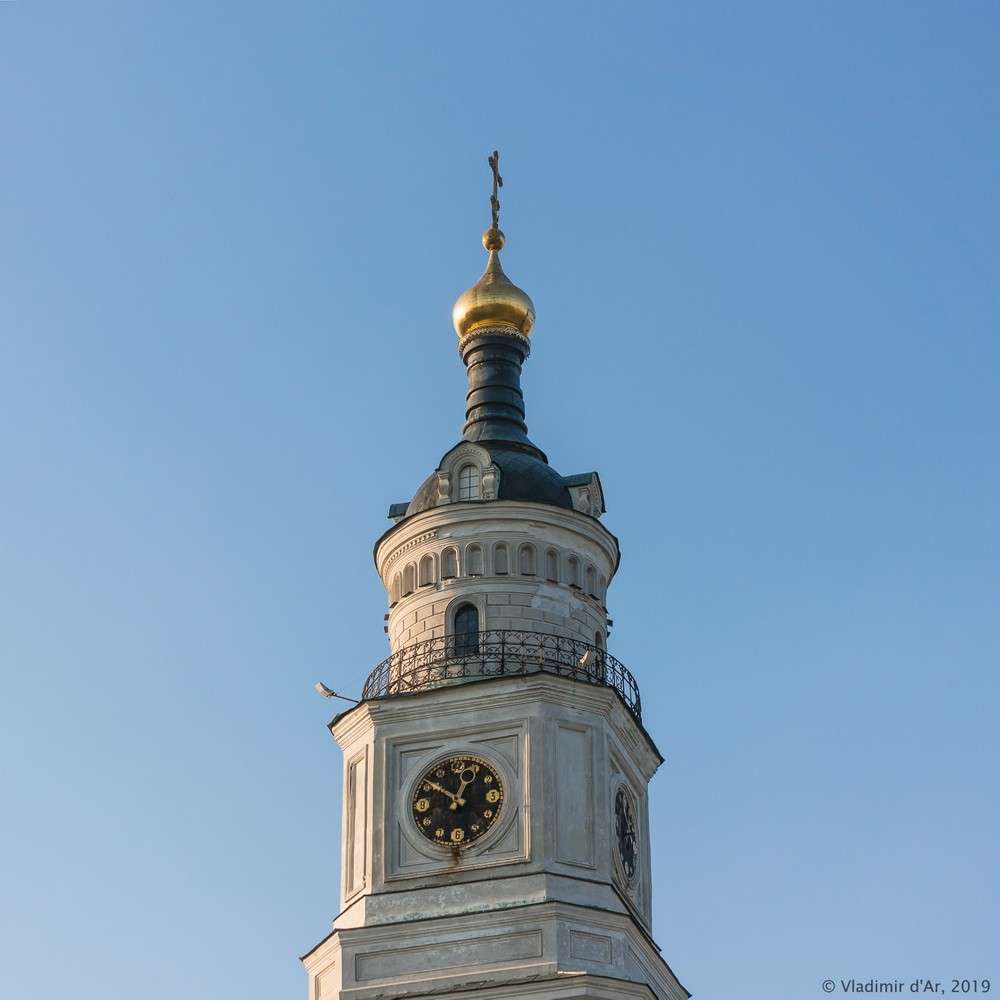
Bell Tower
🏟️ Architectural landmark · 🕵️ Urban legend
Wall
📜 Historic site

Government Offices
🏟️ Architectural landmark · 🌿 Public garden or park

Former Public School
🏟️ Architectural landmark · 🕵️ Urban legend · 🌿 Public garden or park


Point 9
📜 Historic site
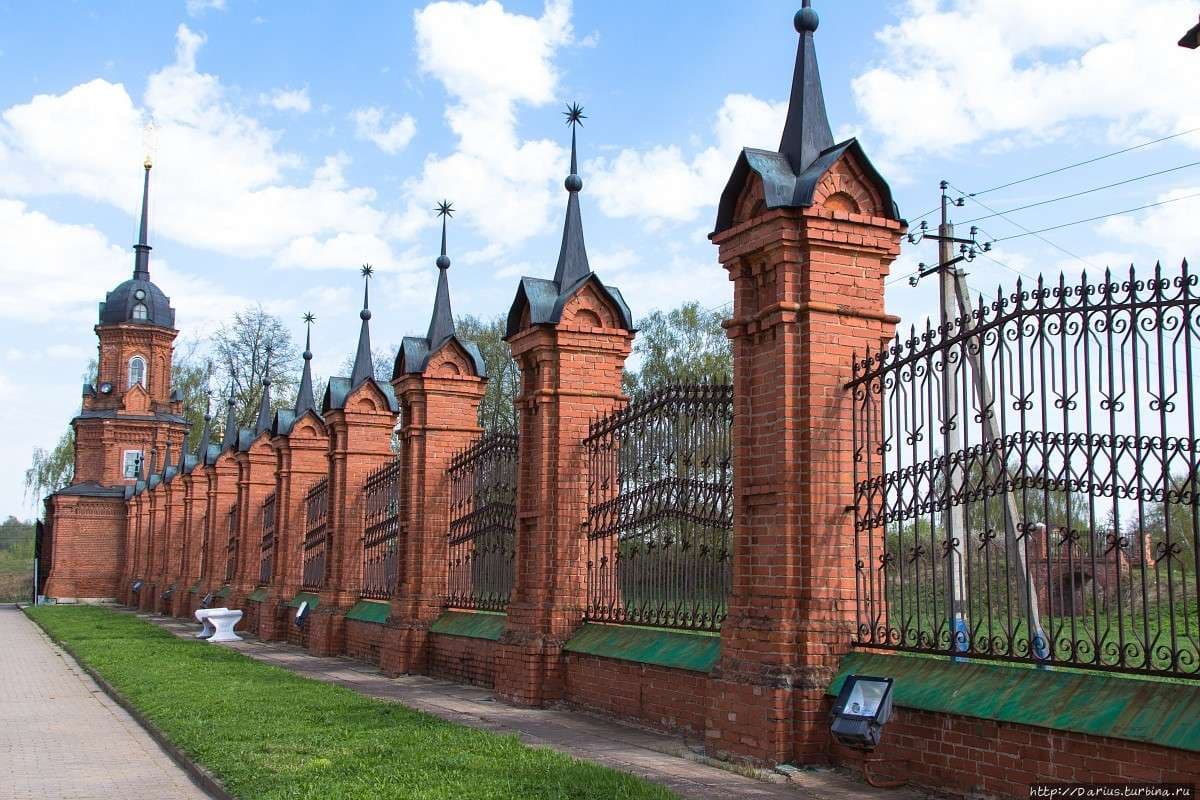
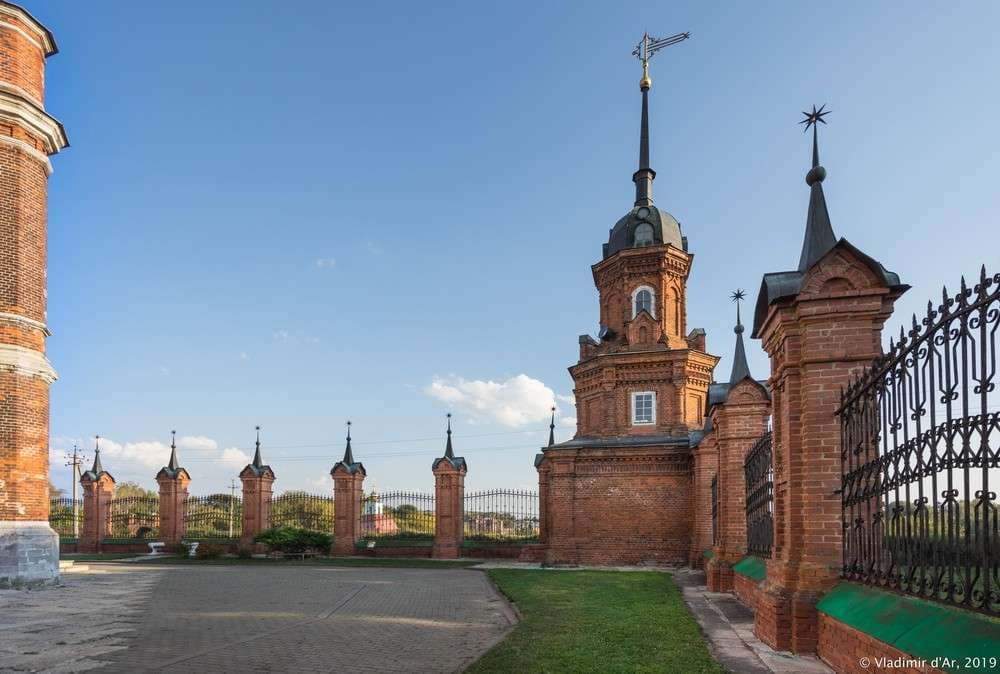
We head down Ilyinskaya Street. What is this work of art in brick that has been following us the whole walk? A wall runs opposite St. Elijah Church and along the entire street. It hides Paphnutius Garden from prying eyes.
The brick wall was built in the late 19th century to a design by A. Latkov. Its loopholes and corner towers make it look like a fortress wall. Traditional Russian architectural elements are played up in it.
The wall encloses Paphnutius Garden, which is closed to visitors today. It once held the monastery's vegetable plots and orchards. In Soviet times it was a park much loved by townspeople. Today Paphnutius Garden belongs to the Church again, and you can't just walk in.
Point on route “Volokolamsk Kremlin”
Point 9
📜 Historic site
We head down Ilyinskaya Street. What is this work of art in brick that has been following us the whole walk? A wall runs opposite St. Elijah Church and along the entire street. It hides Paphnutius Garden from prying eyes.
The brick wall was built in the late 19th century to a design by A. Latkov. Its loopholes and corner towers make it look like a fortress wall. Traditional Russian architectural elements are played up in it.
The wall encloses Paphnutius Garden, which is closed to visitors today. It once held the monastery's vegetable plots and orchards. In Soviet times it was a park much loved by townspeople. Today Paphnutius Garden belongs to the Church again, and you can't just walk in.