←The Ryazan Kremlin

The Ryazan Kremlin

Photo of route “The Ryazan Kremlin”
Photo of route “The Ryazan Kremlin” — 2
14 points5 km4.5 hours

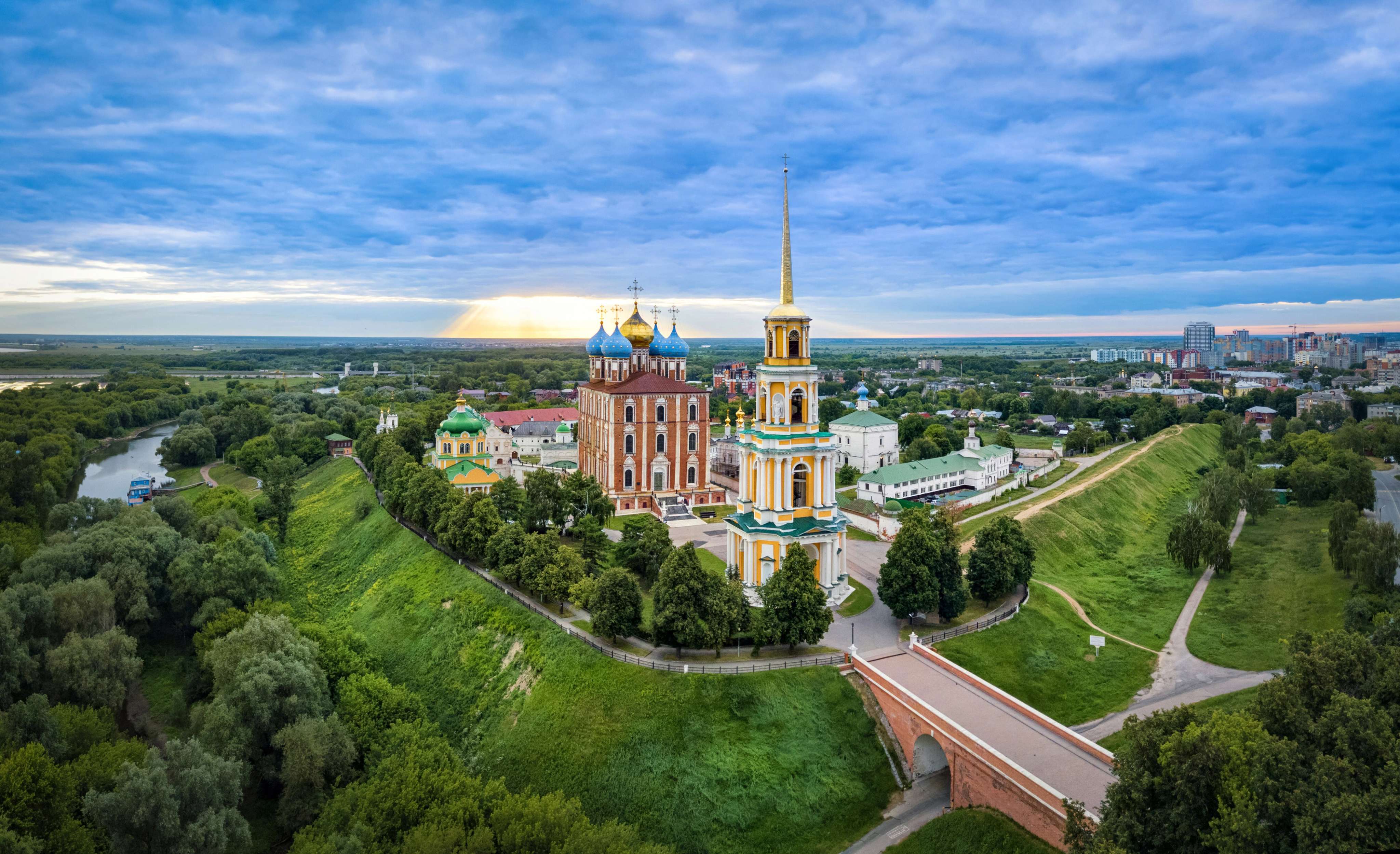
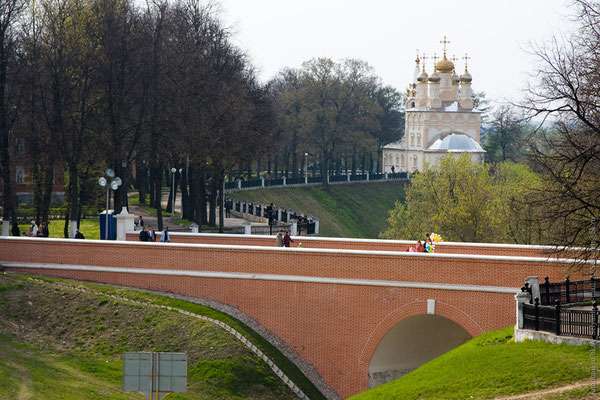
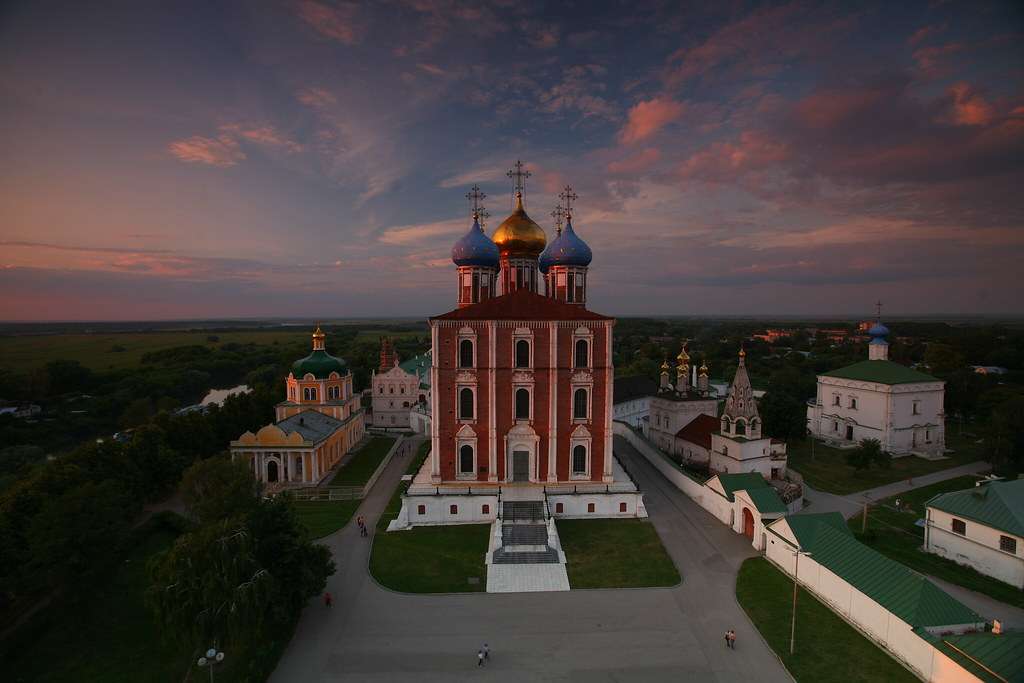
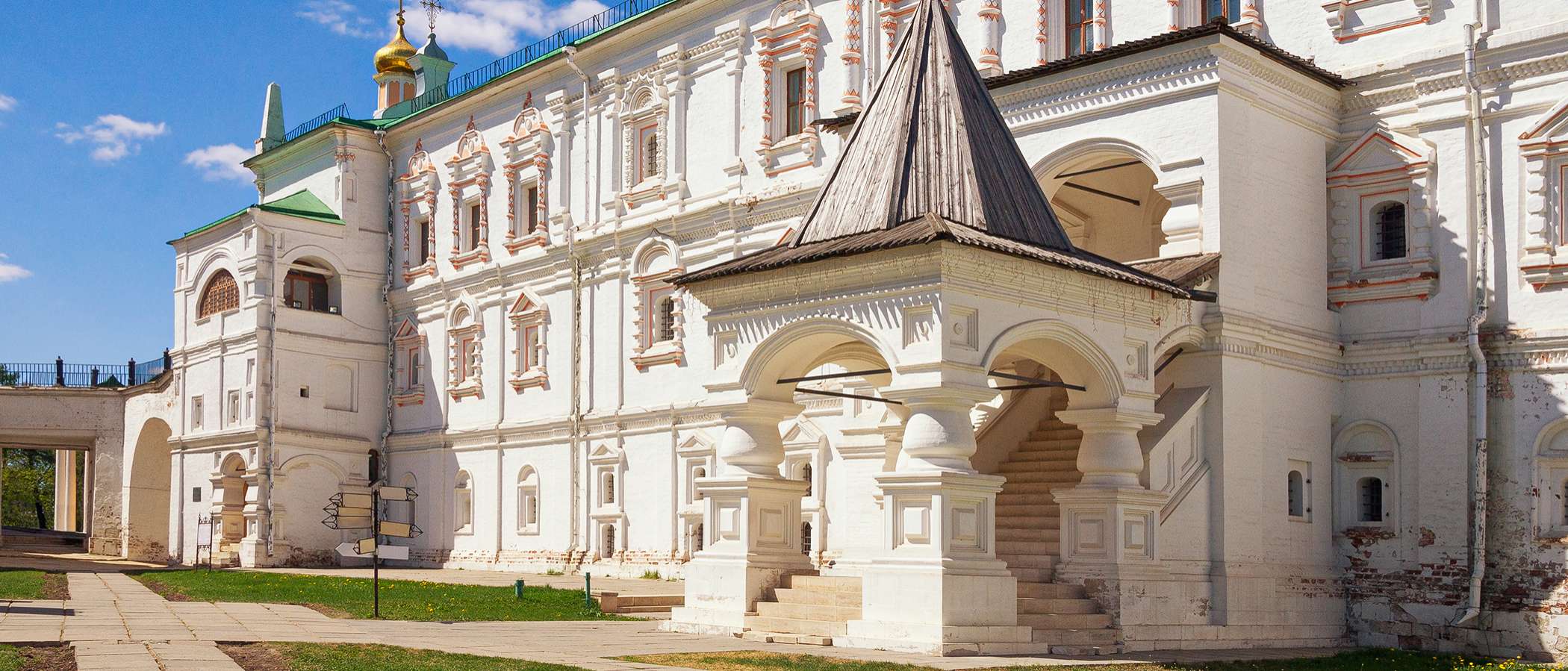
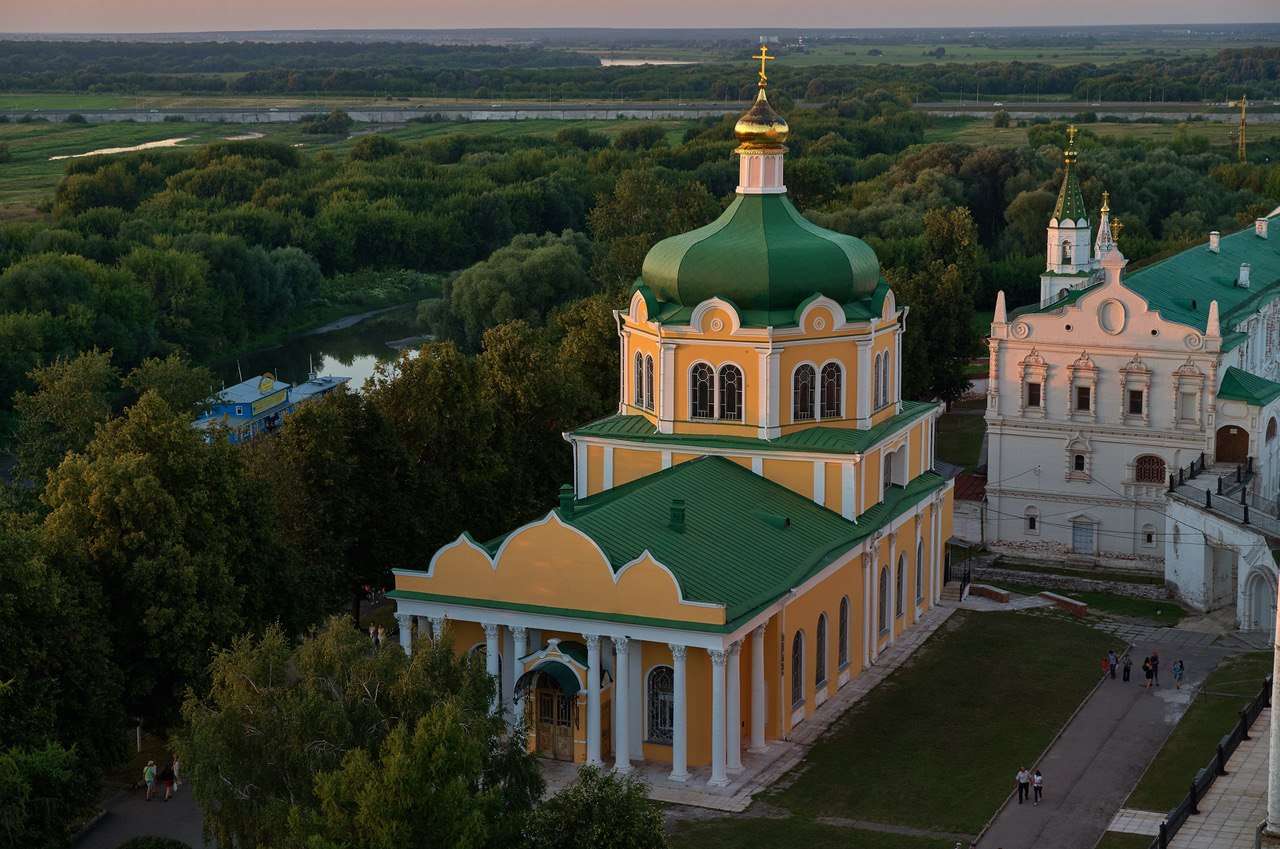
The Ryazan Kremlin is the best place to start getting to know Ryazan. On the “Kremlin route” you can see one of the largest Orthodox churches in Russia; find out where, legend has it, the great Prince Oleg of Ryazan hid his sword, which square in the city was called “Red,” and how the Diveevo convent is connected with the Ryazan Kremlin; take a photo at the city's most “iconic” selfie spot; and sip fragrant cardamom coffee like the one served on the biblical Via Dolorosa in the Old City of Jerusalem.

Things to do

  • 📜 Learn the city's history
  • 🏛️🕰️ Compare the eras

Route points (14)

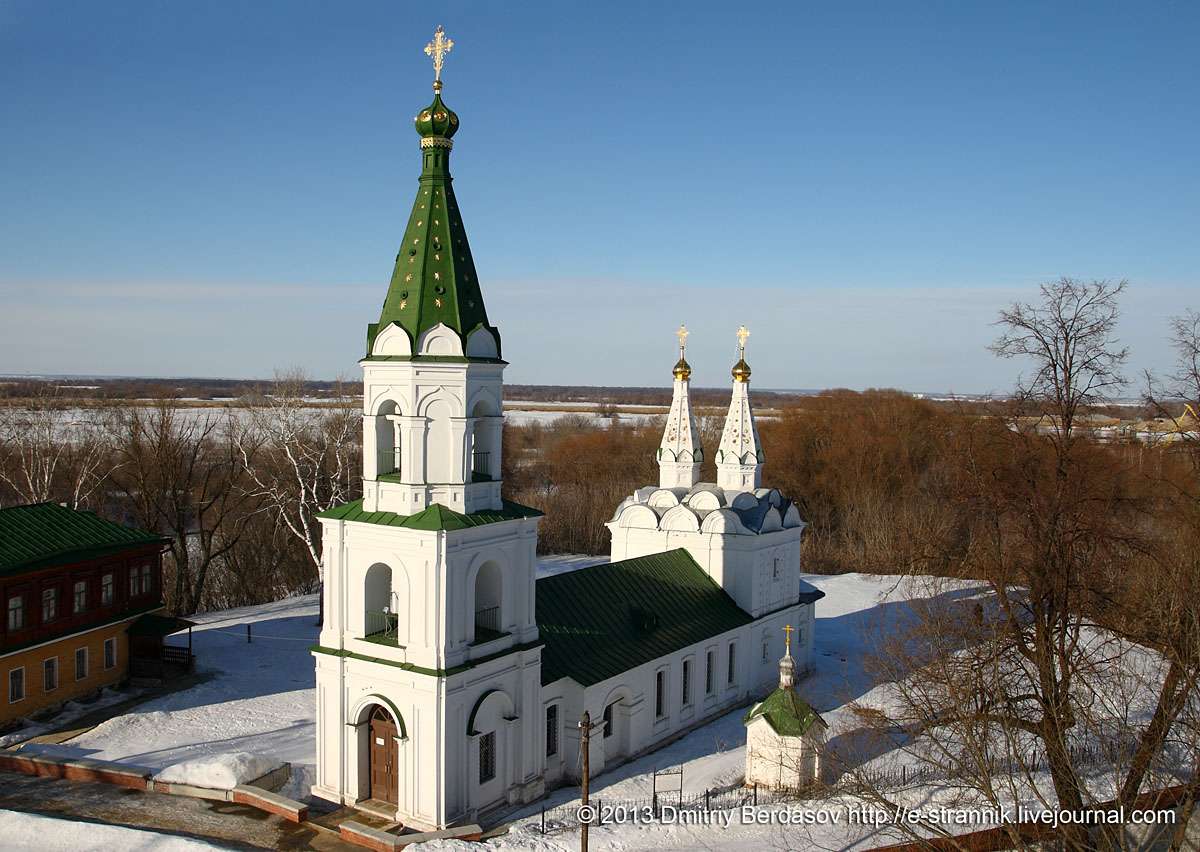
  1. The Ryazan Kremlin — point on route “The Ryazan Kremlin”

    The Ryazan Kremlin

    📜 Historic site · 🏟️ Architectural landmark

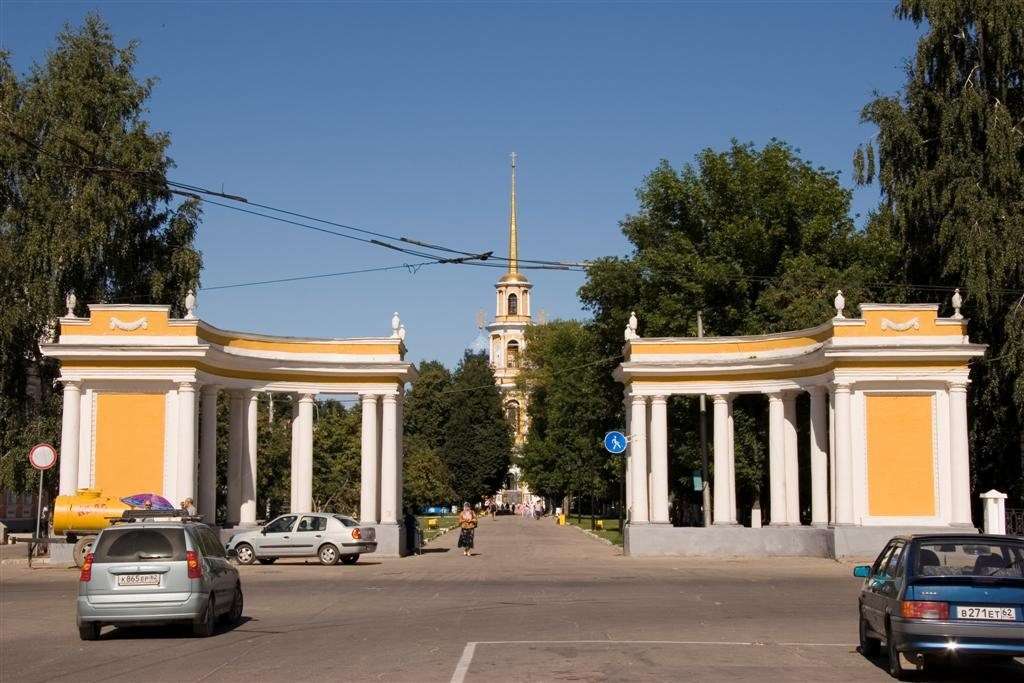
  2. Kremlin Square Garden — point on route “The Ryazan Kremlin”

    Kremlin Square Garden

    🌿 Public garden or park · ⛲ Square

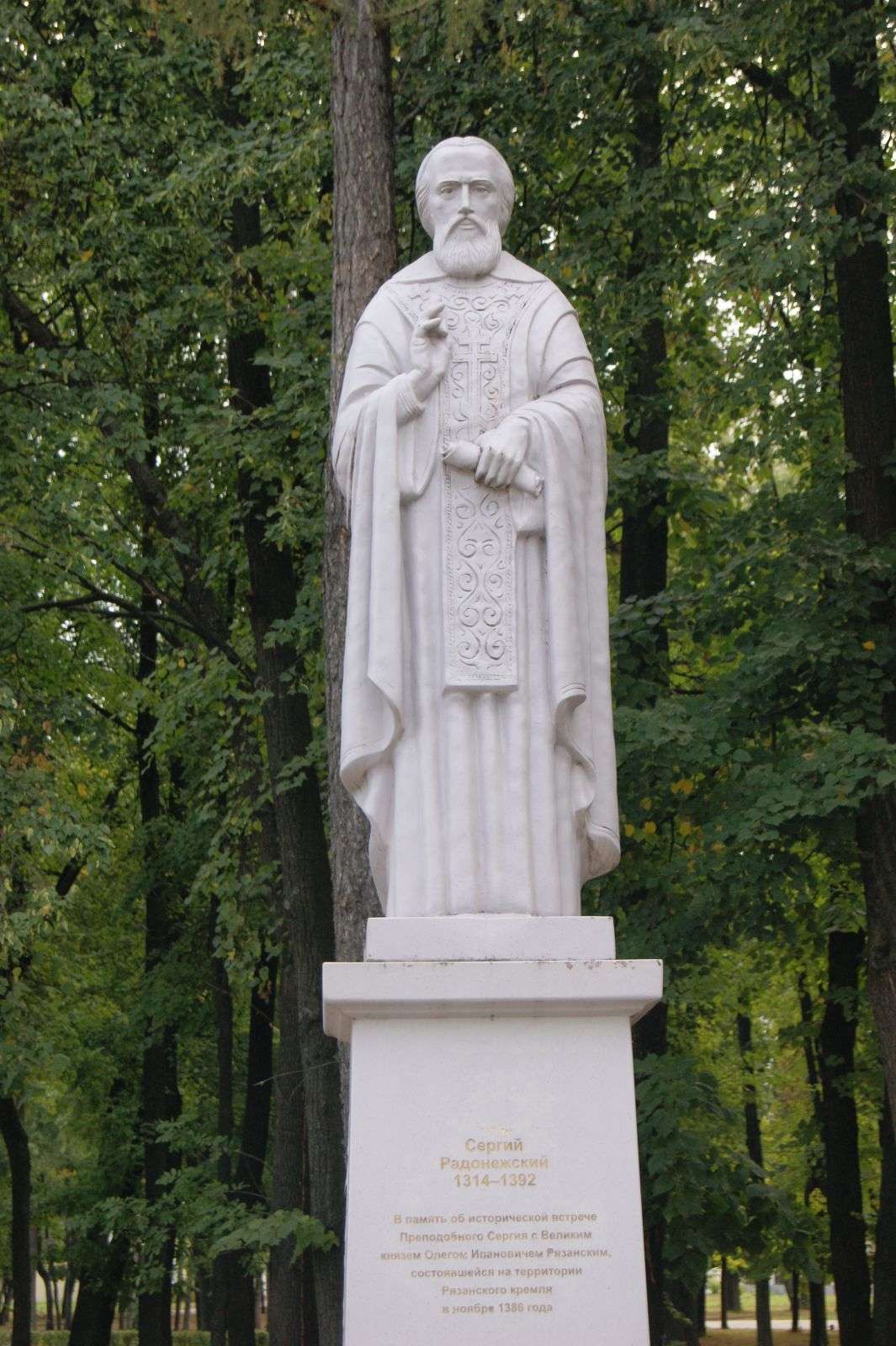
  3. Monument to St. Sergius of Radonezh — point on route “The Ryazan Kremlin”

    Monument to St. Sergius of Radonezh

    🗿 Monument · 🗿 Sculptures

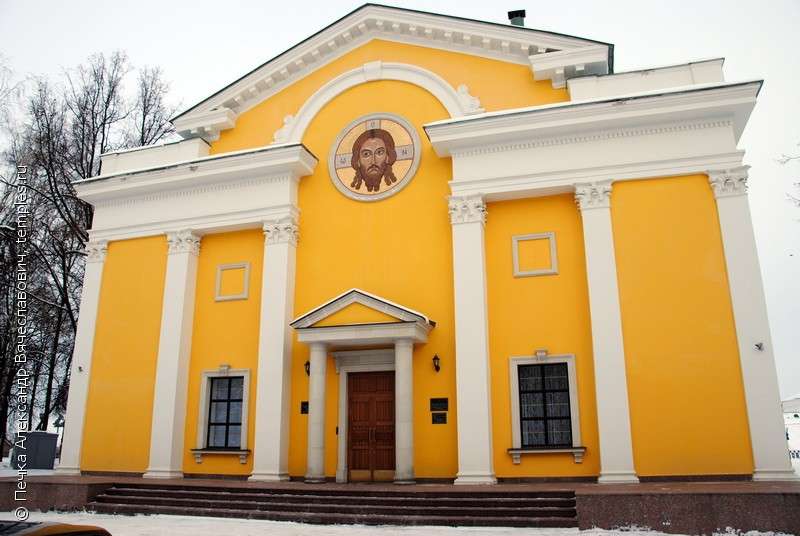
  4. Church of the Prophet Elijah — point on route “The Ryazan Kremlin”

    Church of the Prophet Elijah

    🕍 Place of worship · 📜 Historic site

  5. Glebovsky Bridge — point on route “The Ryazan Kremlin”

    Glebovsky Bridge

    🌉 Bridge · 📜 Historic site

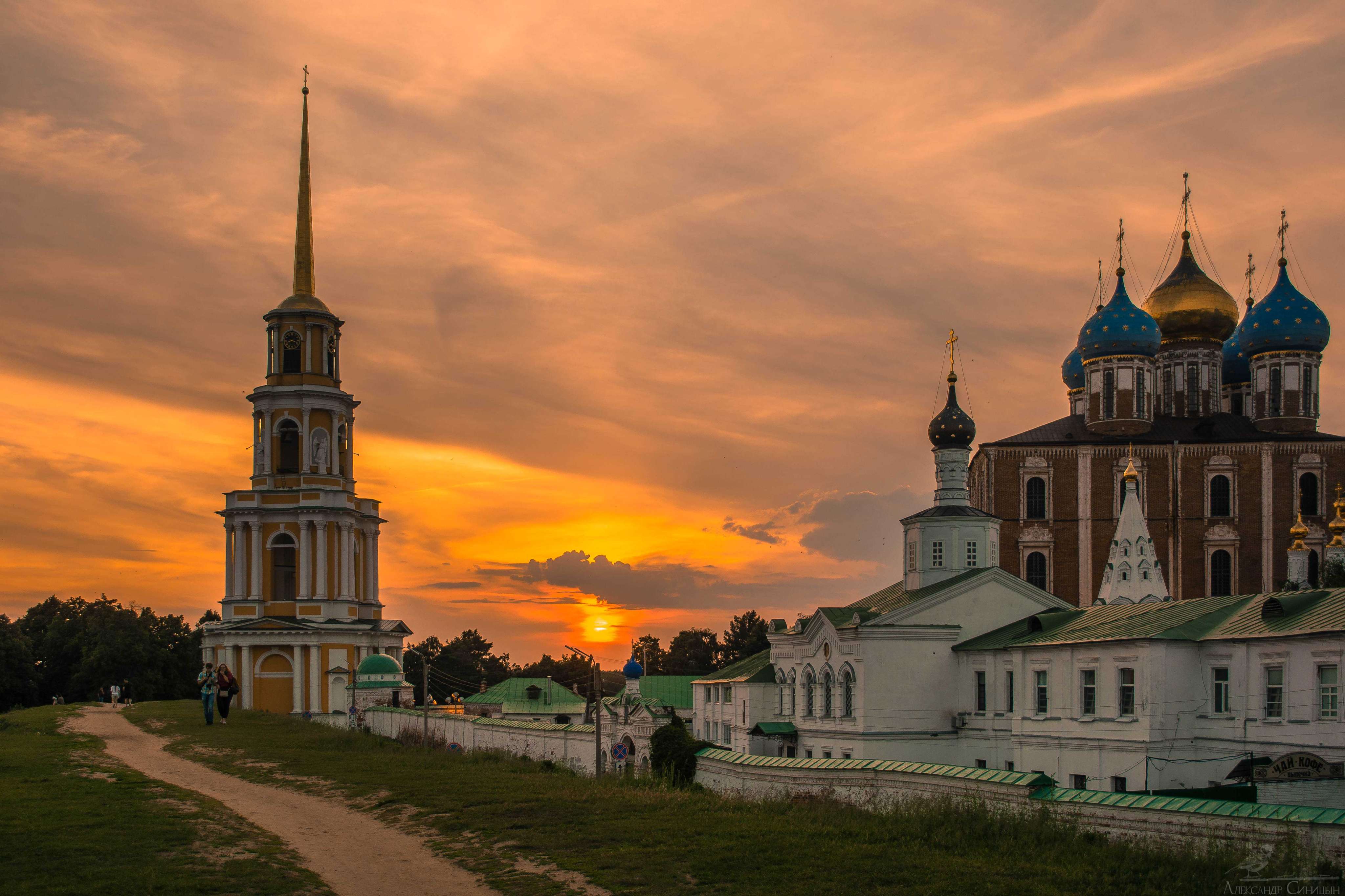
  6. Cathedral Bell Tower — point on route “The Ryazan Kremlin”

    Cathedral Bell Tower

    🏟️ Architectural landmark · 📜 Historic site

  7. Dormition Cathedral — point on route “The Ryazan Kremlin”

    Dormition Cathedral

    🕍 Place of worship · 🏟️ Architectural landmark · 📜 Historic site

  8. Oleg's Palace — point on route “The Ryazan Kremlin”

    Oleg's Palace

    🏟️ Architectural landmark · 📜 Historic site

  9. Church of the Nativity of Christ — point on route “The Ryazan Kremlin”

    Church of the Nativity of Christ

    🕍 Place of worship · 🏟️ Architectural landmark · 📜 Historic site

  10. Church of the Holy Spirit — point on route “The Ryazan Kremlin”

    Church of the Holy Spirit

    🕍 Place of worship · 📜 Historic site

  11. Kremlin Rampart — point on route “The Ryazan Kremlin”

    Kremlin Rampart

    📜 Historic site · 🔭 Viewpoint

  12. “Island of Broken Dreams” — point on route “The Ryazan Kremlin”

    “Island of Broken Dreams”

    🕵️ Urban legend

  13. Church of the Transfiguration of the Savior — point on route “The Ryazan Kremlin”

    Church of the Transfiguration of the Savior

    🕍 Place of worship · 📜 Historic site · 🏟️ Architectural landmark

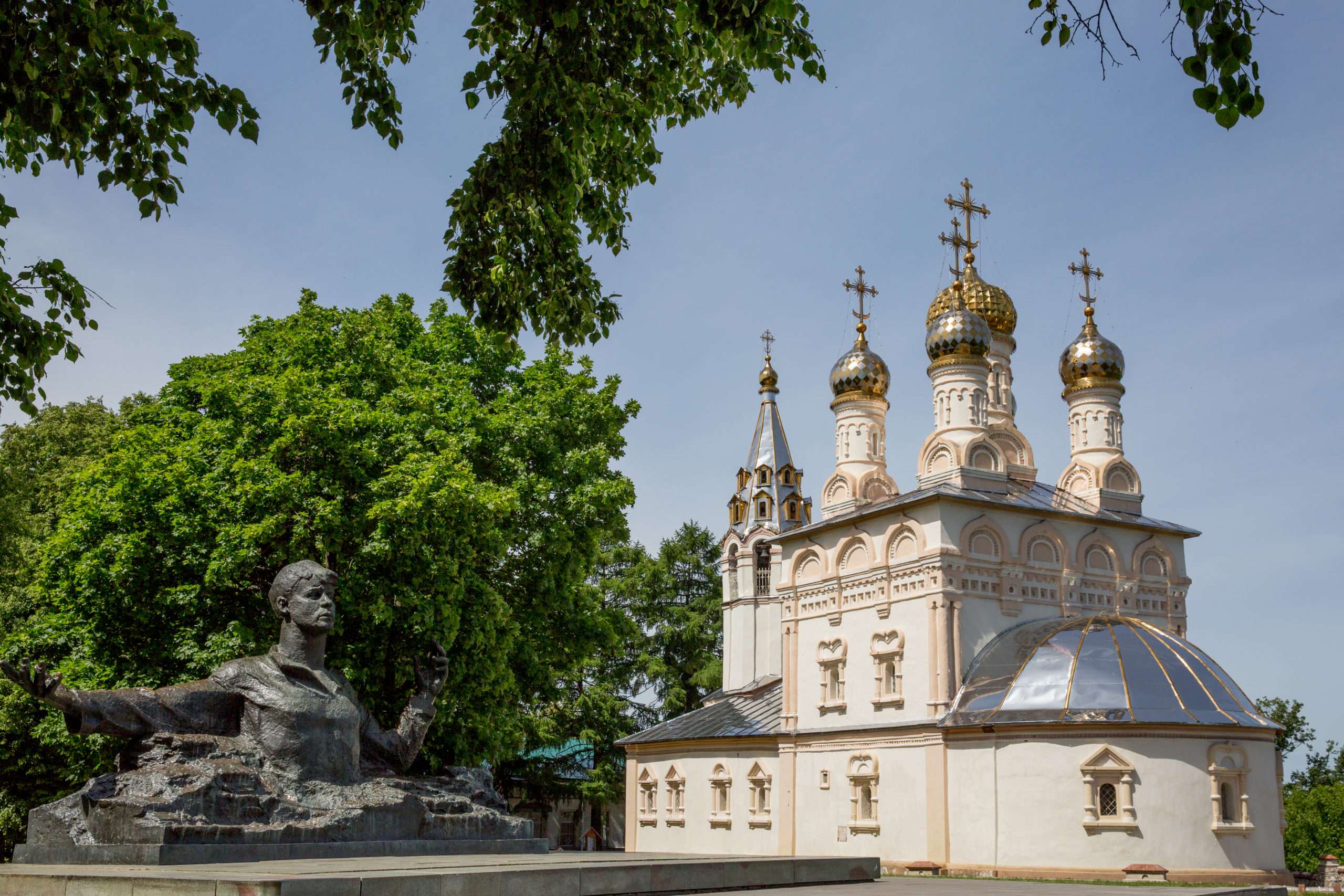
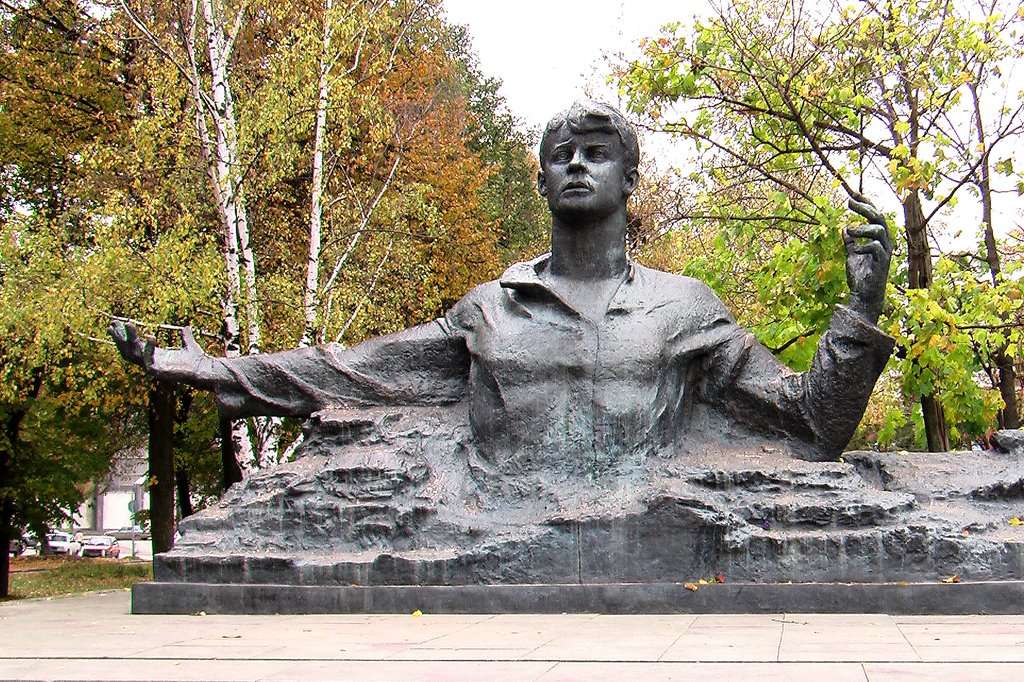
  14. Monument to Yesenin — point on route “The Ryazan Kremlin”

    Monument to Yesenin

    🗿 Monument

The Ryazan Kremlin in Ryazan

Point on route “The Ryazan Kremlin”

The Ryazan Kremlin — point on route “The Ryazan Kremlin”

Point 1

The Ryazan Kremlin

📜 Historic site • 🏟️ Architectural landmark

A Mix-Up with “Names”

Modern Ryazan was founded as Pereyaslavl-Ryazansky. The “real” Ryazan lay 50 kilometers (31 miles) downstream on the Oka and was destroyed by Batu in December 1237. The city was never rebuilt, and Pereyaslavl-Ryazansky was made the capital of the principality. Only in 1778, by decree of Catherine II, was Pereyaslavl renamed Ryazan and the Ryazan Governorate established.

History Began with the Kremlin

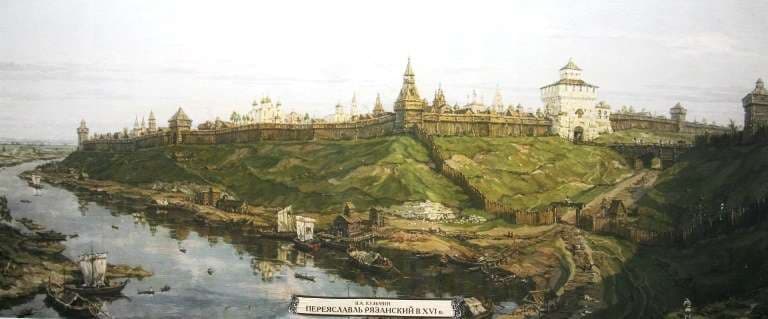
The Kremlin was built on a high, steep hill surrounded by two rivers, the Trubezh and the Lybed, both full-flowing at the time. On the third side it was protected by a lake, and on the fourth by a dry moat. The walls of Pereyaslavl, with 12 towers, were built of oak. Stone buildings replaced the wooden ones in the Kremlin only in the 15th century, and they were added to and rebuilt until the 19th century. Three centuries later Pereyaslavl-Ryazansky had outgrown the Kremlin's bounds and became one of Russia's largest cities, with a population of 523,000.

An Open-Air Museum

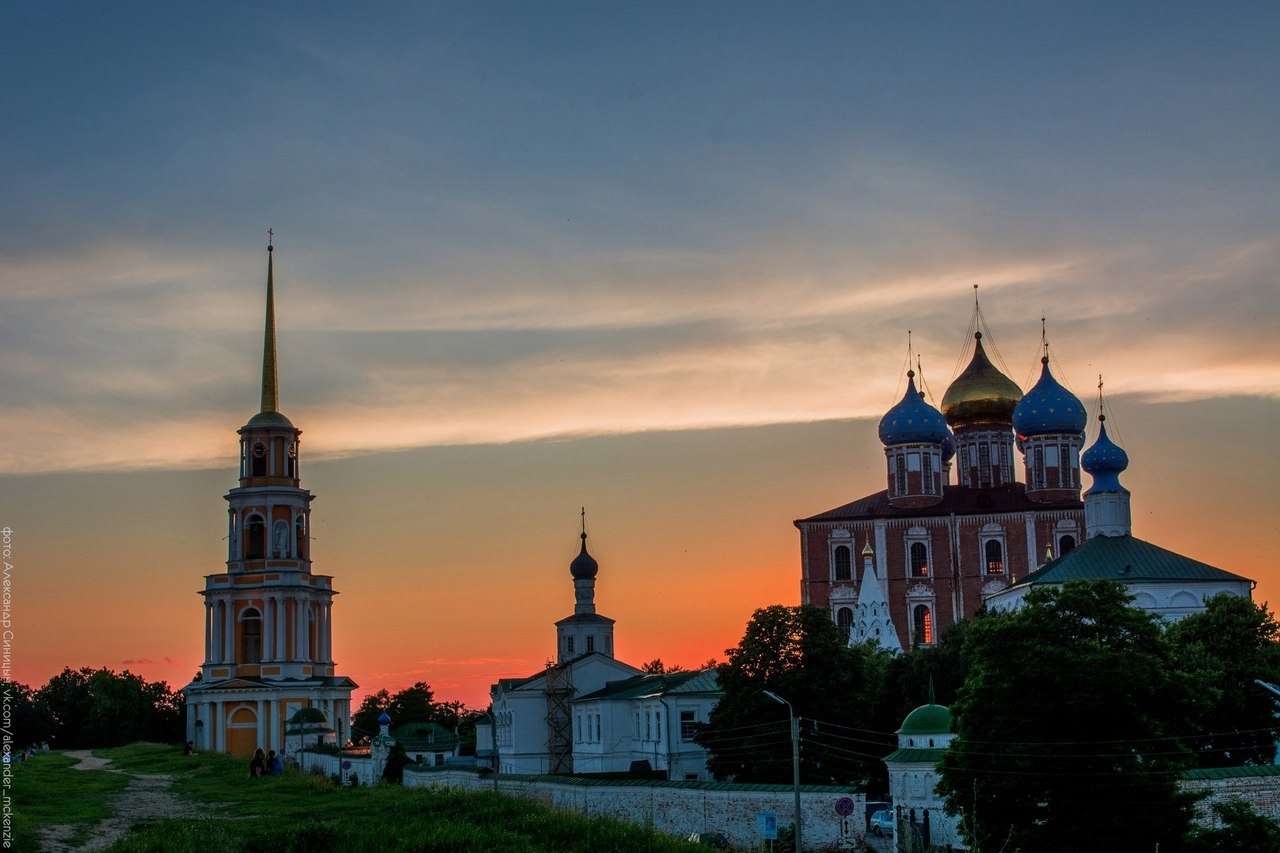
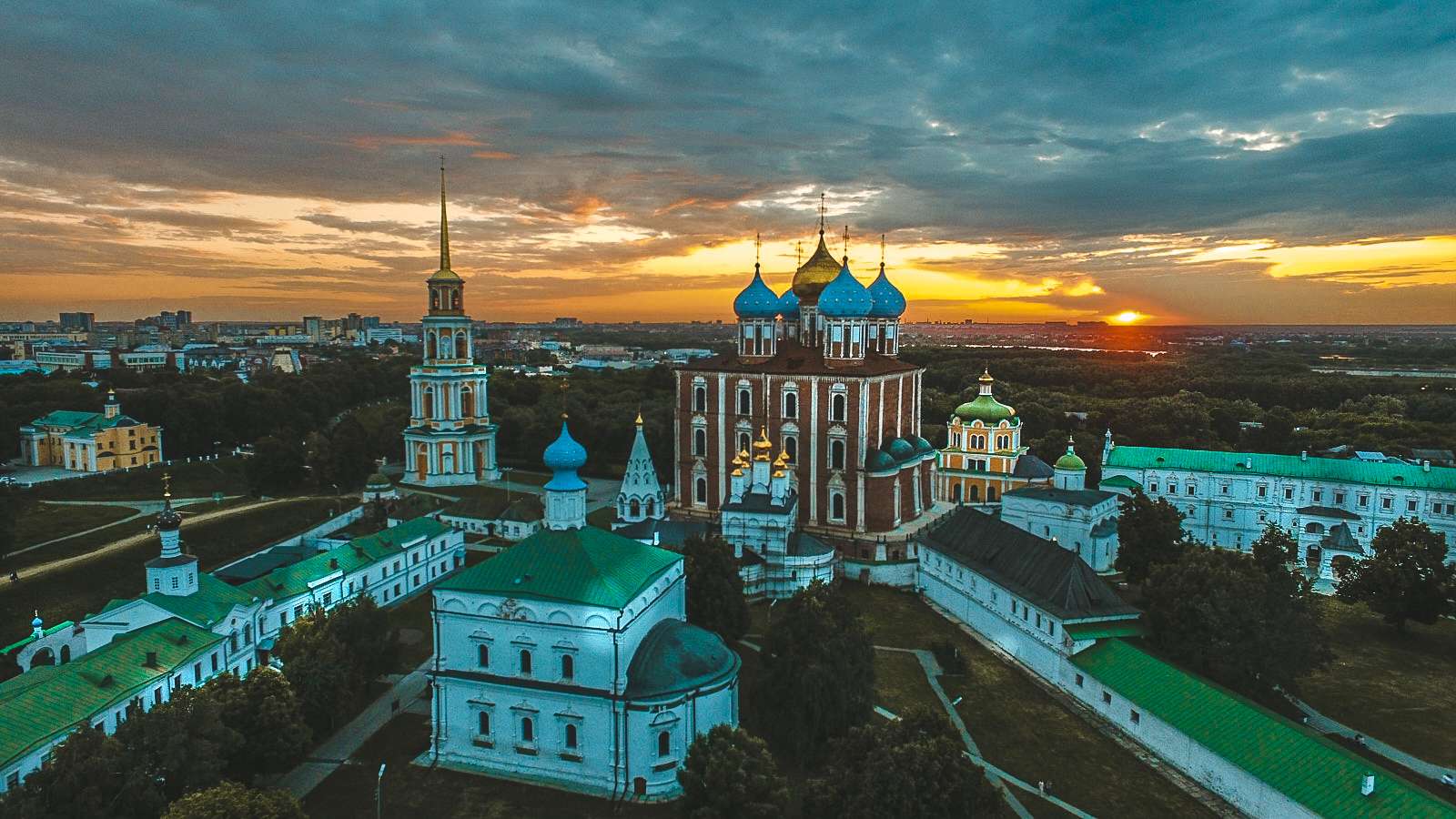
In their day many of the present Kremlin's buildings could boast the word “most”: the largest Orthodox cathedral and the tallest bell tower, the longest construction work of the Middle Ages, or the tallest iconostasis. The Ryazan Kremlin was and remains the city's main calling card and its heart. Today the Kremlin is home to the Ryazan Historical and Architectural Museum-Reserve.

The Ryazan Kremlin in Painting, Photography, and Film

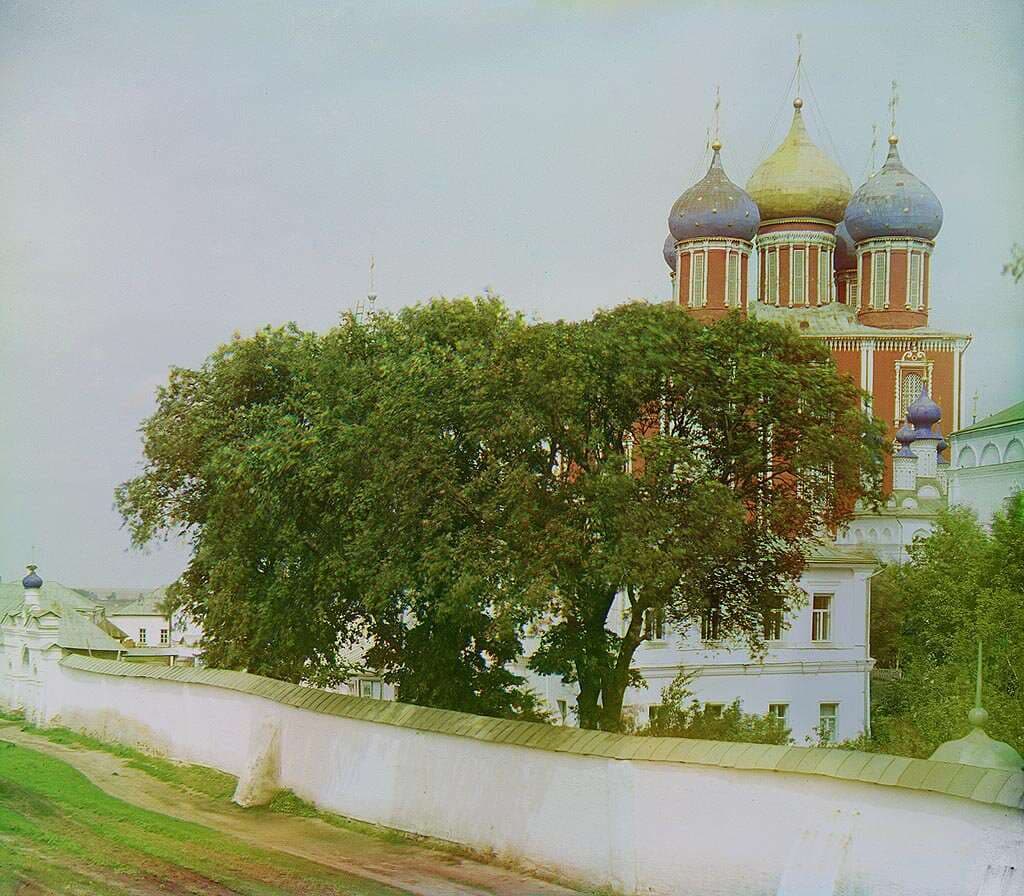
The Ryazan Kremlin has “posed” many times for artists, photographers, and filmmakers. Perhaps the best-known watercolors of the Kremlin belong to the self-taught 19th-century artist Mikhail Brovkin. He usually signed his works: “Drawn from nature by the deaf-mute Ryazan townsman Mikhaila Brovkin, taught nowhere and by no one.” You can see what Ryazan and its Kremlin looked like in the early 20th century in the photographs of Sergei Prokudin-Gorsky, the pioneer of color photography in Russia. And in 1984 the multi-part biopic “The Search for Truth” was released, about the outstanding scientist Ivan Pavlov, a Ryazan native and Russia's first Nobel laureate. The Ryazan Kremlin served in part as the set for its first episode, “A Native of Ryazan.”