Description
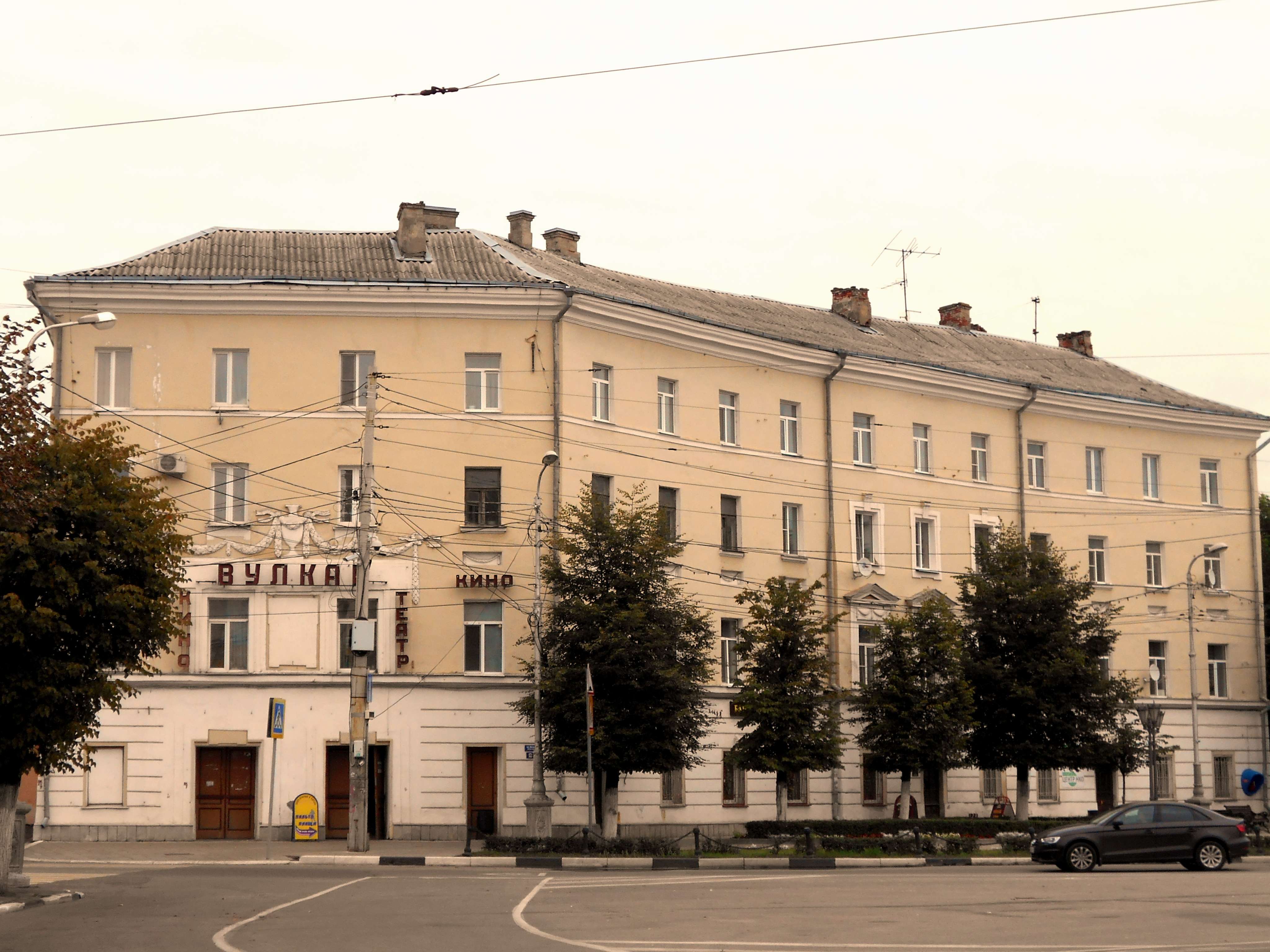
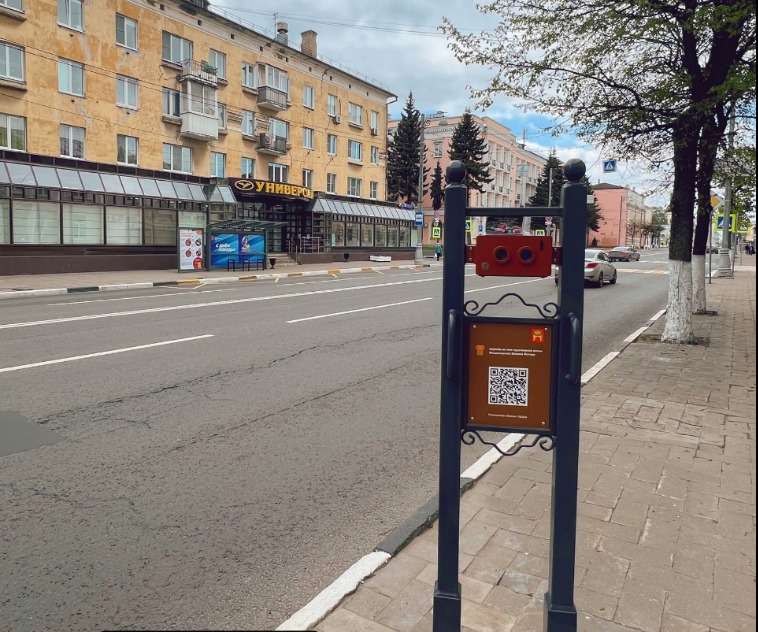
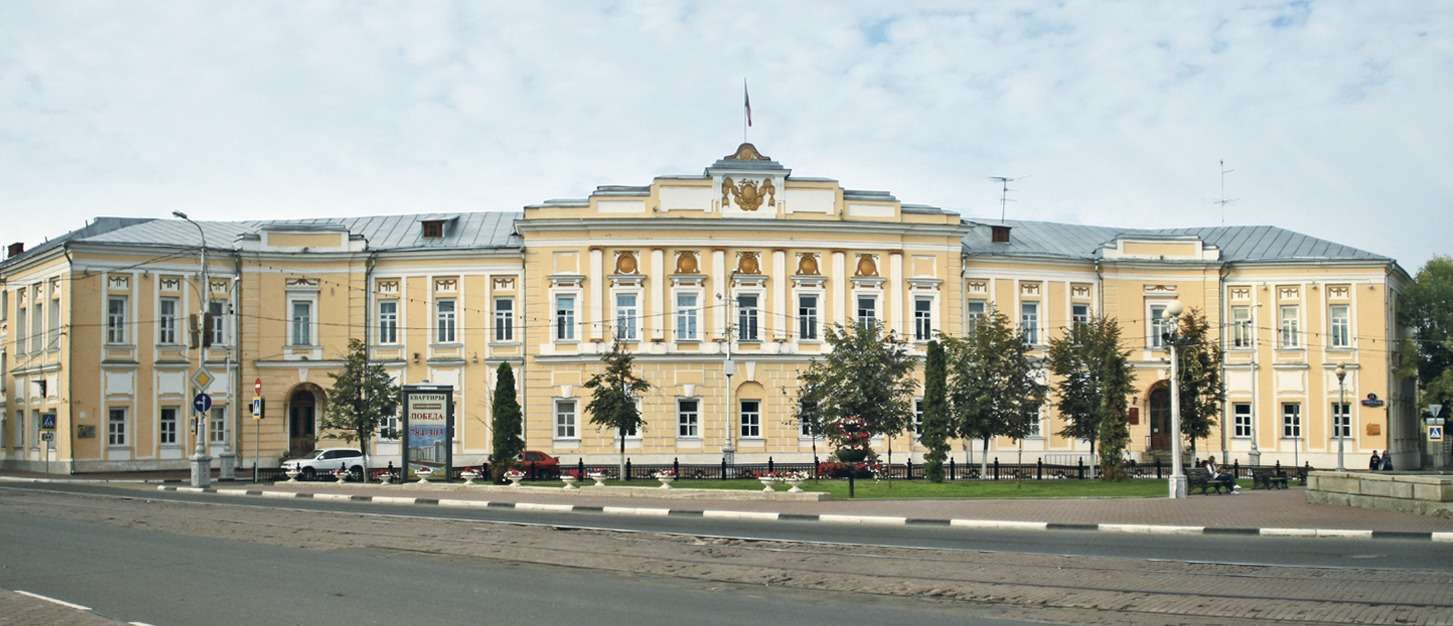
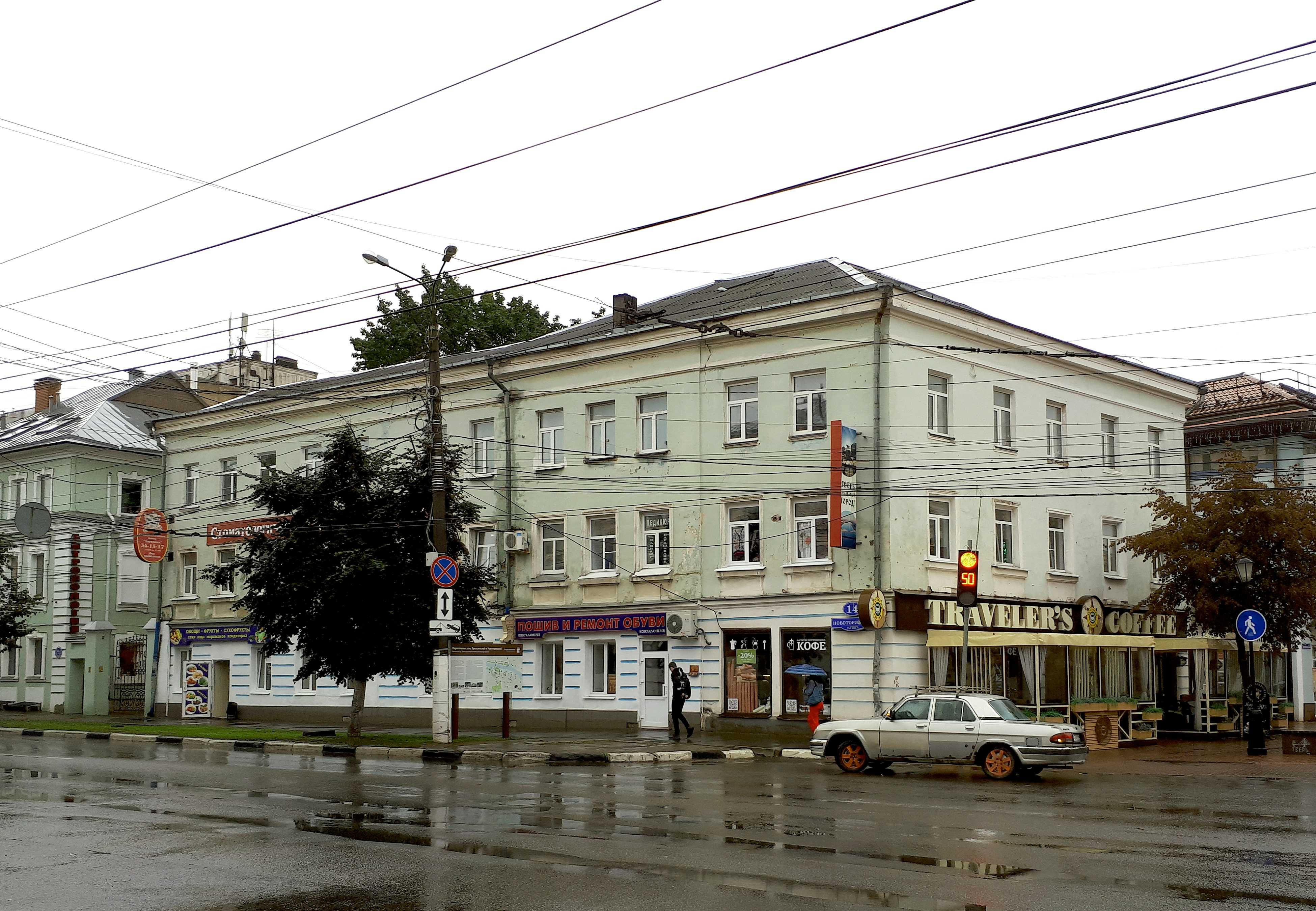
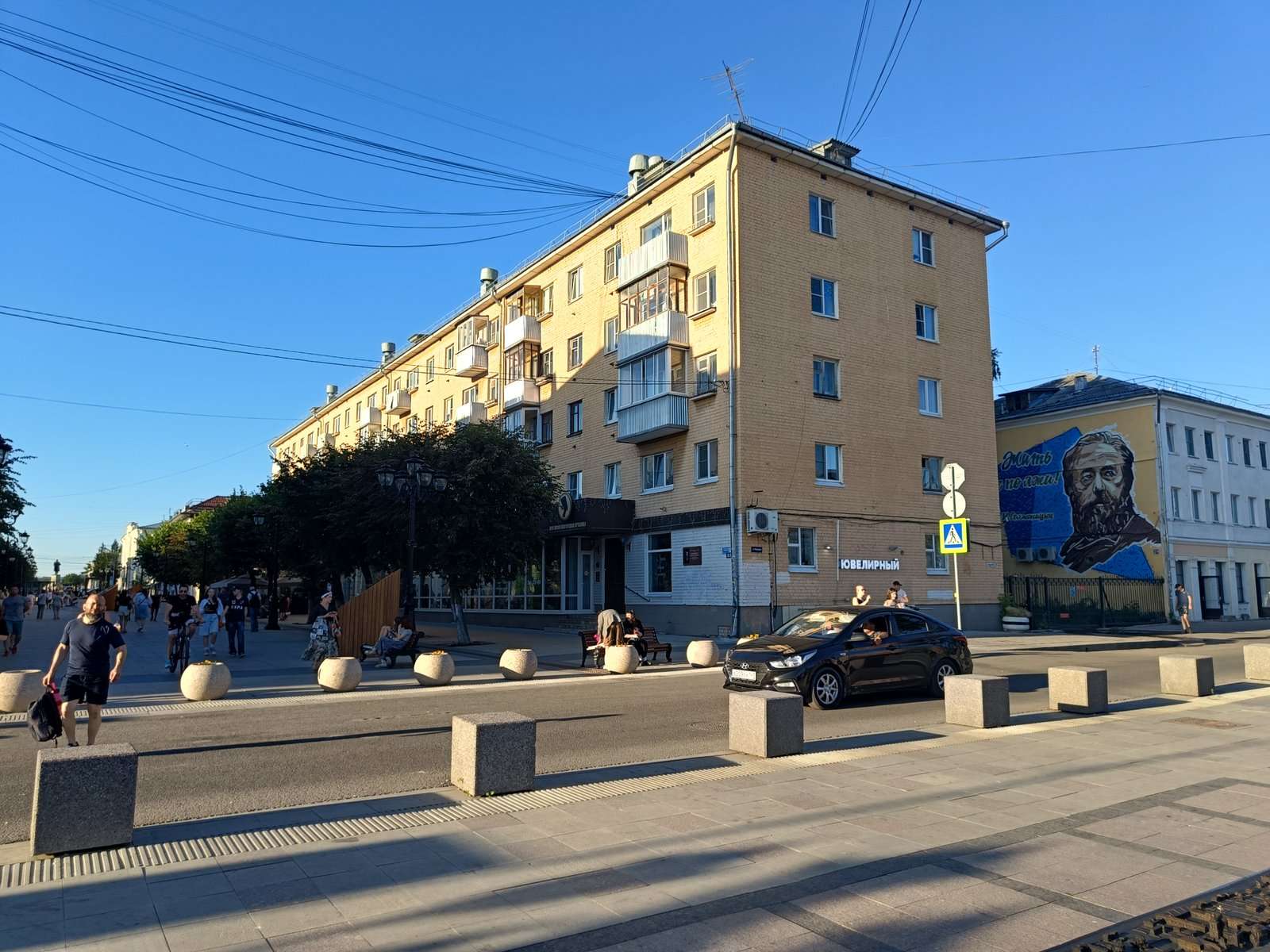
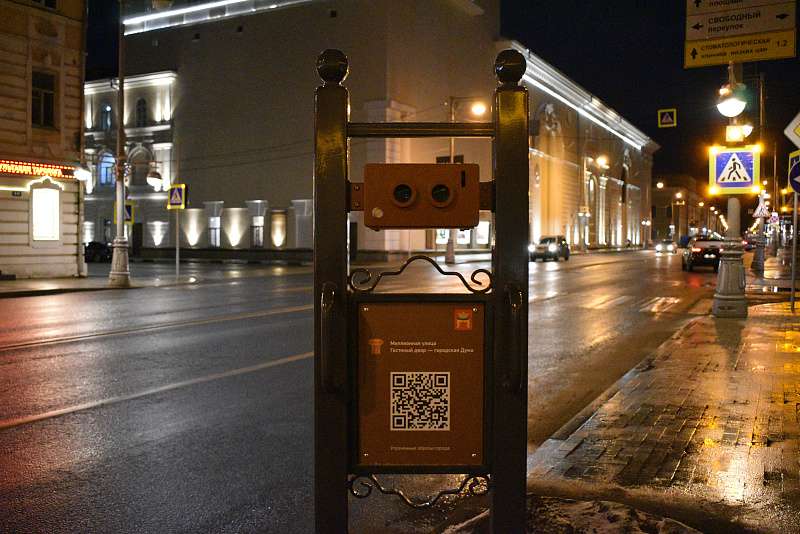
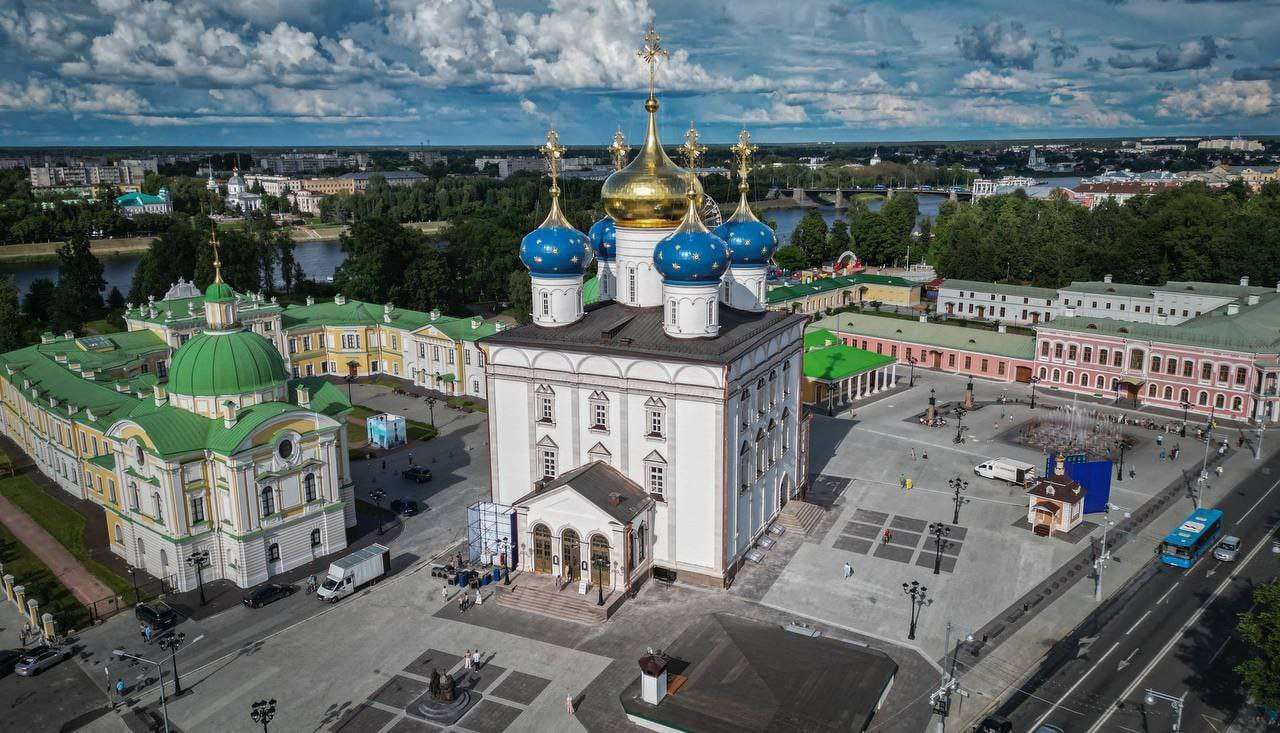
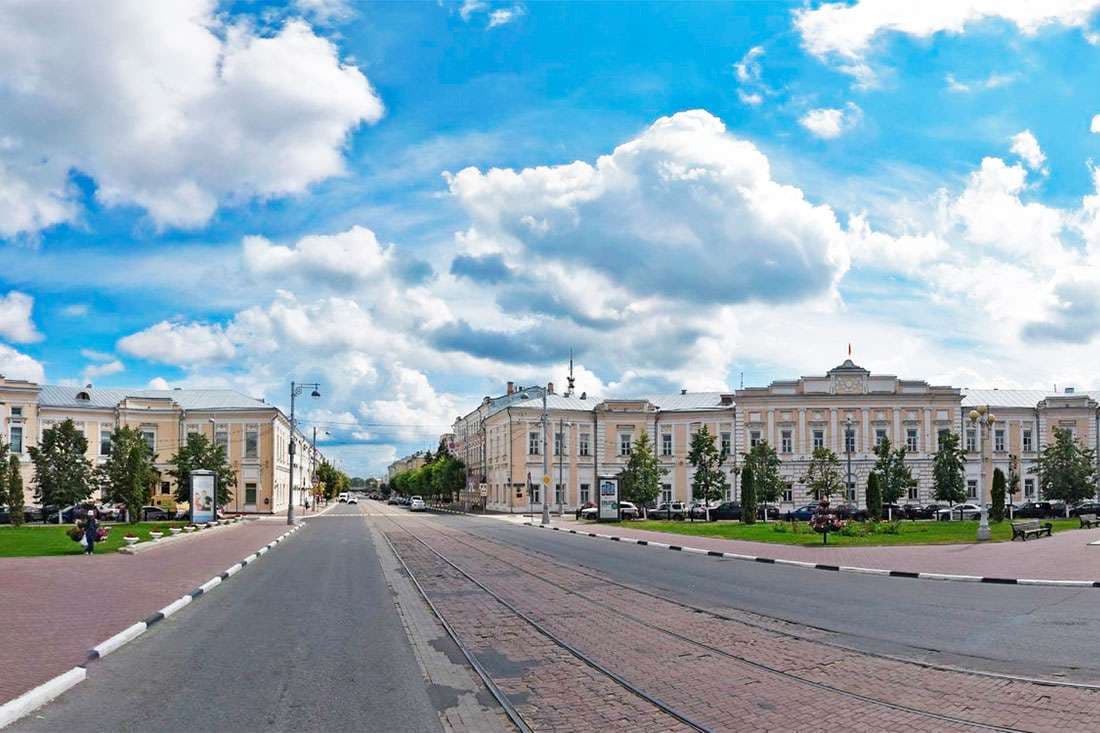
Sovetskaya is Tver's main street, running through the historic center from west to east, parallel to the Volga, from the bridge over the Tmaka to Smolensky Lane. Like many streets, it has been renamed more than once.
In the days of the Principality of Tver the street was called Bolshaya Moskovskaya (Great Moscow Street). From the 1760s, in gratitude for Catherine II's special care in rebuilding the city after the fire, it was named Ekaterininskaya.
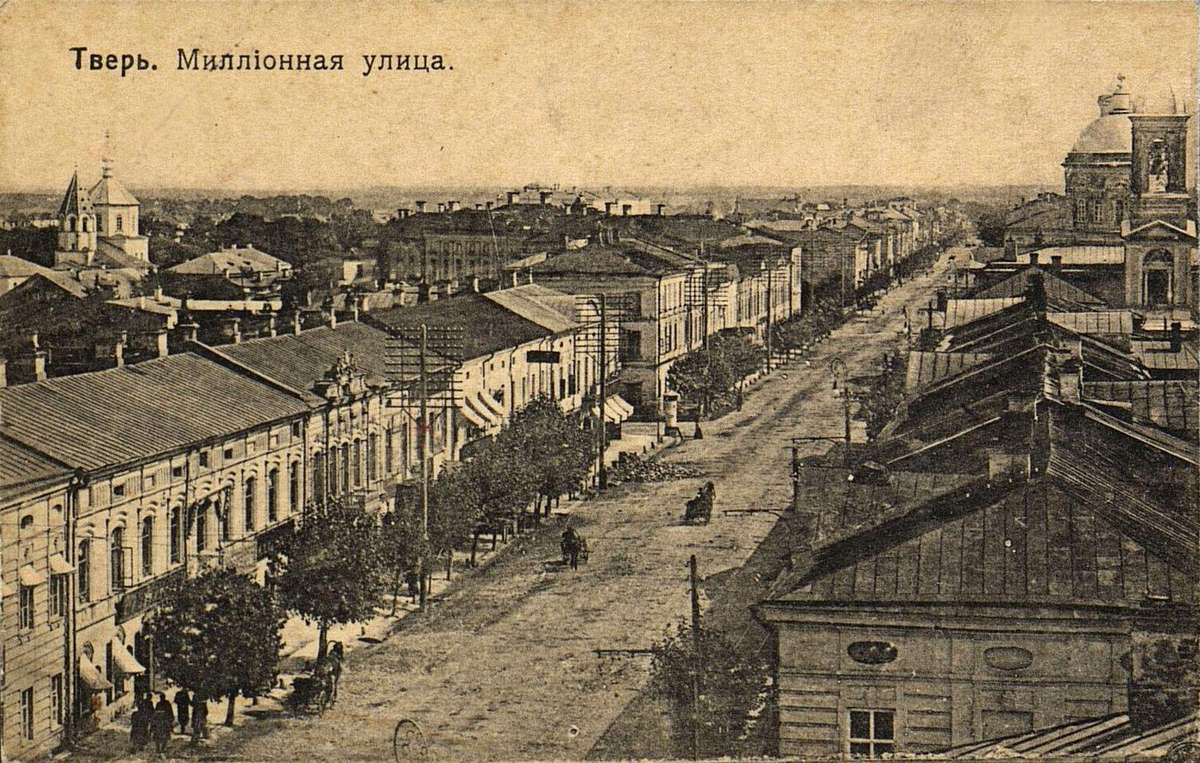
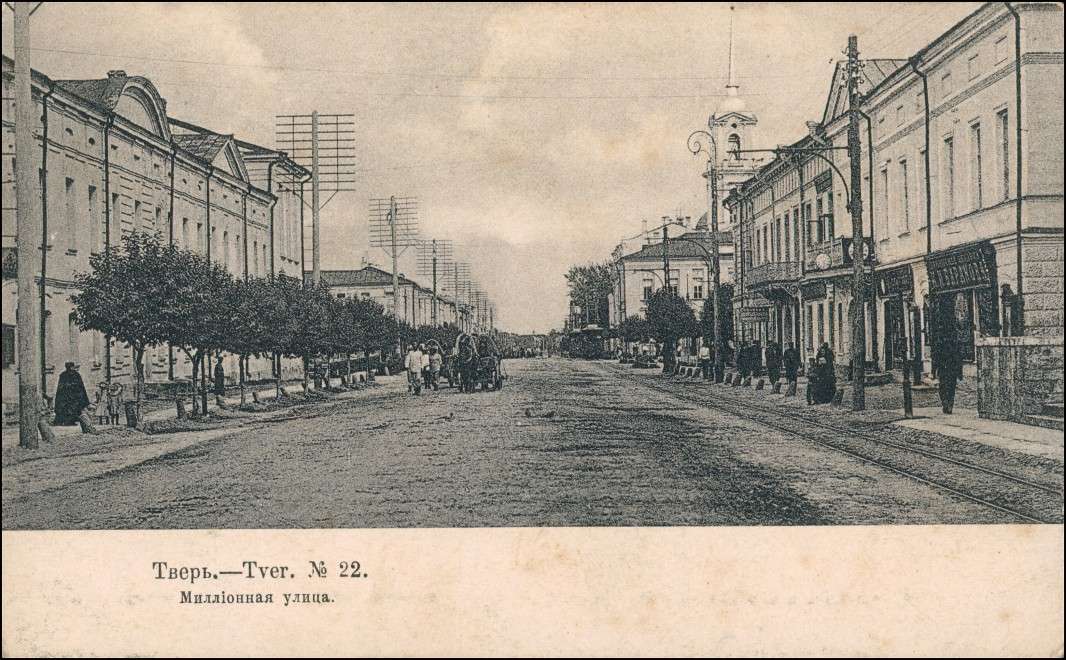
Prince Georg of Oldenburg, governor-general of Tver Governorate, tried to change this name in the early 1810s. For a short time the street's new name was Millionnaya. It dropped out of official documents a few years after the prince's death in 1812.
In the end the street went back to Ekaterininskaya, and in the 1870s, perhaps because of the growing wealth of the people living on it, it was again called Millionnaya.
It remained so until the end of the 1910s, and after the revolution it was renamed once more, as Sovetskaya.
Historical Background
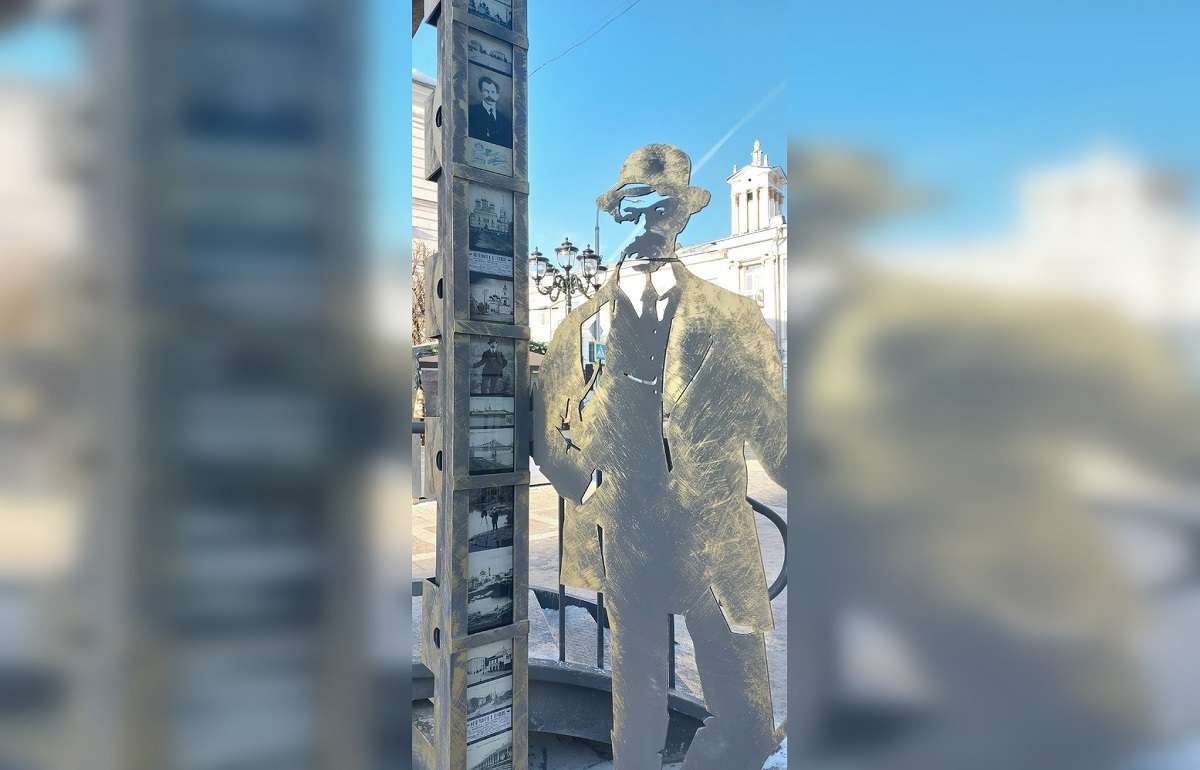
In his book “Photographers of Tver and Tver Governorate,” A. N. Semenov, a philocartist and researcher of the history of Tver photography, describes several well-known photo studios in the center of Tver, on Millionnaya and Kosaya (Novotorzhskaya) Streets, and important portraits they produced: “The photo studio in the Titov house on Millionnaya was briefly run by the Saxon subject Robert Rössler, after which Rössler's studio moved to the Panov house. No later than 1864, Robert Rössler took a portrait in Tver of the Decembrist M. I. Muravyov-Apostol.”
Decembrists in Tver
Where was M. I. Muravyov-Apostol living at that time? The Decembrist wrote to his friend Ivan Pushchin: “…by the way, the other day we moved to Semyonovskaya Street, into Butyagin's house.” Today this is 35 Simeonovskaya Street. And who was he? A man whose fate could not leave his contemporaries indifferent. Born into a rich and influential family, he was among the first to embrace the Decembrists' ideas and himself took up arms against the troops of Nicholas I. The Decembrists were the largest political movement in Russian history made up entirely of noblemen. Their main goals were to overthrow the autocracy, abolish serfdom, adopt a constitution, and introduce representative government. To jump ahead: the uprising was crushed, and its participants were arrested or executed. After the amnesty of 1856, Matvei Muravyov-Apostol, who had spent decades in Siberian exile, settled in Tver in 1857. The city appealed to Matvei Ivanovich because it was connected to Moscow by railway: he could visit his relatives, and they could come to see the exiled Decembrist more often. Muravyov-Apostol lived in Tver for 6 years.
 12 points
 3 km
 4 hours