←Tver Photographers

Tver Photographers

Photo of route “Tver Photographers”
12 points3 km4 hours

This route lets you dive into the history of photography in Tver and see stereo images of the city as it was a hundred years ago.

Things to do

  • 📸 Take photos
  • 📜 Learn the city's history

Route points (12)

  1. “Camera” Art Piece — point on route “Tver Photographers”

    “Camera” Art Piece

    🎨 Art installations

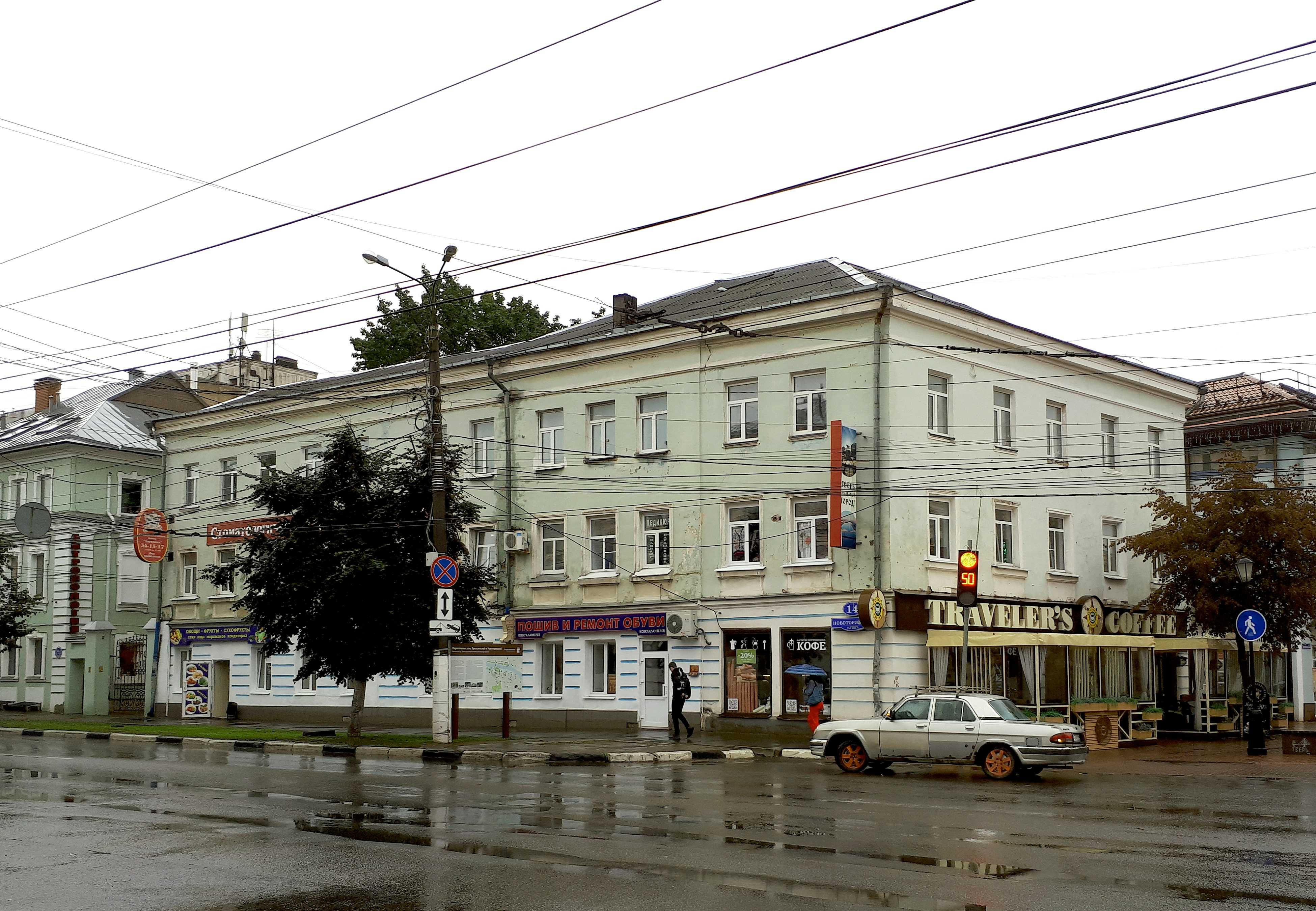
  2. M. D. Arefyeva's House — point on route “Tver Photographers”

    M. D. Arefyeva's House

    📜 Historic site · 🏟️ Architectural landmark

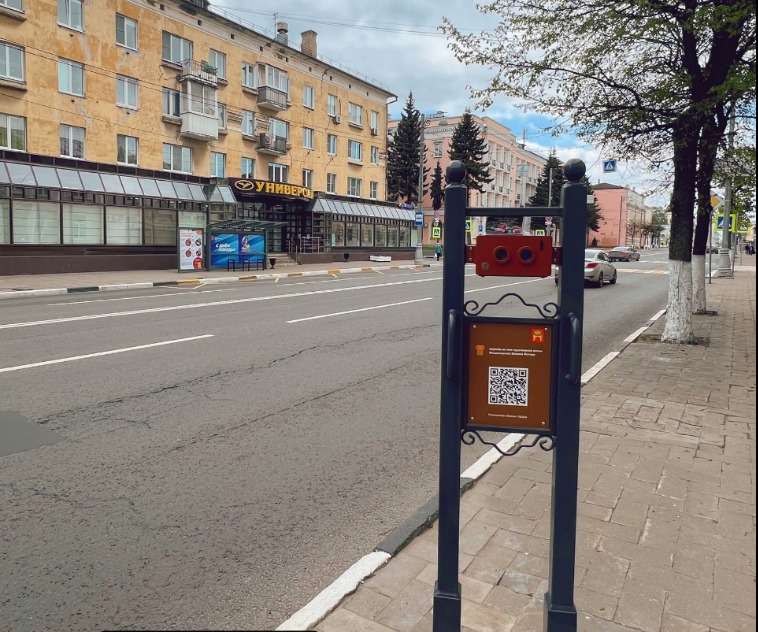
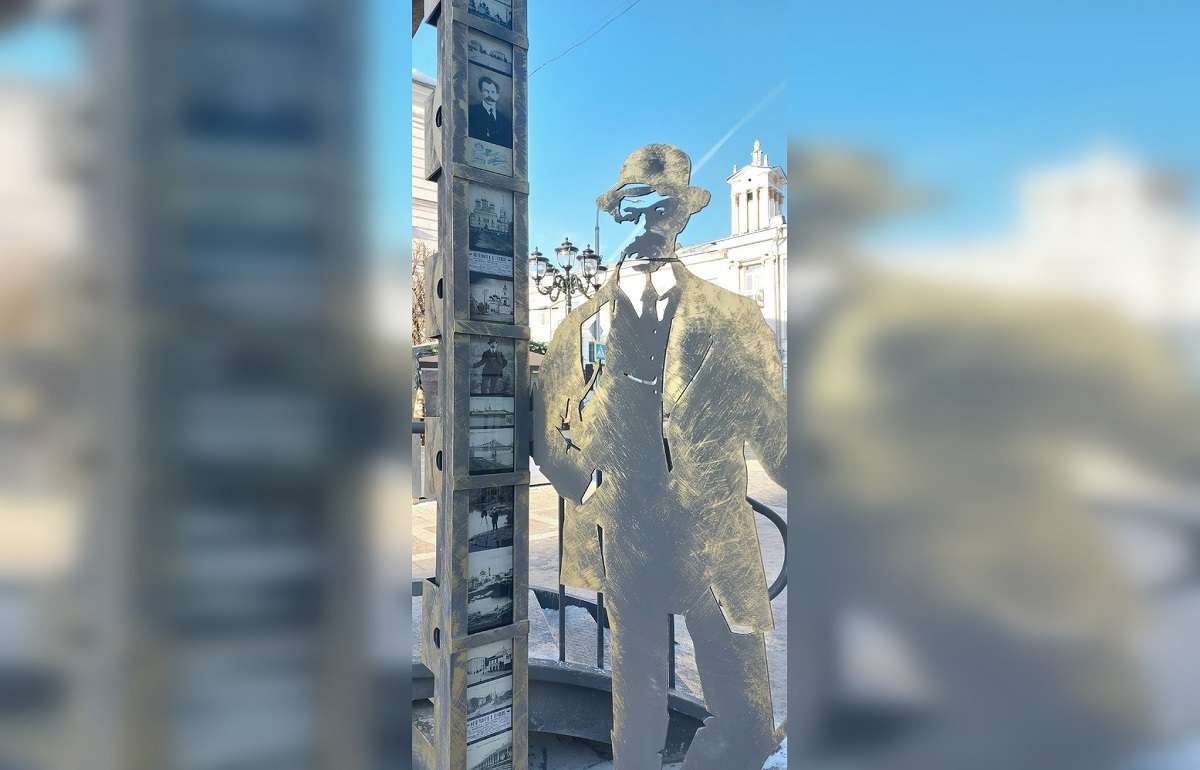
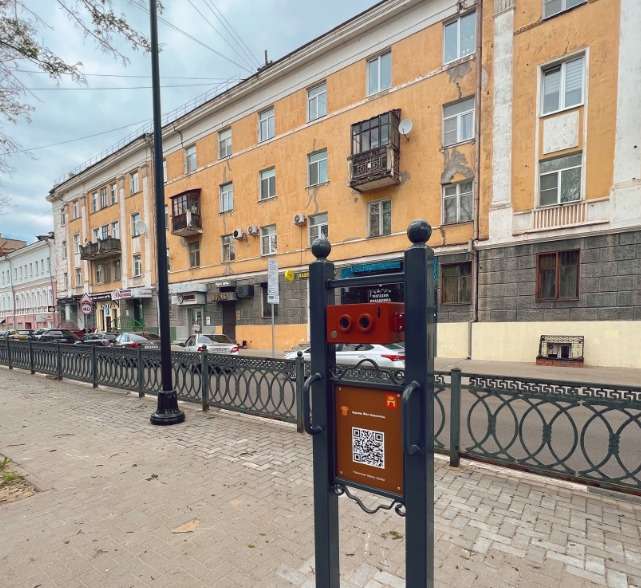
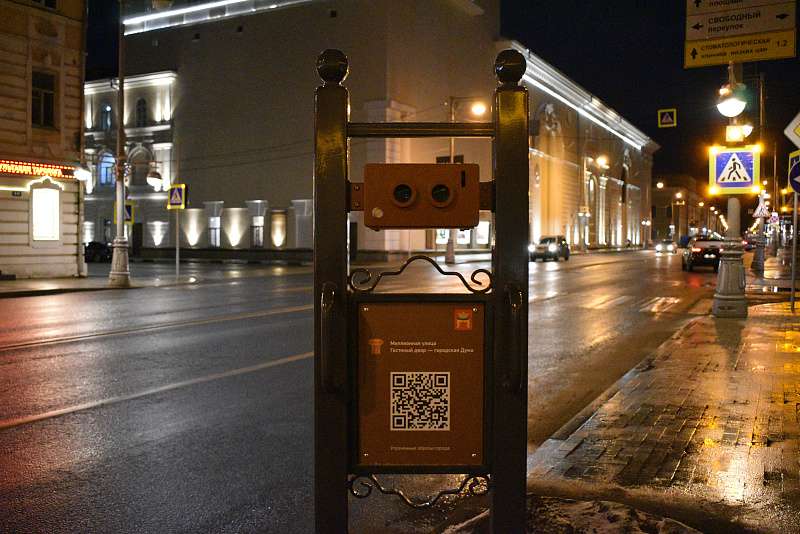
  3. Stereoscope — point on route “Tver Photographers”

    Stereoscope

    🎨 Art installations · 📜 Historic site · 🔭 Viewpoint

  4. Stereoscope — point on route “Tver Photographers”

    Stereoscope

    🎨 Art installations · 📜 Historic site · 🔭 Viewpoint

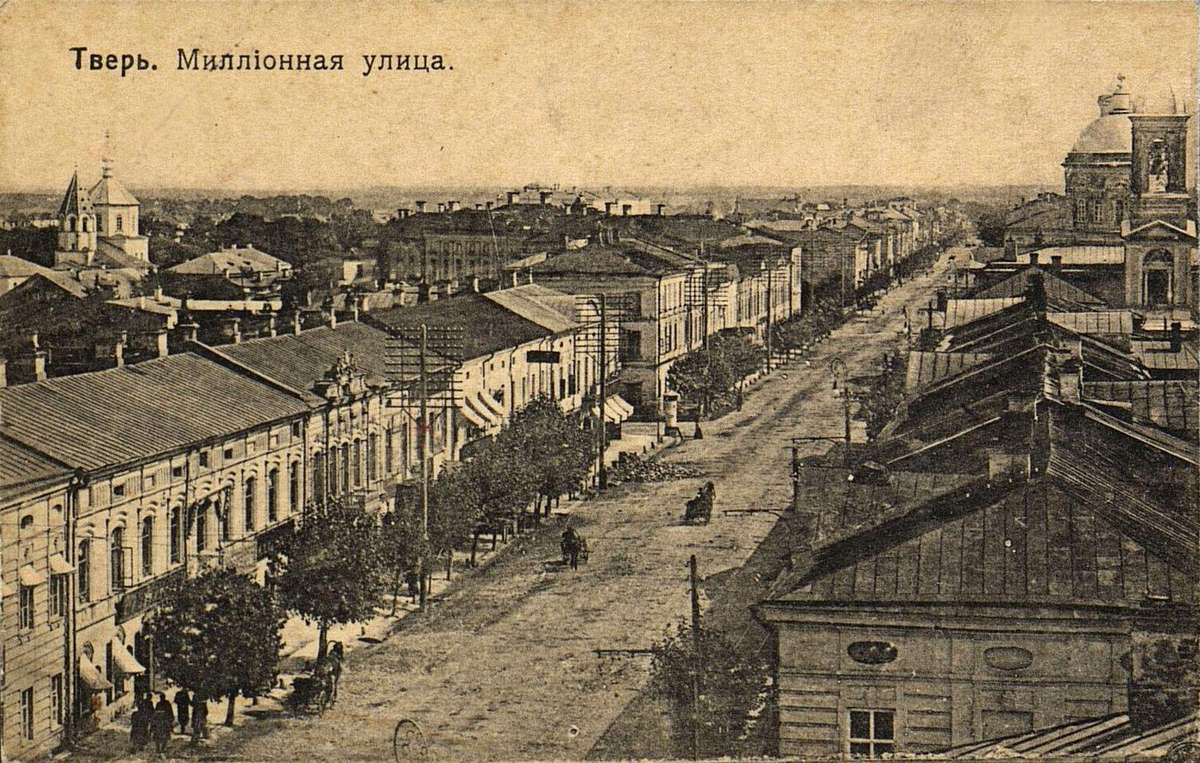
  5. Millionnaya Street — point on route “Tver Photographers”

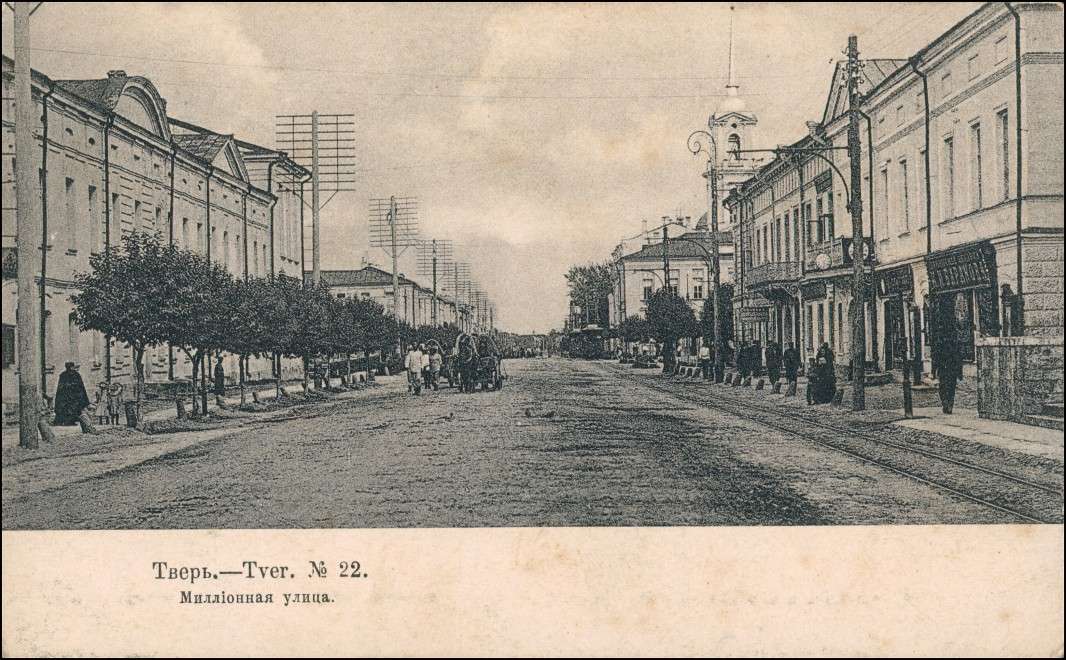
    Millionnaya Street

    📜 Historic site · 🕵️ Urban legend

  6. Panov House — point on route “Tver Photographers”

    Panov House

    📜 Historic site

  7. I. A. Tachalov Art Piece — point on route “Tver Photographers”

    I. A. Tachalov Art Piece

    🎨 Art installations

  8. O. V. Gubchenko's House — point on route “Tver Photographers”

    O. V. Gubchenko's House

    🕵️ Urban legend · 📜 Historic site

  9. Iskra Museum of Photography — point on route “Tver Photographers”

    Iskra Museum of Photography

    🏛️ Museum

  10. Stereoscope — point on route “Tver Photographers”

    Stereoscope

    🎨 Art installations · 📜 Historic site · 🔭 Viewpoint

  11. Stereoscope — point on route “Tver Photographers”

    Stereoscope

    🎨 Art installations · 📜 Historic site · 🔭 Viewpoint

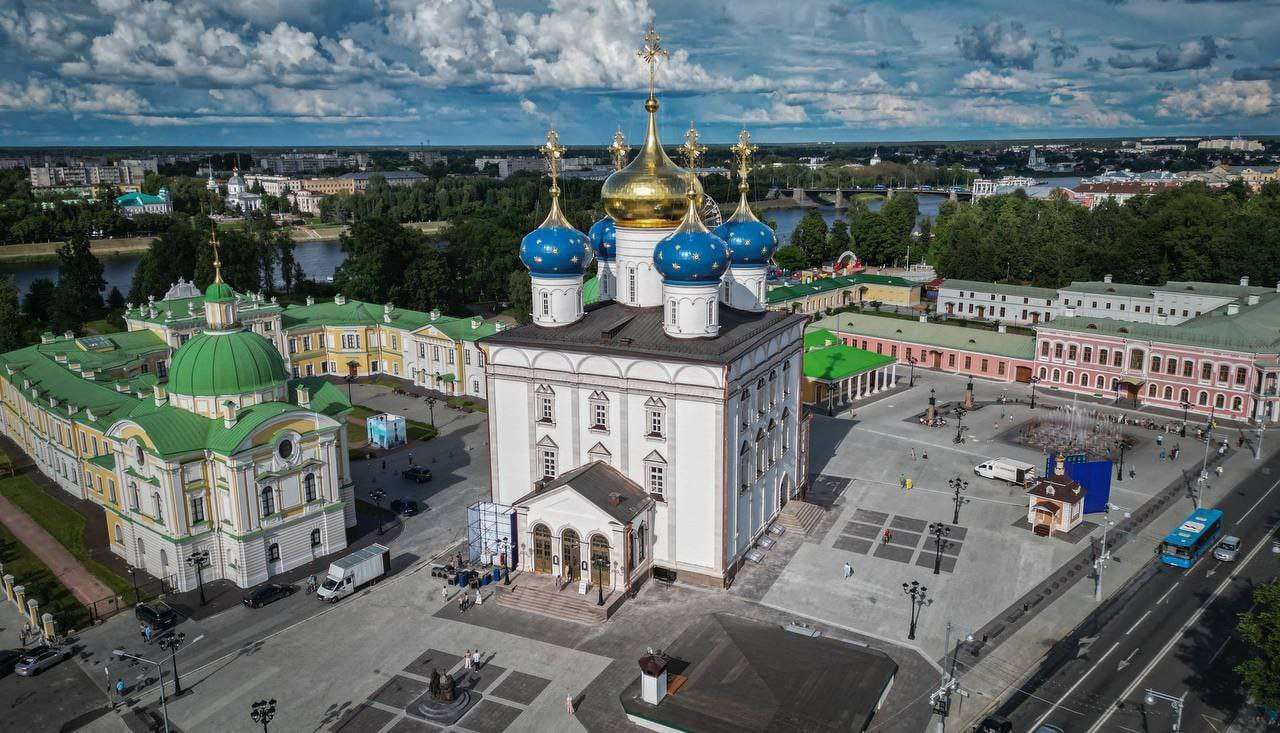
  12. Transfiguration of the Savior Cathedral — point on route “Tver Photographers”

    Transfiguration of the Savior Cathedral

    🕍 Place of worship · 📜 Historic site

M. D. Arefyeva's House in Tver

Point on route “Tver Photographers”

M. D. Arefyeva's House — point on route “Tver Photographers”

Point 2

M. D. Arefyeva's House

📜 Historic site • 🏟️ Architectural landmark

Historical Background

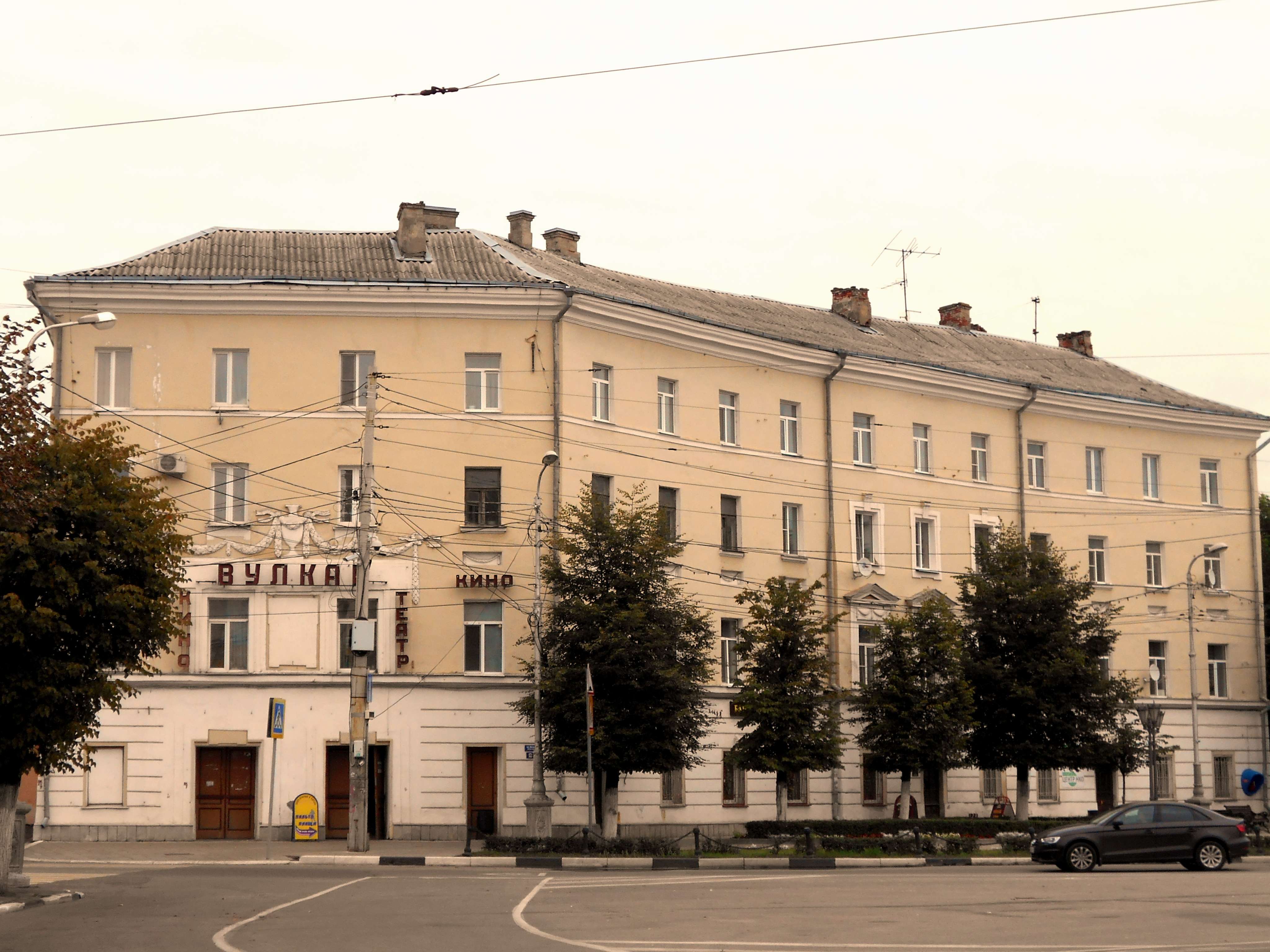
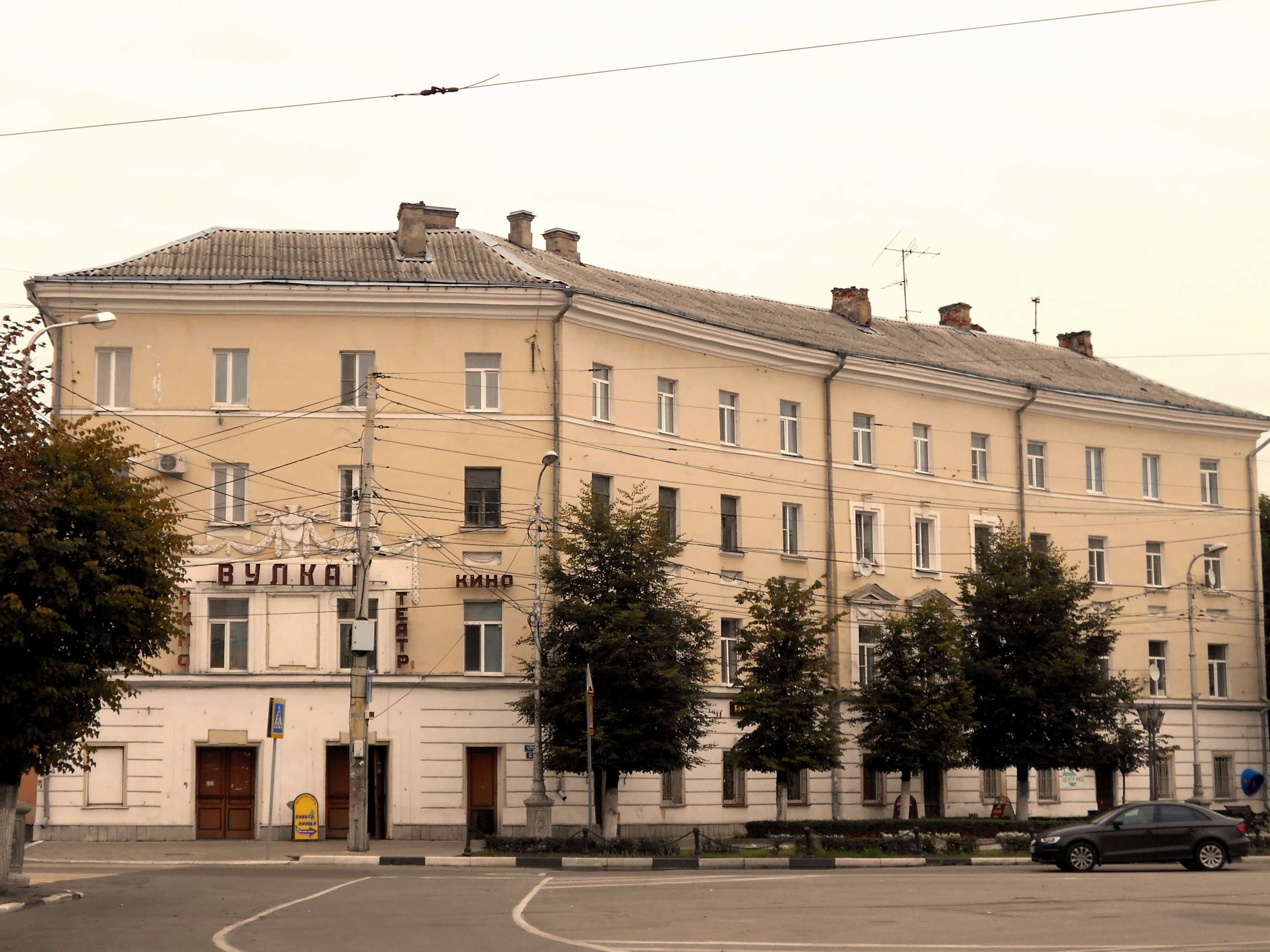
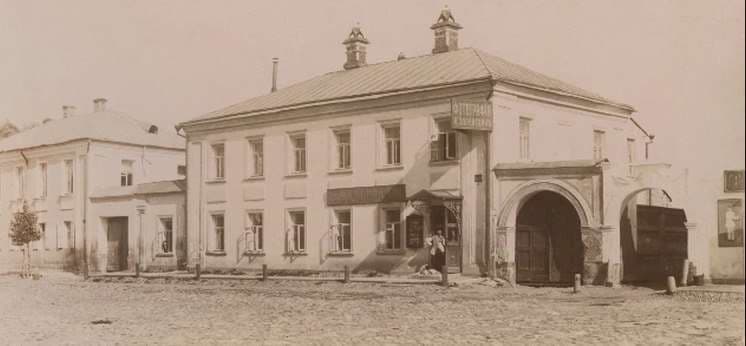
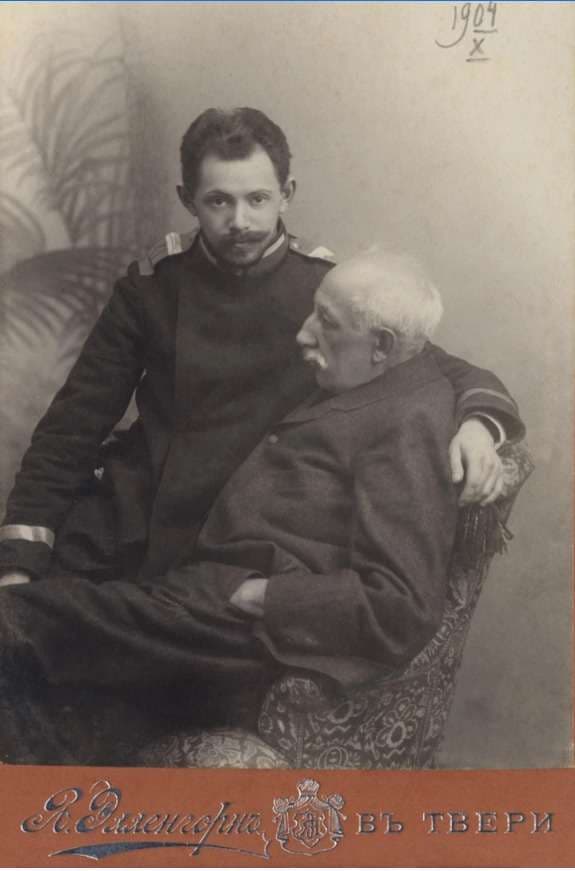
The building was erected in the late 1760s in the style, typical of the 18th century, that was transitional from Baroque to Classicism. Later, in the 1930s, two floors would be added to the cinema. The building was reconstructed in the 1950s: the carriage archway was bricked up and the exterior decoration completely changed. In the early 20th century the building belonged to two ladies, M. D. Arefyeva and E. E. Popova. Popova, the owner of the western part of the house, opened a cinematograph called Vulkan (Volcano) in her half in 1915–1916. The part that belonged to Arefyeva housed the most prestigious photographic establishment in Tver. In the late 19th century the renowned photographers S. D. Krinsky and Ya. A. Ellengorn worked here, but it was the Ellengorn dynasty that made this house famous. In the 1870s the process of making photographs was complicated and demanded great precision. Using light, photographers brought out the volume of a face, hid flaws, and emphasized good features. The Ellengorns worked with light as painters work with paint. The son, Evgeny Yakovlevich Ellengorn, became a member of the All-Russian Society of Photographers in 1920, photographed the “star” of the day, Sergei Yesenin, during his visit to Tver in 1924, and in 1929 took part in the 3rd International Photographic Salon in Japan. On June 30, 2015, a memorial plaque was installed on the building.

Fun Fact

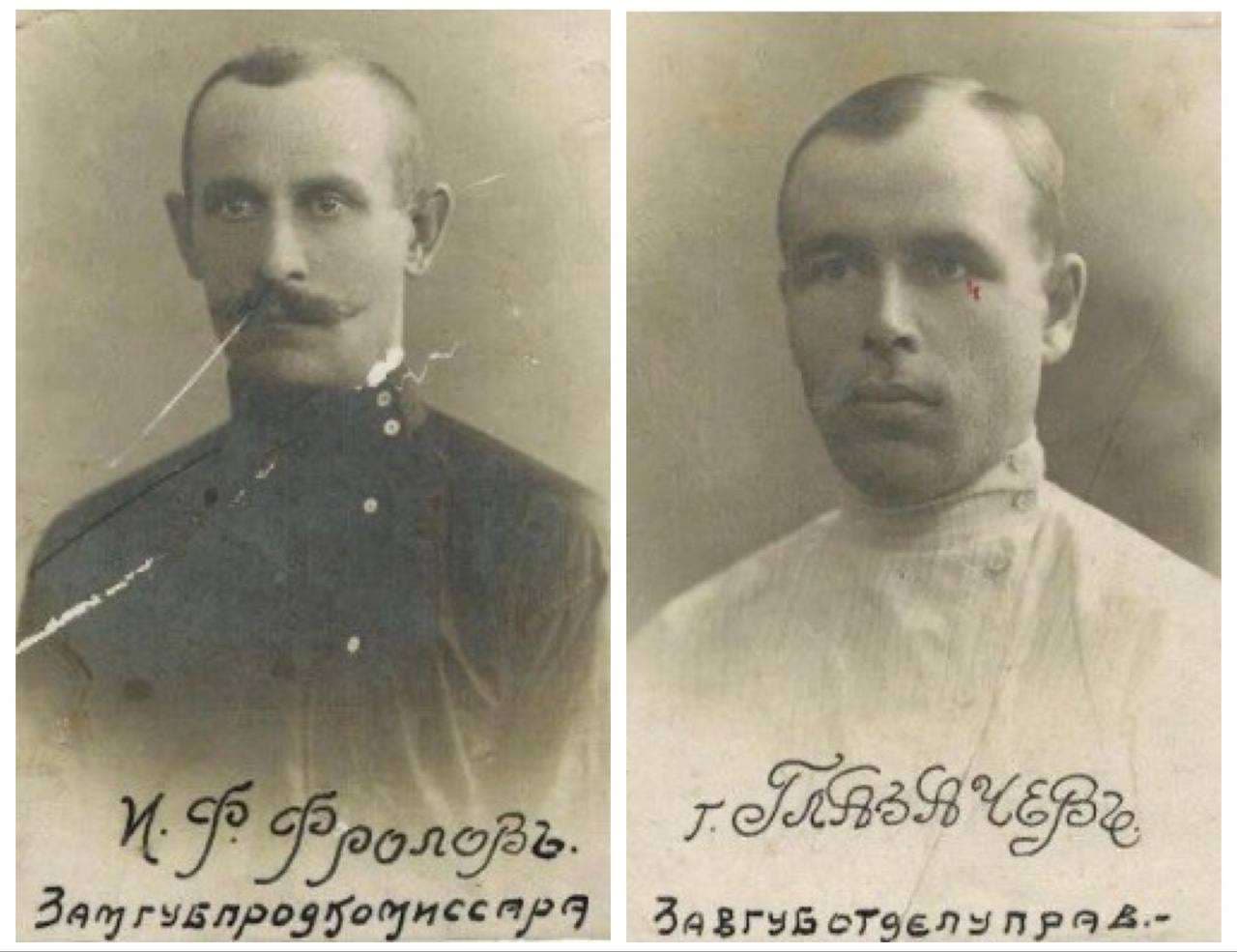
Everyone has seen old photos, but few people know that “ID photos” and “advertising brochures” are nothing new. Documents of the Tver Governorate Executive Committee mention that the Ellengorn studio was the recommended place to have photographs taken for employees' service IDs, as well as the card mounts to which the photo was glued. On the front of the mount, beneath the photograph, were inscriptions with the name of the card format (“Visit Portrait,” “Cabinet Portrait,” “Makart Portrait”), the name of the town where the picture was taken, information about the studio's owner, and a note on the photographer's artistic training. Sometimes the mounts were decorated with images of an easel, a palette, and paintbrushes, meant to emphasize that the author belonged to the world of art. On the back of the photos you could find advertising: how long the negatives would be kept and the prices for services.