 13 points
 4 km
 2.5 hours


Historical Background
Next to the former River Terminal stands the Dormition Cathedral. It is the only surviving building of the Otroch Monastery, founded in 1265 by Prince Yaroslav Yaroslavich of Tver.
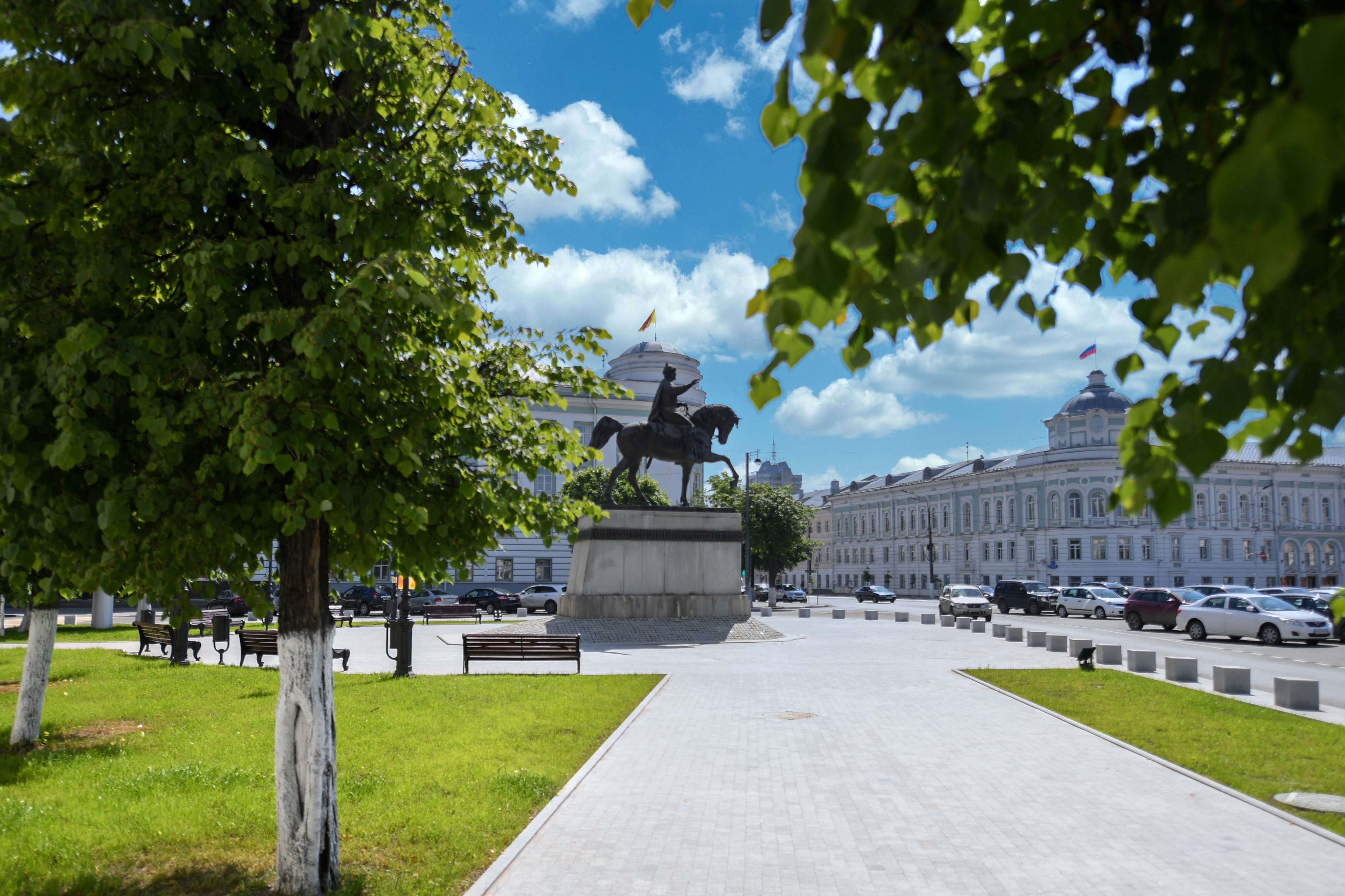
This route introduces you to Tver's main sights, from cathedrals and monuments to a creative cluster and the embankments. Let's get going!
Square of the Holy Blessed Prince Mikhail of Tver
⛲ Square · 📜 Historic site
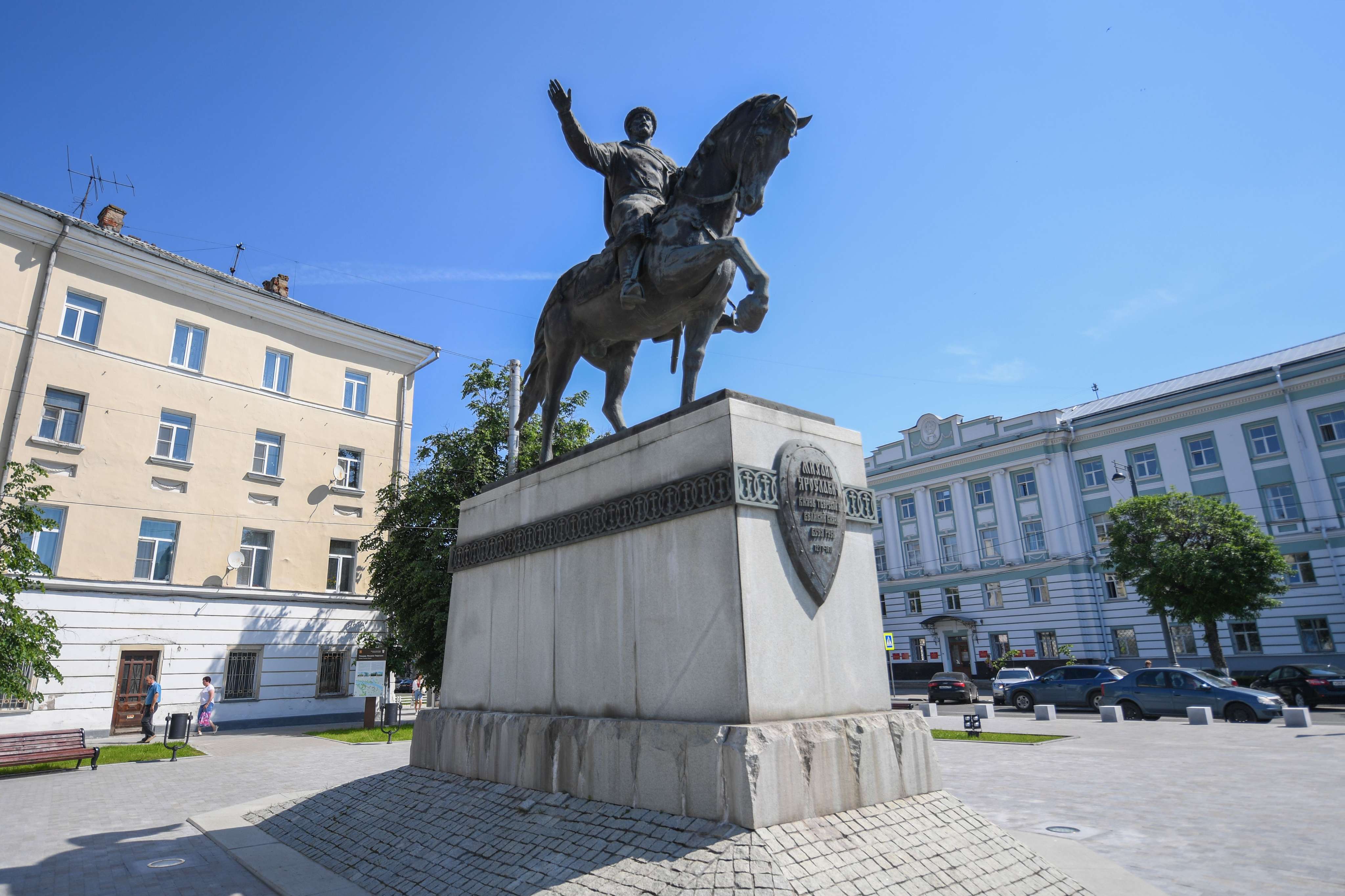
Monument to Mikhail Yaroslavich of Tver
🗿 Monument
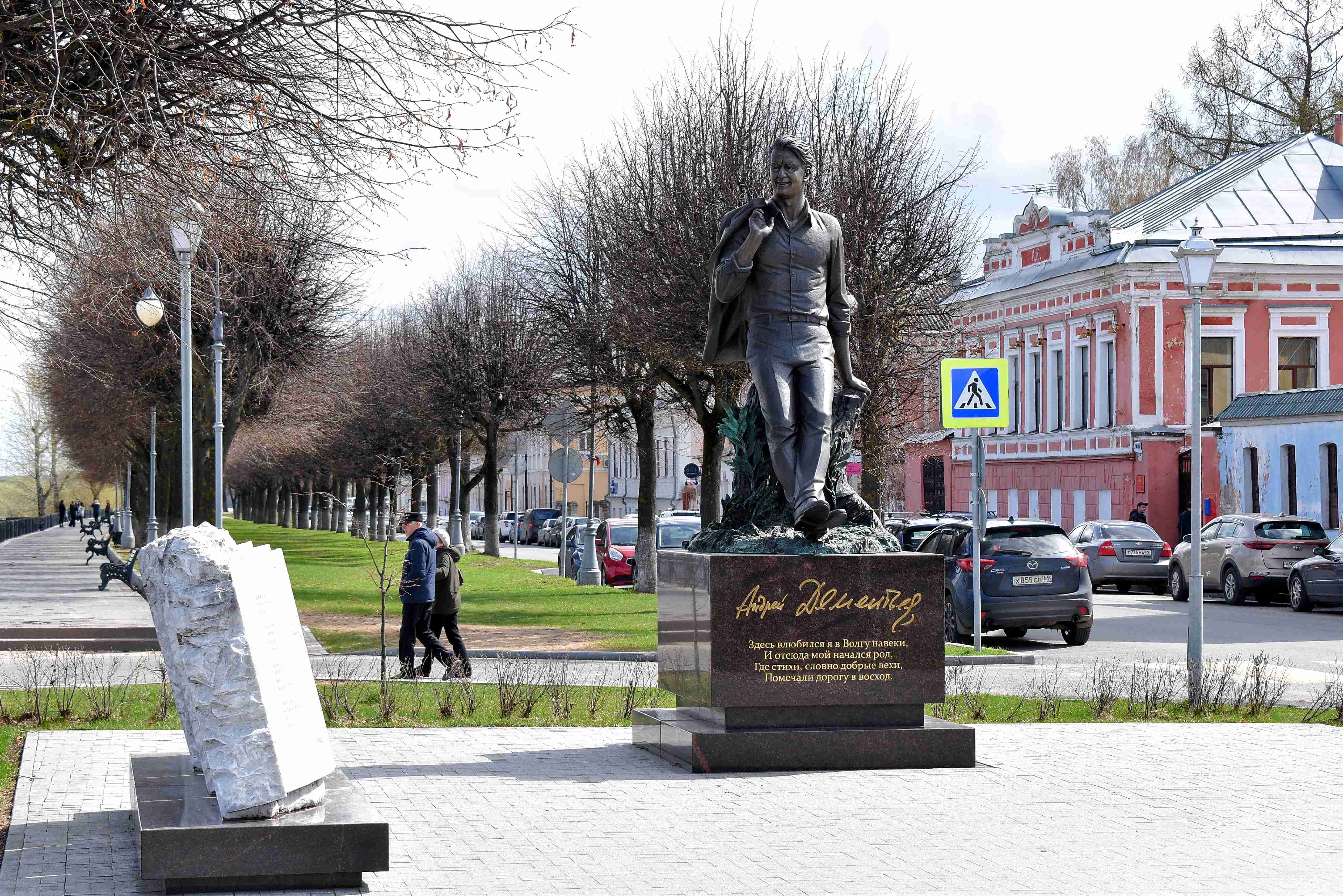
Andrei Dementyev Monument
🗿 Monument
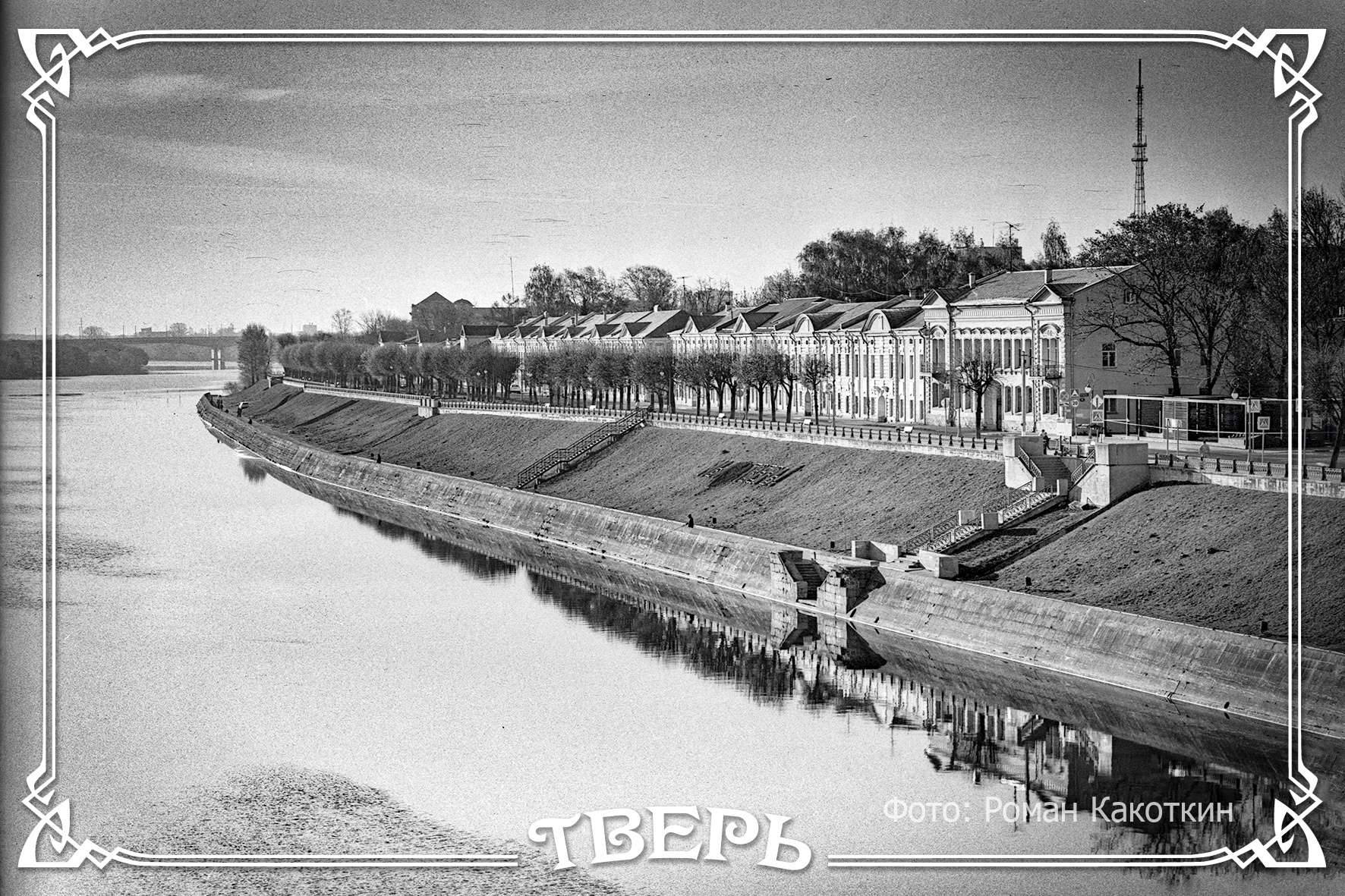
Stepan Razin Embankment
🚶♂️ Waterfront · 📜 Historic site · 🏟️ Architectural landmark
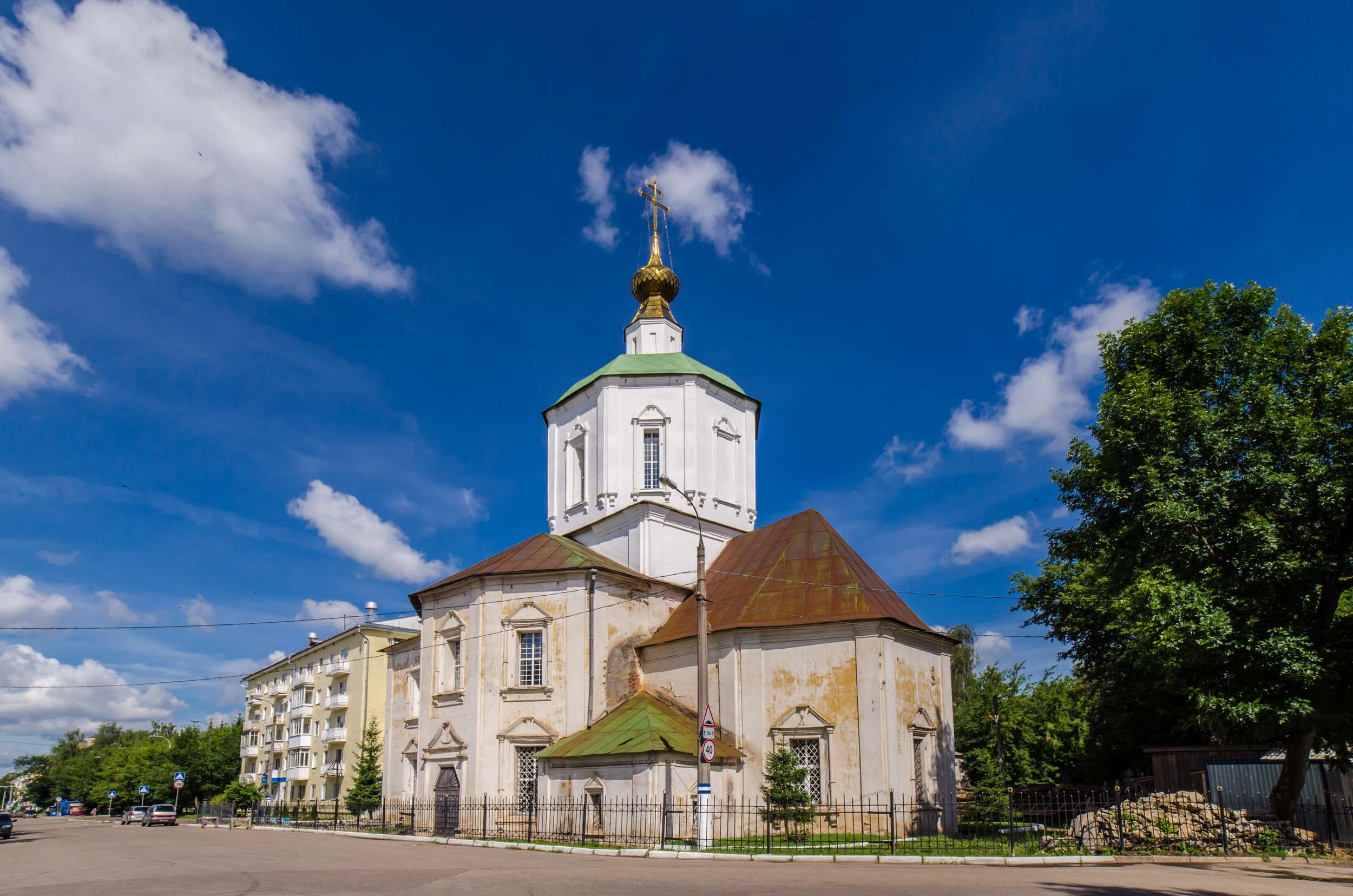
Dormition Cathedral
🕍 Place of worship · 📜 Historic site · 🏟️ Architectural landmark
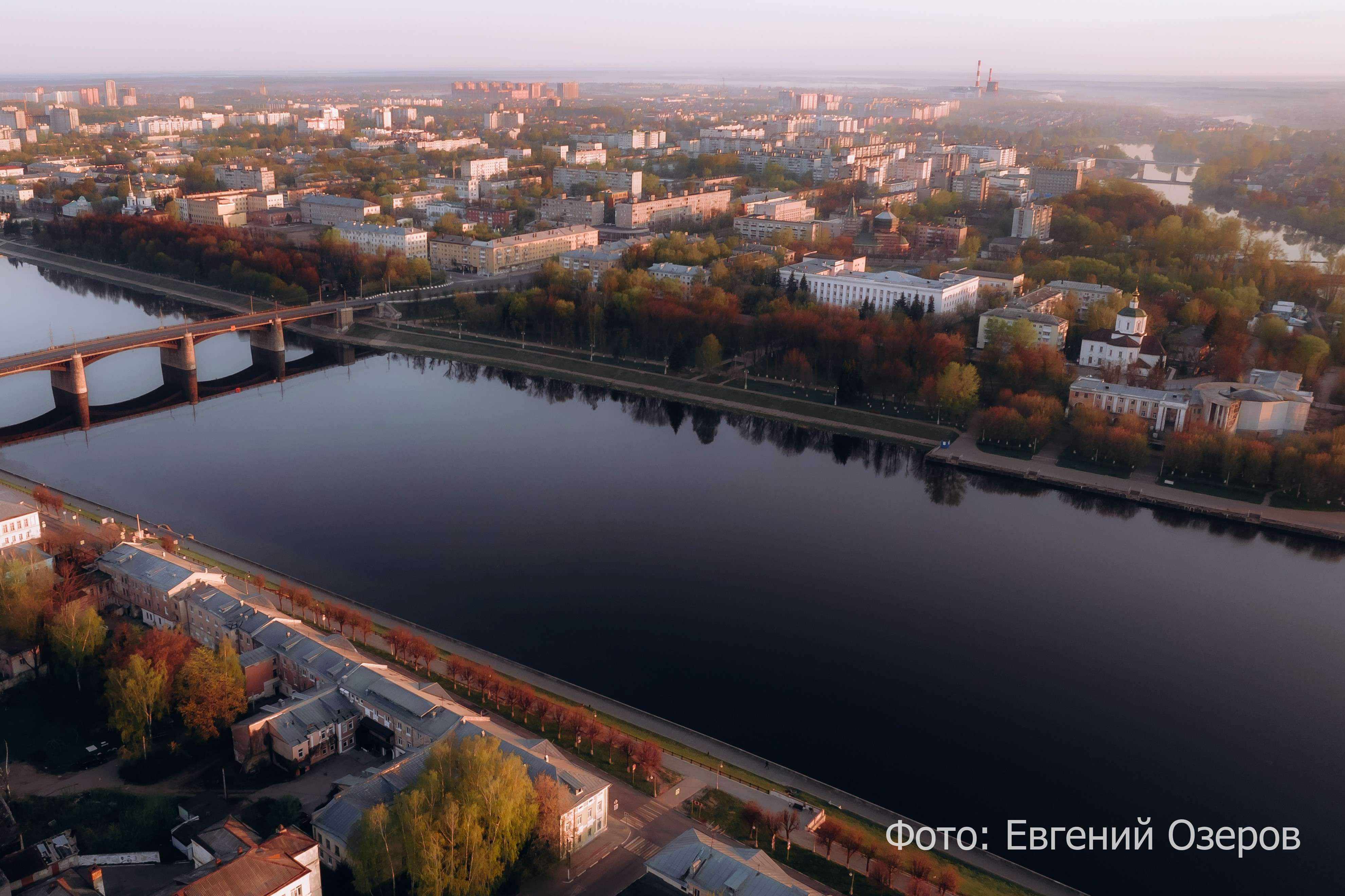
New Volga Bridge
🌉 Bridge · ⚙️ Industrial site
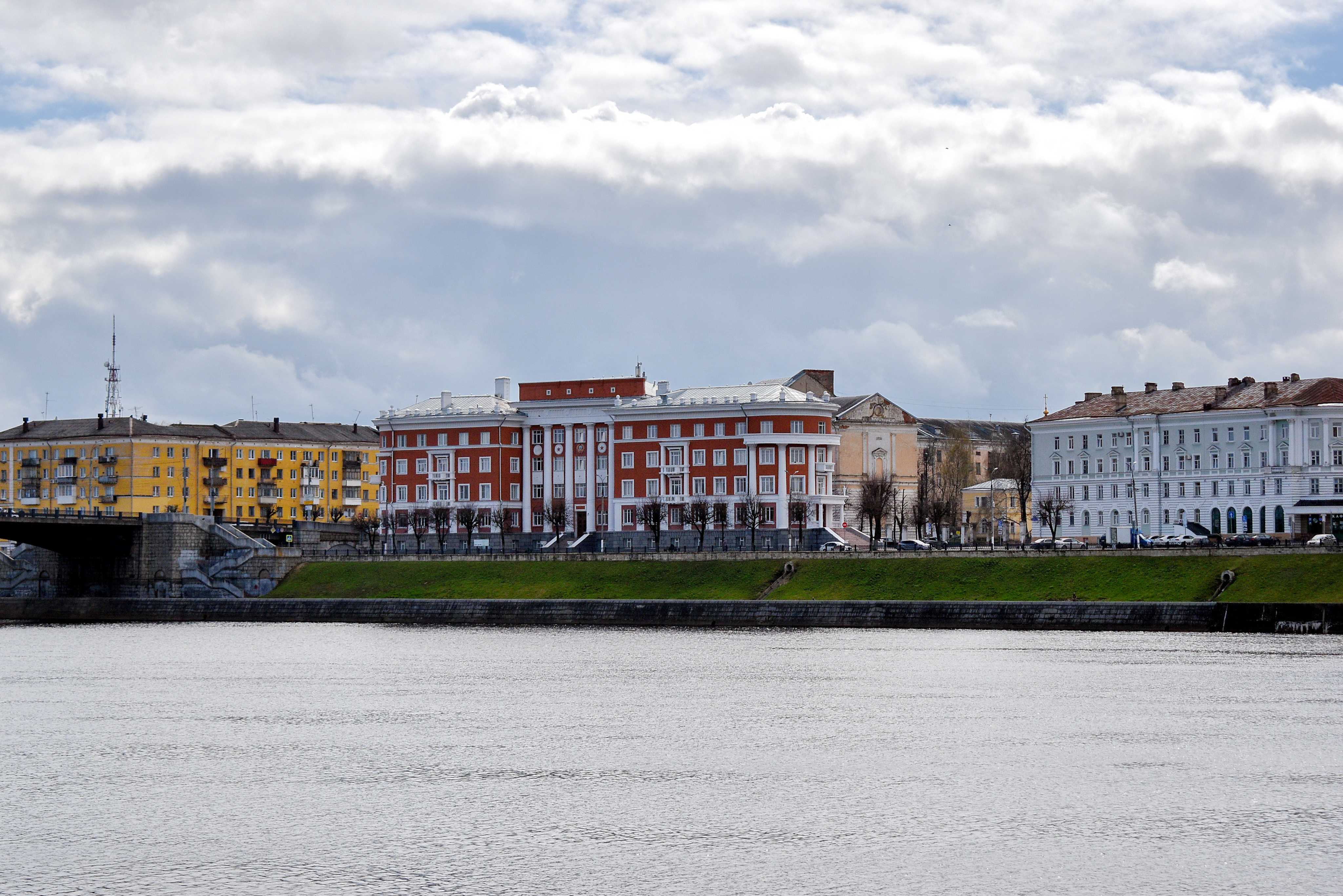
House of the Voroshilov Marksmen
📜 Historic site · 🏟️ Architectural landmark
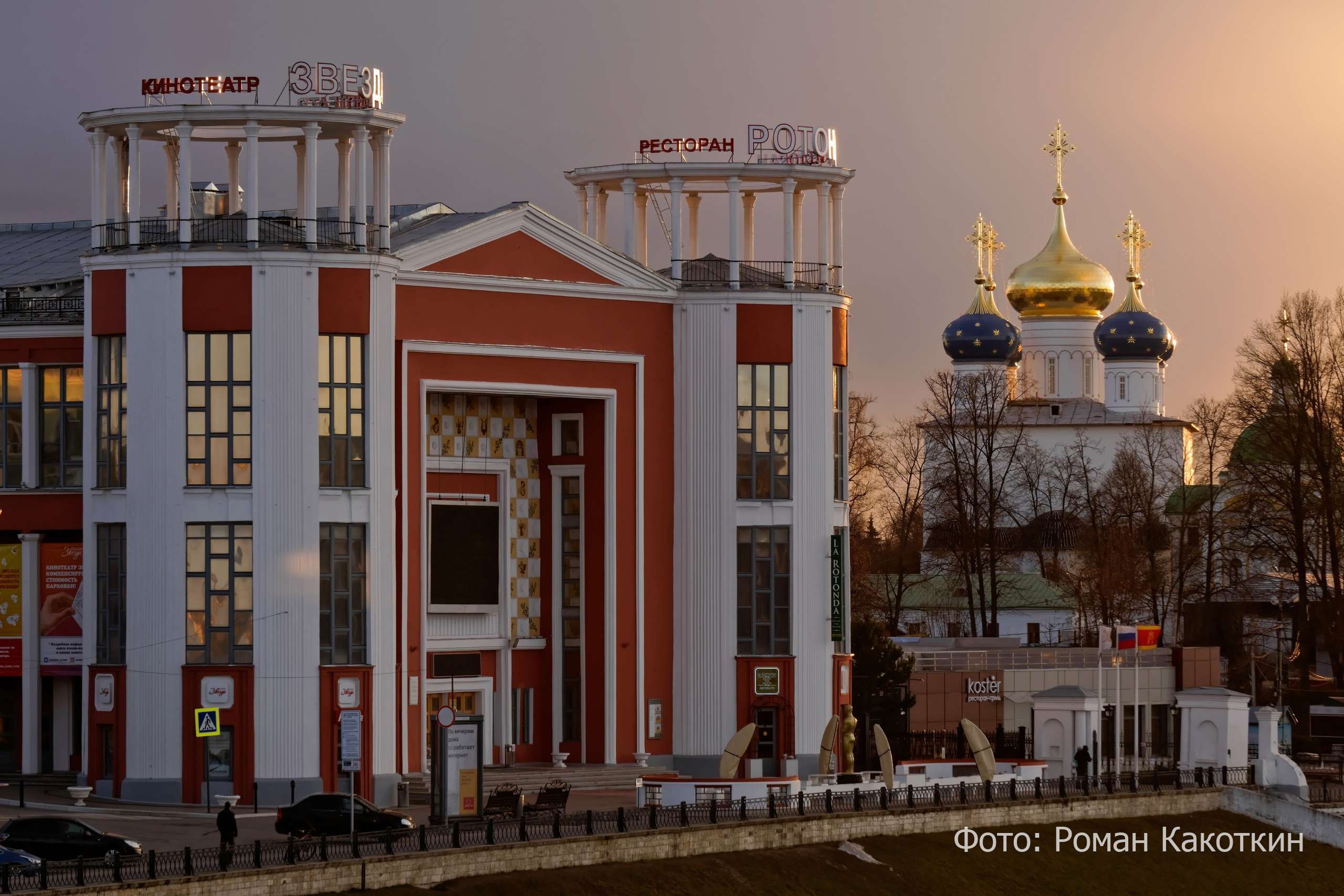
Zvezda Cinema
🏟️ Architectural landmark · 📜 Historic site
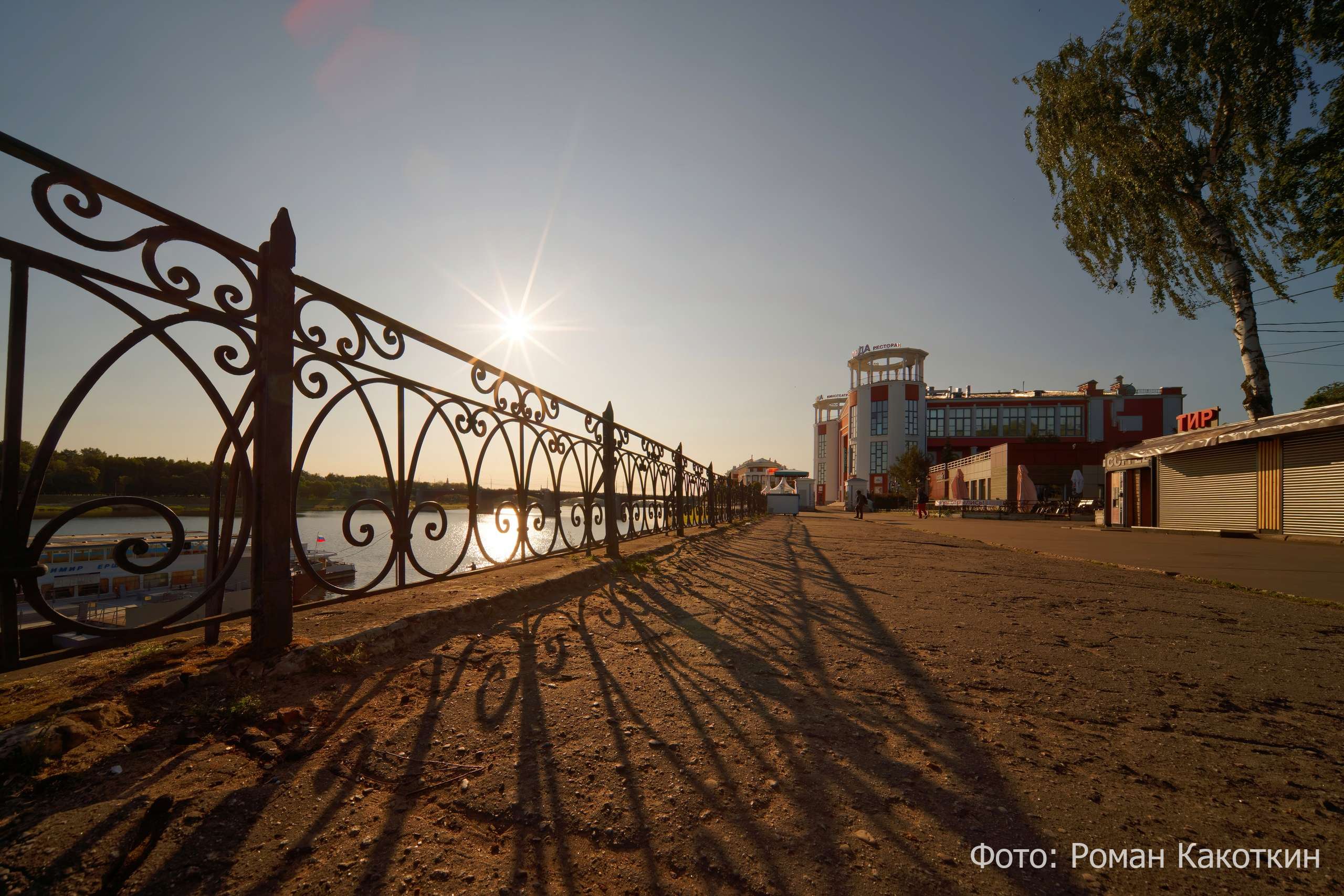
City Garden
🌿 Public garden or park · 📜 Historic site
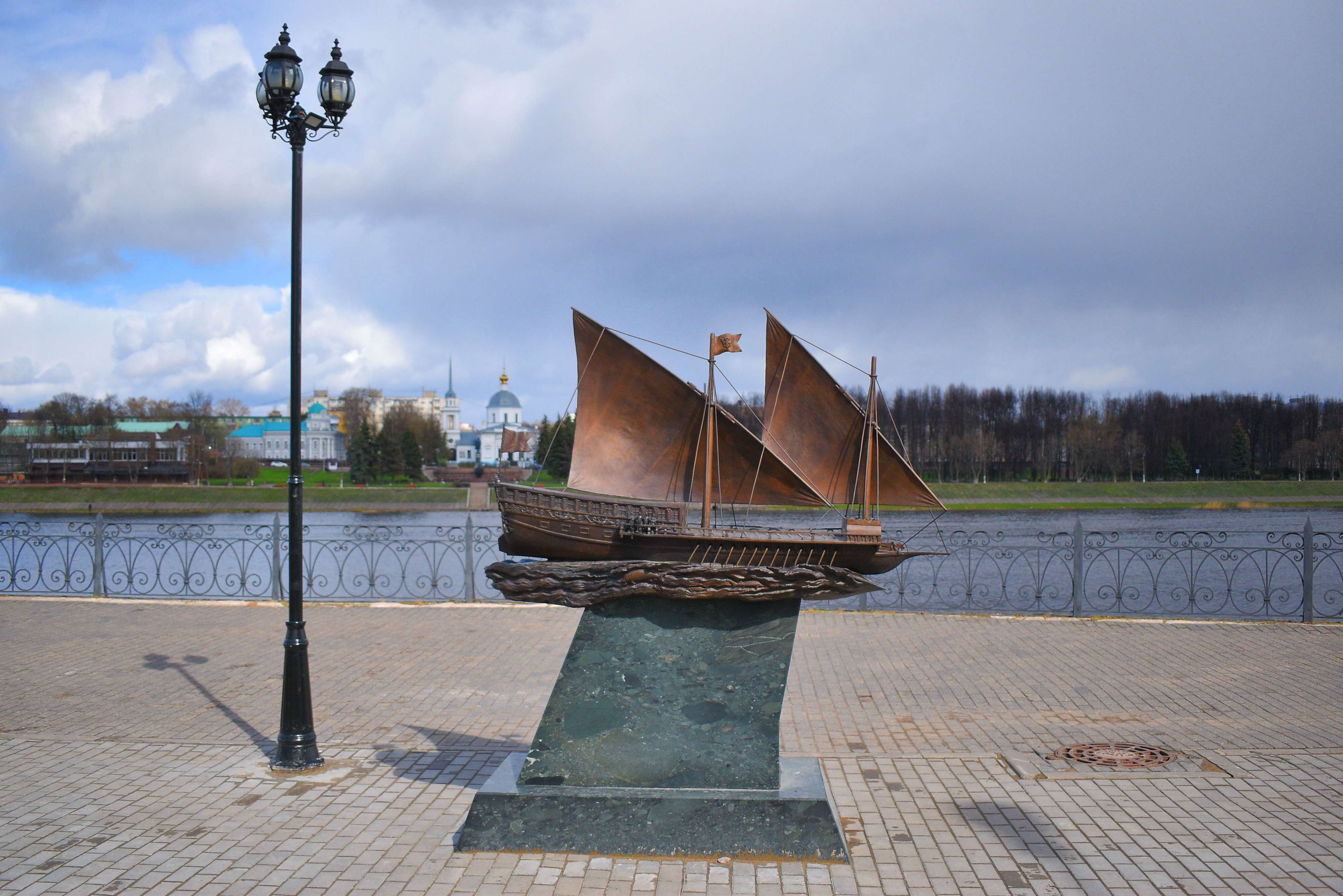
“Galley Tver” Art Piece
🎨 Art installations
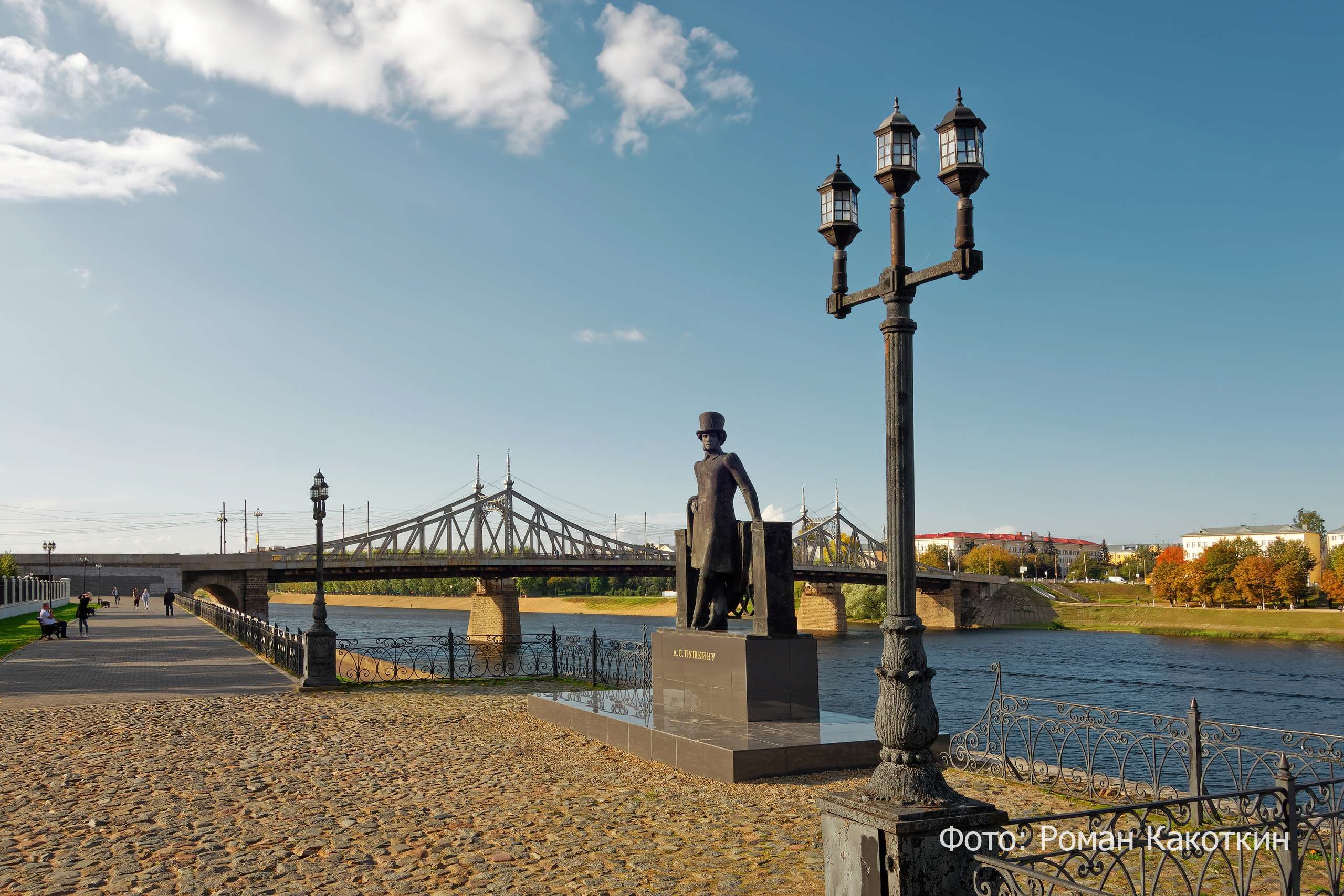
“To A. S. Pushkin” Sculptural Composition
🗿 Sculptures
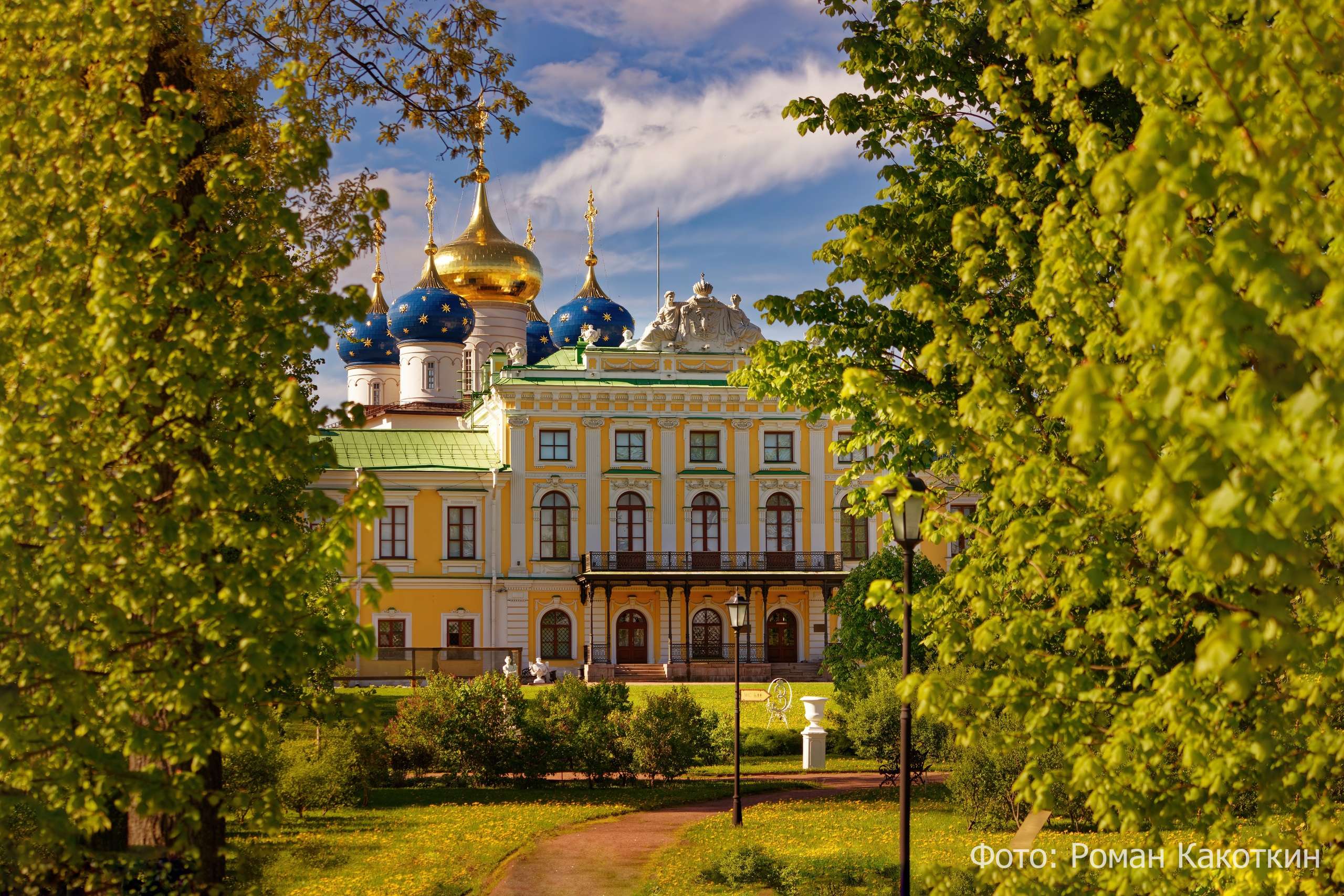
Travel Palace
🏰 Palace · 🏟️ Architectural landmark · 📜 Historic site
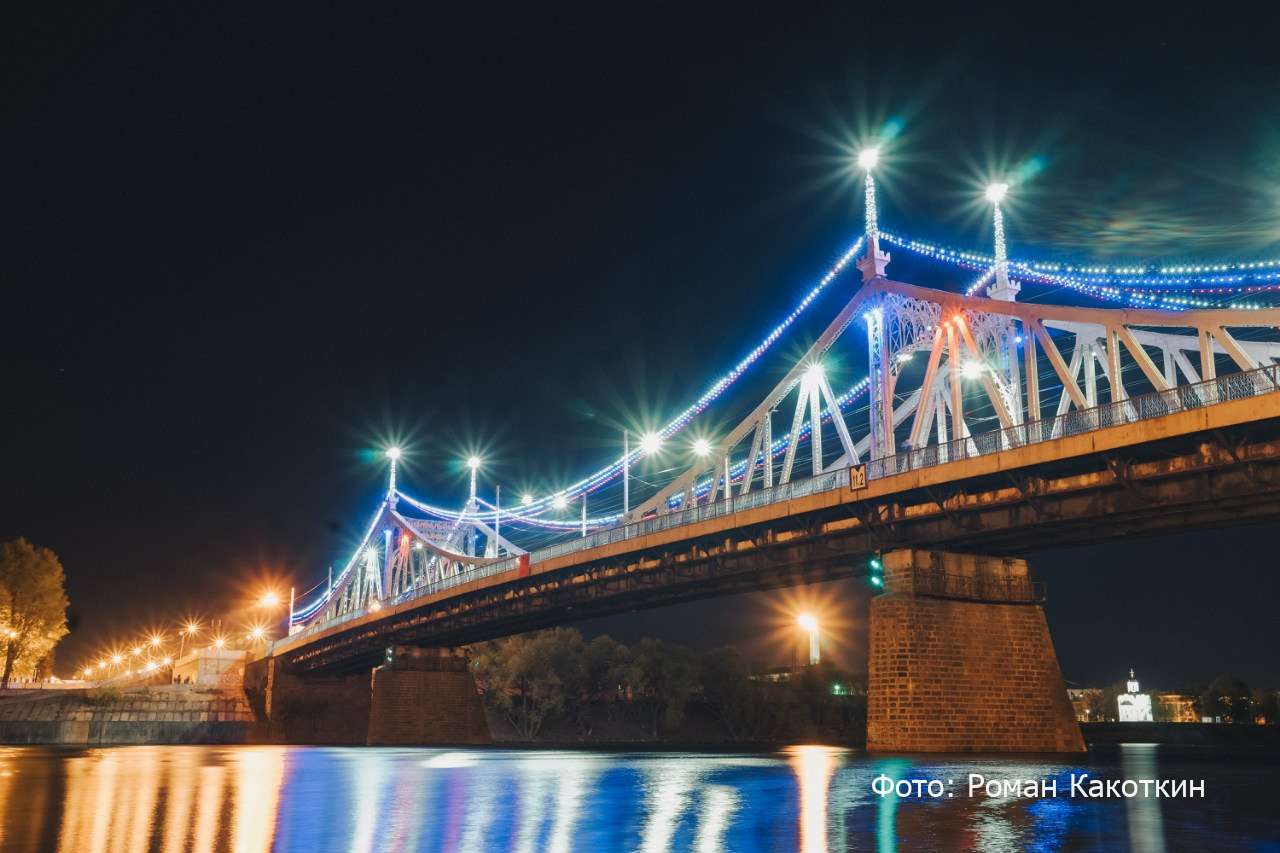
Old Volga Bridge
🌉 Bridge · 📜 Historic site · 🕵️ Urban legend

Point 5
🕍 Place of worship • 📜 Historic site • 🏟️ Architectural landmark
Next to the former River Terminal stands the Dormition Cathedral. It is the only surviving building of the Otroch Monastery, founded in 1265 by Prince Yaroslav Yaroslavich of Tver.
The cathedral stands near the confluence of the Tvertsa and the Volga. It occupies the site of an ancient stone church that was dismantled, and it was built in 1722 with funds from the monastery and parishioners. The cathedral is in the Baroque style. Fragments of murals survive on its interior walls. In 1918 the monastery was closed, and in the mid-1930s it was demolished. The River Terminal was built in its place.
The Otroch Monastery also served as a political prison. Maximus the Greek and Metropolitan Philip of Moscow were confined here. It is to the name of the latter prisoner that we owe the expression filkina gramota (“Filka's letter”), meaning a worthless scrap of paper. The phrase is traced back to the time of Ivan the Terrible, who used it for the denunciatory letters of Metropolitan Philip of Moscow protesting against the Oprichnina and the tsar's outrages. Ivan the Terrible contemptuously called Philip “Filka” and his letters “Filka's letters,” that is, empty, meaningless bits of paper.
Point on route “Hurry to Tver”
Point 5
🕍 Place of worship • 📜 Historic site • 🏟️ Architectural landmark
Next to the former River Terminal stands the Dormition Cathedral. It is the only surviving building of the Otroch Monastery, founded in 1265 by Prince Yaroslav Yaroslavich of Tver.
The cathedral stands near the confluence of the Tvertsa and the Volga. It occupies the site of an ancient stone church that was dismantled, and it was built in 1722 with funds from the monastery and parishioners. The cathedral is in the Baroque style. Fragments of murals survive on its interior walls. In 1918 the monastery was closed, and in the mid-1930s it was demolished. The River Terminal was built in its place.
The Otroch Monastery also served as a political prison. Maximus the Greek and Metropolitan Philip of Moscow were confined here. It is to the name of the latter prisoner that we owe the expression filkina gramota (“Filka's letter”), meaning a worthless scrap of paper. The phrase is traced back to the time of Ivan the Terrible, who used it for the denunciatory letters of Metropolitan Philip of Moscow protesting against the Oprichnina and the tsar's outrages. Ivan the Terrible contemptuously called Philip “Filka” and his letters “Filka's letters,” that is, empty, meaningless bits of paper.