 13 points
 4 km
 2.5 hours


Description
The Tver Travel Palace, a majestic historical and architectural ensemble, is rightly considered the jewel of the capital of the Upper Volga region. The palace was built on the grounds of the former Tver kremlin.
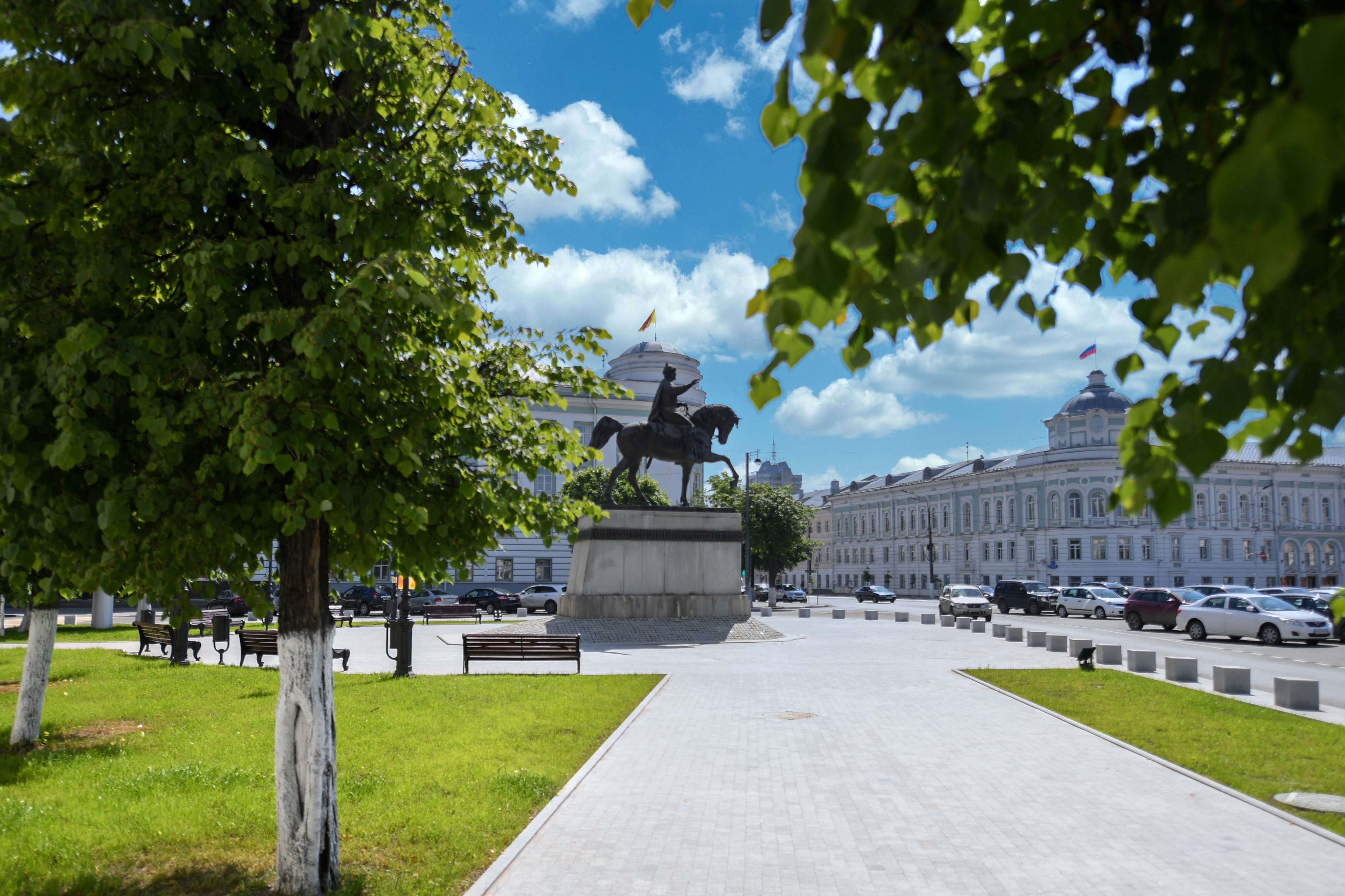
This route introduces you to Tver's main sights, from cathedrals and monuments to a creative cluster and the embankments. Let's get going!
Square of the Holy Blessed Prince Mikhail of Tver
⛲ Square · 📜 Historic site
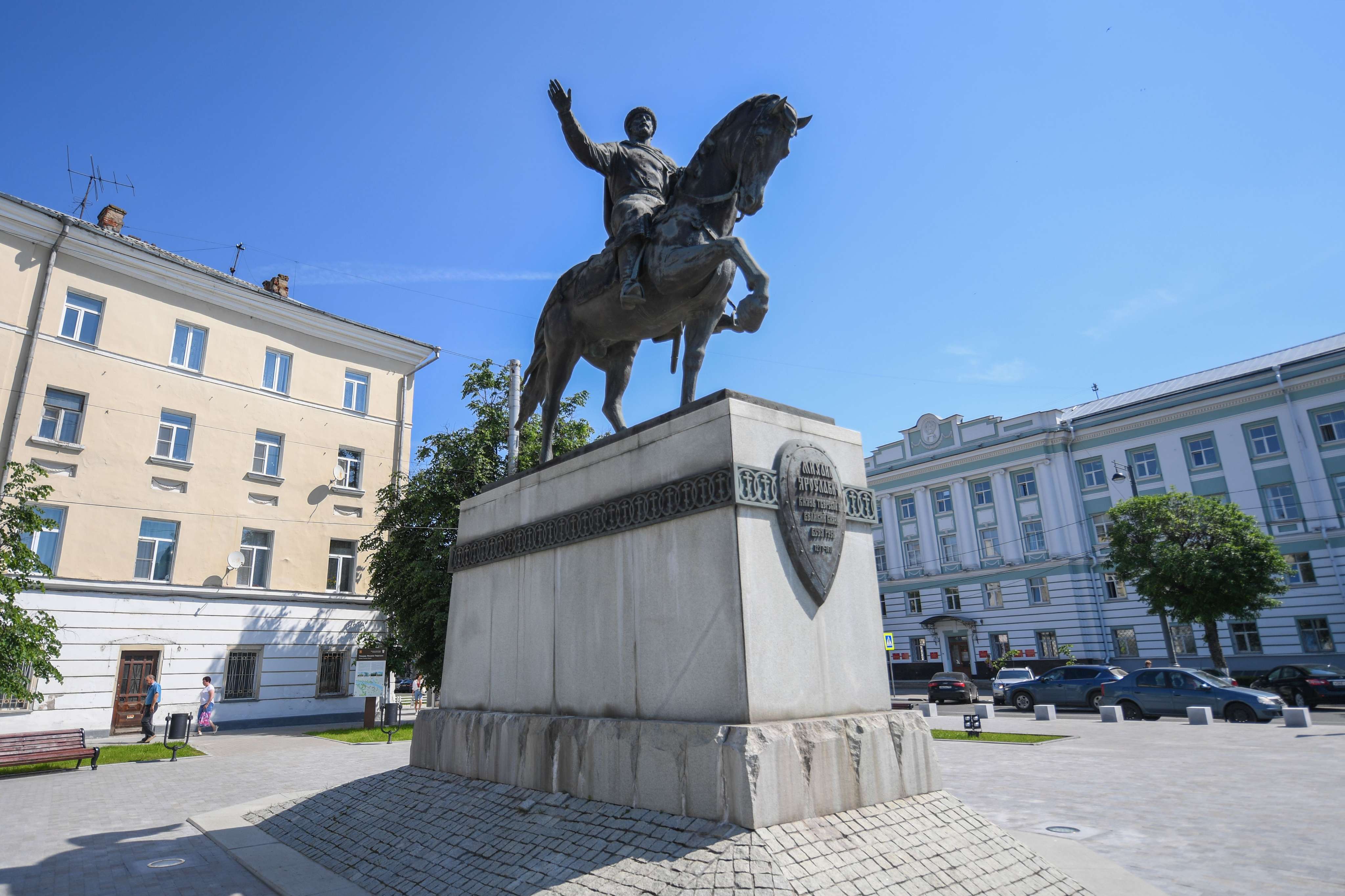
Monument to Mikhail Yaroslavich of Tver
🗿 Monument
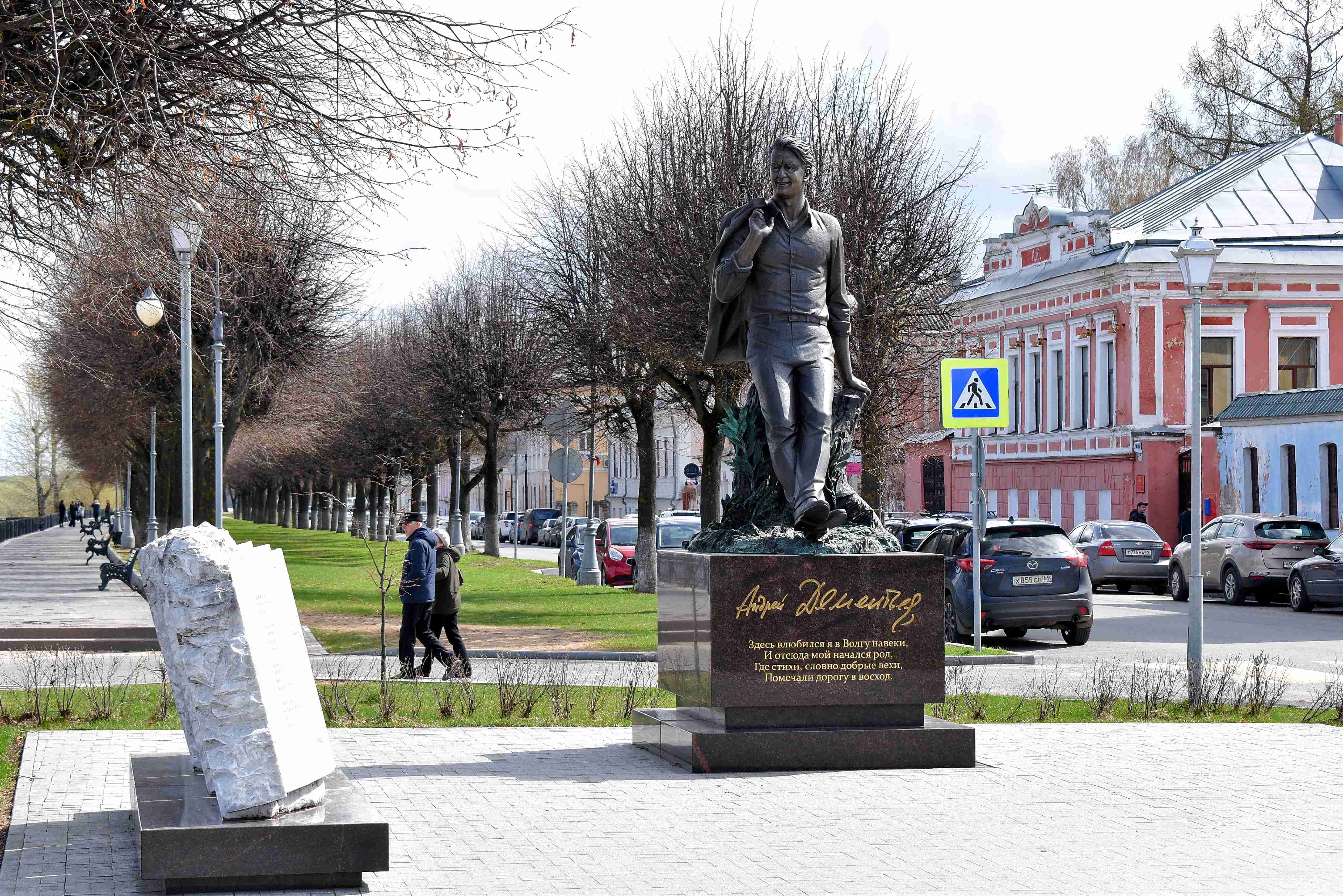
Andrei Dementyev Monument
🗿 Monument
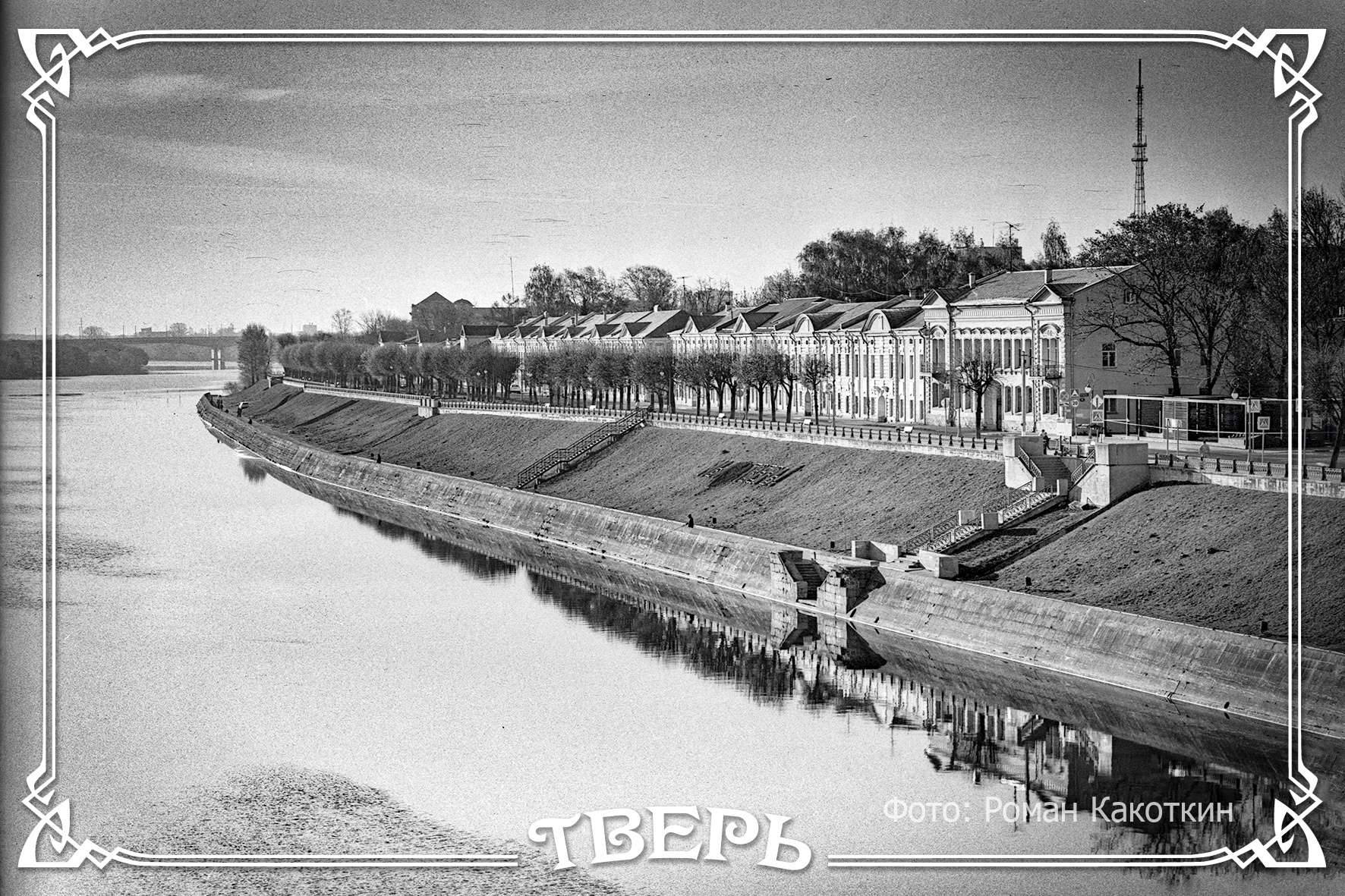
Stepan Razin Embankment
🚶♂️ Waterfront · 📜 Historic site · 🏟️ Architectural landmark
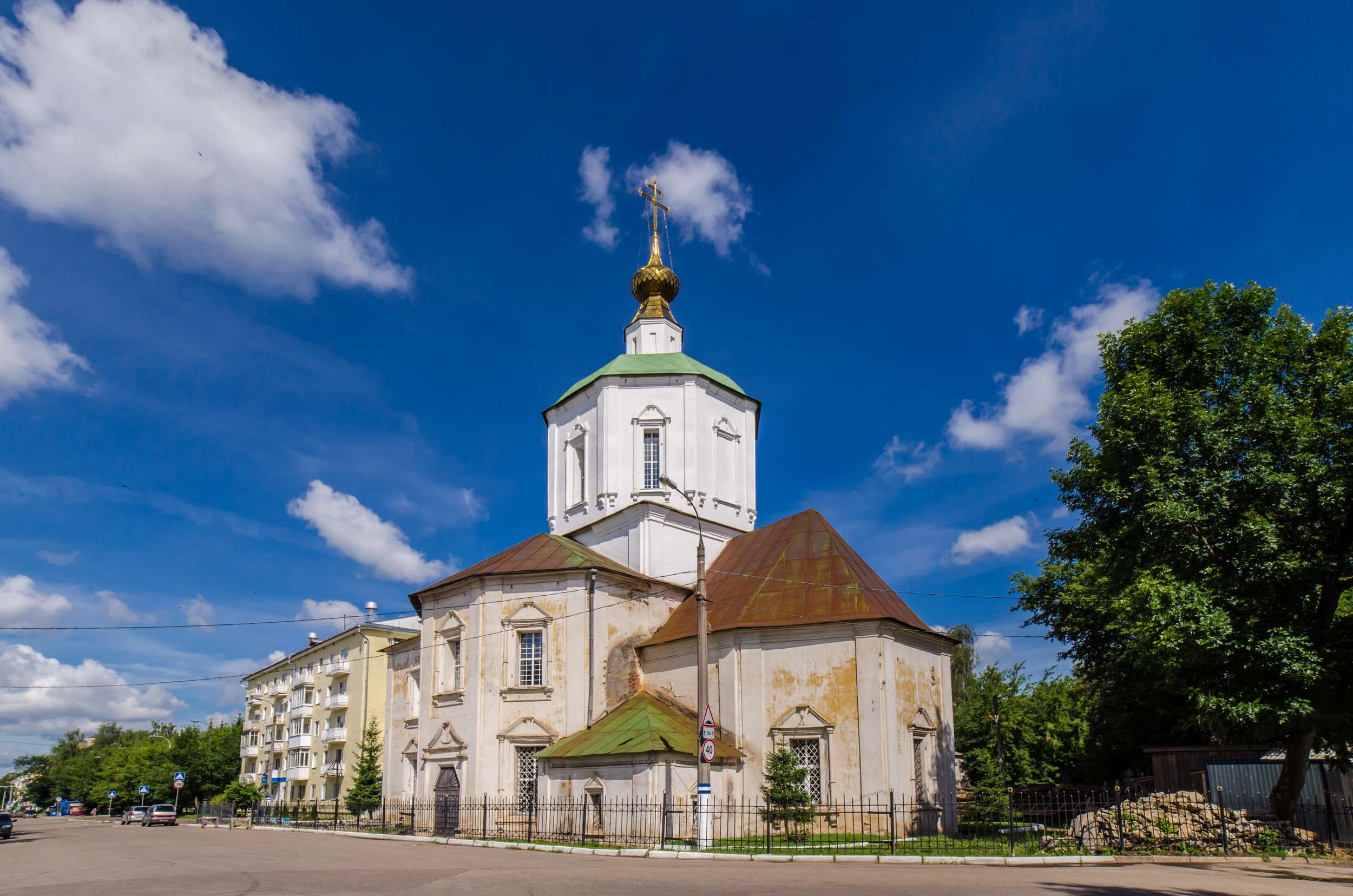
Dormition Cathedral
🕍 Place of worship · 📜 Historic site · 🏟️ Architectural landmark
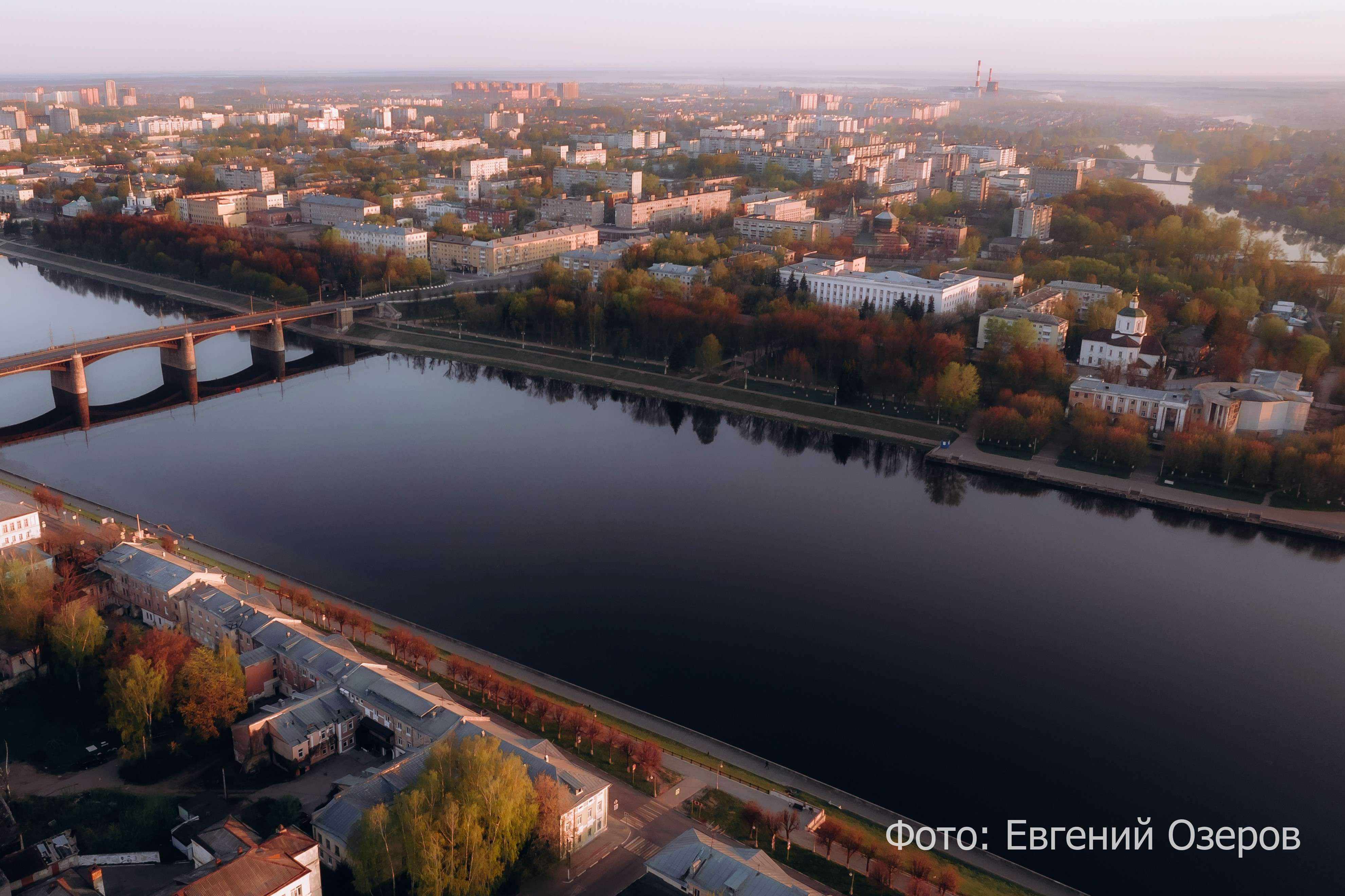
New Volga Bridge
🌉 Bridge · ⚙️ Industrial site
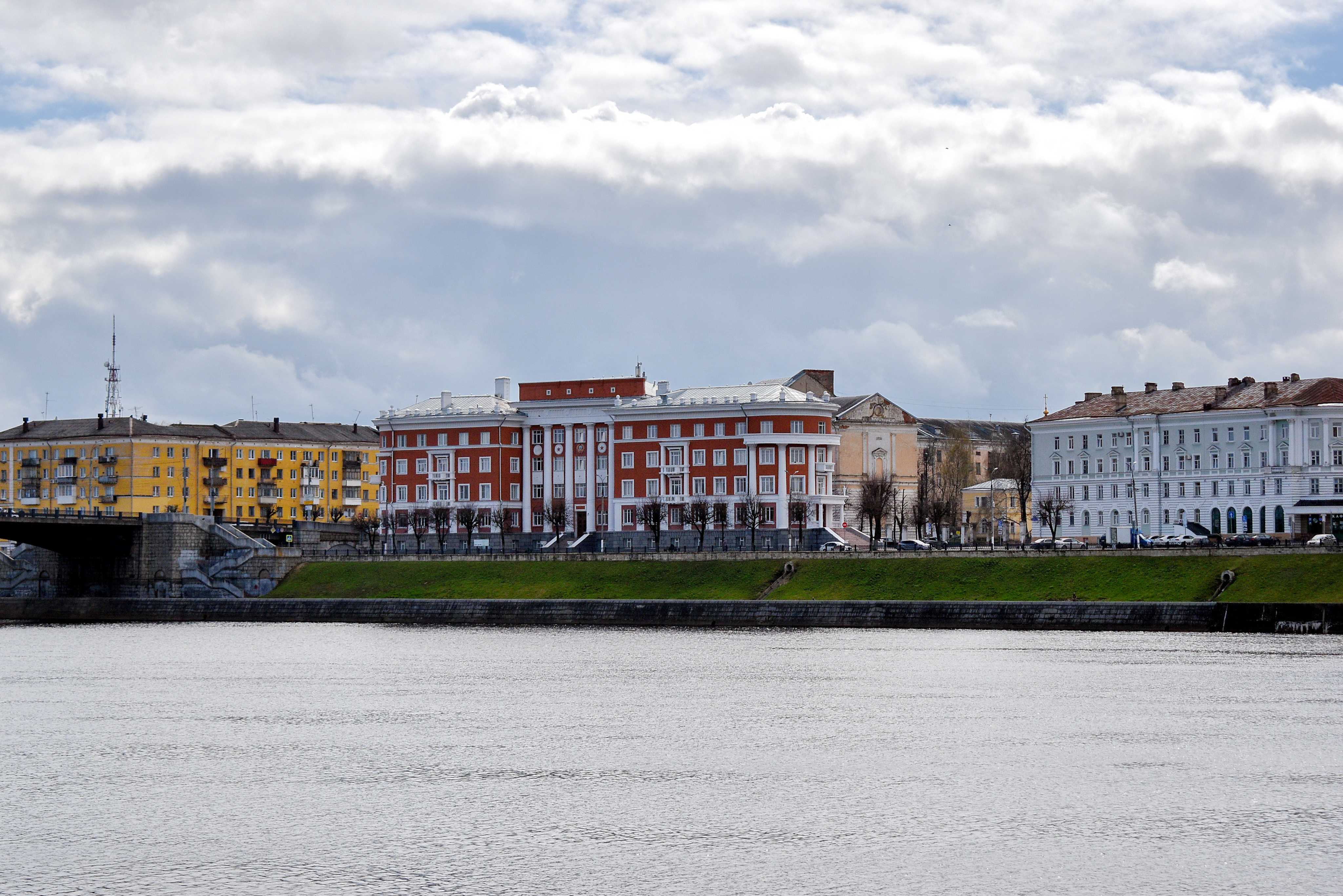
House of the Voroshilov Marksmen
📜 Historic site · 🏟️ Architectural landmark
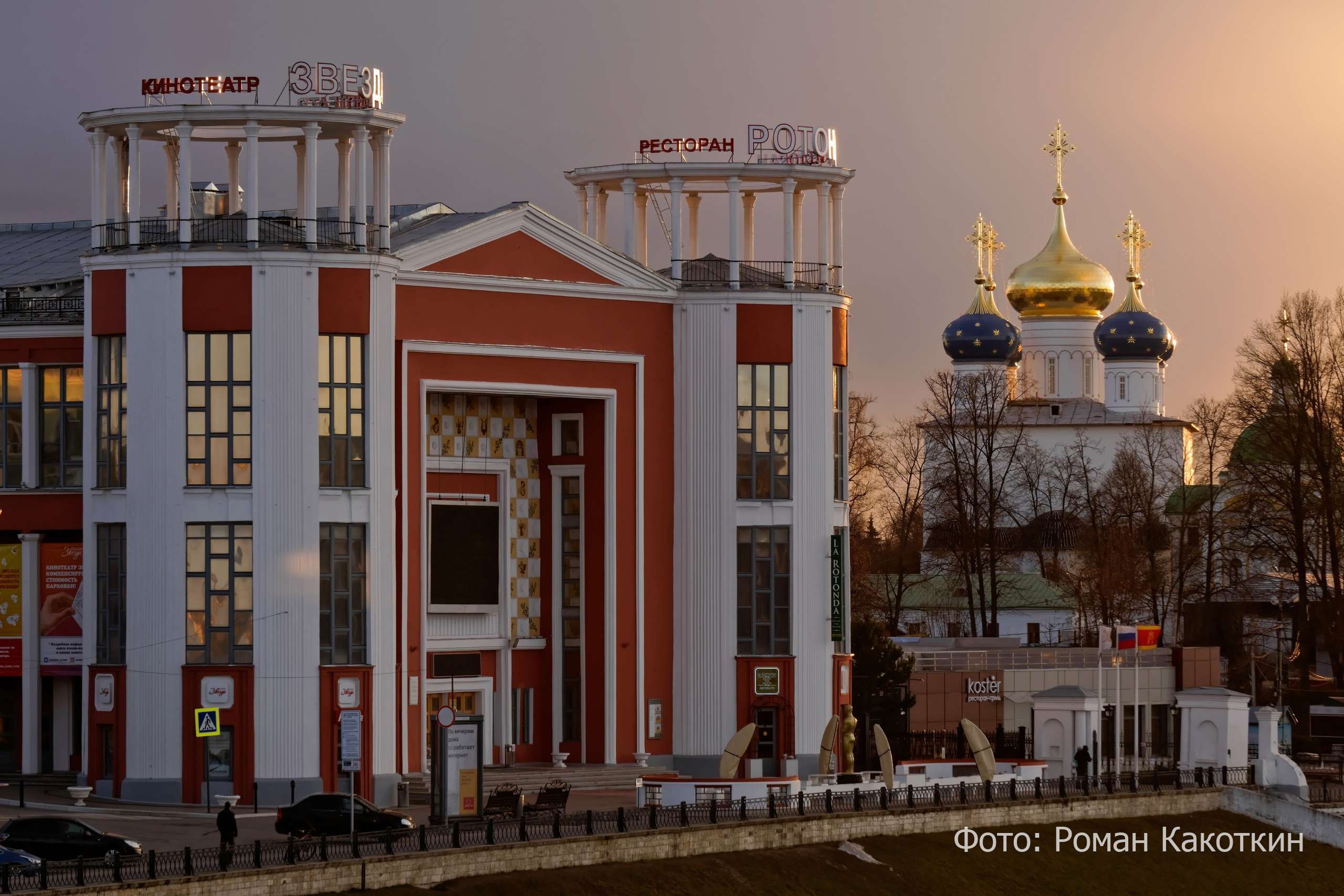
Zvezda Cinema
🏟️ Architectural landmark · 📜 Historic site
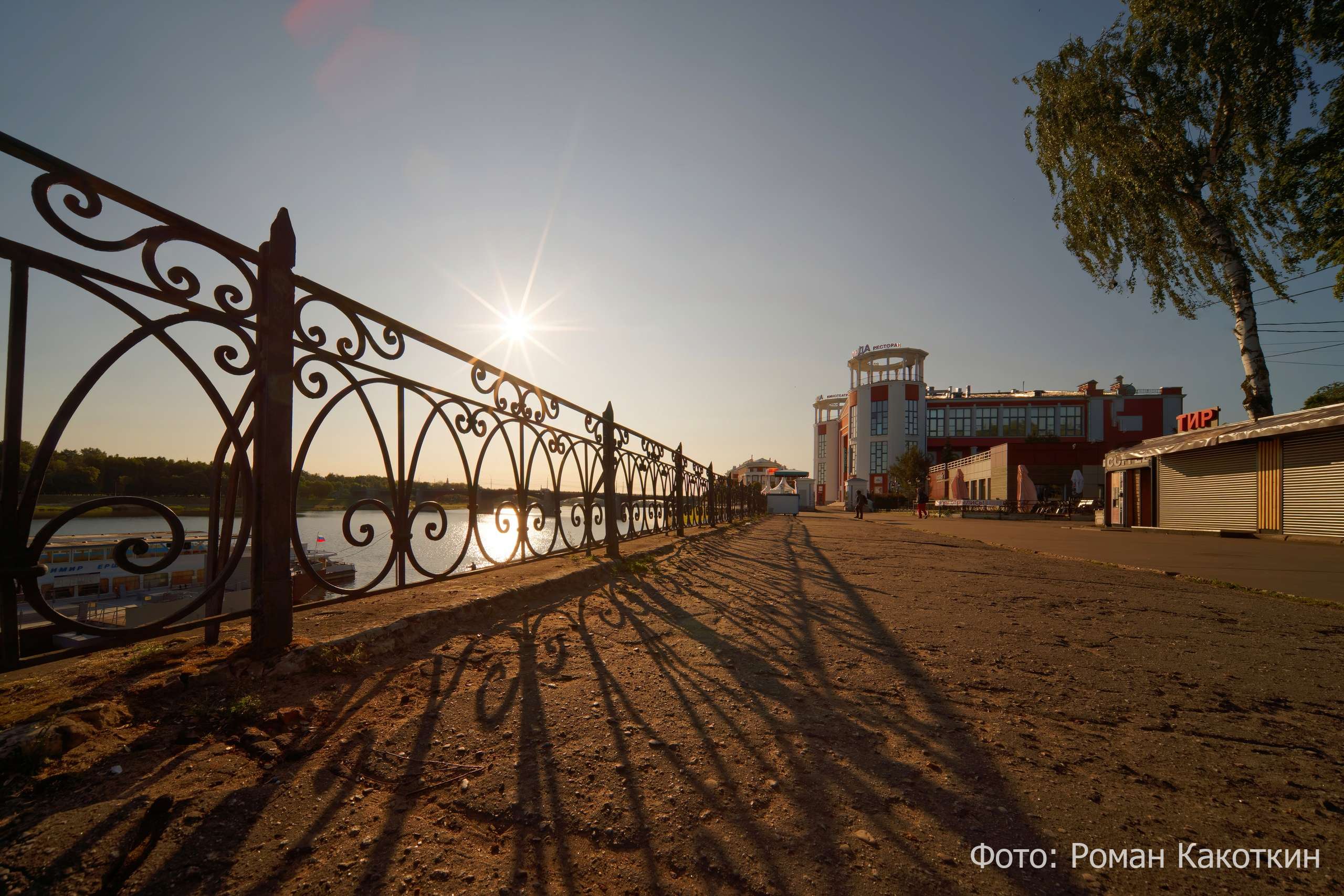
City Garden
🌿 Public garden or park · 📜 Historic site
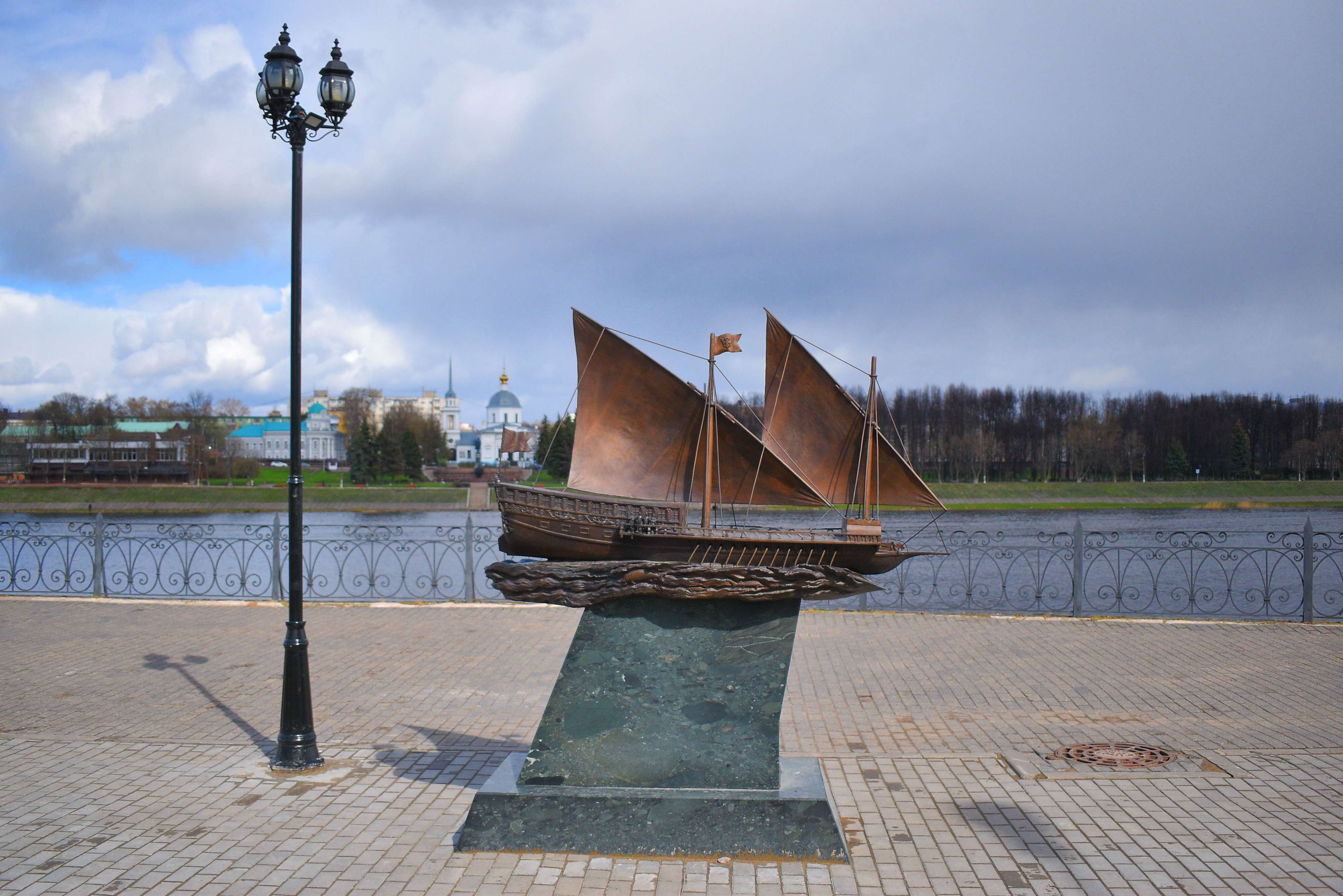
“Galley Tver” Art Piece
🎨 Art installations
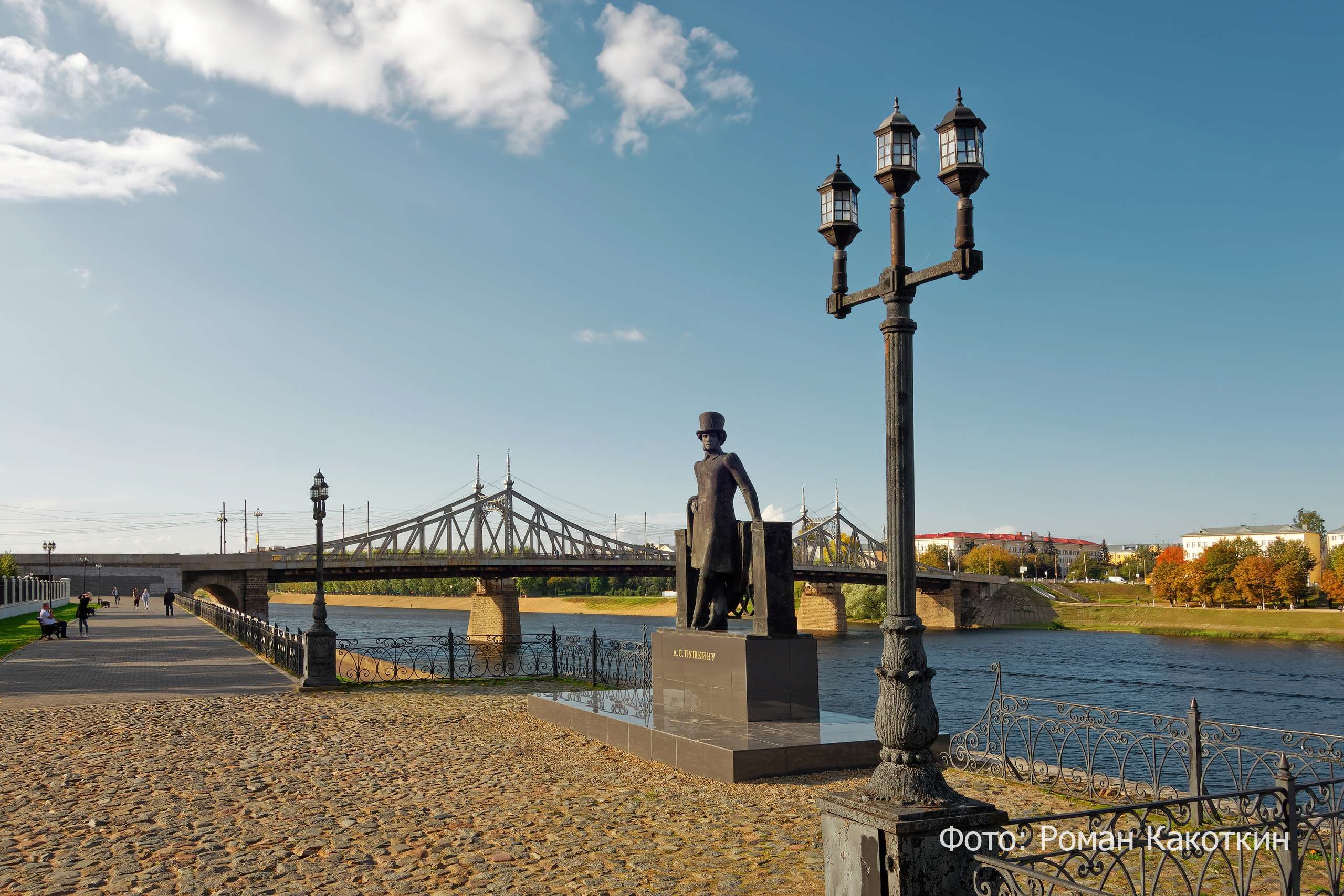
“To A. S. Pushkin” Sculptural Composition
🗿 Sculptures
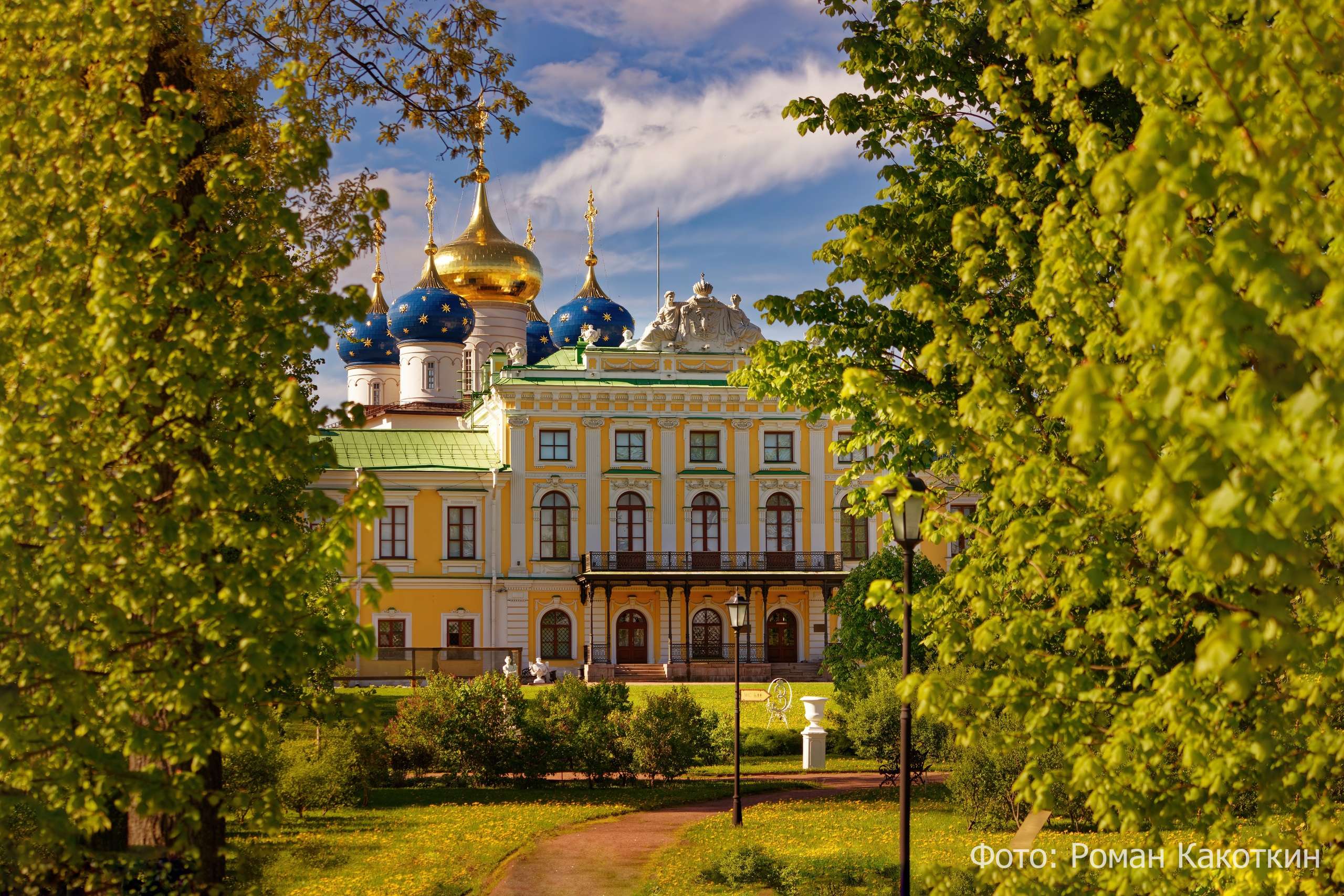
Travel Palace
🏰 Palace · 🏟️ Architectural landmark · 📜 Historic site
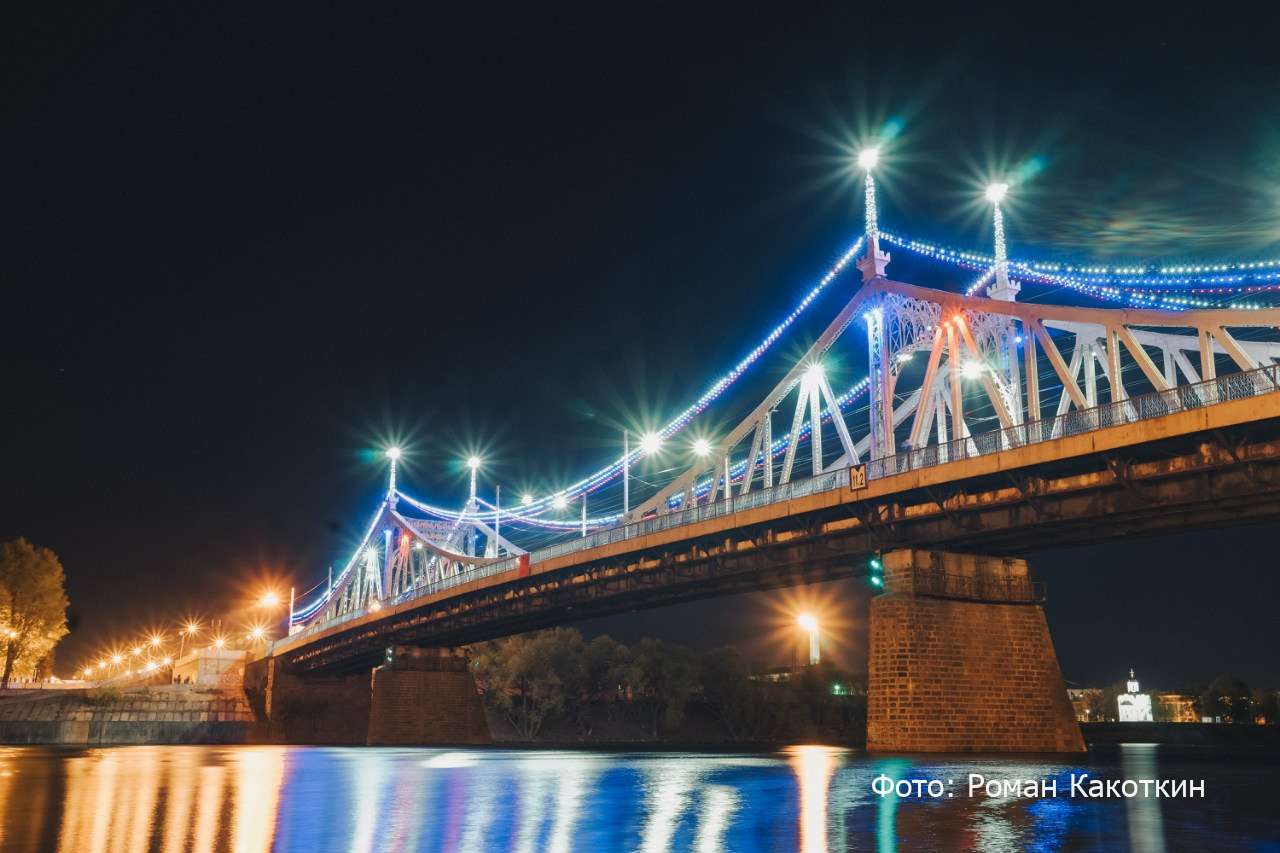
Old Volga Bridge
🌉 Bridge · 📜 Historic site · 🕵️ Urban legend


Point 12
🏰 Palace • 🏟️ Architectural landmark • 📜 Historic site
The Tver Travel Palace, a majestic historical and architectural ensemble, is rightly considered the jewel of the capital of the Upper Volga region. The palace was built on the grounds of the former Tver kremlin.
The palace with its two pavilions was built in 1764–1766 in the Classical style with Baroque elements to a design by Pyotr Nikitin. It was intended as a place for members of the imperial family to rest on their way from St. Petersburg to Moscow, hence its name. Empress Catherine II first arrived here on February 12, 1767. The palace was rebuilt by Carlo Rossi in the early 19th century. At that time it was home to Alexander I's sister Ekaterina Pavlovna, who was married to the governor of Tver, Georg of Oldenburg. She made the palace one of the centers of the country's high society and a fashionable literary salon. Nikolai Karamzin read excerpts from his “History” to Emperor Alexander here. After the fall of the monarchy, the palace housed the Soviets of Workers' and Peasants' Deputies and the governorate executive committee. In the fall of 1941 the palace was partly destroyed by the Nazis; it was restored in 1942–1948.
The palace houses the Tver Regional Art Gallery. It holds some 50,000 items: works by European artists of the 15th–19th centuries, Russian painters, sculptures, old icons, and unique interior pieces that belonged to this palace and miraculously survived.
Ekaterina Pavlovna refused to become Napoleon's wife. In 1808 Napoleon asked Alexander for the grand duchess's hand. According to one version, Ekaterina foresaw a new round of the struggle with France and managed to fend off all her brother's insistence on the marriage. The museum's exhibits, interior pieces, furniture, and paintings miraculously survived the war: the gallery's collections had been packed for evacuation and stored in the basement of the Church of the Ascension.
Point on route “Hurry to Tver”
Point 12
🏰 Palace • 🏟️ Architectural landmark • 📜 Historic site
The Tver Travel Palace, a majestic historical and architectural ensemble, is rightly considered the jewel of the capital of the Upper Volga region. The palace was built on the grounds of the former Tver kremlin.
The palace with its two pavilions was built in 1764–1766 in the Classical style with Baroque elements to a design by Pyotr Nikitin. It was intended as a place for members of the imperial family to rest on their way from St. Petersburg to Moscow, hence its name. Empress Catherine II first arrived here on February 12, 1767. The palace was rebuilt by Carlo Rossi in the early 19th century. At that time it was home to Alexander I's sister Ekaterina Pavlovna, who was married to the governor of Tver, Georg of Oldenburg. She made the palace one of the centers of the country's high society and a fashionable literary salon. Nikolai Karamzin read excerpts from his “History” to Emperor Alexander here. After the fall of the monarchy, the palace housed the Soviets of Workers' and Peasants' Deputies and the governorate executive committee. In the fall of 1941 the palace was partly destroyed by the Nazis; it was restored in 1942–1948.
The palace houses the Tver Regional Art Gallery. It holds some 50,000 items: works by European artists of the 15th–19th centuries, Russian painters, sculptures, old icons, and unique interior pieces that belonged to this palace and miraculously survived.
Ekaterina Pavlovna refused to become Napoleon's wife. In 1808 Napoleon asked Alexander for the grand duchess's hand. According to one version, Ekaterina foresaw a new round of the struggle with France and managed to fend off all her brother's insistence on the marriage. The museum's exhibits, interior pieces, furniture, and paintings miraculously survived the war: the gallery's collections had been packed for evacuation and stored in the basement of the Church of the Ascension.