←A Town of Fifty Churches and One Lake

A Town of Fifty Churches and One Lake

Photo of route “A Town of Fifty Churches and One Lake”
18 points23 km6.55 hours

A walk around Pereslavl-Zalessky won't be quick, but it will certainly be fascinating. Panoramic views, myths and legends, ancient churches, and plenty of pleasant impressions await you in this town on Russia's Golden Ring.

Things to do

  • 📜 Learn the city's history
  • 🏛️🕰️ Compare the eras
  • 🏰🕵️‍♂️ Discover a legend

Route points (18)

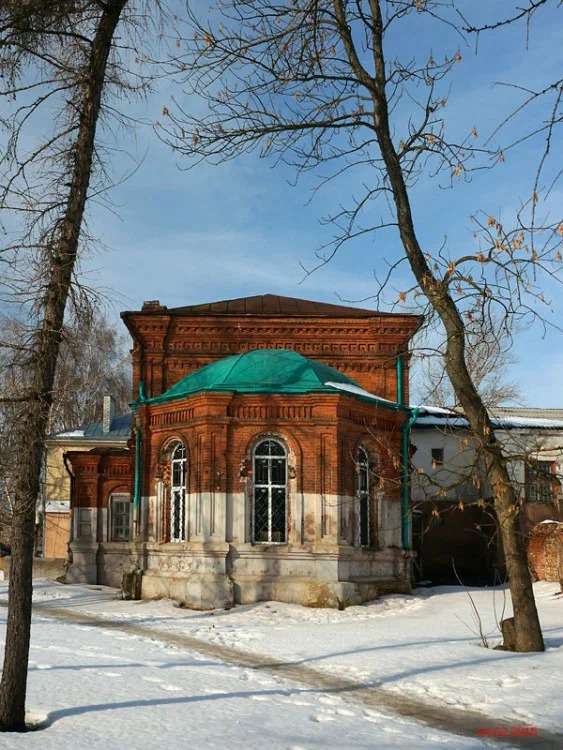
  1. Feodorovsky Convent — point on route “A Town of Fifty Churches and One Lake”

    Feodorovsky Convent

    🕍 Place of worship

  2. D. N. Kardovsky's Mansion — point on route “A Town of Fifty Churches and One Lake”

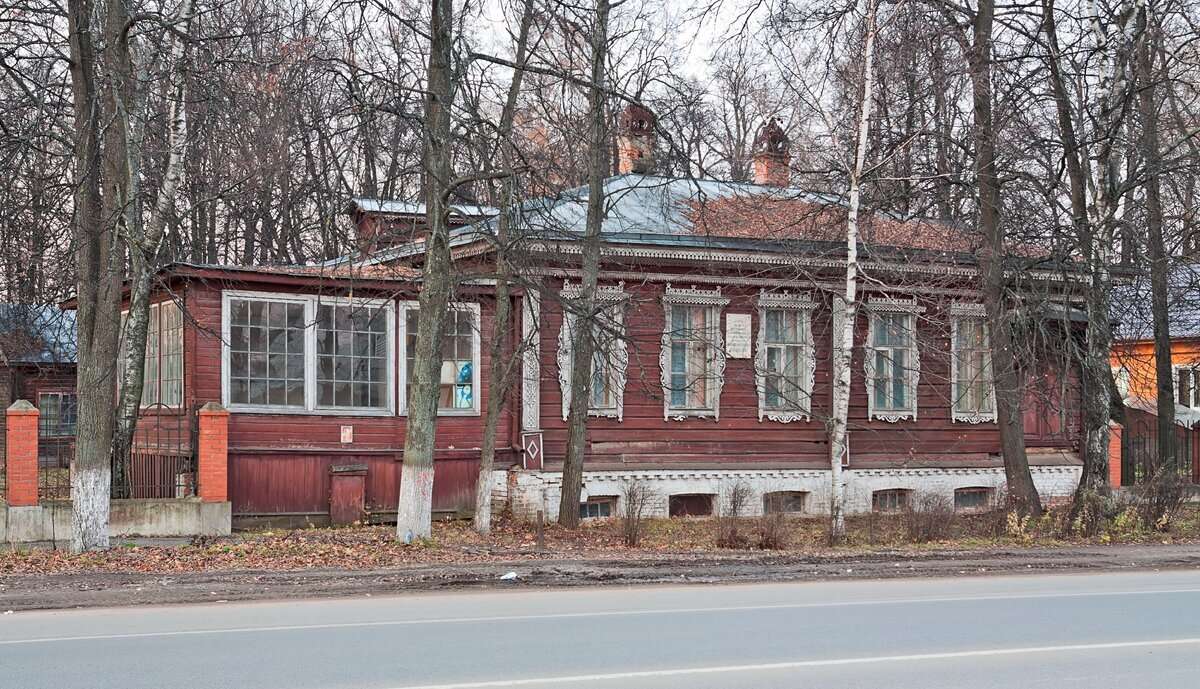
    D. N. Kardovsky's Mansion

    🏟️ Architectural landmark · 📜 Historic site

  3. S. F. Kharitonov Arboretum — point on route “A Town of Fifty Churches and One Lake”

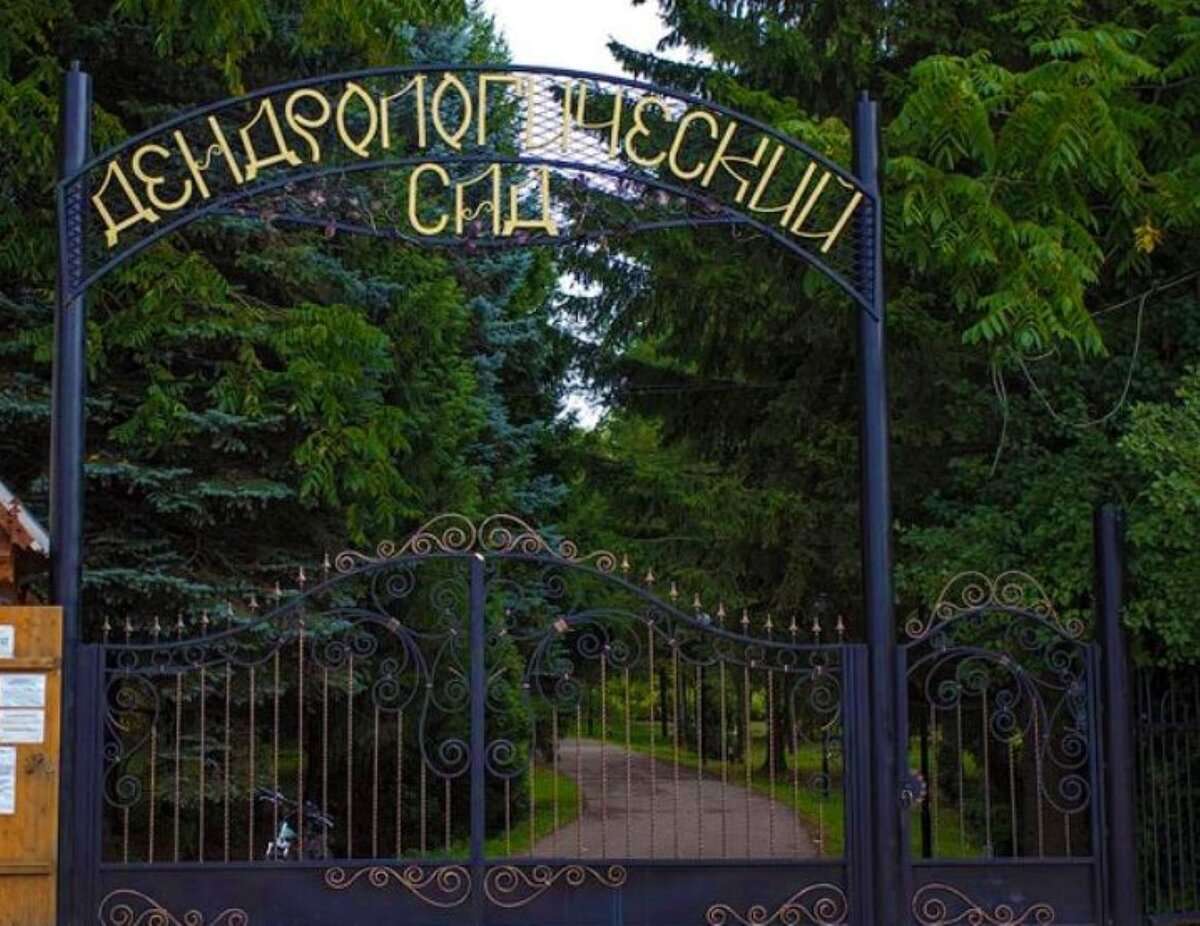
    S. F. Kharitonov Arboretum

    🌳 Botanical garden

  4. Goritsky Dormition Monastery Ensemble — point on route “A Town of Fifty Churches and One Lake”

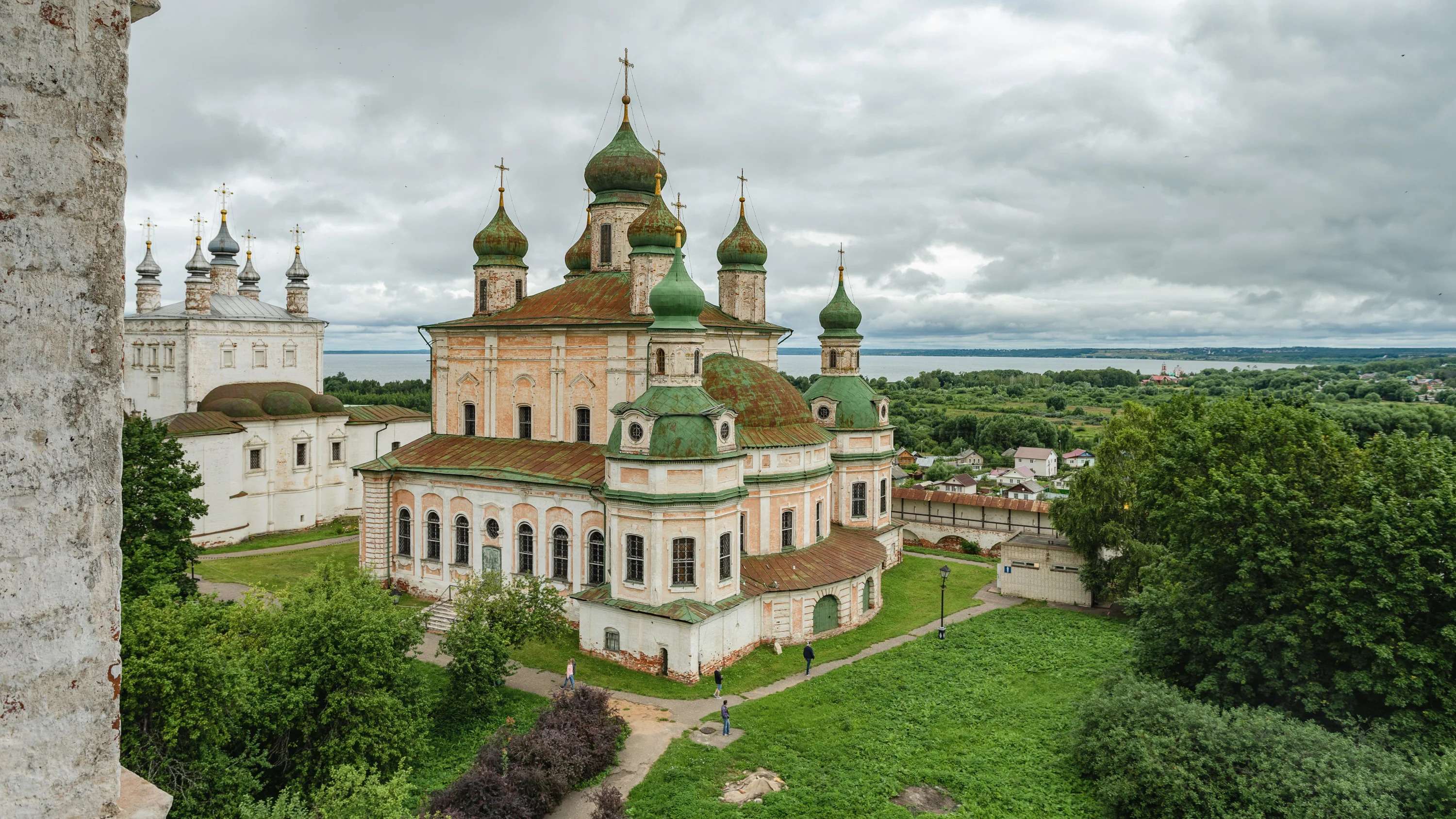
    Goritsky Dormition Monastery Ensemble

    🕍 Place of worship · 🏟️ Architectural landmark

  5. Holy Trinity St. Daniel Monastery — point on route “A Town of Fifty Churches and One Lake”

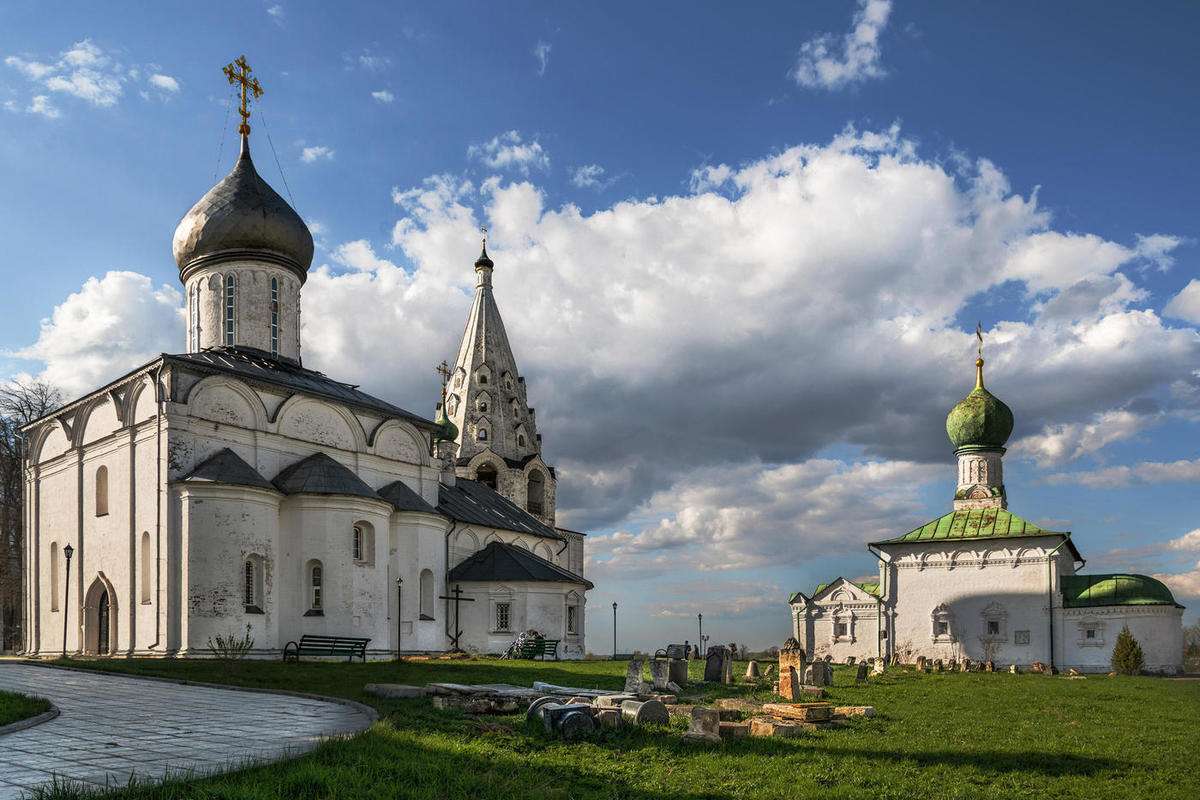
    Holy Trinity St. Daniel Monastery

    🕍 Place of worship · 📜 Historic site

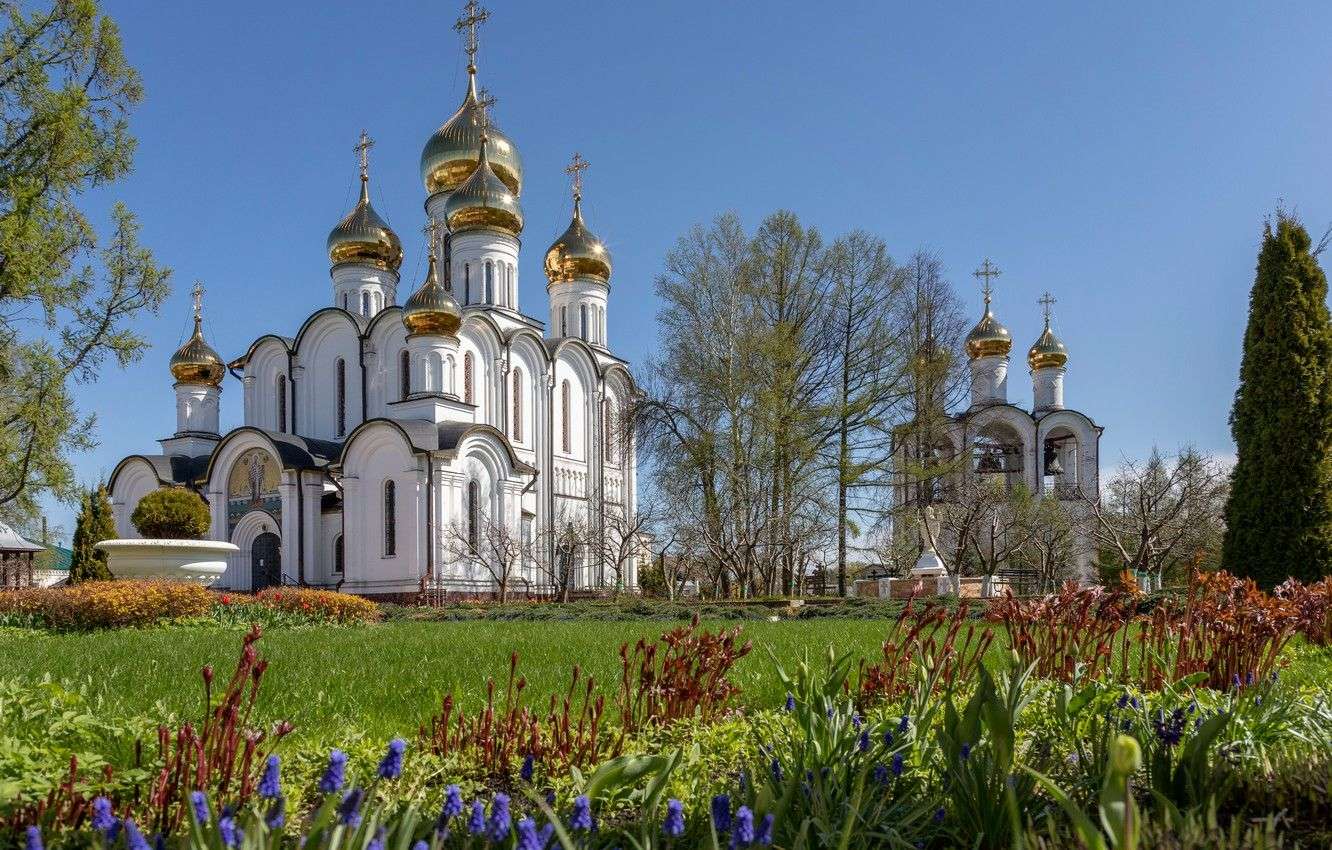
  6. St. Nicholas Convent — point on route “A Town of Fifty Churches and One Lake”

    St. Nicholas Convent

    🕍 Place of worship

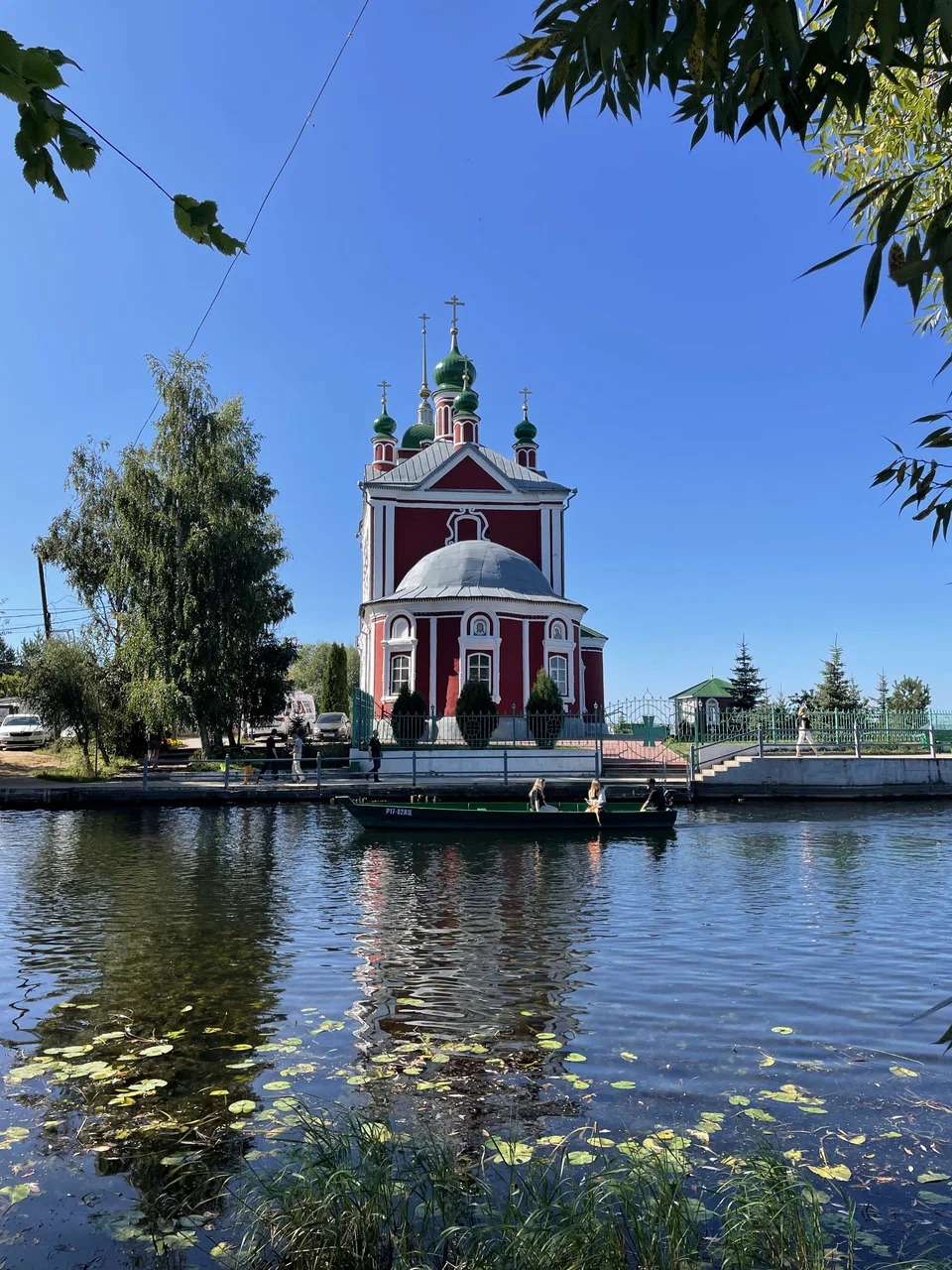
  7. Church of the Forty Martyrs — point on route “A Town of Fifty Churches and One Lake”

    Church of the Forty Martyrs

    🕍 Place of worship

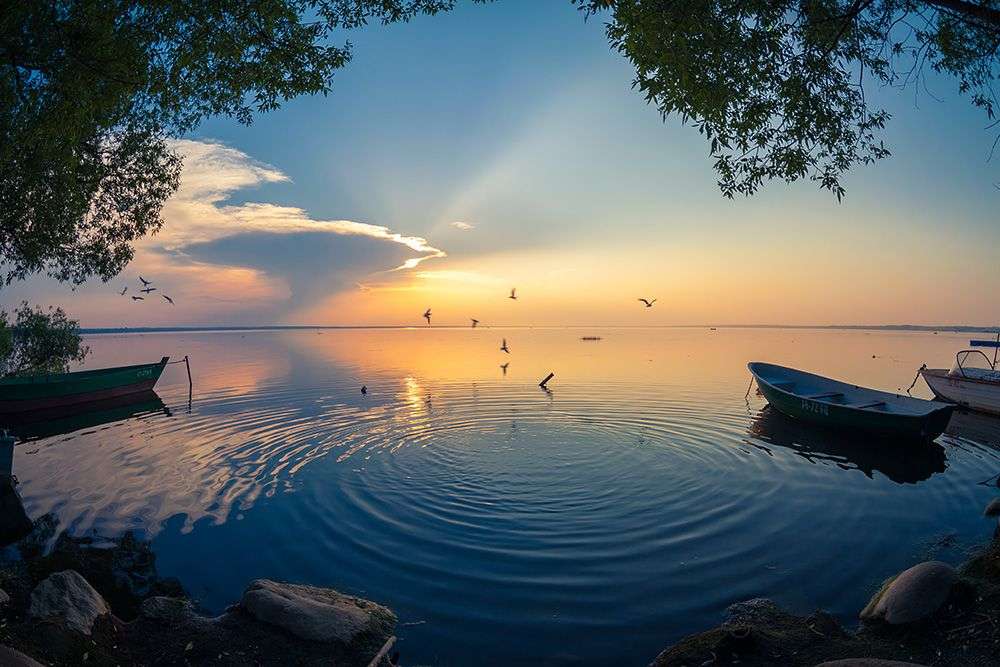
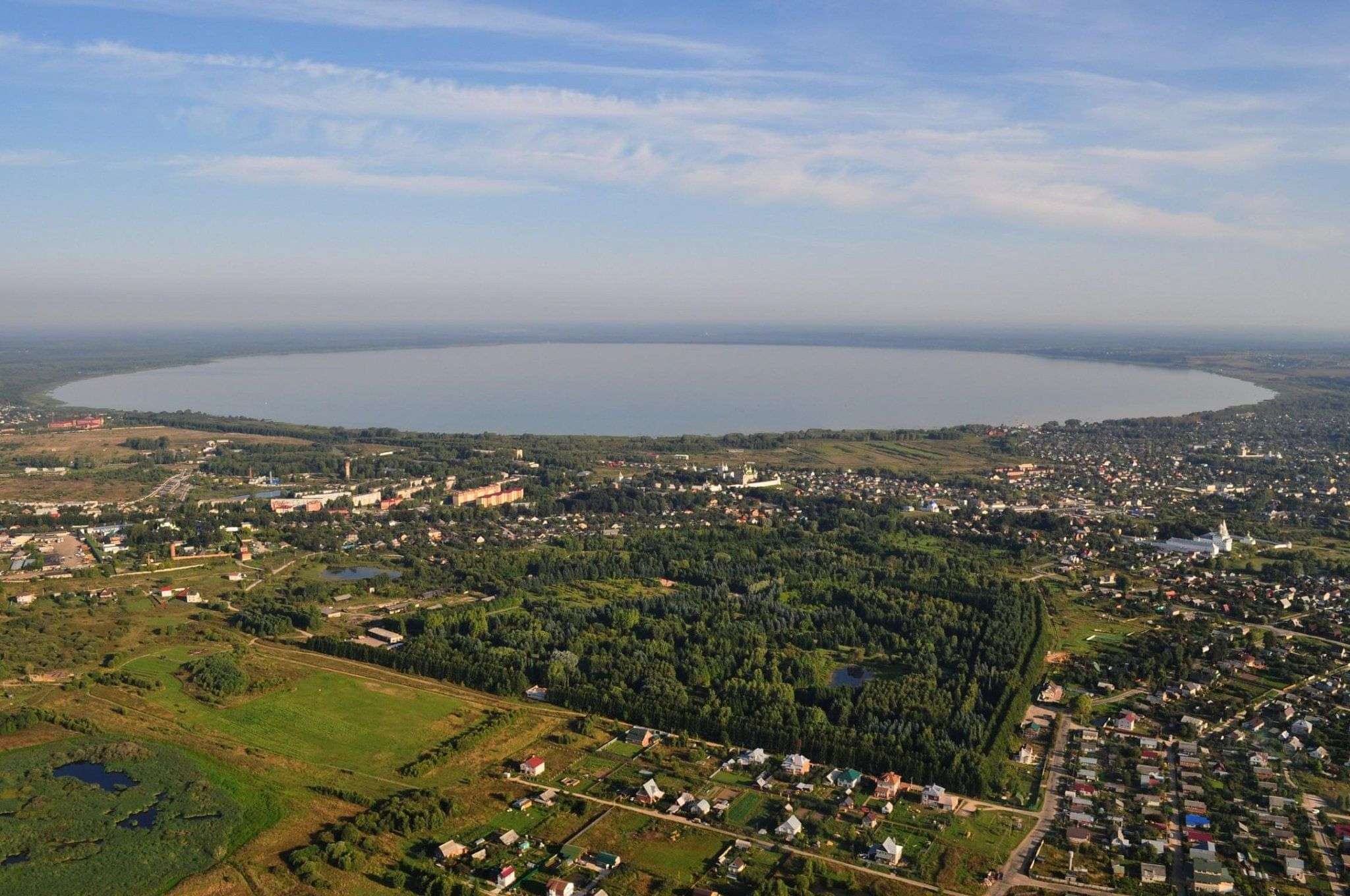
  8. Lake Pleshcheyevo — point on route “A Town of Fifty Churches and One Lake”

    Lake Pleshcheyevo

    🌿 Public garden or park

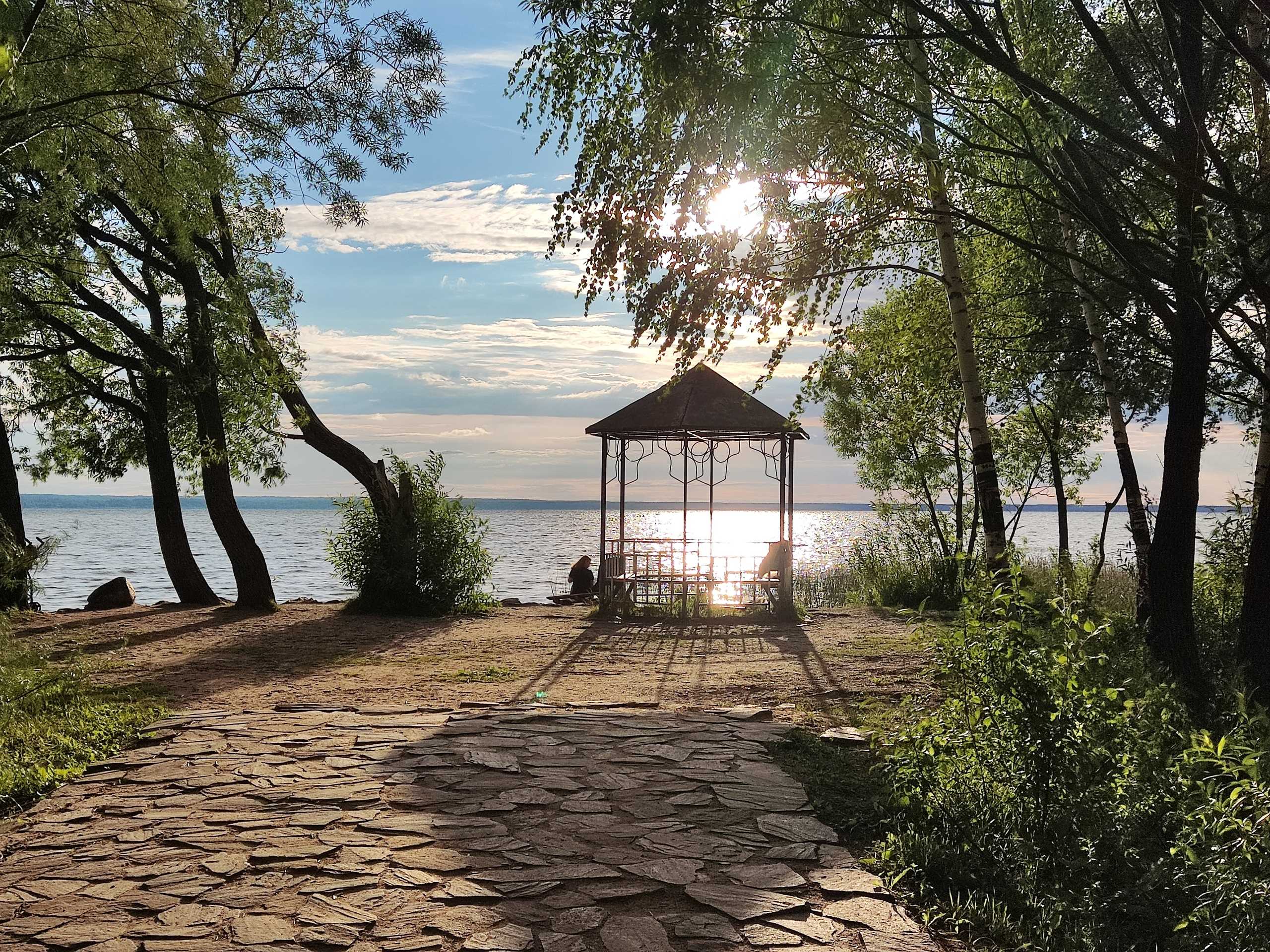
  9. Viewpoint at the City Beach — point on route “A Town of Fifty Churches and One Lake”

    Viewpoint at the City Beach

    🔭 Viewpoint

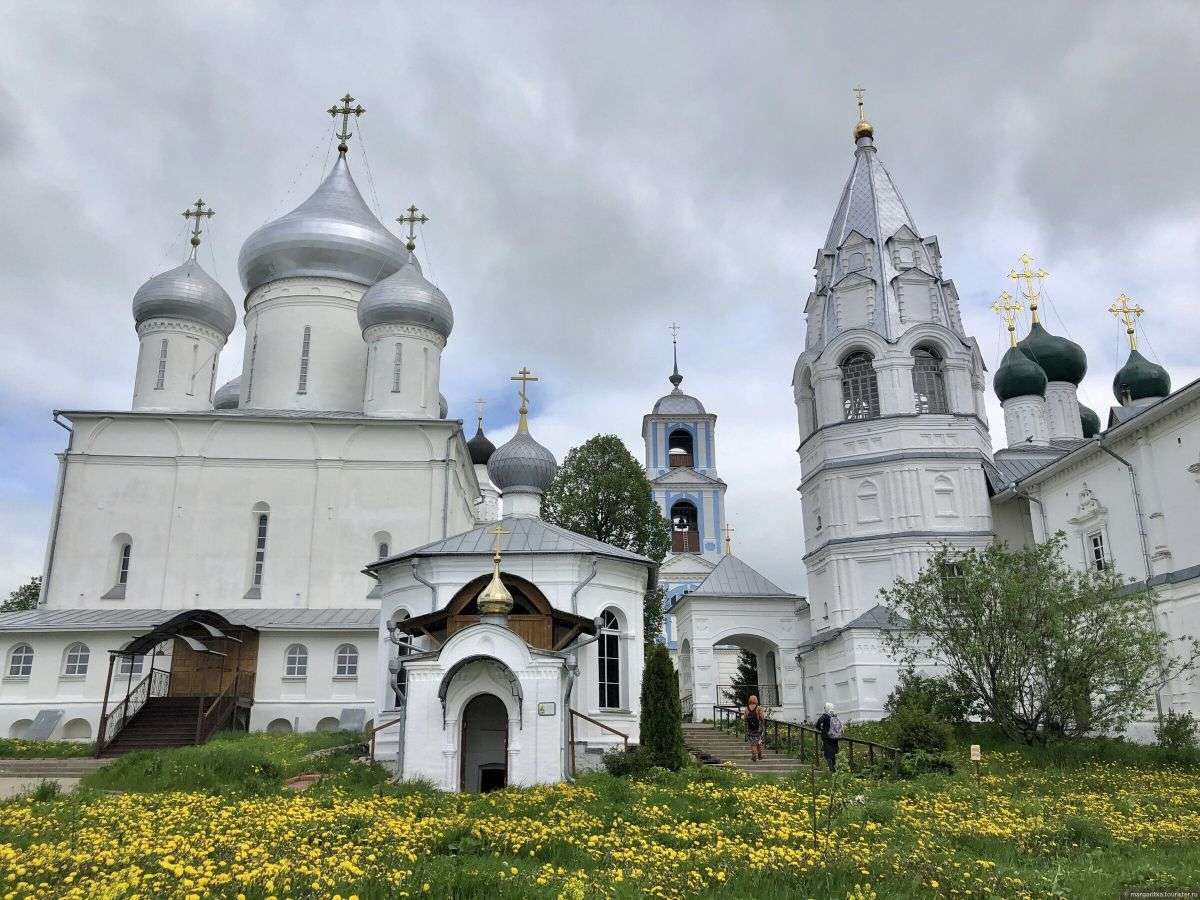
  10. St. Nikita Monastery — point on route “A Town of Fifty Churches and One Lake”

    St. Nikita Monastery

    🕍 Place of worship · 📜 Historic site

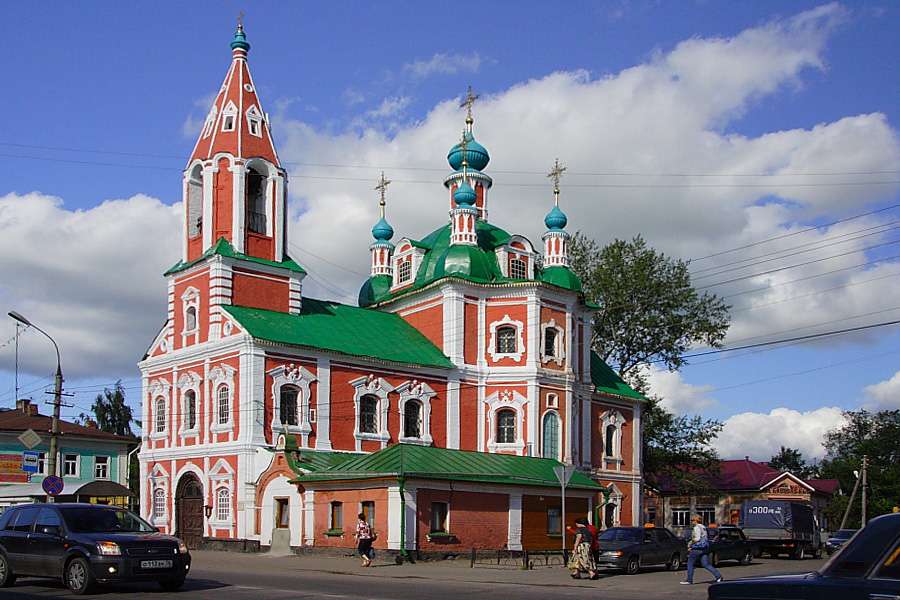
  11. Church of St. Simeon the Stylite — point on route “A Town of Fifty Churches and One Lake”

    Church of St. Simeon the Stylite

    🕍 Place of worship · 🕵️ Urban legend · 🏟️ Architectural landmark

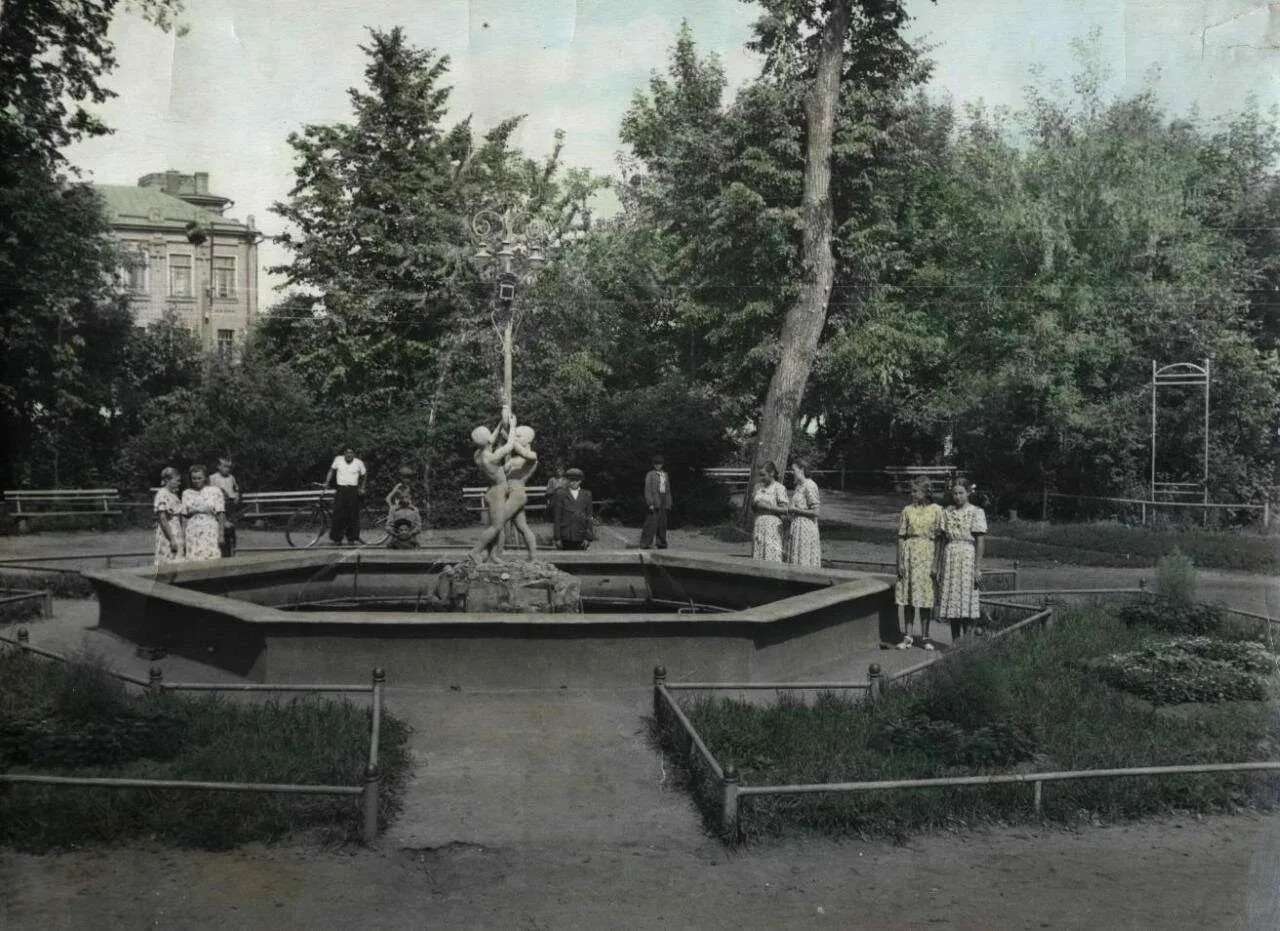
  12. Summer Garden — point on route “A Town of Fifty Churches and One Lake”

    Summer Garden

    🌿 Public garden or park

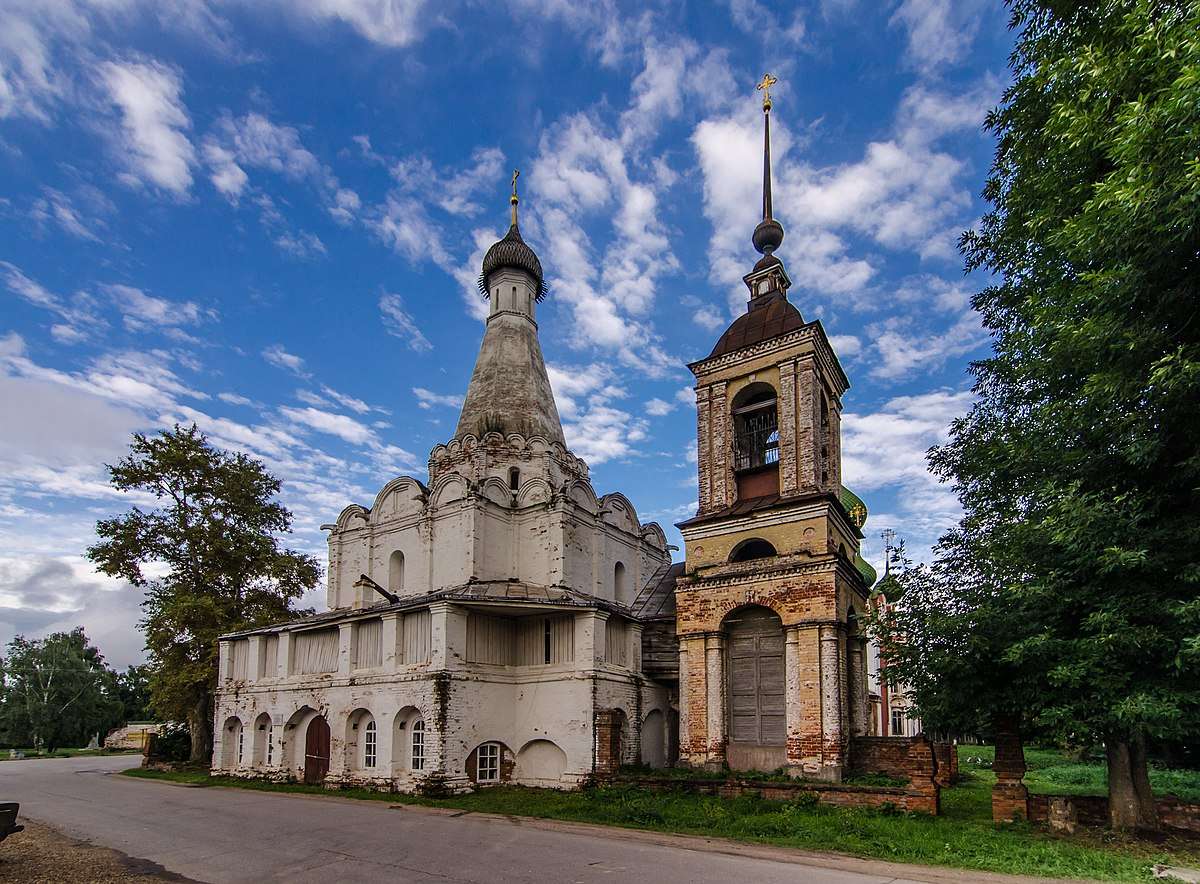
  13. Church of St. Peter the Metropolitan — point on route “A Town of Fifty Churches and One Lake”

    Church of St. Peter the Metropolitan

    🏟️ Architectural landmark · 📜 Historic site

  14. Church of St. Sergius of Radonezh at the Prison Castle — point on route “A Town of Fifty Churches and One Lake”

    Church of St. Sergius of Radonezh at the Prison Castle

    📜 Historic site

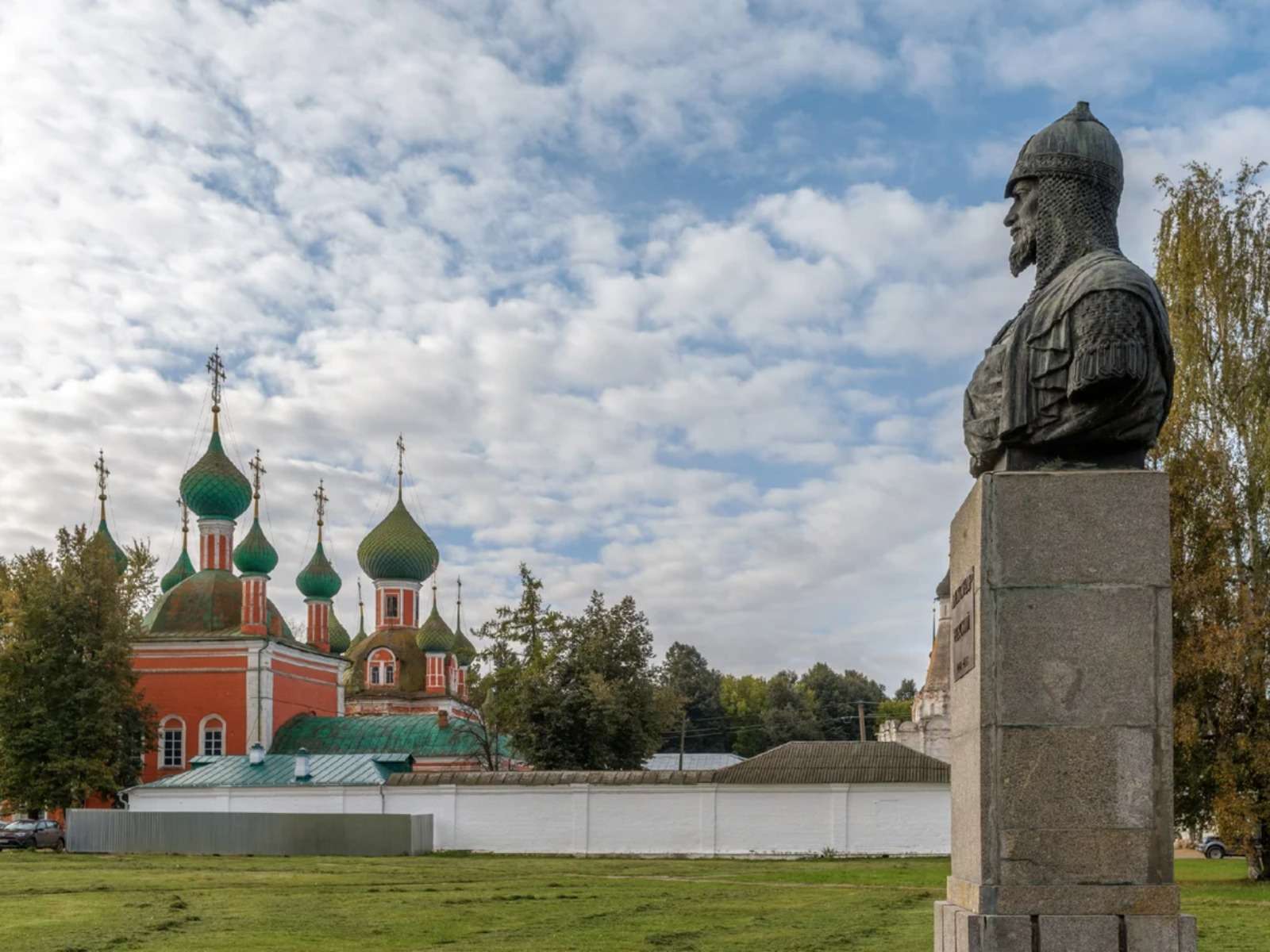
  15. Vladimir Icon Cathedral and Church of St. Alexander Nevsky — point on route “A Town of Fifty Churches and One Lake”

    Vladimir Icon Cathedral and Church of St. Alexander Nevsky

    🕍 Place of worship · 📜 Historic site

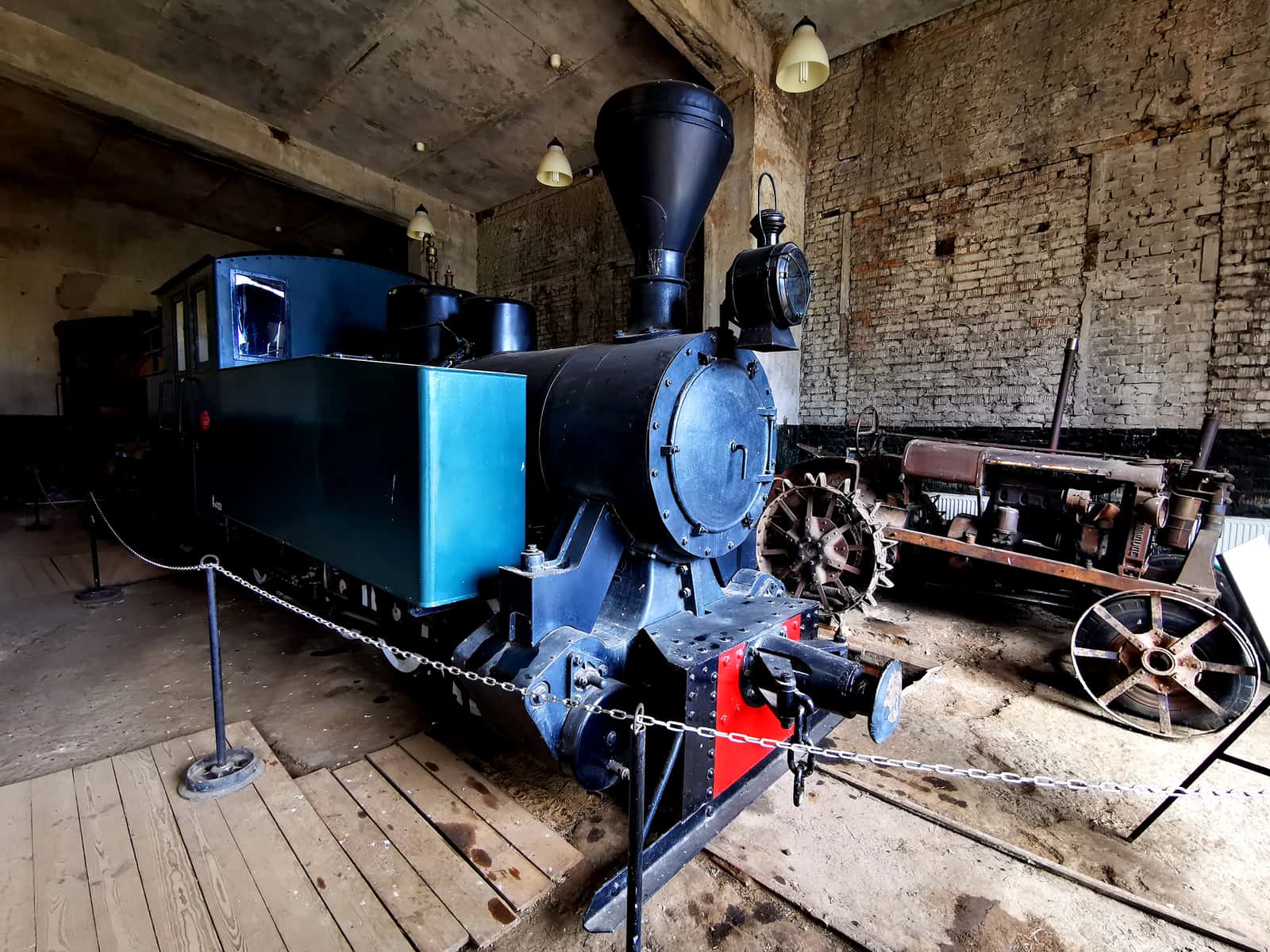
  16. World of Railways Museum — point on route “A Town of Fifty Churches and One Lake”

    World of Railways Museum

    🏛️ Museum

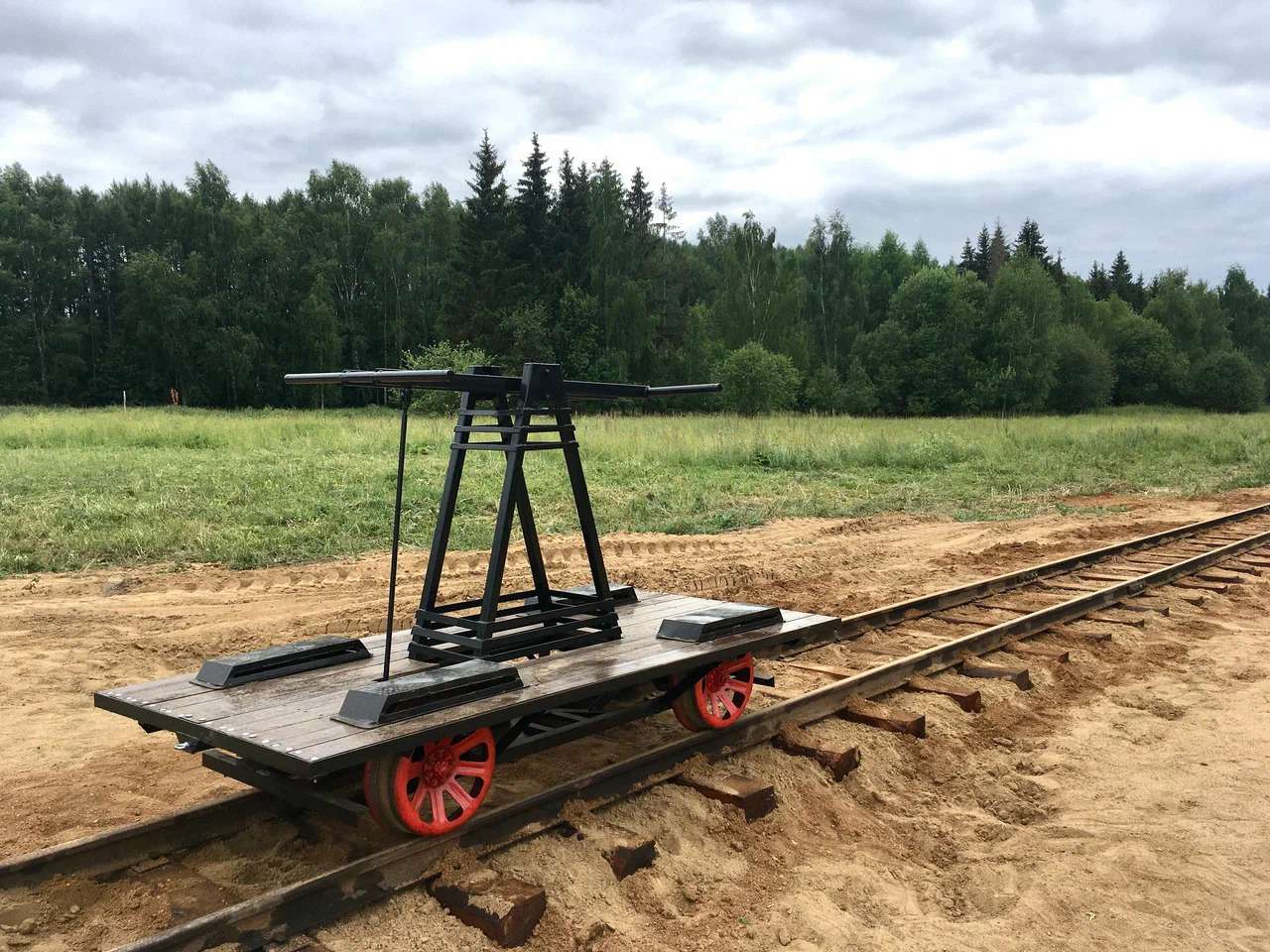
  17. Hand-Pump Trolley Ride — point on route “A Town of Fifty Churches and One Lake”

    Hand-Pump Trolley Ride

    ⚙️ Industrial site

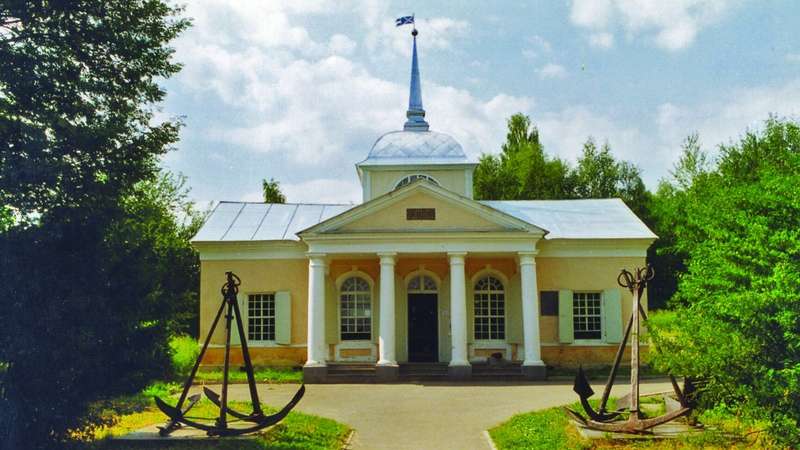
  18. Botik of Peter I Museum-Estate — point on route “A Town of Fifty Churches and One Lake”

    Botik of Peter I Museum-Estate

    🏛️ Museum · 🏟️ Architectural landmark · 📜 Historic site

Feodorovsky Convent in Pereslavl-Zalessky

Point on route “A Town of Fifty Churches and One Lake”

Feodorovsky Convent — point on route “A Town of Fifty Churches and One Lake”

Point 1

Feodorovsky Convent

🕍 Place of worship

Historical Background

In former times the Monastery of St. Theodore Stratelates was rich and influential. Its patrons included the Rurikid and Romanov dynasties. But in 1304, on the feast day of the Great Martyr Theodore Stratelates, a battle between Tver and Moscow broke out in the town. The reason was simple: Tver wanted to take Pereslavl for itself. A holy cloister was founded on this spot in memory of the fallen; it is first recorded in a charter of 1511.

The Making of the Monastery

The cloister was a monastery for men until 1667, and perhaps it would have stayed that way if not for the plague. The monastery was left empty. After the epidemic it turned out that the town had far more single women left, so by order of the patriarch the monastery became a convent. Sadly, by the end of the 17th century the Feodorovsky Convent had become a place of forced exile. Later, under Peter I, the convent gained fame once again, this time for a good reason: its weaving workshops produced cloth for the needs of the royal court.

The 20th Century

In the Soviet Union the convent was turned into an agricultural cooperative, then into a home for the elderly, a military unit, the office of a construction trust, an institute of the Academy of Sciences, and a clothing depot. Then it was closed altogether. Restoration and revival of the convent began in the 1960s, and services resumed in 1998.