How Peter I Played with Toy Boats
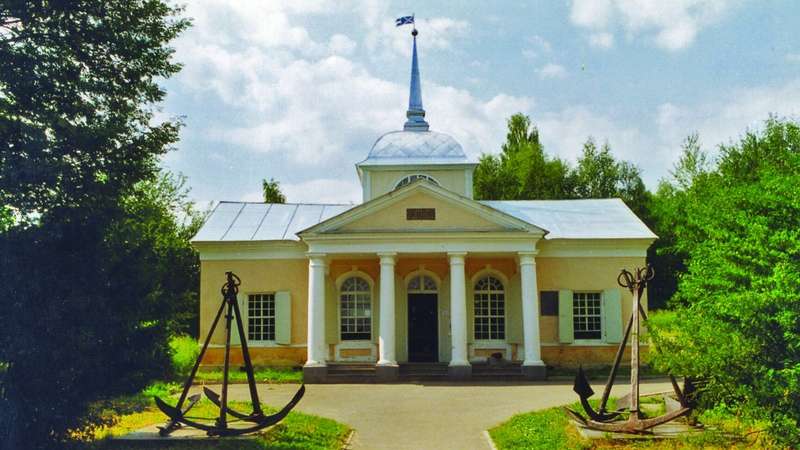
The Botik of Peter I (Peter's Little Boat) museum was founded in 1803 with funds from the Vladimir nobility and is considered one of Russia's first museums. The tsar's “play” regiments came before the first ships on Lake Pleshcheyevo.
Crowdfunding a Toy Fleet
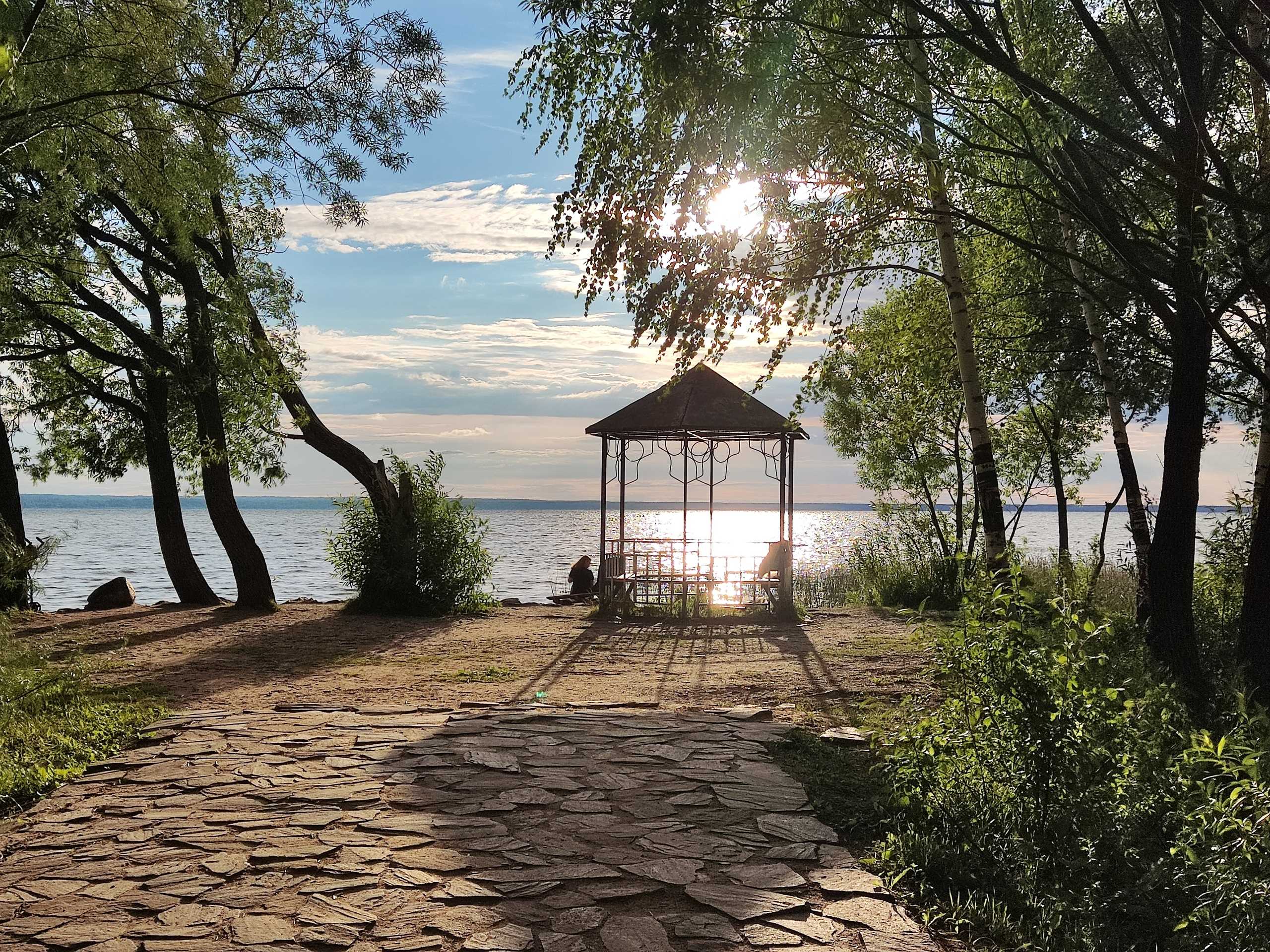
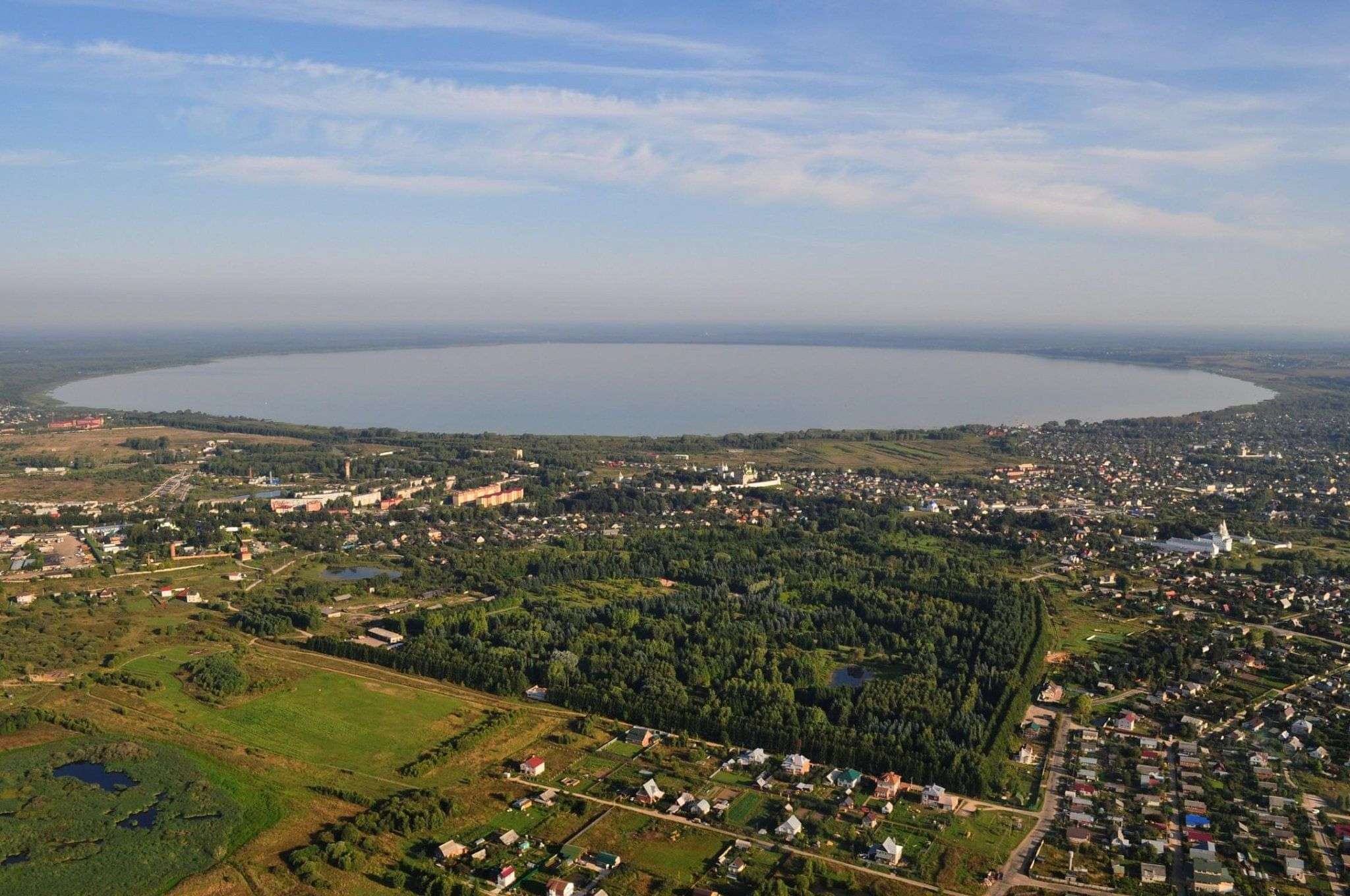
In 1688, on the Izmailovo estate, the 16-year-old Peter Alekseyevich found an old English boat. After restoring it, he named it the St. Nicholas. All that remained was to choose a place for the vessel: the Yauza River proved too small, but Lake Pleshcheyevo was ideal. The young tsar began building a “toy” fleet with money that today we might call crowdfunding. Every monastery metochion chipped in. It paid off: three years later a shipyard* staffed by Dutch craftsmen appeared on the lake, and a year after that almost all the vessels were ready. *A shipyard is an enterprise for building or repairing ships.
Those Streltsy Again
But shipbuilding was put on the back burner because of the streltsy uprising in Moscow in 1689. Construction resumed in 1691. A small wooden palace and even a church appeared by the lake. The large ships were finished on site, and a special canal ran from the shipyard for launching the small ones. And then came the moment of triumph: May 1692, artillery salvos, ships on the water. A year later Peter Alekseyevich's first flotilla was forgotten. A decree of the tsar survives urging the Pereslavl governors to preserve the “toy” fleet for future generations. Alas, a fire in 1783 destroyed all the ships in Pereslavl.
Creating the Museum
Of the toy flotilla, only the boat Fortuna survived. At the initiative of the Vladimir governor, Prince Ivan Mikhailovich Dolgorukov, a stone Boat House was built with funds from the nobility.
The Architecture
The building is in the Classical style: its entrance is adorned with a portico* of columns, and a spire with the St. Andrew's flag rises from the roof. The museum house holds the boat itself, along with rudders, anchors, and surviving masts from other ships of the toy fleet.
*A portico is an architectural element consisting of a row of columns.
Today
Today the museum's exhibition features a variety of objects from the late 17th century: shipbuilding tools, wood carvings from the ships, weapons, and rigging. In one of the halls Peter I's room has been recreated.
 18 points
 23 km
 6.55 hours