←A Town of Fifty Churches and One Lake

A Town of Fifty Churches and One Lake

Photo of route “A Town of Fifty Churches and One Lake”
18 points23 km6.55 hours

A walk around Pereslavl-Zalessky won't be quick, but it will certainly be fascinating. Panoramic views, myths and legends, ancient churches, and plenty of pleasant impressions await you in this town on Russia's Golden Ring.

Things to do

  • 📜 Learn the city's history
  • 🏛️🕰️ Compare the eras
  • 🏰🕵️‍♂️ Discover a legend

Route points (18)

  1. Feodorovsky Convent — point on route “A Town of Fifty Churches and One Lake”

    Feodorovsky Convent

    🕍 Place of worship

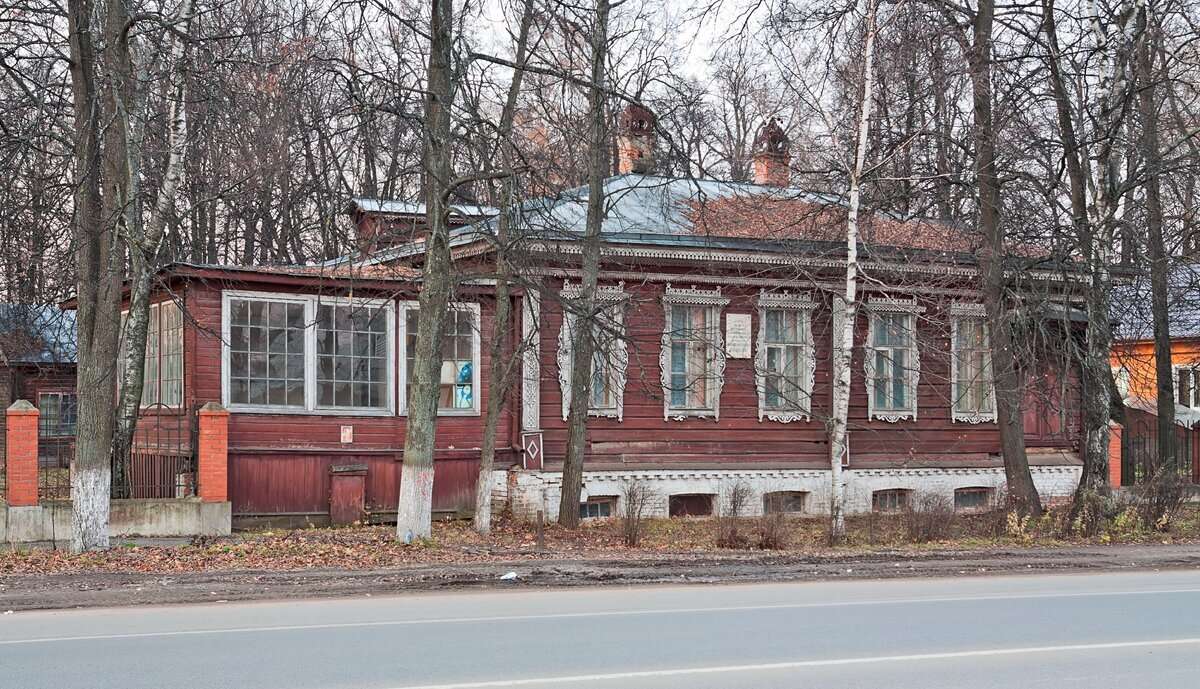
  2. D. N. Kardovsky's Mansion — point on route “A Town of Fifty Churches and One Lake”

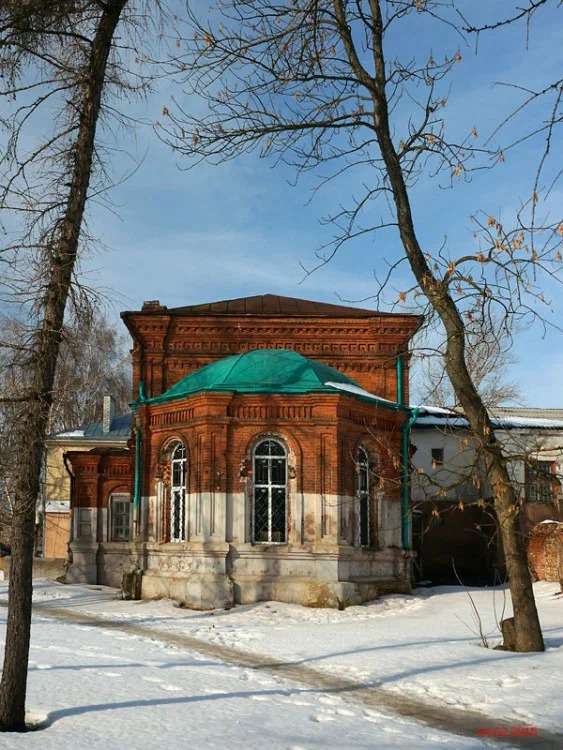
    D. N. Kardovsky's Mansion

    🏟️ Architectural landmark · 📜 Historic site

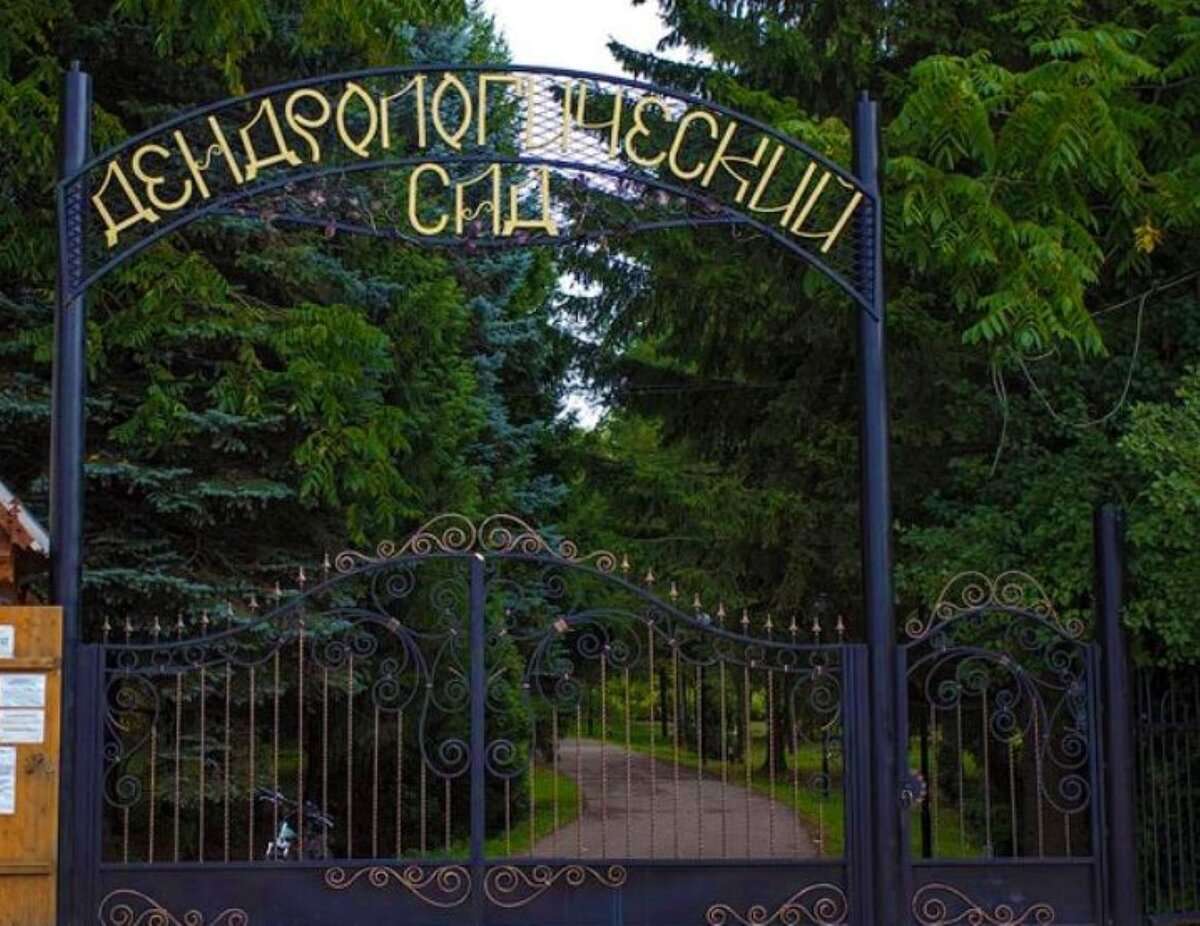
  3. S. F. Kharitonov Arboretum — point on route “A Town of Fifty Churches and One Lake”

    S. F. Kharitonov Arboretum

    🌳 Botanical garden

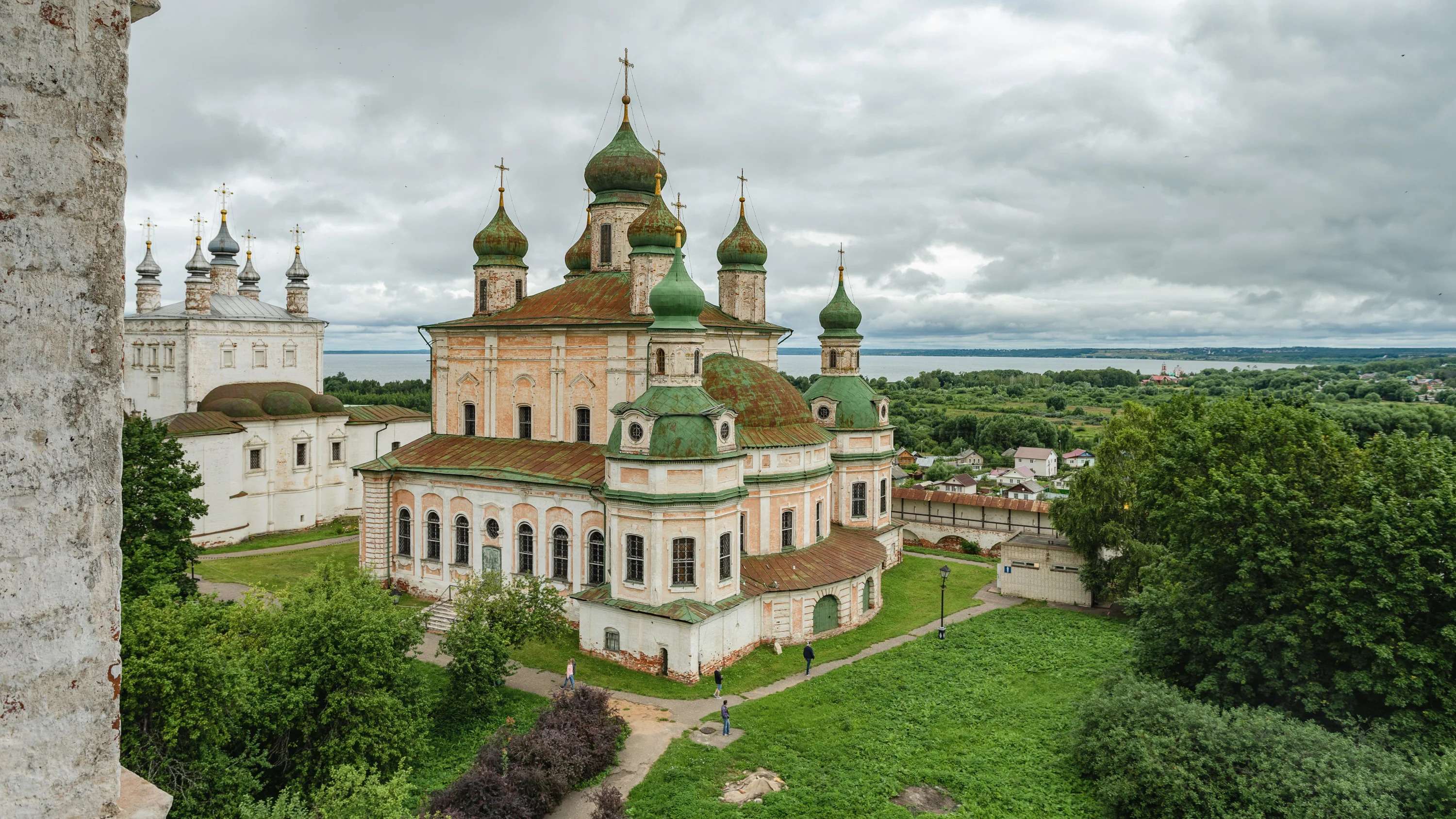
  4. Goritsky Dormition Monastery Ensemble — point on route “A Town of Fifty Churches and One Lake”

    Goritsky Dormition Monastery Ensemble

    🕍 Place of worship · 🏟️ Architectural landmark

  5. Holy Trinity St. Daniel Monastery — point on route “A Town of Fifty Churches and One Lake”

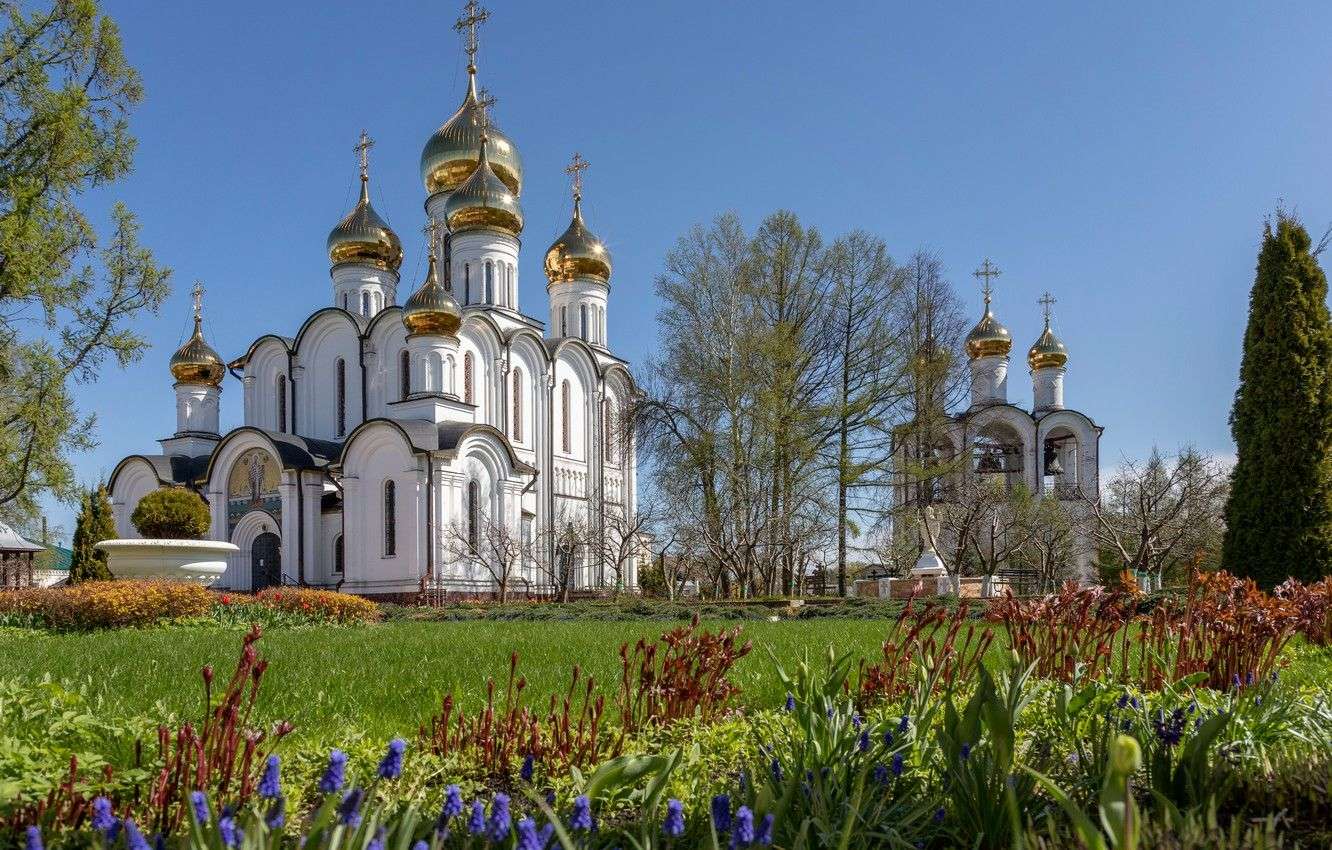
    Holy Trinity St. Daniel Monastery

    🕍 Place of worship · 📜 Historic site

  6. St. Nicholas Convent — point on route “A Town of Fifty Churches and One Lake”

    St. Nicholas Convent

    🕍 Place of worship

  7. Church of the Forty Martyrs — point on route “A Town of Fifty Churches and One Lake”

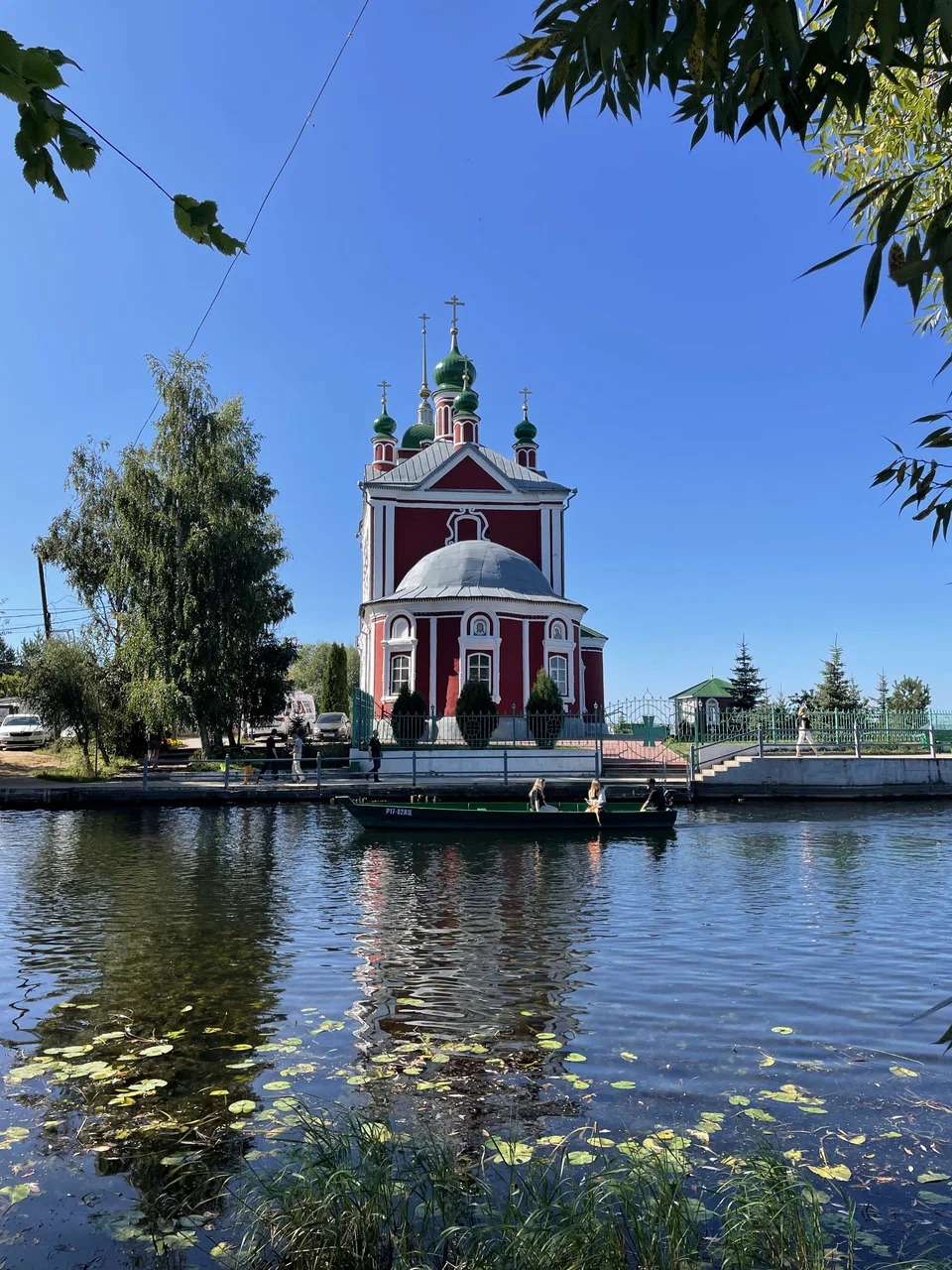
    Church of the Forty Martyrs

    🕍 Place of worship

  8. Lake Pleshcheyevo — point on route “A Town of Fifty Churches and One Lake”

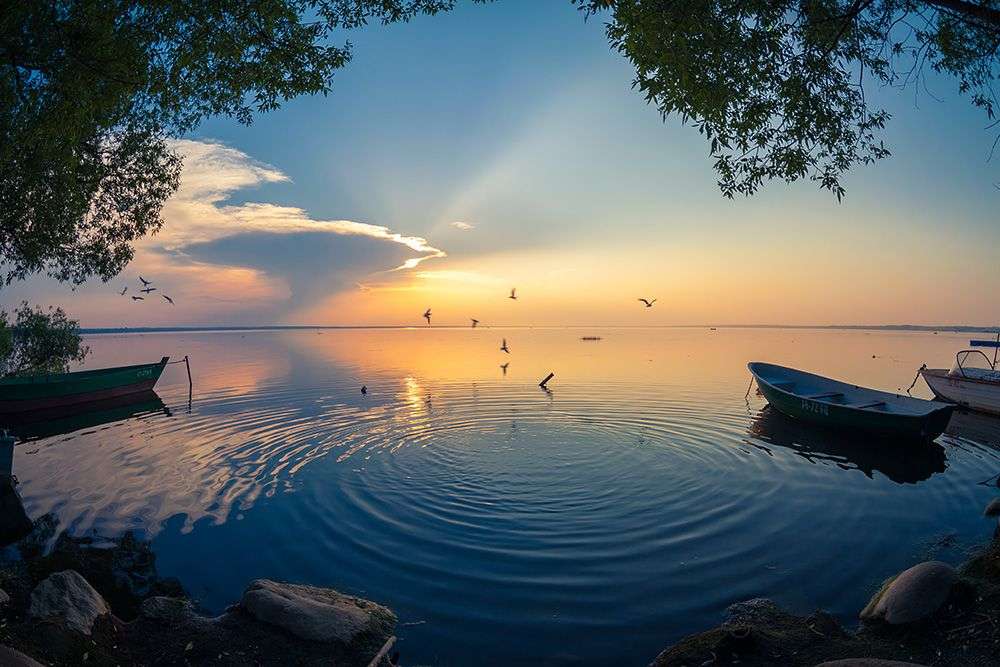
    Lake Pleshcheyevo

    🌿 Public garden or park

  9. Viewpoint at the City Beach — point on route “A Town of Fifty Churches and One Lake”

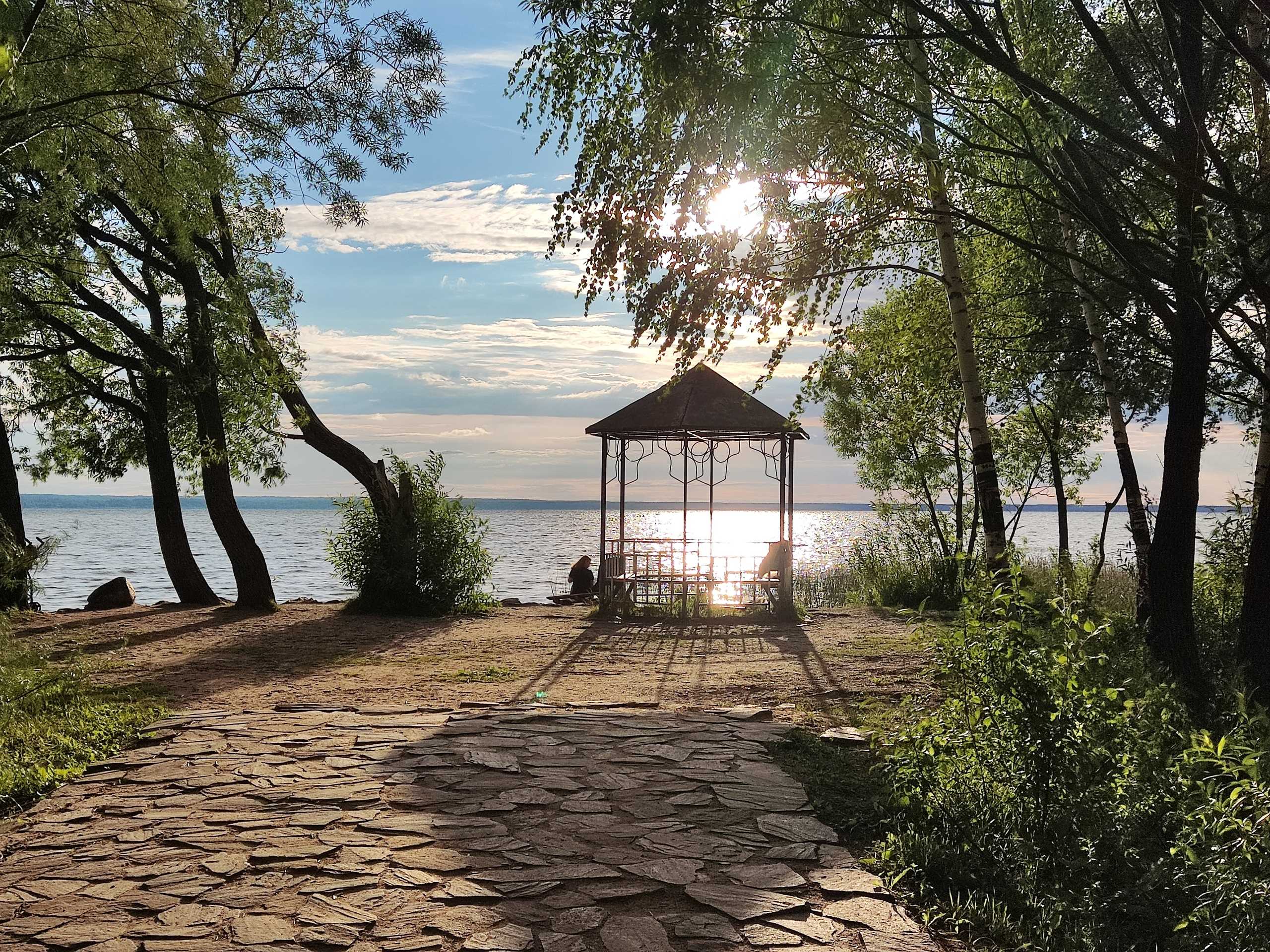
    Viewpoint at the City Beach

    🔭 Viewpoint

  10. St. Nikita Monastery — point on route “A Town of Fifty Churches and One Lake”

    St. Nikita Monastery

    🕍 Place of worship · 📜 Historic site

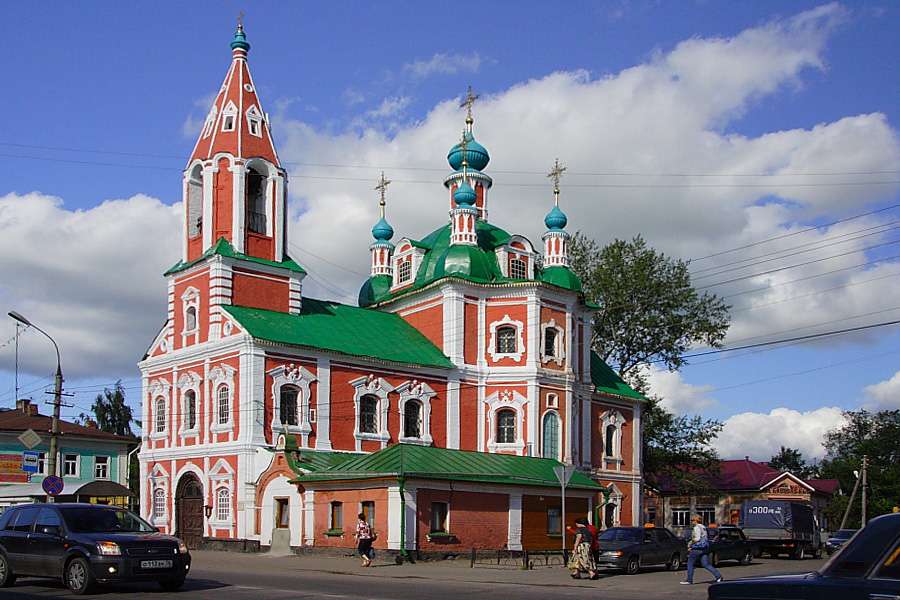
  11. Church of St. Simeon the Stylite — point on route “A Town of Fifty Churches and One Lake”

    Church of St. Simeon the Stylite

    🕍 Place of worship · 🕵️ Urban legend · 🏟️ Architectural landmark

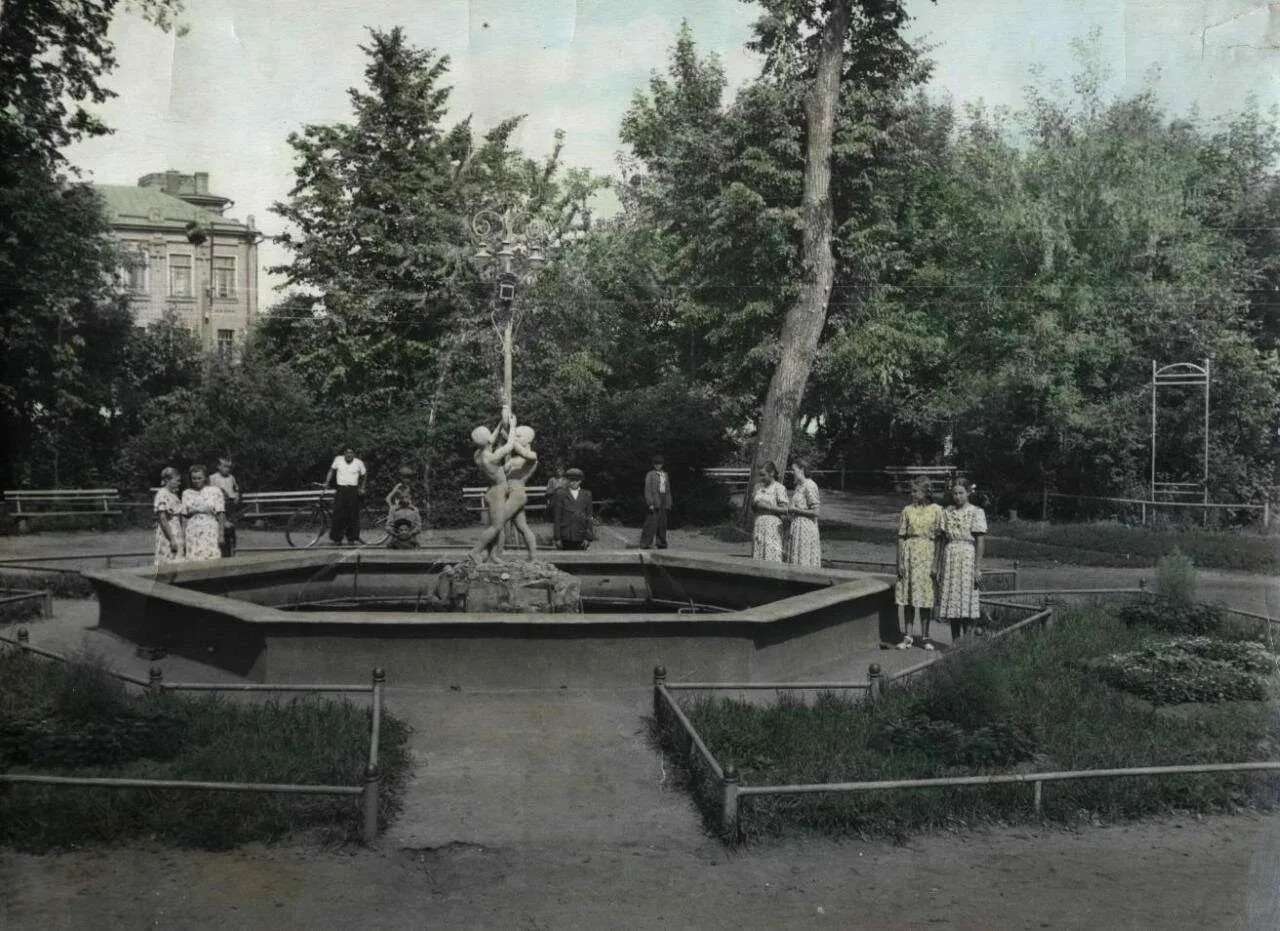
  12. Summer Garden — point on route “A Town of Fifty Churches and One Lake”

    Summer Garden

    🌿 Public garden or park

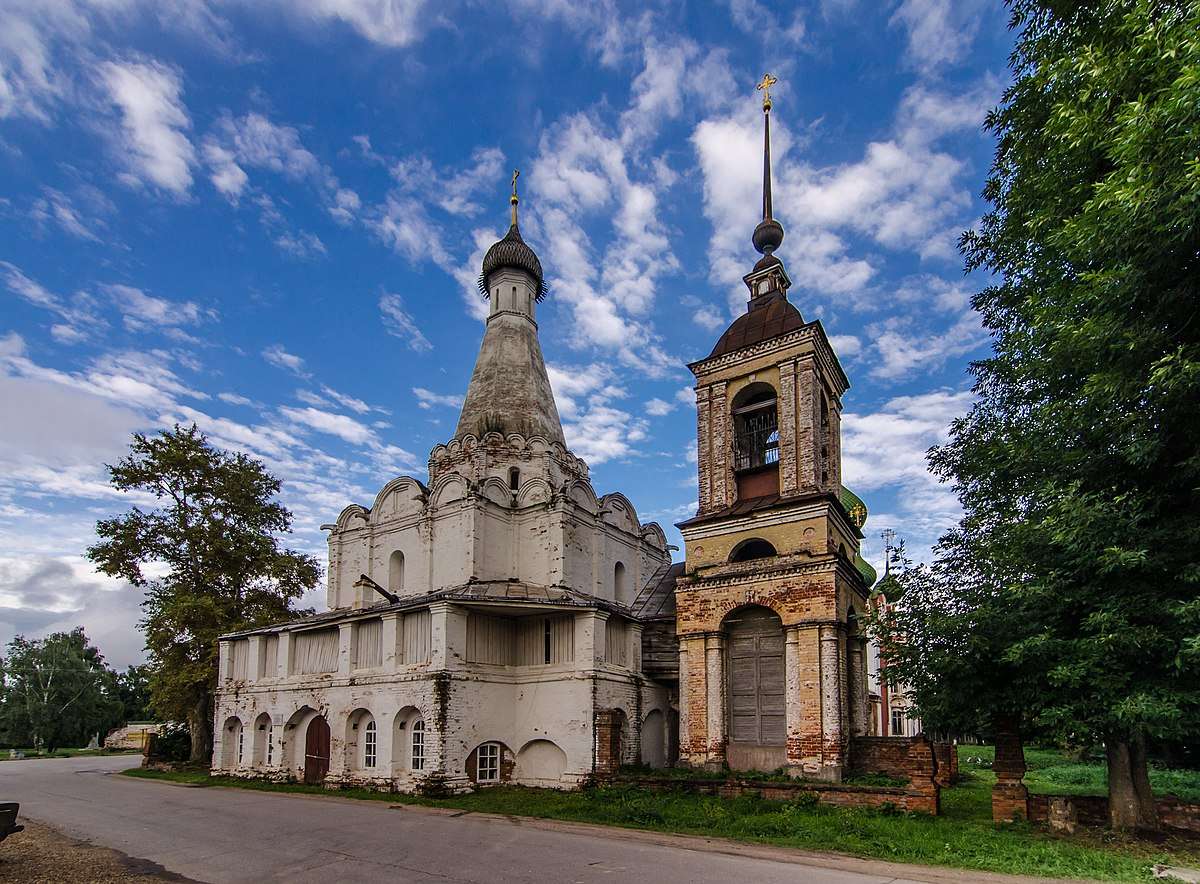
  13. Church of St. Peter the Metropolitan — point on route “A Town of Fifty Churches and One Lake”

    Church of St. Peter the Metropolitan

    🏟️ Architectural landmark · 📜 Historic site

  14. Church of St. Sergius of Radonezh at the Prison Castle — point on route “A Town of Fifty Churches and One Lake”

    Church of St. Sergius of Radonezh at the Prison Castle

    📜 Historic site

  15. Vladimir Icon Cathedral and Church of St. Alexander Nevsky — point on route “A Town of Fifty Churches and One Lake”

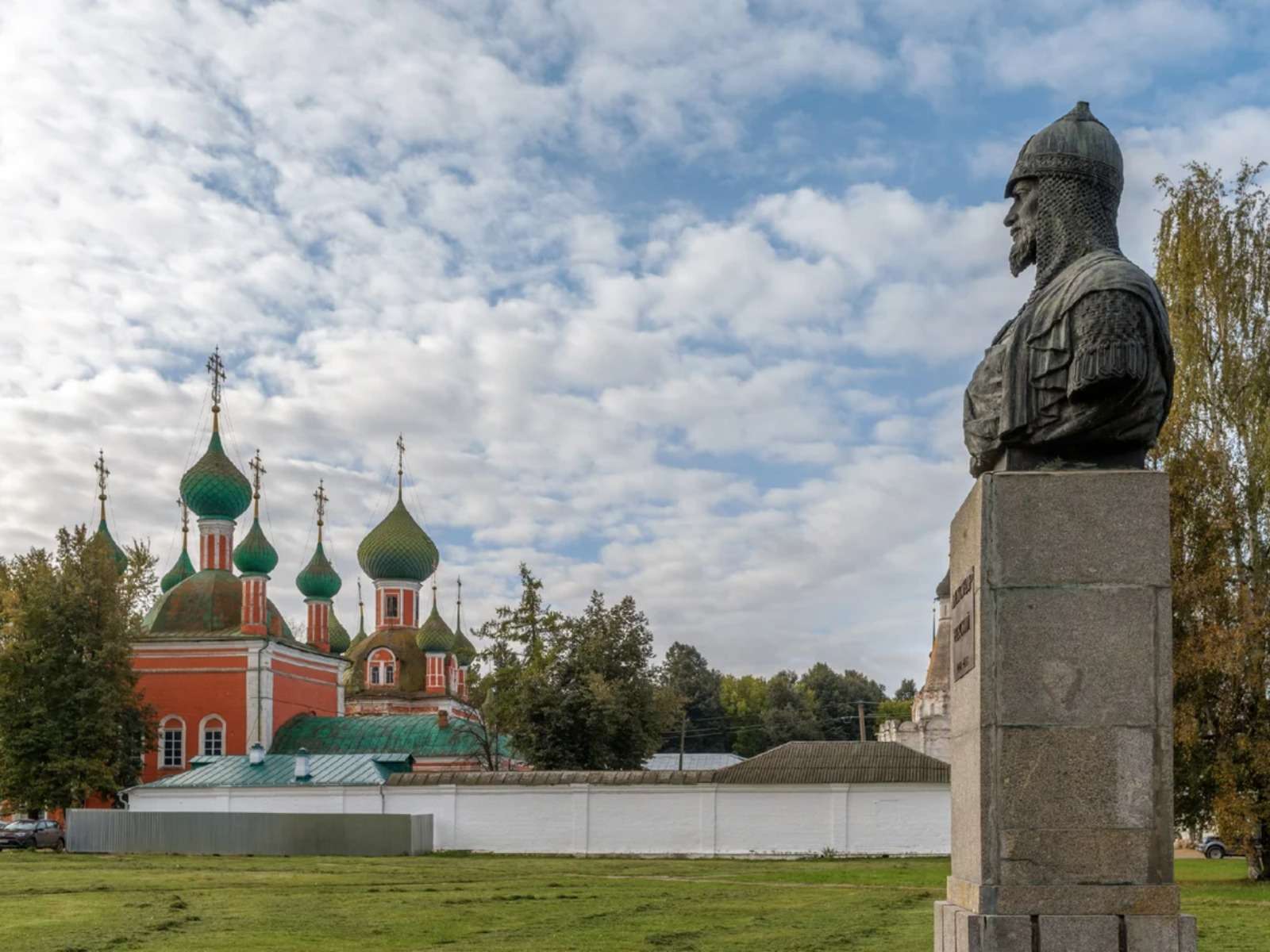
    Vladimir Icon Cathedral and Church of St. Alexander Nevsky

    🕍 Place of worship · 📜 Historic site

  16. World of Railways Museum — point on route “A Town of Fifty Churches and One Lake”

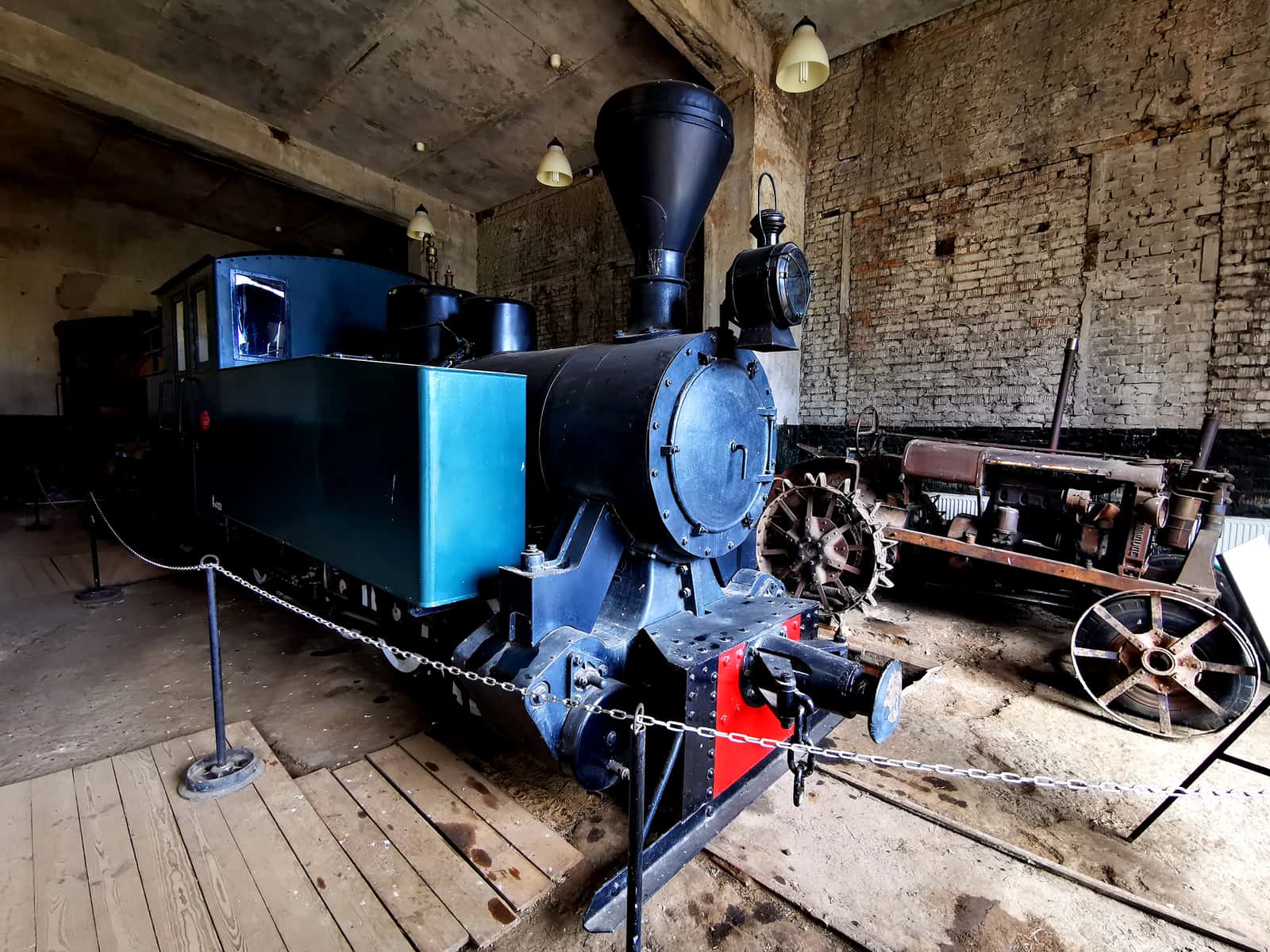
    World of Railways Museum

    🏛️ Museum

  17. Hand-Pump Trolley Ride — point on route “A Town of Fifty Churches and One Lake”

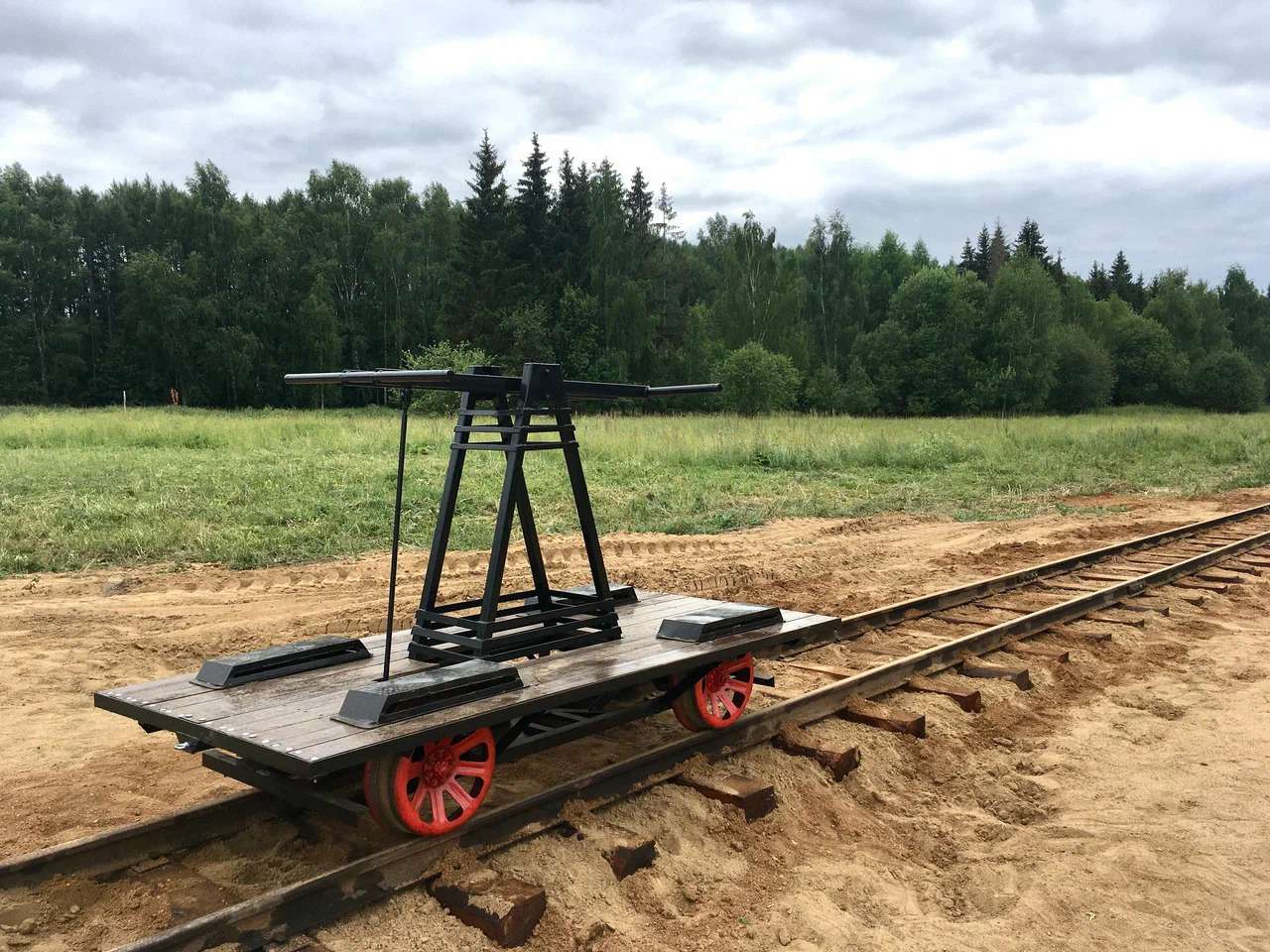
    Hand-Pump Trolley Ride

    ⚙️ Industrial site

  18. Botik of Peter I Museum-Estate — point on route “A Town of Fifty Churches and One Lake”

    Botik of Peter I Museum-Estate

    🏛️ Museum · 🏟️ Architectural landmark · 📜 Historic site

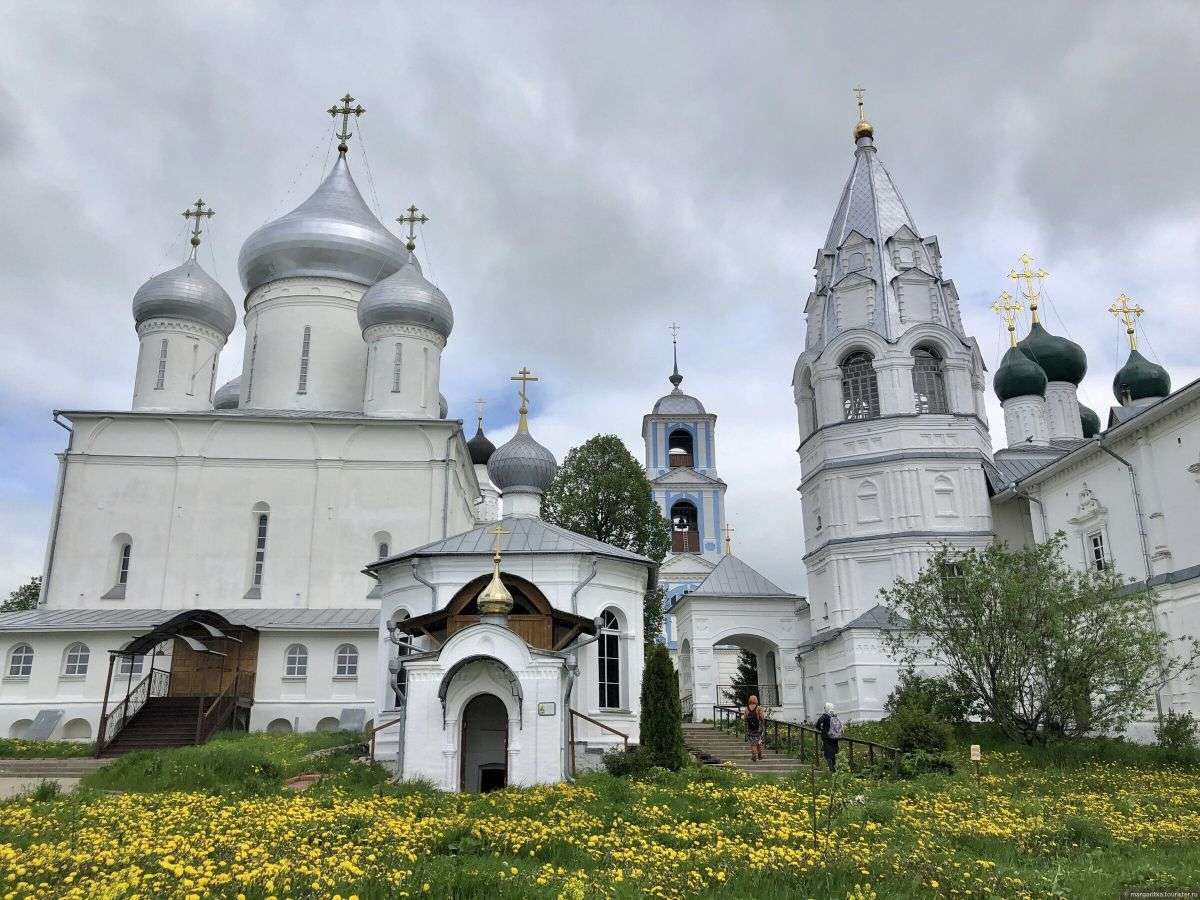
St. Nikita Monastery in Pereslavl-Zalessky

Point on route “A Town of Fifty Churches and One Lake”

St. Nikita Monastery — point on route “A Town of Fifty Churches and One Lake”

Point 10

St. Nikita Monastery

🕍 Place of worship • 📜 Historic site

Historical Background

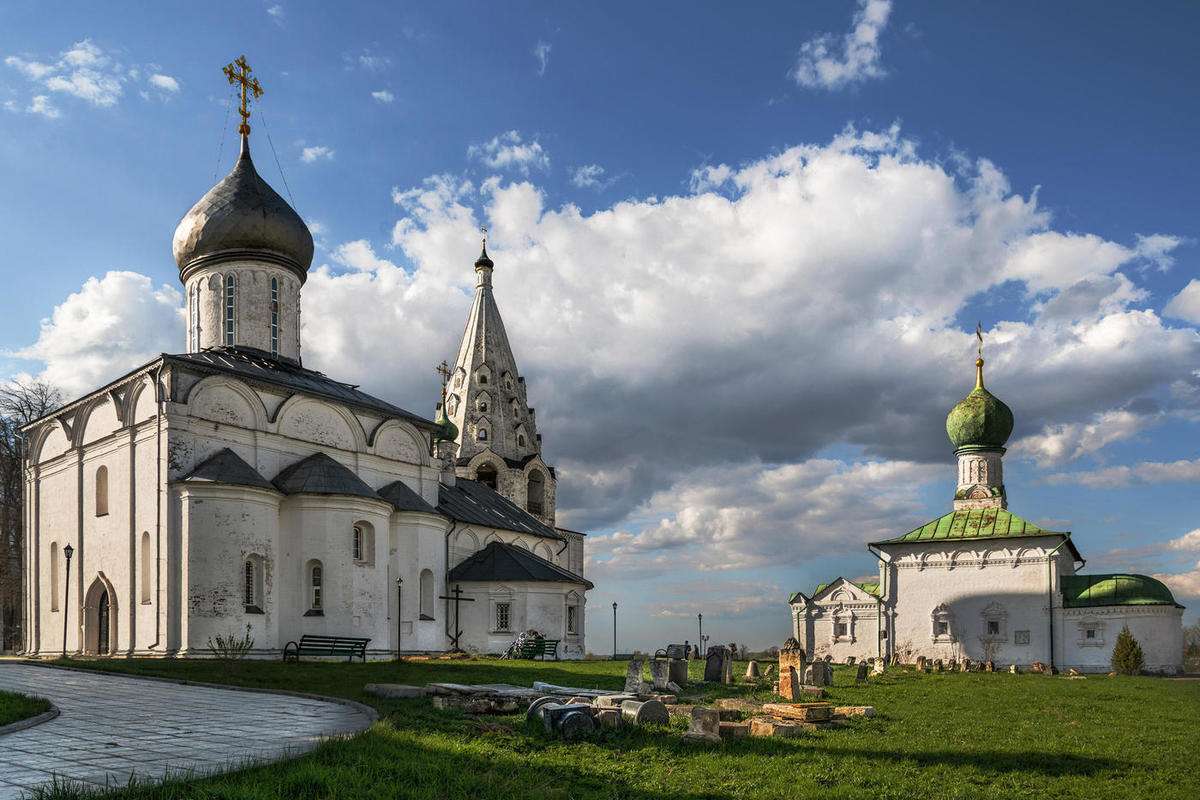
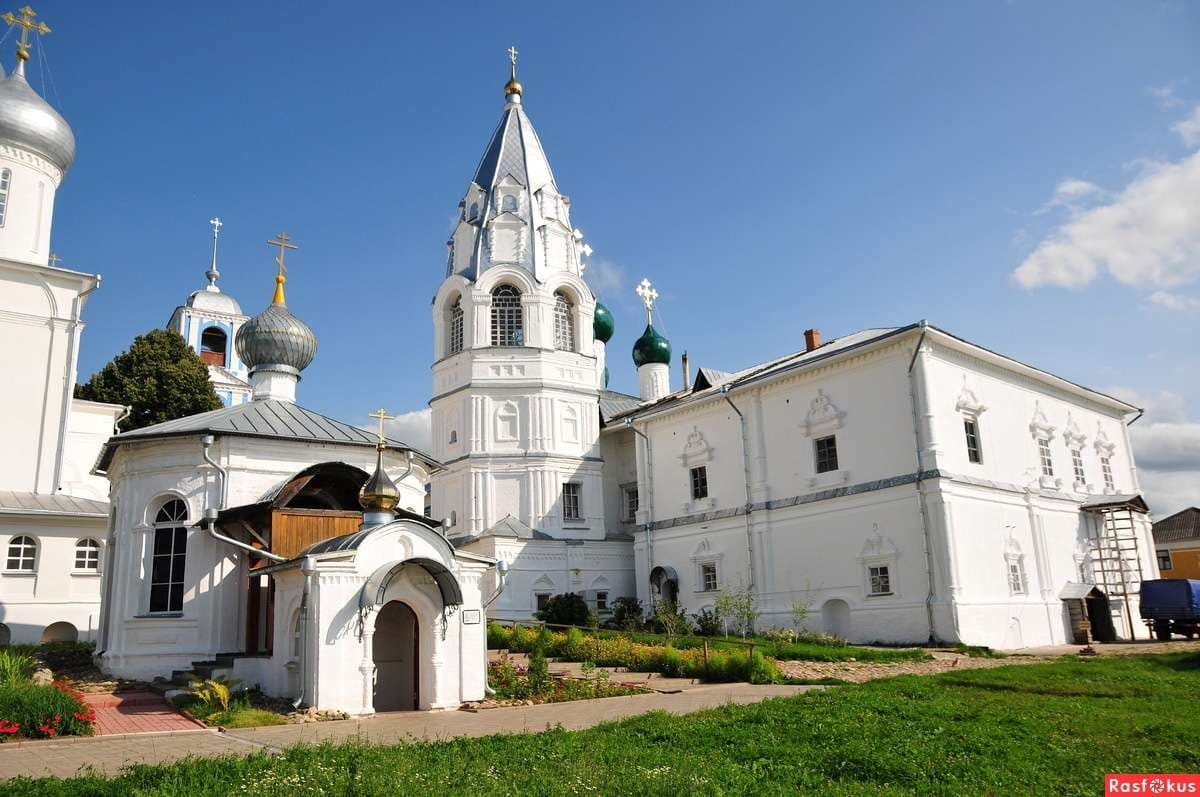
The white walls of the St. Nikita Monastery stand not far from Lake Pleshcheyevo. It has three churches: one dedicated to the Great Martyr Nikita, a refectory church of the Annunciation, and a church of the Archangel Gabriel. Founded around the 11th–12th centuries, it is believed to have been the first Christian cloister in these lands. The monastery's appearance changed in 1528–1562. By order of Vasily III, a cathedral was built on the site of the old stone Church of St. Nikita, and later Ivan the Terrible completed the ensemble in memory of his father and came to the consecration. Of course, the monastery did not escape being burned and plundered. Its walls withstood a siege by the Poles, but in 1611 the Lithuanians burned all its churches. Restoration began with the participation of the Romanov royal family. In 1918 the monastery's property was nationalized and the monastery itself was abolished. Objects of historical value were handed over to a museum. The monastery buildings came to house a rest home for scientists, as well as a school, apartments, and a prison. In 1933 the iconostasis of the St. Nikita Cathedral was burned.

Today

In 1993 the St. Nikita Monastery was returned to the Russian Orthodox Church. A new chapter in its history began: large-scale reconstruction and restoration of the buildings.

The Story of St. Nikita

The chief relics of the monastery are the relics and chains* of St. Nikita the Stylite, to whom the main church is dedicated. According to church chronicles, Nikita died a martyr's death in 1186 and was canonized. He had the gift of healing, wore iron chains, and even prayed in a deep, well-like pillar. The wrought-iron chains, the very same iron chains with three crosses, can still be seen in the monastery today. Chains* are heavy chains or any metal objects worn by penitent monks, with the blessing of their spiritual director, to mortify the flesh.