A Unique Cathedral
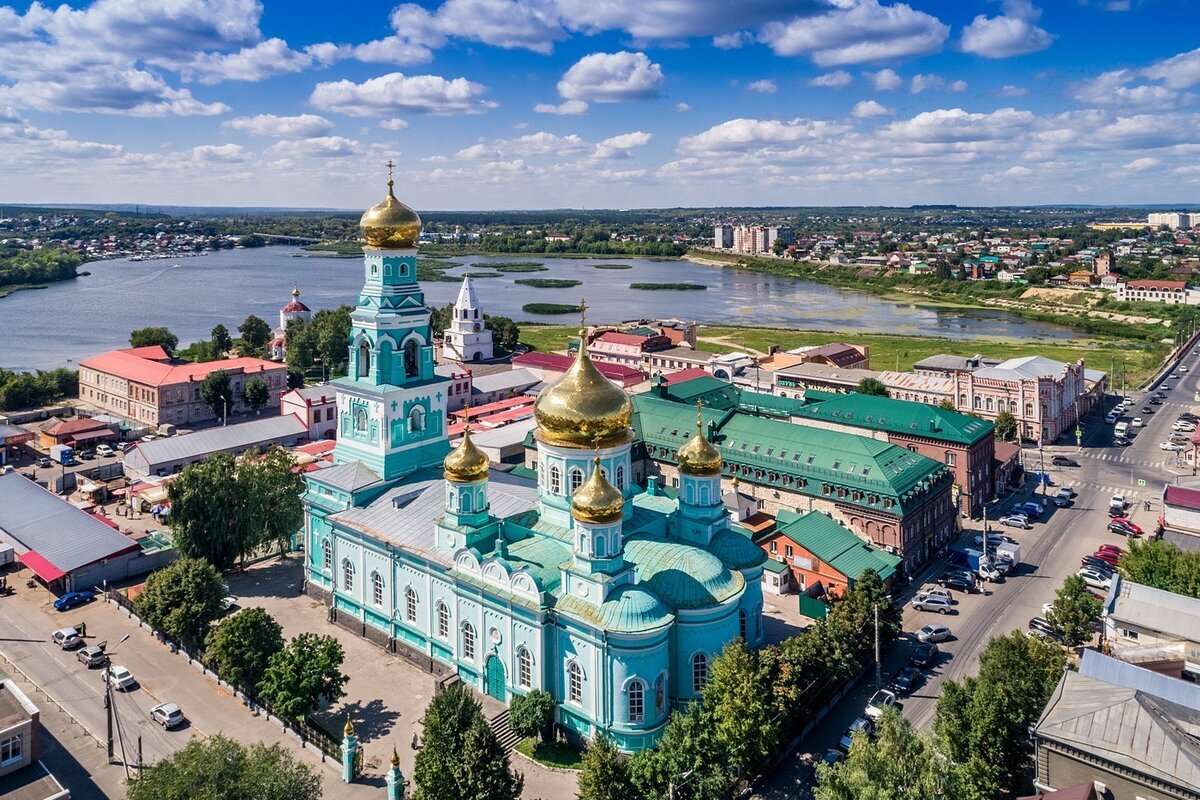
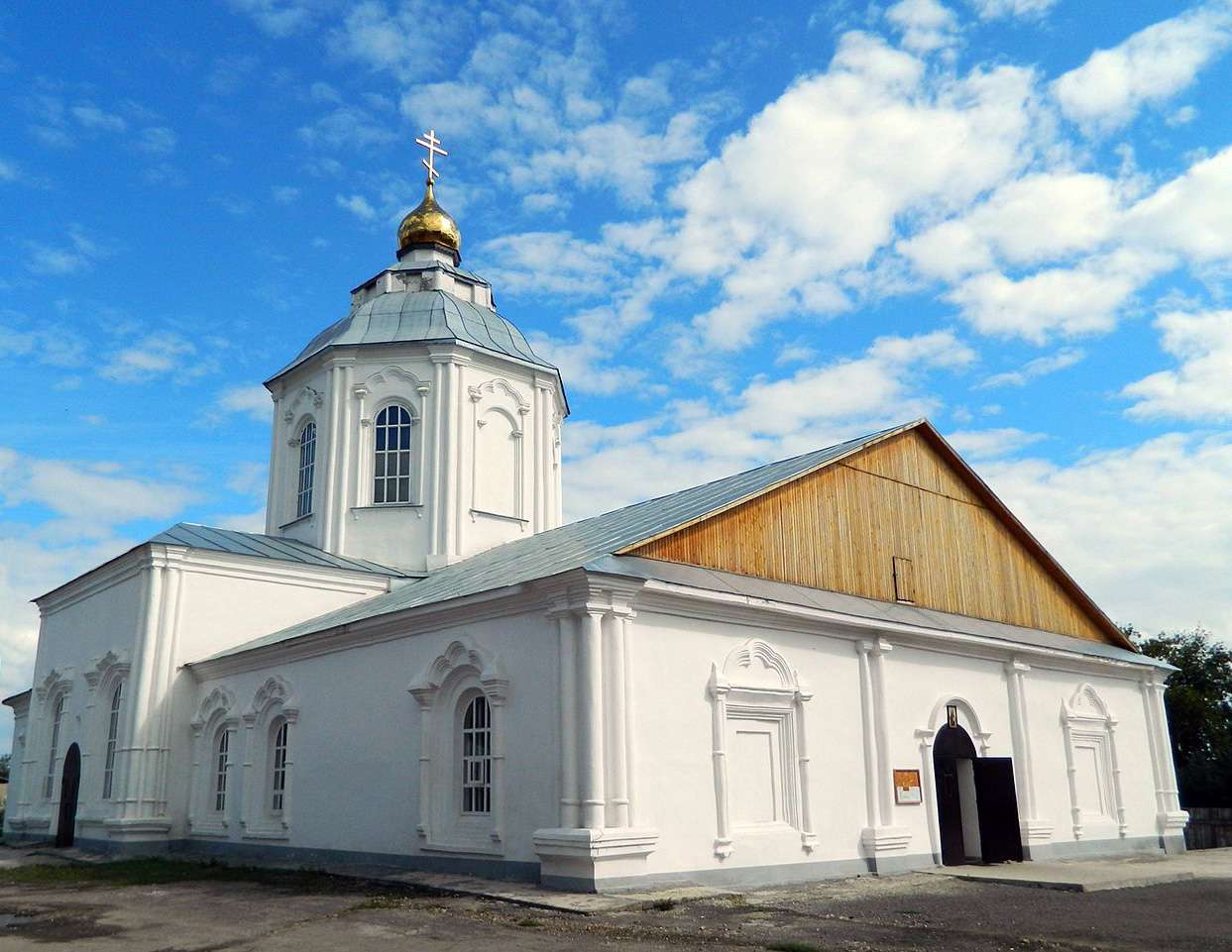
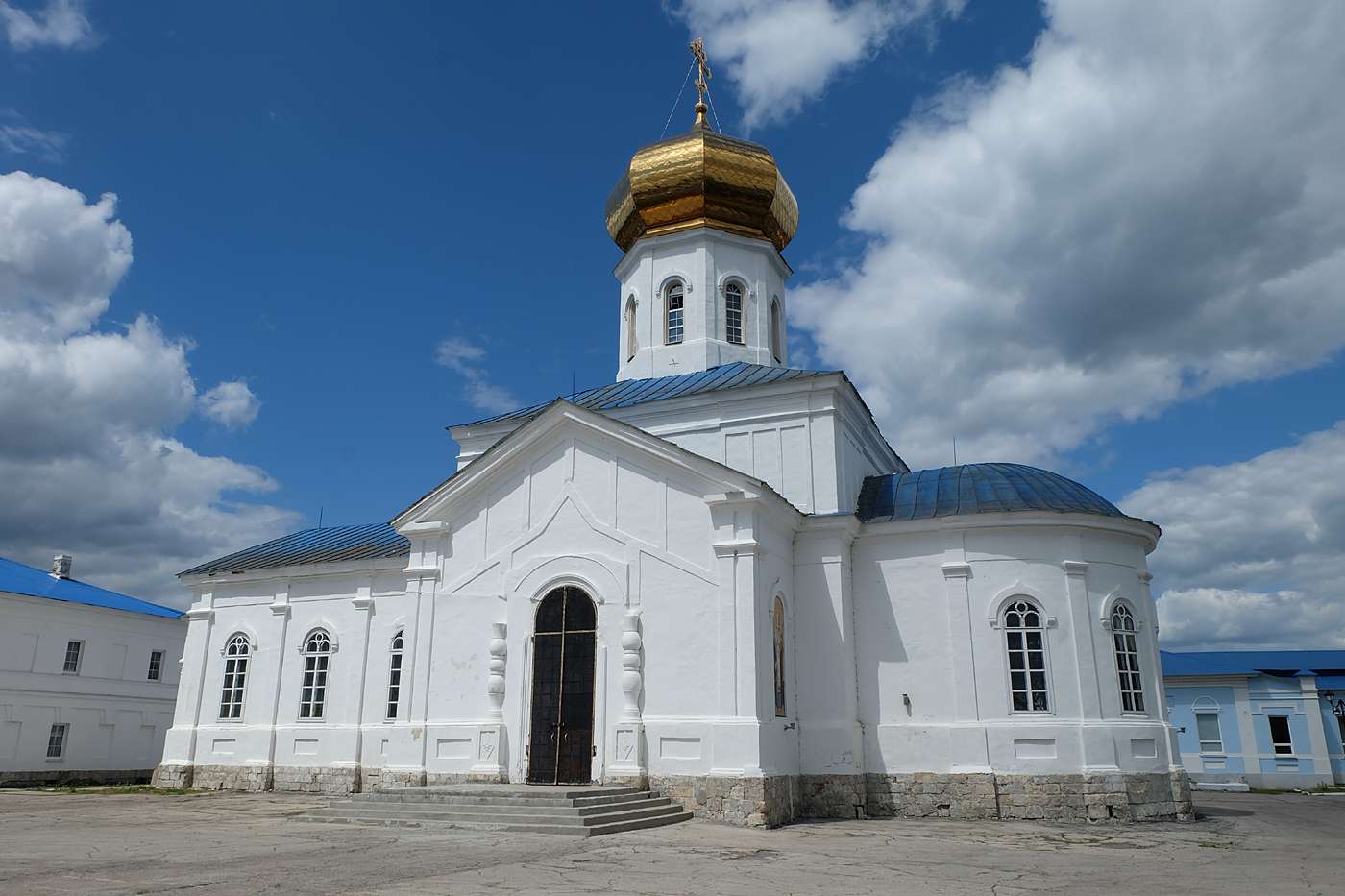
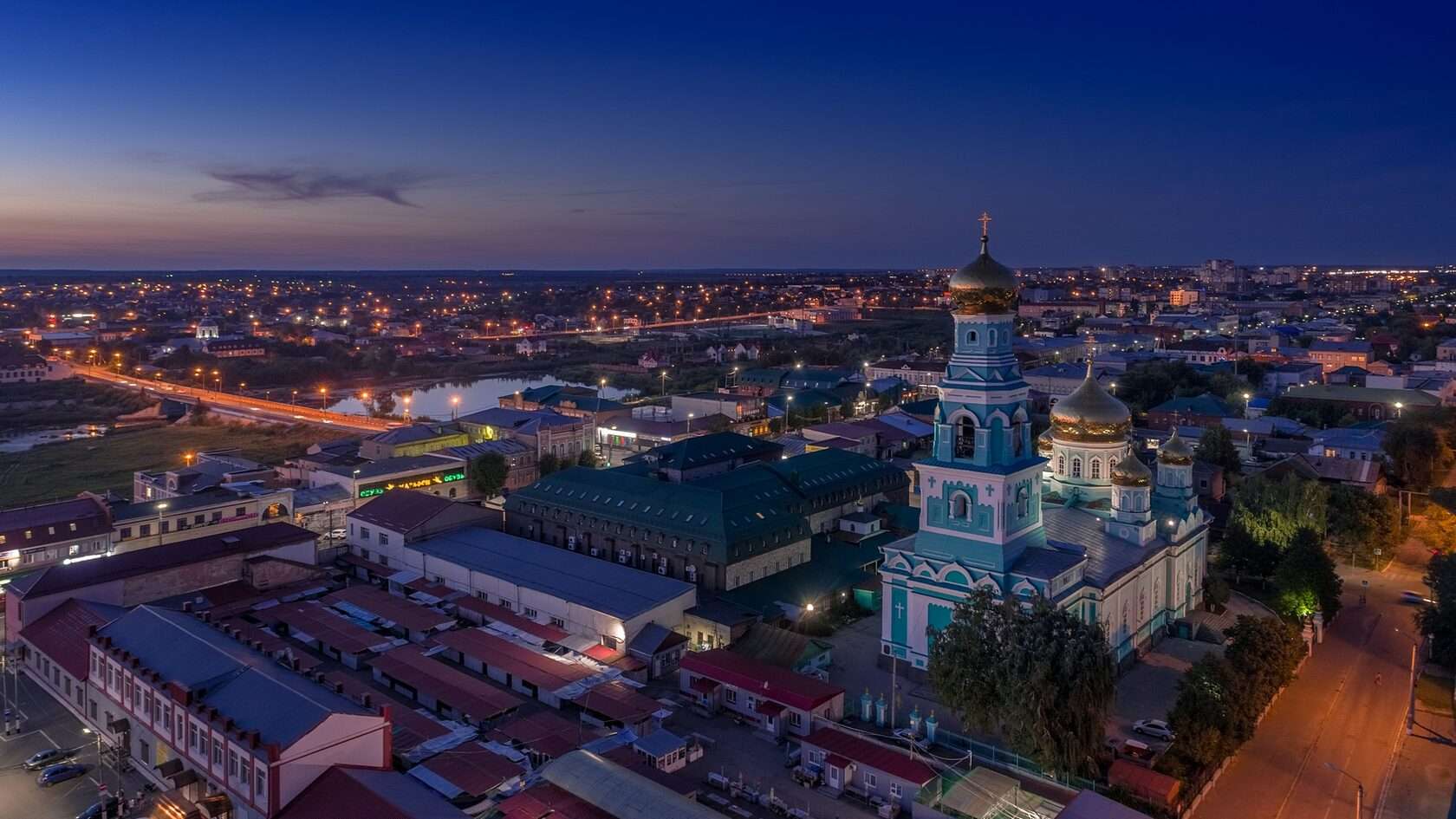
The Kazan Cathedral is unique: it is one of only two buildings in Syzran (the other is the Ascension Cathedral of the monastery of the same name) built to K. A. Thon's model designs. According to experts, few such monuments survive in the provinces.
The majestic five-domed cathedral originally had two altars: the main one dedicated to the Kazan icon of the Mother of God, and one in the side chapel dedicated to St. Alexander Nevsky. After the war two more side altars were added in the cathedral, in honor of the Presentation of the Most Holy Mother of God in the Temple and of Prince Vladimir, Equal to the Apostles.
Historical Background
The ceremonial laying of the foundation took place on July 26, 1866, and construction was completed in 1872.
It cost 70,000 rubles. A new bell tower was erected in 1895.
“It Does Not Burn in Fire…”
The cathedral faced a great trial on July 5, 1906, during the terrible fire that destroyed most of the town. That day the cathedral's watchman, the non-commissioned officer Yakov Churkin, became a true hero to the people of Syzran. Together with his friends he rushed to save the cathedral from the fire and from looters.
In the 1930s the church was closed, but during the Great Patriotic War, in 1944, it reopened to parishioners.
Architecture
The Cathedral of the Kazan Icon of the Mother of God, built to a standard design by Konstantin Thon, followed the strictest traditions of Russian church architecture of its time.
The church's main gates, with a handsome wrought-iron grille, convey a sense of peace and solemnity. They take the form of a large arch resting on eight pillars and are topped by a dome with a cross, set on many twisted metal supports. Across the whole curve of the arch, in beautiful golden script, runs the saying of Jesus Christ from the Gospel of Matthew: “Come unto me, all ye that labor and are heavy laden, and I will give you rest.”
Interior
The walls of the Kazan Cathedral were originally painted by Moscow masters, the icons were painted by icon painters of the Palekh school,* and the Samara merchant Fyodor Bychkov provided the carved iconostasis.
The paintings and icons were renovated in the 1980s by the well-known Orthodox artist Sergei Vasilyevich Saksonov, and in the 21st century by Natalya Olegovna Pyatkova.
Shrines of the Cathedral
The cathedral holds the town's chief shrines: the icons of the Kazan Mother of God (which, according to tradition, saved the people of Syzran from a cholera epidemic in 1830) and of the Feodorovskaya Mother of God. The Feodorovskaya image of the Mother of God has been known in Rus since the early Middle Ages and is venerated as the protector of brides, family well-being, and childbirth. The Feodorovskaya icon of the Mother of God that appeared near Syzran in 1713 is one of the town's main shrines.
Today the Kazan Cathedral is the center of the large Syzran deanery.
_*Palekh school of icon painting_ — a school of Russian icon painting that began to develop in the 17th century. The main sources of inspiration for the Palekh masters were the Moscow and Suzdal traditions of icon painting. Palekh icons are distinguished by especially fine brushwork, soft, flowing lines, and a restrained palette. Robes and ornament gleam with gold, the symbol of light.
 18 points
 5 km
 4 hours