 16 points
 4 km
 4 hours


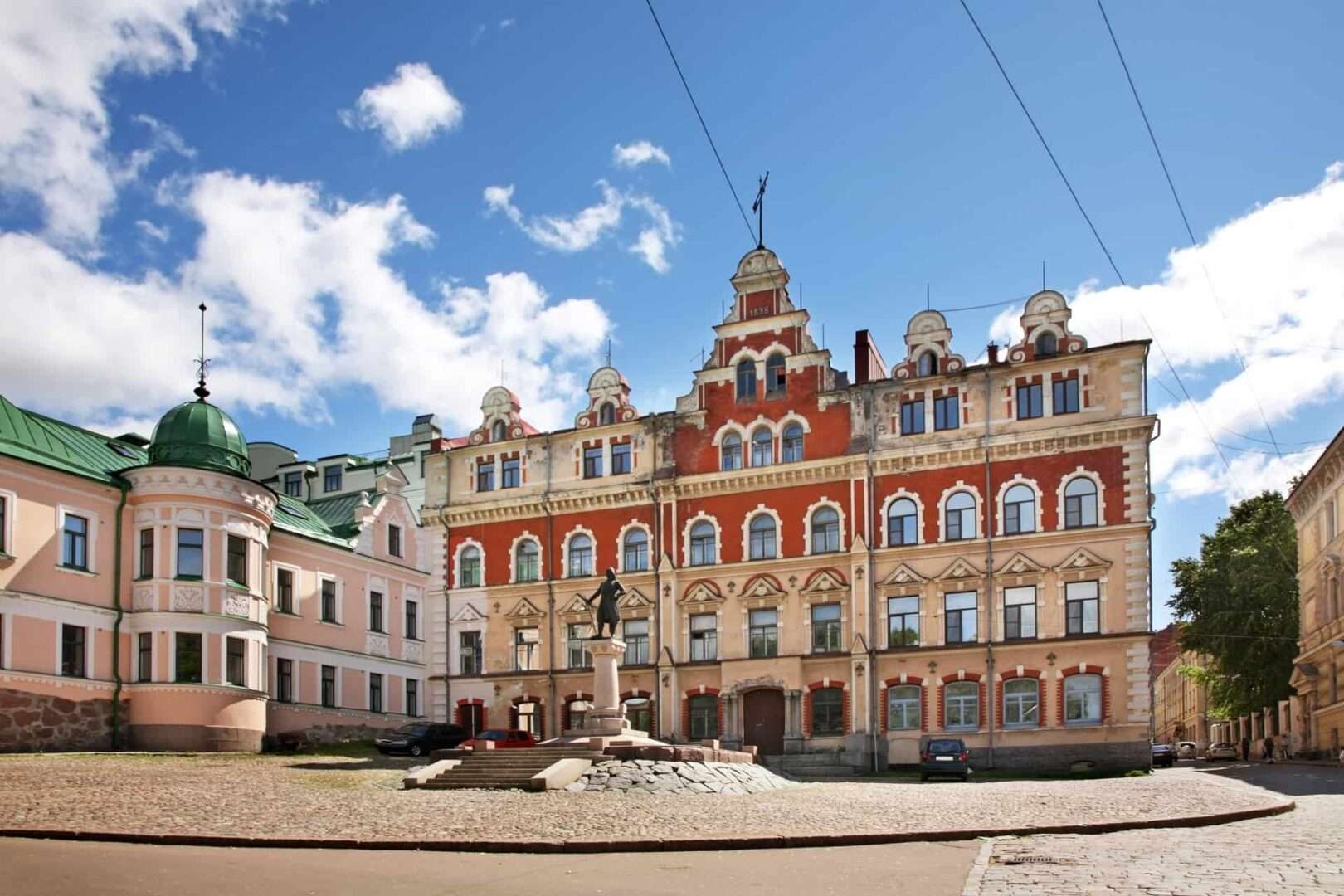


Historical Background
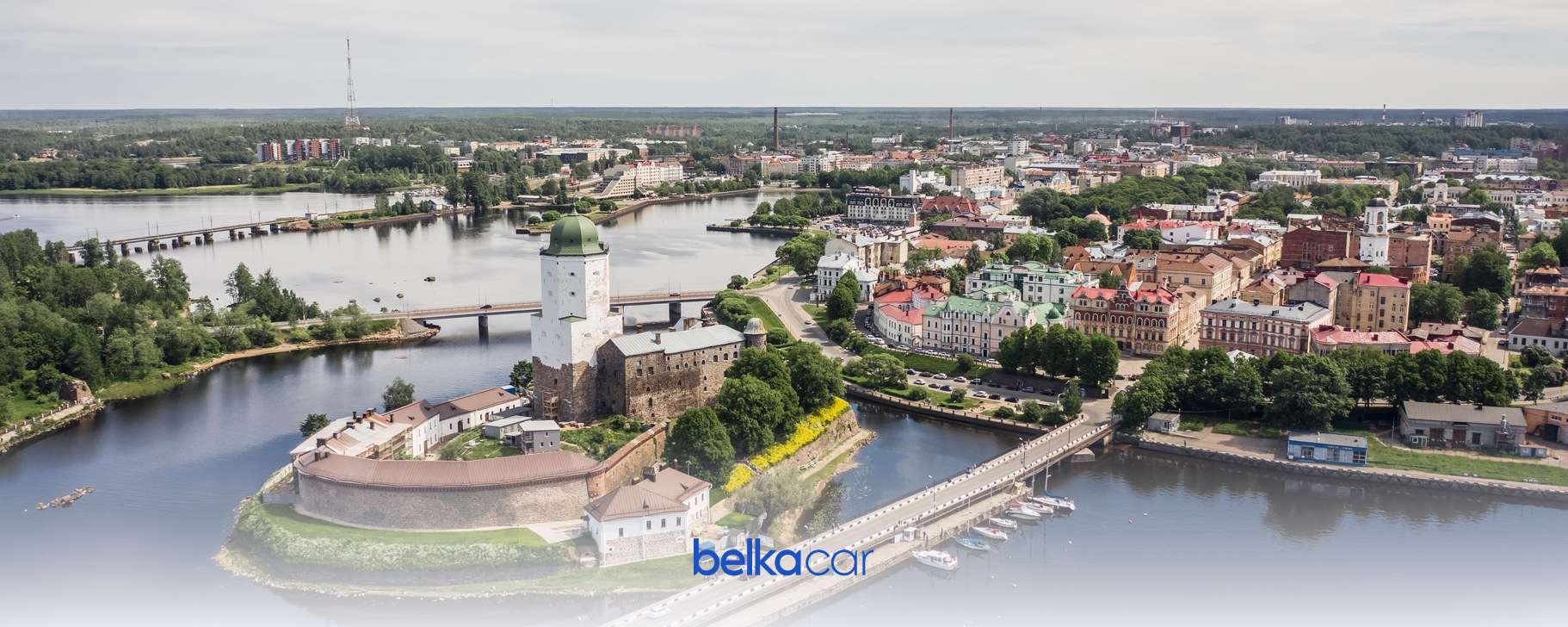
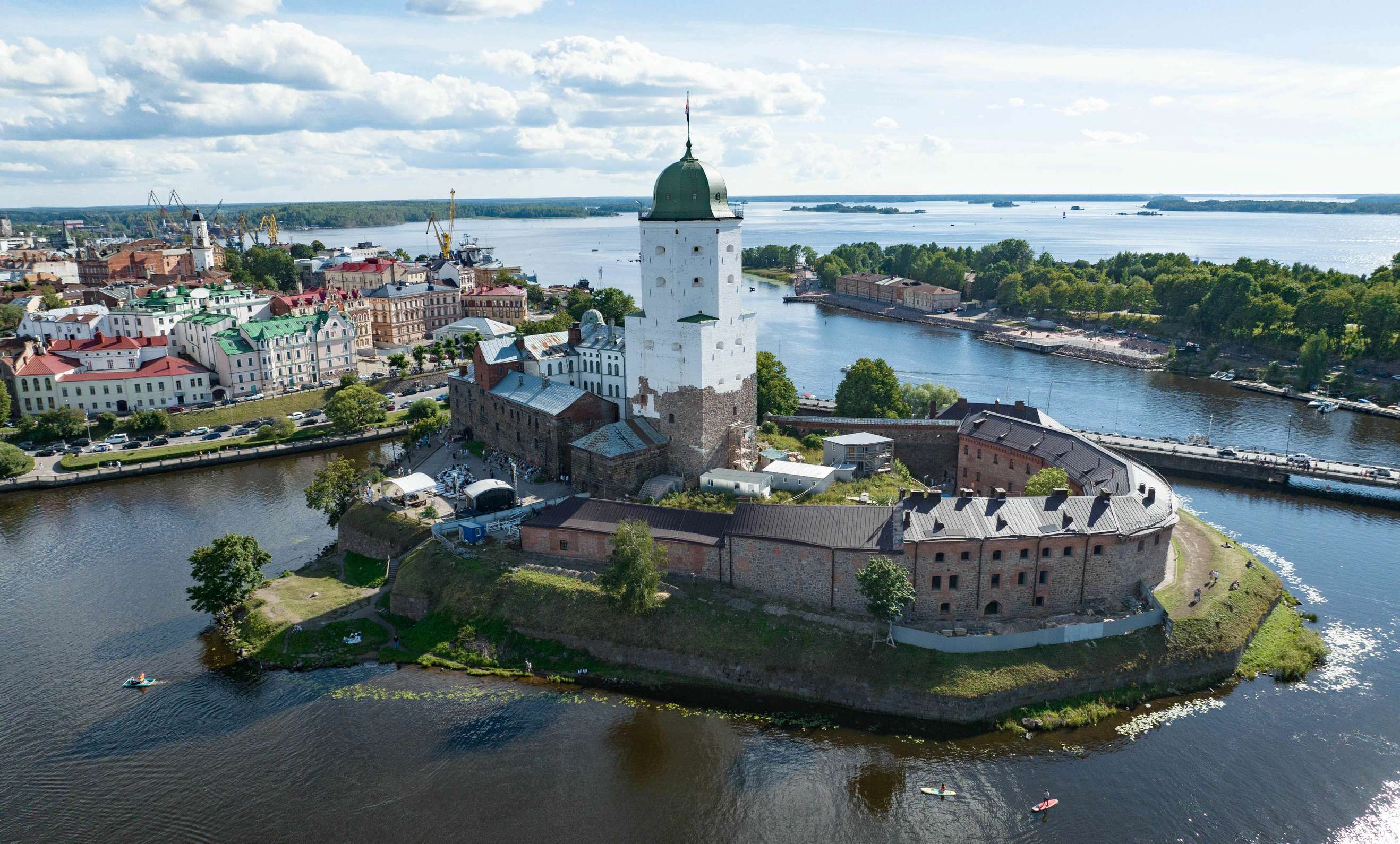
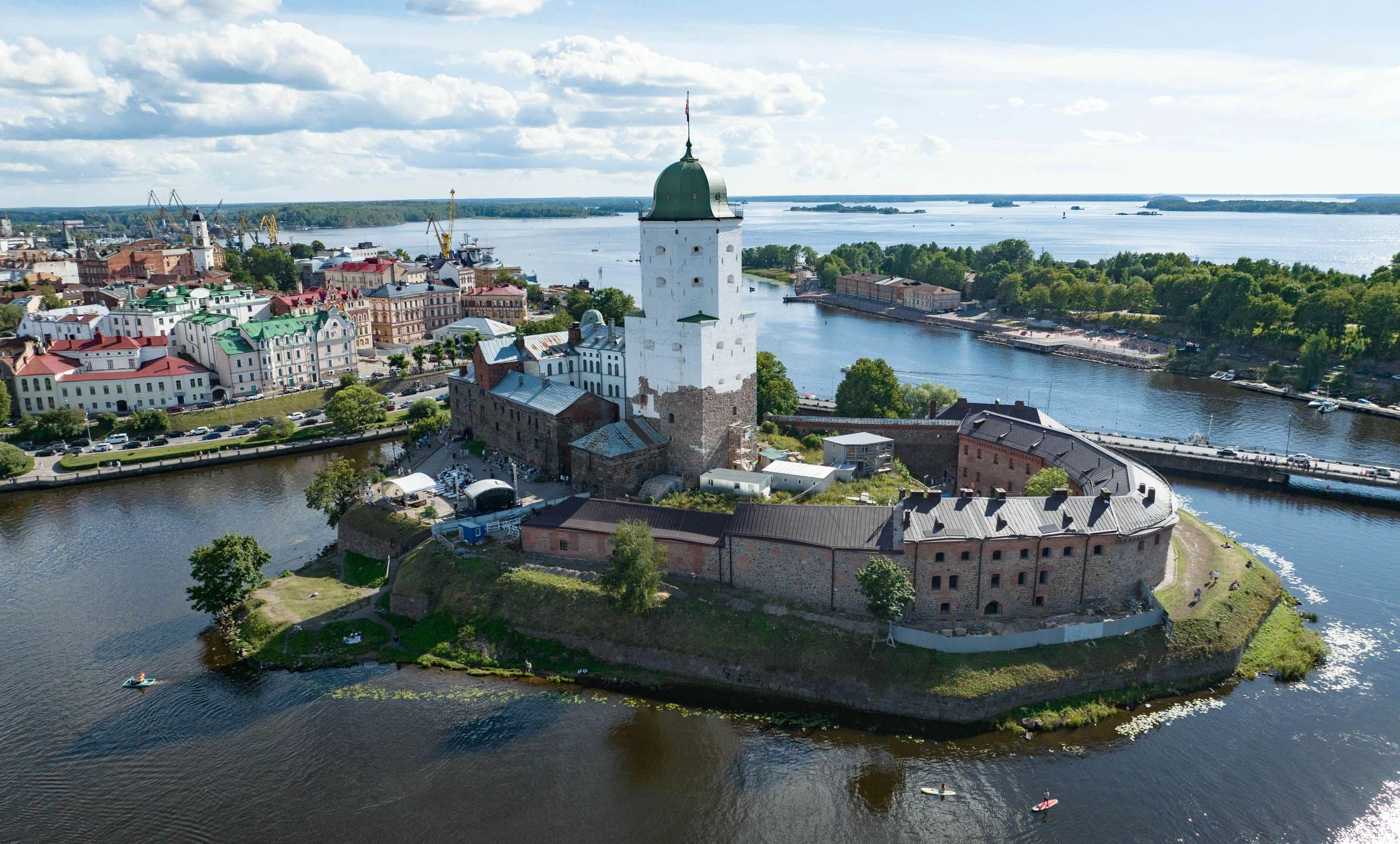
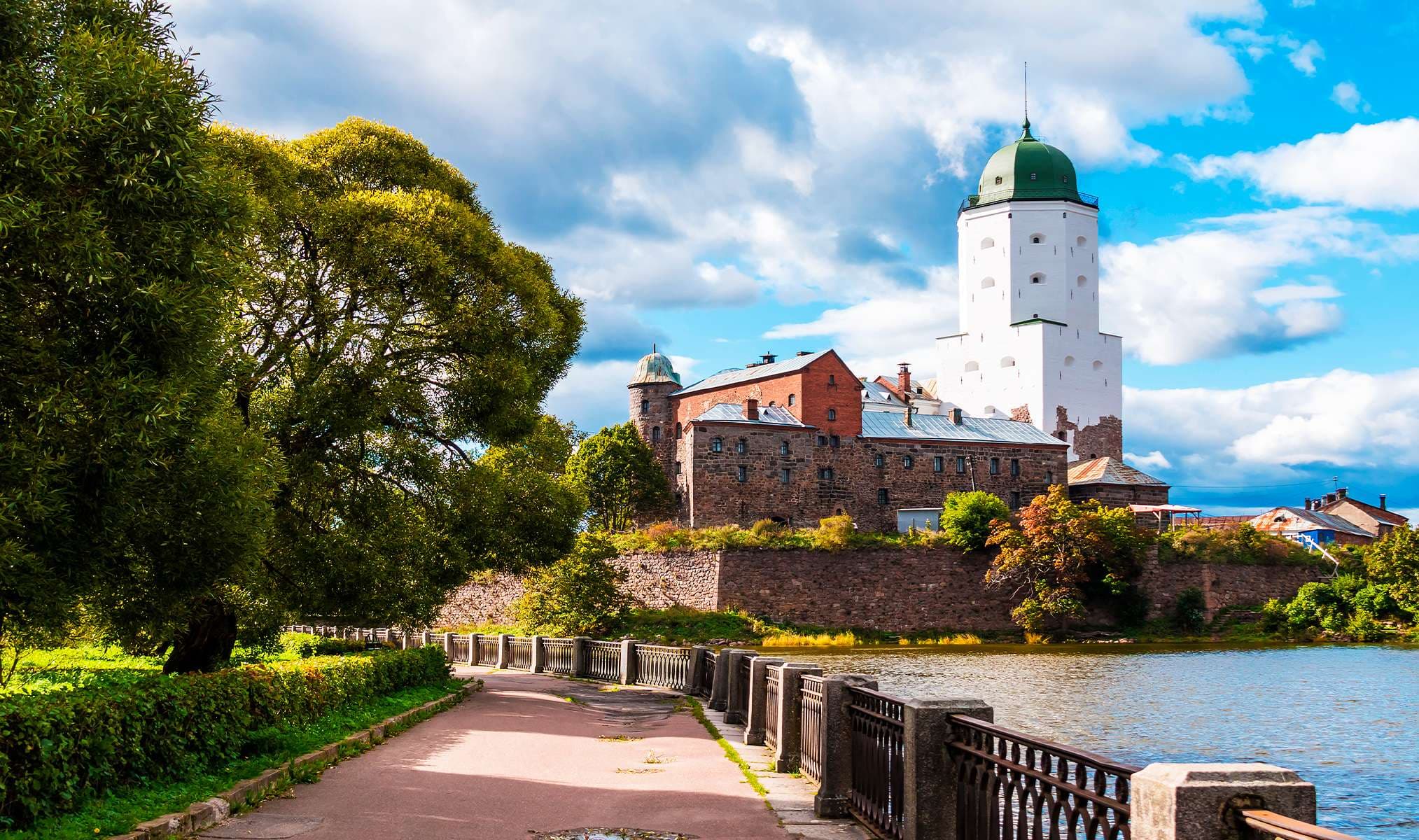
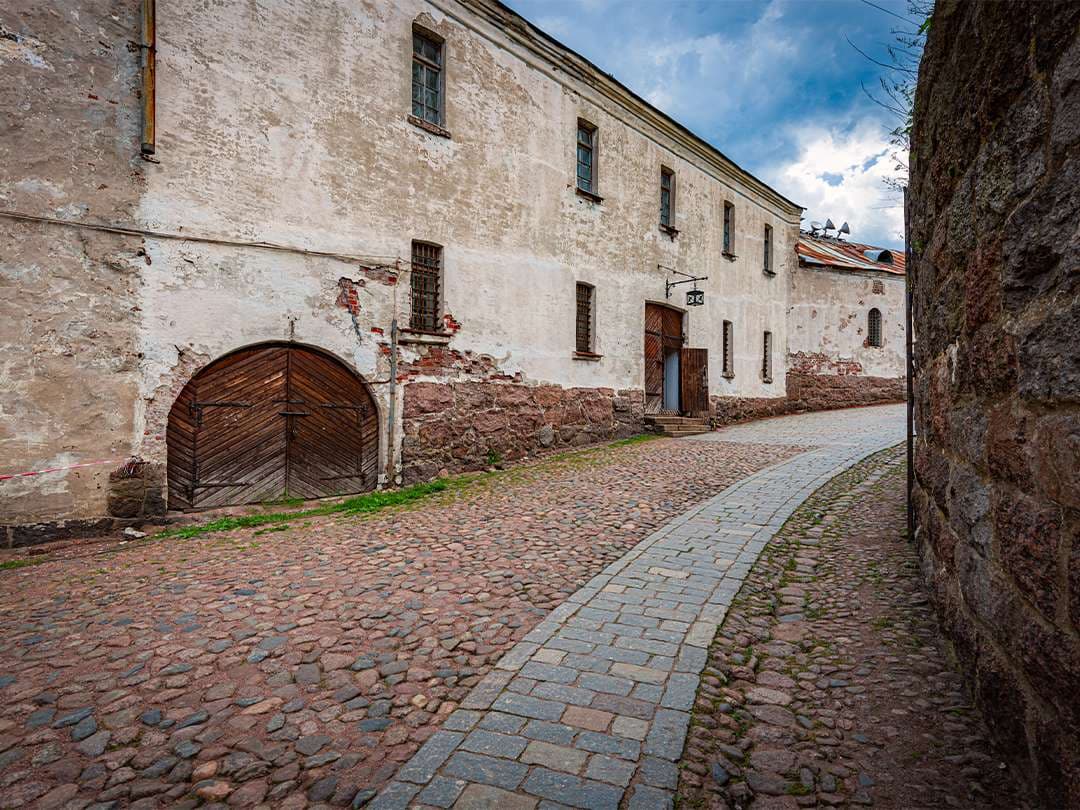
The heart of the town, its main sight and calling card. The medieval castle stands on an island between two bridges and separates the Gulf of Finland from Salakkalahti Bay. Until the 17th century it was the residence of the Swedish governors who ruled the Vyborg fief. It is one of the few surviving monuments of medieval Western European military architecture in Russia. Today it houses a state museum. The history of the place goes back to the 13th century, when there was a Karelian settlement here and the island served as a lookout post. During the Third Swedish Crusade the Karelians were conquered by troops led by Torgils Knutsson. In 1293 a castle was founded on the island and named Wiborg, which means “holy fortress” in Old Swedish. For several centuries the castle was Sweden's main frontier fortress in the east. In 1710 the troops of Emperor Peter I besieged Vyborg Castle. Six weeks later the town surrendered, and the fortress became an outpost of the Russian Empire.