←Vyborg's Architectural Contrasts

Vyborg's Architectural Contrasts

Photo of route “Vyborg's Architectural Contrasts”
16 points4 km4 hours

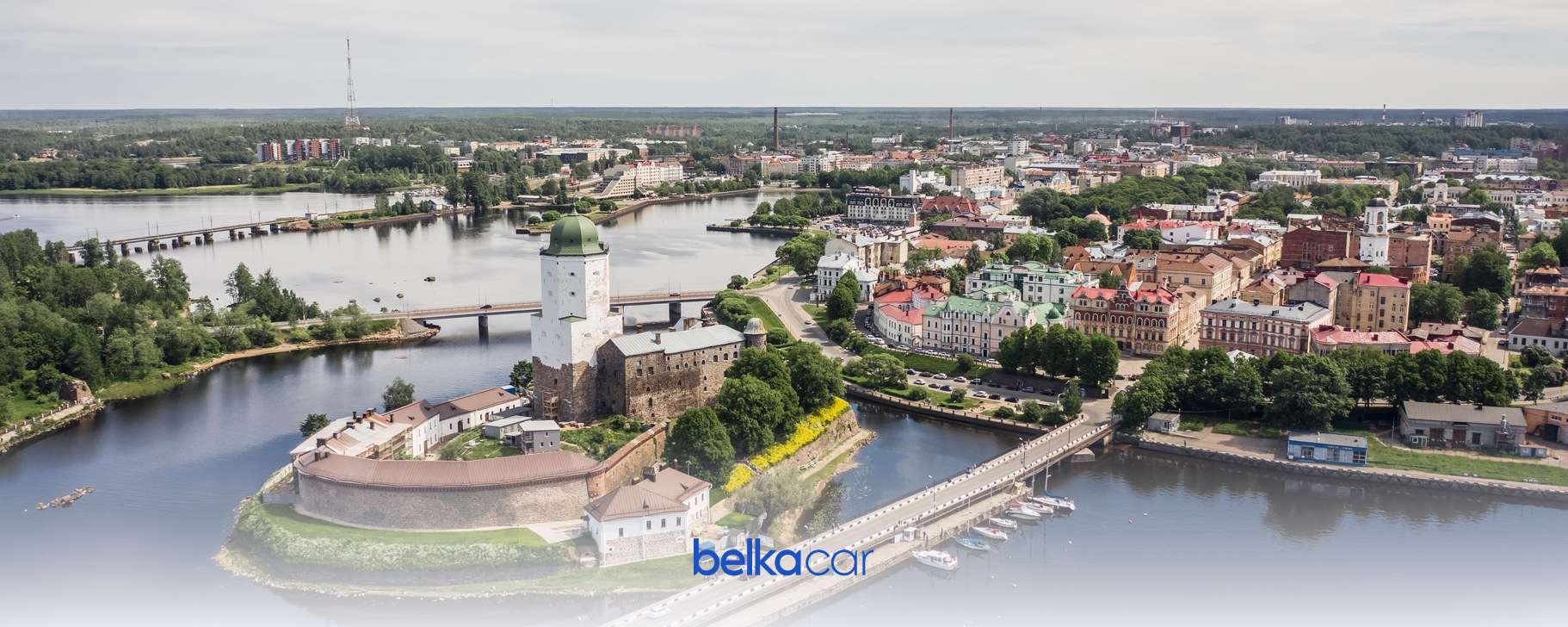
Vyborg is an atmospheric town where eras and cultures blend together. At different times it was ruled by Sweden, Finland and Russia. It has a real medieval castle, and the streets of the old town breathe history. Vyborg is the place to go if you want an unforgettable weekend. This route was designed specially for the BelkaCar car-sharing service.

Things to do

  • 📜 Learn the city's history
  • 🏛️🕰️ Compare the eras

Route points (16)

  1. Lallukka House — point on route “Vyborg's Architectural Contrasts”

    Lallukka House

    🏟️ Architectural landmark

  2. Bank of Finland Building — point on route “Vyborg's Architectural Contrasts”

    Bank of Finland Building

    🏟️ Architectural landmark · 📜 Historic site

  3. Market Square — point on route “Vyborg's Architectural Contrasts”

    Market Square

    ⛲ Square

  4. Round Tower — point on route “Vyborg's Architectural Contrasts”

    Round Tower

    🏯 Fortress remains · 📜 Historic site

  5. Burgher's Estate — point on route “Vyborg's Architectural Contrasts”

    Burgher's Estate

    🏟️ Architectural landmark · 📜 Historic site

  6. Church of St. Hyacinth (Knights' House) — point on route “Vyborg's Architectural Contrasts”

    Church of St. Hyacinth (Knights' House)

    🏛️ Museum

  7. Hackman House (Granite Palace) — point on route “Vyborg's Architectural Contrasts”

    Hackman House (Granite Palace)

    🏟️ Architectural landmark

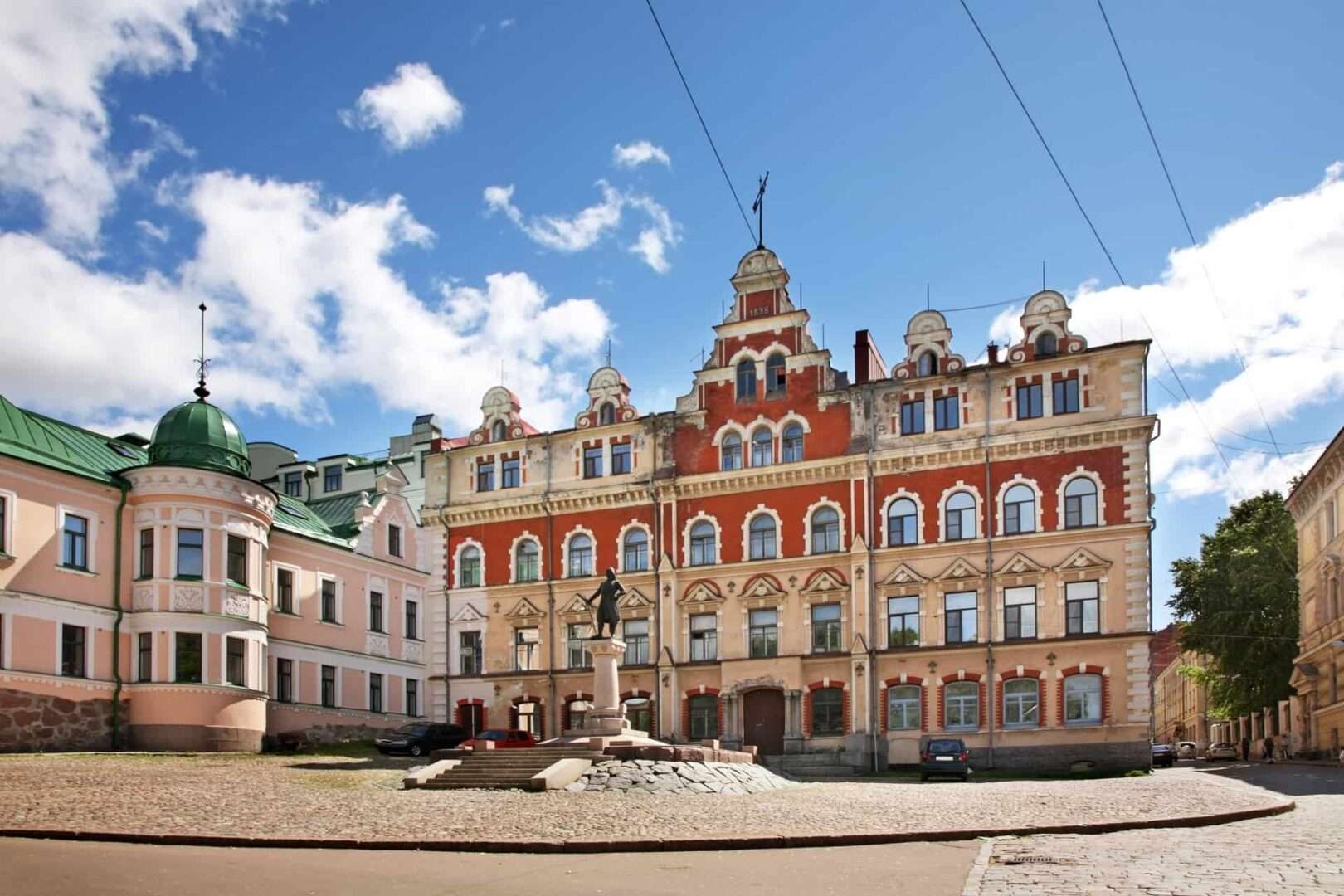
  8. Old Town Hall Square — point on route “Vyborg's Architectural Contrasts”

    Old Town Hall Square

    ⛲ Square · 🏟️ Architectural landmark · 📜 Historic site

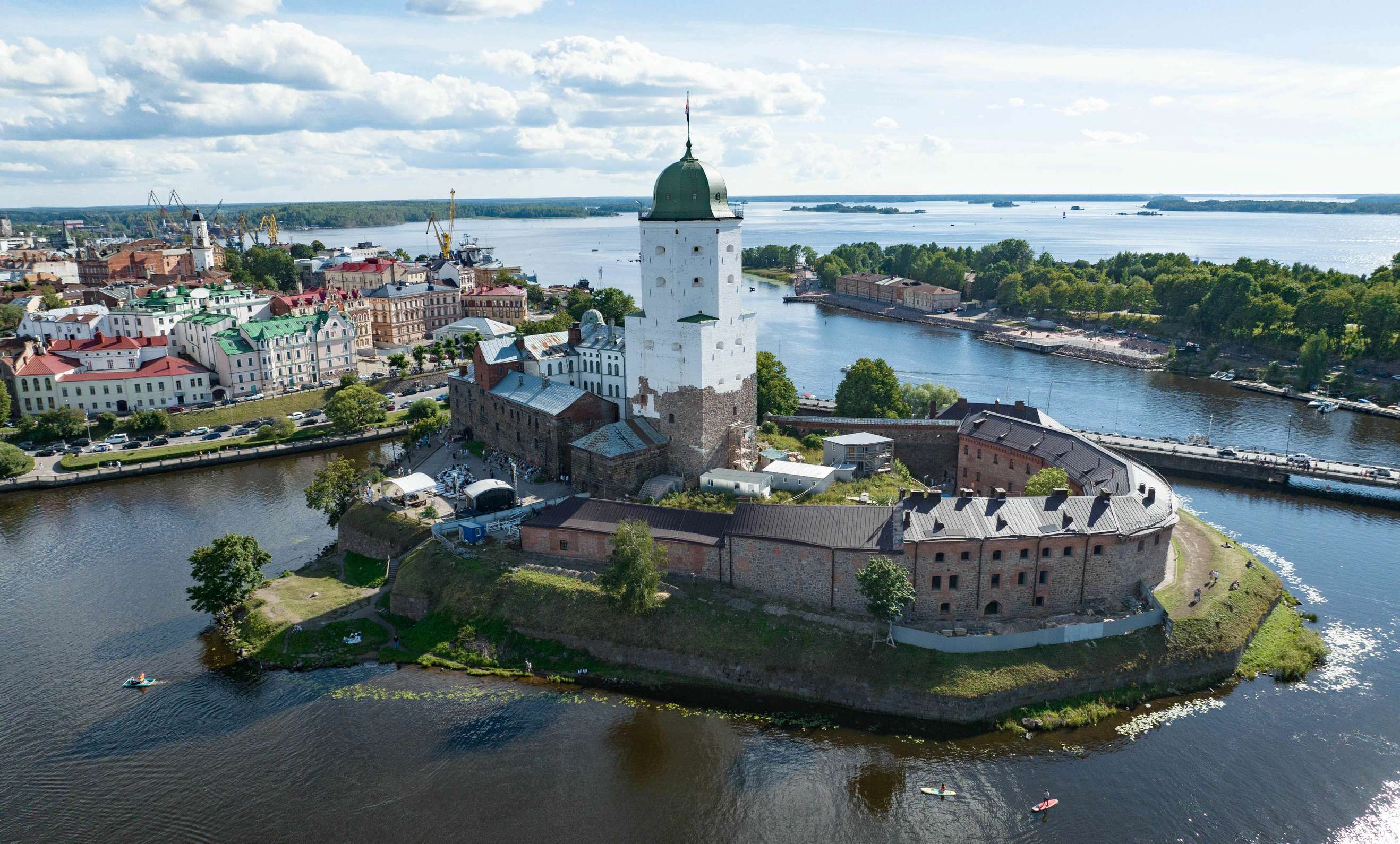
  9. Vyborg Castle and St. Olaf's Tower — point on route “Vyborg's Architectural Contrasts”

    Vyborg Castle and St. Olaf's Tower

    🏛️ Museum · 🏟️ Architectural landmark · 📜 Historic site · 🔭 Viewpoint

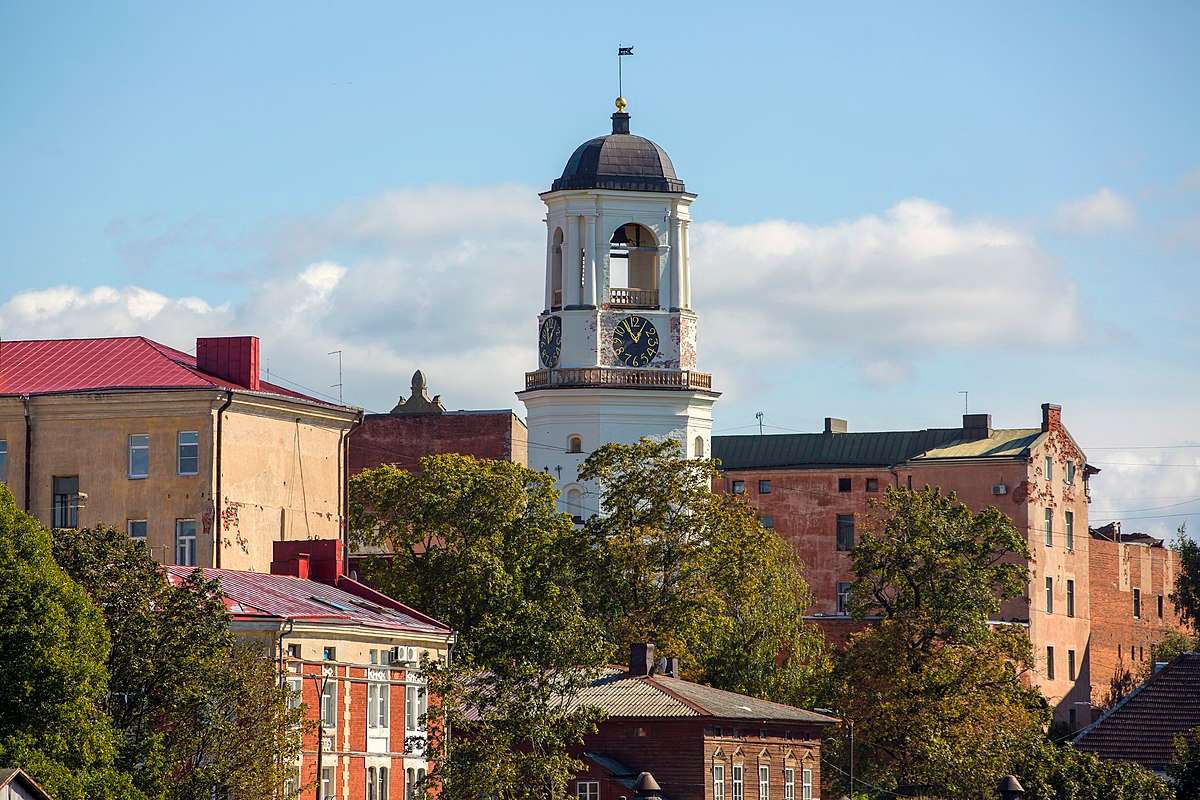
  10. Clock Tower — point on route “Vyborg's Architectural Contrasts”

    Clock Tower

    🏟️ Architectural landmark · 📜 Historic site · 🔭 Viewpoint

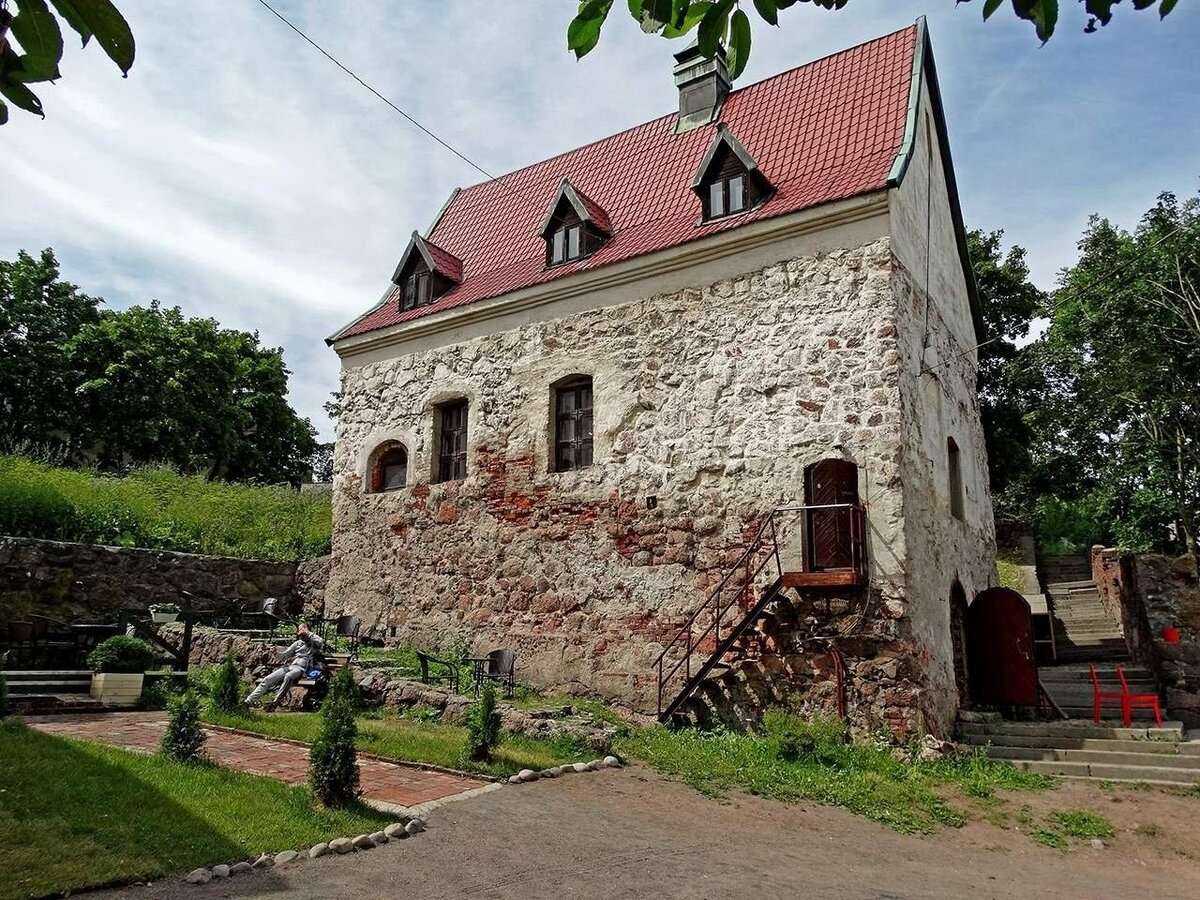
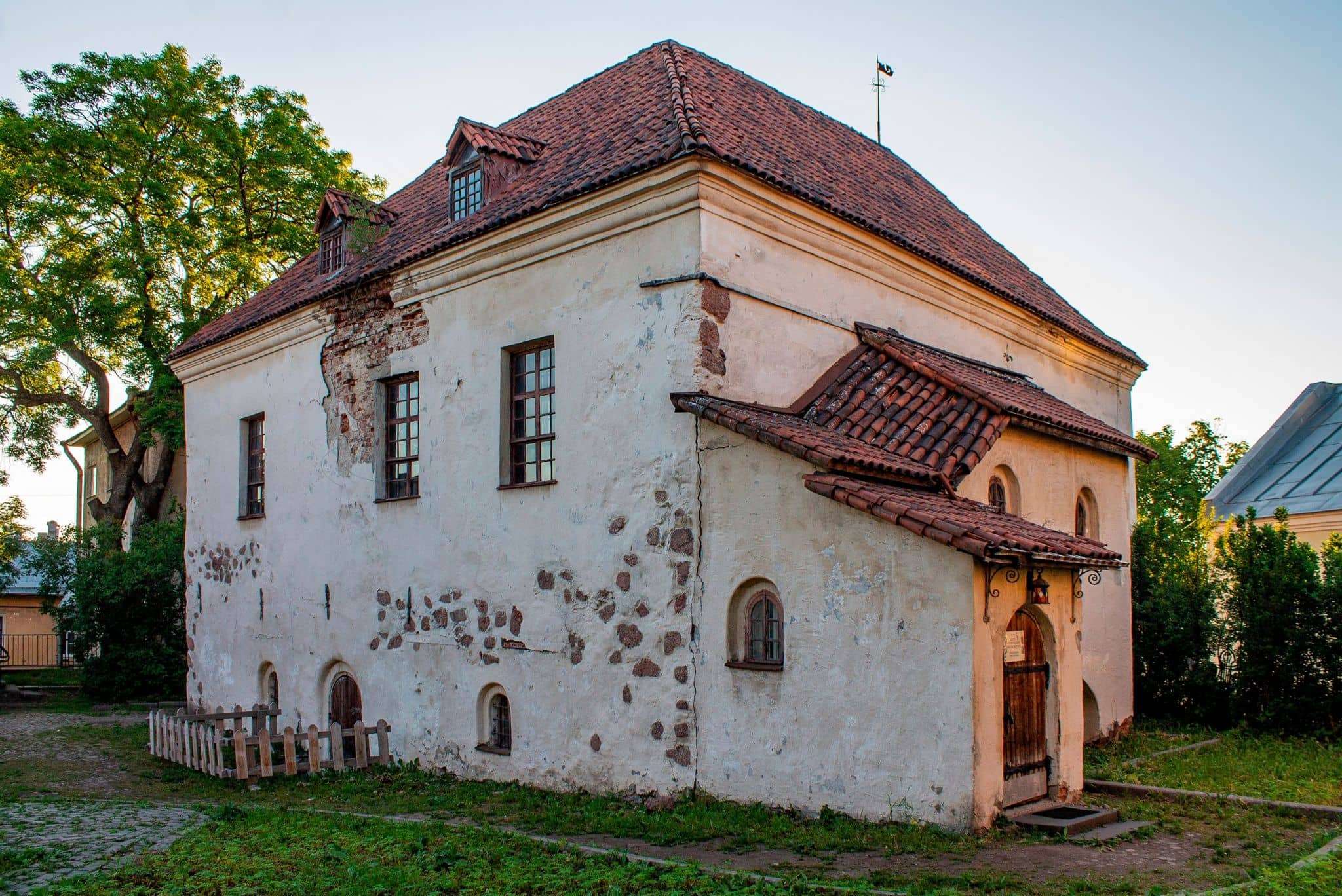
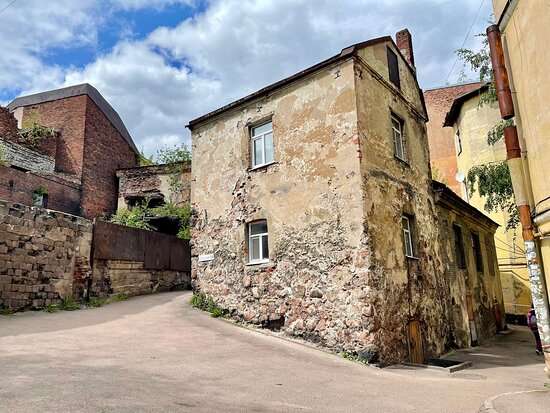
  11. Burgher's House: Russia's Oldest Residential Building — point on route “Vyborg's Architectural Contrasts”

    Burgher's House: Russia's Oldest Residential Building

    🕵️ Urban legend

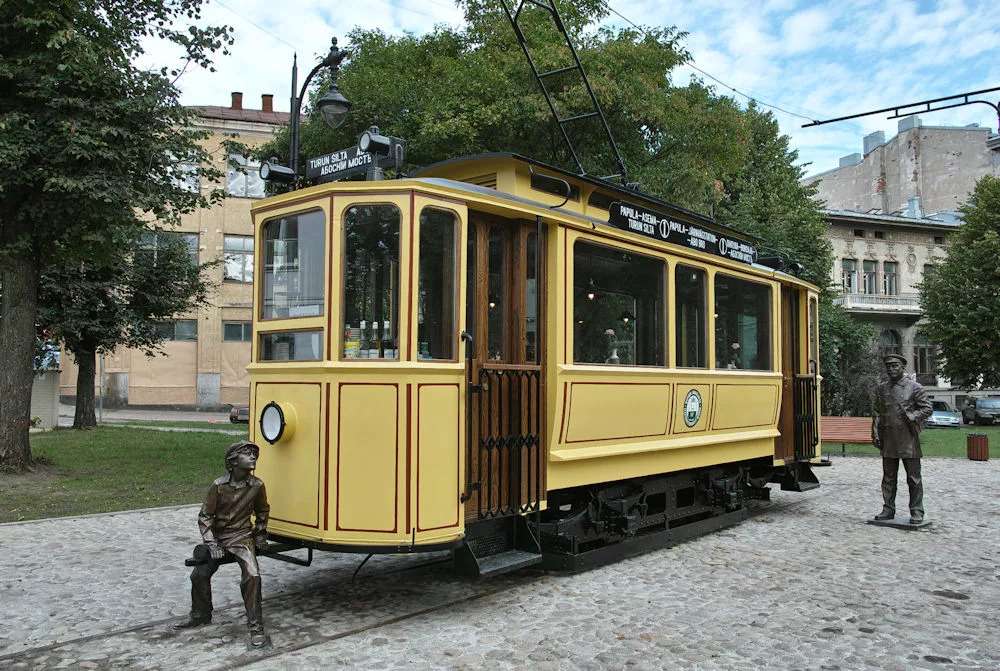
  12. Vyborg Tram — point on route “Vyborg's Architectural Contrasts”

    Vyborg Tram

    🎨 Art installations

  13. Cathedral of Sts. Peter and Paul — point on route “Vyborg's Architectural Contrasts”

    Cathedral of Sts. Peter and Paul

    🕍 Place of worship

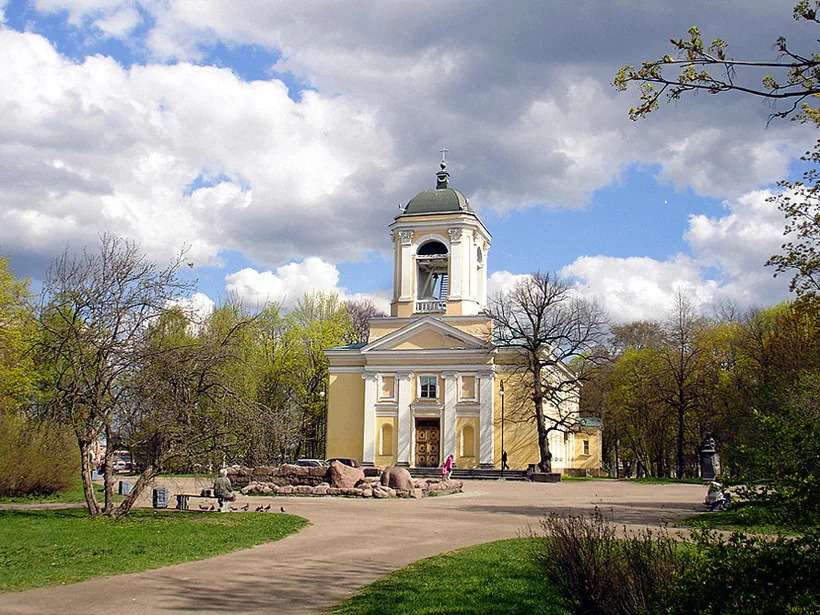
  14. Cathedral Square and Transfiguration Cathedral — point on route “Vyborg's Architectural Contrasts”

    Cathedral Square and Transfiguration Cathedral

    🕍 Place of worship · ⛲ Square

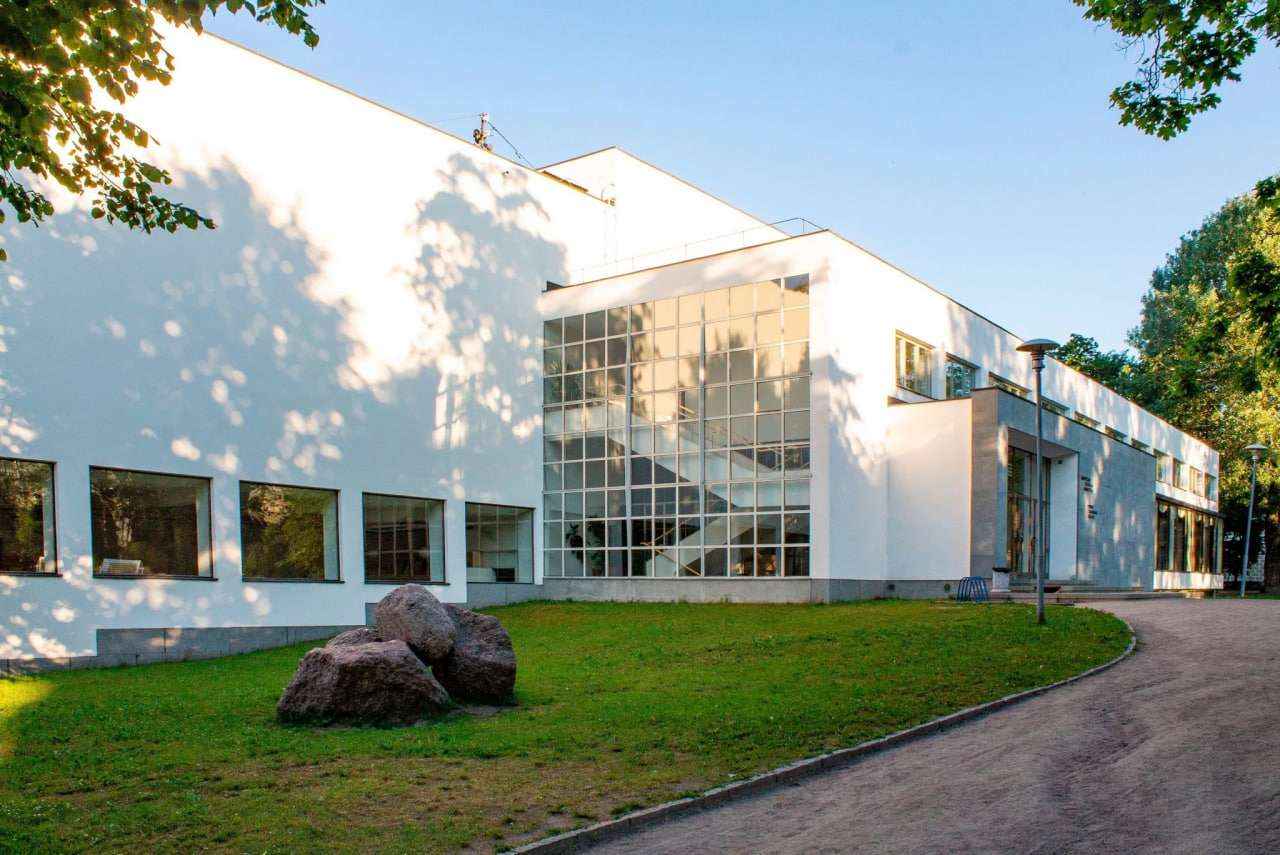
  15. Alvar Aalto Library — point on route “Vyborg's Architectural Contrasts”

    Alvar Aalto Library

    🏙 Modern architecture

  16. Red Square — point on route “Vyborg's Architectural Contrasts”

    Red Square

    ⛲ Square

Lallukka House in Vyborg

Point on route “Vyborg's Architectural Contrasts”

Lallukka House — point on route “Vyborg's Architectural Contrasts”

Point 1

Lallukka House

🏟️ Architectural landmark

Historical Background

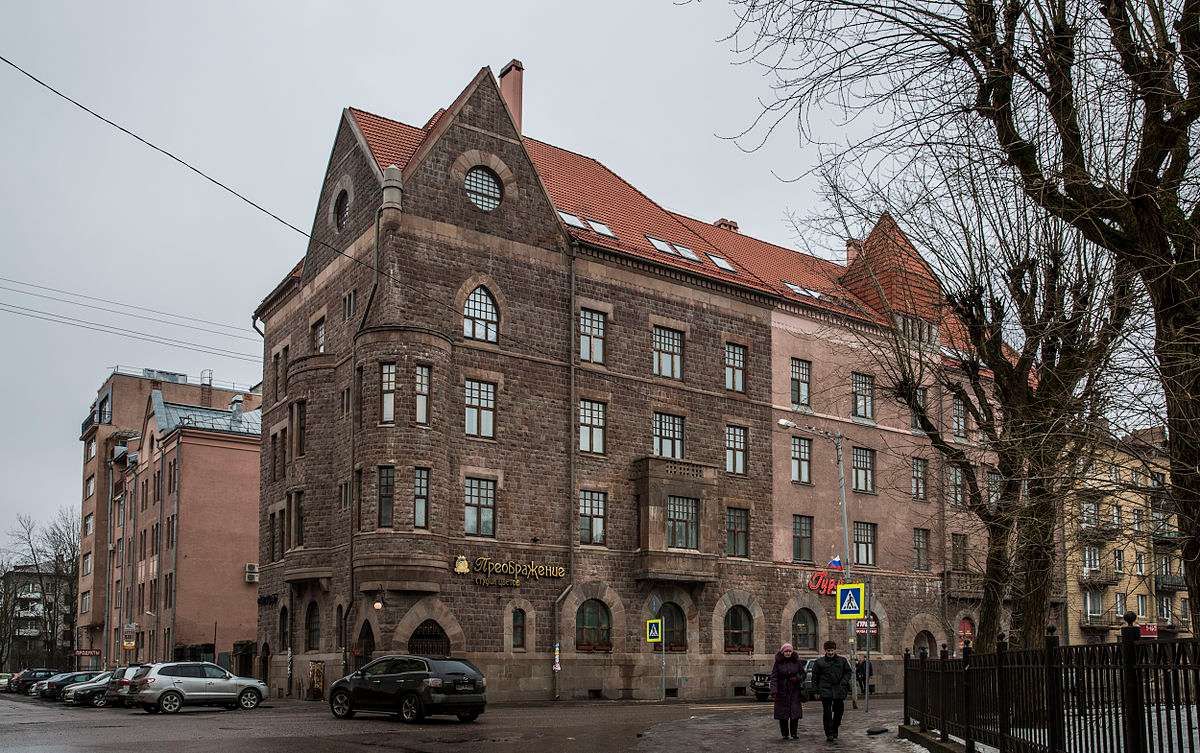
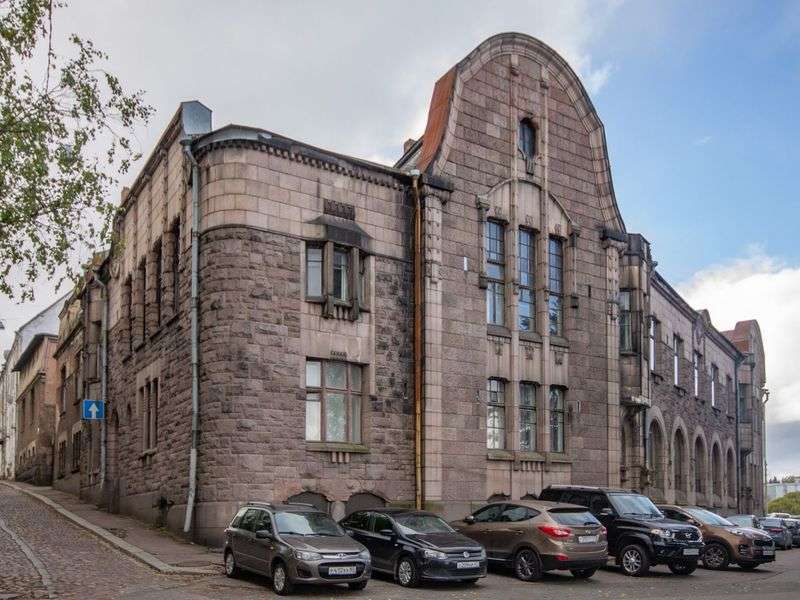
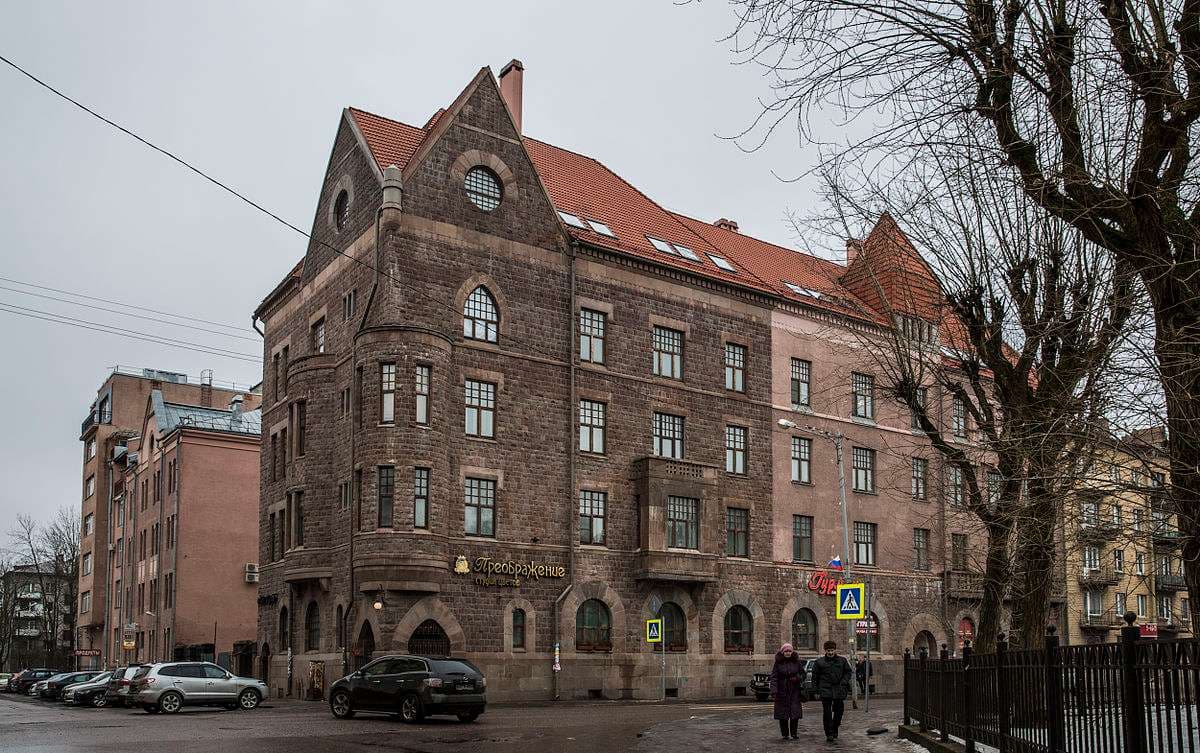
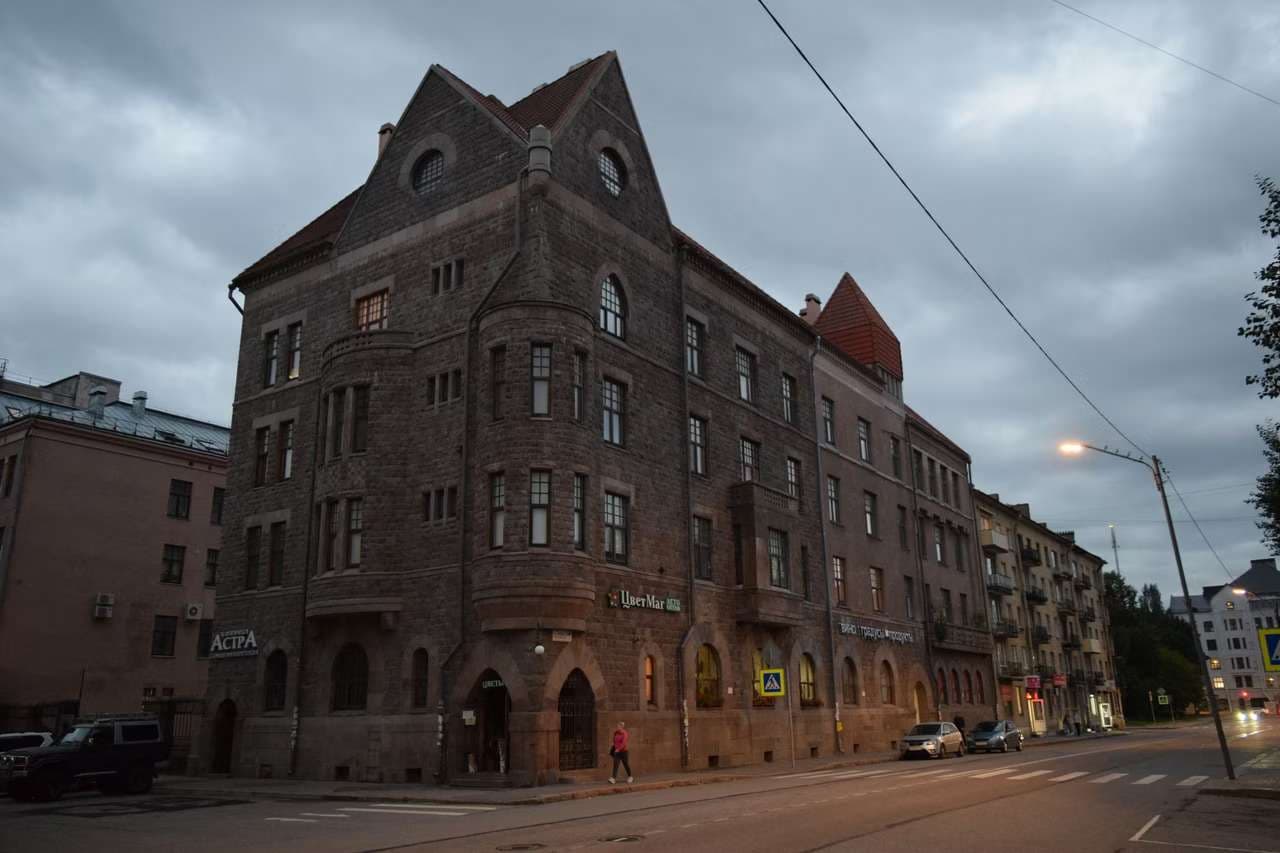
The building was put up in 1906 for the company Häkli, Lallukka & Co., to a design by the architect Allan Schulman. It is a well-known architectural monument of Vyborg in the Nordic Art Nouveau style. When it was finished, it was described in detail in the St. Petersburg press, and Schulman's design influenced the spread and development of Nordic Art Nouveau in Russian architecture.

The Building's Difficult Fate

Juho Lallukka and Jaakko Häkli founded a large trading company, and this four-story building with shops and apartments was built for it. The ground floor held the shops, Juho Lallukka lived with his family on the second floor, and the two upper floors were rented to well-off tenants. Lallukka was a well-known patron of the arts in Vyborg who supported the town's cultural life, and he decided to build an unusual house for his family and his business. For the northern and western facades, the architect Allan Schulman used dark red granite. The facade was richly decorated with a two-story turret, windows of different shapes, ornaments and sculptures of female figures. During World War II the building was bombed and burned, and its interior and sculptures were lost. It was rebuilt after the war, until 1952, but many decorative elements, such as the drawings and some of the sculptures, were lost. In 2006 another long reconstruction was completed: the courtyard wing was rebuilt, the roof got back its pointed shape, and the granite decoration of the window surrounds was fully restored. Today the Lallukka House serves the same purpose as when it was built: shops on the ground floor and apartments above.