←Textile Capital, City of Brides and Constructivism

Textile Capital, City of Brides and Constructivism

Photo of route “Textile Capital, City of Brides and Constructivism”
12 points8 km3.5 hours

Ivanovo is a city of many nicknames: the City of Brides, the city of the avant-garde, the Russian Manchester, the Calico Capital and more. Come see its Constructivist masterpieces up close and travel back in time in this avant-garde city, the youngest and most unusual city of the Golden Ring.

Things to do

  • 🔍🖼️ Spot interesting details
  • 🍲🎶 Local culture

Route points (12)

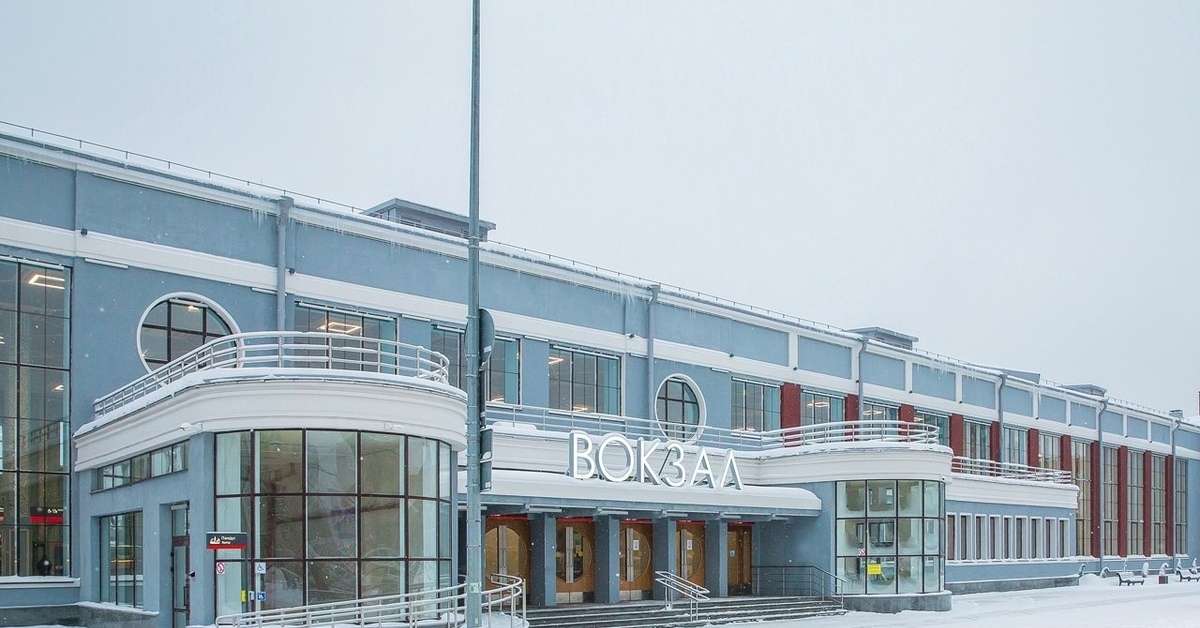
  1. Railroad Station — point on route “Textile Capital, City of Brides and Constructivism”

    Railroad Station

    🚂 Railway station · 🏟️ Architectural landmark · 🎨 Art installations

  2. Ship House — point on route “Textile Capital, City of Brides and Constructivism”

    Ship House

    🏟️ Architectural landmark · 🕵️ Urban legend

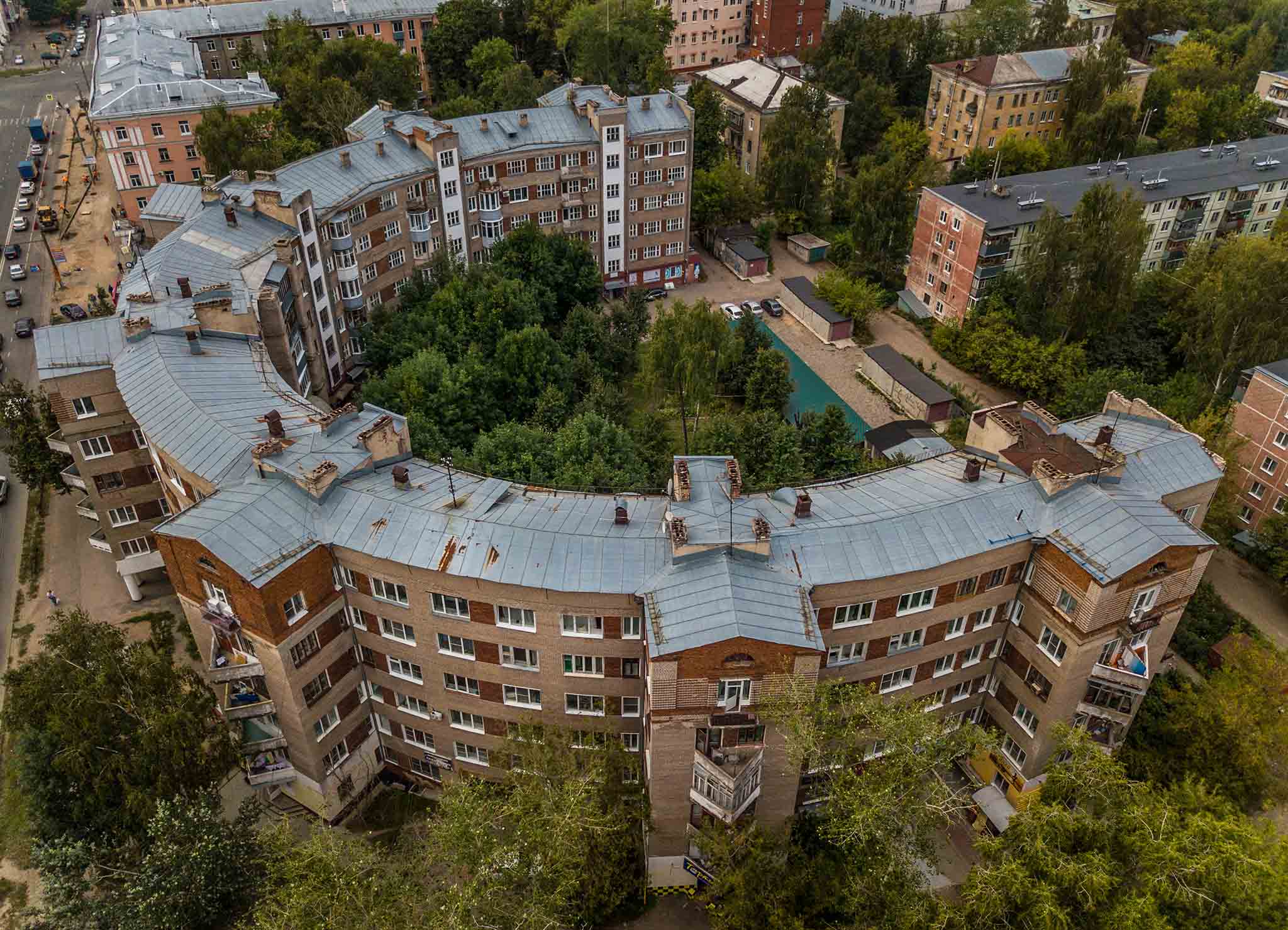
  3. Horseshoe House — point on route “Textile Capital, City of Brides and Constructivism”

    Horseshoe House

    🏟️ Architectural landmark · 🕵️ Urban legend

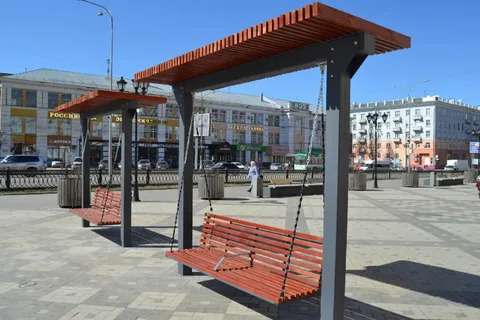
  4. Lenin Square — point on route “Textile Capital, City of Brides and Constructivism”

    Lenin Square

    ⛲ Square

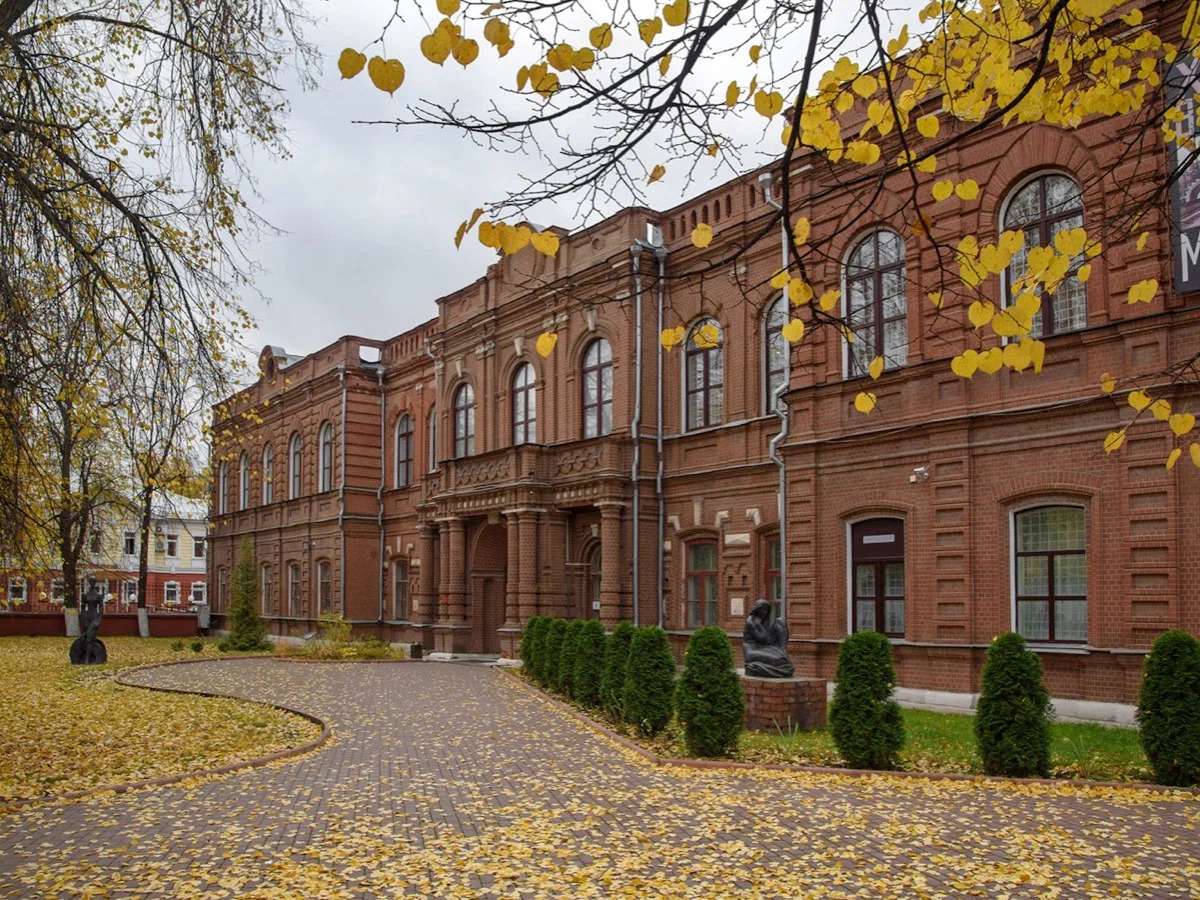
  5. Ivanovo Regional Art Museum — point on route “Textile Capital, City of Brides and Constructivism”

    Ivanovo Regional Art Museum

    🏛️ Museum · 🏟️ Architectural landmark

  6. Burylin House (Museum of Ivanovo Calico) — point on route “Textile Capital, City of Brides and Constructivism”

    Burylin House (Museum of Ivanovo Calico)

    🏛️ Museum · 🏟️ Architectural landmark · 📜 Historic site

  7. Pushkin Square — point on route “Textile Capital, City of Brides and Constructivism”

    Pushkin Square

    ⛲ Square · 🎭 Theater

  8. Revolution Square — point on route “Textile Capital, City of Brides and Constructivism”

    Revolution Square

    ⛲ Square · 🗿 Sculptures · 🌿 Public garden or park

  9. Shchudrov Chamber — point on route “Textile Capital, City of Brides and Constructivism”

    Shchudrov Chamber

    📜 Historic site · 🏟️ Architectural landmark

  10. Church of the Transfiguration — point on route “Textile Capital, City of Brides and Constructivism”

    Church of the Transfiguration

    🕍 Place of worship · 🏟️ Architectural landmark

  11. Dühringer Estate — point on route “Textile Capital, City of Brides and Constructivism”

    Dühringer Estate

    🏟️ Architectural landmark · 📜 Historic site · 🕵️ Urban legend

  12. Convent of the Presentation — point on route “Textile Capital, City of Brides and Constructivism”

    Convent of the Presentation

    🕍 Place of worship · 📜 Historic site

Church of the Transfiguration in Ivanovo

Point on route “Textile Capital, City of Brides and Constructivism”

Church of the Transfiguration — point on route “Textile Capital, City of Brides and Constructivism”

Point 10

Church of the Transfiguration

🕍 Place of worship • 🏟️ Architectural landmark

Historical Background

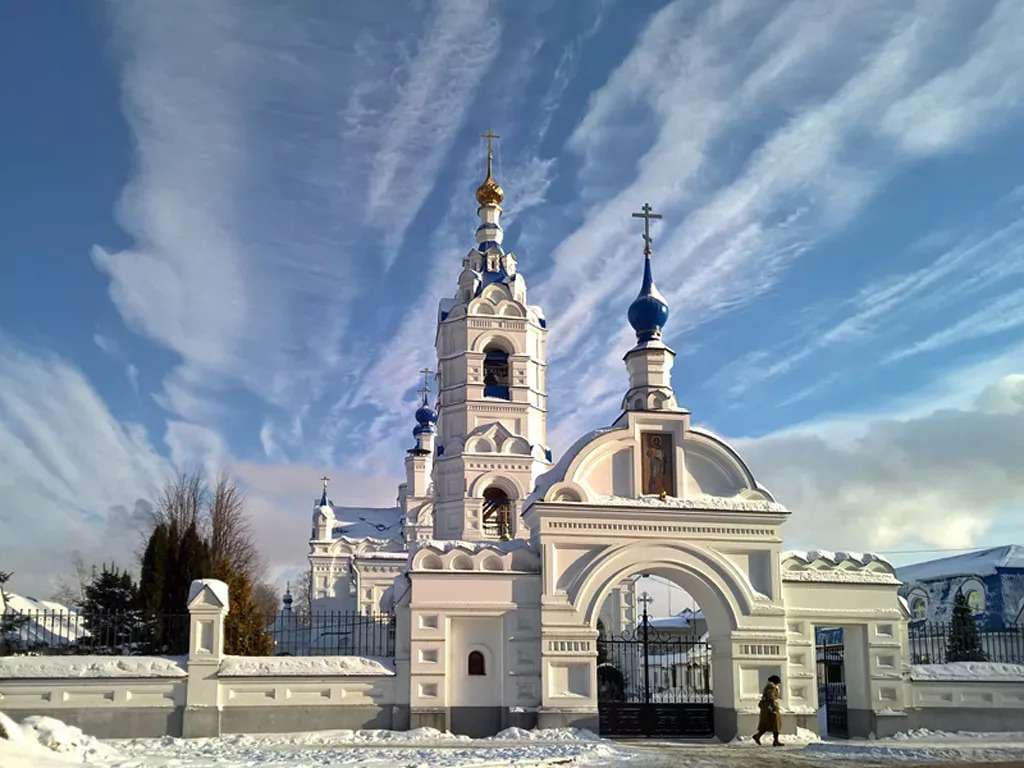
The Transfiguration Cathedral was built in 1893 to a design by the Moscow architect Alexander Kaminsky, who also designed the first building of the Tretyakov Gallery, the main church of the St. Nicholas Ugresha Monastery and Anna Lopatina's mansion on Bolshaya Nikitskaya Street in Moscow. The church complex includes the majestic church itself, a tall tent-roofed bell tower, and residential and service buildings. The cathedral was closed in 1940 and all its interior decoration was destroyed, but services resumed as early as 1944. For a long time the Church of the Transfiguration was the only working church in the entire Ivanovo Region. Its interiors were restored gradually.

Architecture

The cathedral was built at the end of the 19th century, when the Russian style was popular in church architecture: an imitation of 17th-century architecture with its rich decoration. The entire church complex, including the stone gates, is snow-white with bright blue roofs, and its look is so distinctive that it's hard to mistake for anything else in the city. The church has five domes set on tall faceted drums topped with bright blue onion domes. The decorative window surrounds and two tiers of kokoshniks (decorative arched gables) make the cathedral especially striking. Today, besides its architecture, the church is known for its wall paintings and its carved 18th-century Baroque iconostasis. The cathedral originally had a different iconostasis, but it was lost after 1940; in 1956 this one was brought here from the village of Saraevo in Furmanov District.