 16 points
 2 km
 0 hours


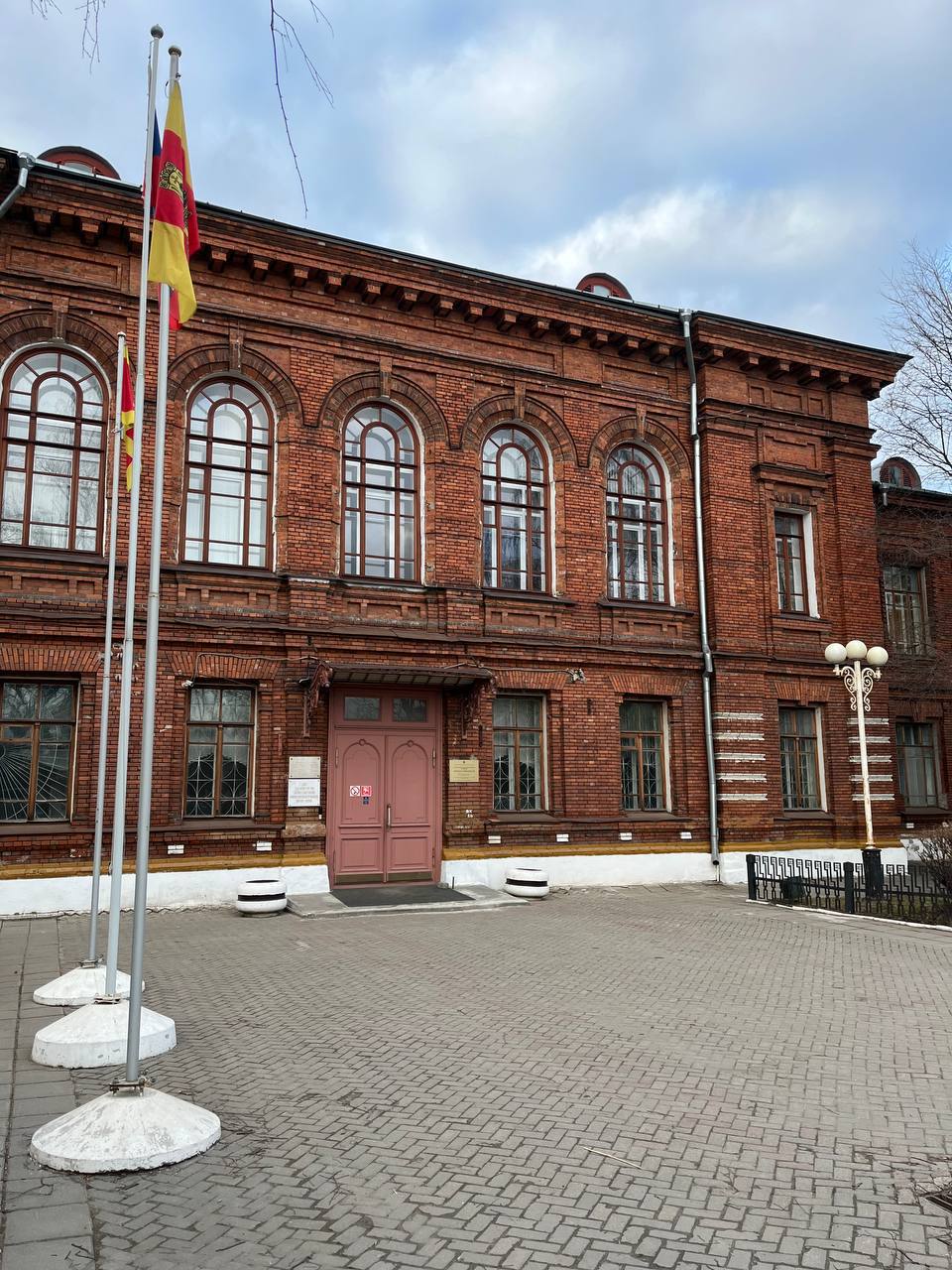


Historical Background
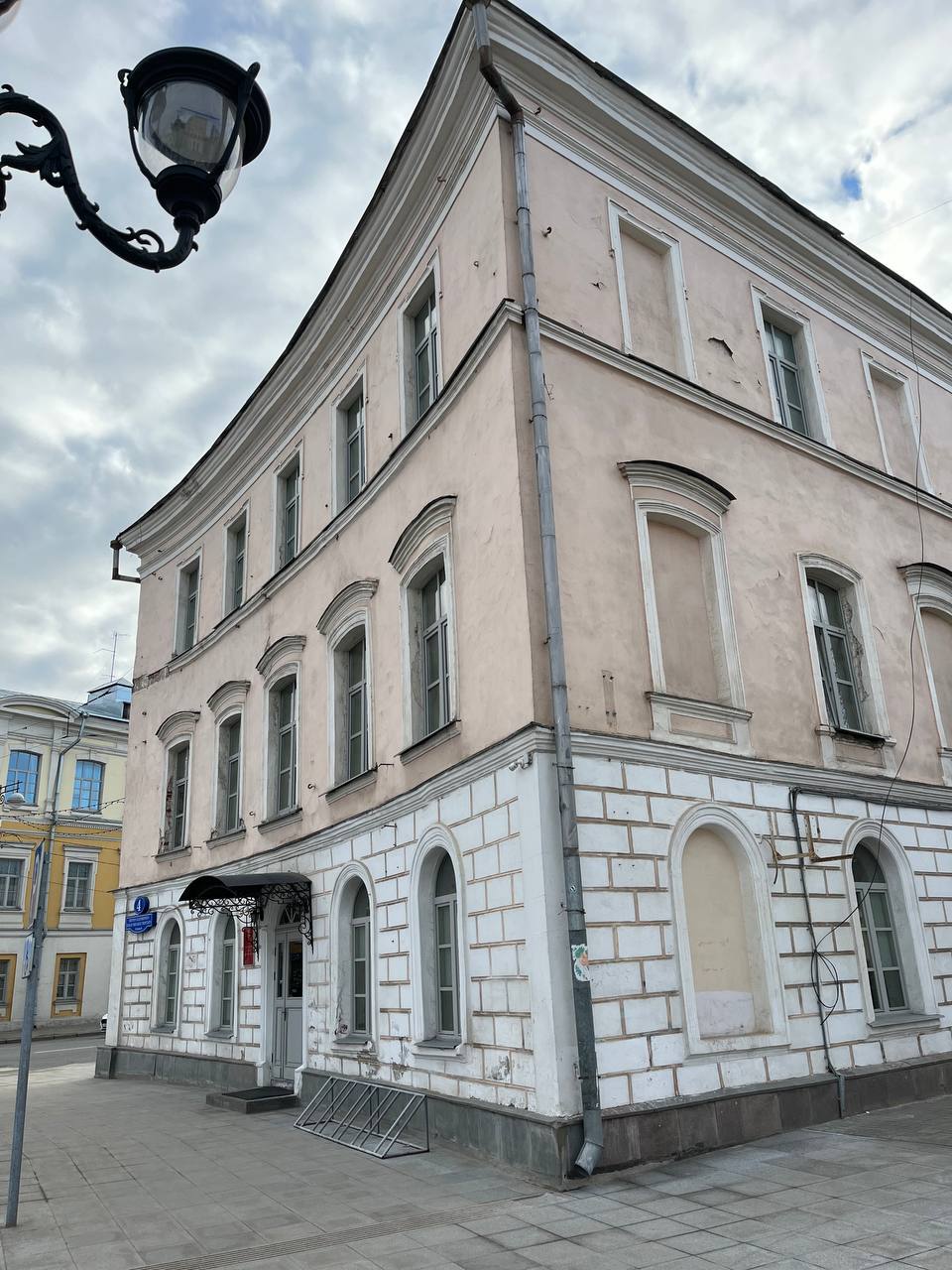
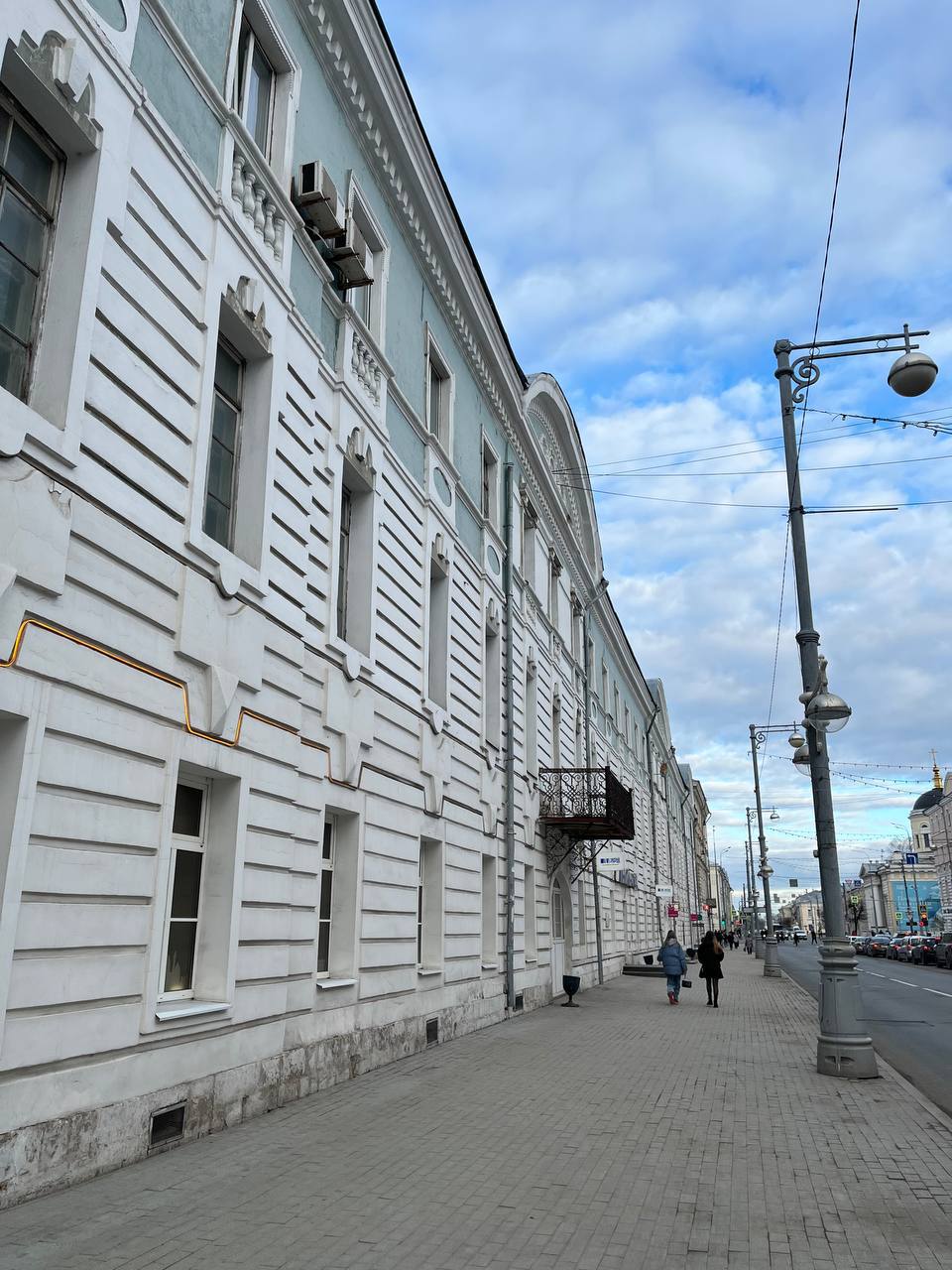
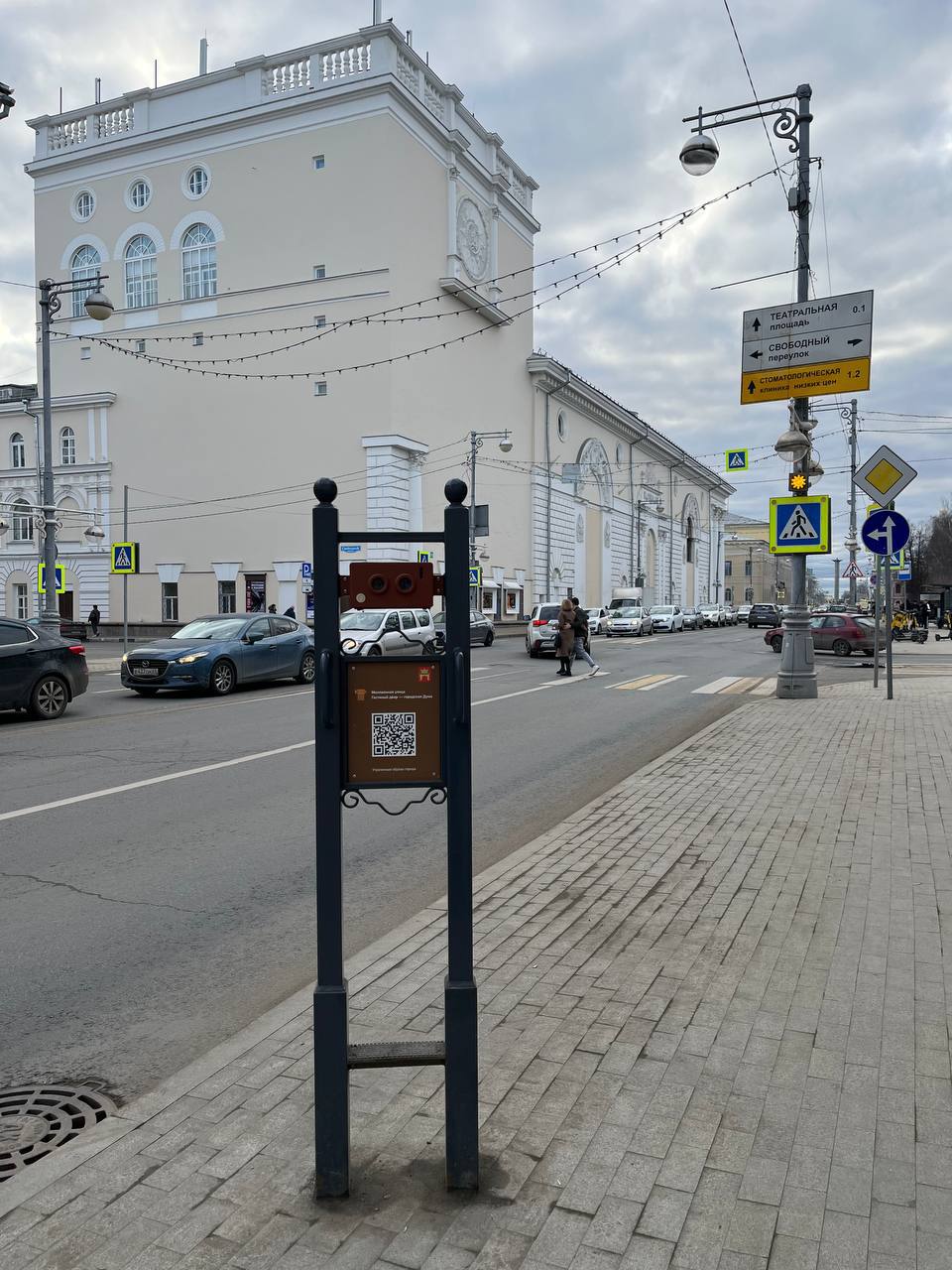
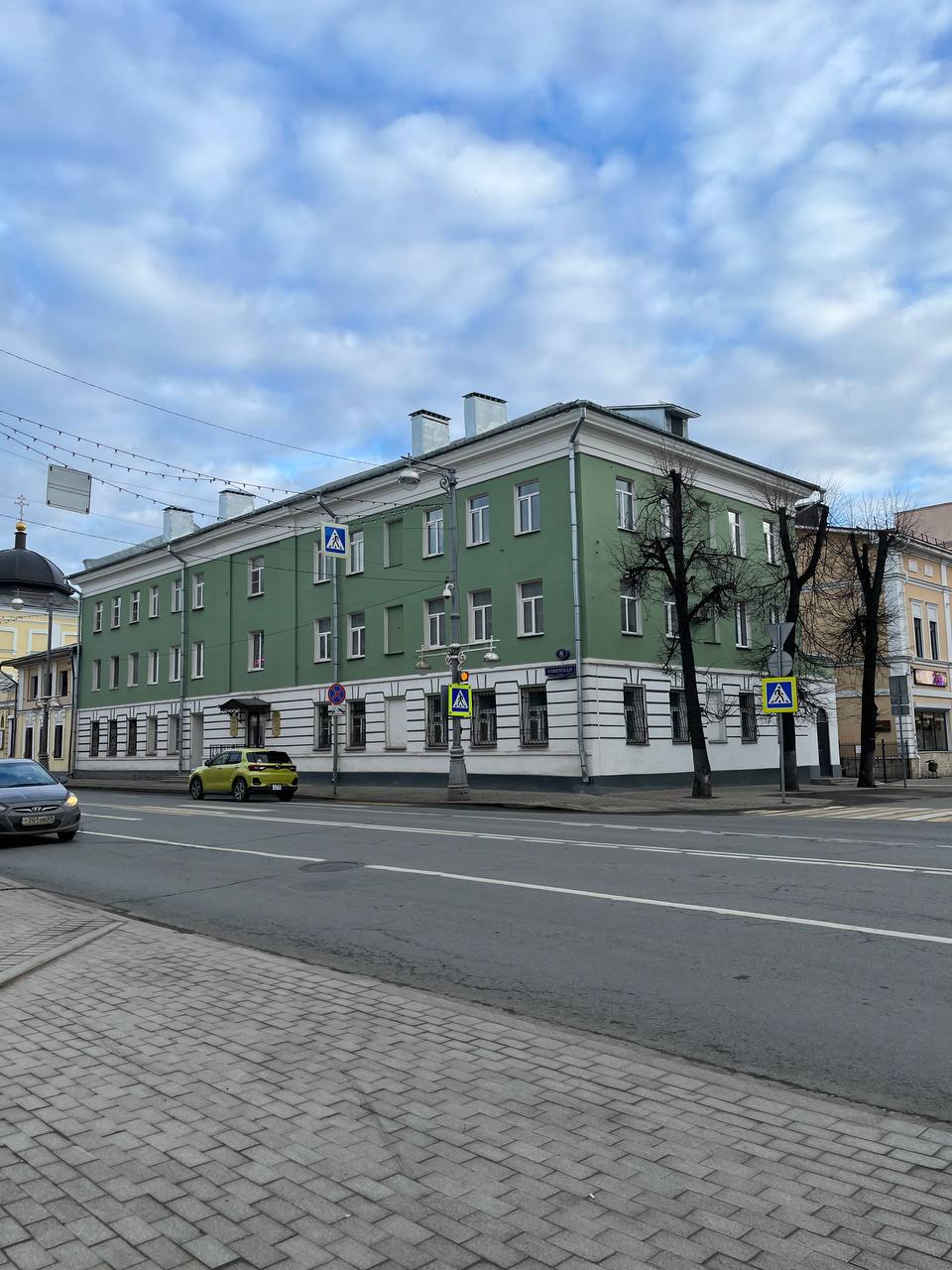
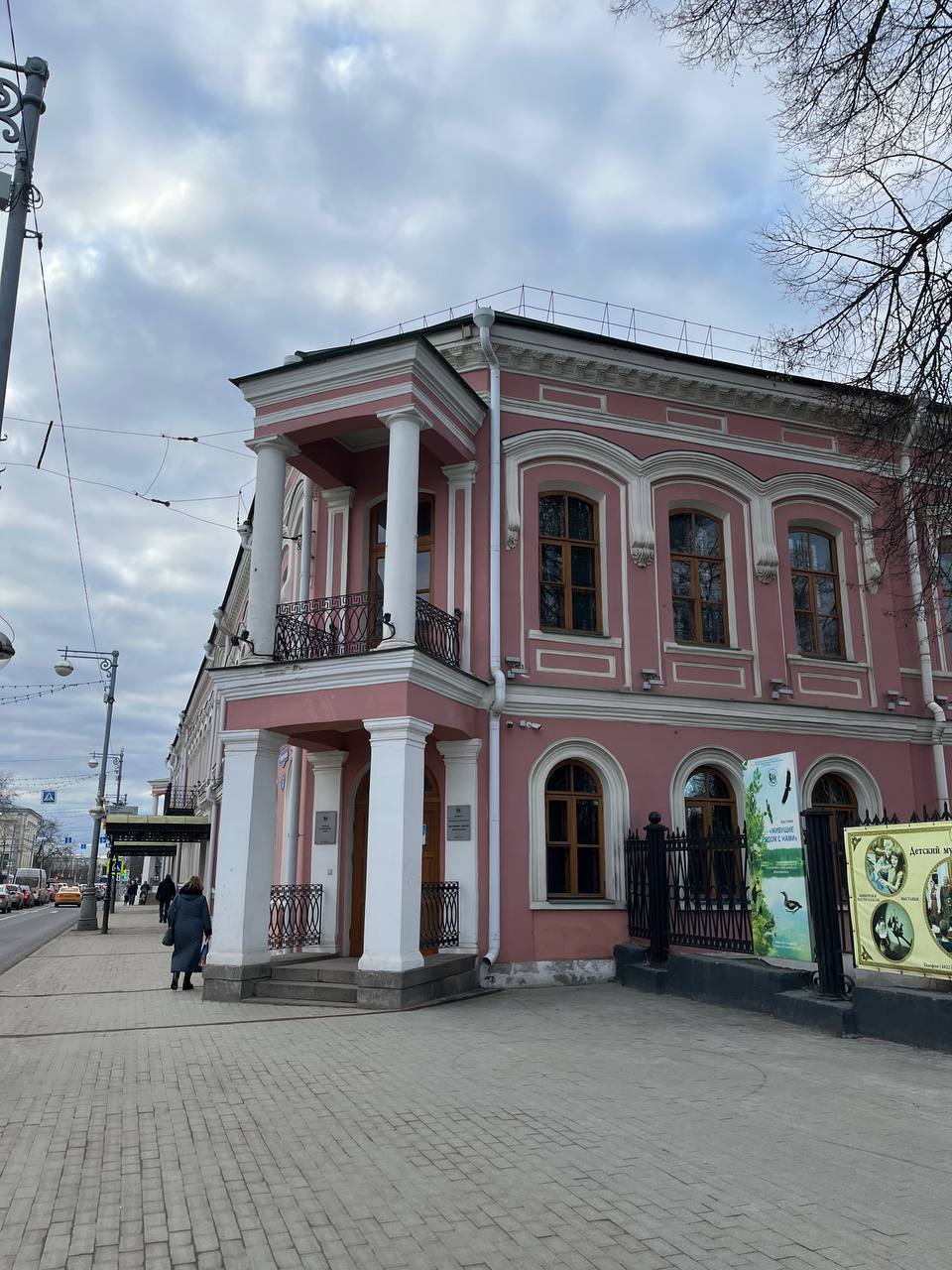
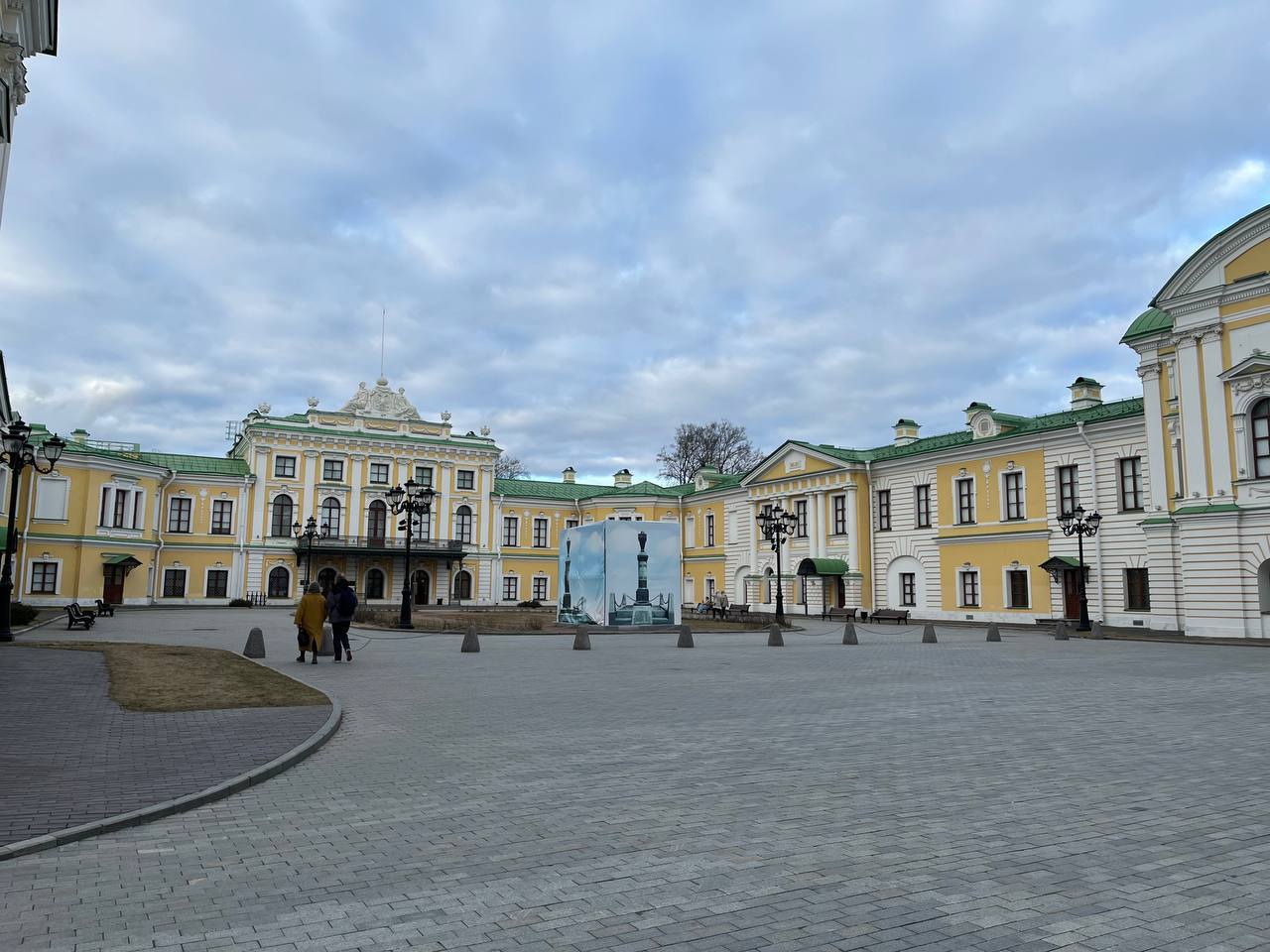
In the second half of the 19th century, 5 Sovetskaya Street was home to the Tver Realschule (a secondary school with a practical, science-oriented curriculum), built on the site of the service buildings of the Travel Palace. This eclectic building, with its unusual cut-off corner and expressive arched windows, opened in 1875. The building's history has some intriguing and tangled moments. The exact dates of its construction are unknown, but in the 1790s the site of the future school was occupied by a townsman's estate. In 1801 its owner, Zmeevsky, sold the estate to the cathedral to house the cathedral priests. While Georg of Oldenburg governed Tver (1809–1812), the priests' houses became part of the service buildings of the imperial palace. However, during the reconstruction of the palace complex, K. I. Rossi built a two-story stable block in their place. In 1830 the building passed to the military department and was turned into a cadet school. By the 1840s it was considered dilapidated, but the merchant N. I. Zverkov, who bought the building in the early 1860s, had it thoroughly renovated and changed its architectural forms. Thus the eclectic style replaced Classicism. In the 1990s the Tver Museum of Local History moved here. The museum is renowned as one of the best regional museums in Russia and covers the history of the Tver region from the late Paleolithic to the present day. It was founded in 1866 in the building of the former Tver Gymnasium for Boys (now the Tver Medical Academy) as a historical and archaeological institution, on the initiative of the Tver Governorate Statistical Committee. The governor of Tver, P. R. Bagration, headed the commission that created it. On the eve of 1917 the museum was already one of the richest provincial repositories of antiquities, with 18,000 items, including about 7,000 scrolls, more than 900 manuscripts, the archives of noble families, and more than 150 early printed books. The museum is currently closed for renovation and restoration.