 16 points
 2 km
 0 hours


Historical Background
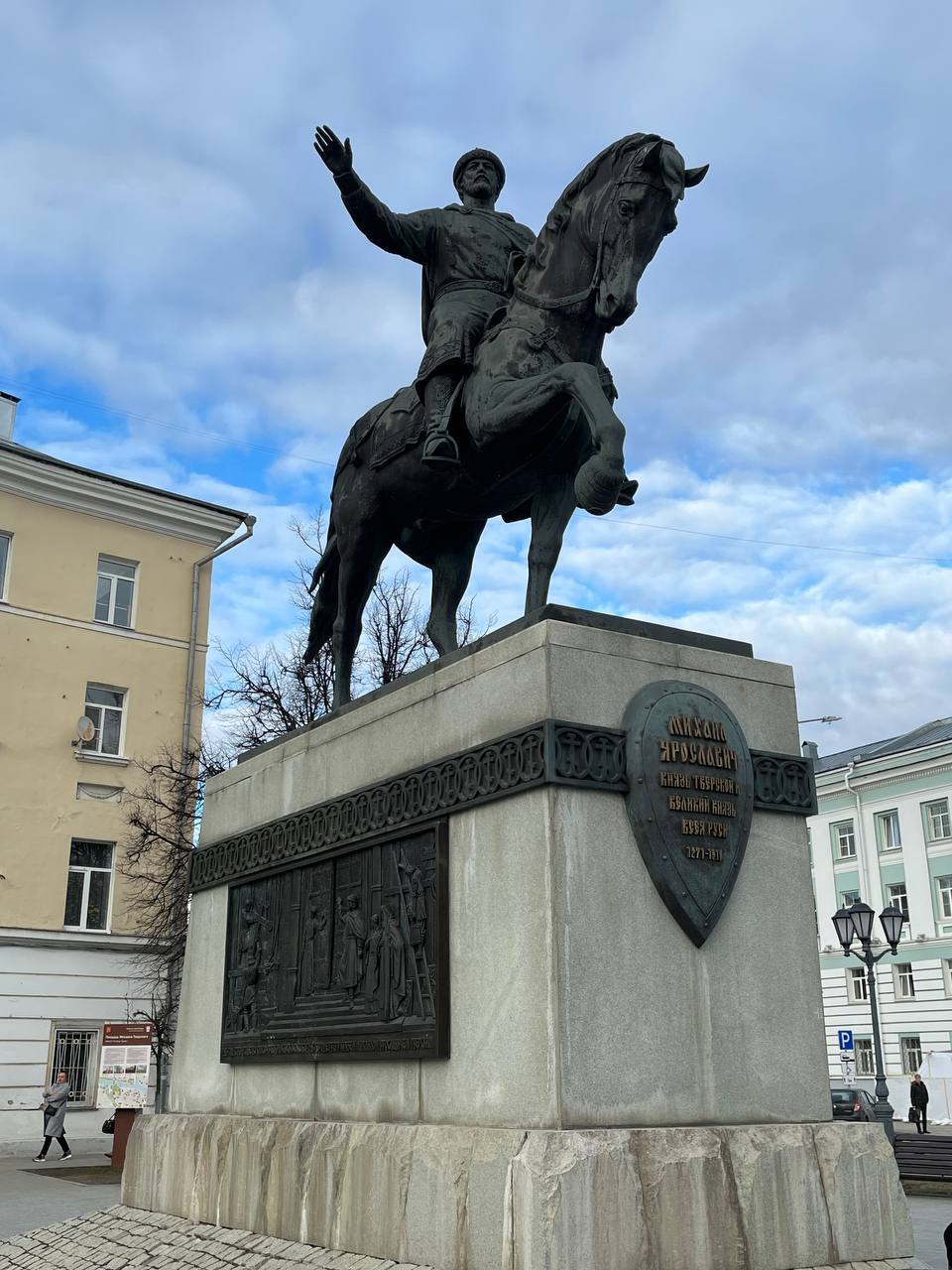
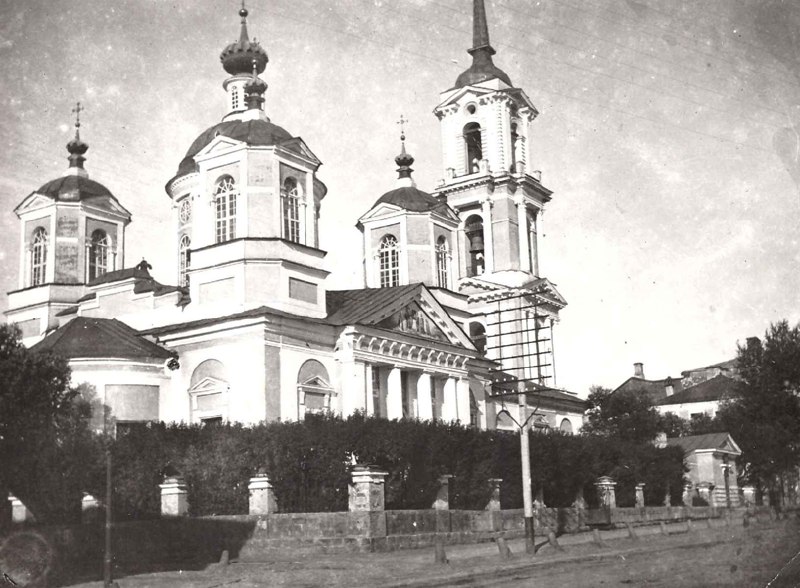
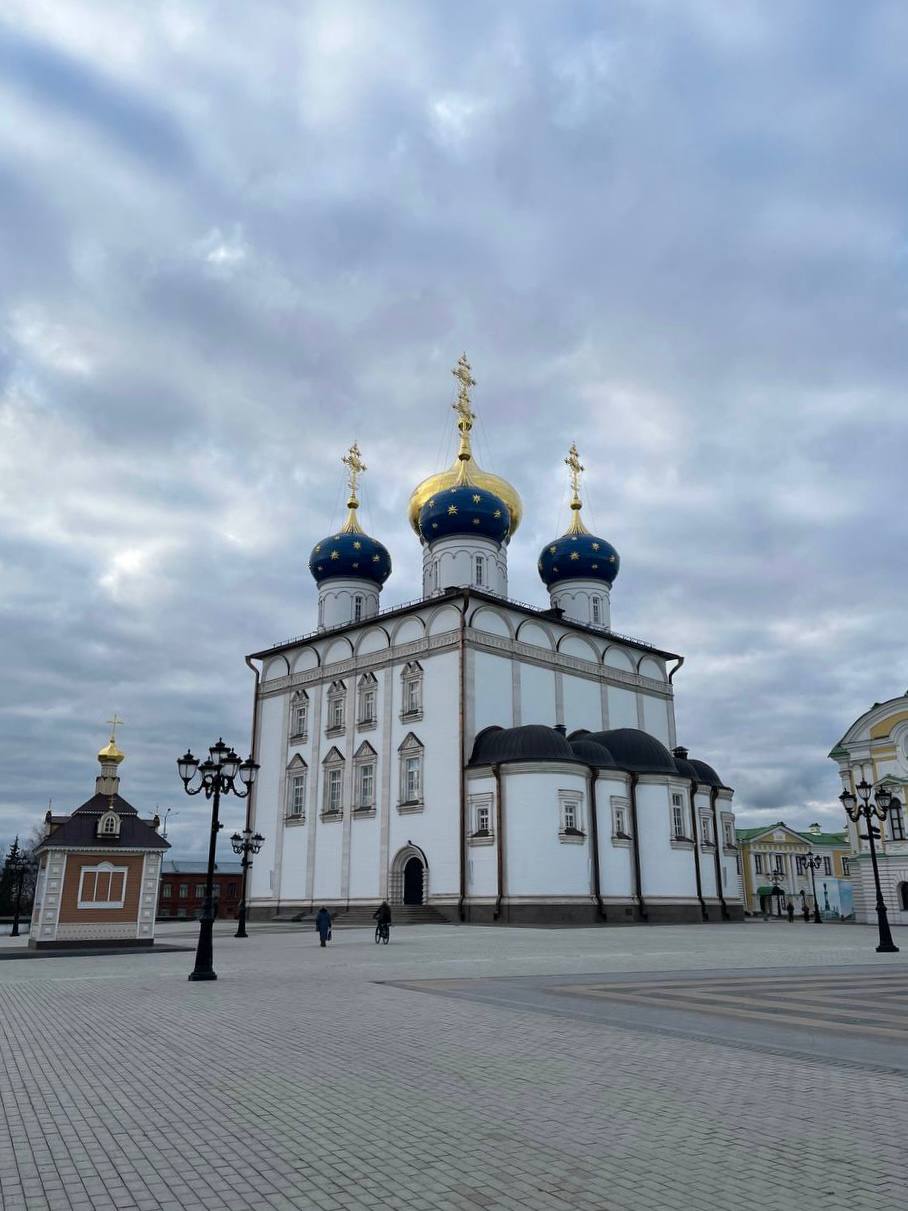
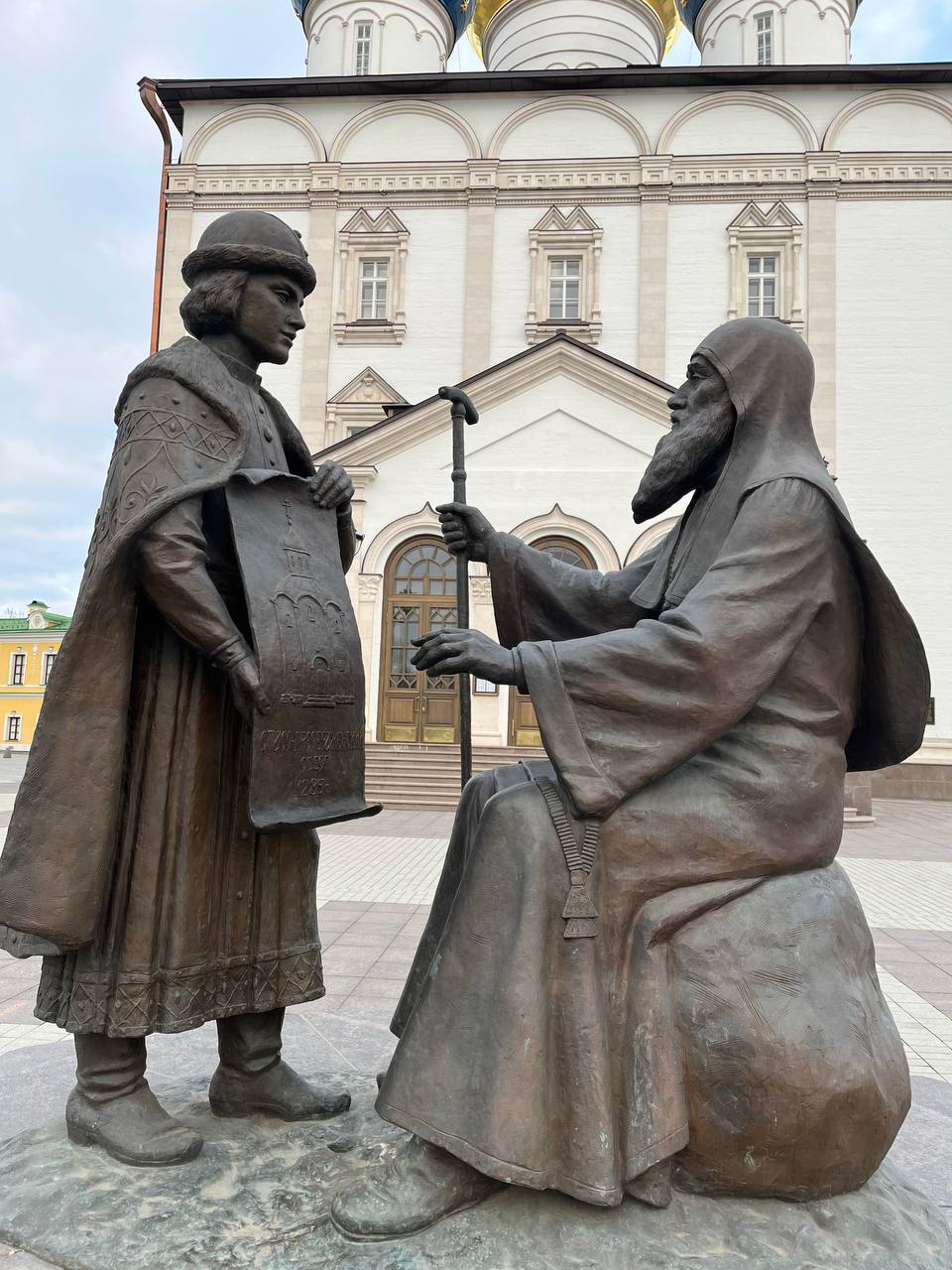
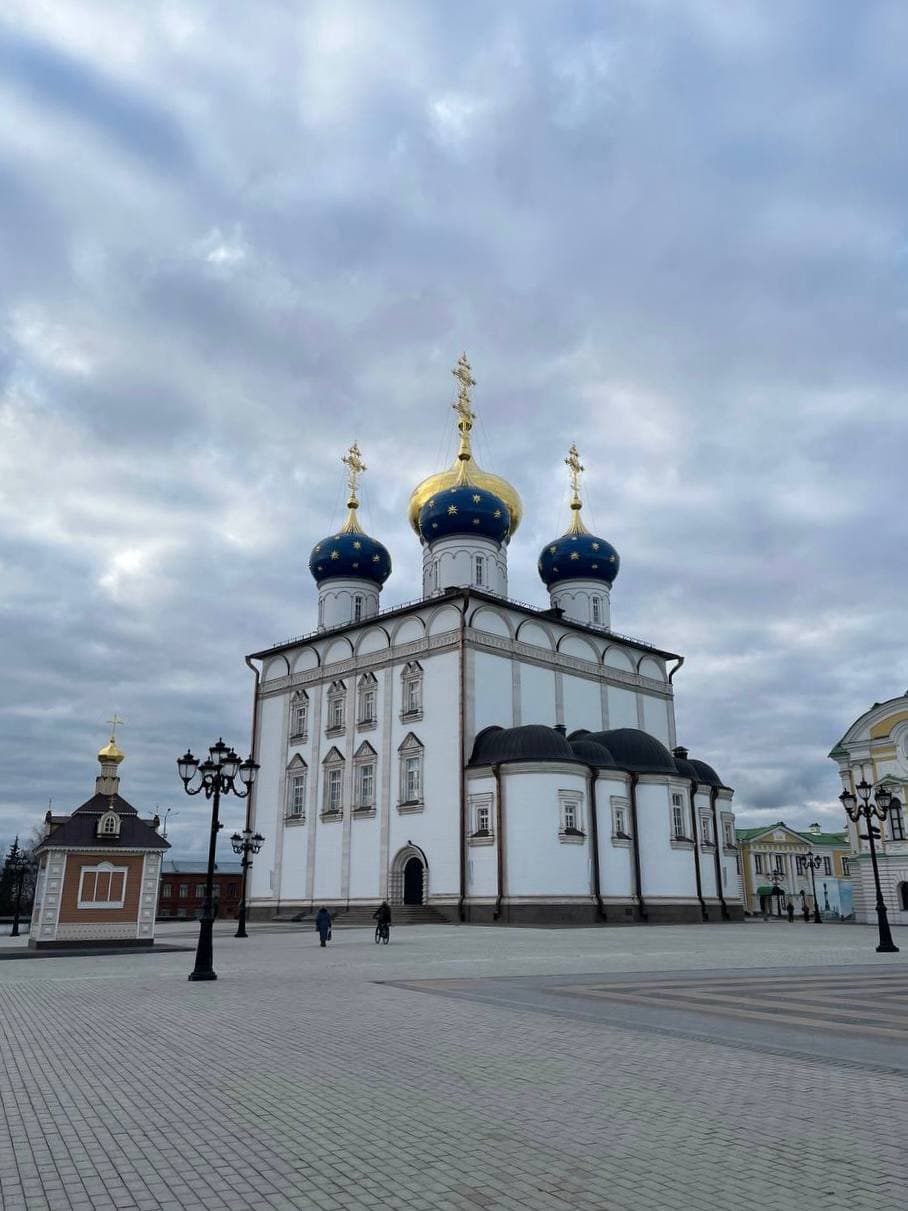
For six and a half centuries the Transfiguration of the Savior Cathedral was the main cathedral of Tver and the spiritual symbol of the Tver land. The cathedral stood in the heart of the city, at the center of the Tver kremlin. The first cathedral was founded in 1285 by the Holy Blessed Grand Prince Mikhail Yaroslavich of Tver and Simeon, the first bishop of Tver. Construction was completed in 1290, and two years later the cathedral's murals were finished. The Tver Transfiguration of the Savior Cathedral was the first white-stone church in Rus built after the Mongol-Tatar invasion. Grand Prince Mikhail Alexandrovich of Tver had the cathedral's dome covered in gold, after which the chronicles often call the church “the Holy Golden-Topped Savior.” During the Polish-Lithuanian invasion in the early 17th century the ancient church was dismantled, and a new, second Transfiguration of the Savior Cathedral was built in its place. It was built of Staritsa* stone in 1689–1696 and stood almost unchanged until its destruction. It was modeled on the five-domed Dormition Cathedral of the Moscow Kremlin. The church stood until 1935, when it was blown up on the night of April 3–4. *Staritsa stone is a limestone that lies 20–25 meters (65–80 feet) below the surface and has unique building properties.