 12 points
 6 km
 1.5 hours


Historical Background
You can't tell the story of Belozersk without the place built to defend it — the Kremlin. It rises right in the center of town: a closed earthen rampart with a flat top, 1.5 km long.
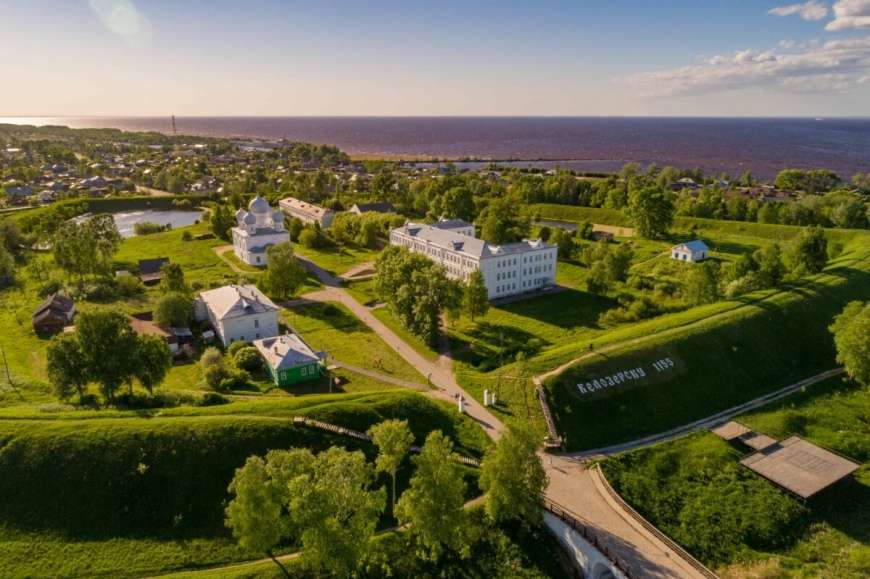
Belozersk is a town in Vologda Oblast mentioned as far back as the Primary Chronicle. Stroll along its old streets, climb the kremlin rampart, find out how a dugout boat differs from a belozerka, and take in the landscapes loved by Vasily Shukshin. Admire the carved wooden houses, too: this is where Shukshin's film “The Red Snowball Tree” (Kalina Krasnaya) was shot.
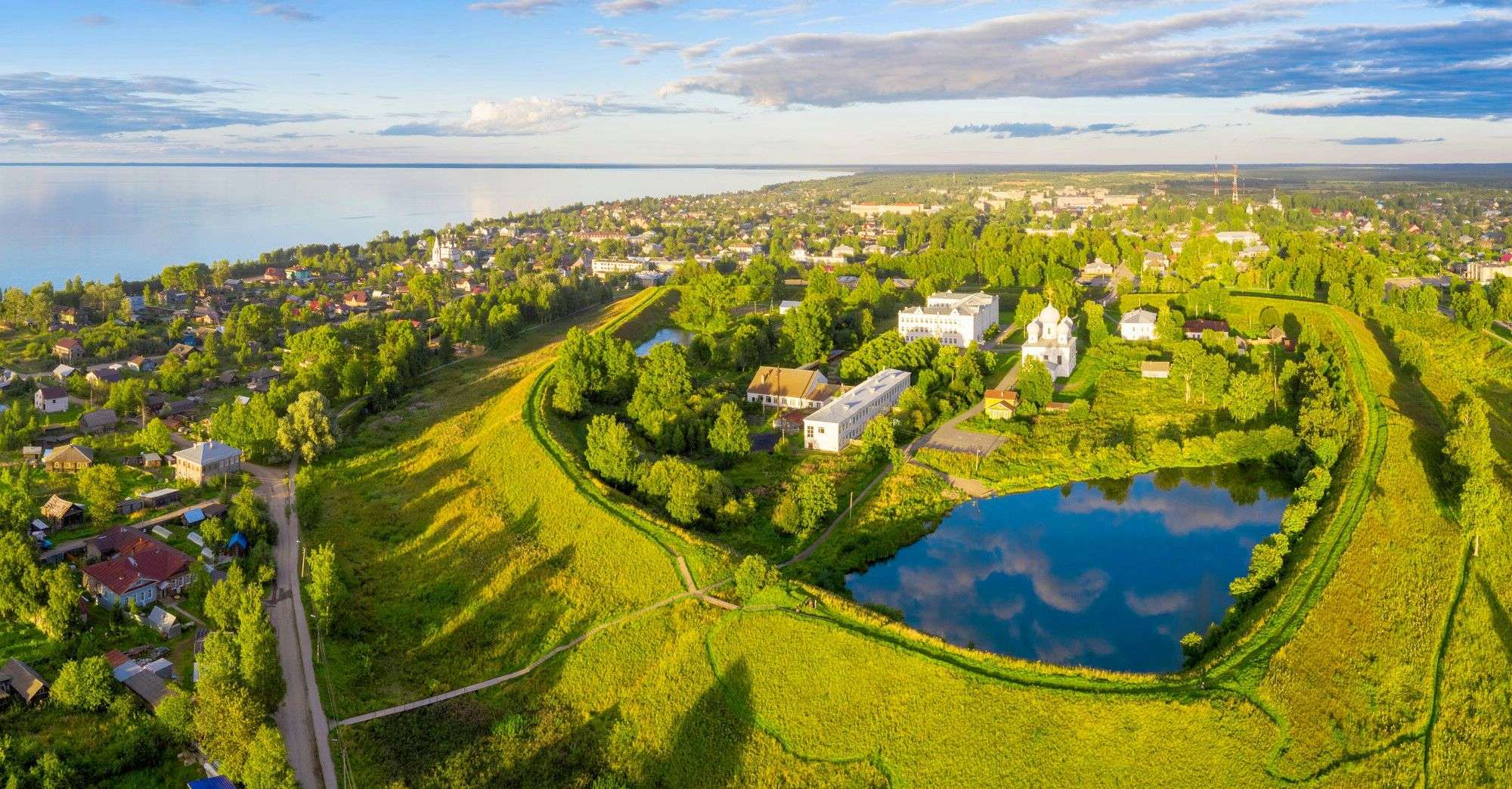
Belozersk Kremlin
🏯 Fortress remains · 🕵️ Urban legend · 📜 Historic site
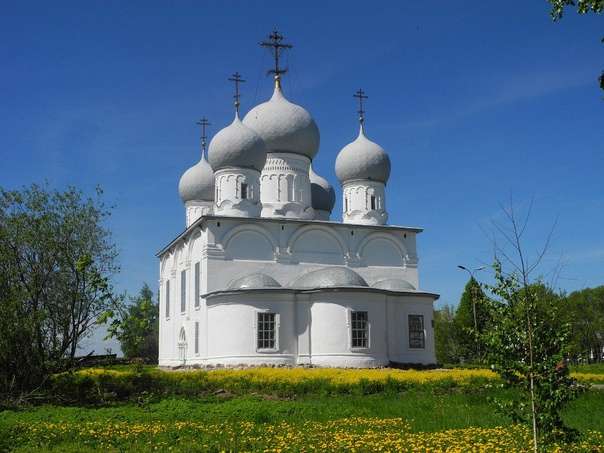
Transfiguration Cathedral
🕍 Place of worship
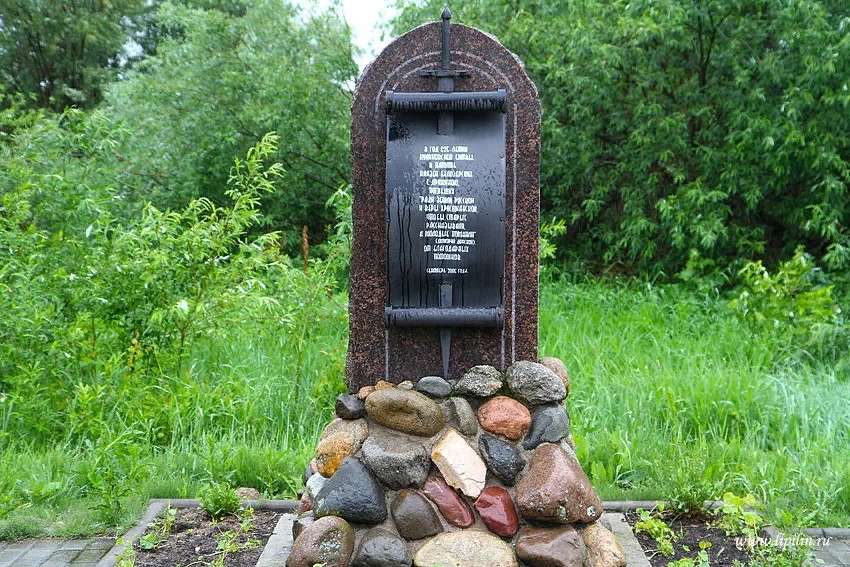
Memorial
🗿 Monument
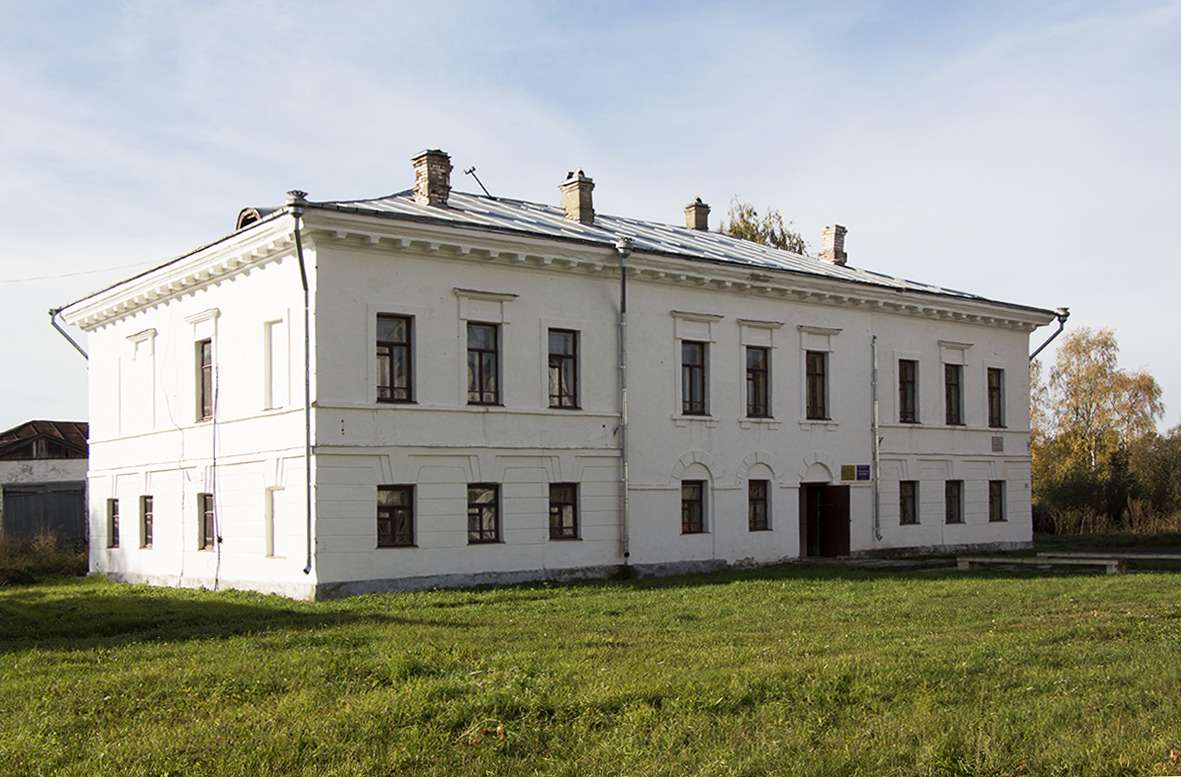
Government Offices Building
📜 Historic site
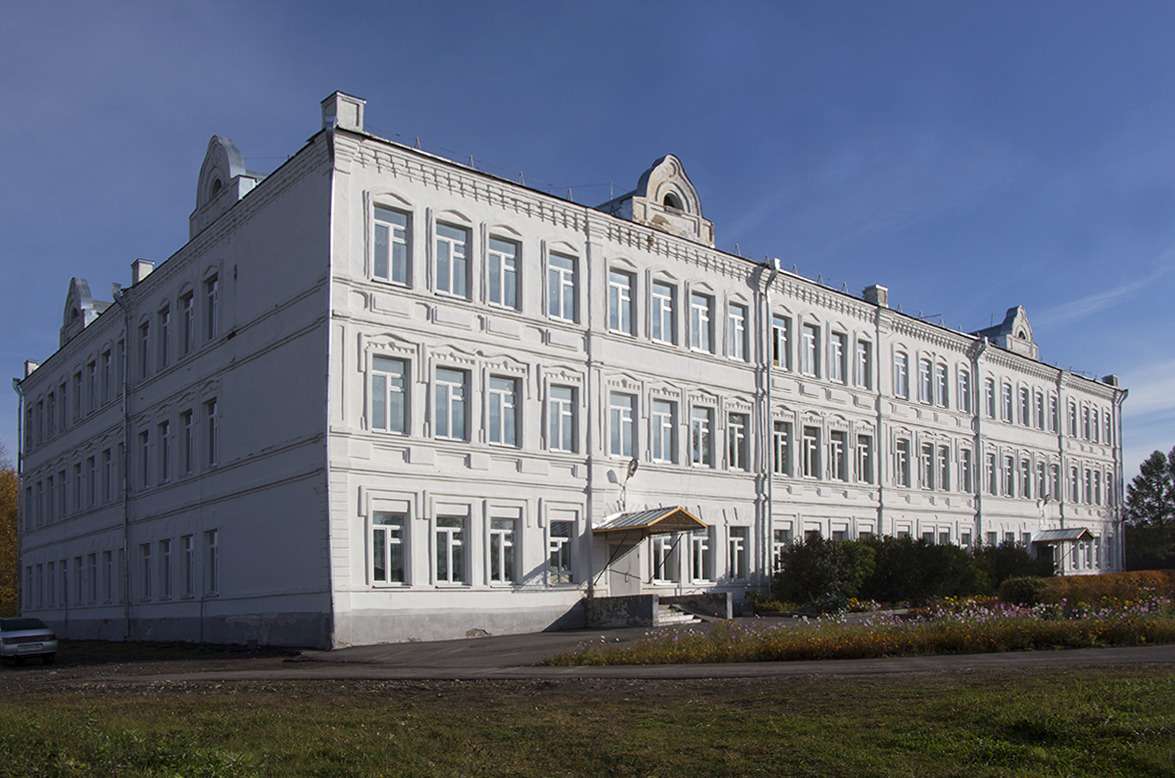
Theological School Building
🏟️ Architectural landmark · 📜 Historic site
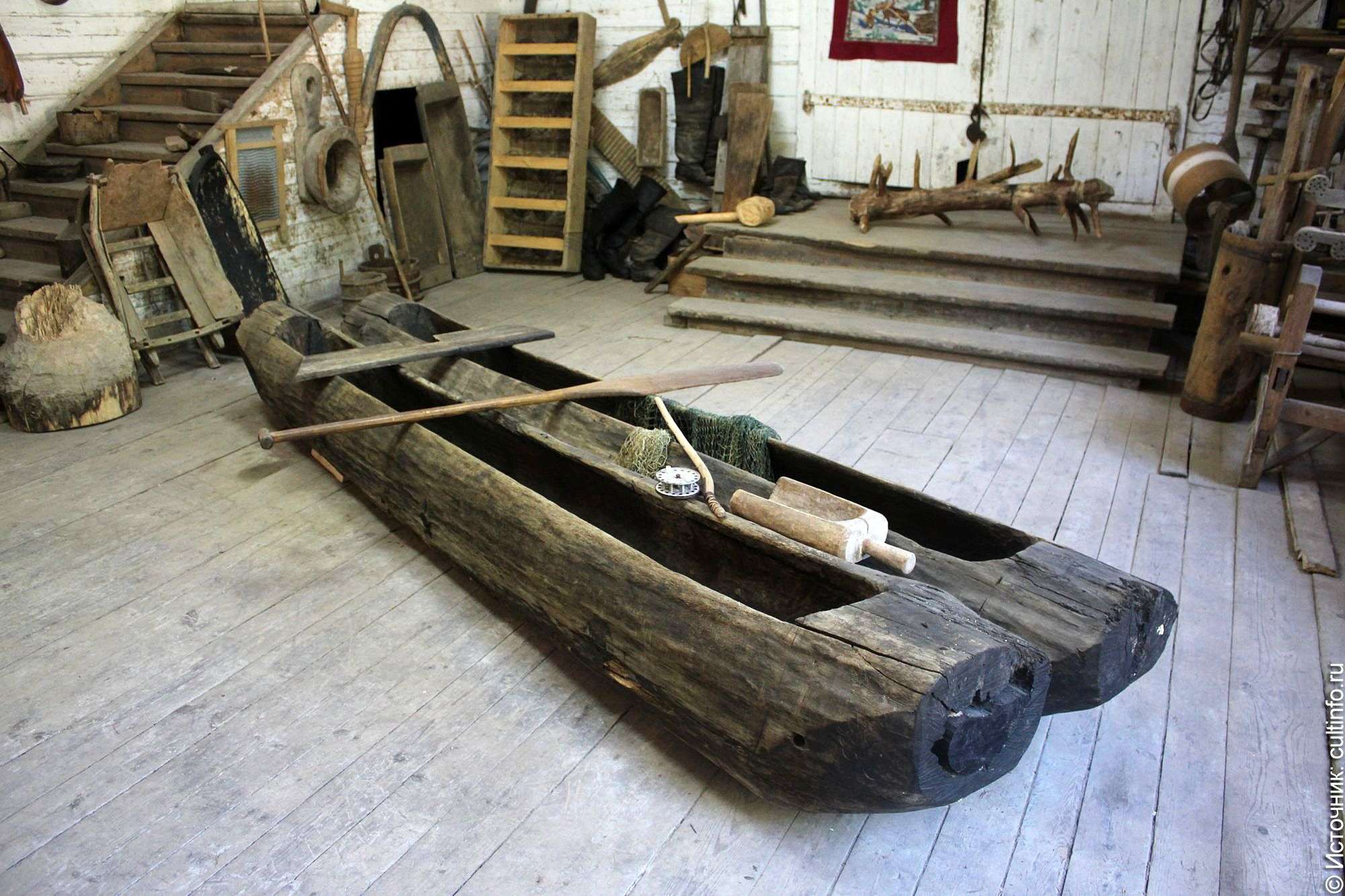
Traditional Boats of the Belozersk Region Museum
🏛️ Museum
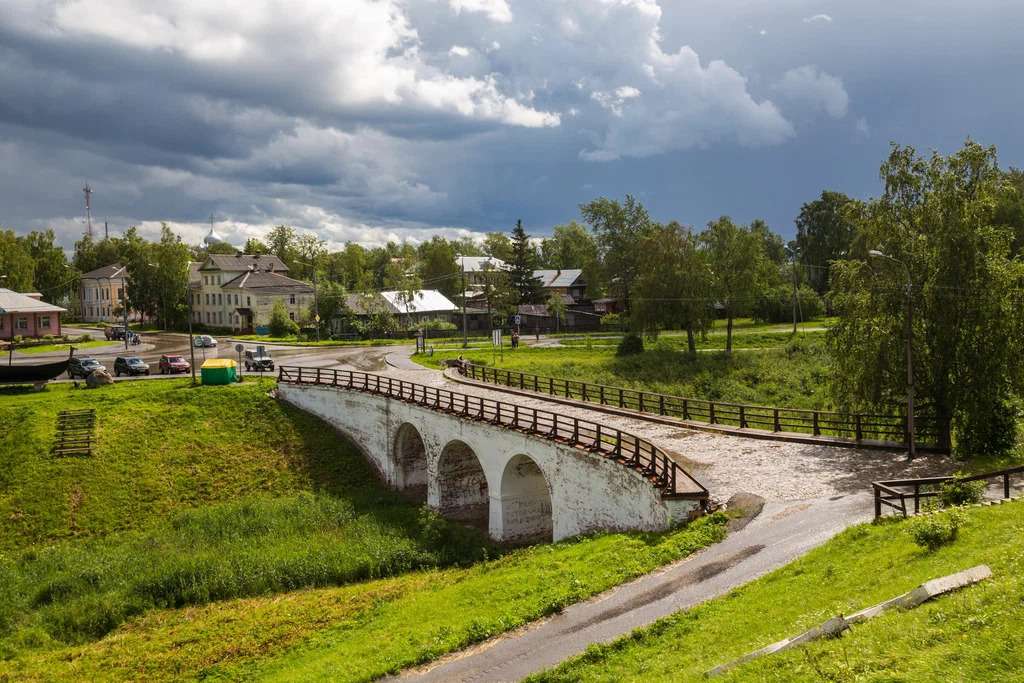
Bridge over the Fortress Moat
🌉 Bridge
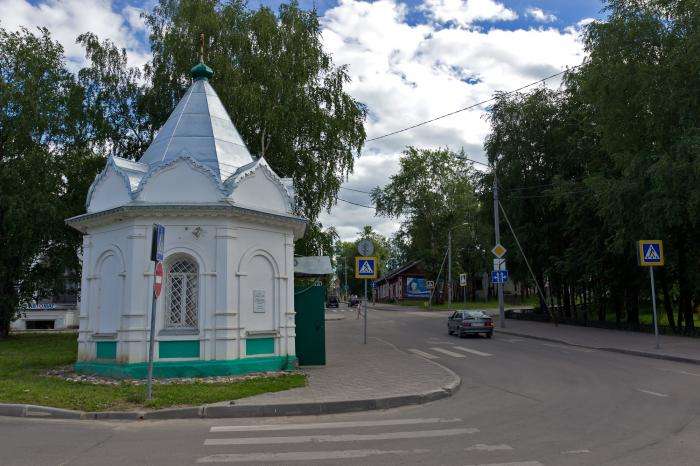
Chapel of St. Cyril of Novoezersk
🕍 Place of worship · 🕵️ Urban legend
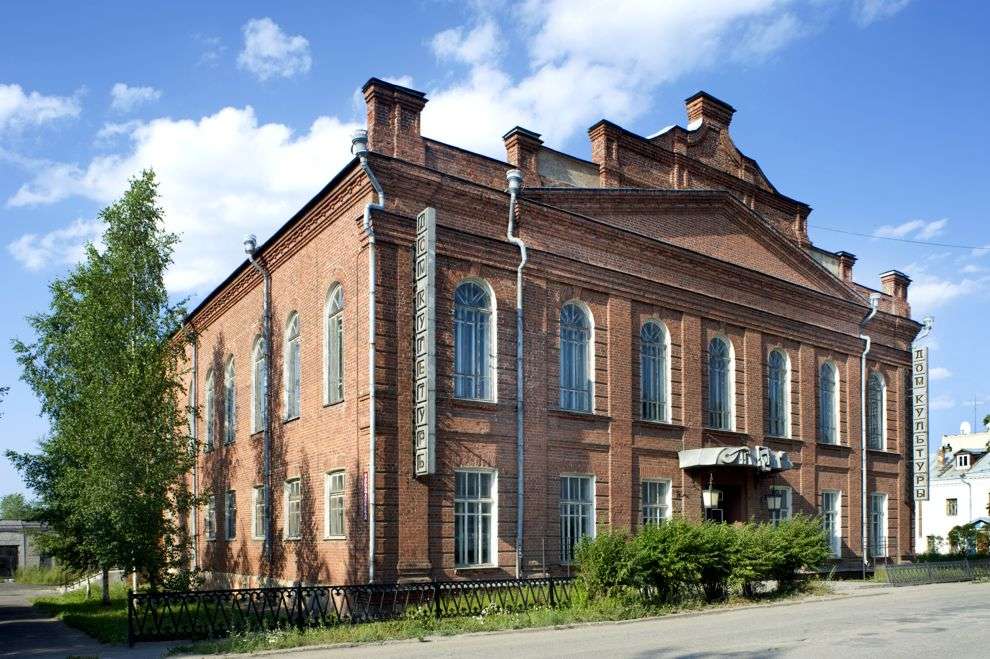
House of Culture
📜 Historic site · 🏟️ Architectural landmark
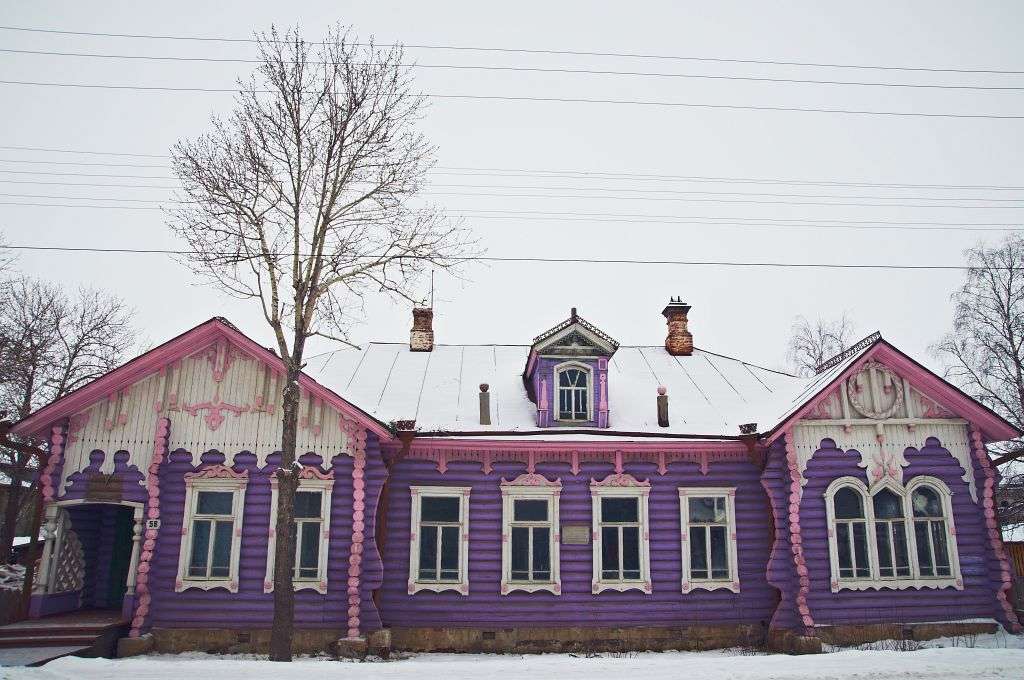
Merchant Pozdynin's House
🏟️ Architectural landmark · 📜 Historic site
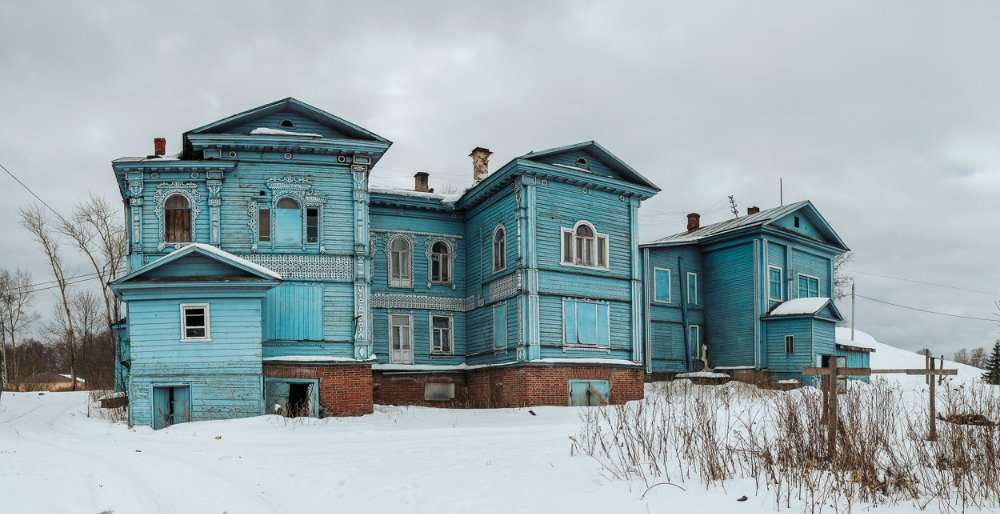
Merchant Kalinin's House
🏟️ Architectural landmark · 📜 Historic site
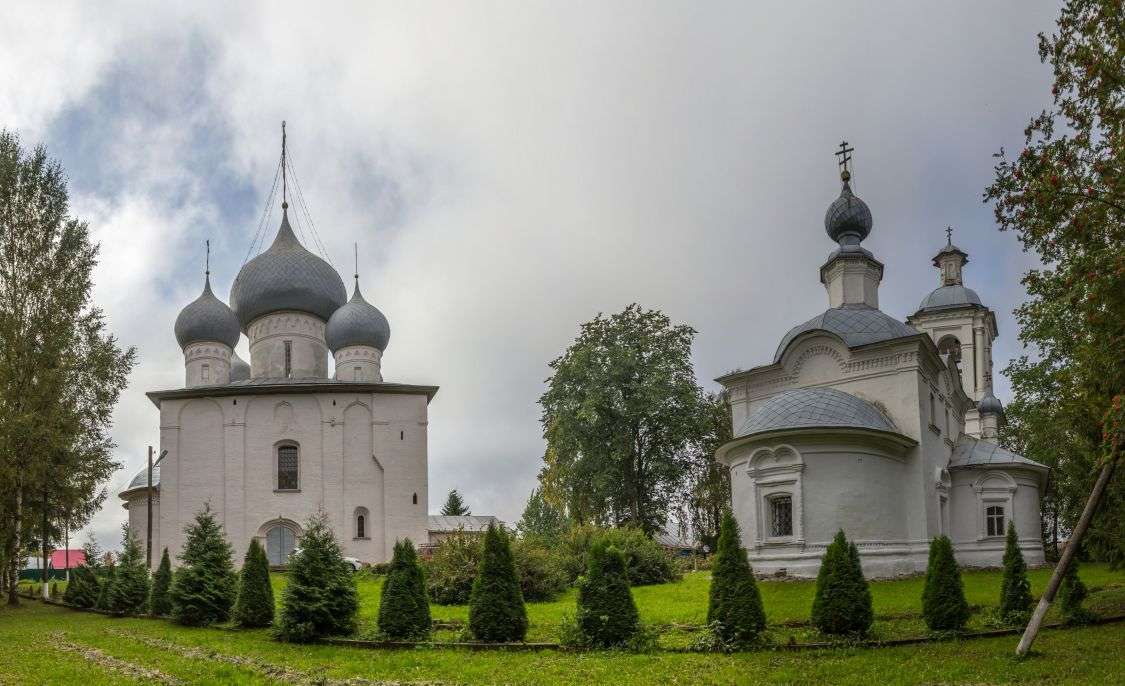
Dormition Cathedral
🕍 Place of worship


Point 1
🏯 Fortress remains • 🕵️ Urban legend • 📜 Historic site
You can't tell the story of Belozersk without the place built to defend it — the Kremlin. It rises right in the center of town: a closed earthen rampart with a flat top, 1.5 km long.
In ancient times wooden walls with towers ran along the crest of the ramparts, and the “town” was connected to the outside world by a system of drawbridges. Living inside the ramparts was considered safe, and therefore prestigious. Within the fortifications stood the governor's residence, the treasury, the cathedral of St. Basil the Great and the Church of the Transfiguration. Over time the fortress fell into disrepair and was patched up more than once. In 1758 the walls and towers, which had lost their defensive value, were dismantled.
A fun fact for romantic treasure hunters: a census book of the time states that the fortress had no underground passages — and so no secret hiding places either. But in his Description of Muscovy (1578), the Italian nobleman Alessandro Guagnini wrote: “On this lake there is an impregnable kremlin, fortified by nature itself, where the sovereign usually hides his treasures and where he flees for refuge when enemies invade.” Tempting, isn't it?
In the 2010s the kremlin grounds were cleared of dilapidated 20th-century buildings, vegetable plots and overgrown trees. Today any digging here is accompanied by archaeological research.
Point on route “In the Footsteps of History”
Point 1
🏯 Fortress remains • 🕵️ Urban legend • 📜 Historic site
You can't tell the story of Belozersk without the place built to defend it — the Kremlin. It rises right in the center of town: a closed earthen rampart with a flat top, 1.5 km long.
In ancient times wooden walls with towers ran along the crest of the ramparts, and the “town” was connected to the outside world by a system of drawbridges. Living inside the ramparts was considered safe, and therefore prestigious. Within the fortifications stood the governor's residence, the treasury, the cathedral of St. Basil the Great and the Church of the Transfiguration. Over time the fortress fell into disrepair and was patched up more than once. In 1758 the walls and towers, which had lost their defensive value, were dismantled.
A fun fact for romantic treasure hunters: a census book of the time states that the fortress had no underground passages — and so no secret hiding places either. But in his Description of Muscovy (1578), the Italian nobleman Alessandro Guagnini wrote: “On this lake there is an impregnable kremlin, fortified by nature itself, where the sovereign usually hides his treasures and where he flees for refuge when enemies invade.” Tempting, isn't it?
In the 2010s the kremlin grounds were cleared of dilapidated 20th-century buildings, vegetable plots and overgrown trees. Today any digging here is accompanied by archaeological research.