 11 points
 0 km
 0 hours


An Unusual Reference
The Sikachi-Alyan petroglyphs turn a walk around the zoo into a real immersion in the history and culture of the Amur region, because these stone installations refer to one of the Seven Wonders of Khabarovsk District.
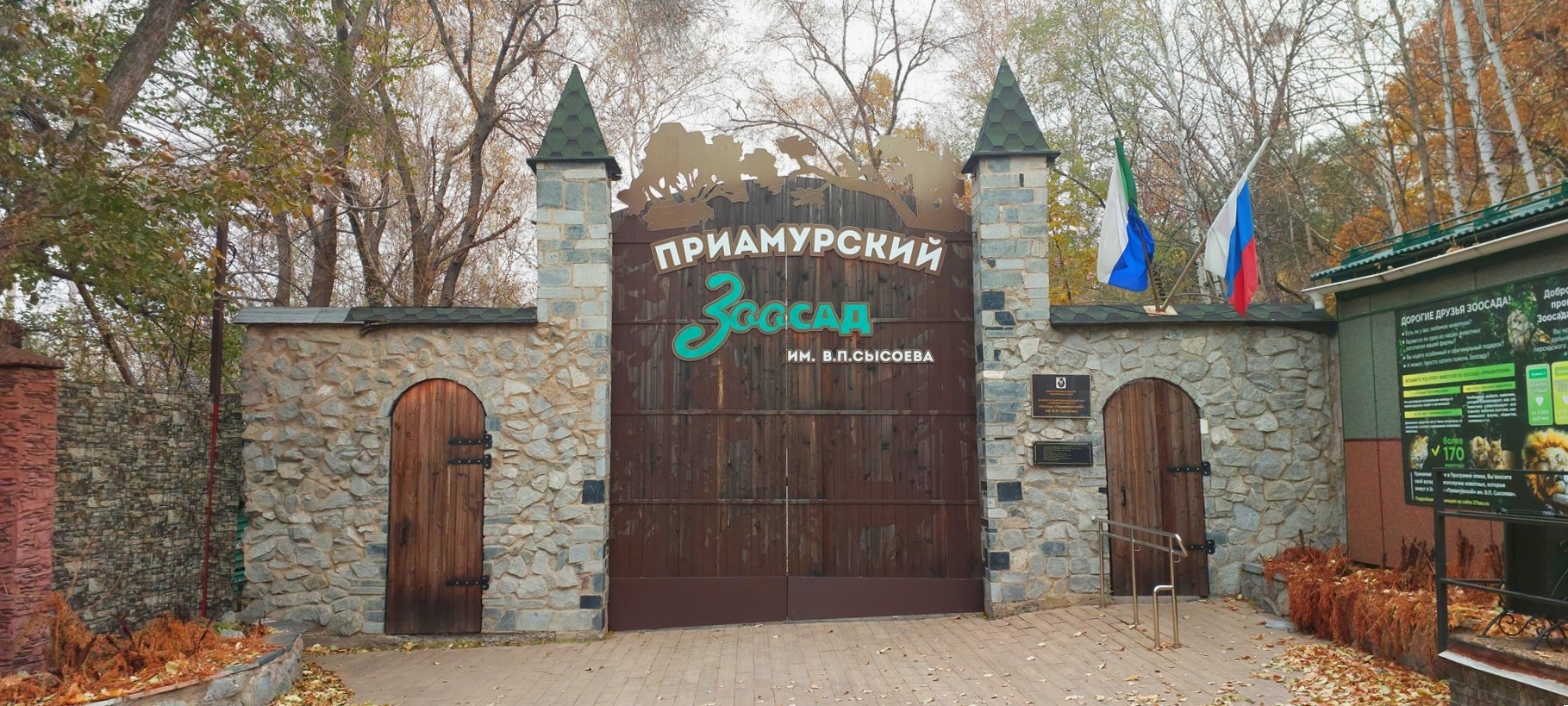
The Priamursky Zoo opened in October 2002 on 6.2 hectares (15 acres) of a picturesque hillside near Voronezh-2, close to the Amur River. Its spacious enclosures, blended naturally into the forest landscape, house some 60 species, about 170 animals in all, most of them native to the Russian Far East. None were caught in the wild for the zoo: it takes in animals that would not survive on their own, and often hand-rears orphaned cubs. The idea was born thirty years ago and came to life on the site of the former Liza Chaikina camp, after six Young Pioneer camps were handed over to the project.

Garden of Memory
🌳 Botanical garden · 📜 Historic site
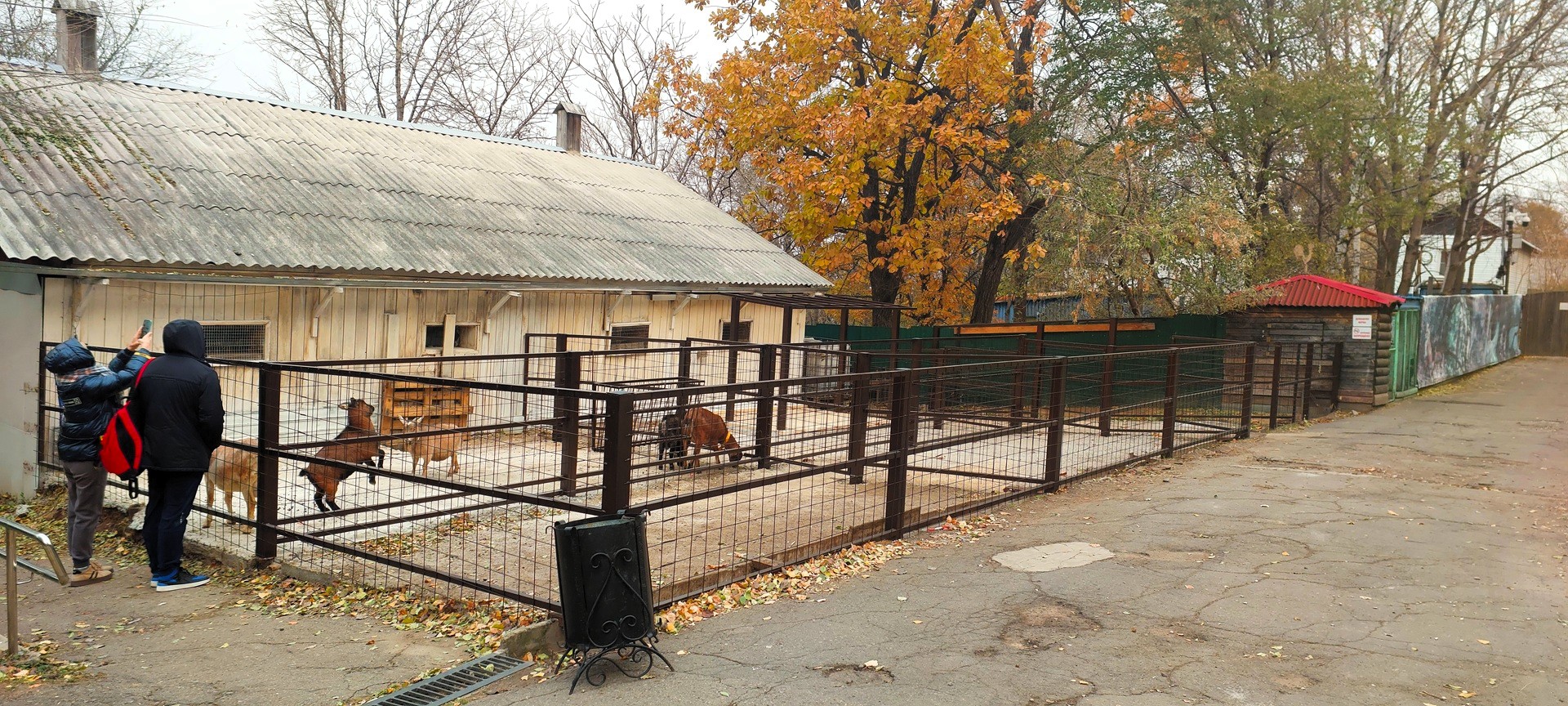
Zoo Map
🕵️ Urban legend
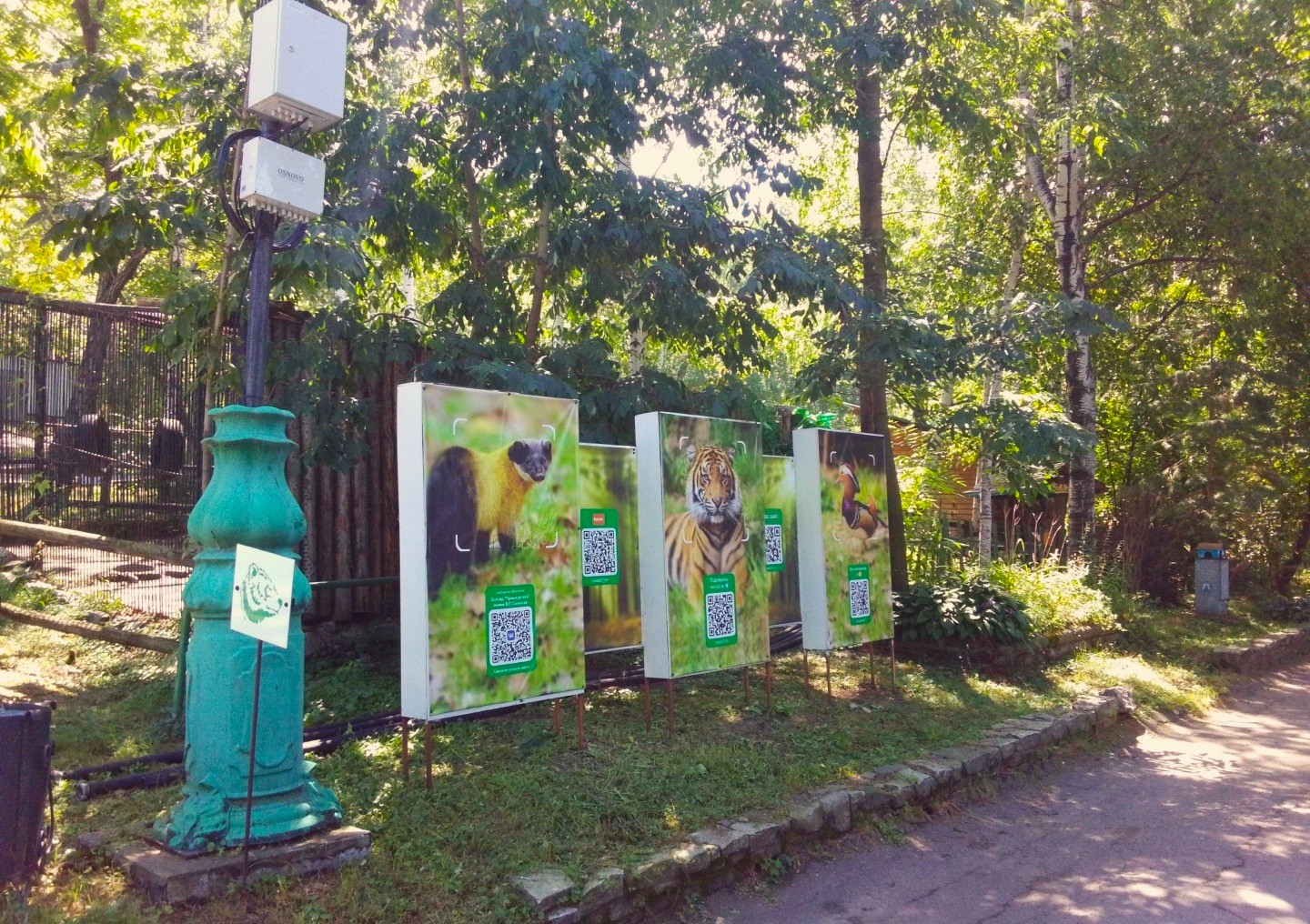
Viewing Platform
🔭 Viewpoint
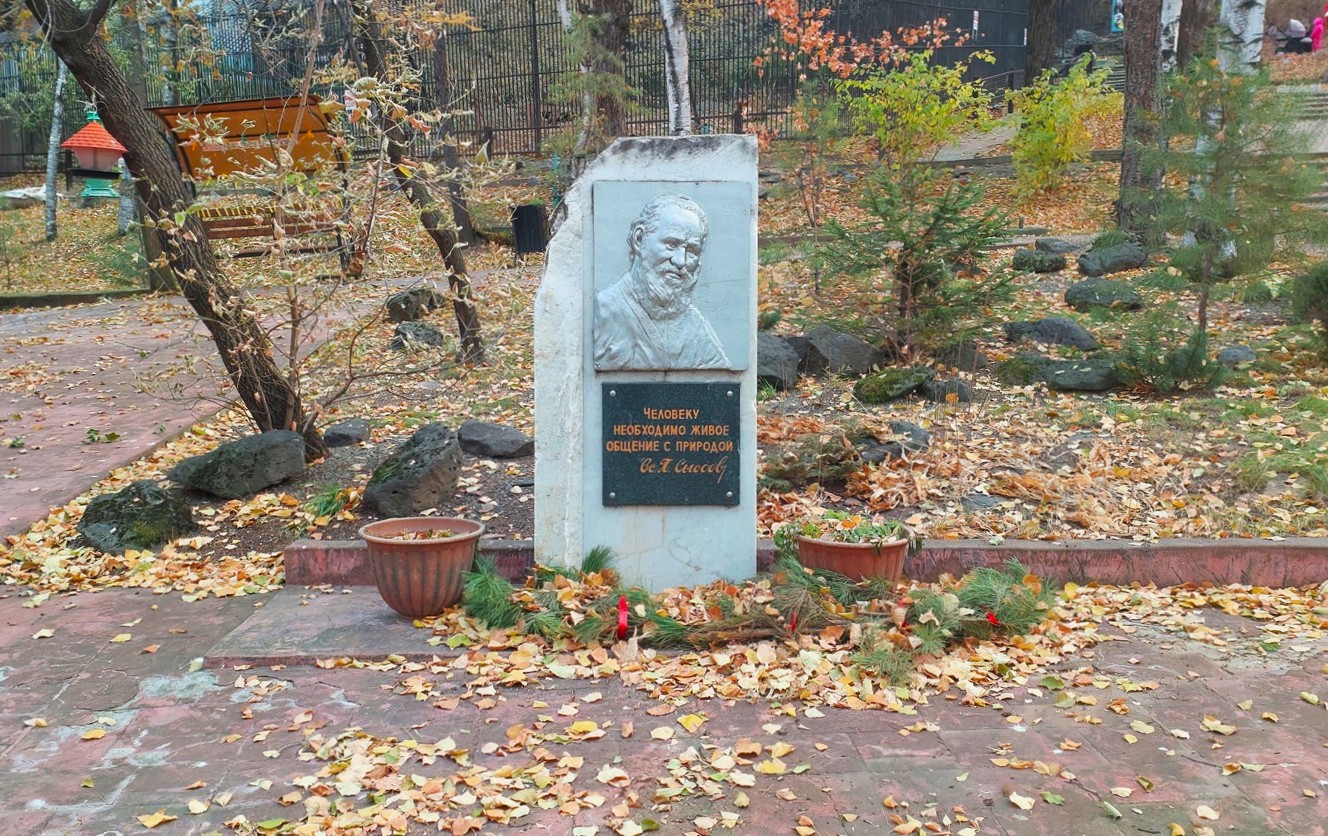
Monument to Vsevolod Sysoev
🗿 Monument
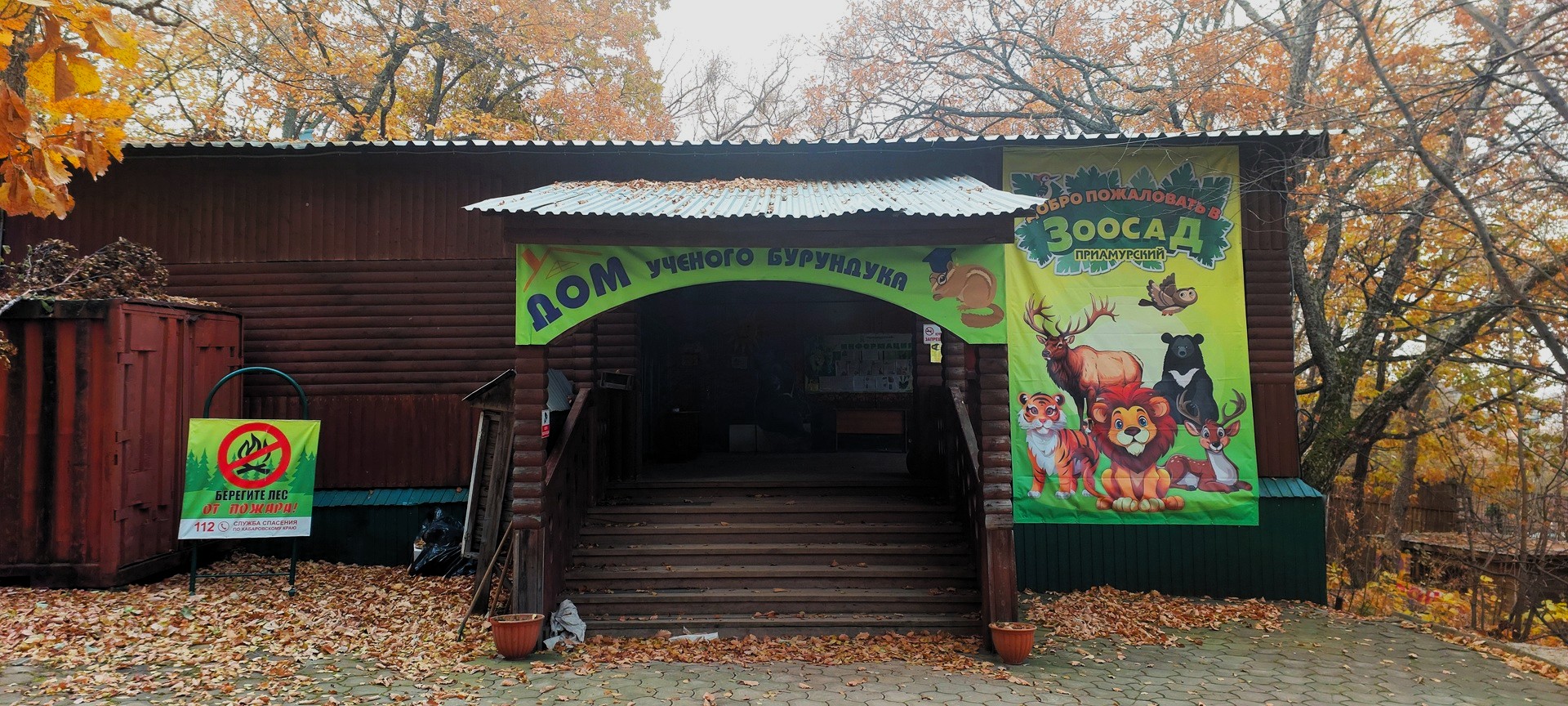
House of the Scholarly Chipmunk
🌳 Botanical garden
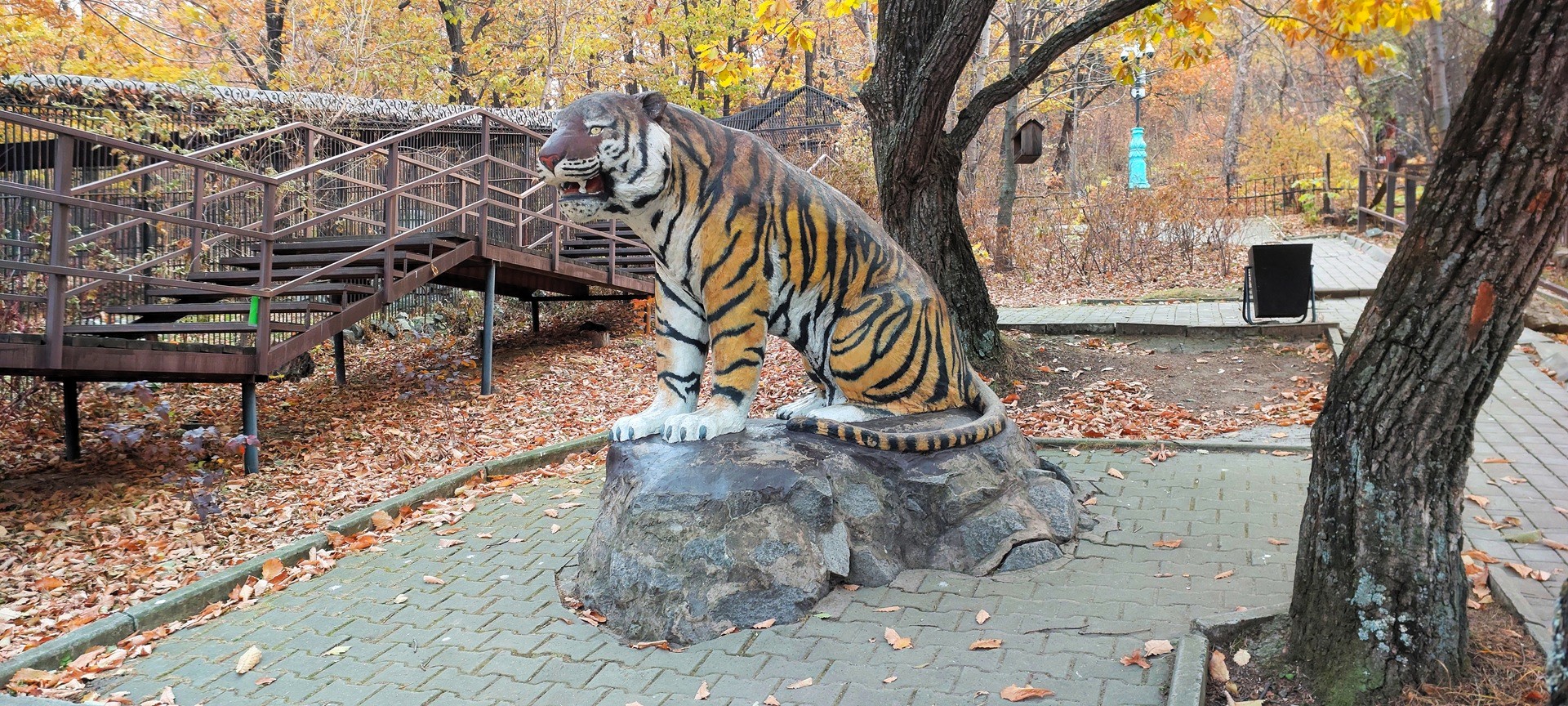
Amur Tiger Sculpture
🗿 Sculptures
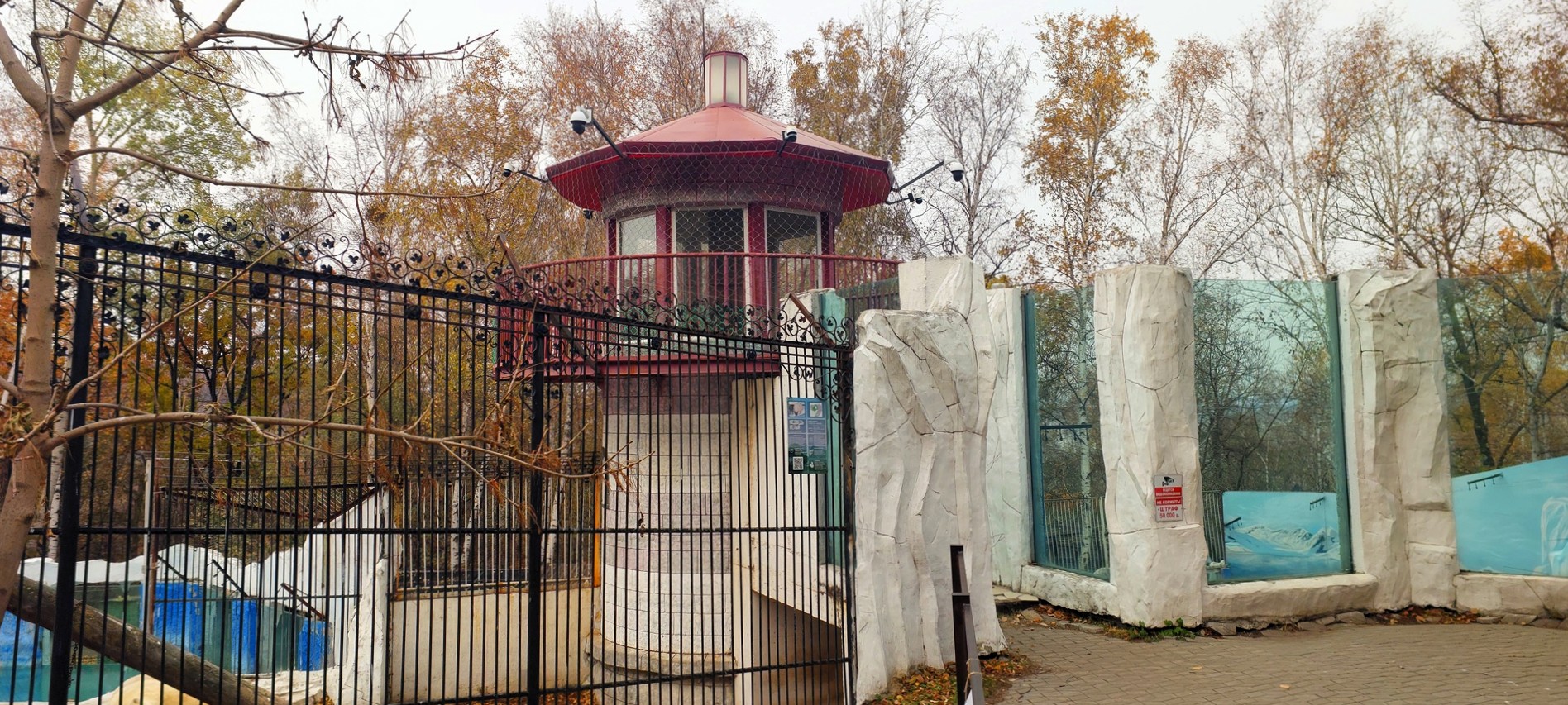
Lighthouse by the Polar Bear
🔭 Viewpoint
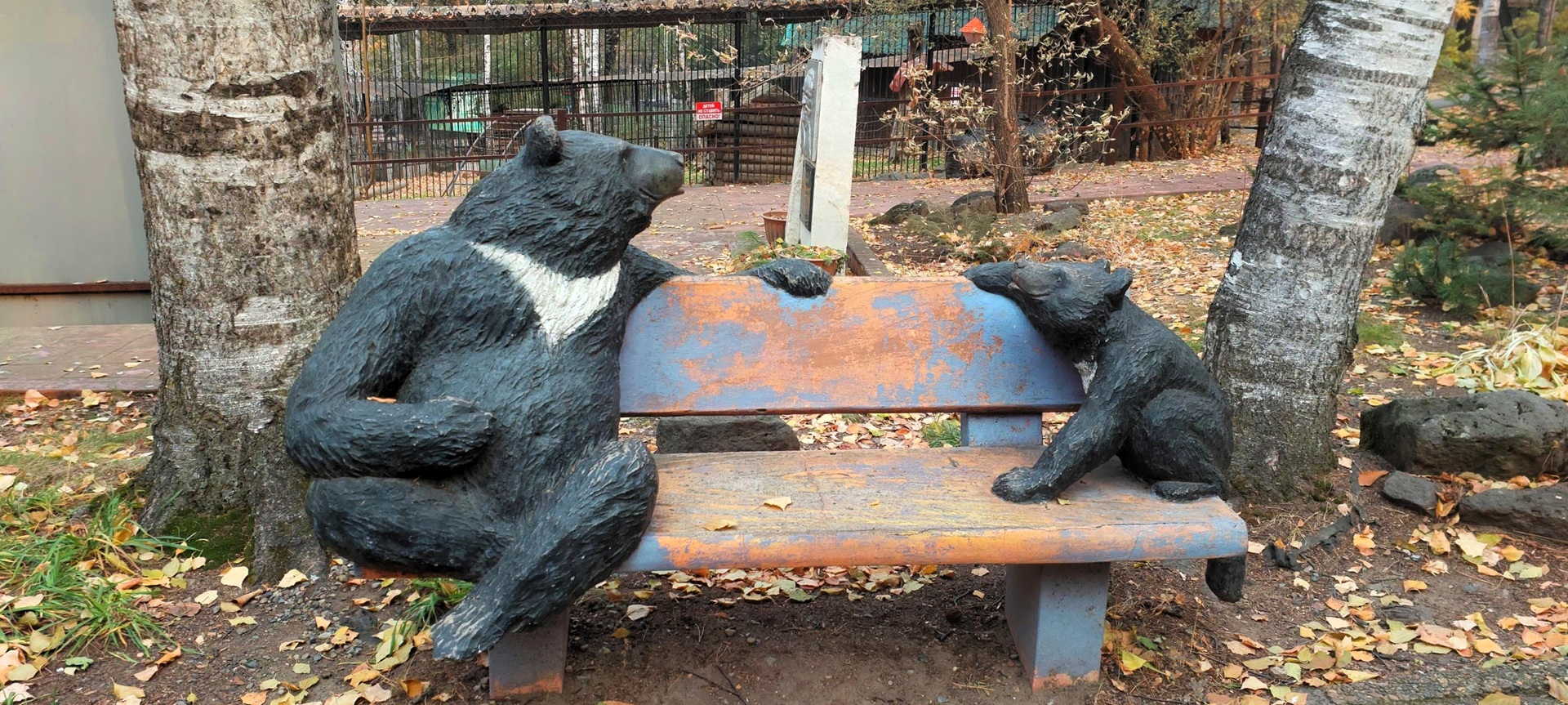
Bears on a Bench
🗿 Sculptures
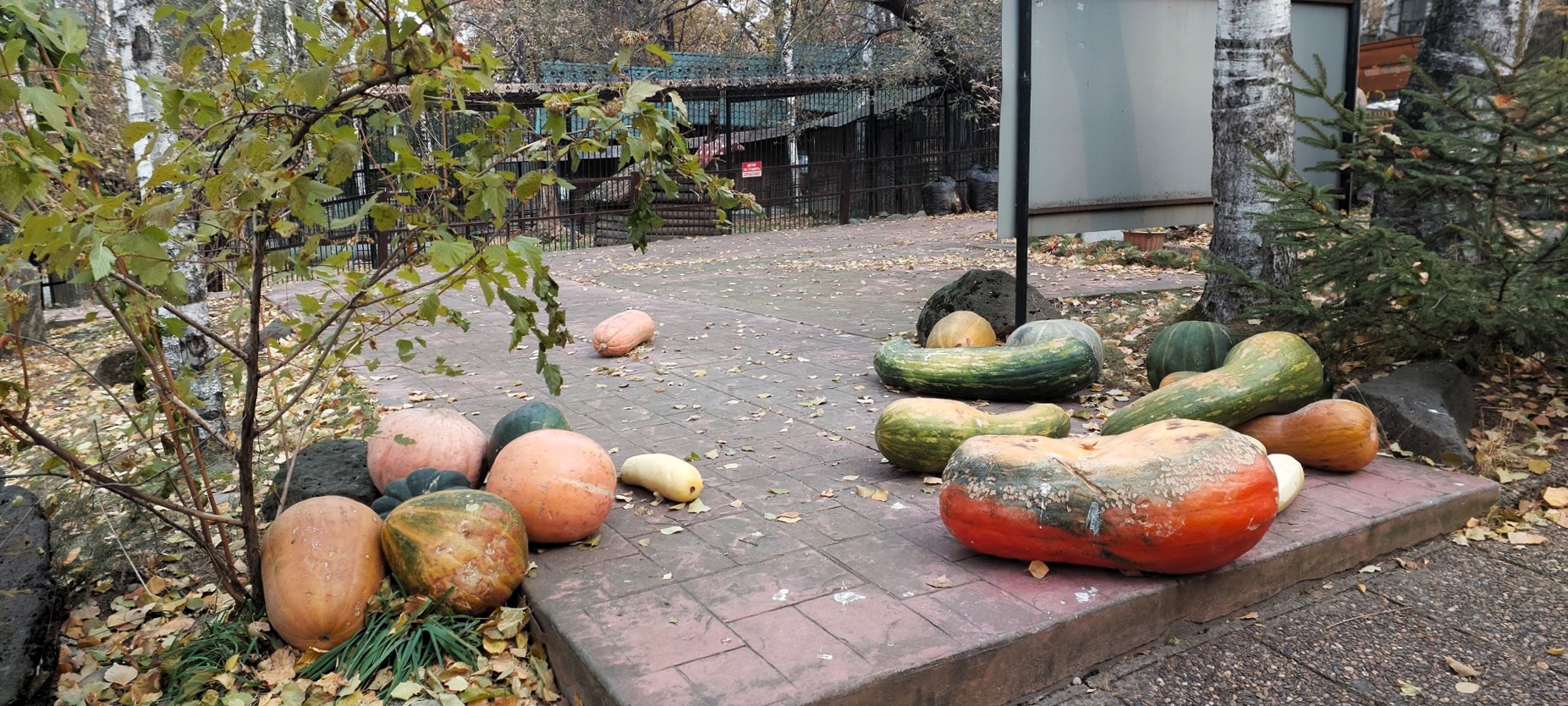
Good Harvest
🕵️ Urban legend

Sikachi-Alyan Petroglyphs
📜 Historic site · 🕵️ Urban legend
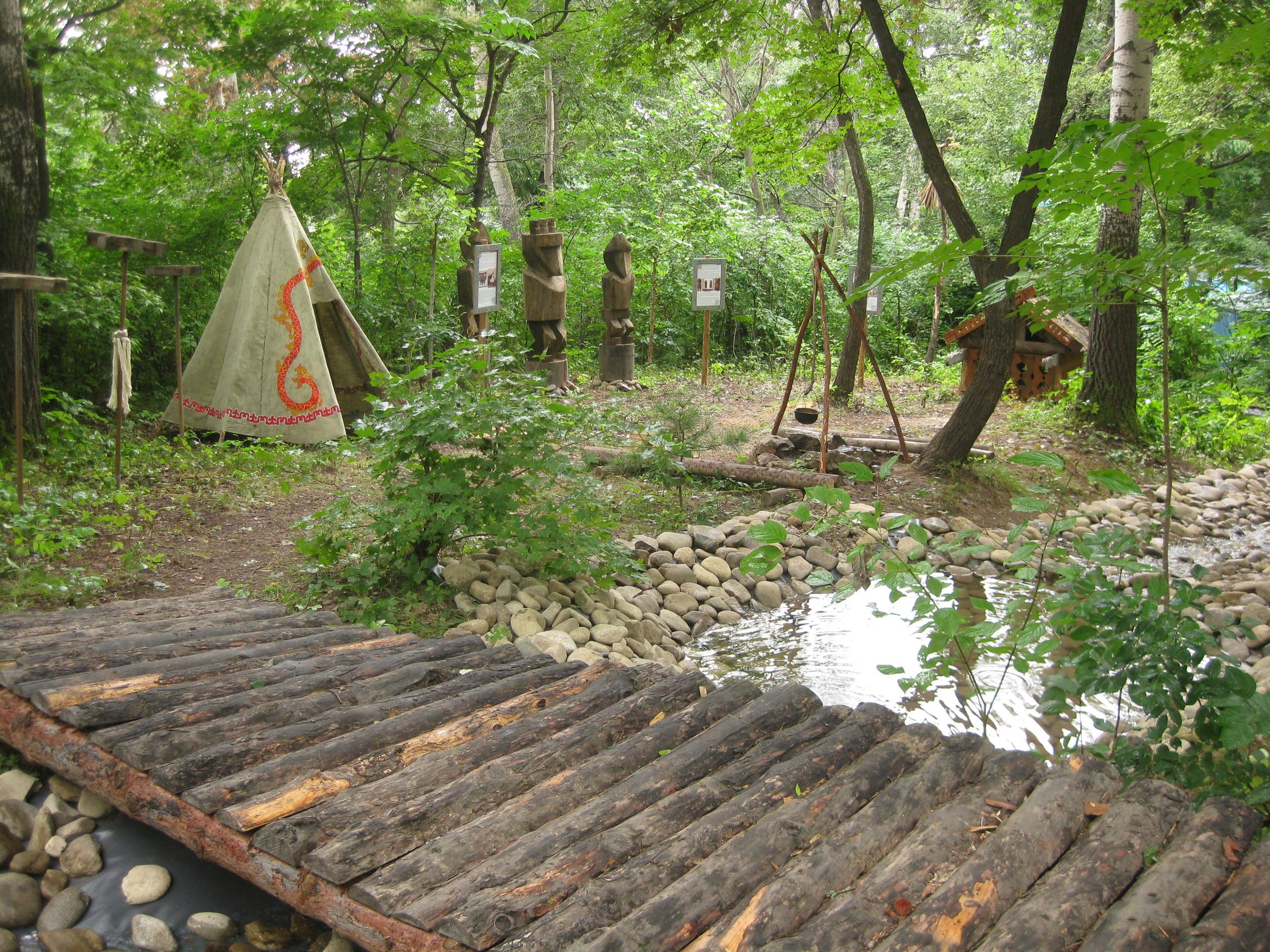
Nanai Village
📜 Historic site


Point 10
📜 Historic site • 🕵️ Urban legend
The Sikachi-Alyan petroglyphs turn a walk around the zoo into a real immersion in the history and culture of the Amur region, because these stone installations refer to one of the Seven Wonders of Khabarovsk District.
The Sikachi-Alyan petroglyphs are among the oldest cultural and historical sites in the Russian Far East, located on the bank of the Amur in the village of Sikachi-Alyan. They are basalt boulders bearing rock art by the Indigenous peoples of the Far East. The images are estimated to be 12,000 years old, older than the moai statues of Easter Island. The area where the petroglyphs are located is protected by the state and since 2003 the petroglyphs have been on UNESCO's Tentative List for World Heritage status.
For the Nanai, an Indigenous people of the Far East, the petroglyphs hold not so much cultural as religious value. To them this is sacred ground, where one can ask distant ancestors for advice, a blessing, or a gift. The images carved into these stones were left by shamans of different eras as prayers that still echo to this day.
Point on route “Sysoev Priamursky Zoo”
Point 10
📜 Historic site • 🕵️ Urban legend
The Sikachi-Alyan petroglyphs turn a walk around the zoo into a real immersion in the history and culture of the Amur region, because these stone installations refer to one of the Seven Wonders of Khabarovsk District.
The Sikachi-Alyan petroglyphs are among the oldest cultural and historical sites in the Russian Far East, located on the bank of the Amur in the village of Sikachi-Alyan. They are basalt boulders bearing rock art by the Indigenous peoples of the Far East. The images are estimated to be 12,000 years old, older than the moai statues of Easter Island. The area where the petroglyphs are located is protected by the state and since 2003 the petroglyphs have been on UNESCO's Tentative List for World Heritage status.
For the Nanai, an Indigenous people of the Far East, the petroglyphs hold not so much cultural as religious value. To them this is sacred ground, where one can ask distant ancestors for advice, a blessing, or a gift. The images carved into these stones were left by shamans of different eras as prayers that still echo to this day.