 15 points
 5 km
 2.5 hours


Overview
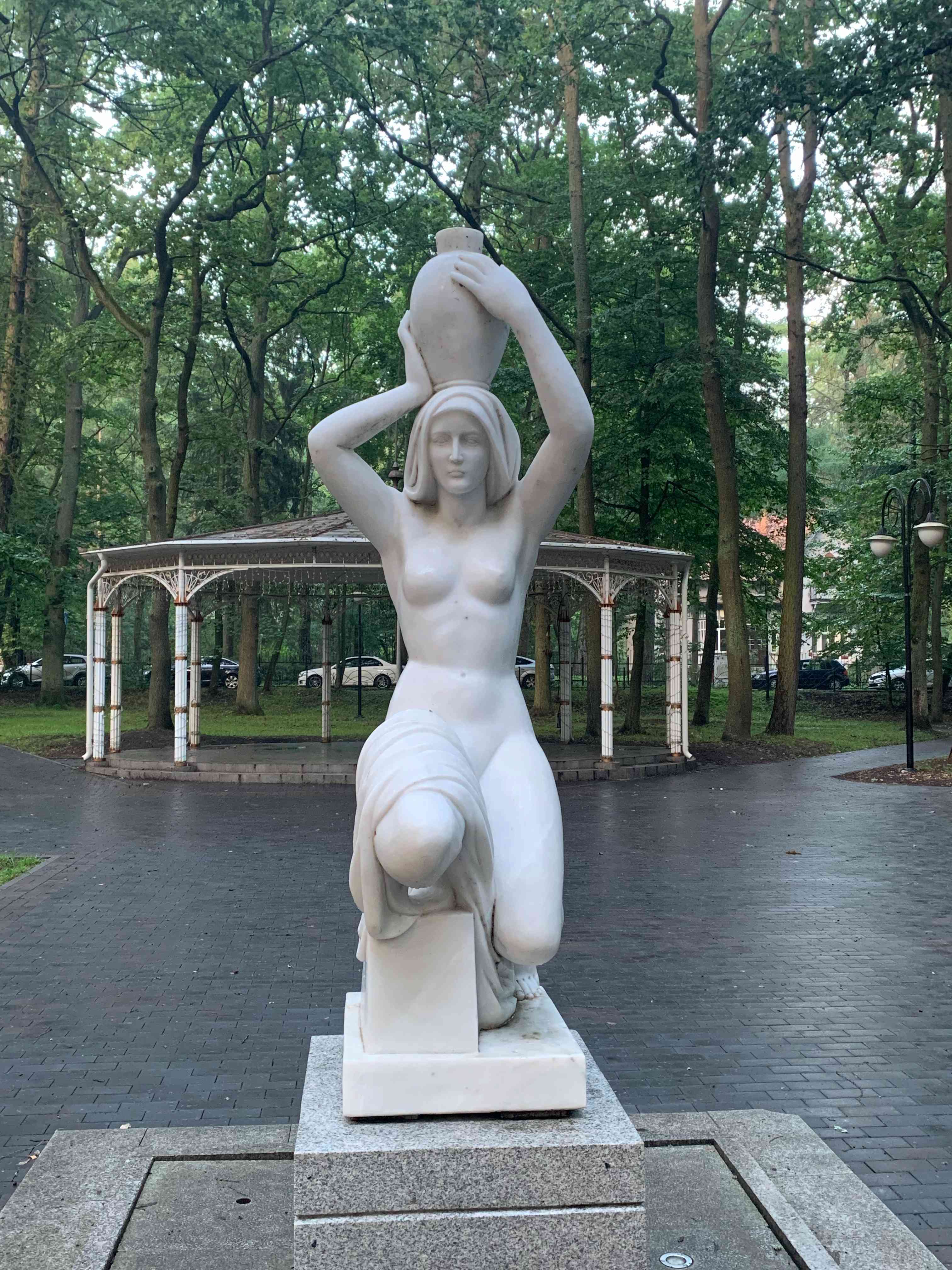
The centerpiece sculpture of the Larch Park. It is the work of the noted sculptor Hermann Brachert, who depicted a girl with a pitcher from a Christian legend.
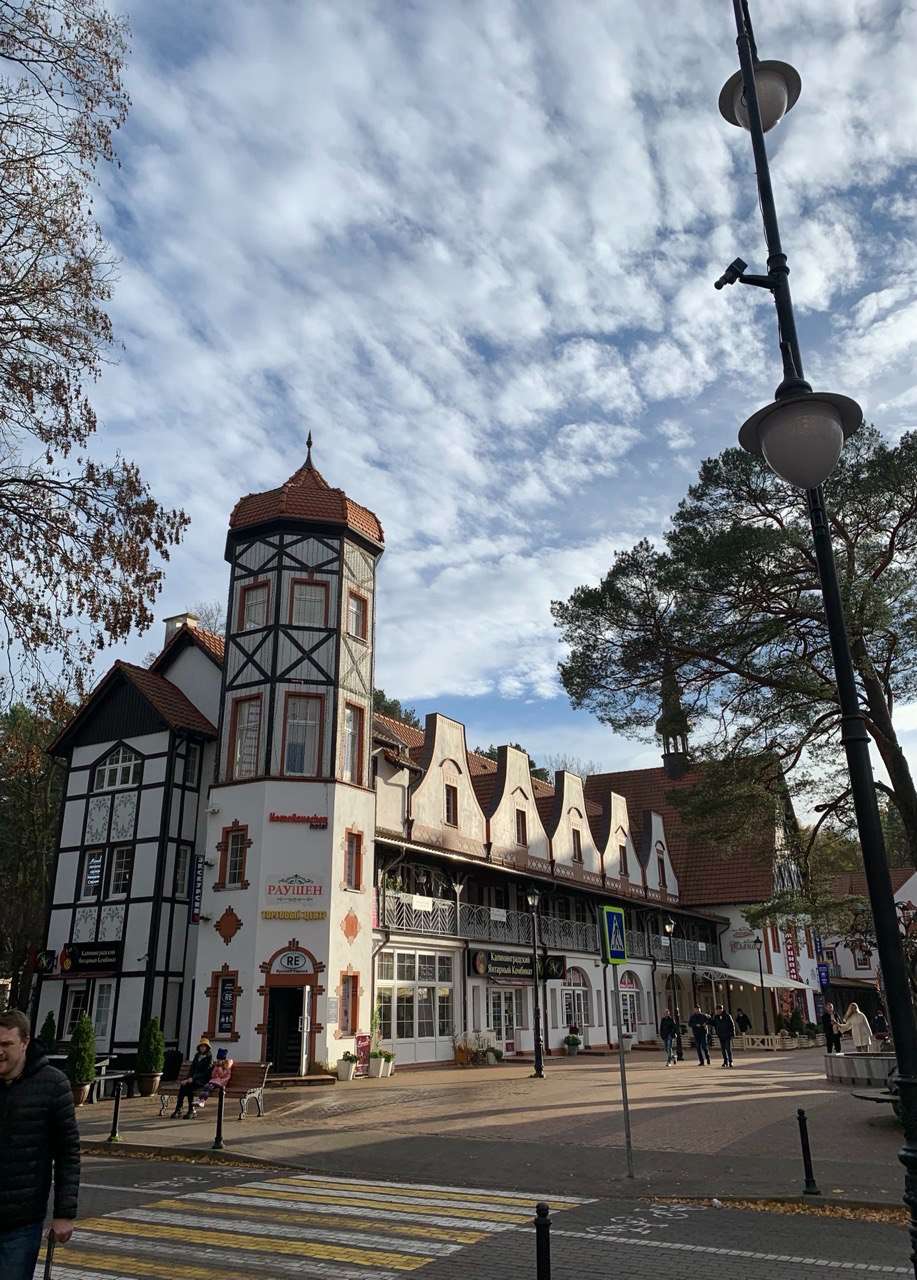
The city's most important sights, history, and legends. Here you'll learn everything you need to know about Svetlogorsk, the former German town of Rauschen, and its most popular spots.
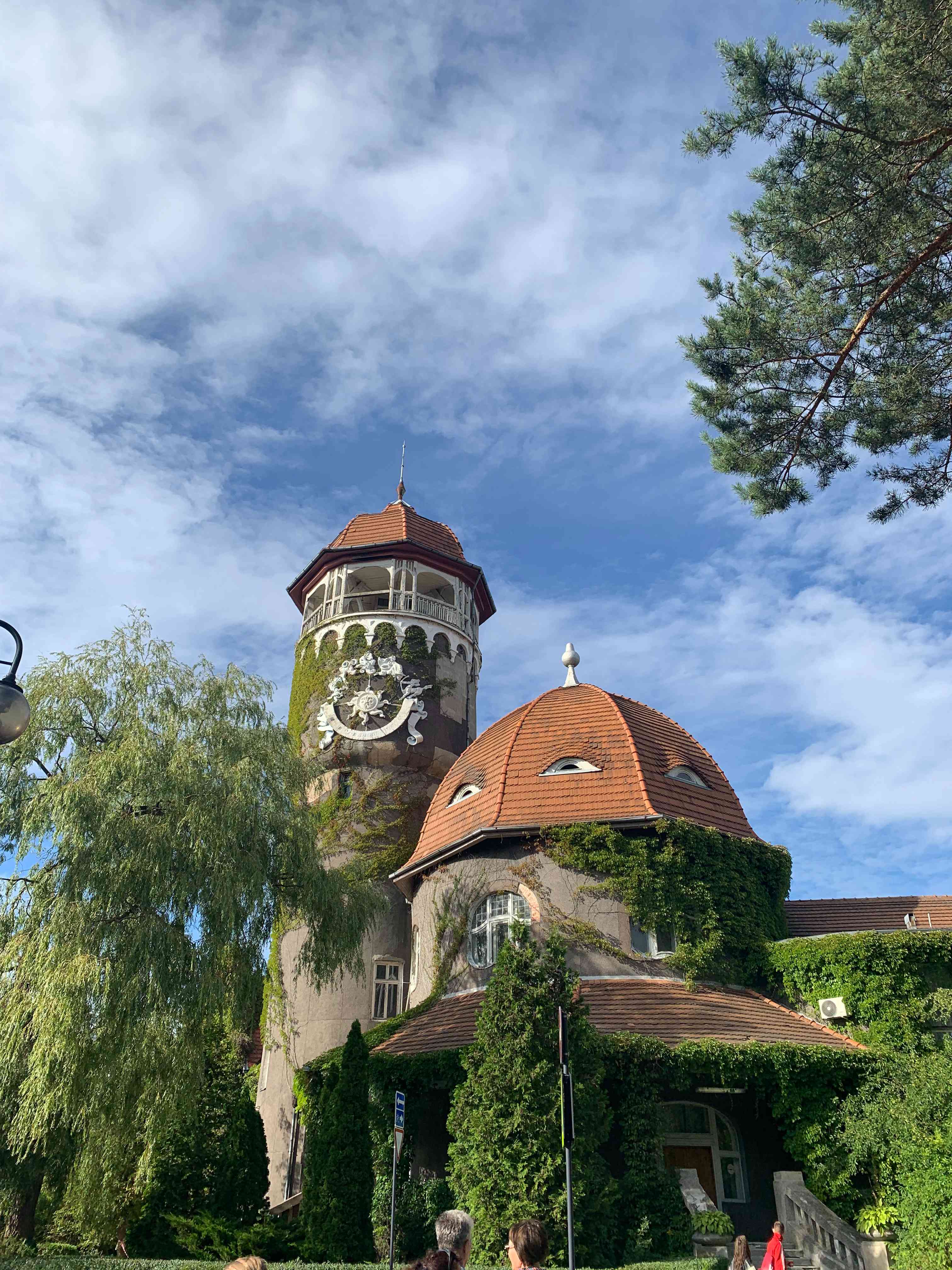
Water Tower
🏟️ Architectural landmark · 📜 Historic site · ⚙️ Industrial site
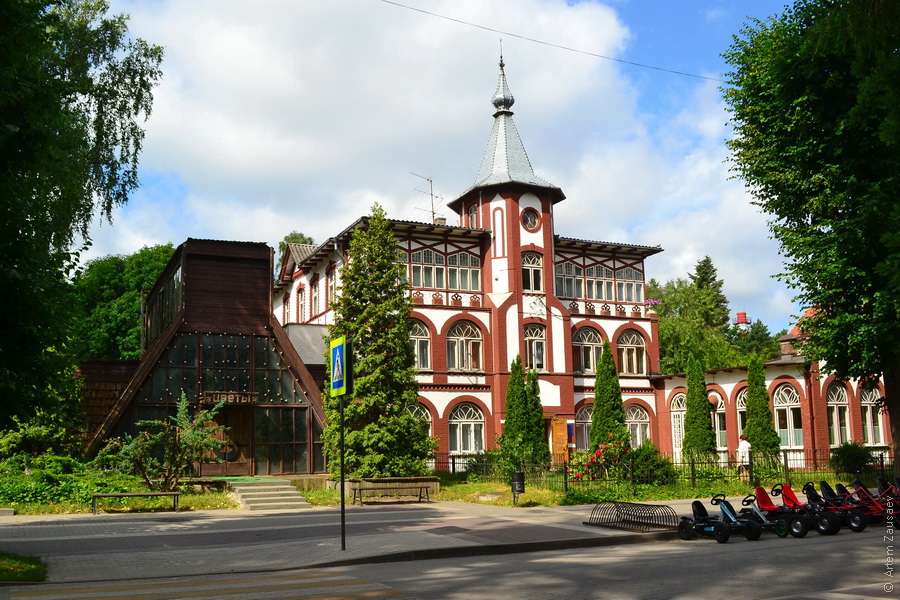
Seestern Hotel
🏟️ Architectural landmark · 📜 Historic site
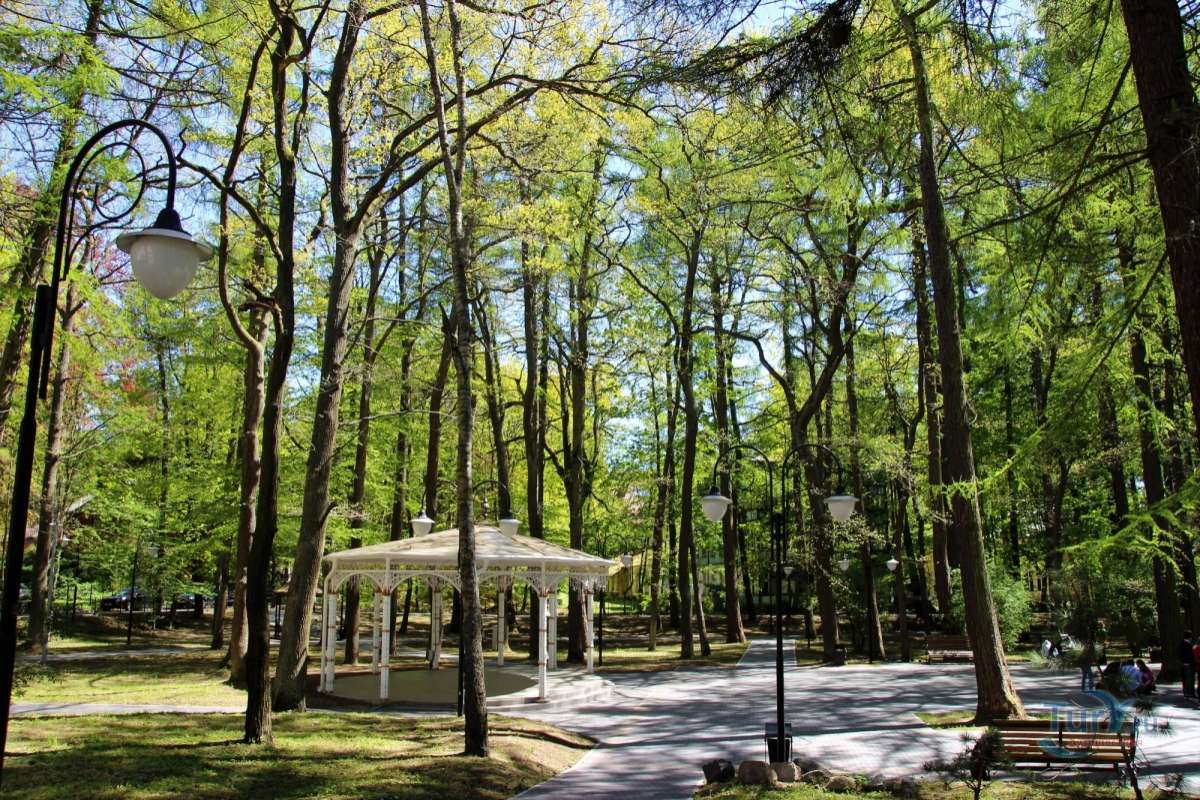
Larch Park
🌿 Public garden or park
The Water Carrier
🗿 Monument · 🕵️ Urban legend

Cittaslow Snail
🗿 Monument · 🕵️ Urban legend
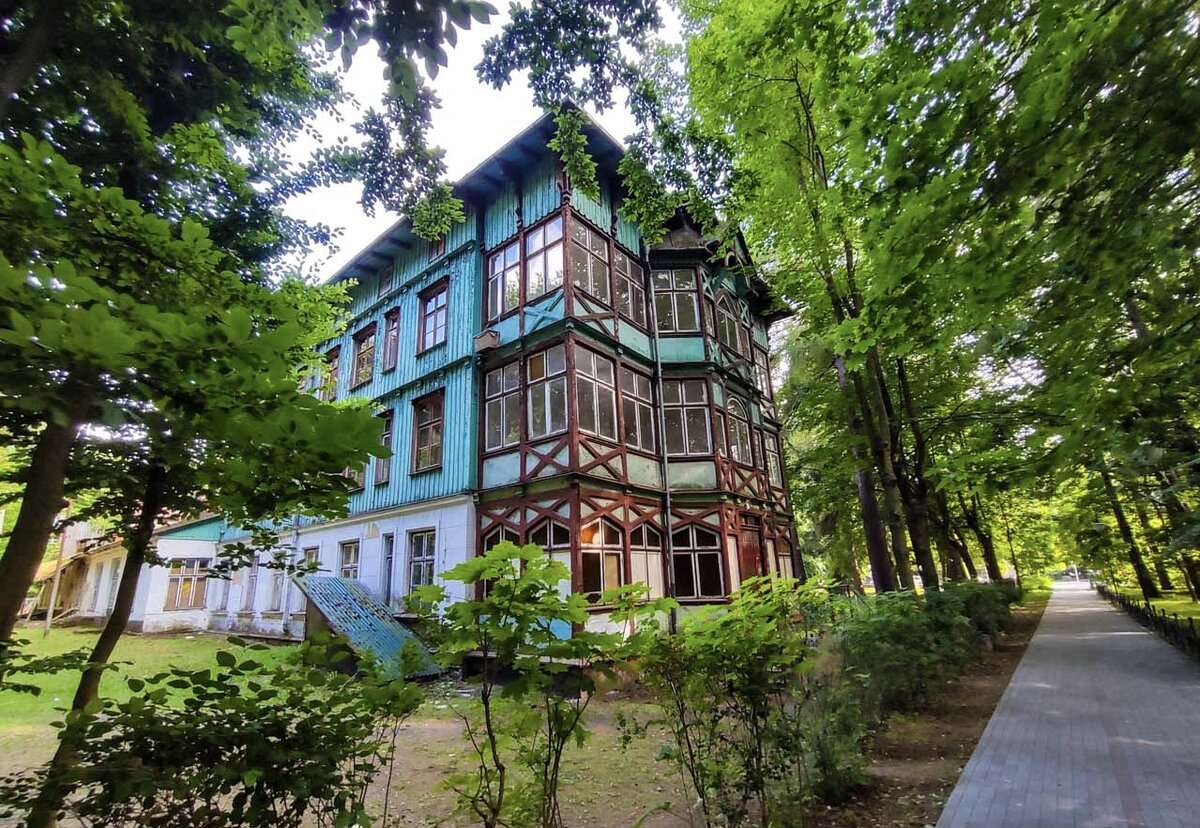
Forest Castle Guesthouse
📜 Historic site · 🏟️ Architectural landmark

Central Square
⛲ Square · 🗿 Sculptures · 🏟️ Architectural landmark

The Wave Maiden
🗿 Monument

Makarov Organ Hall
🏟️ Architectural landmark · 📜 Historic site
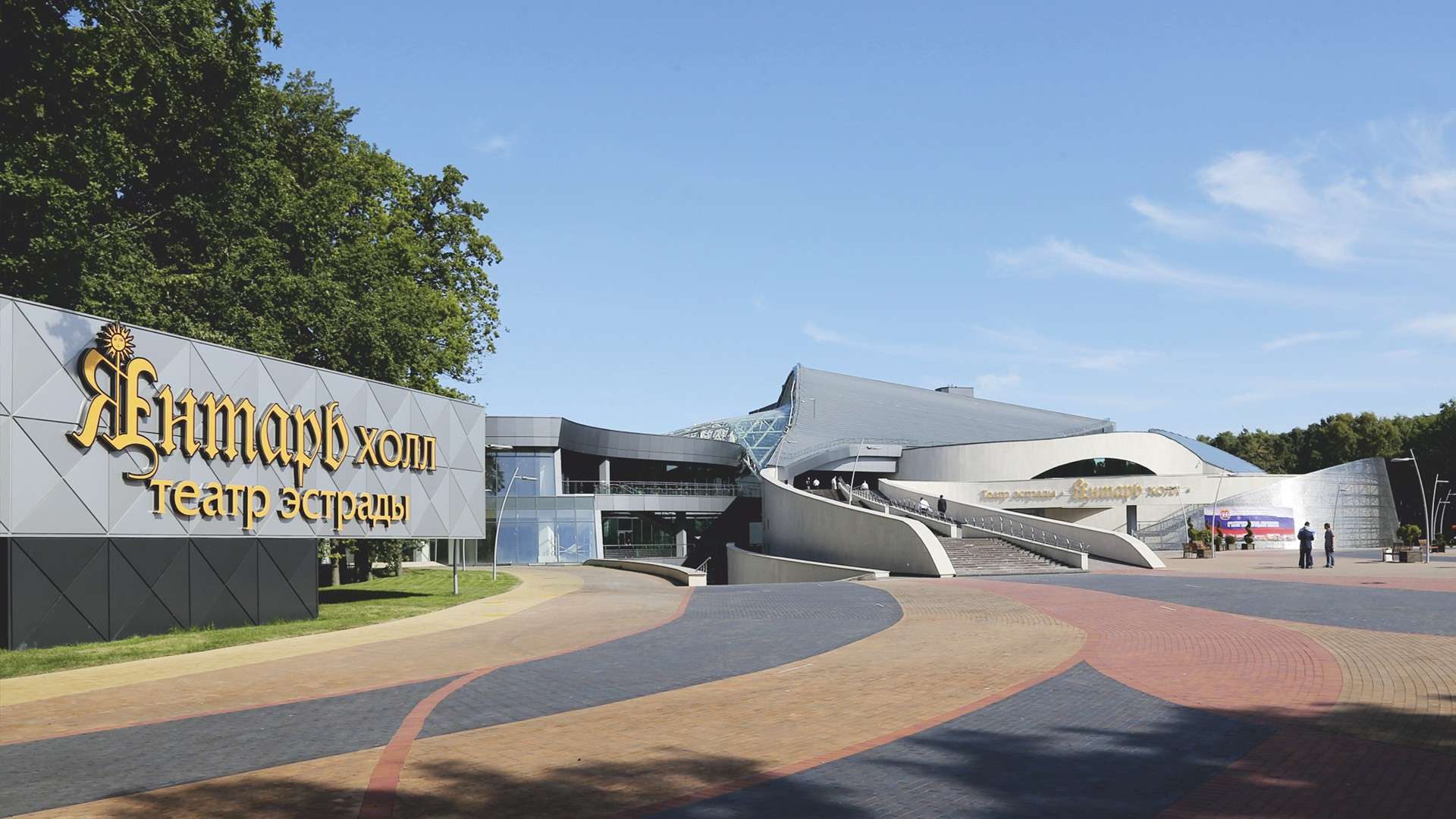
Amber Hall
🏙 Modern architecture
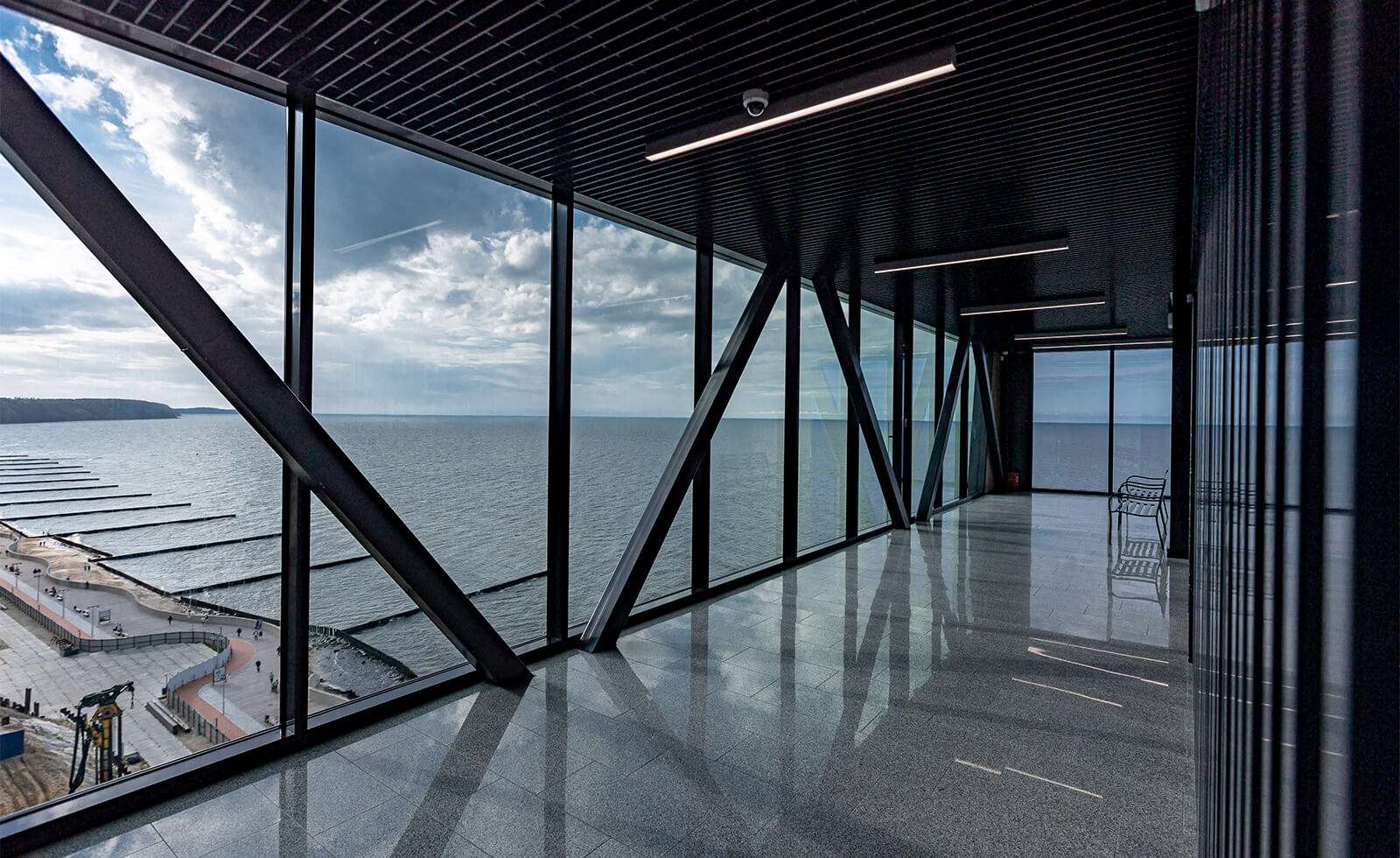
Elevator and Promenade
⚙️ Industrial site · 🚶♂️ Waterfront
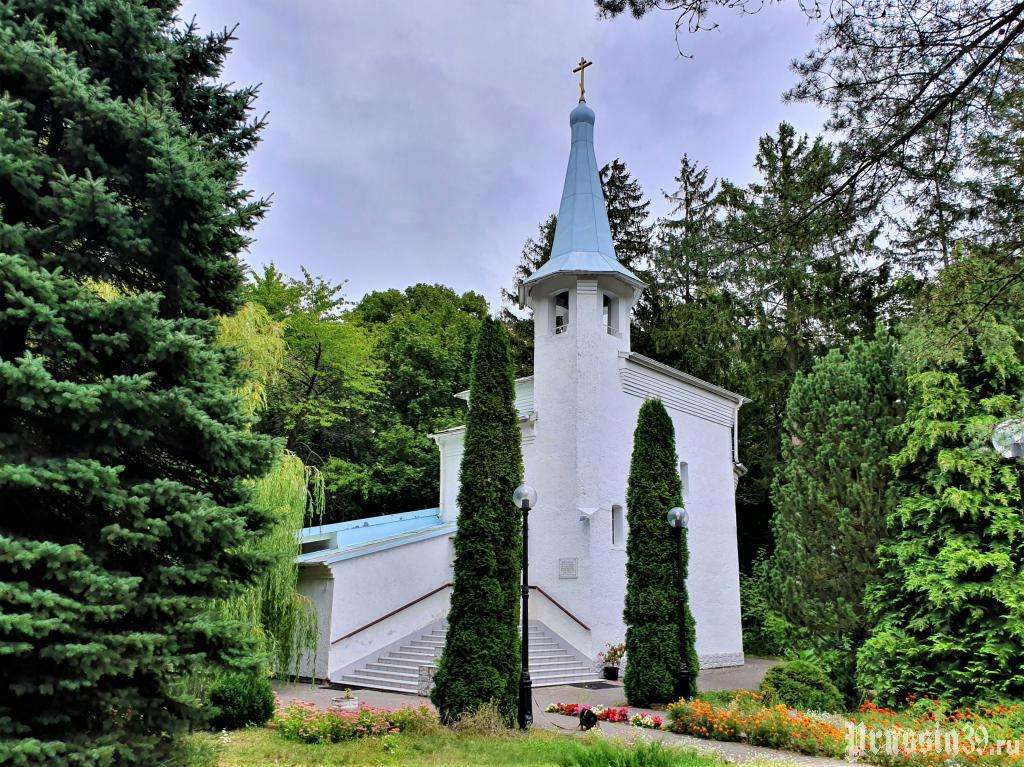
Chapel in Memory of the Children
🕍 Place of worship · 📜 Historic site
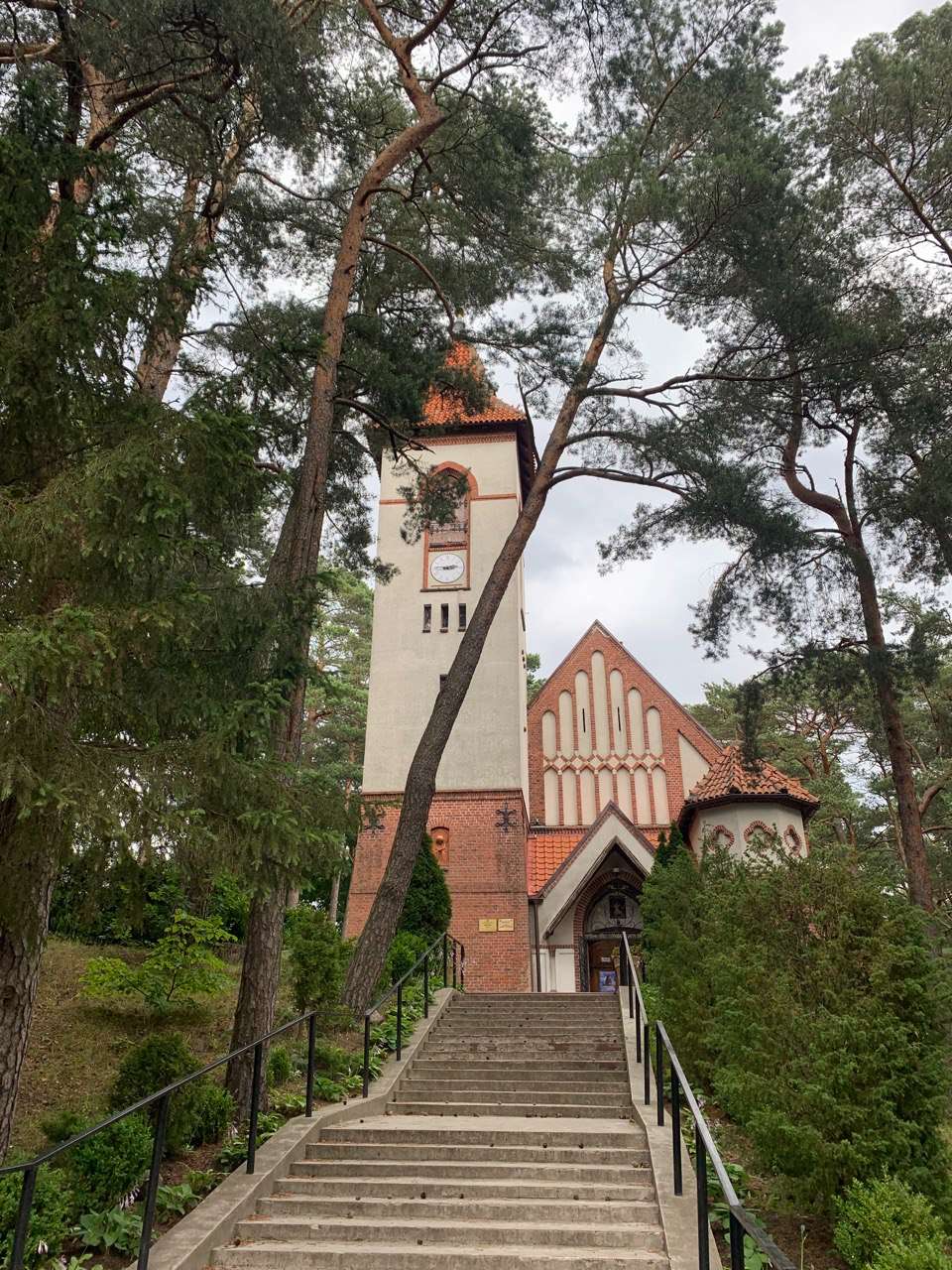
Lutheran Church
🕍 Place of worship · 🏟️ Architectural landmark · 📜 Historic site
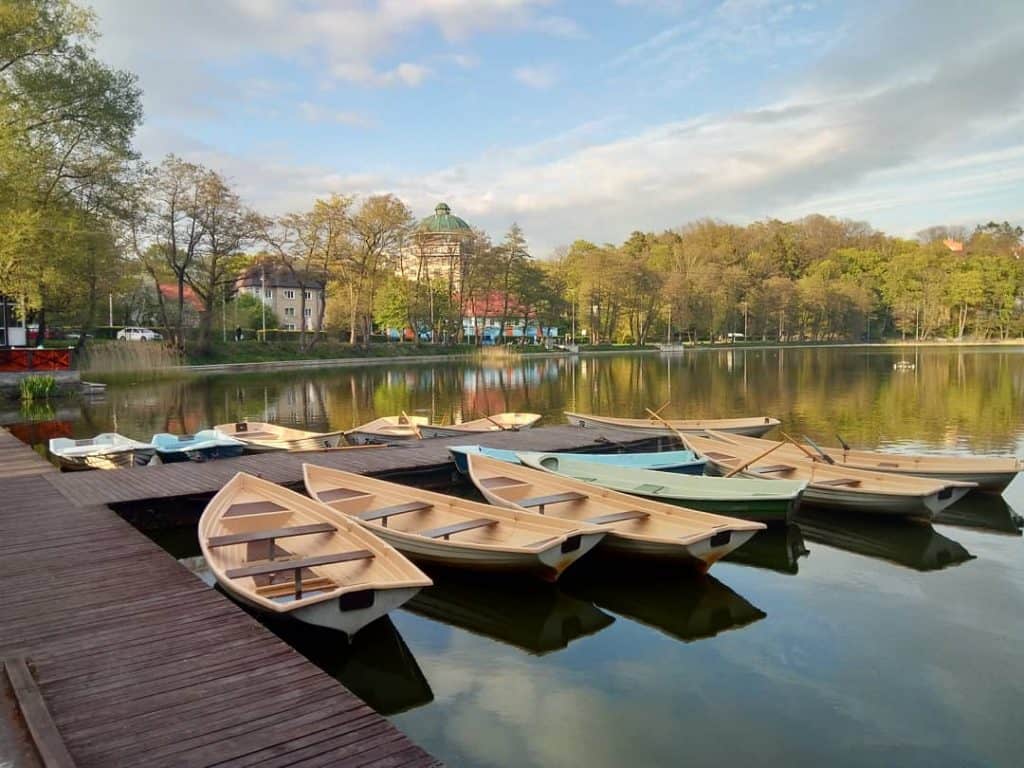
Lake Tikhoye
🌿 Public garden or park · 🚶♂️ Waterfront
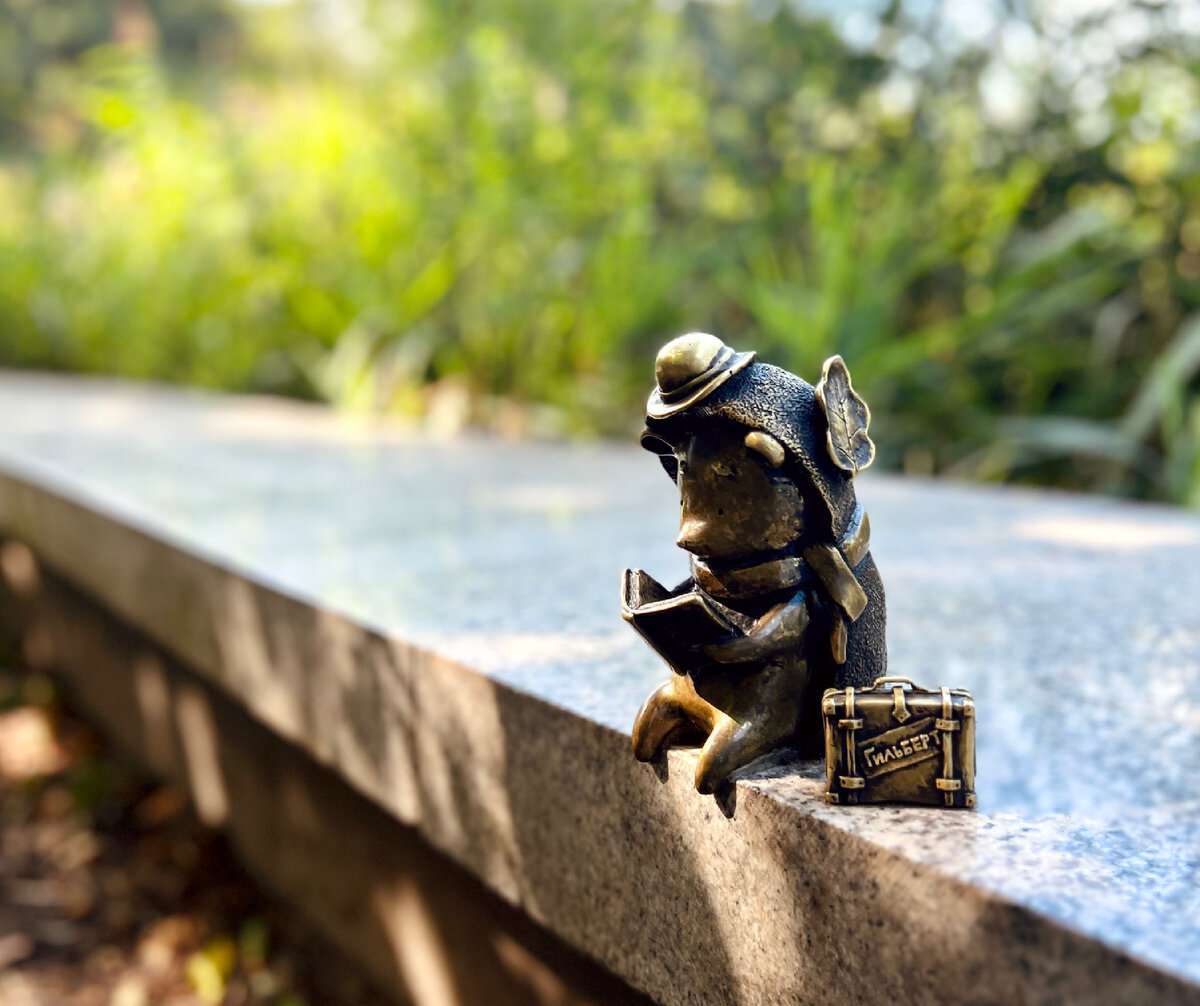
Svetlo-hedgehogs
🗿 Sculptures


Point 4
🗿 Monument • 🕵️ Urban legend
The centerpiece sculpture of the Larch Park. It is the work of the noted sculptor Hermann Brachert, who depicted a girl with a pitcher from a Christian legend.
Legend has it that the girl carried water to the dungeon for her brother, a Christian who had been thrown into prison without food or water for his faith. One day the jailers noticed the girl and allowed her to bring water, but only if she did it completely naked. For a girl of that time this was an unheard-of shame, after which she could forget about a respectable marriage. But to save her brother, she does it. Eyes closed, full of dignity, she draws the water and carries it, naked. The one who carries water carries salvation...
Interestingly, the sculpture was created in 1940 and installed in the park in 1944. That is, all this happened during the war, a year before Rauschen became Soviet. A bit odd to be beautifying a park at a time like that, don't you think? But consider the meaning of the legend: the girl carries water, but in essence she carries salvation. Remember, too, that the place where it was installed is the Larch Park, with its ancient legends of mother trees that bestow peace... Then you can understand what Hermann Brachert wanted to convey through his art, creating it at the height of the bloodiest war in 20th-century Europe.
Because the original “Water Carrier” was in danger of being destroyed, in 2002 it was taken for restoration to the Brachert House Museum, where it remains today. What you see now is already the second copy of the sculpture of the girl with the pitcher.
Point on route “Svetlogorsk: The Essentials”
Point 4
🗿 Monument • 🕵️ Urban legend
The centerpiece sculpture of the Larch Park. It is the work of the noted sculptor Hermann Brachert, who depicted a girl with a pitcher from a Christian legend.
Legend has it that the girl carried water to the dungeon for her brother, a Christian who had been thrown into prison without food or water for his faith. One day the jailers noticed the girl and allowed her to bring water, but only if she did it completely naked. For a girl of that time this was an unheard-of shame, after which she could forget about a respectable marriage. But to save her brother, she does it. Eyes closed, full of dignity, she draws the water and carries it, naked. The one who carries water carries salvation...
Interestingly, the sculpture was created in 1940 and installed in the park in 1944. That is, all this happened during the war, a year before Rauschen became Soviet. A bit odd to be beautifying a park at a time like that, don't you think? But consider the meaning of the legend: the girl carries water, but in essence she carries salvation. Remember, too, that the place where it was installed is the Larch Park, with its ancient legends of mother trees that bestow peace... Then you can understand what Hermann Brachert wanted to convey through his art, creating it at the height of the bloodiest war in 20th-century Europe.
Because the original “Water Carrier” was in danger of being destroyed, in 2002 it was taken for restoration to the Brachert House Museum, where it remains today. What you see now is already the second copy of the sculpture of the girl with the pitcher.