 15 points
 5 km
 2.5 hours


Overview
A private organ hall in the restored Catholic chapel of Mary, Star of the Sea. Admission to the grounds is free.
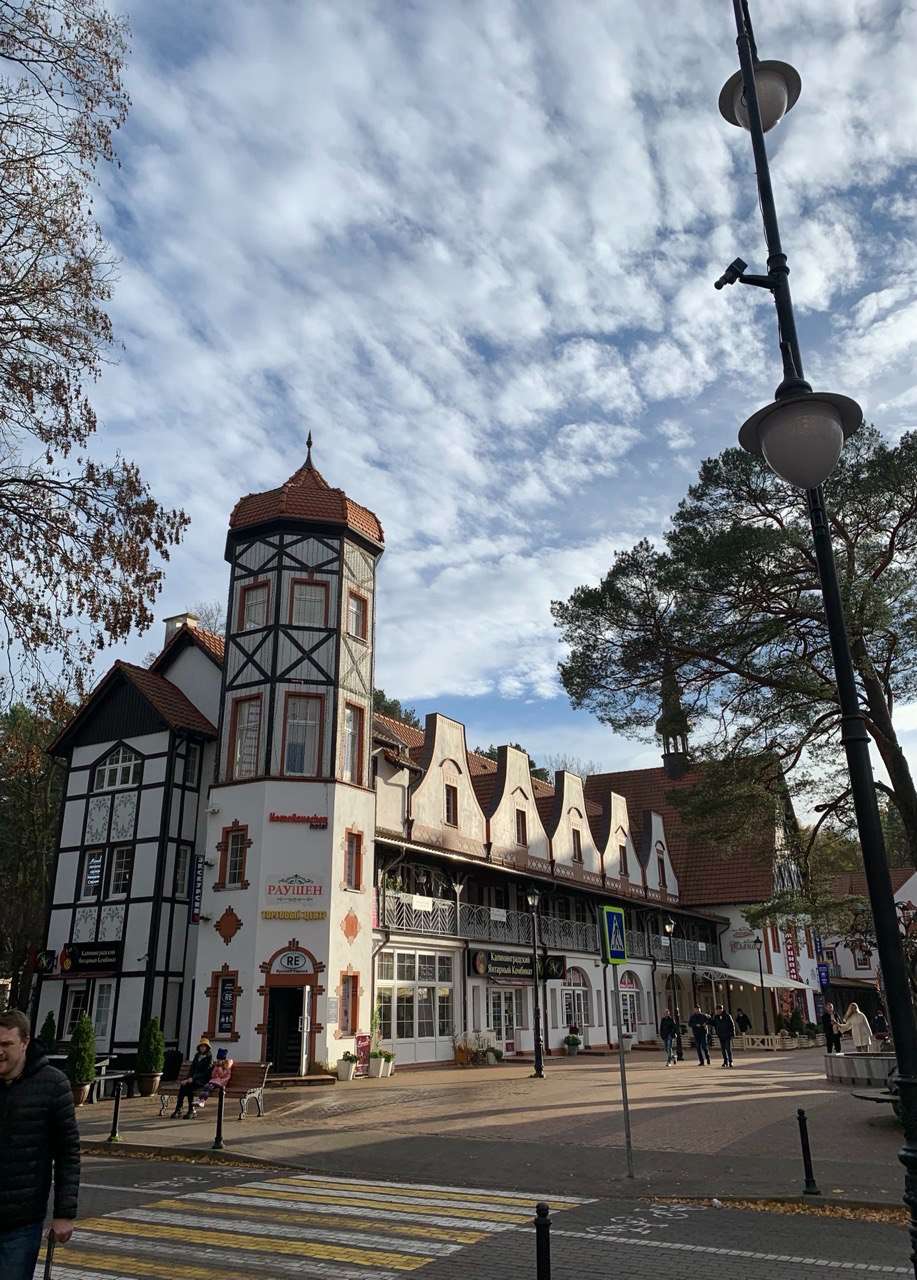
The city's most important sights, history, and legends. Here you'll learn everything you need to know about Svetlogorsk, the former German town of Rauschen, and its most popular spots.
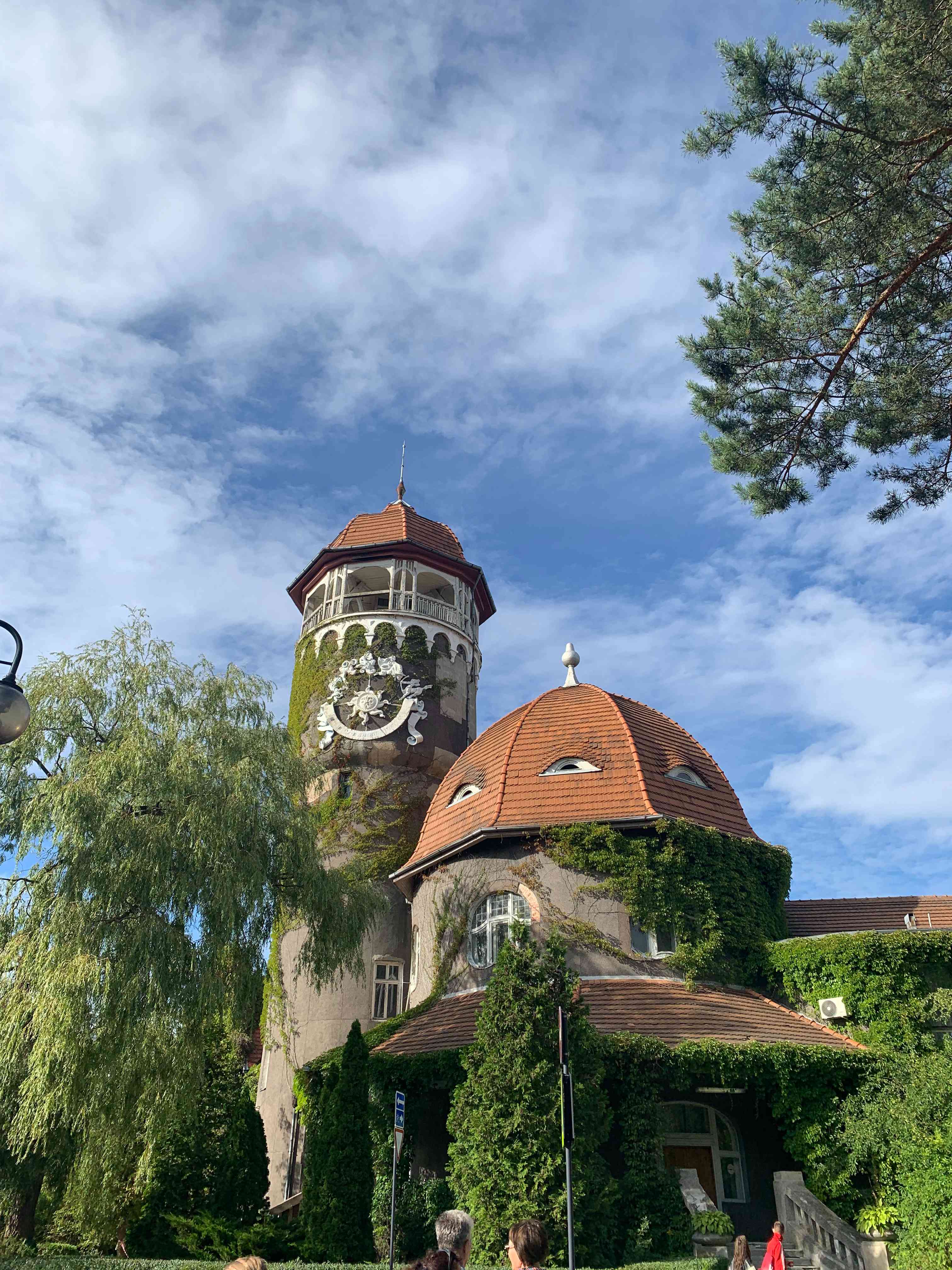
Water Tower
🏟️ Architectural landmark · 📜 Historic site · ⚙️ Industrial site
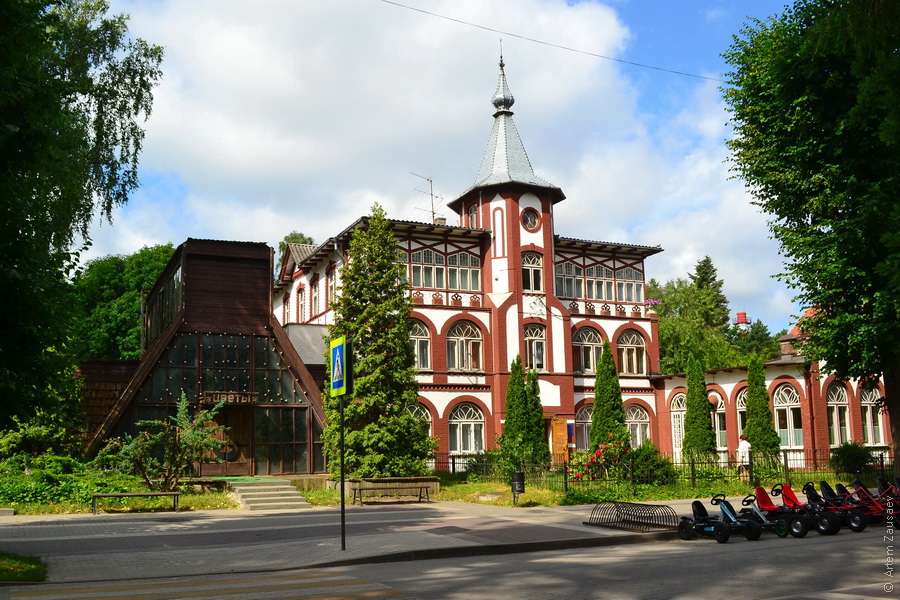
Seestern Hotel
🏟️ Architectural landmark · 📜 Historic site
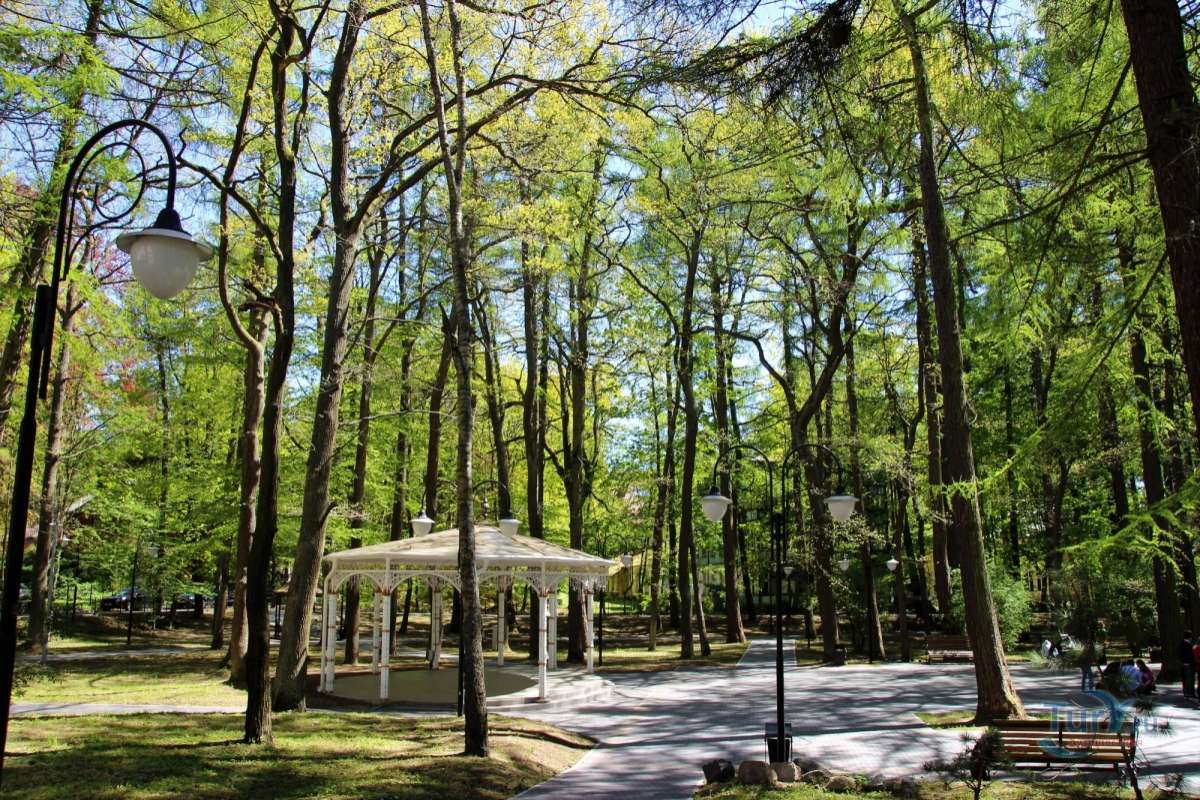
Larch Park
🌿 Public garden or park
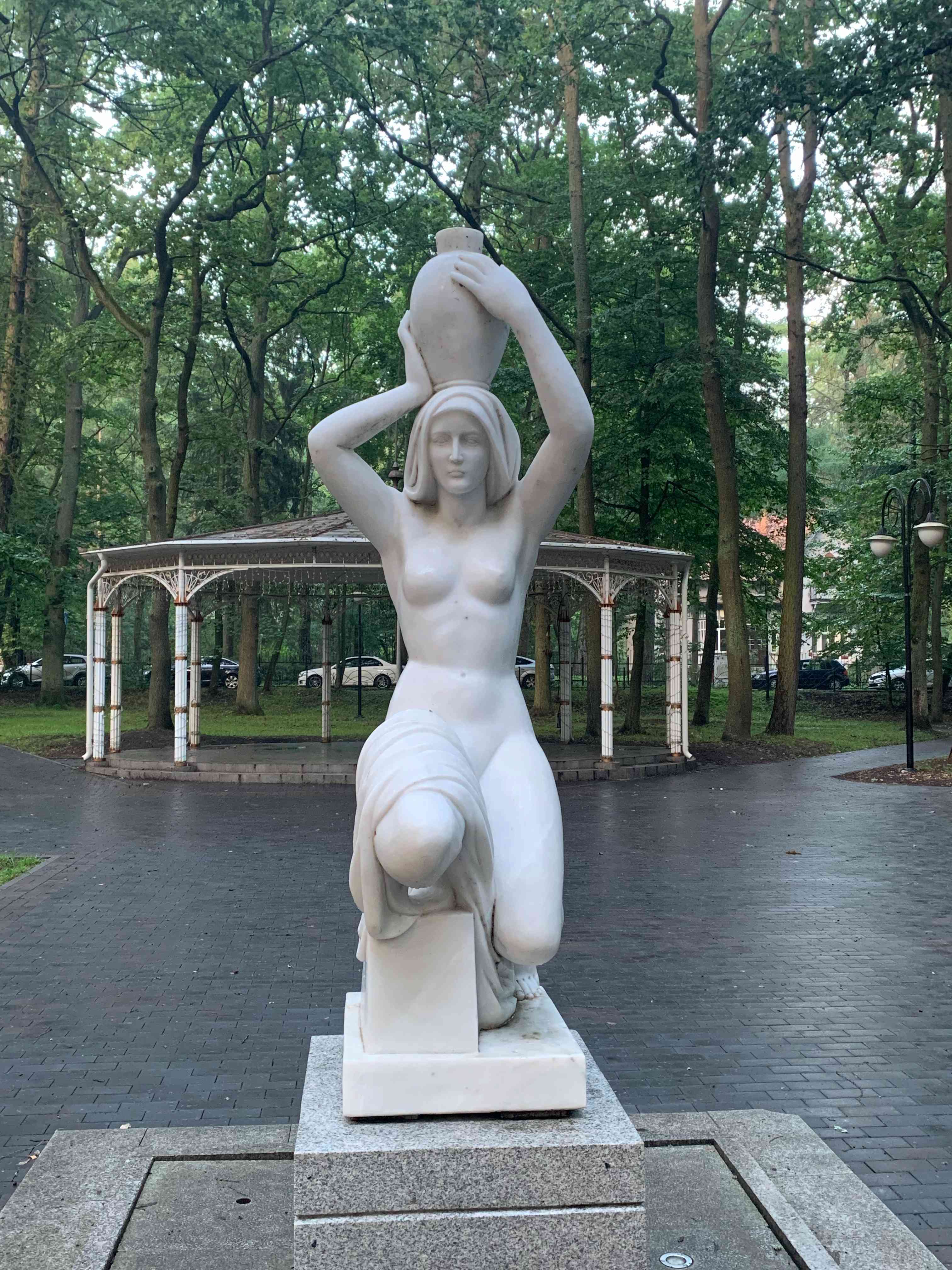
The Water Carrier
🗿 Monument · 🕵️ Urban legend

Cittaslow Snail
🗿 Monument · 🕵️ Urban legend
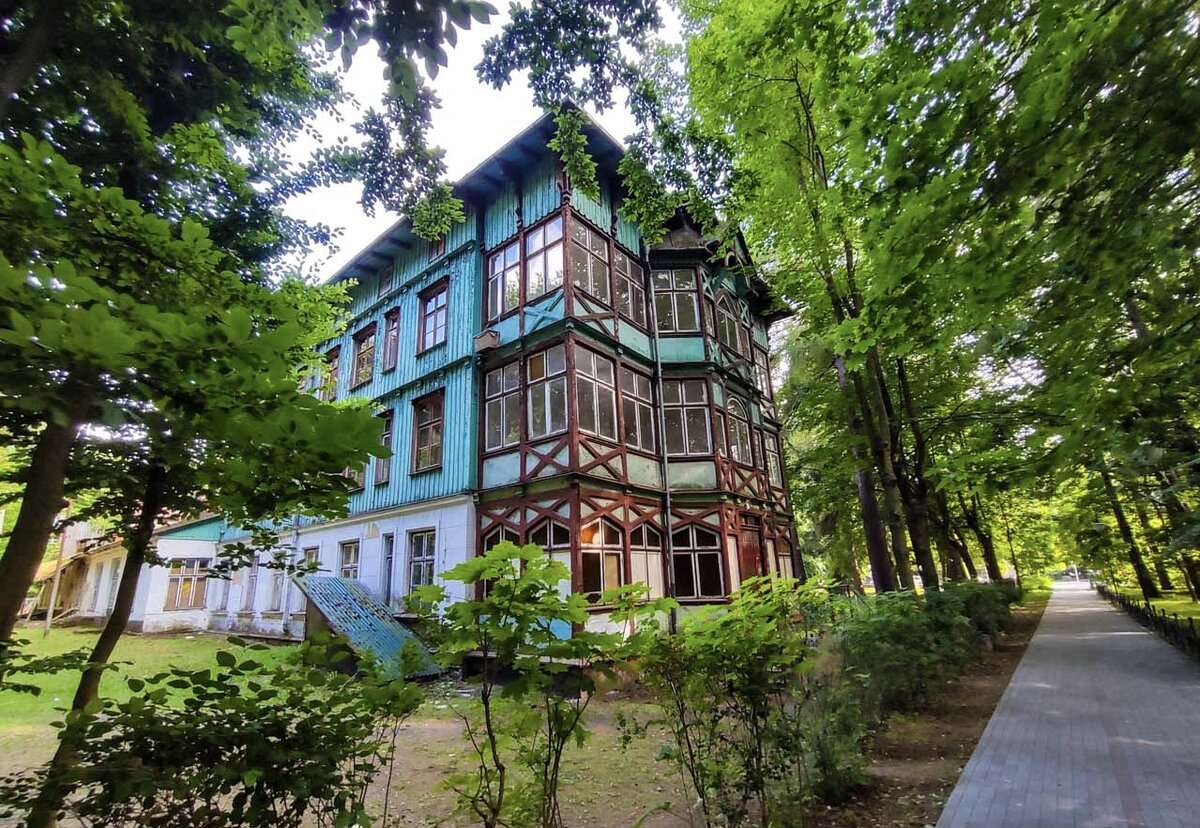
Forest Castle Guesthouse
📜 Historic site · 🏟️ Architectural landmark

Central Square
⛲ Square · 🗿 Sculptures · 🏟️ Architectural landmark

The Wave Maiden
🗿 Monument

Makarov Organ Hall
🏟️ Architectural landmark · 📜 Historic site
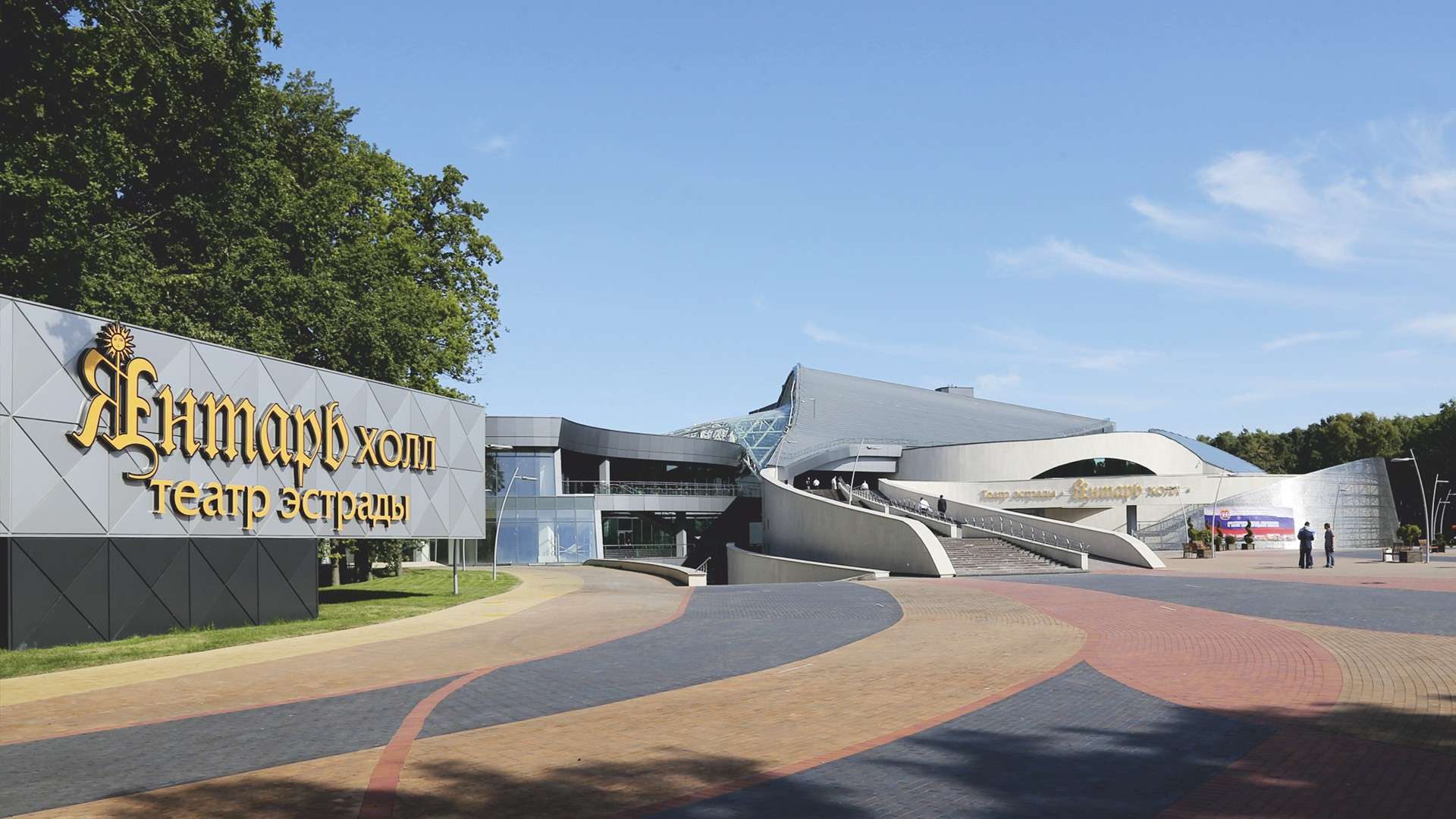
Amber Hall
🏙 Modern architecture
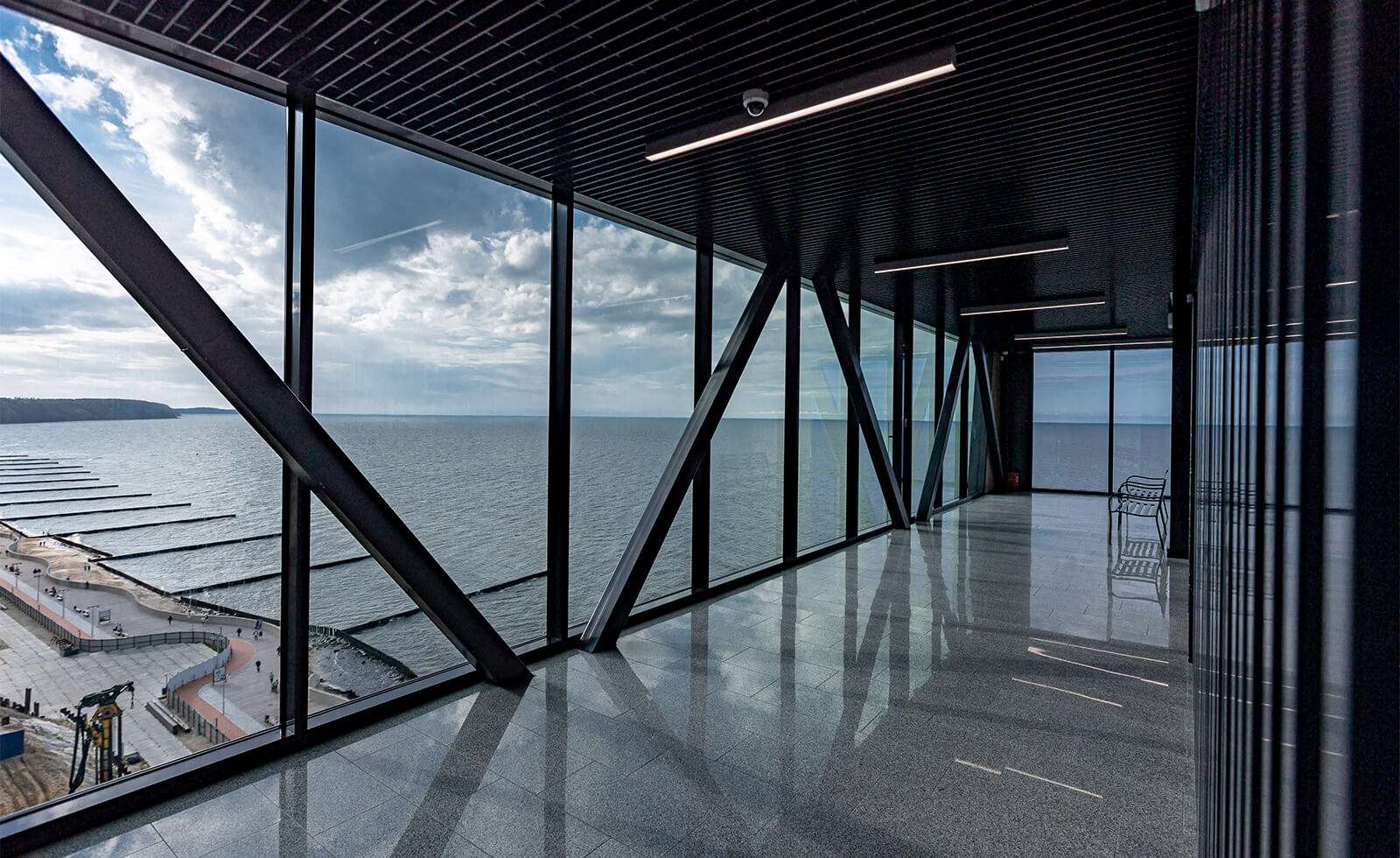
Elevator and Promenade
⚙️ Industrial site · 🚶♂️ Waterfront
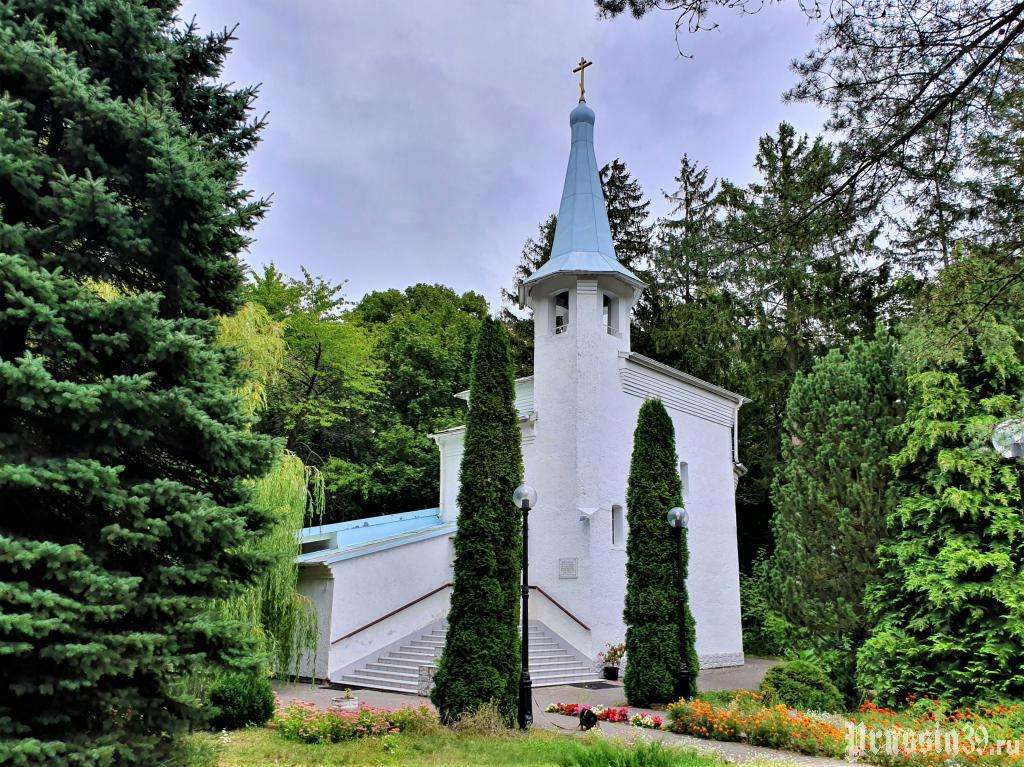
Chapel in Memory of the Children
🕍 Place of worship · 📜 Historic site
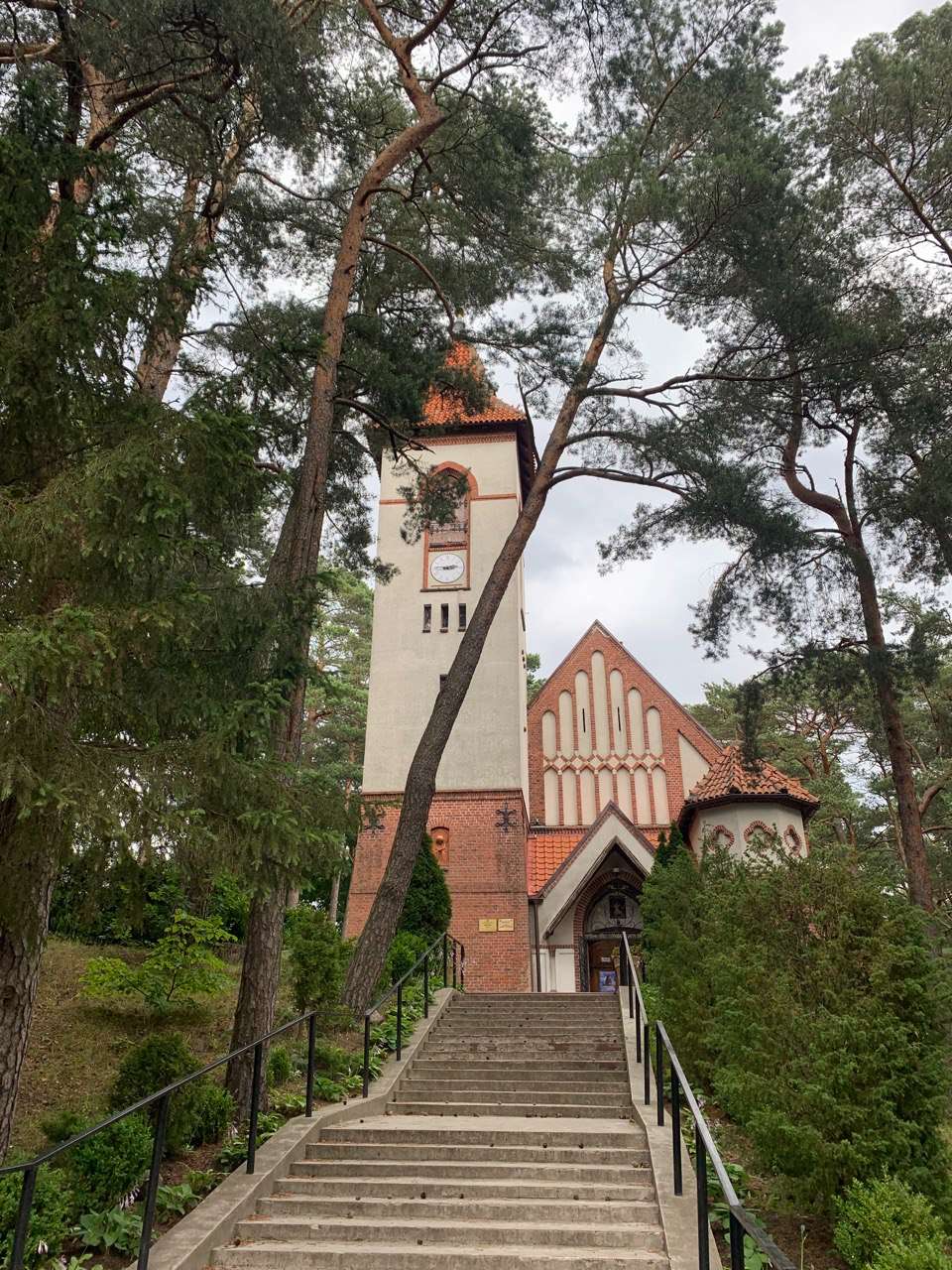
Lutheran Church
🕍 Place of worship · 🏟️ Architectural landmark · 📜 Historic site
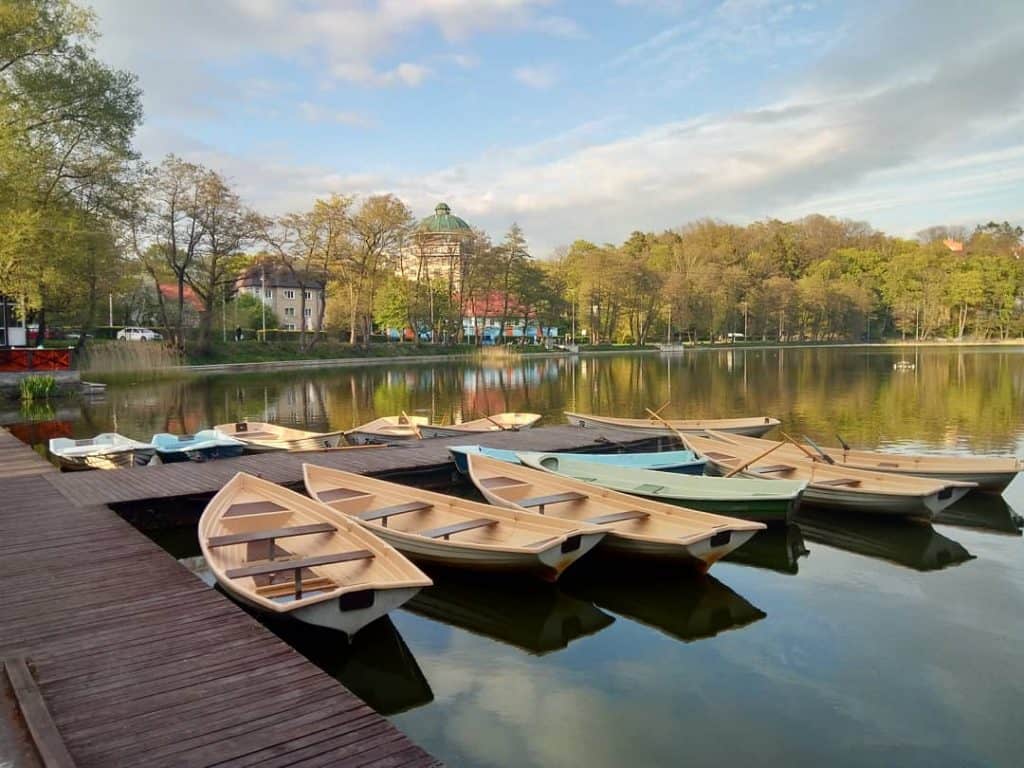
Lake Tikhoye
🌿 Public garden or park · 🚶♂️ Waterfront
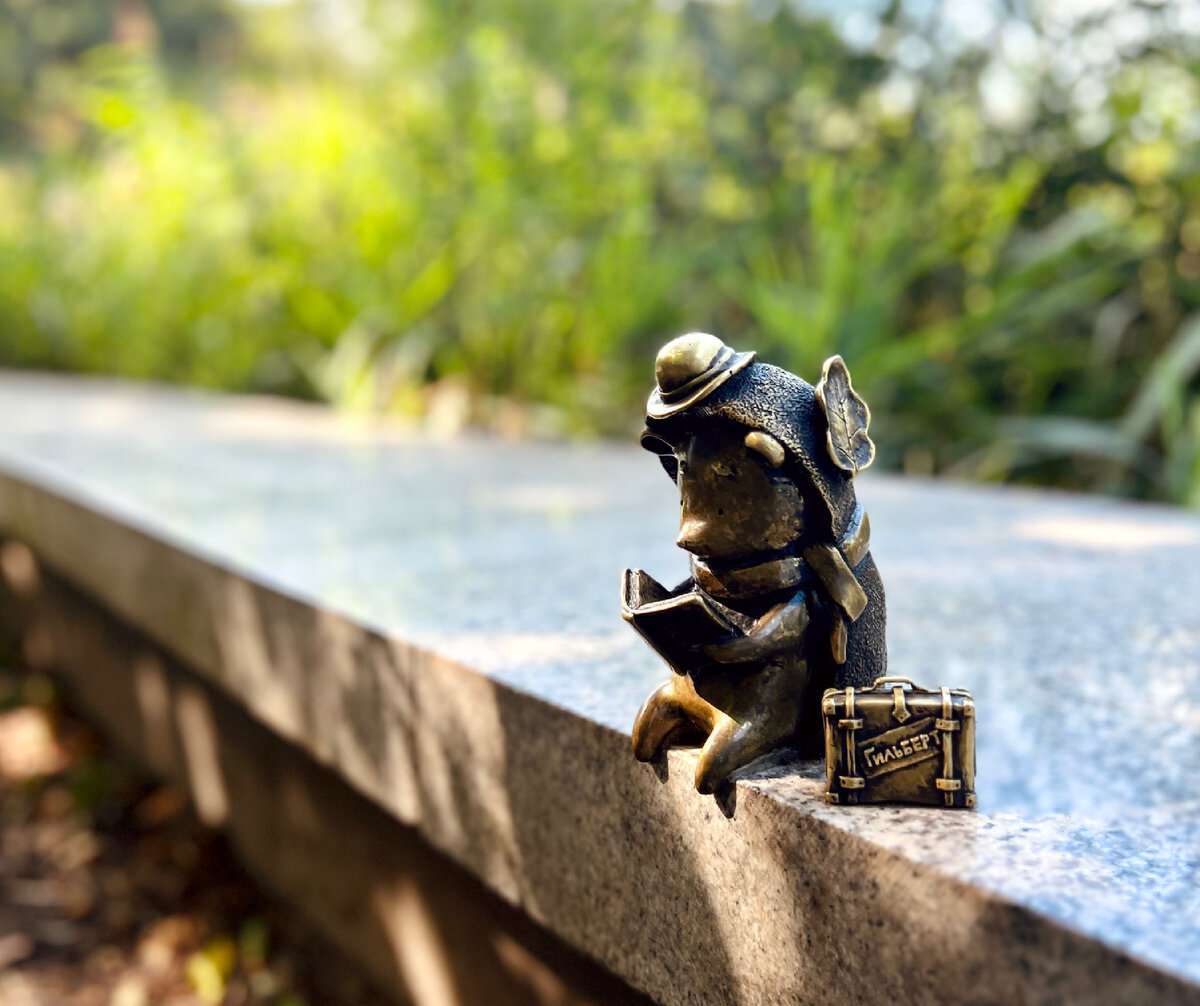
Svetlo-hedgehogs
🗿 Sculptures


Point 9
🏟️ Architectural landmark • 📜 Historic site
A private organ hall in the restored Catholic chapel of Mary, Star of the Sea. Admission to the grounds is free.
The church (Kirche is German for “church”) was built in the 1930s in the half-timbered style from wooden beams by the priest Oskar Stoff. Where did a priest get the money? Simple: the materials had a second life. The beams and boards came from the town when the old railway station in Cranz (now Zelenogradsk) was dismantled. The church received the romantic name Mary, Star of the Sea, but within some 20 years it had become a warehouse: after the war it was used as a cinema and storehouse, and later it stood empty and began to fall apart.
In 1994 restoration of the chapel began, essentially from ruins. The building was bought with private funds by Andrei Makarov, a composer and pianist from Moscow and an Honored Artist of Russia. Having re-created the chapel from prewar drawings, he installed in it a handmade German organ by the firm Hugo Mayer, modeled on the old organs of Bach's time. Besides organ recitals, the hall hosts concerts of instrumental music and of vocal and choral singing by musicians from all over the world. The organ is considered the best on the Baltic coast.
The villa you see opposite the organ hall is the house of its founder, Mr. Makarov. All around is a very pleasant garden and private villas; some of them, to the left behind the chapel, are a guesthouse for artists who come here to perform.
Near the exit from the grounds grow blueberry bushes. Given that this forest berry grows only in clean places and isn't found in ordinary parks, the blueberry patch shows that we are in the town and in the forest at the same time.
Point on route “Svetlogorsk: The Essentials”
Point 9
🏟️ Architectural landmark • 📜 Historic site
A private organ hall in the restored Catholic chapel of Mary, Star of the Sea. Admission to the grounds is free.
The church (Kirche is German for “church”) was built in the 1930s in the half-timbered style from wooden beams by the priest Oskar Stoff. Where did a priest get the money? Simple: the materials had a second life. The beams and boards came from the town when the old railway station in Cranz (now Zelenogradsk) was dismantled. The church received the romantic name Mary, Star of the Sea, but within some 20 years it had become a warehouse: after the war it was used as a cinema and storehouse, and later it stood empty and began to fall apart.
In 1994 restoration of the chapel began, essentially from ruins. The building was bought with private funds by Andrei Makarov, a composer and pianist from Moscow and an Honored Artist of Russia. Having re-created the chapel from prewar drawings, he installed in it a handmade German organ by the firm Hugo Mayer, modeled on the old organs of Bach's time. Besides organ recitals, the hall hosts concerts of instrumental music and of vocal and choral singing by musicians from all over the world. The organ is considered the best on the Baltic coast.
The villa you see opposite the organ hall is the house of its founder, Mr. Makarov. All around is a very pleasant garden and private villas; some of them, to the left behind the chapel, are a guesthouse for artists who come here to perform.
Near the exit from the grounds grow blueberry bushes. Given that this forest berry grows only in clean places and isn't found in ordinary parks, the blueberry patch shows that we are in the town and in the forest at the same time.