 15 points
 5 km
 2.5 hours


Overview
This is a promenade area by the water tower with gazebos and sculptures.
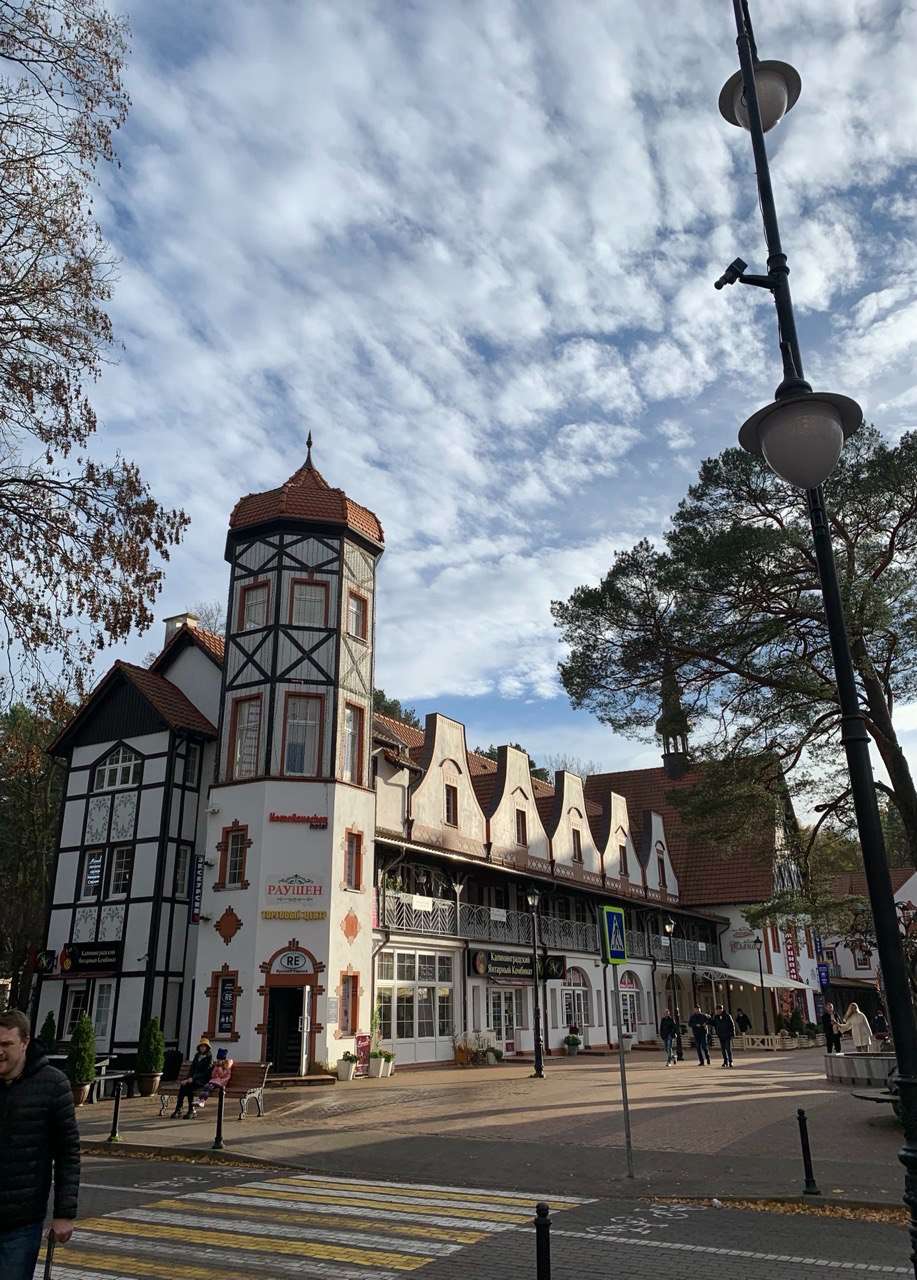
The city's most important sights, history, and legends. Here you'll learn everything you need to know about Svetlogorsk, the former German town of Rauschen, and its most popular spots.
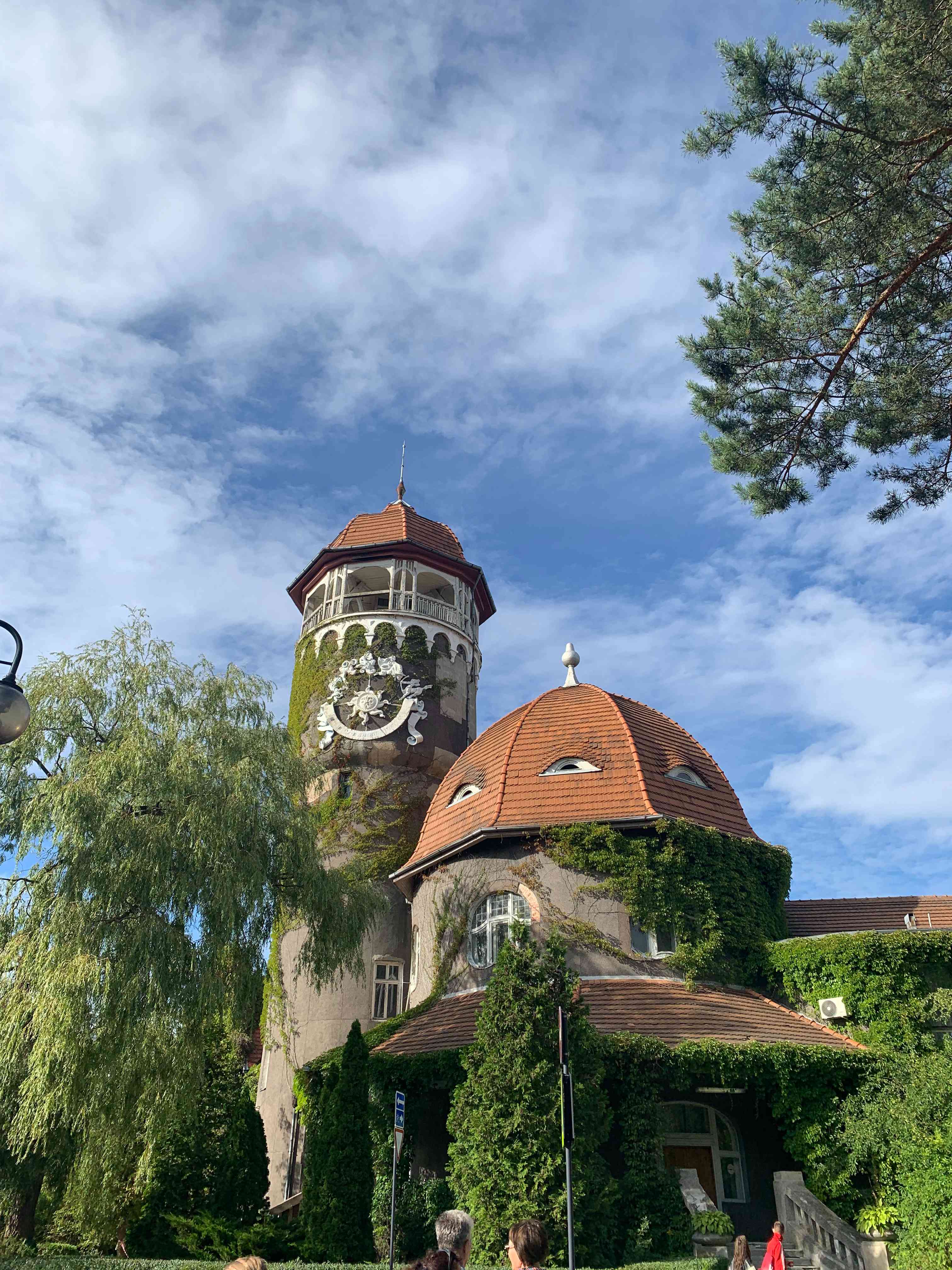
Water Tower
🏟️ Architectural landmark · 📜 Historic site · ⚙️ Industrial site
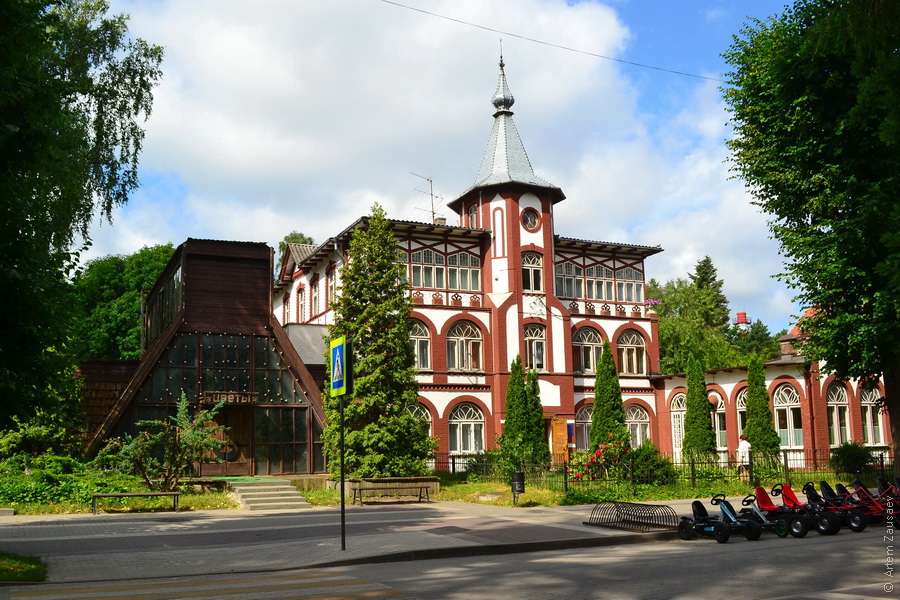
Seestern Hotel
🏟️ Architectural landmark · 📜 Historic site
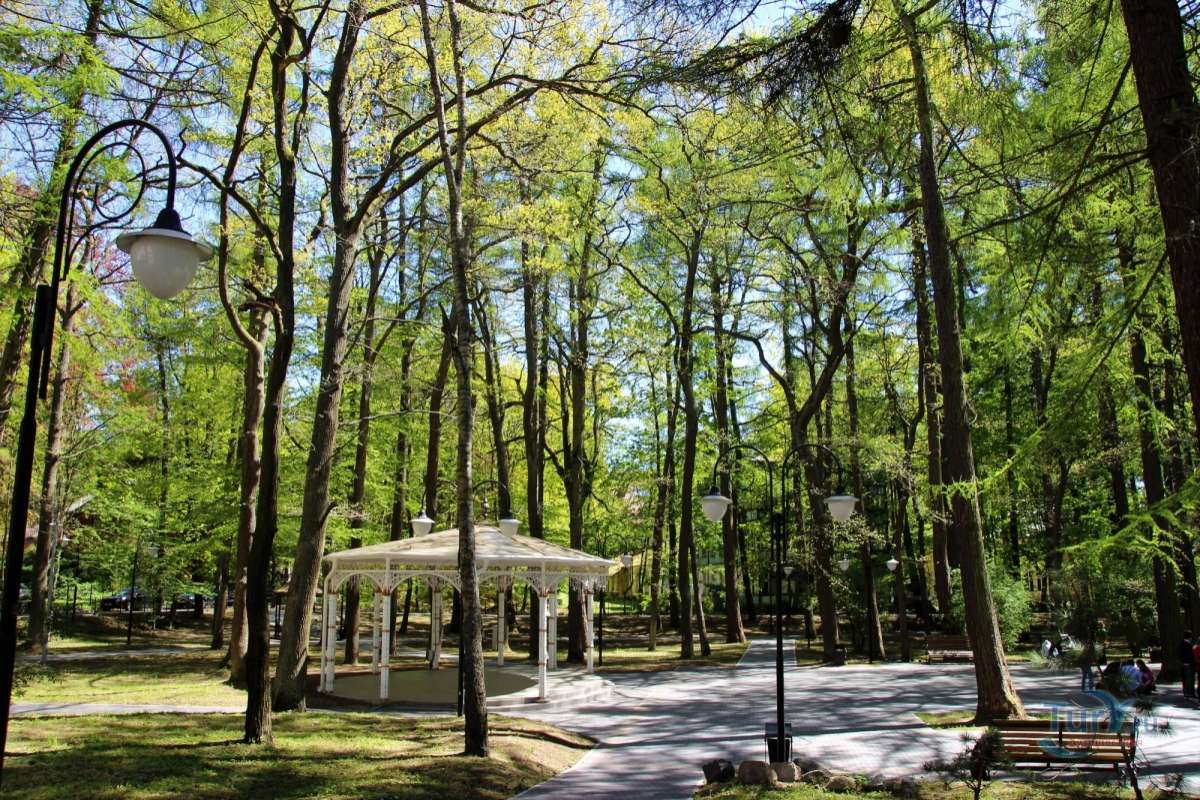
Larch Park
🌿 Public garden or park
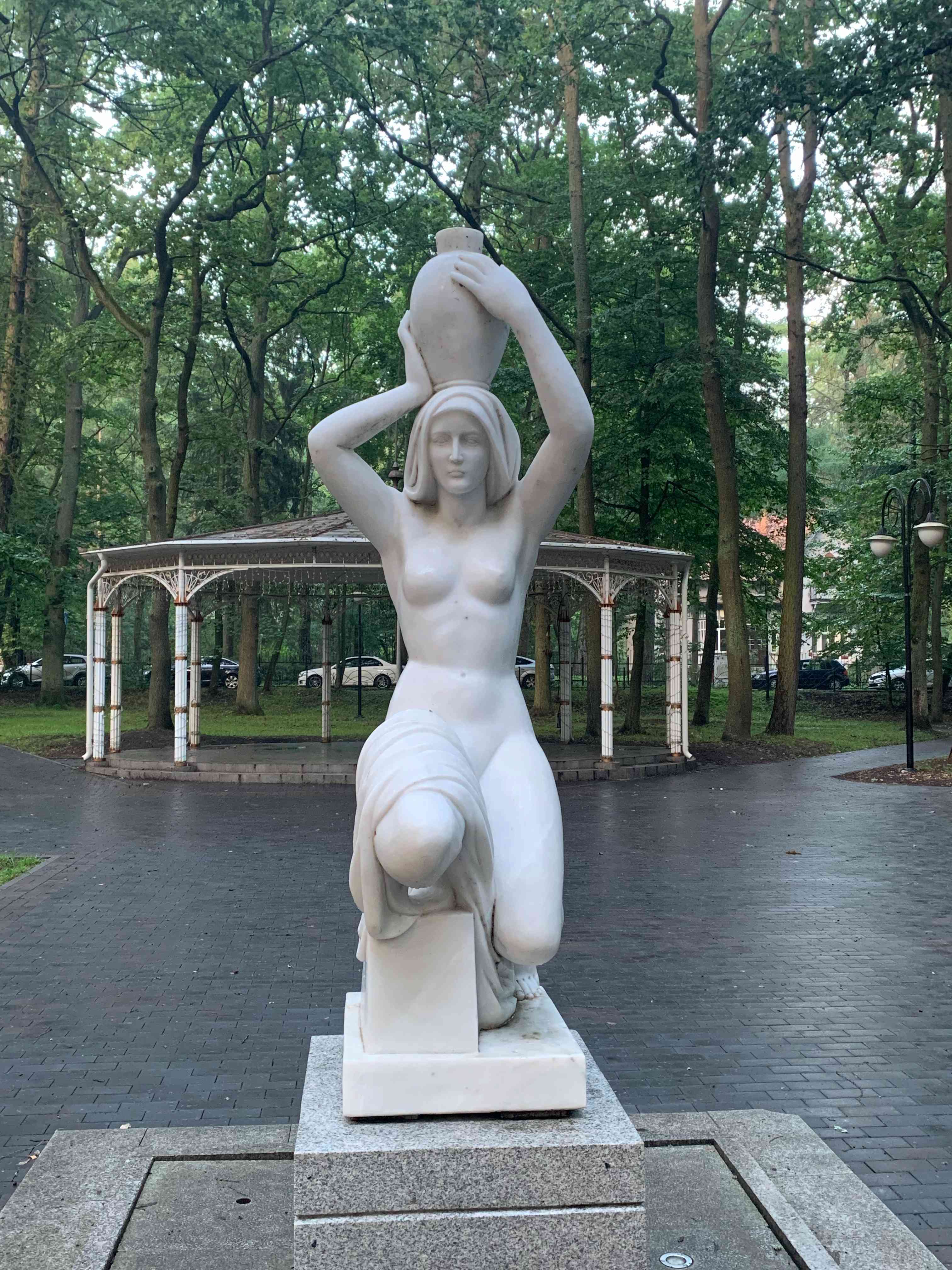
The Water Carrier
🗿 Monument · 🕵️ Urban legend

Cittaslow Snail
🗿 Monument · 🕵️ Urban legend
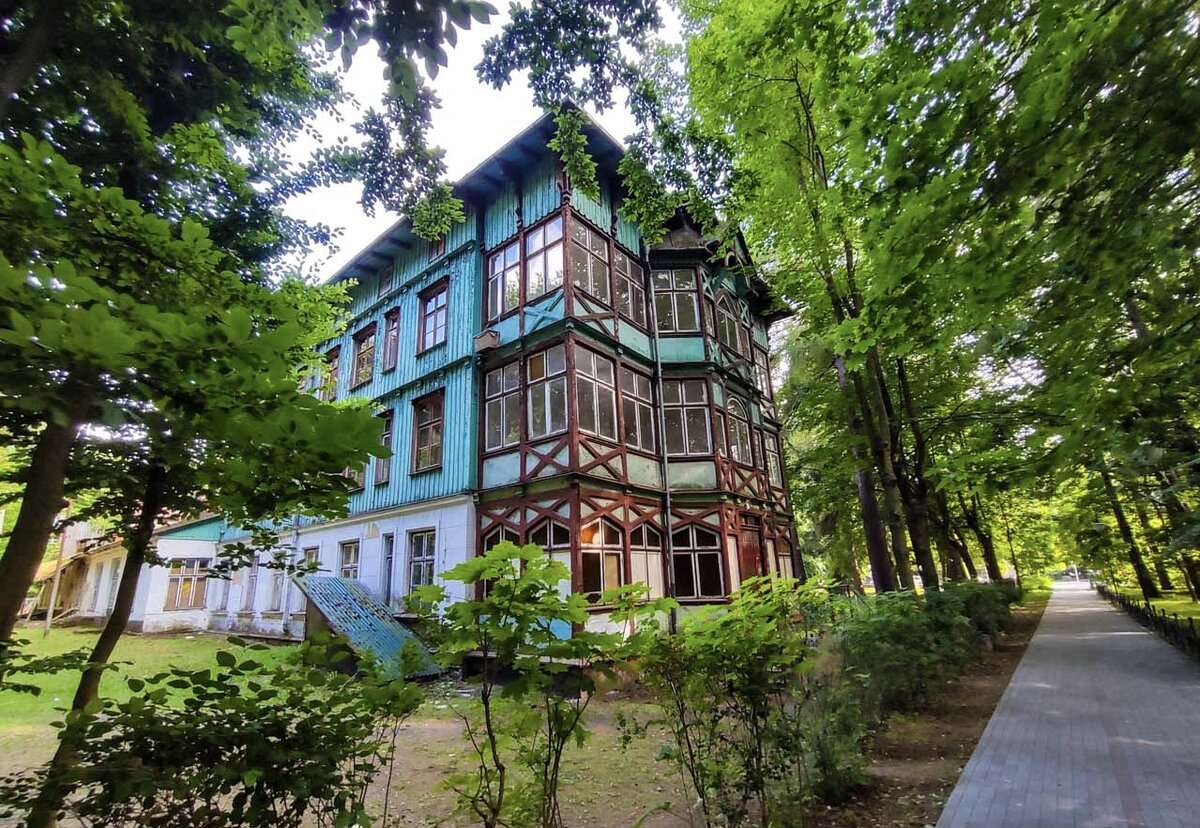
Forest Castle Guesthouse
📜 Historic site · 🏟️ Architectural landmark

Central Square
⛲ Square · 🗿 Sculptures · 🏟️ Architectural landmark

The Wave Maiden
🗿 Monument

Makarov Organ Hall
🏟️ Architectural landmark · 📜 Historic site
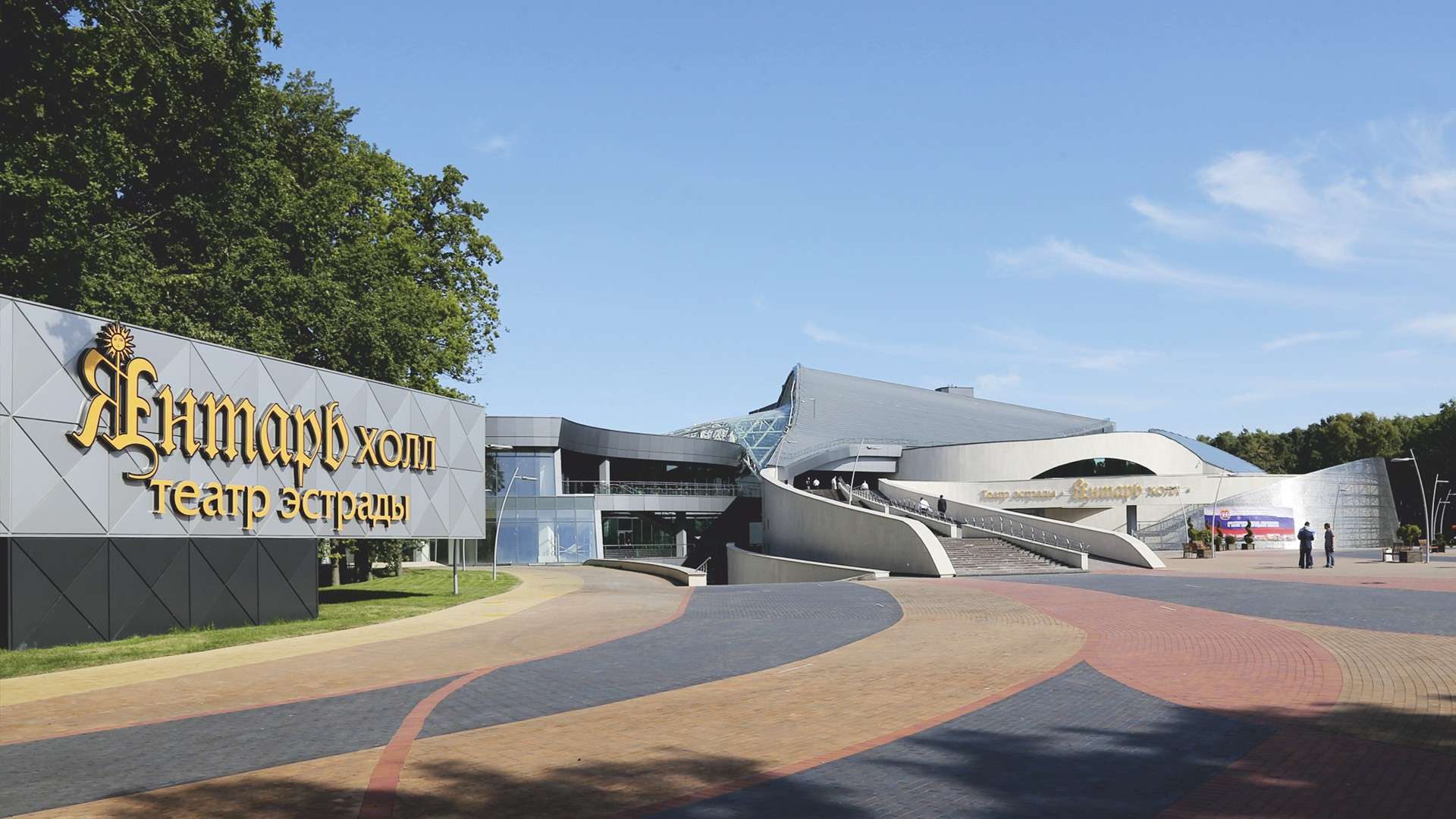
Amber Hall
🏙 Modern architecture
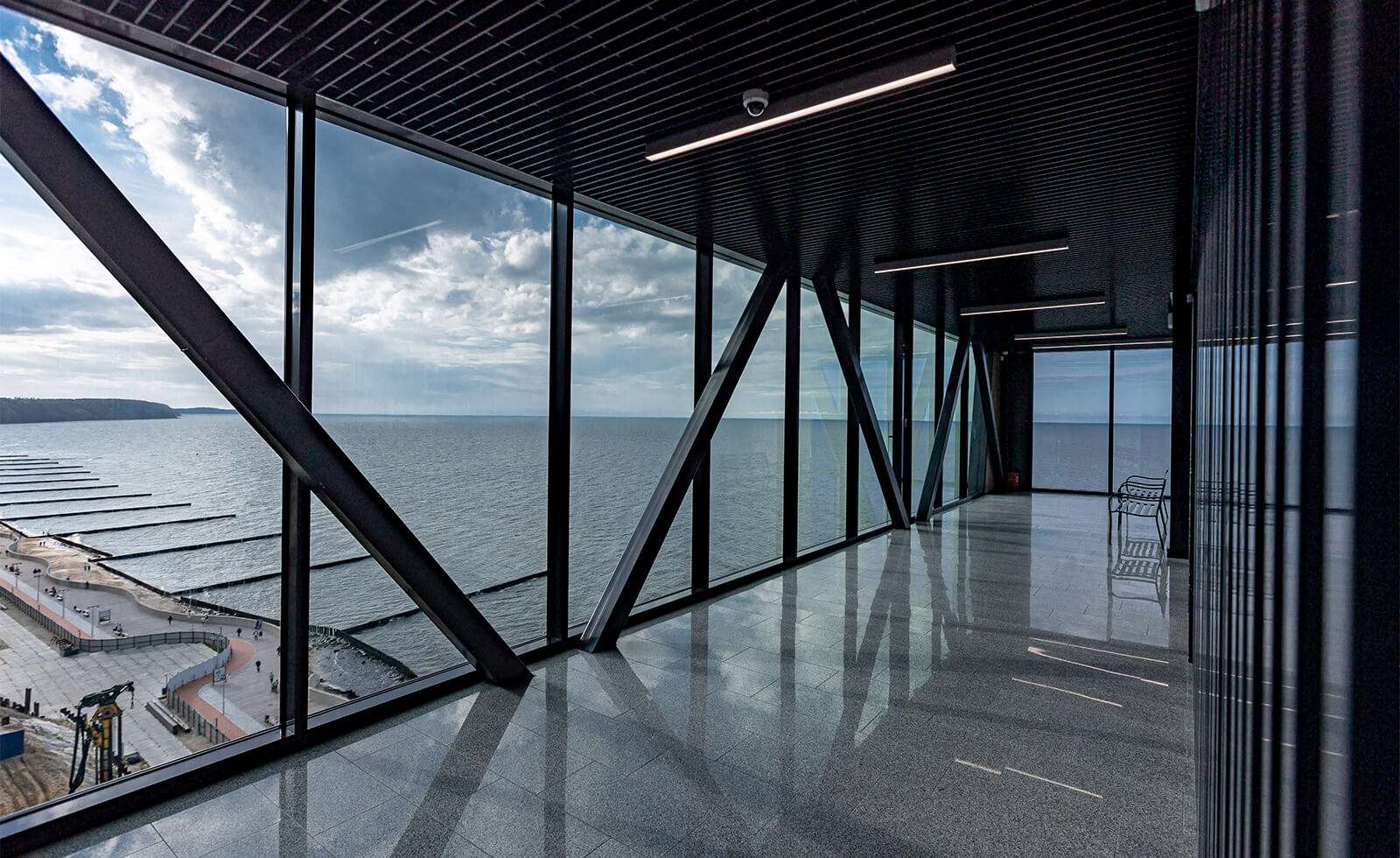
Elevator and Promenade
⚙️ Industrial site · 🚶♂️ Waterfront
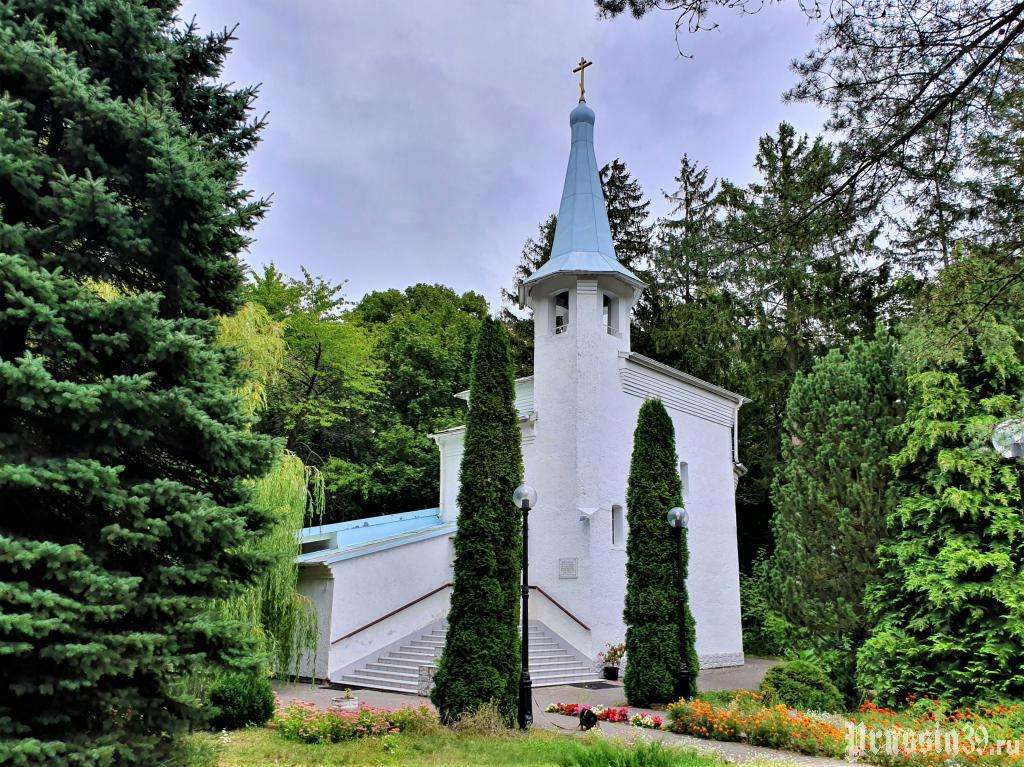
Chapel in Memory of the Children
🕍 Place of worship · 📜 Historic site
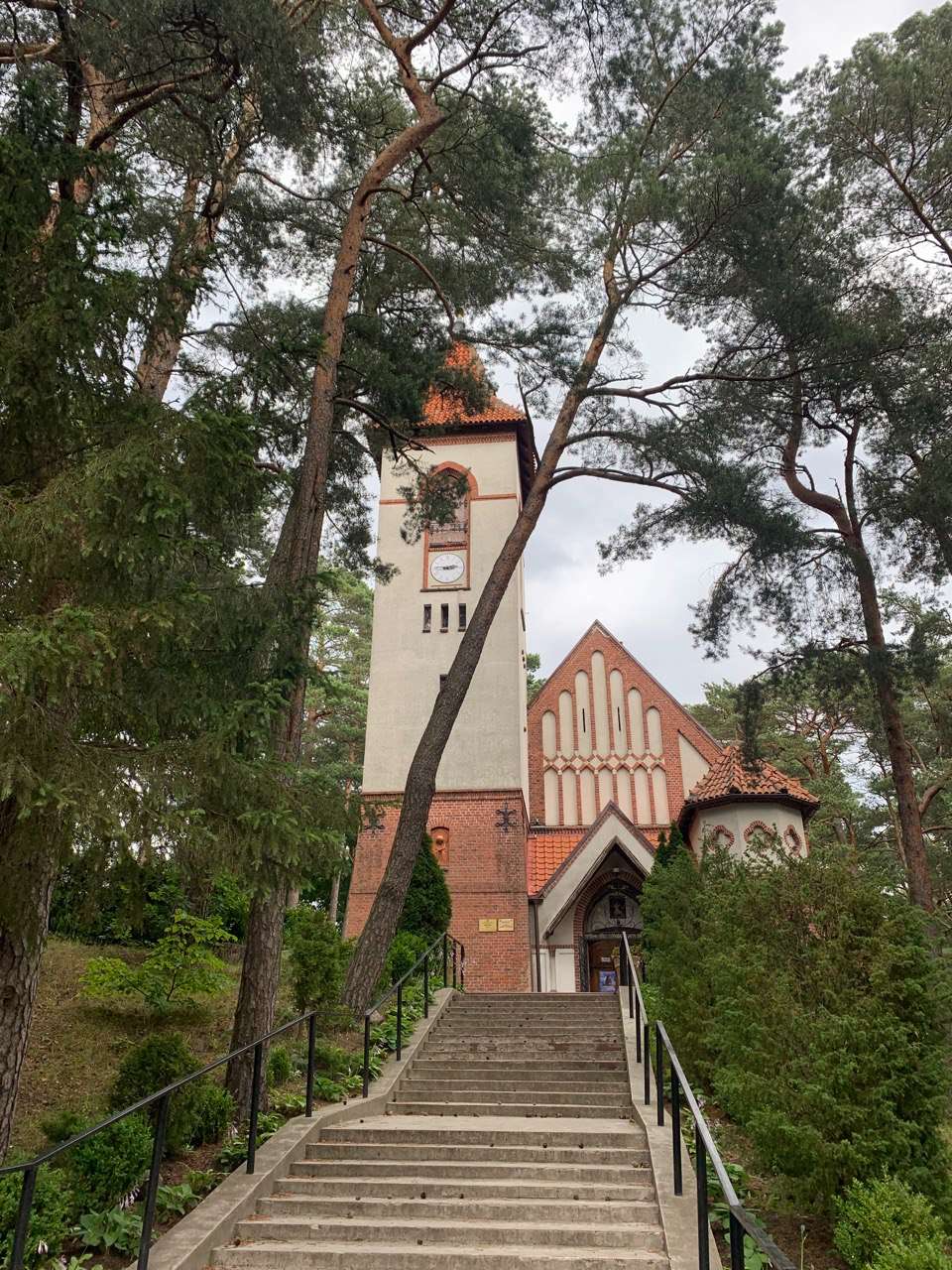
Lutheran Church
🕍 Place of worship · 🏟️ Architectural landmark · 📜 Historic site
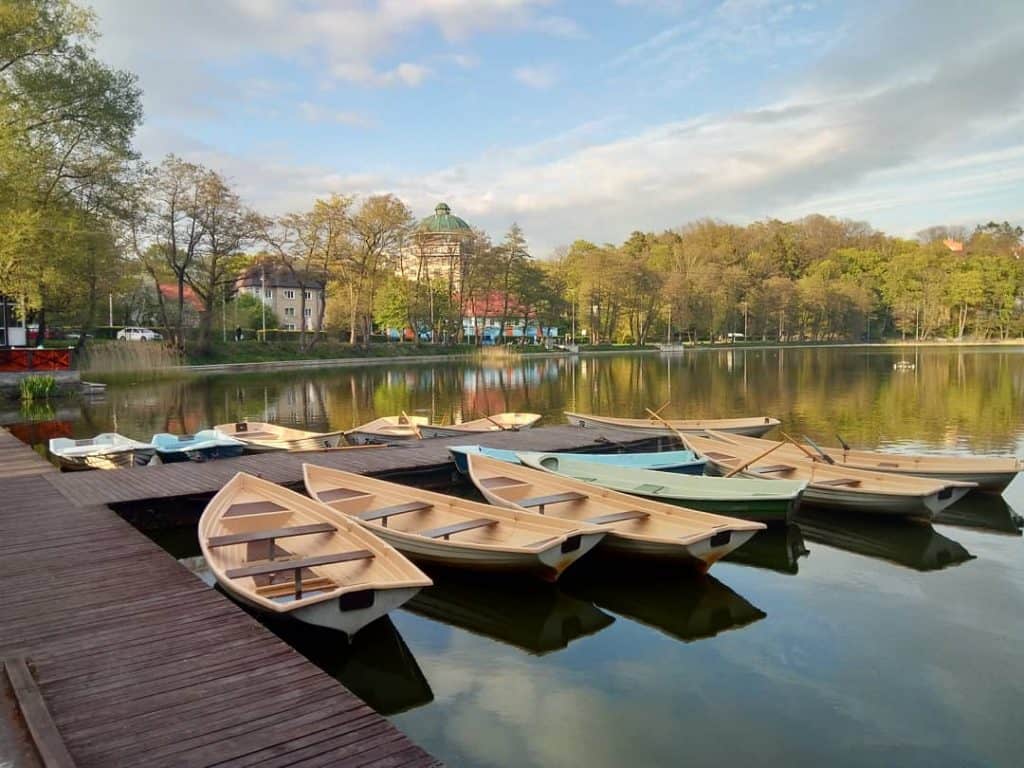
Lake Tikhoye
🌿 Public garden or park · 🚶♂️ Waterfront
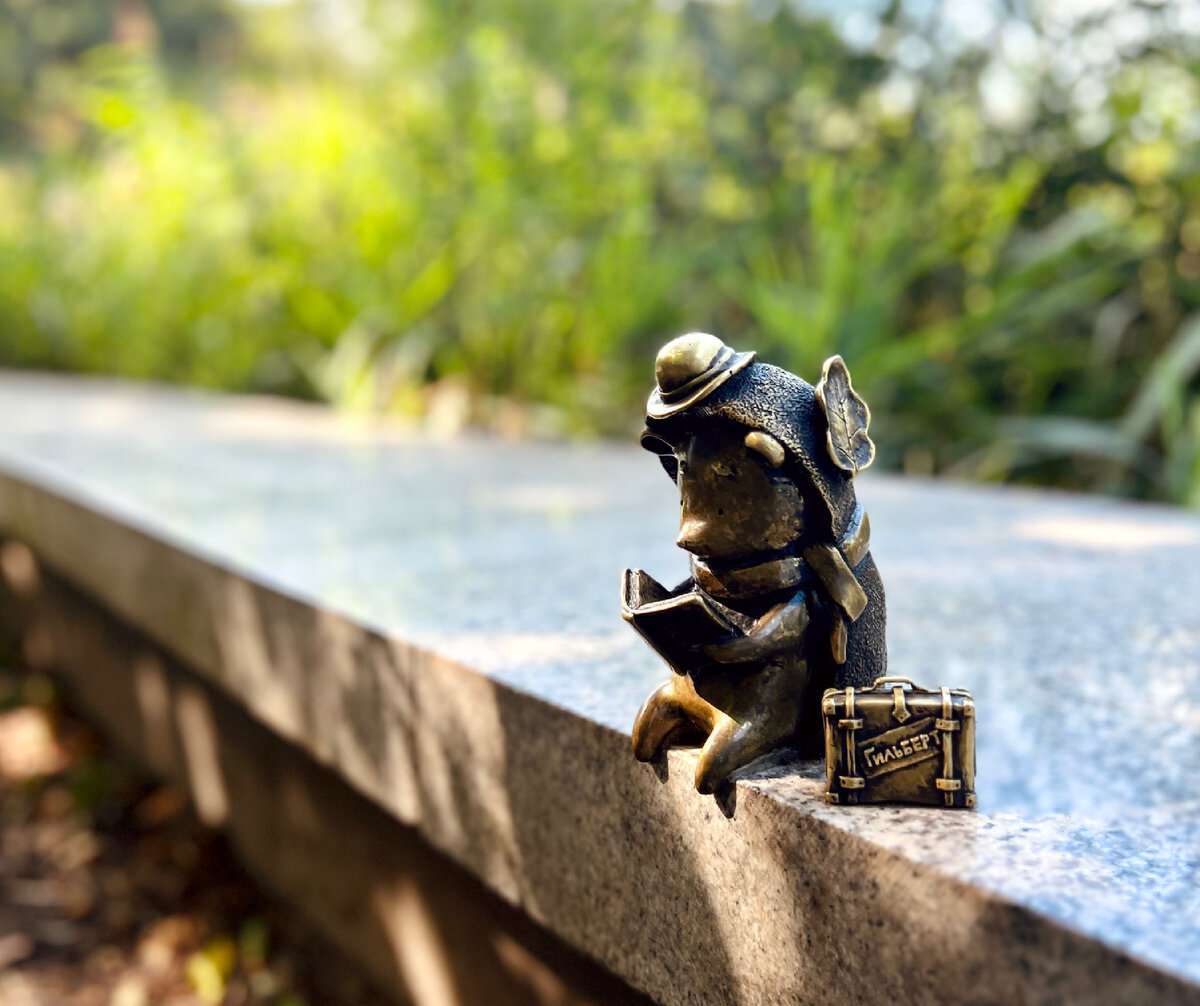
Svetlo-hedgehogs
🗿 Sculptures


Point 3
🌿 Public garden or park
This is a promenade area by the water tower with gazebos and sculptures.
The larch is the only conifer that sheds its needles every autumn. Another unusual feature is its cones. They are shaped like rosebuds and turn pinkish as they ripen. Larches are very strong and hardy. They don't sink in water; on the contrary, water is their element. Breakwaters and bridge piers are made of larch precisely because the longer larch logs stand in water, the stronger they become. All these unusual properties gave rise to a cult of the mother tree among various peoples, especially in the north: the tree was revered as a woman, a tree of peace, and a mother who gives vital strength, offspring, and peace to the land.
These sculptures date from 1906. They were made, on the wave of fashion for Egyptian culture, for the Dune Hotel, which stood in another part of Rauschen. Apparently they were meant as guardians, not menacing ones but reminders of the unseen protection of higher powers. In the 1930s the sculptures were moved to the entrance of the Larch Park. In 2022 the originals were taken to the Kaliningrad Museum of Fine Arts. What you see now are marble copies made in Italy.
Next to the sphinxes is a stand with free e-books. To read a book in the park, just scan the QR code of the one you like; all you need is internet access. The selection is varied: not only classics and fairy tales but also science fiction and contemporary authors, including writers from Kaliningrad.
Point on route “Svetlogorsk: The Essentials”
Point 3
🌿 Public garden or park
This is a promenade area by the water tower with gazebos and sculptures.
The larch is the only conifer that sheds its needles every autumn. Another unusual feature is its cones. They are shaped like rosebuds and turn pinkish as they ripen. Larches are very strong and hardy. They don't sink in water; on the contrary, water is their element. Breakwaters and bridge piers are made of larch precisely because the longer larch logs stand in water, the stronger they become. All these unusual properties gave rise to a cult of the mother tree among various peoples, especially in the north: the tree was revered as a woman, a tree of peace, and a mother who gives vital strength, offspring, and peace to the land.
These sculptures date from 1906. They were made, on the wave of fashion for Egyptian culture, for the Dune Hotel, which stood in another part of Rauschen. Apparently they were meant as guardians, not menacing ones but reminders of the unseen protection of higher powers. In the 1930s the sculptures were moved to the entrance of the Larch Park. In 2022 the originals were taken to the Kaliningrad Museum of Fine Arts. What you see now are marble copies made in Italy.
Next to the sphinxes is a stand with free e-books. To read a book in the park, just scan the QR code of the one you like; all you need is internet access. The selection is varied: not only classics and fairy tales but also science fiction and contemporary authors, including writers from Kaliningrad.