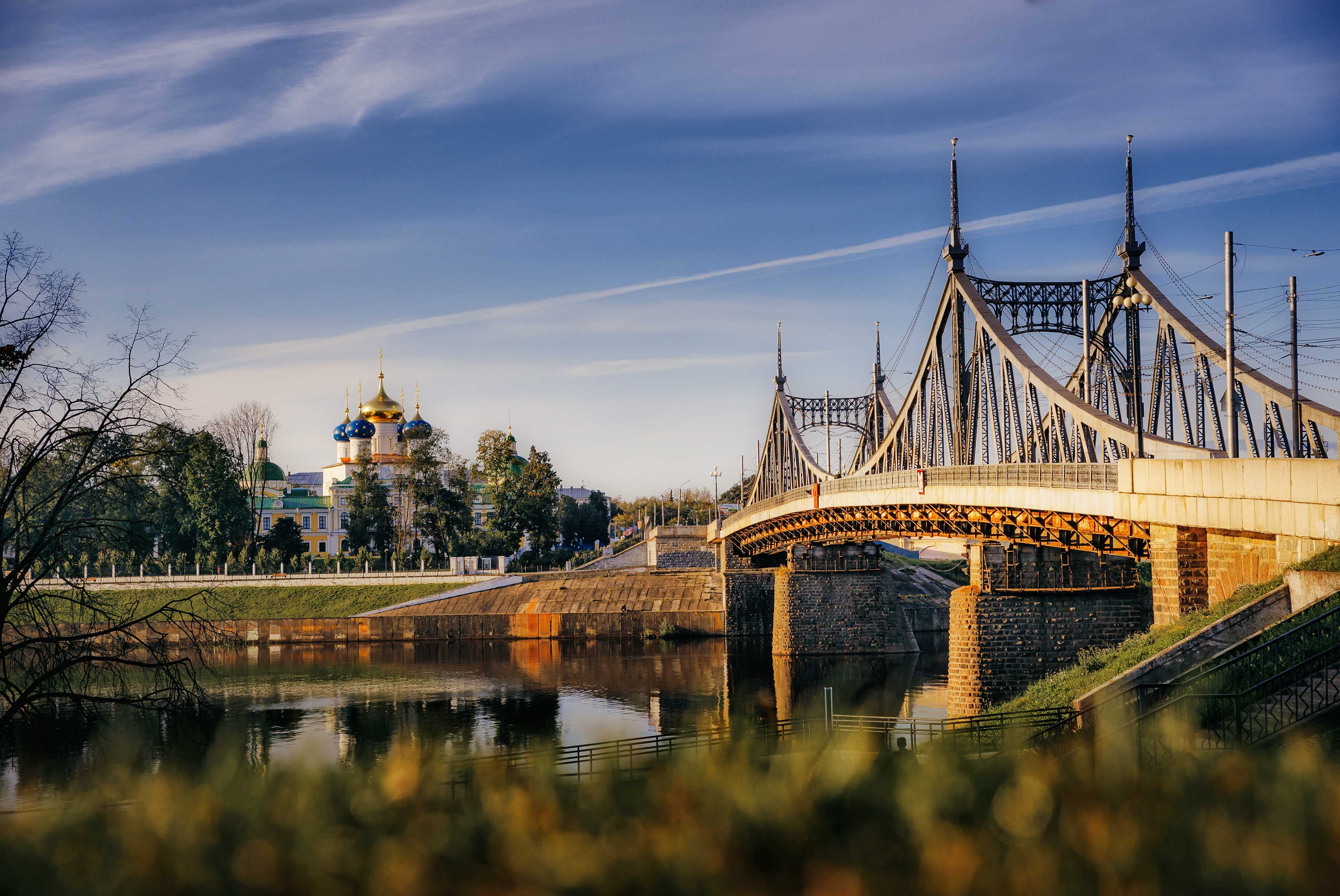
←Literary Pages of Tver

Literary Pages of Tver

Photo of route “Literary Pages of Tver”
16 points4 km4 hours

Join us for a walk along the embankment and the central streets, and recall how great and forgotten poets, prose writers, and publishers of other centuries saw this beauty: Alexander Pushkin, Alexander Ostrovsky, Ivan Turgenev, Fyodor Dostoevsky, and many others. They declared their love for “dear,” “beautiful” Tver and dedicated their finest lines to it.

Things to do

  • 📚🎬 Recall films and books
  • 📜 Learn the city's history

Route points (16)

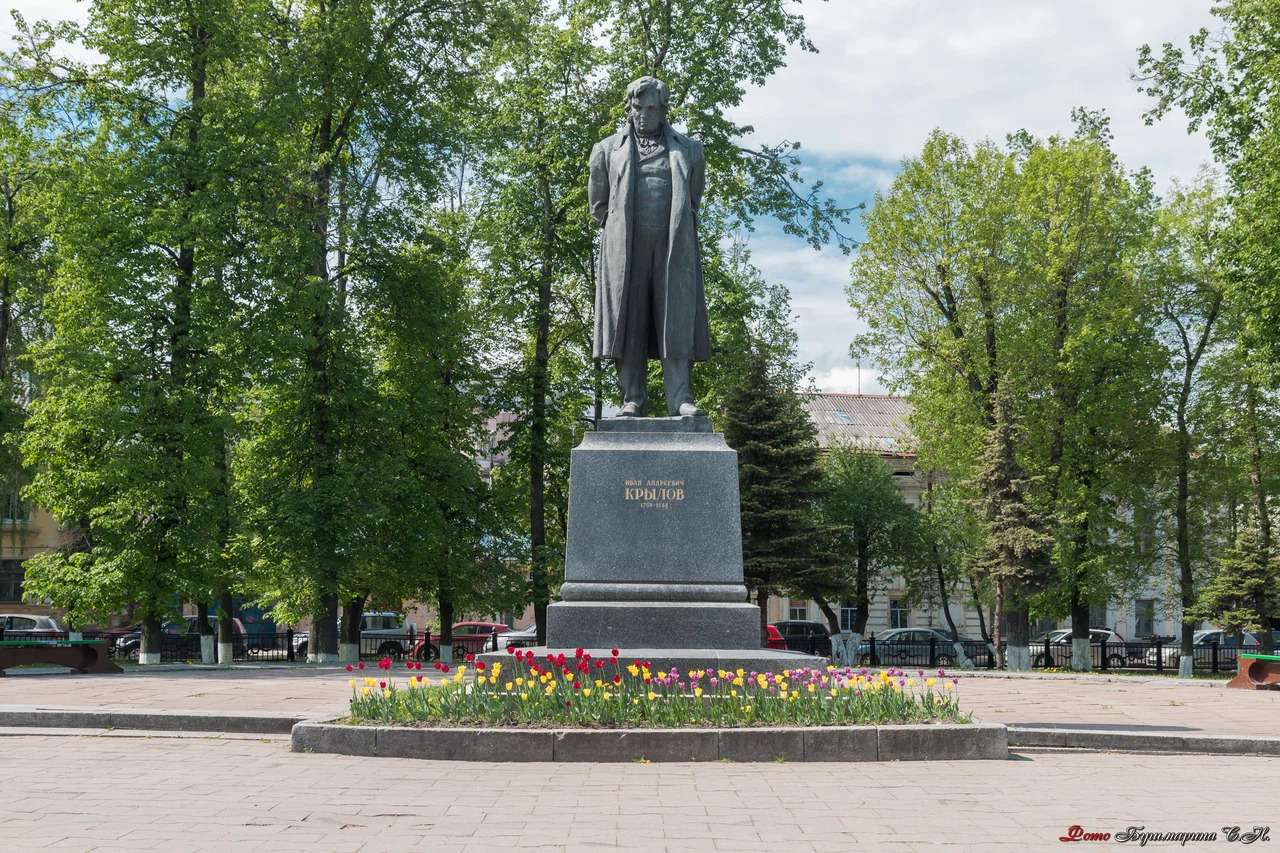
  1. I. A. Krylov Monument — point on route “Literary Pages of Tver”

    I. A. Krylov Monument

    🗿 Monument

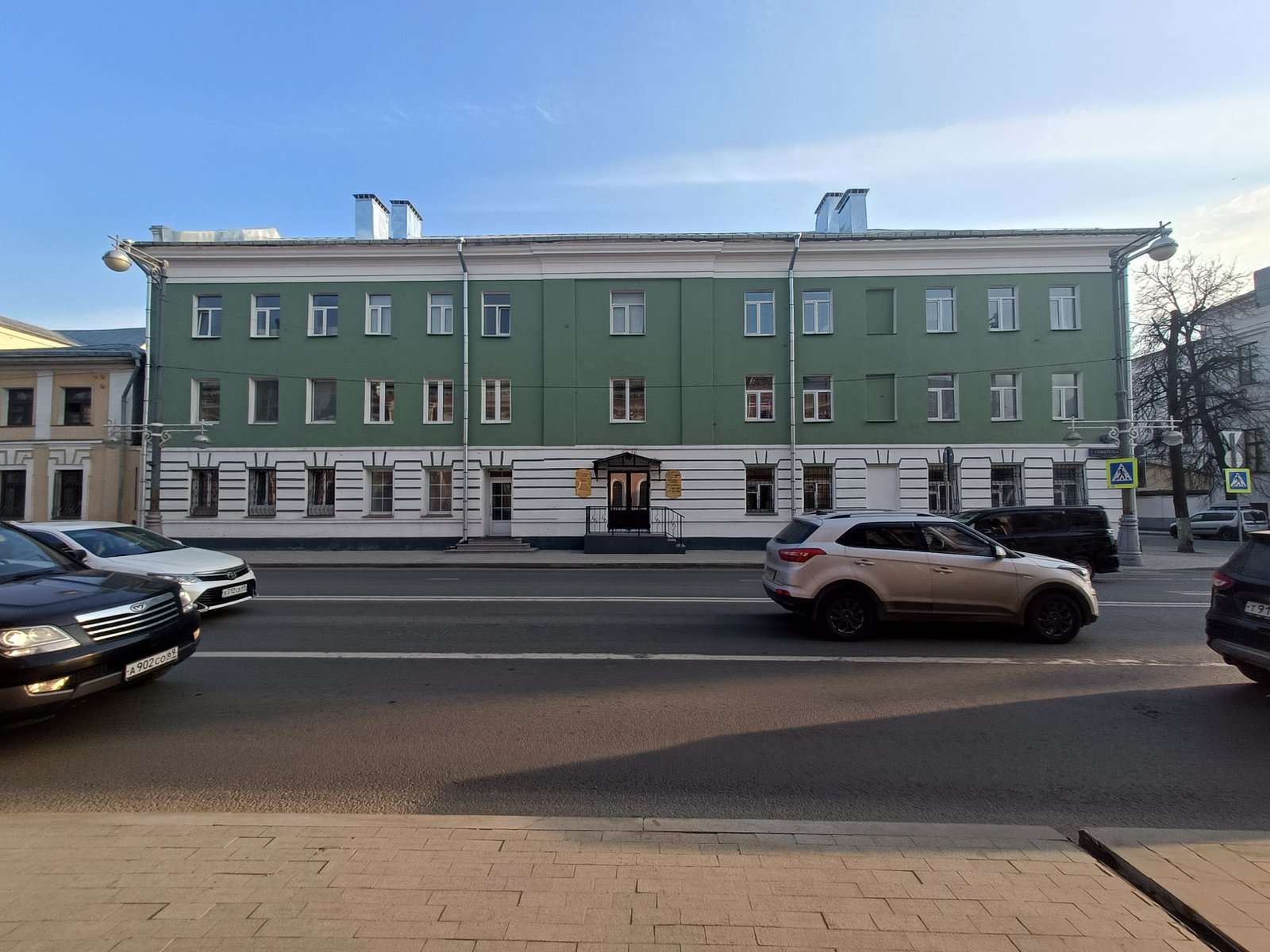
  2. Tver Commercial School for Girls — point on route “Literary Pages of Tver”

    Tver Commercial School for Girls

    🏟️ Architectural landmark · 📜 Historic site

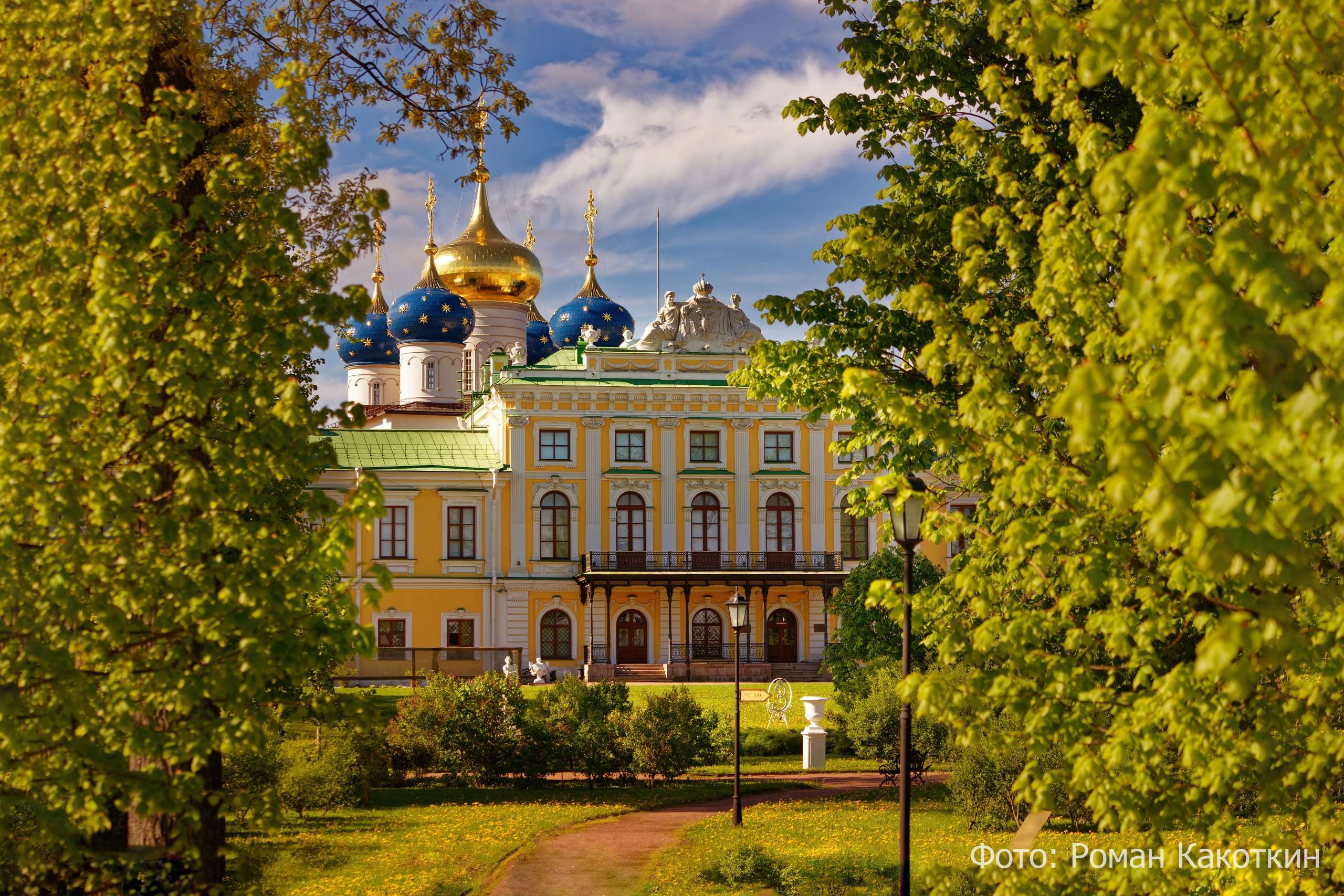
  3. Travel Palace — point on route “Literary Pages of Tver”

    Travel Palace

    🏰 Palace · 📜 Historic site · 🏟️ Architectural landmark

  4. Ivan Petrovich Wulf's House — point on route “Literary Pages of Tver”

    Ivan Petrovich Wulf's House

    🏟️ Architectural landmark · 📜 Historic site

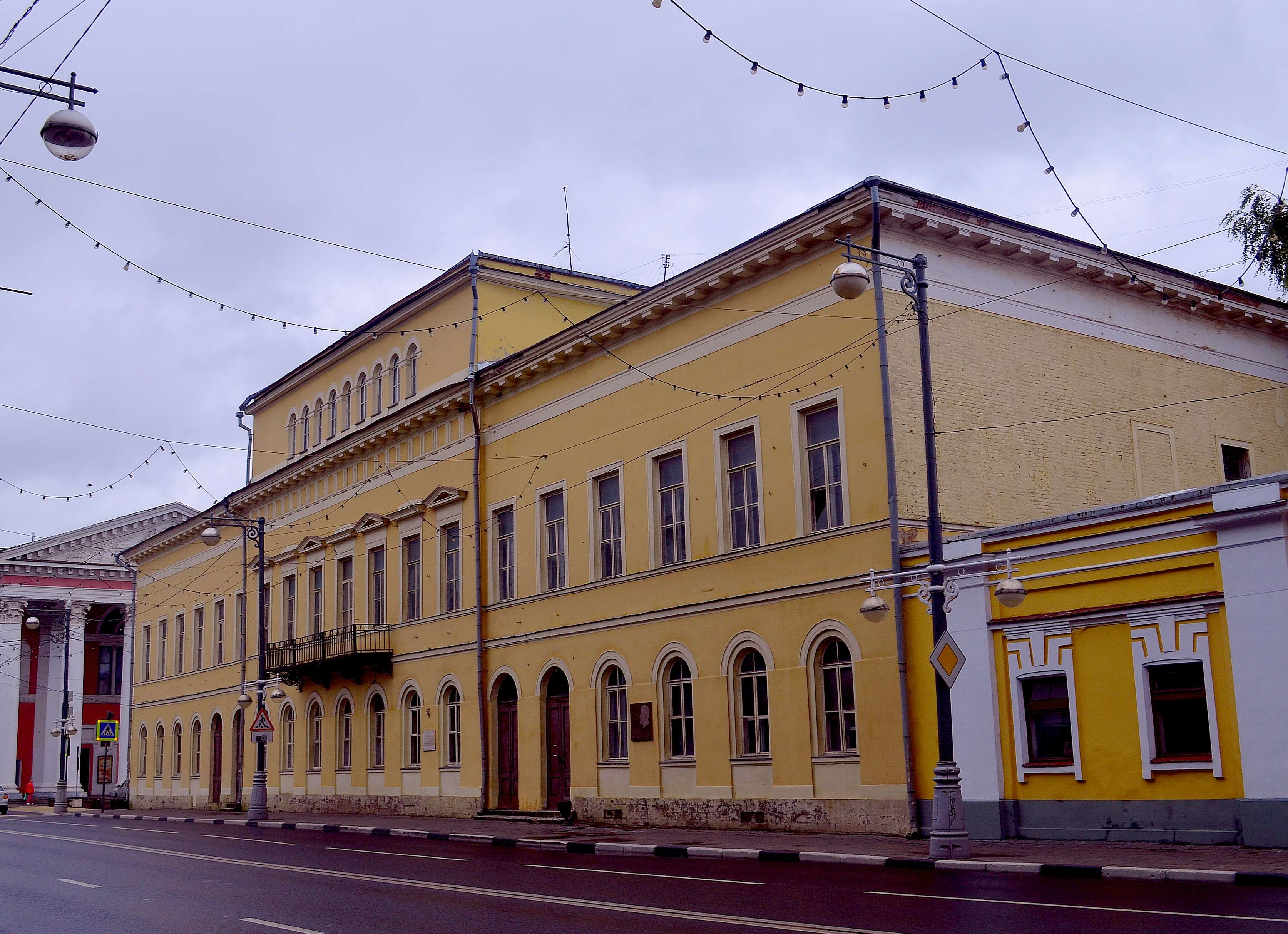
  5. Assembly of the Nobility Building — point on route “Literary Pages of Tver”

    Assembly of the Nobility Building

    🏟️ Architectural landmark · 📜 Historic site

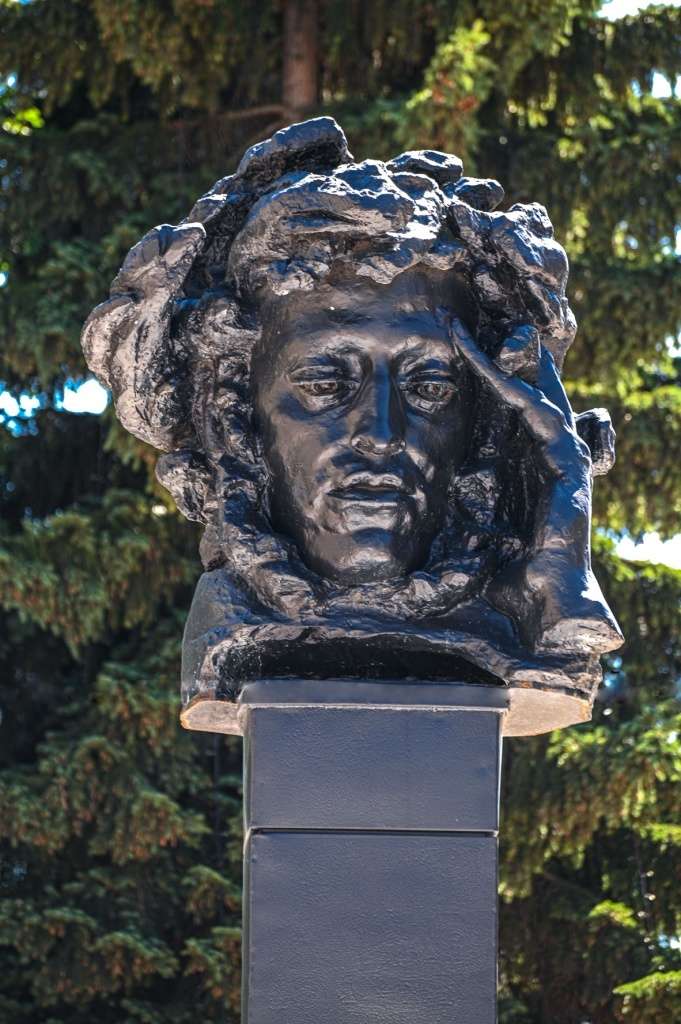
  6. A. S. Pushkin Memorial Bust — point on route “Literary Pages of Tver”

    A. S. Pushkin Memorial Bust

    🗿 Monument

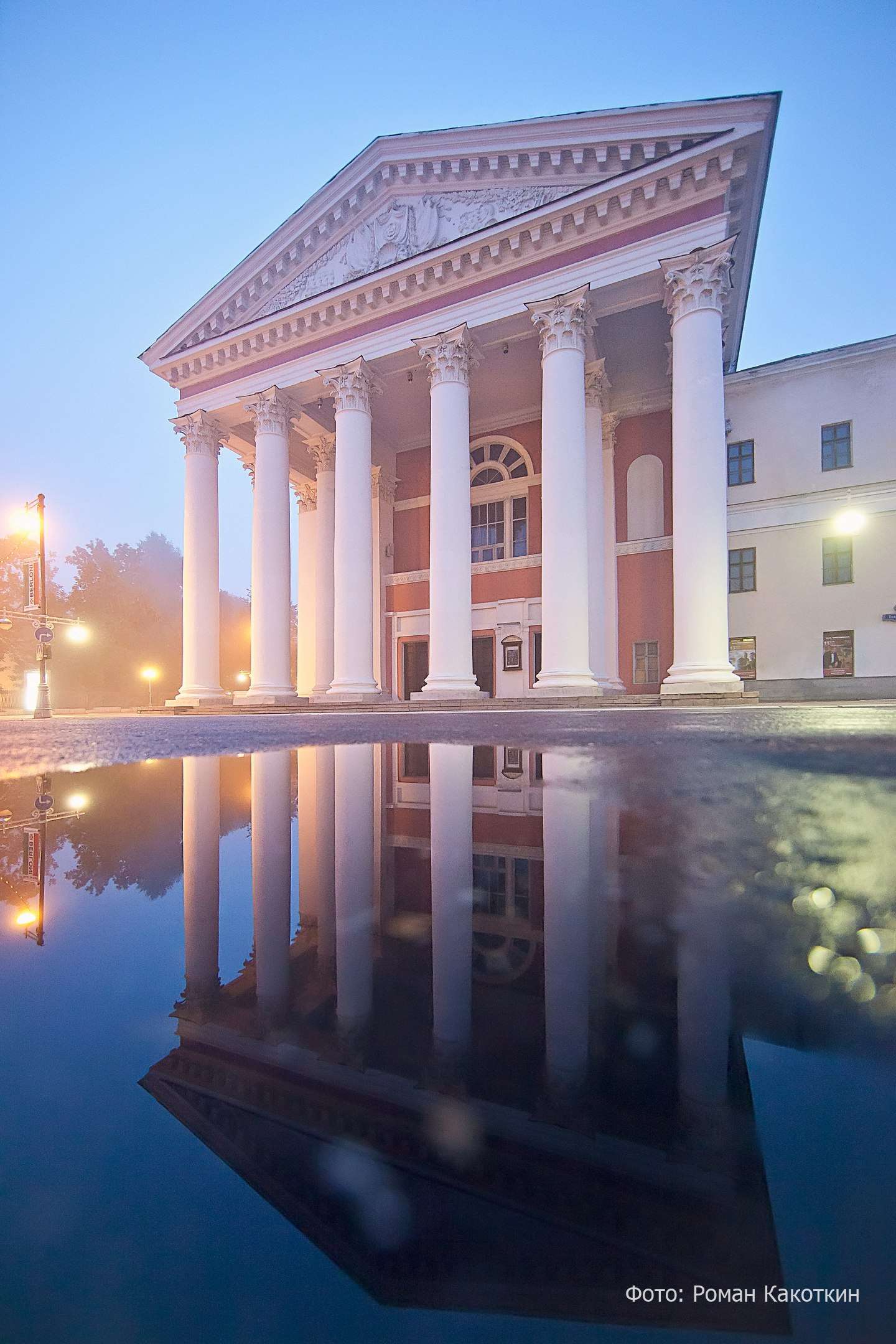
  7. Regional Drama Theater — point on route “Literary Pages of Tver”

    Regional Drama Theater

    🎭 Theater · 🏟️ Architectural landmark

  8. Merchant Barsukov's Hotel — point on route “Literary Pages of Tver”

    Merchant Barsukov's Hotel

    📜 Historic site · 🏟️ Architectural landmark

  9. Magistracy Building — point on route “Literary Pages of Tver”

    Magistracy Building

    🏟️ Architectural landmark · 📜 Historic site

  10. Former Tver Gymnasium for Boys — point on route “Literary Pages of Tver”

    Former Tver Gymnasium for Boys

    📜 Historic site · 🏟️ Architectural landmark

  11. Former Galiani Hotel — point on route “Literary Pages of Tver”

    Former Galiani Hotel

    📜 Historic site

  12. Andrei Dementyev House of Poetry — point on route “Literary Pages of Tver”

    Andrei Dementyev House of Poetry

    🏟️ Architectural landmark

  13. F. N. Glinka's House — point on route “Literary Pages of Tver”

    F. N. Glinka's House

    📜 Historic site

  14. Felicità Restaurant — point on route “Literary Pages of Tver”

    Felicità Restaurant

    🕵️ Urban legend · 📜 Historic site

  15. B. N. Polevoy's House — point on route “Literary Pages of Tver”

    B. N. Polevoy's House

    📜 Historic site

  16. M. E. Saltykov-Shchedrin Monument — point on route “Literary Pages of Tver”

    M. E. Saltykov-Shchedrin Monument

    🗿 Monument

Assembly of the Nobility Building in Tver

Point on route “Literary Pages of Tver”

Assembly of the Nobility Building — point on route “Literary Pages of Tver”

Point 5

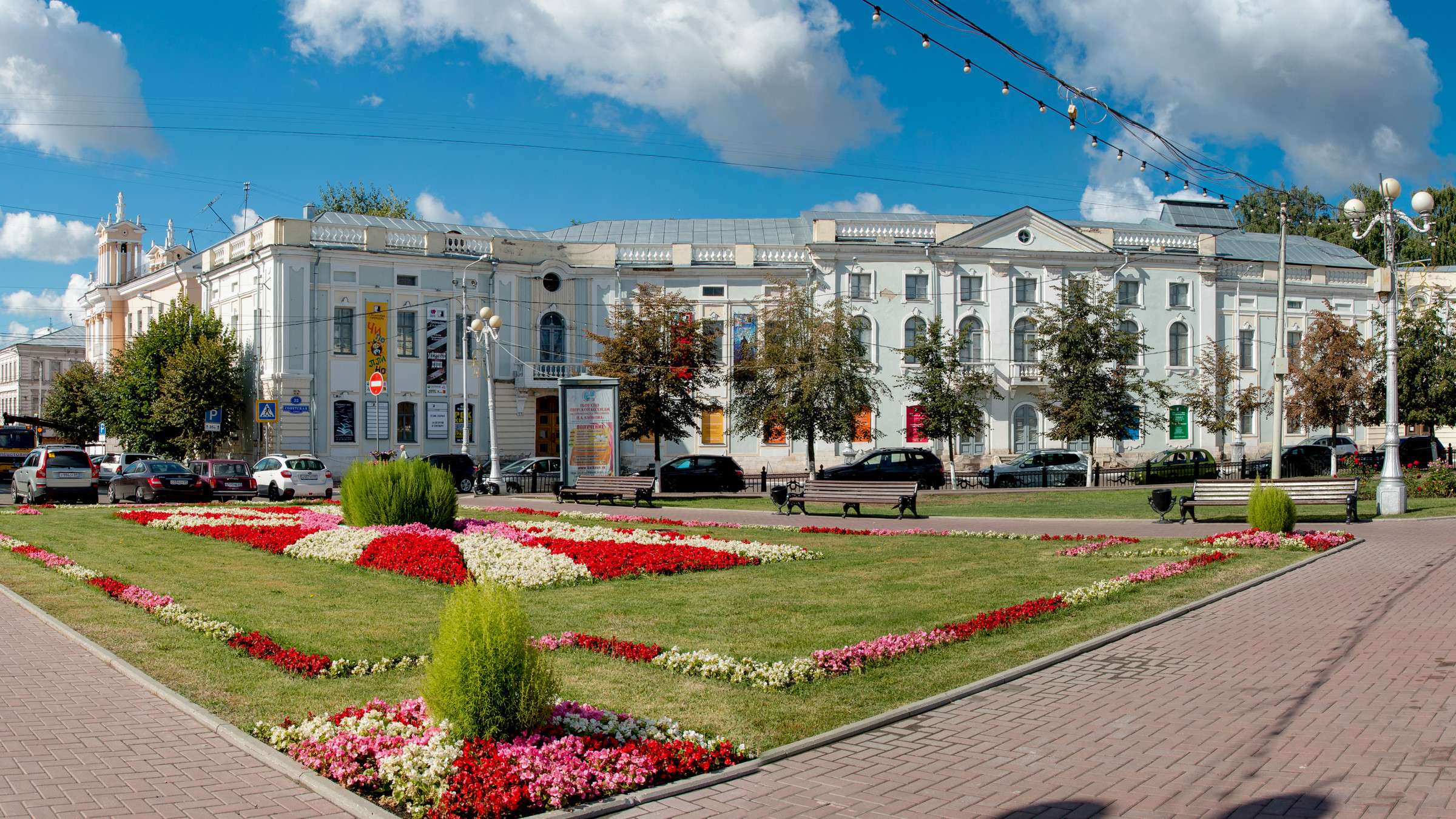
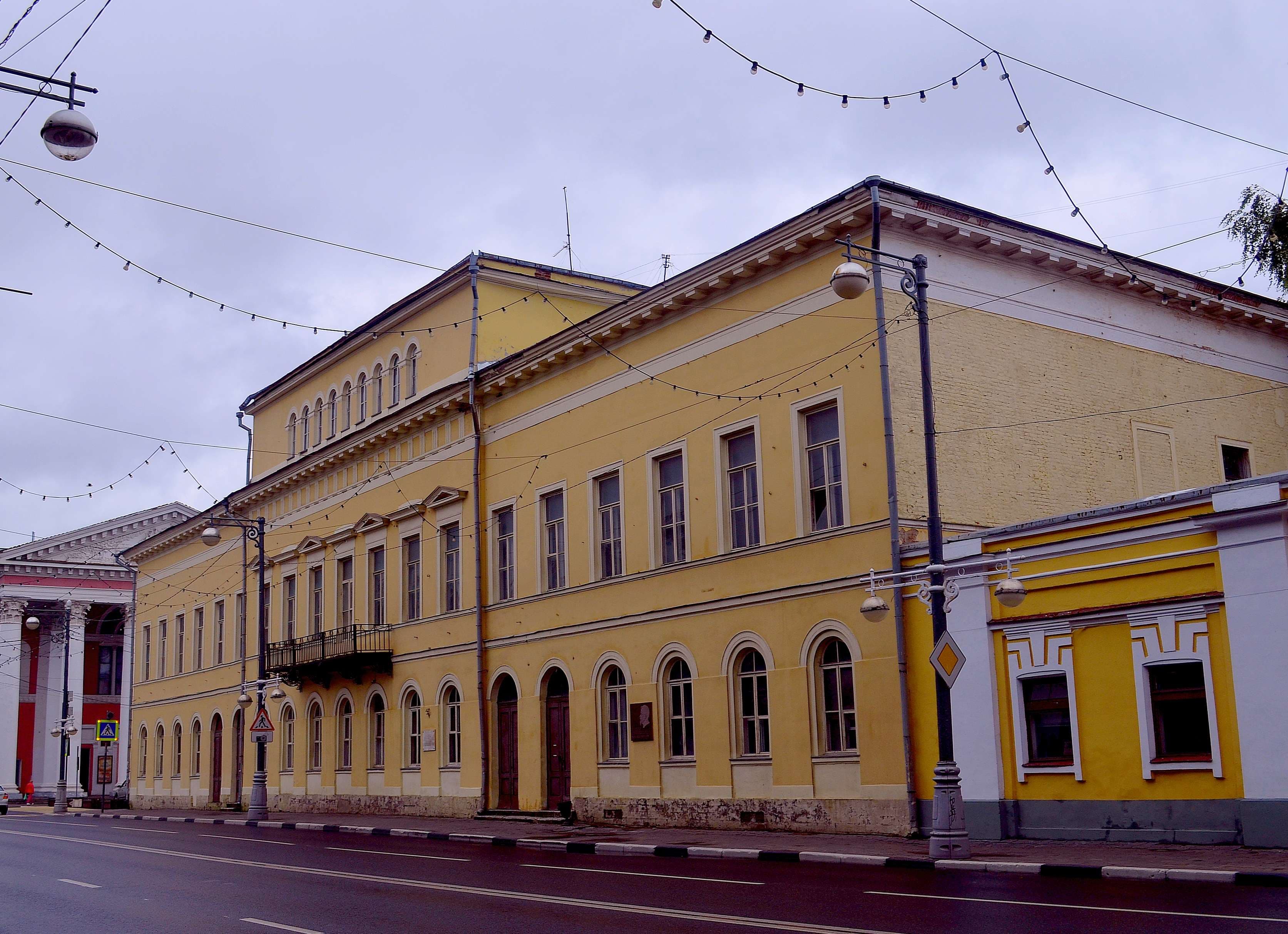
Assembly of the Nobility Building

🏟️ Architectural landmark • 📜 Historic site

Historical Background

The Assembly of the Nobility building, built in 1842, is one of the oldest buildings in Tver. The main building was erected for the Tver Society of the Nobility in 1842. The ground floor housed the office of the Assembly of the Nobility and the study of the governorate marshal of the nobility, while concerts, balls, and congresses were held on the second floor. The Assembly of the Nobility survived two world wars. During World War I it housed a rear hospital. In Soviet times it became the Red Army House, and after the war the House of Officers of the Tver garrison. It was on this building, the only one in the city center that had not burned down, that the red flag was raised on December 16, 1941, as a symbol of the city's liberation from the Nazi German invaders.

About the Architecture

The building was designed by the architect Ivan Lvov in the late Classical style. Its facade is symmetrical, with minimal decoration.

The Hall of Columns, a Witness to History

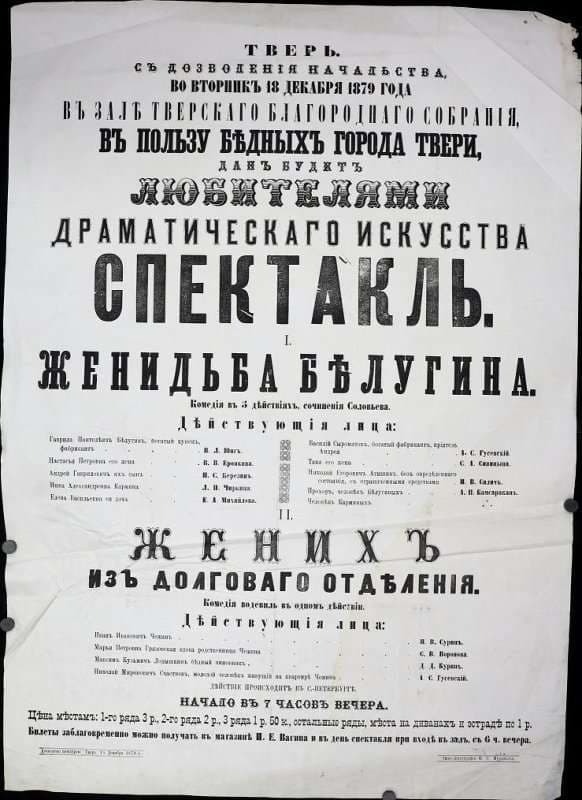
The Hall of Columns of the Tver Assembly of the Nobility witnessed many events. The most important of them for the public life of Tver and all of Russia were the meetings of the Tver nobility during the peasant reform of 1861, when the abolition of serfdom was being decided. In Soviet times the hall saw many memorable gatherings. In the 1920s Anatoly Lunacharsky and Nadezhda Krupskaya gave fiery speeches here, and Sergei Yesenin and Vladimir Mayakovsky read their poems.