←Literary Pages of Tver

Literary Pages of Tver

Photo of route “Literary Pages of Tver”
16 points4 km4 hours

Join us for a walk along the embankment and the central streets, and recall how great and forgotten poets, prose writers, and publishers of other centuries saw this beauty: Alexander Pushkin, Alexander Ostrovsky, Ivan Turgenev, Fyodor Dostoevsky, and many others. They declared their love for “dear,” “beautiful” Tver and dedicated their finest lines to it.

Things to do

  • 📚🎬 Recall films and books
  • 📜 Learn the city's history

Route points (16)

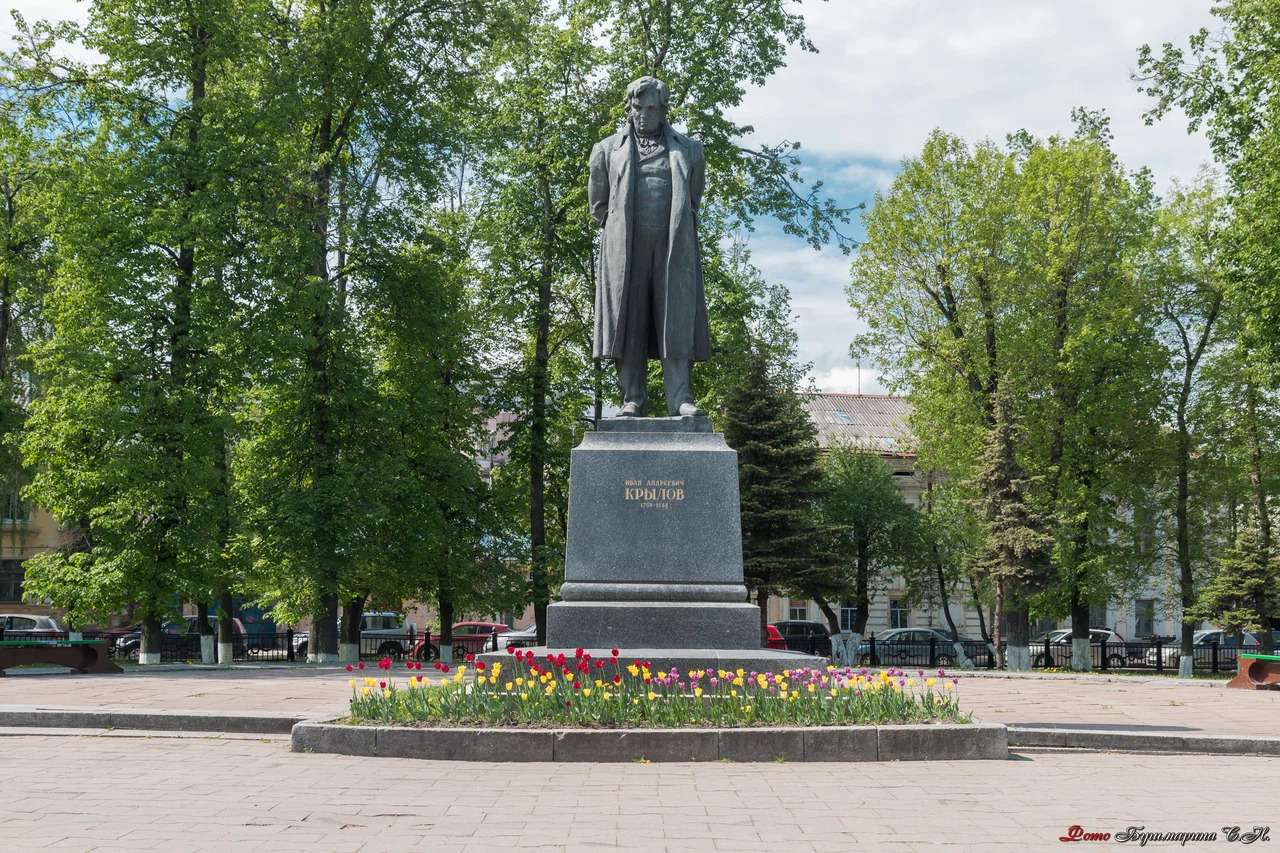
  1. I. A. Krylov Monument — point on route “Literary Pages of Tver”

    I. A. Krylov Monument

    🗿 Monument

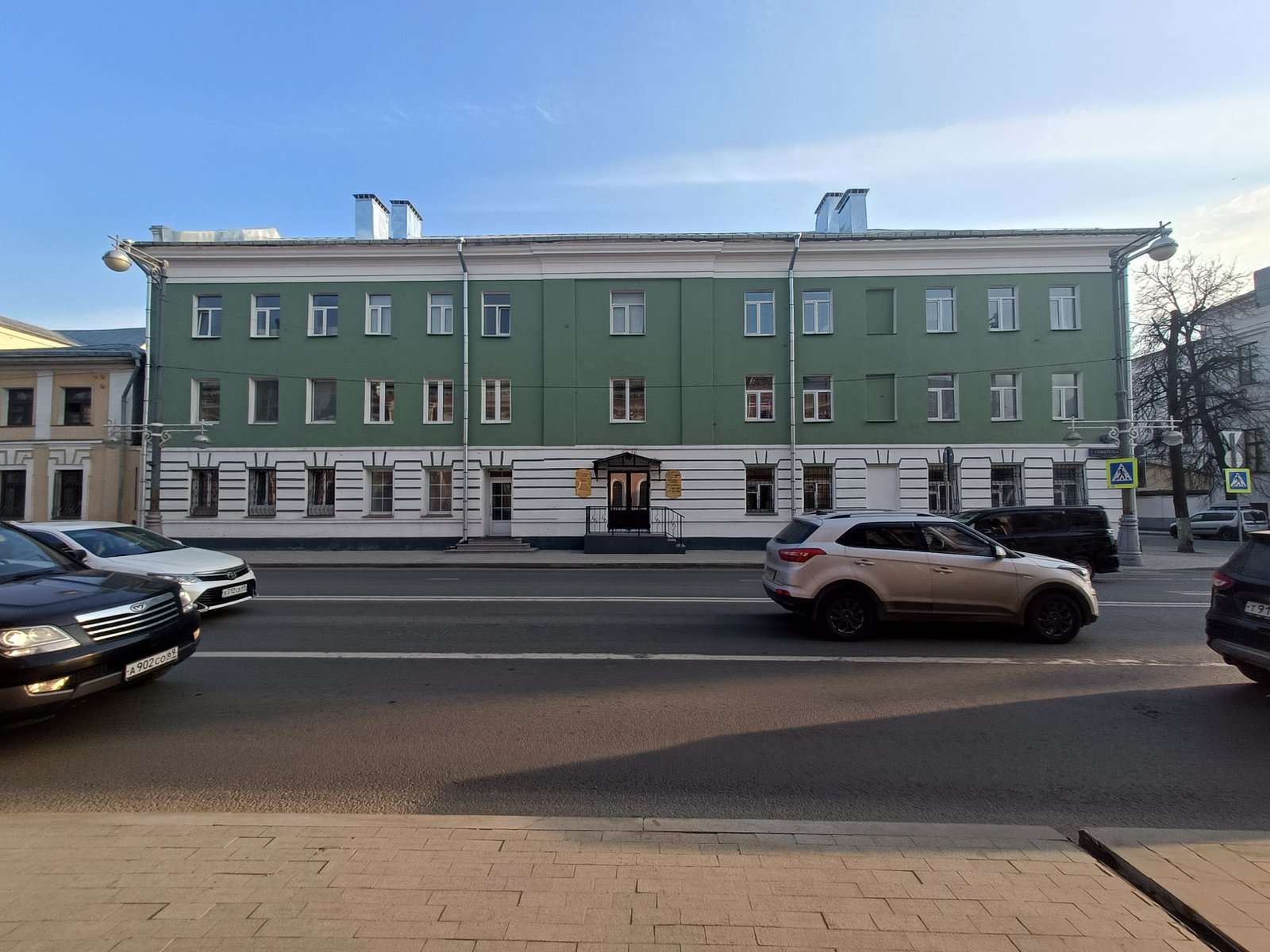
  2. Tver Commercial School for Girls — point on route “Literary Pages of Tver”

    Tver Commercial School for Girls

    🏟️ Architectural landmark · 📜 Historic site

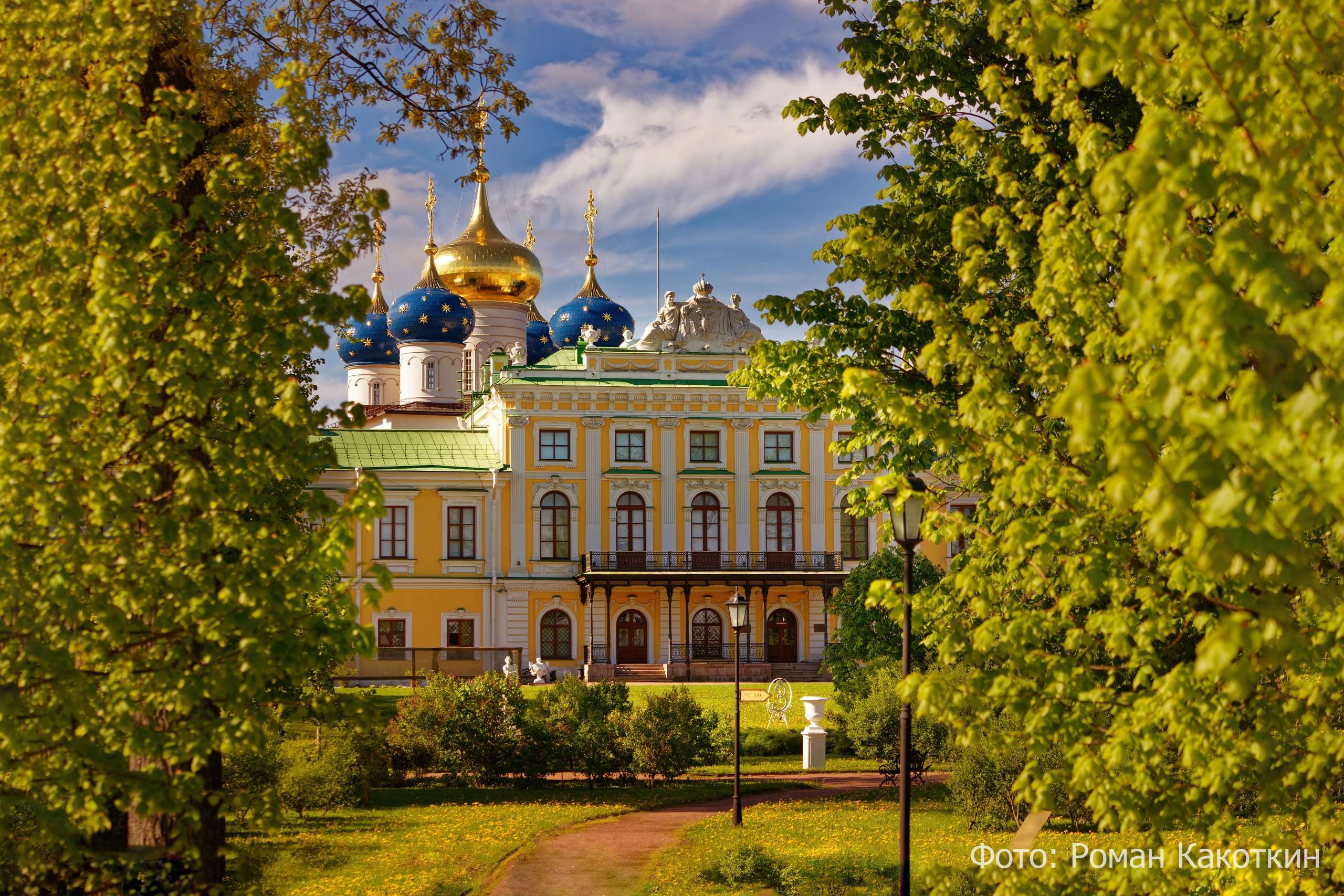
  3. Travel Palace — point on route “Literary Pages of Tver”

    Travel Palace

    🏰 Palace · 📜 Historic site · 🏟️ Architectural landmark

  4. Ivan Petrovich Wulf's House — point on route “Literary Pages of Tver”

    Ivan Petrovich Wulf's House

    🏟️ Architectural landmark · 📜 Historic site

  5. Assembly of the Nobility Building — point on route “Literary Pages of Tver”

    Assembly of the Nobility Building

    🏟️ Architectural landmark · 📜 Historic site

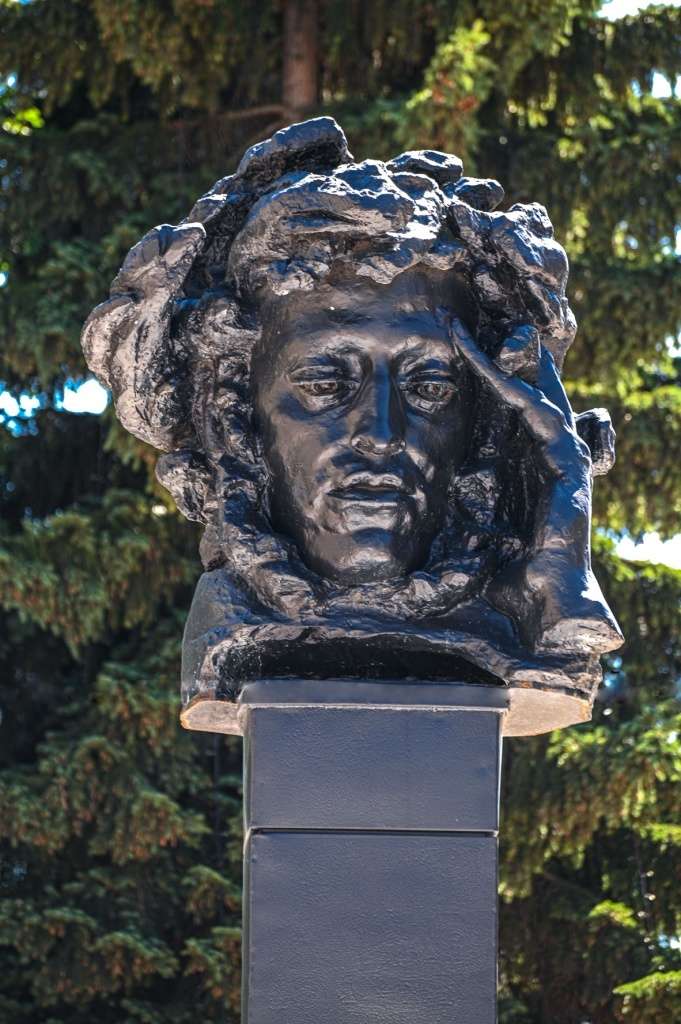
  6. A. S. Pushkin Memorial Bust — point on route “Literary Pages of Tver”

    A. S. Pushkin Memorial Bust

    🗿 Monument

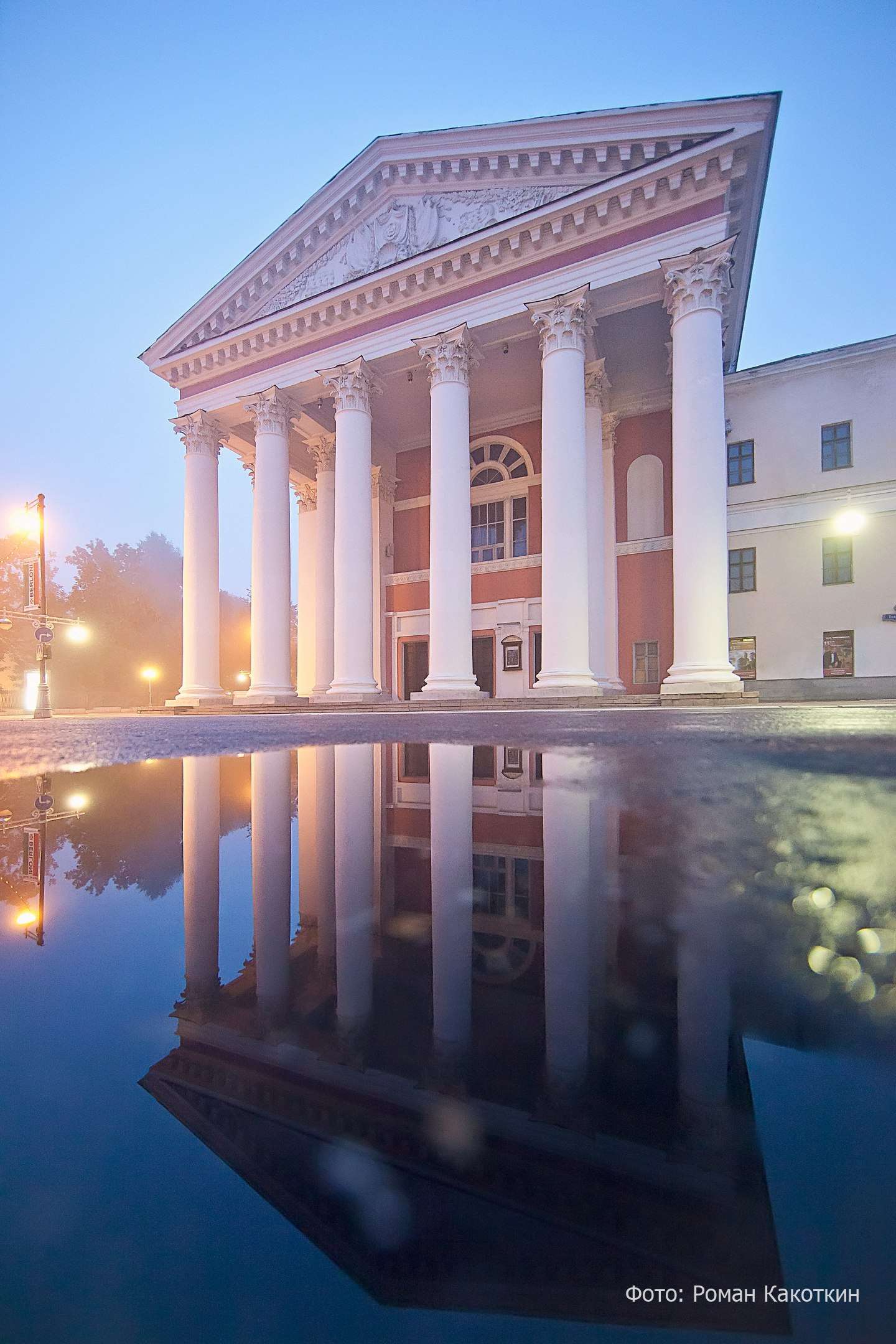
  7. Regional Drama Theater — point on route “Literary Pages of Tver”

    Regional Drama Theater

    🎭 Theater · 🏟️ Architectural landmark

  8. Merchant Barsukov's Hotel — point on route “Literary Pages of Tver”

    Merchant Barsukov's Hotel

    📜 Historic site · 🏟️ Architectural landmark

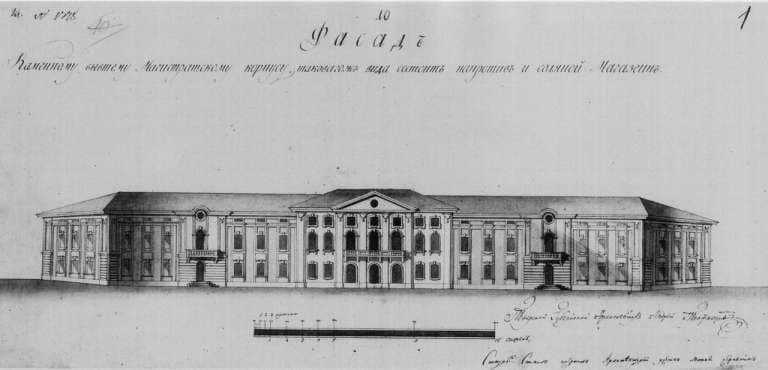
  9. Magistracy Building — point on route “Literary Pages of Tver”

    Magistracy Building

    🏟️ Architectural landmark · 📜 Historic site

  10. Former Tver Gymnasium for Boys — point on route “Literary Pages of Tver”

    Former Tver Gymnasium for Boys

    📜 Historic site · 🏟️ Architectural landmark

  11. Former Galiani Hotel — point on route “Literary Pages of Tver”

    Former Galiani Hotel

    📜 Historic site

  12. Andrei Dementyev House of Poetry — point on route “Literary Pages of Tver”

    Andrei Dementyev House of Poetry

    🏟️ Architectural landmark

  13. F. N. Glinka's House — point on route “Literary Pages of Tver”

    F. N. Glinka's House

    📜 Historic site

  14. Felicità Restaurant — point on route “Literary Pages of Tver”

    Felicità Restaurant

    🕵️ Urban legend · 📜 Historic site

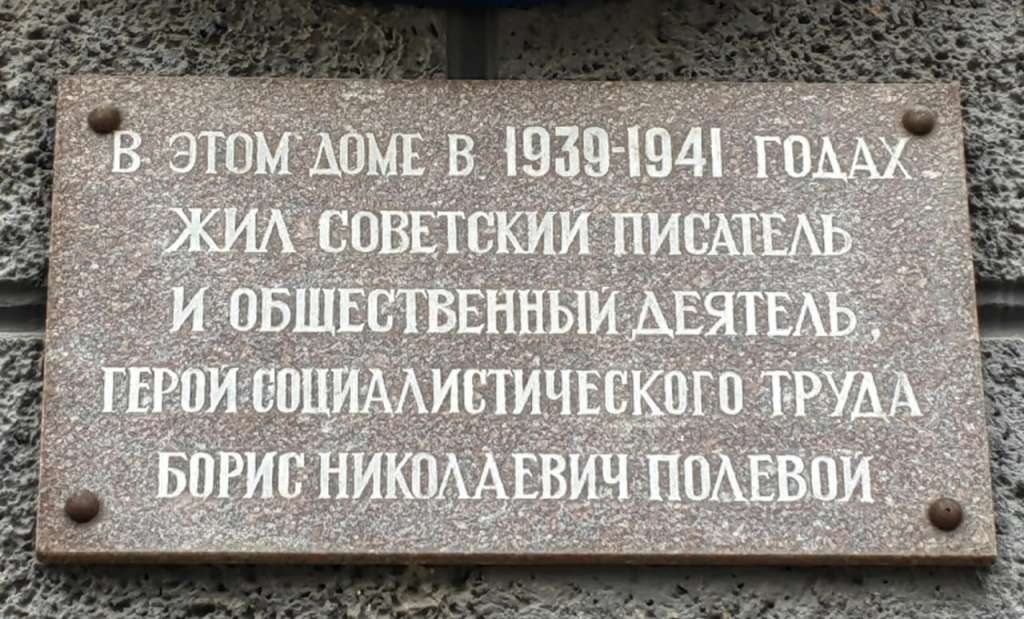
  15. B. N. Polevoy's House — point on route “Literary Pages of Tver”

    B. N. Polevoy's House

    📜 Historic site

  16. M. E. Saltykov-Shchedrin Monument — point on route “Literary Pages of Tver”

    M. E. Saltykov-Shchedrin Monument

    🗿 Monument

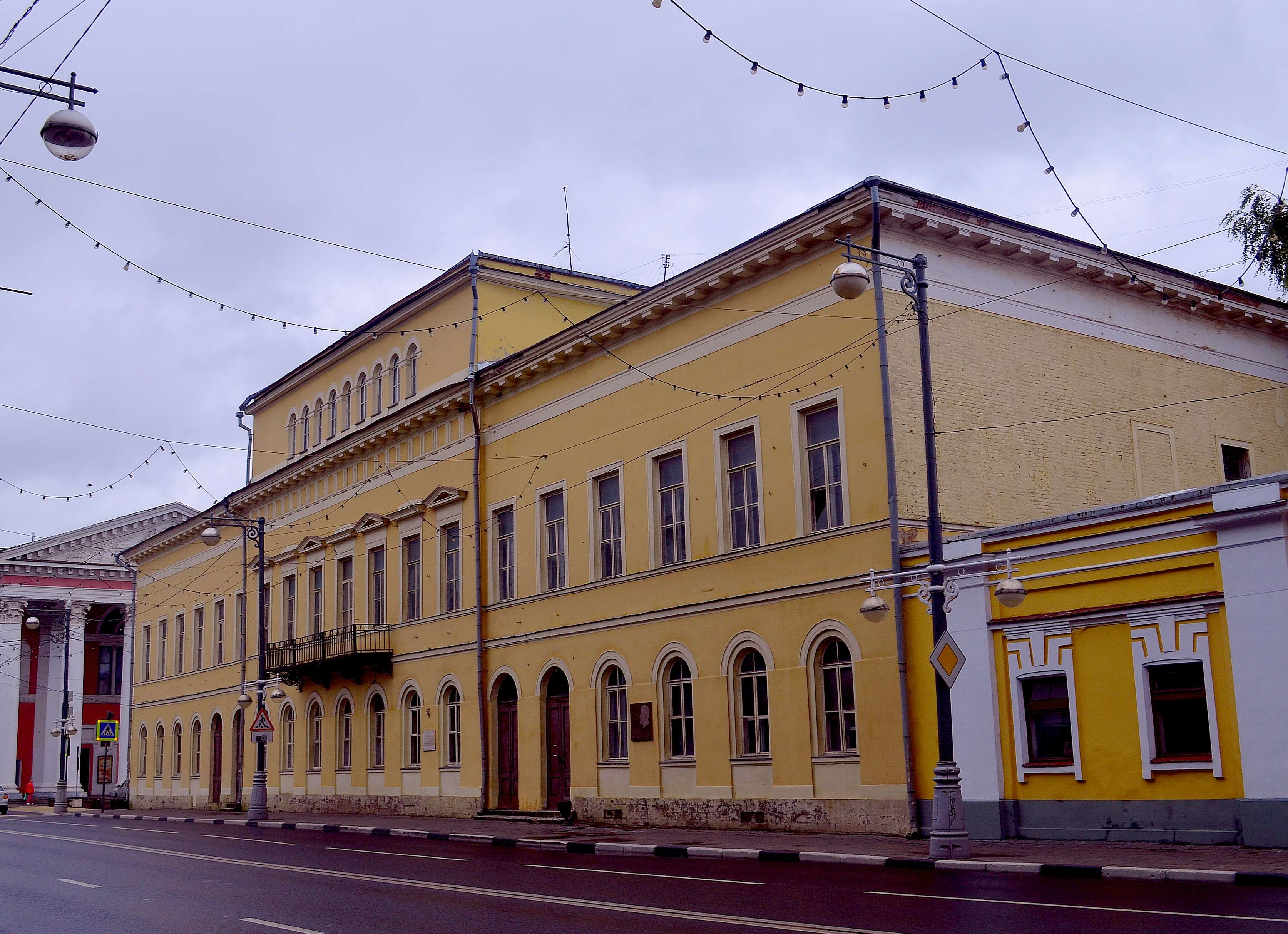
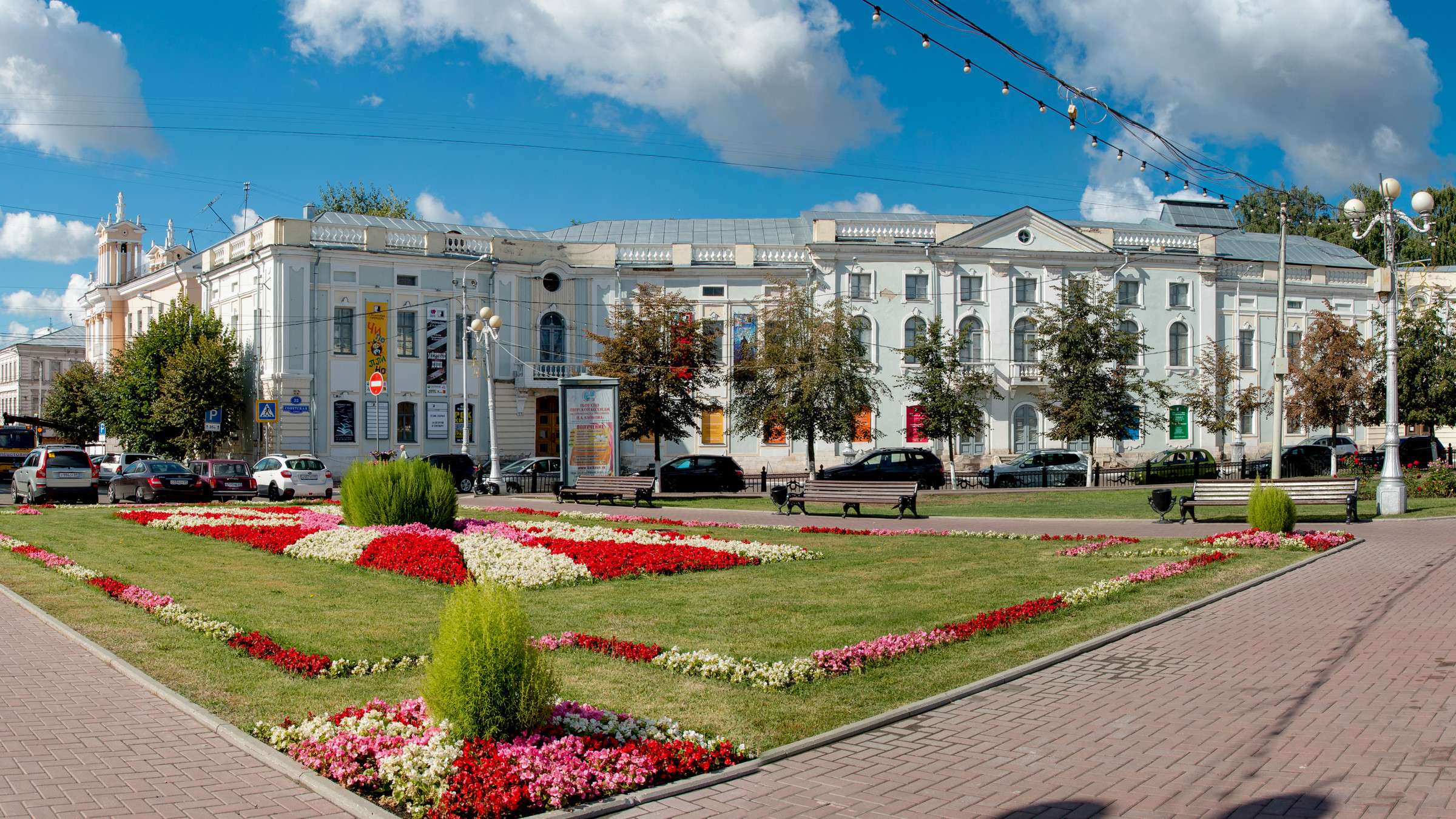
Magistracy Building in Tver

Point on route “Literary Pages of Tver”

Magistracy Building — point on route “Literary Pages of Tver”

Point 9

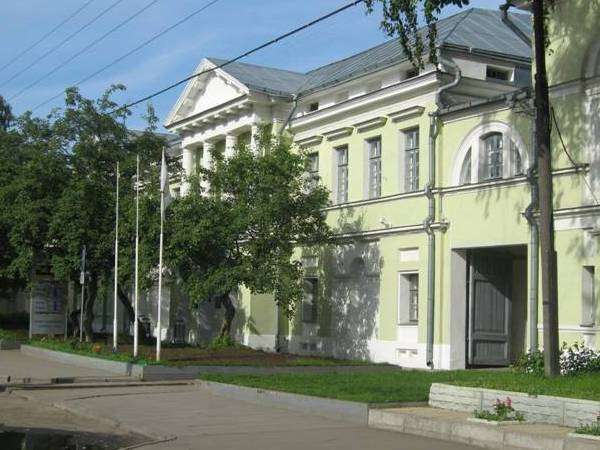
Magistracy Building

🏟️ Architectural landmark • 📜 Historic site

Historical Background

From 1778 to 1783 I. A. Krylov had to go into service at the Tver magistracy. When the future fabulist was 10 years old, his father died, leaving the family without means. Krylov's mother petitioned for a pension, submitting requests and asking that her husband's “irreproachable” service be taken into account, but all in vain. Given the family's desperate situation, Krylov, while still a child, was placed as a “sub-clerk” in the same governorate magistracy where his father had served.

Architectural Features

The magistracy building, together with the House of the Nobility, a school, and a salt store, formed a single complex with identical massing and facades. All of them were designed by M. F. Kazakov. The magistracy was built in forms transitional from Baroque to Classicism. Its construction was completed in 1774.

What the Magistracy Housed

In 1799 the building housed the Assembly of the Nobility, then in 1811 the military department, and in the second half of the 19th century the city council, the city bank, the public library, and other institutions. In 1811 the former magistracy building was handed over to the 8th Moscow Grenadier Regiment, and its hall was turned into the regimental church. Since 1958 it has been home to the Young Spectators' Theater.