←Literary Pages of Tver

Literary Pages of Tver

Photo of route “Literary Pages of Tver”
16 points4 km4 hours

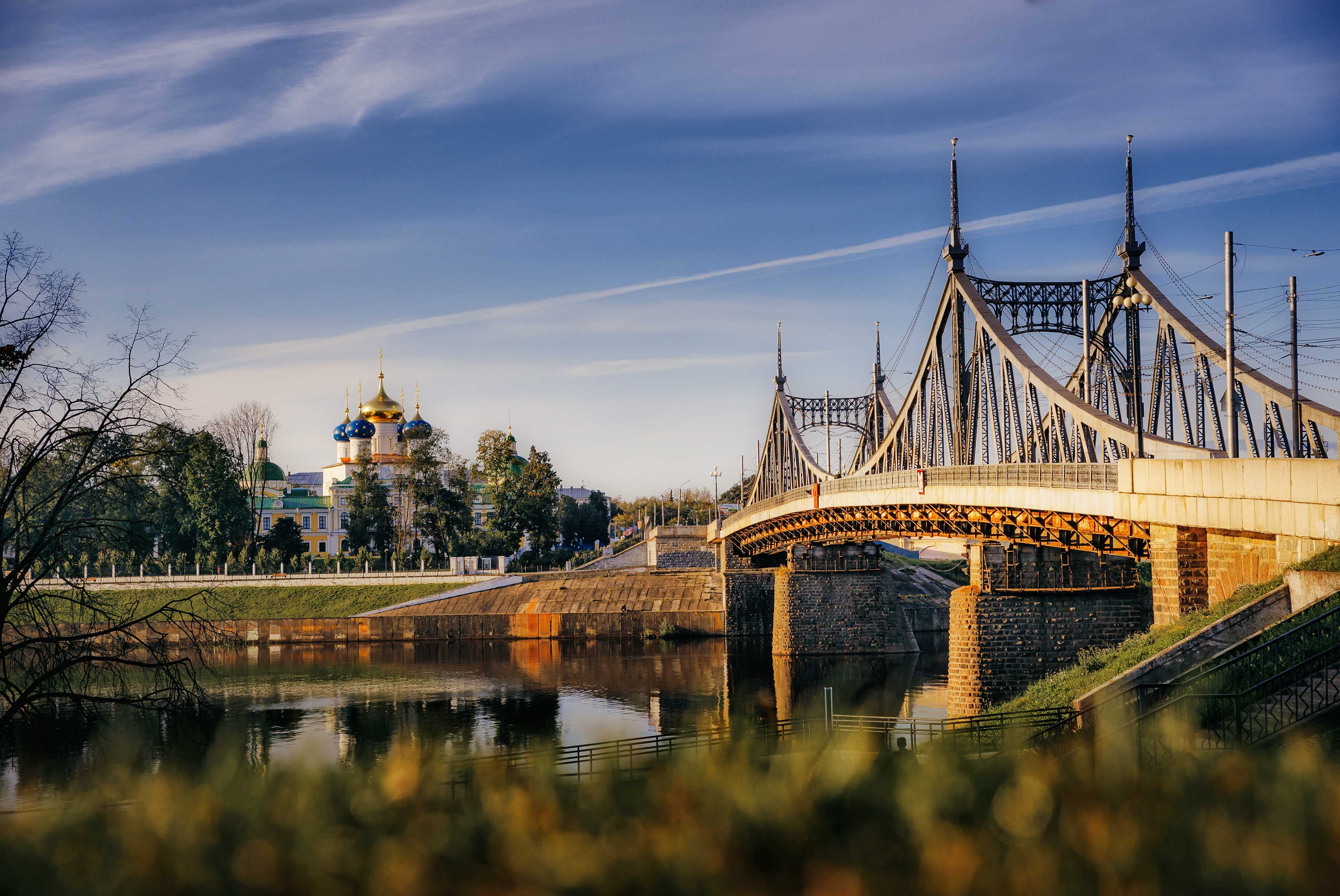
Join us for a walk along the embankment and the central streets, and recall how great and forgotten poets, prose writers, and publishers of other centuries saw this beauty: Alexander Pushkin, Alexander Ostrovsky, Ivan Turgenev, Fyodor Dostoevsky, and many others. They declared their love for “dear,” “beautiful” Tver and dedicated their finest lines to it.

Things to do

  • 📚🎬 Recall films and books
  • 📜 Learn the city's history

Route points (16)

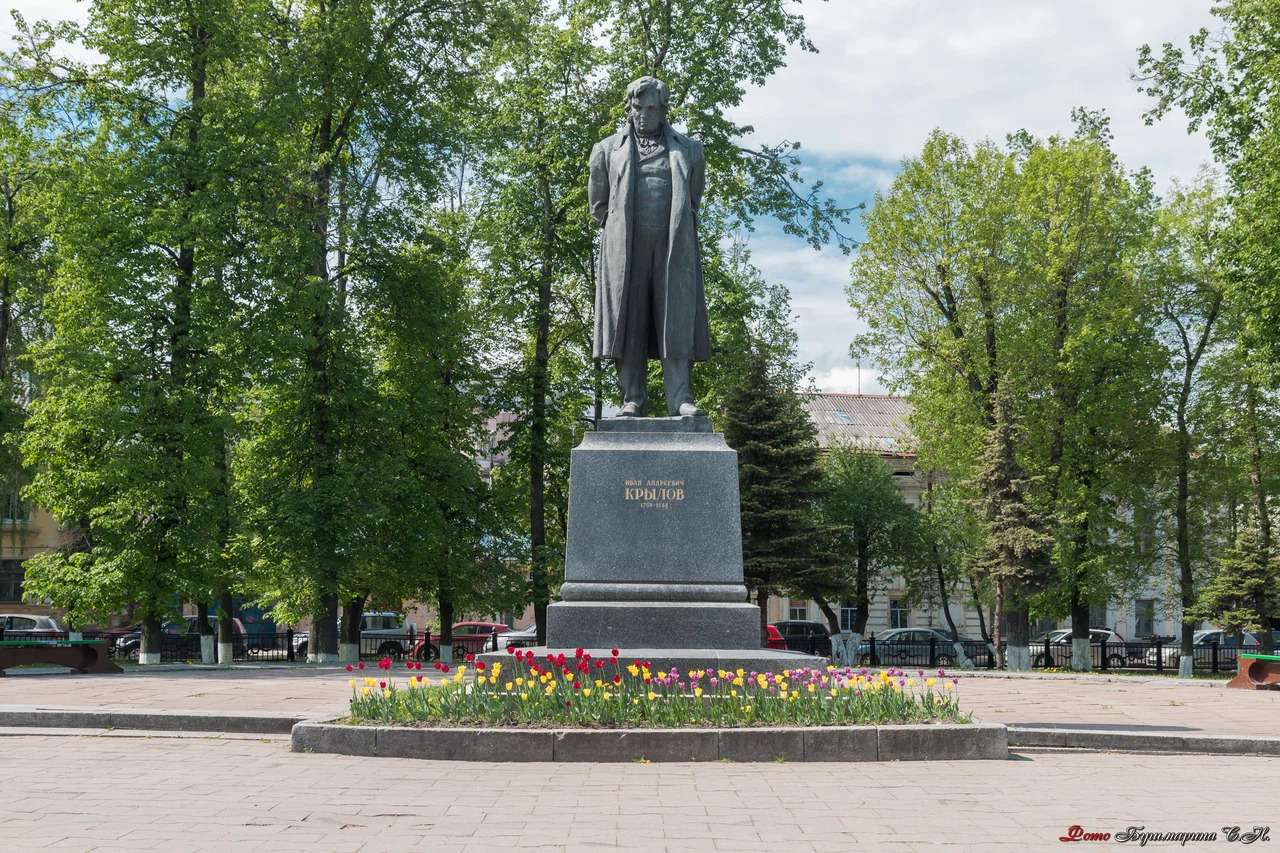
  1. I. A. Krylov Monument — point on route “Literary Pages of Tver”

    I. A. Krylov Monument

    🗿 Monument

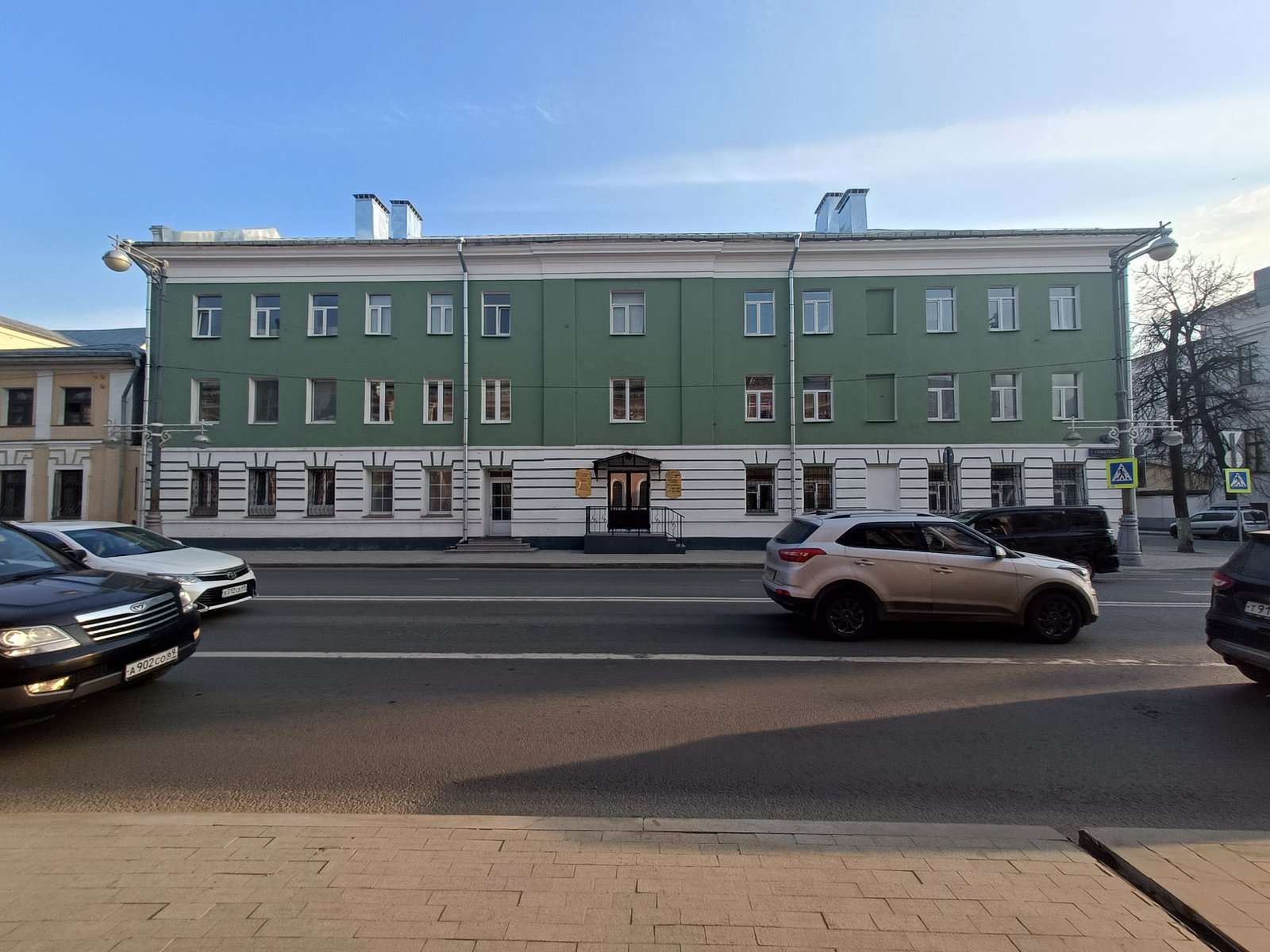
  2. Tver Commercial School for Girls — point on route “Literary Pages of Tver”

    Tver Commercial School for Girls

    🏟️ Architectural landmark · 📜 Historic site

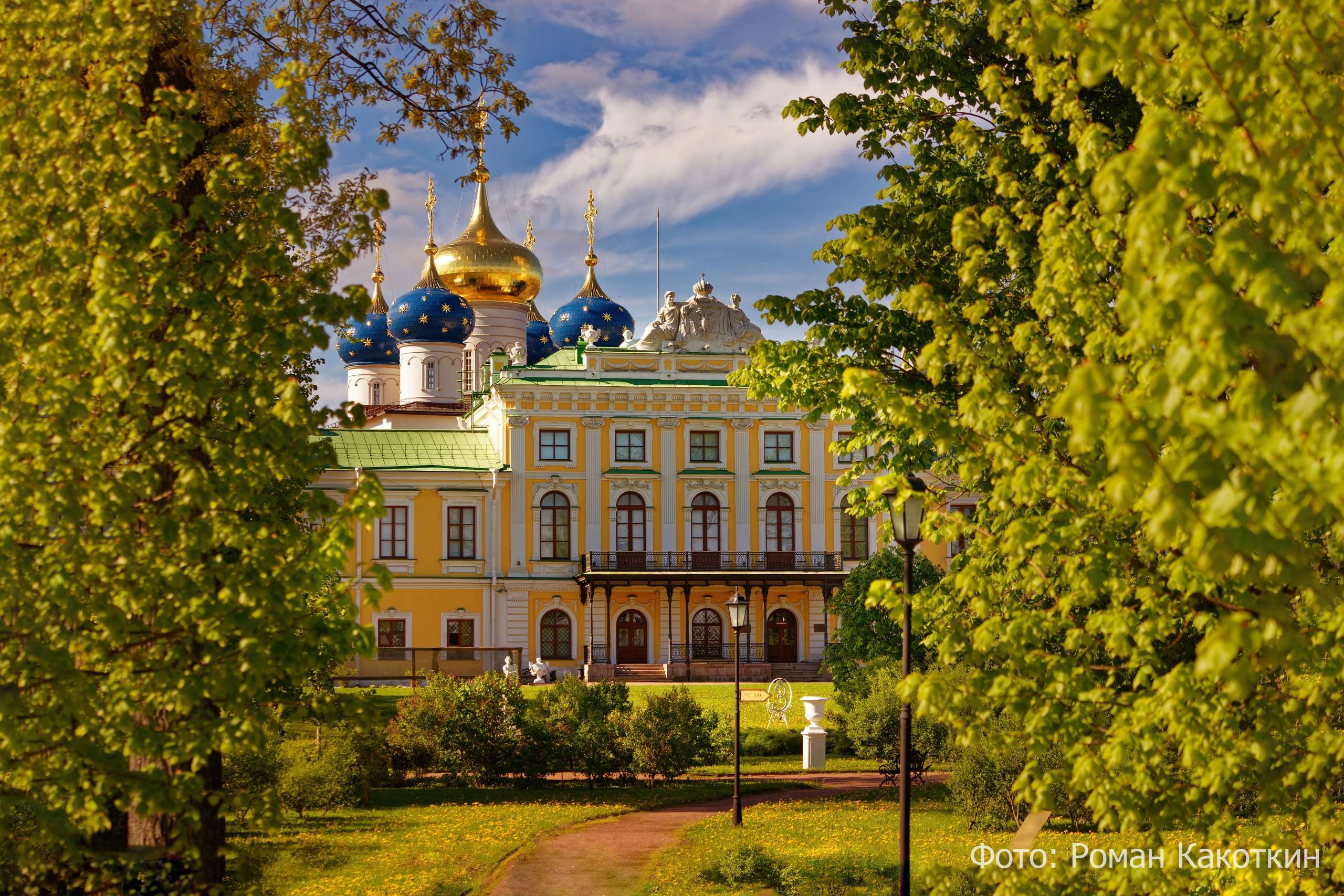
  3. Travel Palace — point on route “Literary Pages of Tver”

    Travel Palace

    🏰 Palace · 📜 Historic site · 🏟️ Architectural landmark

  4. Ivan Petrovich Wulf's House — point on route “Literary Pages of Tver”

    Ivan Petrovich Wulf's House

    🏟️ Architectural landmark · 📜 Historic site

  5. Assembly of the Nobility Building — point on route “Literary Pages of Tver”

    Assembly of the Nobility Building

    🏟️ Architectural landmark · 📜 Historic site

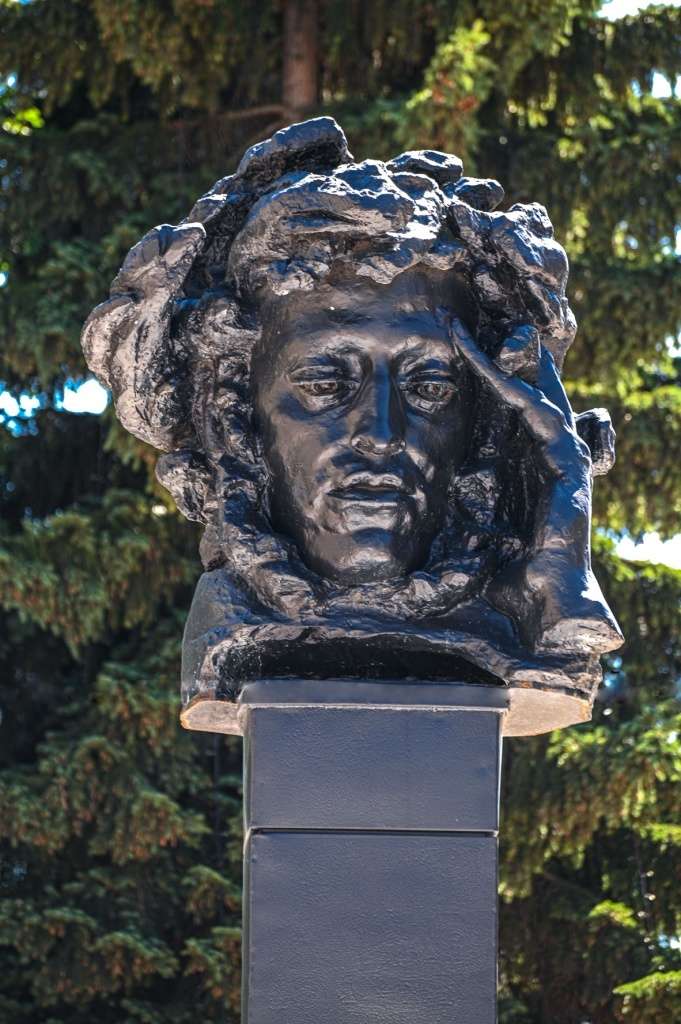
  6. A. S. Pushkin Memorial Bust — point on route “Literary Pages of Tver”

    A. S. Pushkin Memorial Bust

    🗿 Monument

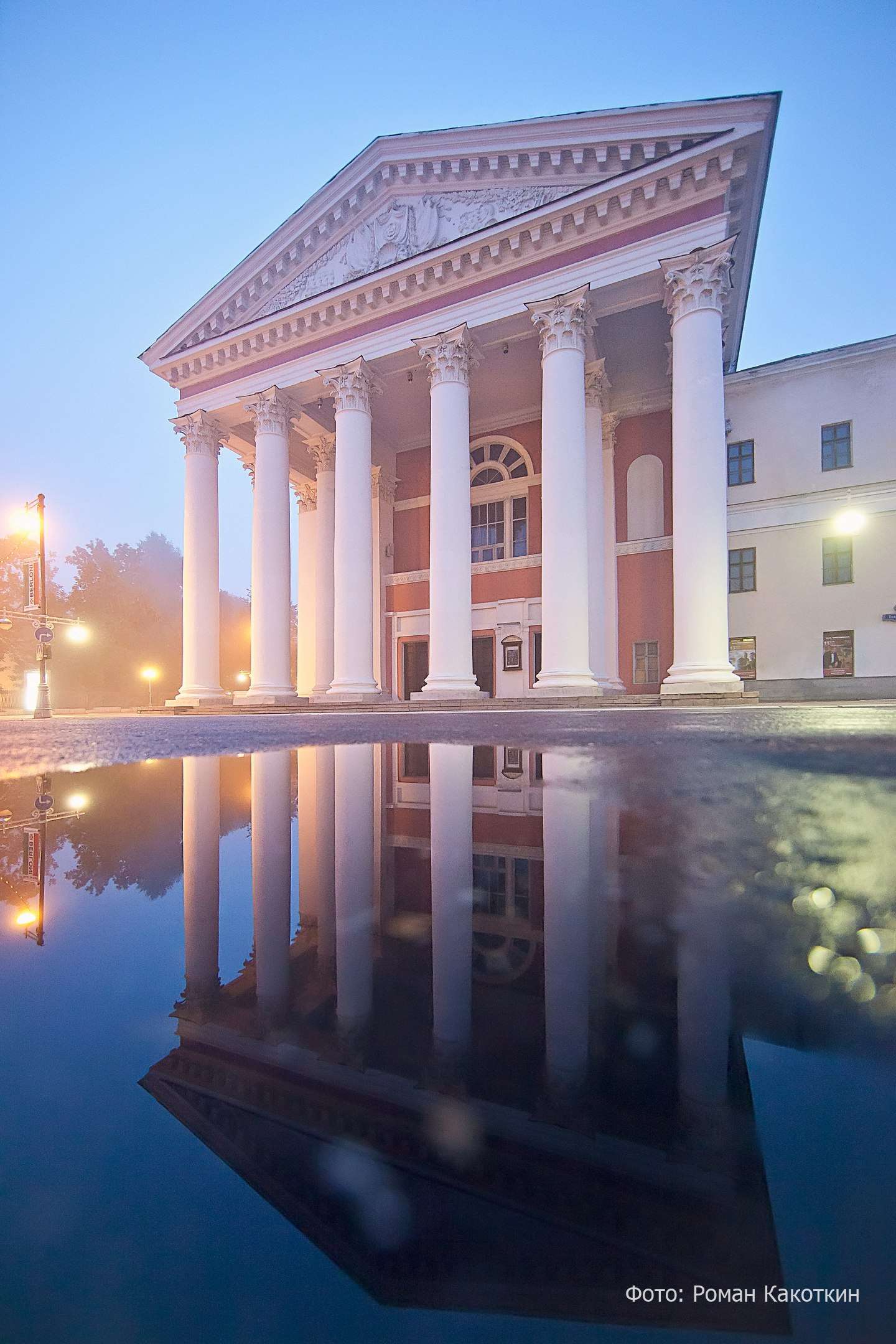
  7. Regional Drama Theater — point on route “Literary Pages of Tver”

    Regional Drama Theater

    🎭 Theater · 🏟️ Architectural landmark

  8. Merchant Barsukov's Hotel — point on route “Literary Pages of Tver”

    Merchant Barsukov's Hotel

    📜 Historic site · 🏟️ Architectural landmark

  9. Magistracy Building — point on route “Literary Pages of Tver”

    Magistracy Building

    🏟️ Architectural landmark · 📜 Historic site

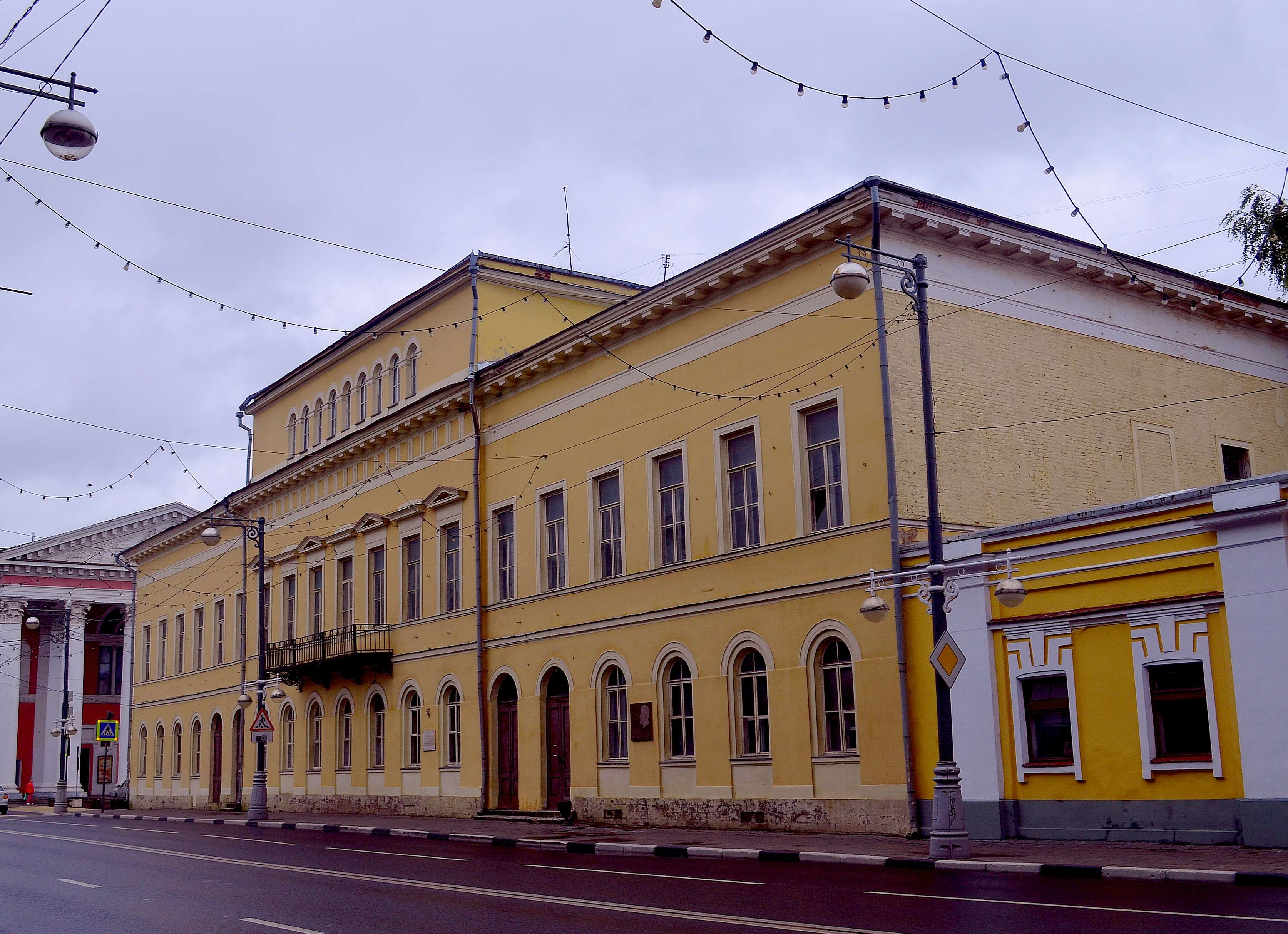
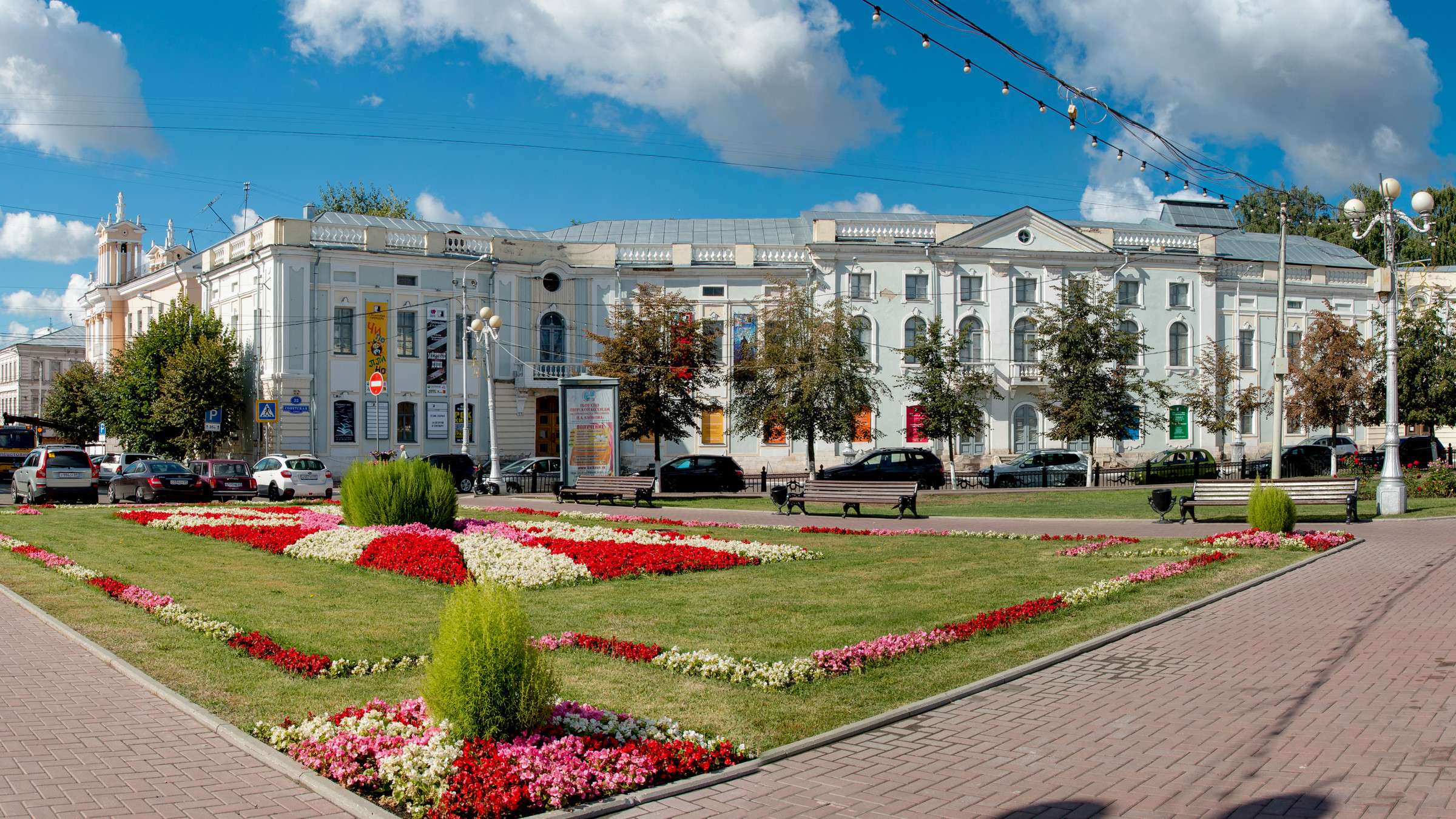
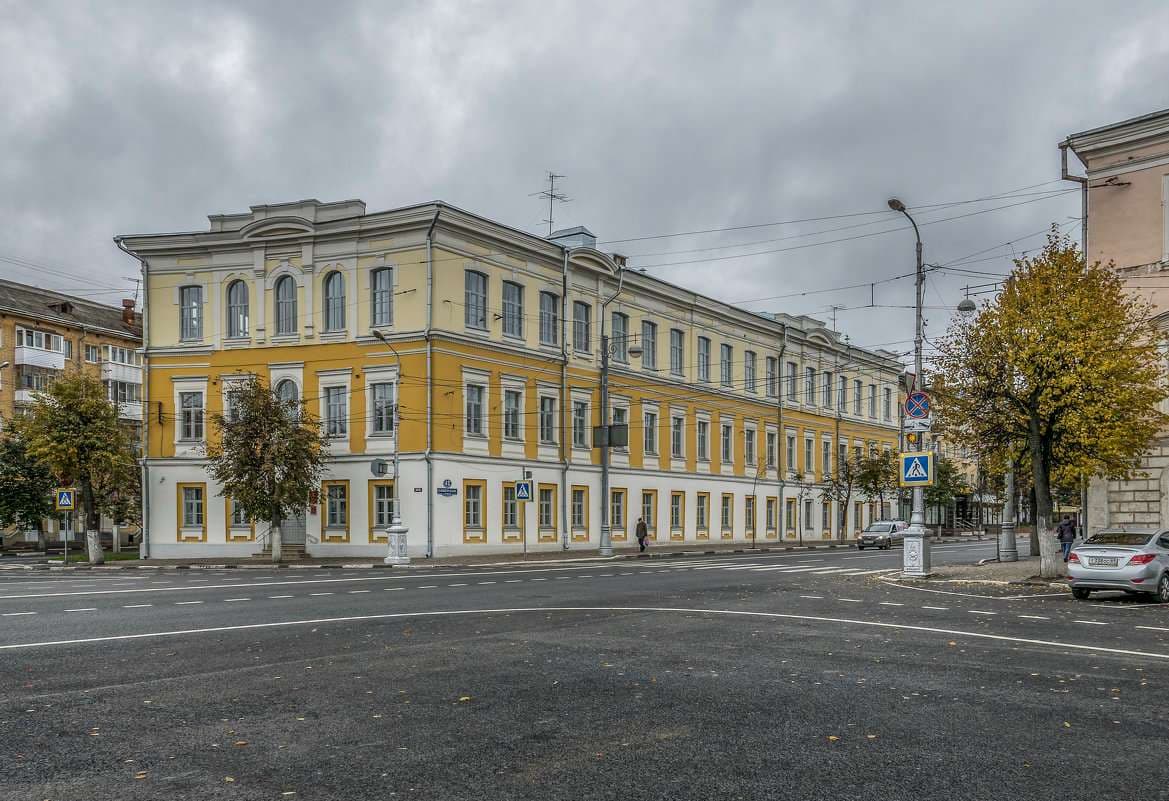
  10. Former Tver Gymnasium for Boys — point on route “Literary Pages of Tver”

    Former Tver Gymnasium for Boys

    📜 Historic site · 🏟️ Architectural landmark

  11. Former Galiani Hotel — point on route “Literary Pages of Tver”

    Former Galiani Hotel

    📜 Historic site

  12. Andrei Dementyev House of Poetry — point on route “Literary Pages of Tver”

    Andrei Dementyev House of Poetry

    🏟️ Architectural landmark

  13. F. N. Glinka's House — point on route “Literary Pages of Tver”

    F. N. Glinka's House

    📜 Historic site

  14. Felicità Restaurant — point on route “Literary Pages of Tver”

    Felicità Restaurant

    🕵️ Urban legend · 📜 Historic site

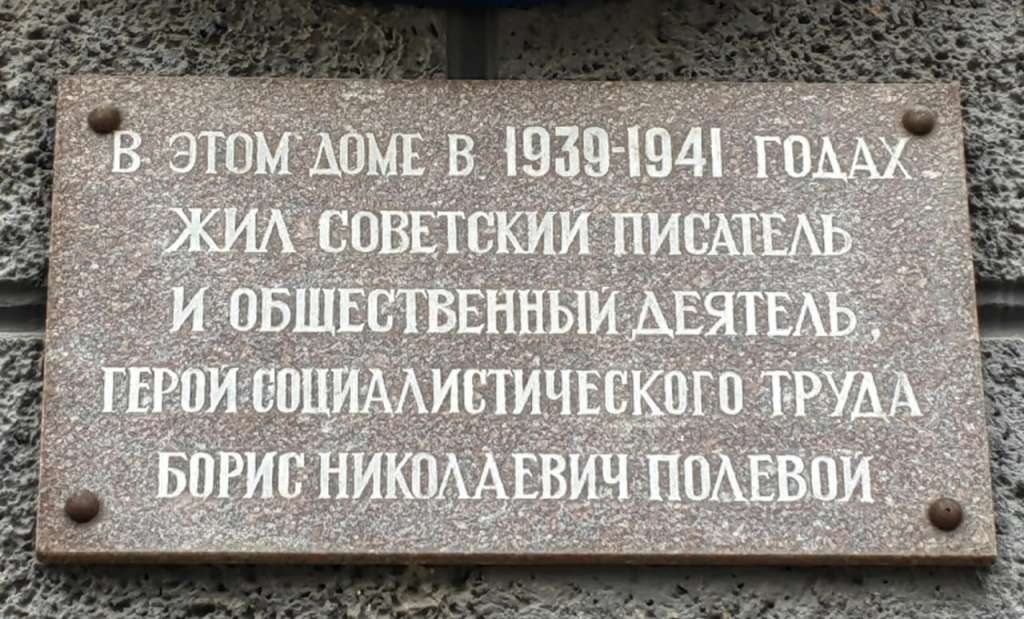
  15. B. N. Polevoy's House — point on route “Literary Pages of Tver”

    B. N. Polevoy's House

    📜 Historic site

  16. M. E. Saltykov-Shchedrin Monument — point on route “Literary Pages of Tver”

    M. E. Saltykov-Shchedrin Monument

    🗿 Monument

Former Tver Gymnasium for Boys in Tver

Point on route “Literary Pages of Tver”

Former Tver Gymnasium for Boys — point on route “Literary Pages of Tver”

Point 10

Former Tver Gymnasium for Boys

📜 Historic site • 🏟️ Architectural landmark

Historical Background

The Russian writer I. I. Lazhechnikov lived in Tver from 1831 to 1853. These were the years of his greatest creative success. Here he wrote his famous novels “The Ice House” and “The Basurman,” as well as the tragedy “The Oprichnik.” From 1831 to 1837 he was director of the gymnasium and all the schools of Tver, and from 1843 to 1853 he served as vice-governor.

Sure as You Give a Drink

I. I. Lazhechnikov is credited with the expression kak pit dat (literally “as surely as giving someone a drink”), meaning “as sure as anything.” He used it in one of his best-known works, “The Basurman.” In the novel there is a scene in which one of the characters discusses the apothecary Anton, who was reputed to be less a healer than a poisoner: “Once an old gentleman from these parts took it into his head to be treated by him, and sure as you give a man a drink, he sent him off to the next world.” The expression quickly became a popular saying.

Gymnasiums and Schools

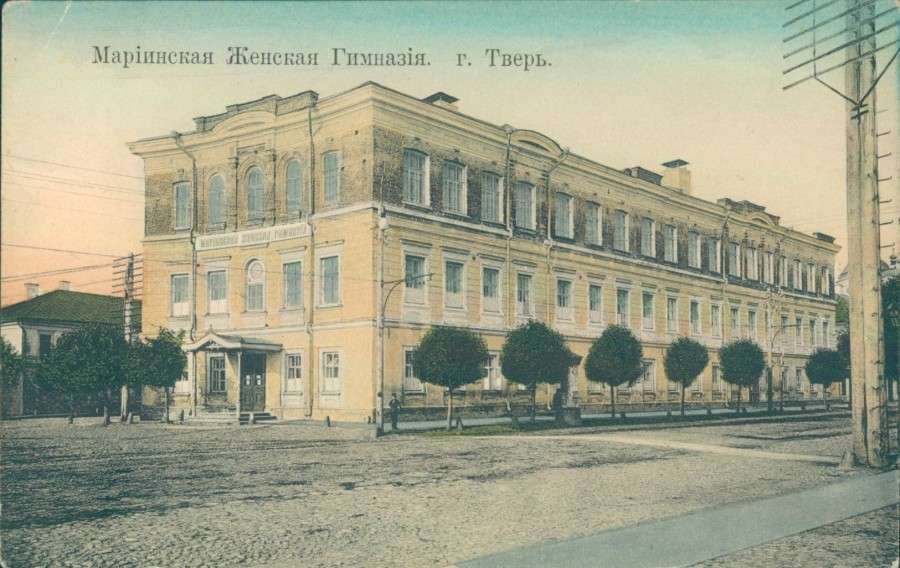
The building in Tver where he lived and worked was built in 1769 and was originally used as a state-owned tavern. Later it housed a public school, the governorate gymnasium for boys, and the Mariinsky Gymnasium for Girls. The Mariinsky Gymnasium was named in honor of Empress Maria Alexandrovna. A large share of the funds for building and maintaining the gymnasium was donated by the merchant families Golovinsky, Avaev, Kapustin, Konyaev, and others. In 1863 F. N. Glinka contributed 1,000 rubles. In 1907 a third floor was added to the gymnasium building. After the revolution, in 1918, it housed Unified Labor School of the First Level No. 25. From 1937 the building was home to the Teachers' House. Today it houses the Tver Regional House of Folk Art.