 16 points
 4 km
 4 hours


Architectural Features
The Glinka estate in the center of Tver was built in the 19th century in the late Classical style. The main house of the estate was erected between 1856 and 1861.
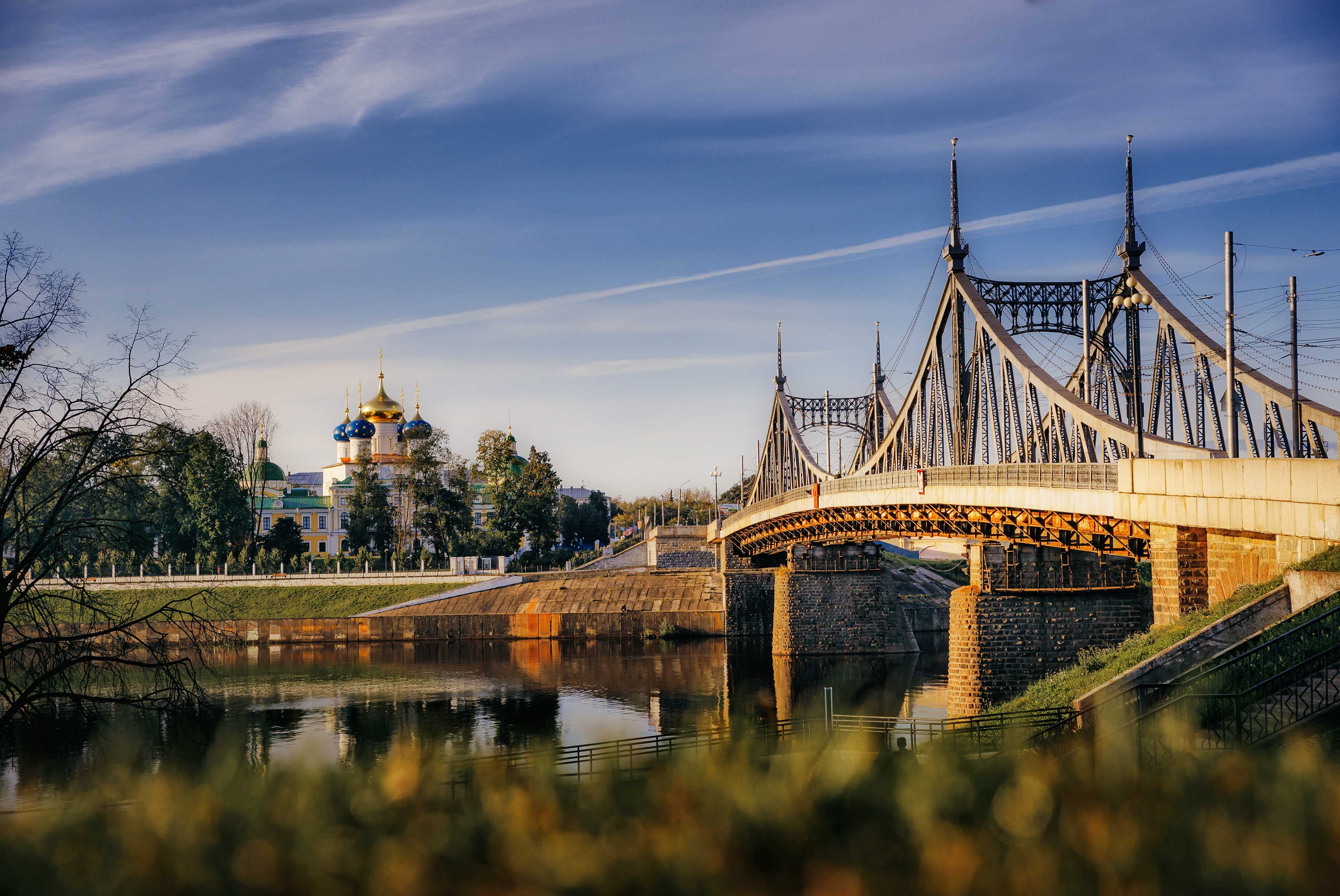
Join us for a walk along the embankment and the central streets, and recall how great and forgotten poets, prose writers, and publishers of other centuries saw this beauty: Alexander Pushkin, Alexander Ostrovsky, Ivan Turgenev, Fyodor Dostoevsky, and many others. They declared their love for “dear,” “beautiful” Tver and dedicated their finest lines to it.
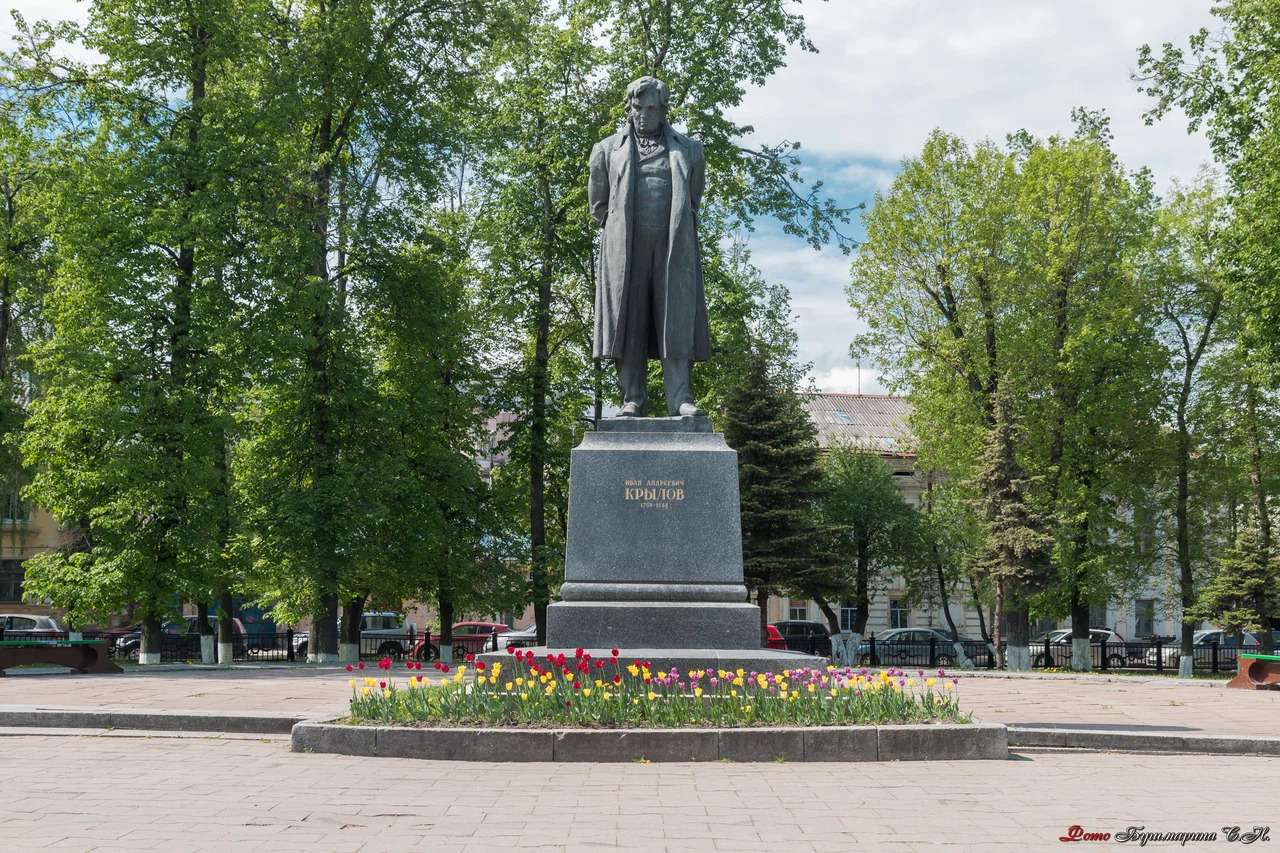
I. A. Krylov Monument
🗿 Monument

Tver Commercial School for Girls
🏟️ Architectural landmark · 📜 Historic site
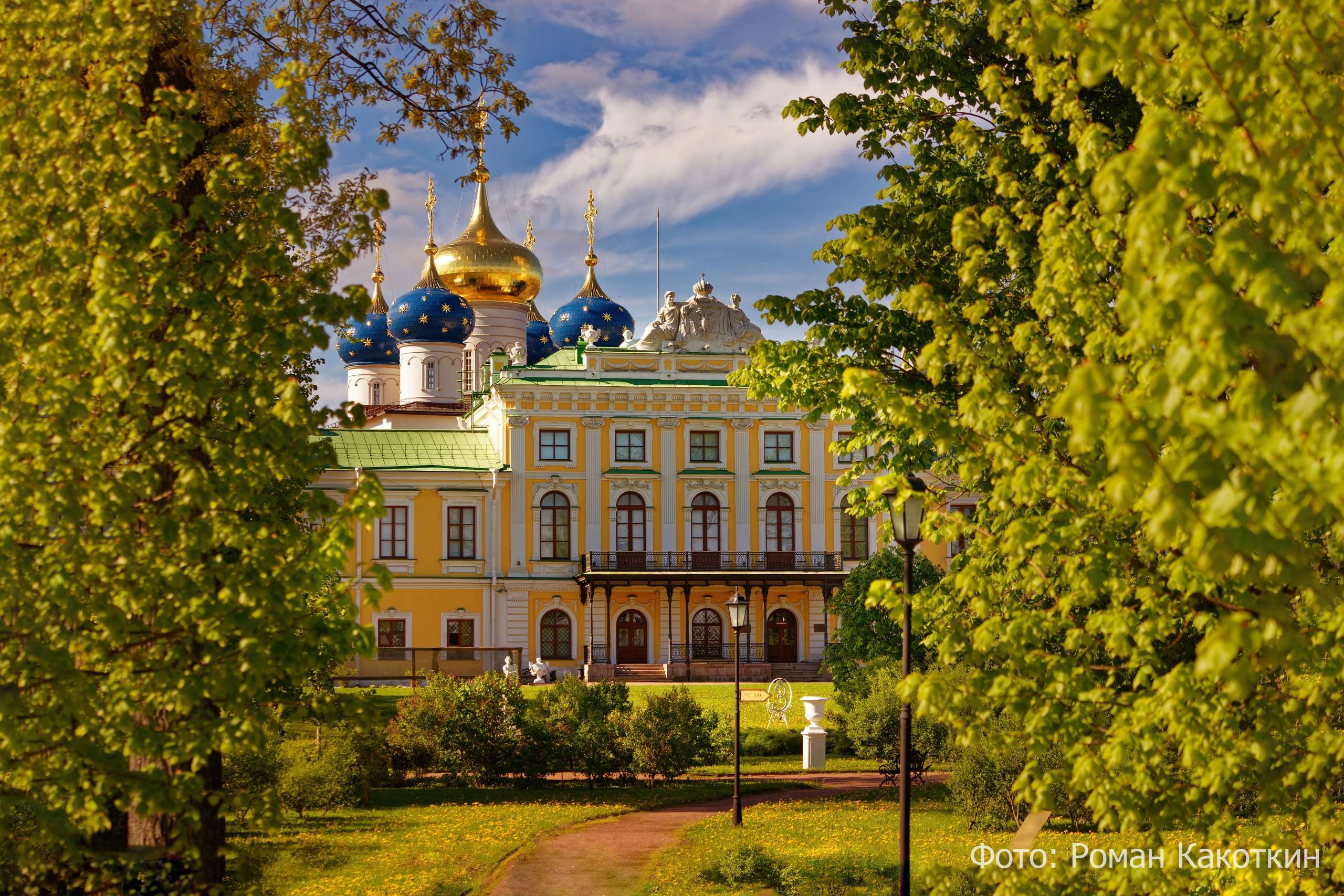
Travel Palace
🏰 Palace · 📜 Historic site · 🏟️ Architectural landmark
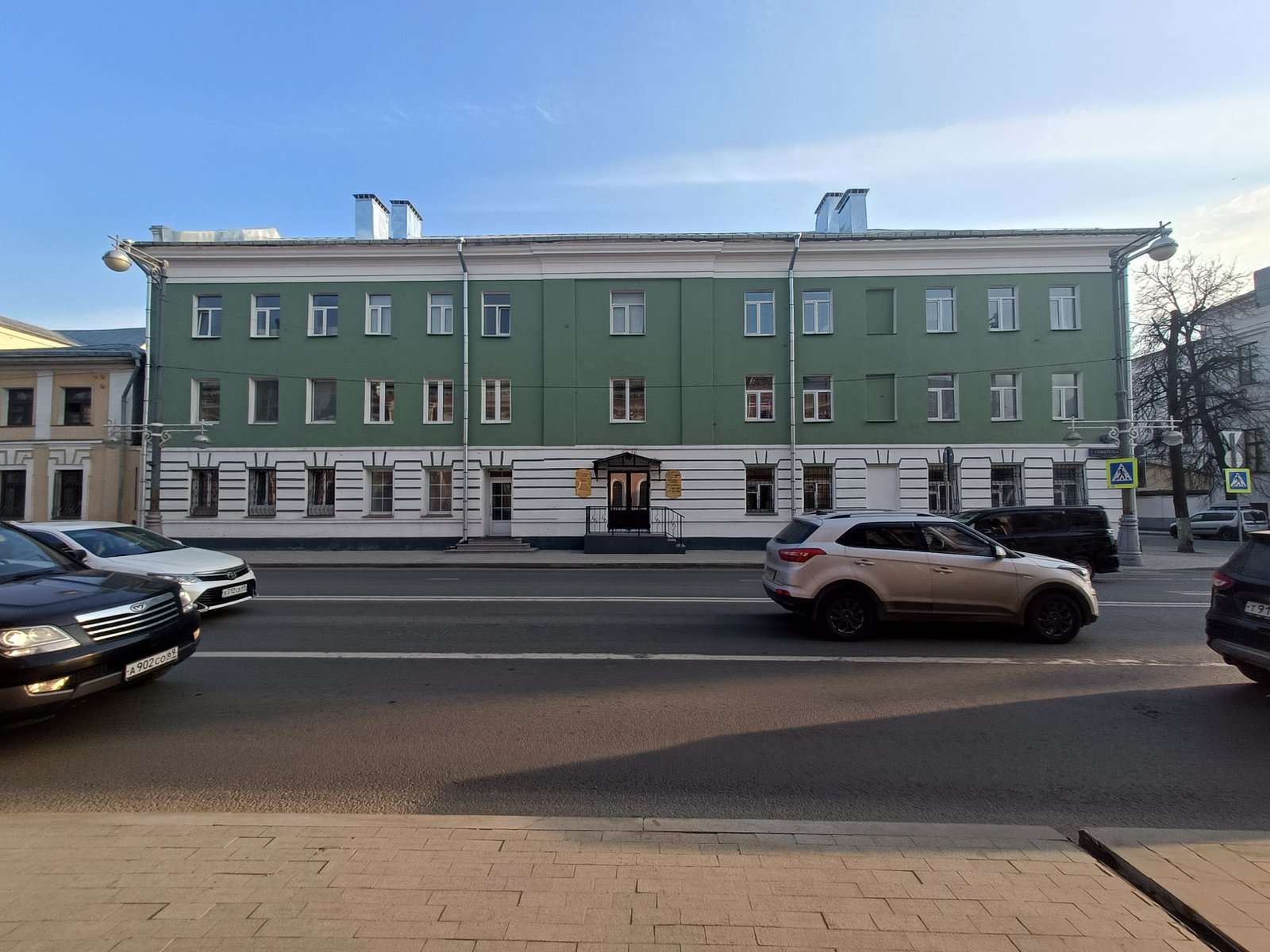
Ivan Petrovich Wulf's House
🏟️ Architectural landmark · 📜 Historic site
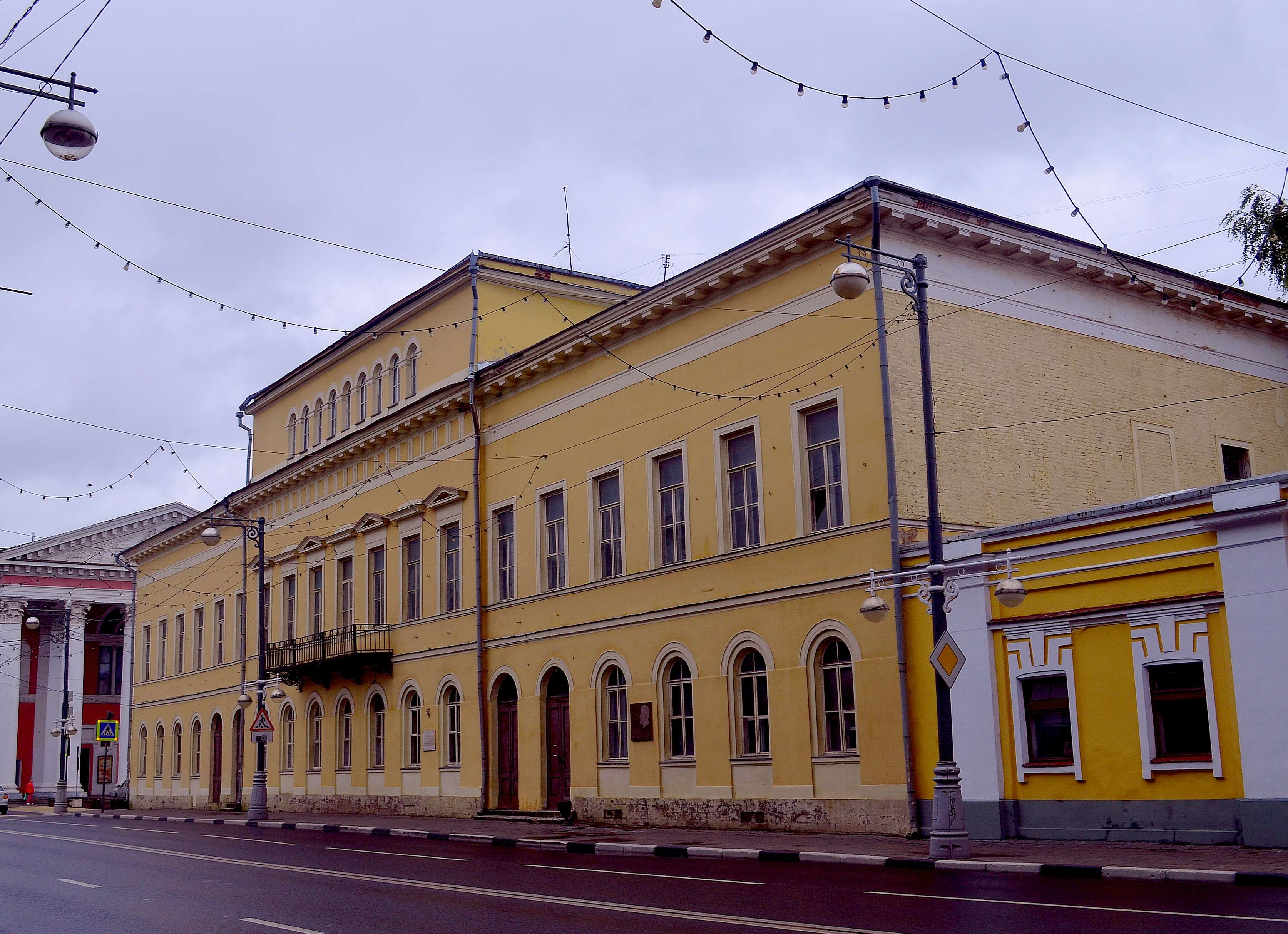
Assembly of the Nobility Building
🏟️ Architectural landmark · 📜 Historic site
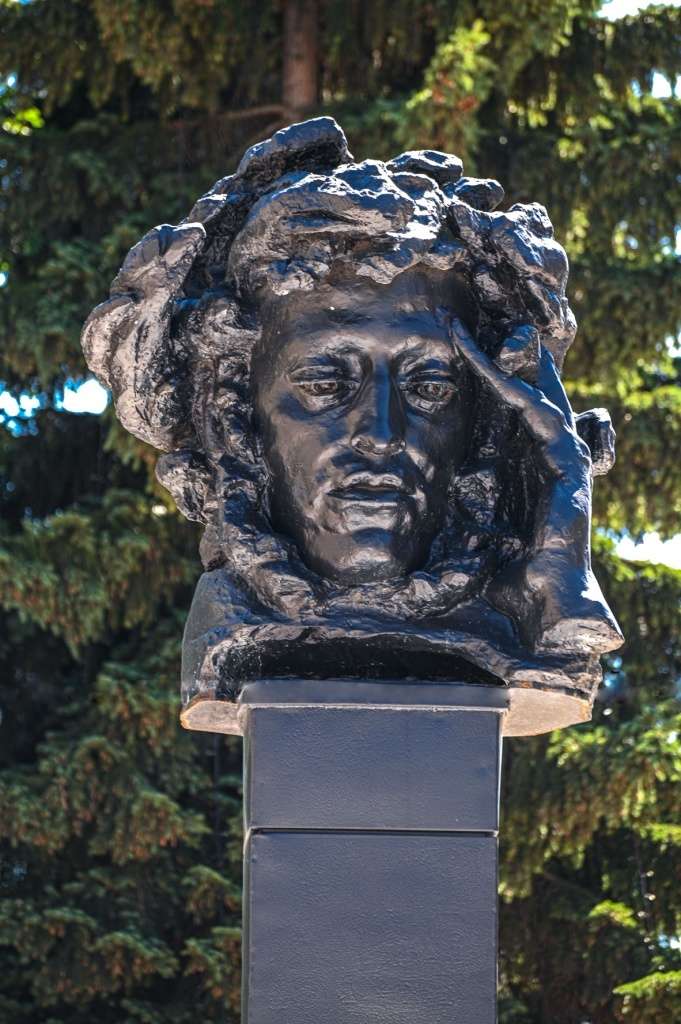
A. S. Pushkin Memorial Bust
🗿 Monument
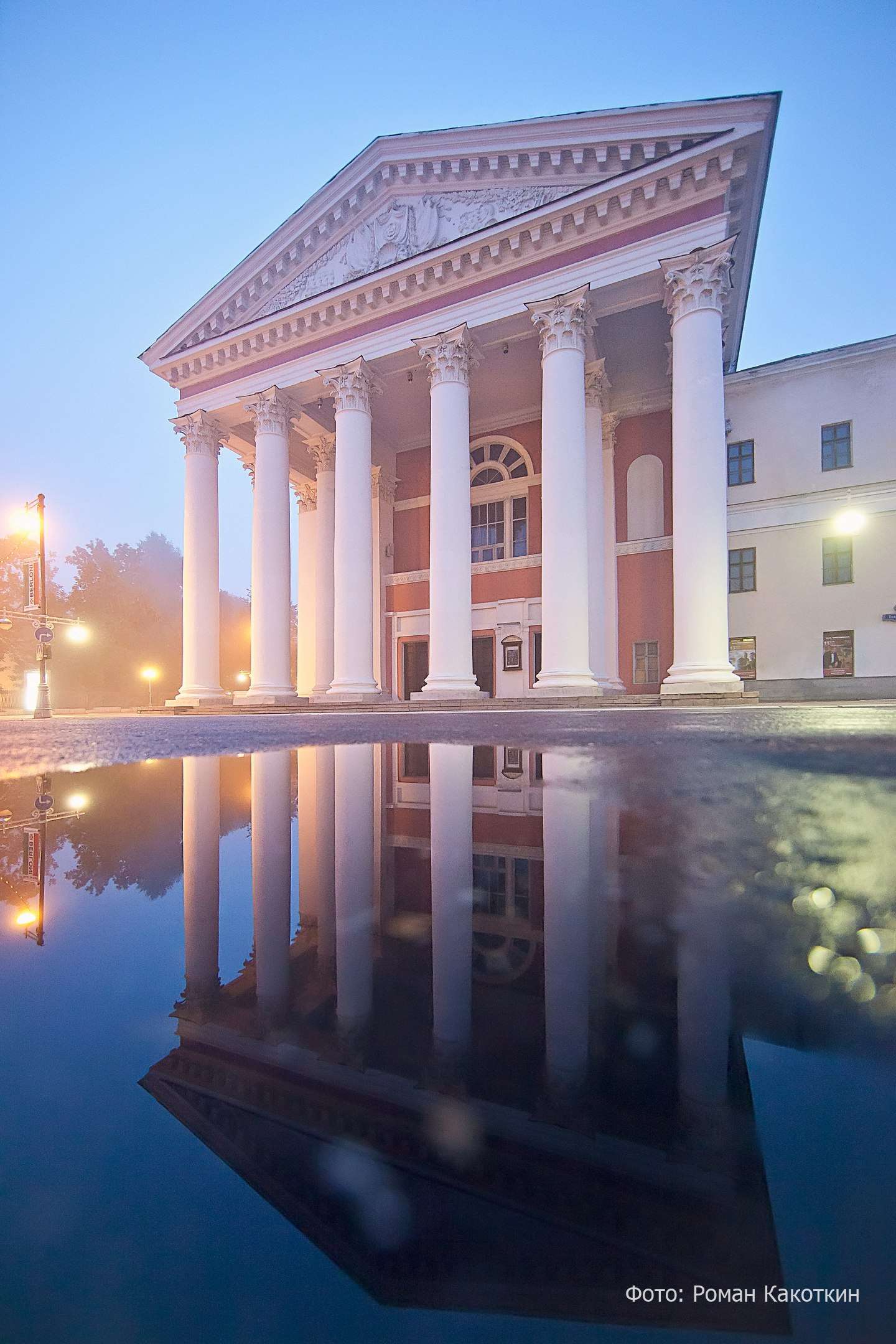
Regional Drama Theater
🎭 Theater · 🏟️ Architectural landmark
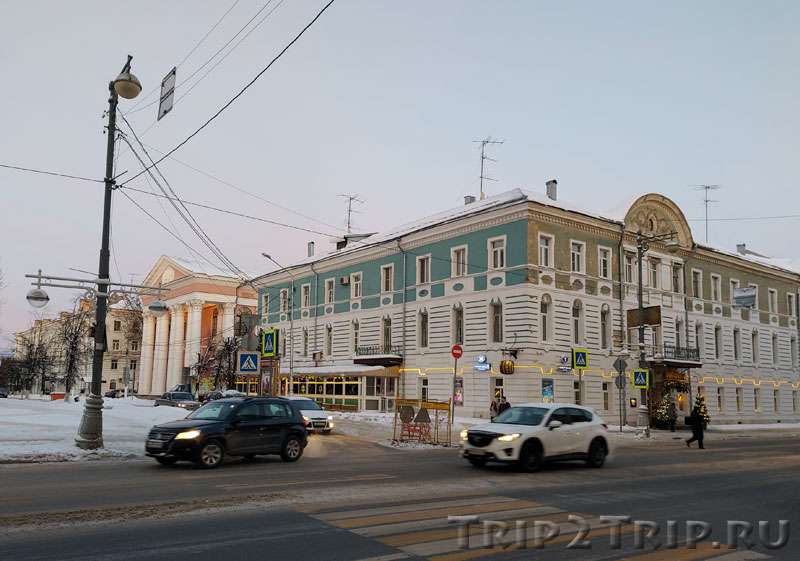
Merchant Barsukov's Hotel
📜 Historic site · 🏟️ Architectural landmark
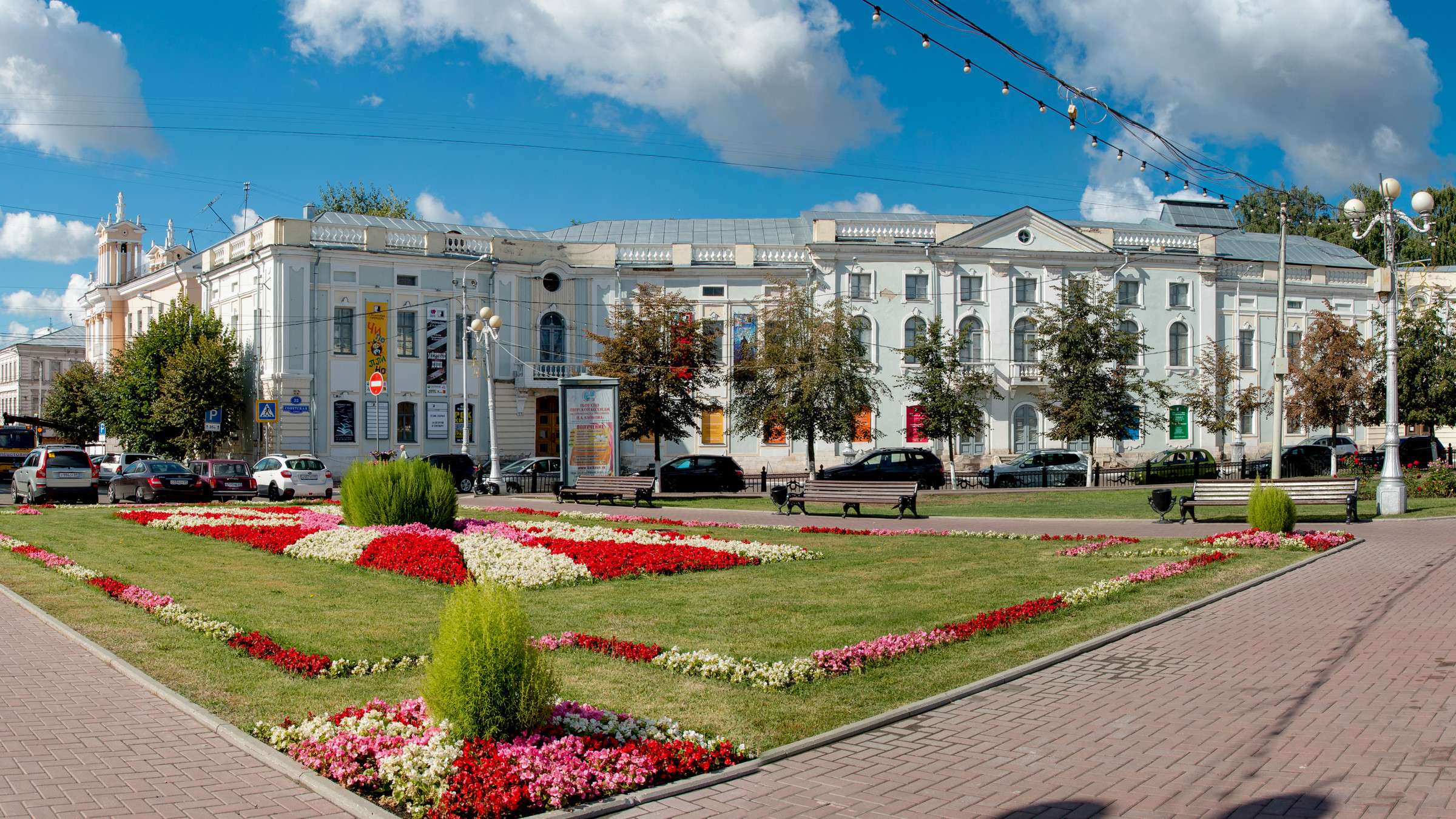
Magistracy Building
🏟️ Architectural landmark · 📜 Historic site
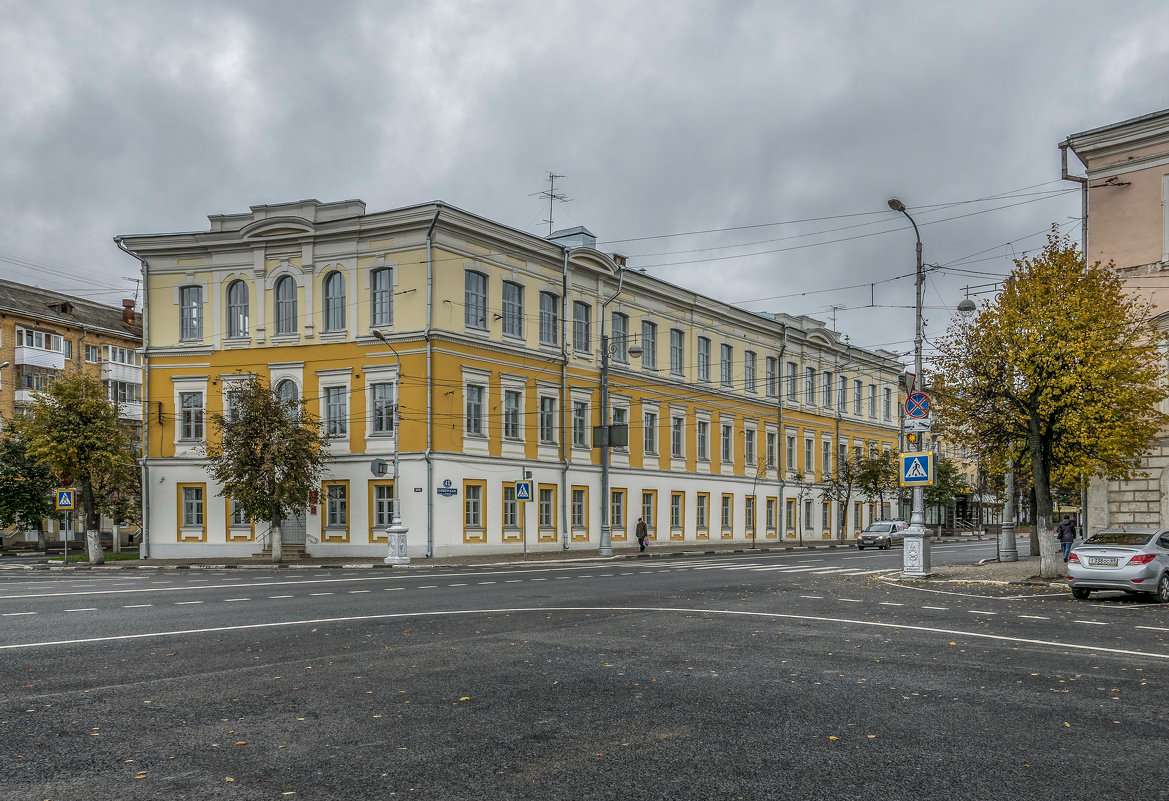
Former Tver Gymnasium for Boys
📜 Historic site · 🏟️ Architectural landmark
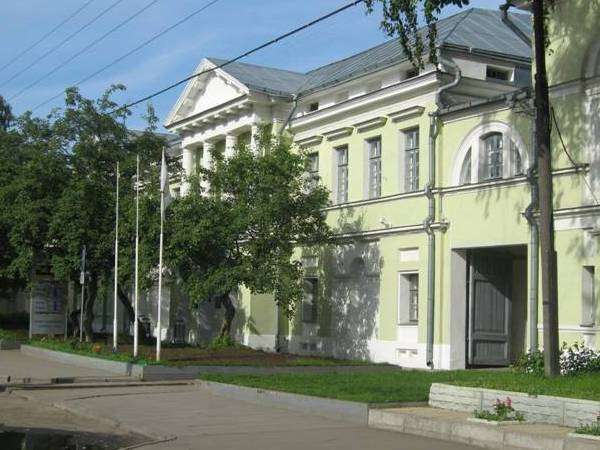
Former Galiani Hotel
📜 Historic site

Andrei Dementyev House of Poetry
🏟️ Architectural landmark
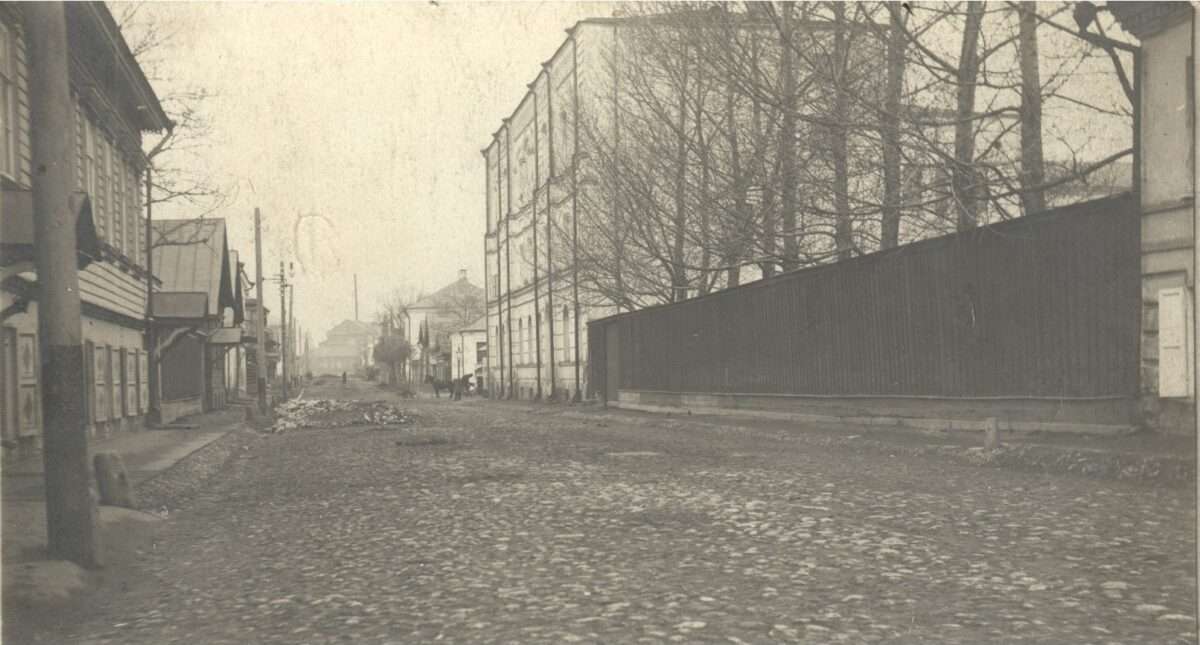
F. N. Glinka's House
📜 Historic site

Felicità Restaurant
🕵️ Urban legend · 📜 Historic site
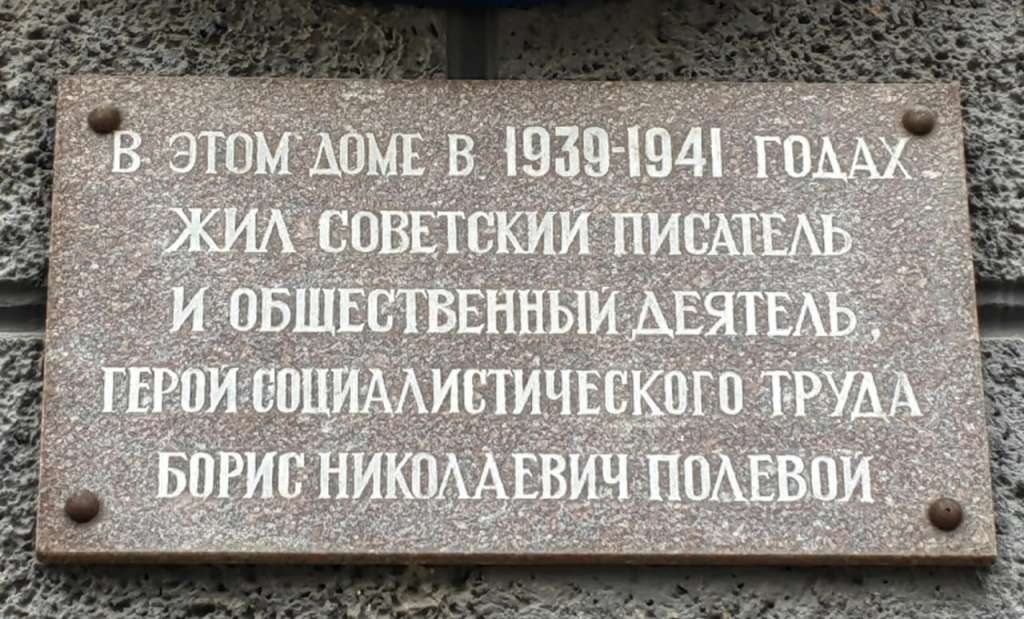
B. N. Polevoy's House
📜 Historic site

M. E. Saltykov-Shchedrin Monument
🗿 Monument


Point 13
📜 Historic site
The Glinka estate in the center of Tver was built in the 19th century in the late Classical style. The main house of the estate was erected between 1856 and 1861.
Fyodor Glinka was a combat officer who fought at Austerlitz and Borodino and took part in the campaigns abroad. He received numerous orders for his feats of arms. His position changed dramatically after his involvement in the Decembrist uprising of 1825. Although Glinka was not on Senate Square itself, he was arrested and imprisoned in the Peter and Paul Fortress. Later, at Zhukovsky's request, he was transferred to Tver. Here Fyodor Nikolayevich soon married Avdotya Pavlovna Golenishcheva-Kutuzova. She was rich, and Glinka was poor. In one of his letters to his future wife he wrote: “…I said to your mother: ‘You are giving your daughter to a pauper.’” It was with her that he finally settled in Tver in 1862.
Together with his wife, Fyodor Nikolayevich founded the charitable society “Voluntary Kopeck,” whose funds were used to set up a crafts school, a shelter for the poor, and a free canteen for the poor in Tver.
Point on route “Literary Pages of Tver”
Point 13
📜 Historic site
The Glinka estate in the center of Tver was built in the 19th century in the late Classical style. The main house of the estate was erected between 1856 and 1861.
Fyodor Glinka was a combat officer who fought at Austerlitz and Borodino and took part in the campaigns abroad. He received numerous orders for his feats of arms. His position changed dramatically after his involvement in the Decembrist uprising of 1825. Although Glinka was not on Senate Square itself, he was arrested and imprisoned in the Peter and Paul Fortress. Later, at Zhukovsky's request, he was transferred to Tver. Here Fyodor Nikolayevich soon married Avdotya Pavlovna Golenishcheva-Kutuzova. She was rich, and Glinka was poor. In one of his letters to his future wife he wrote: “…I said to your mother: ‘You are giving your daughter to a pauper.’” It was with her that he finally settled in Tver in 1862.
Together with his wife, Fyodor Nikolayevich founded the charitable society “Voluntary Kopeck,” whose funds were used to set up a crafts school, a shelter for the poor, and a free canteen for the poor in Tver.