Historical Background
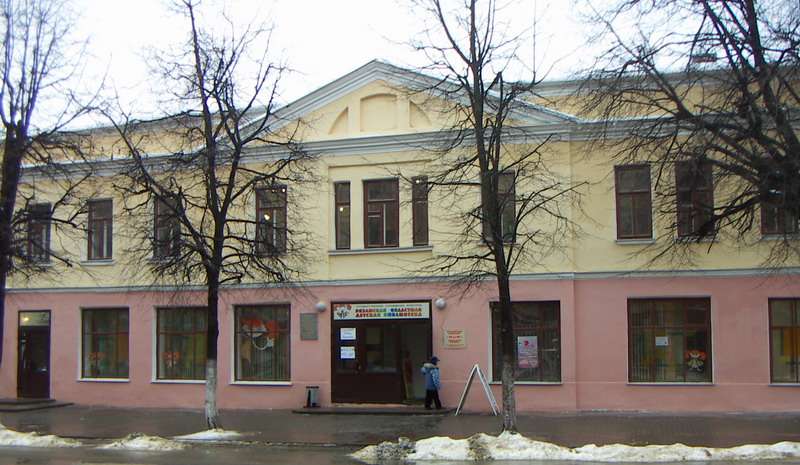
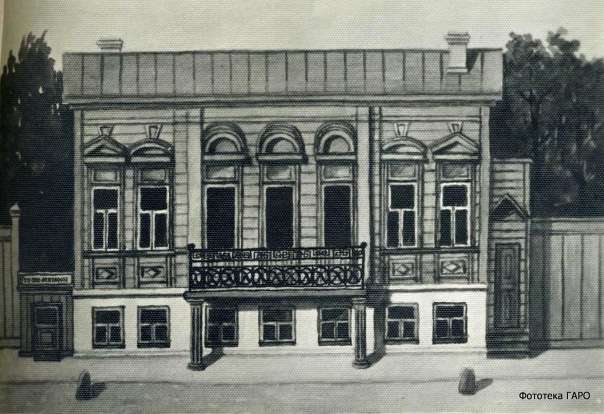
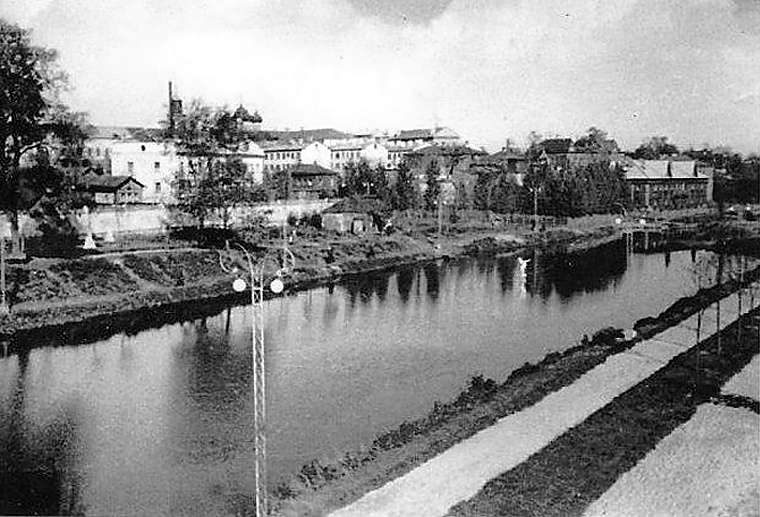
The nobleman, landowner, and state councillor G. V. Ryumin was one of the richest men of his time, having amassed a fabulous fortune from liquor tax farming, a 19th-century “oligarch.” In the early 19th century Ryumin owned “half of Ryazan.” The millionaire lived lavishly and left the city a luxurious palace-like mansion, the main house of his town estate on what is now Svobody Street.
Architecture
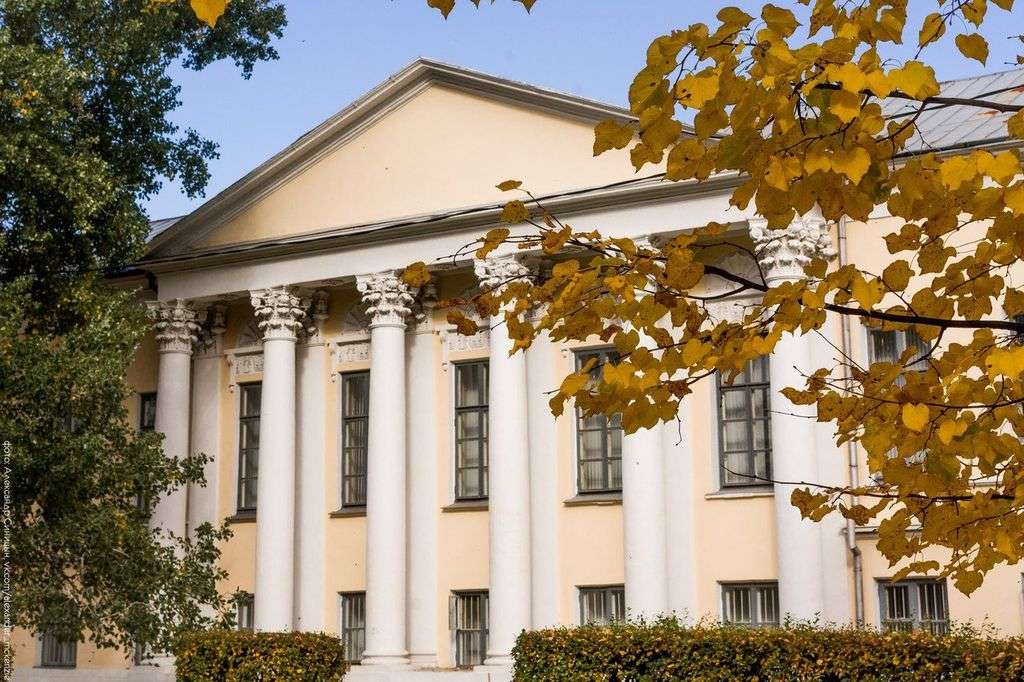
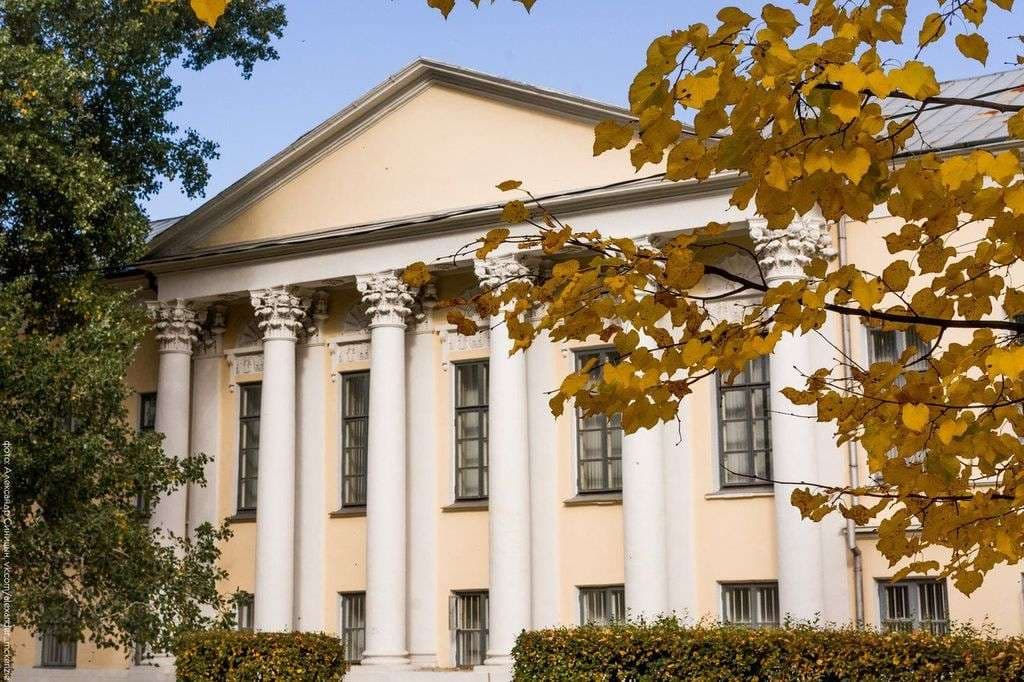
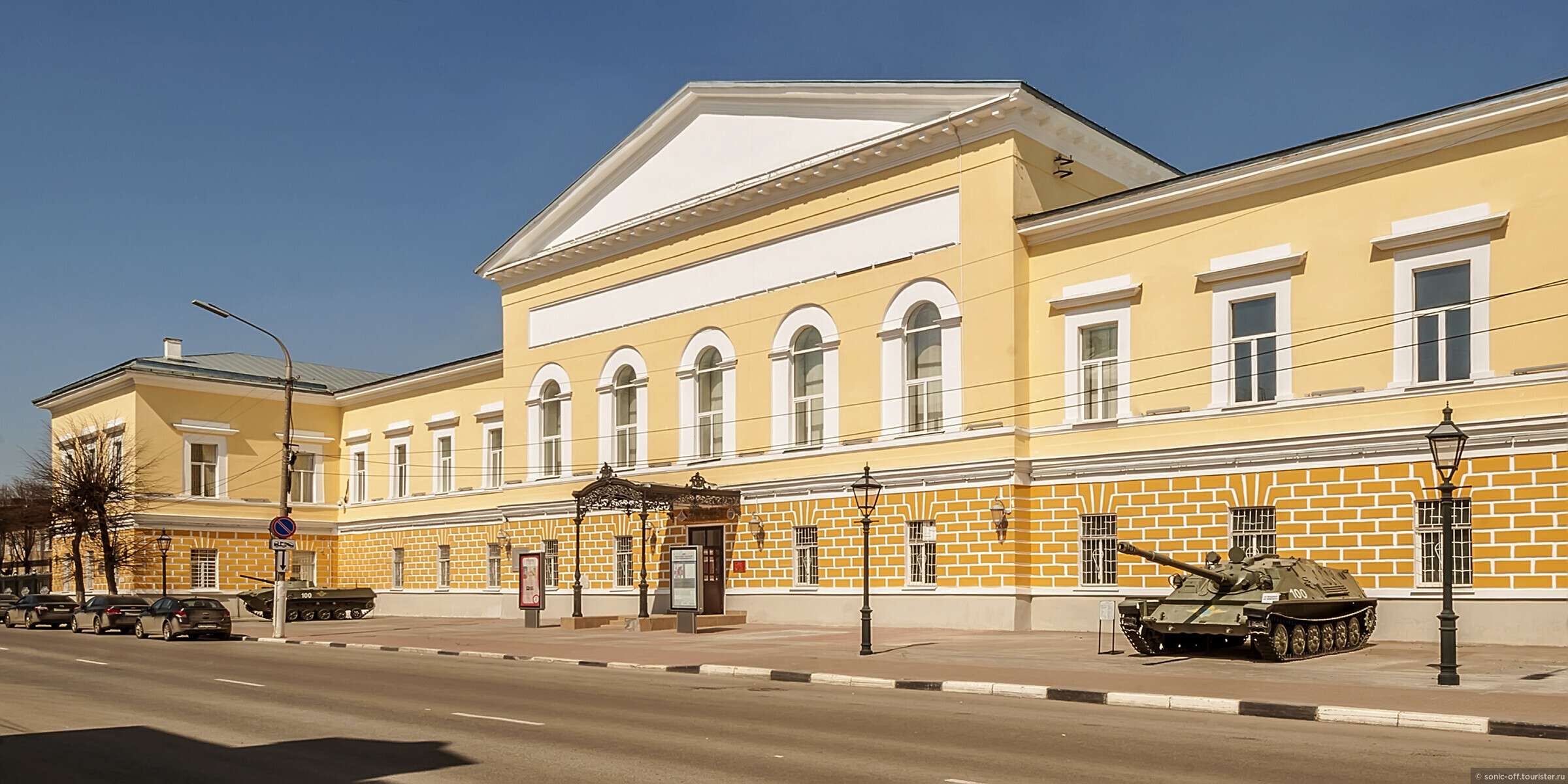
In the late 18th and early 19th centuries Ryumin commissioned a stately Classical house with a six-column portico and two symmetrical wings. Reportedly, the millionaire's mansion was the largest in the city, with 52 living rooms and 11 other rooms. It was in this house that Emperor Alexander I stayed during his visit to Ryazan. Alas, history has not preserved the name of the palace's architect. Local historians tentatively suggest that such a magnificent building could have been created by one of the pupils of the great Russian architect Matvei Kazakov.
Residents of the “Palace with Columns”
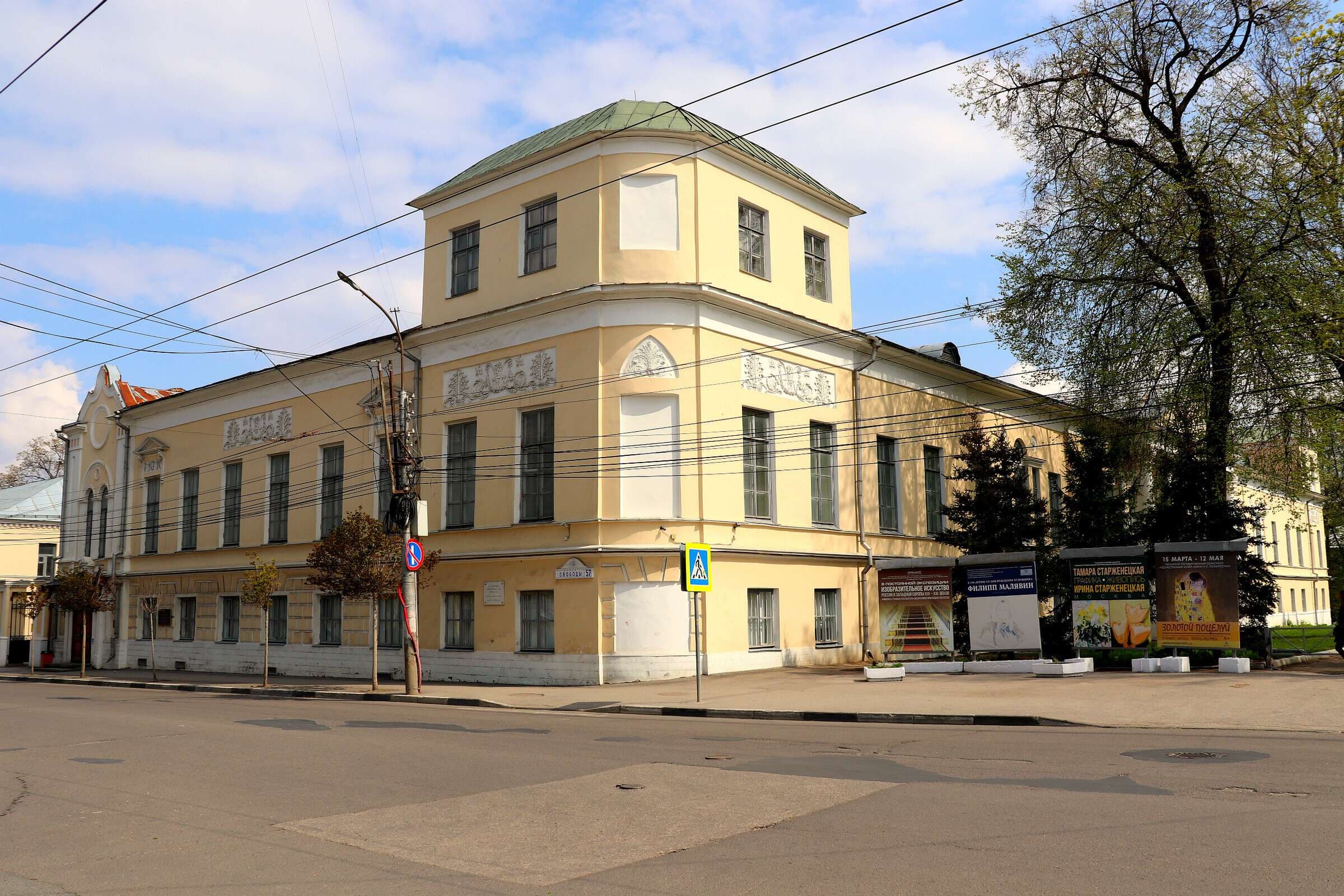
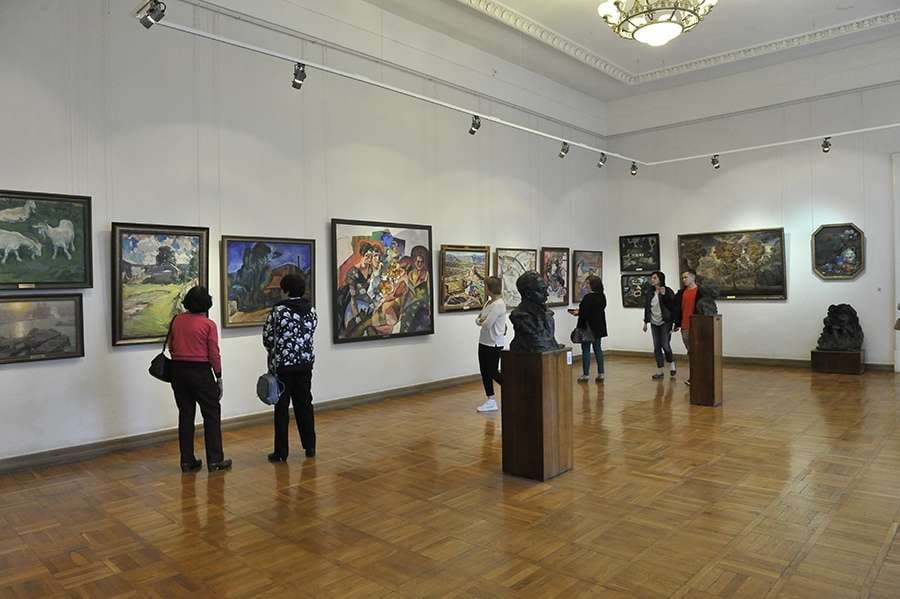
Over its two-hundred-year history the Ryumin palace has housed just about everything: a boys' gymnasium, a boarding school for children of noble families, offices, and communal apartments… A new life began for the house in 1980, when the I. P. Pozhalostin Art Museum, named after the Russian engraver, moved into the “provincial oligarch's” mansion.
Ryazan's “Tretyakov Gallery”
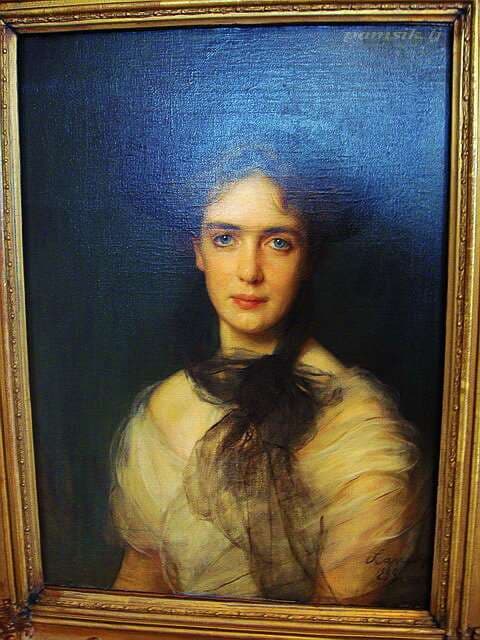
The museum is rightly called Ryazan's “Tretyakov Gallery.” For a provincial collection it's impressive: Borovikovsky, Venetsianov, Aivazovsky, Perov, Repin, Savrasov, Malyavin, Vrubel, Shilder, Abramov, Korovin… It even has its own mysterious exhibit: a portrait of a certain Baroness Dirgardt by Philip de László. The lady's “expression changes” as the lighting changes. A special local flavor is added to the collection by “Ryazan Girls,” a painting by the Ryazan-born artist Lyubov Mileeva. Three girls in bright Russian headscarves embody the “Russian soul” of this patriarchal city.

 19 points
 5 km
 6 hours