 19 points
 5 km
 6 hours


Historical Background
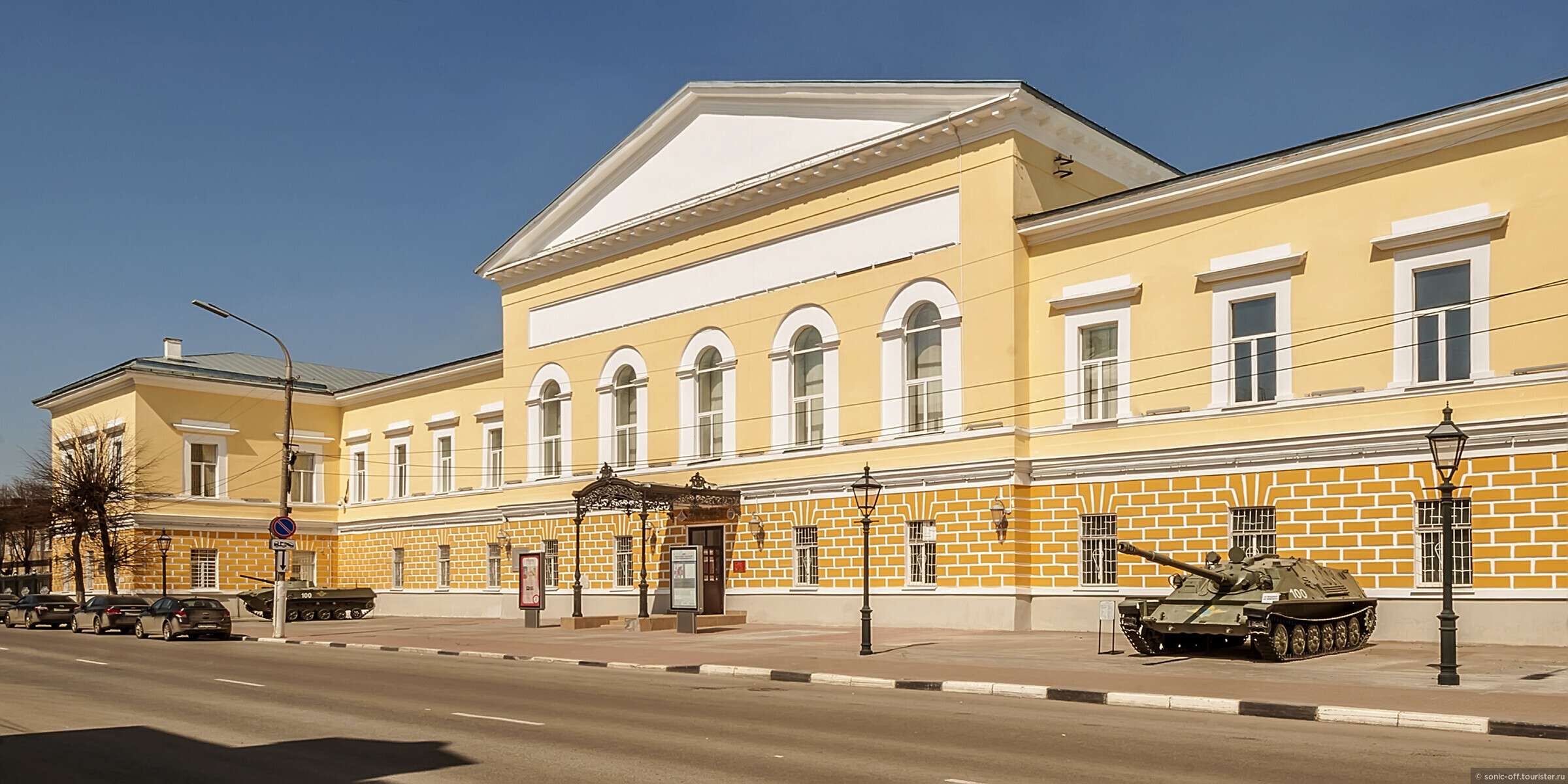
The theological seminary that gave the street its name was originally housed nearby in wooden buildings. The new stone building was begun during the Napoleonic Wars and completed after the capture of Paris, in 1816.
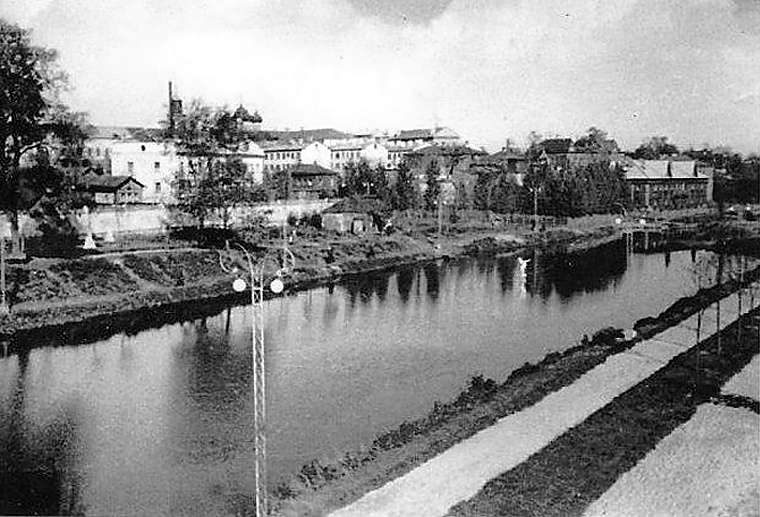

Ryazan is an ancient city with a distinctive history. On this route you'll find out why Kolovrat's horse is rearing while Oleg of Ryazan's stands calmly; who keeps a close watch over the city; where the “Swan Princess” from Vrubel's painting lived; and how Hollywood is connected with an inconspicuous house. And you'll simply enjoy an unhurried stroll through the old streets of the historic center.
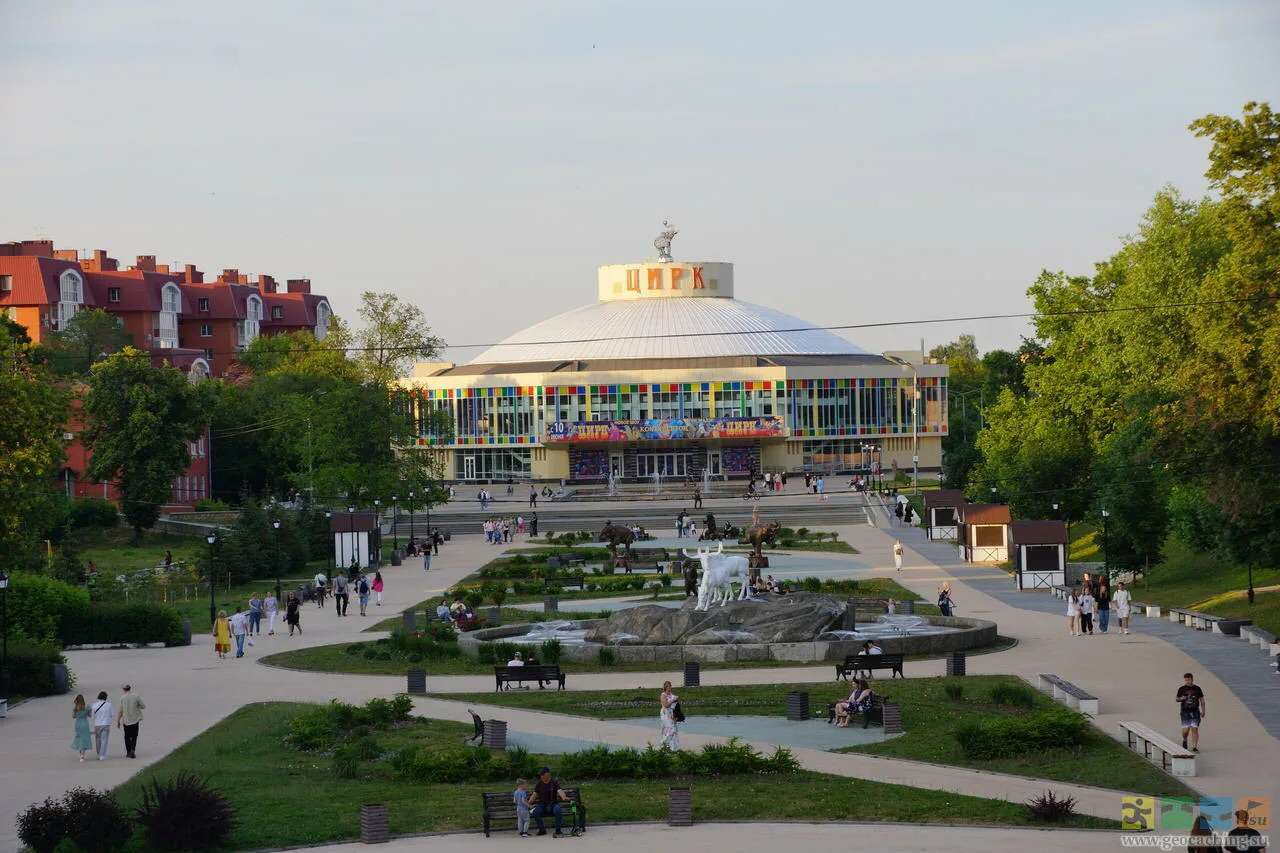
Ryazan's Versailles
📜 Historic site · 🌿 Public garden or park

Polytechnic Institute
🏟️ Architectural landmark · 📜 Historic site

Monument to Evpaty Kolovrat
🗿 Monument
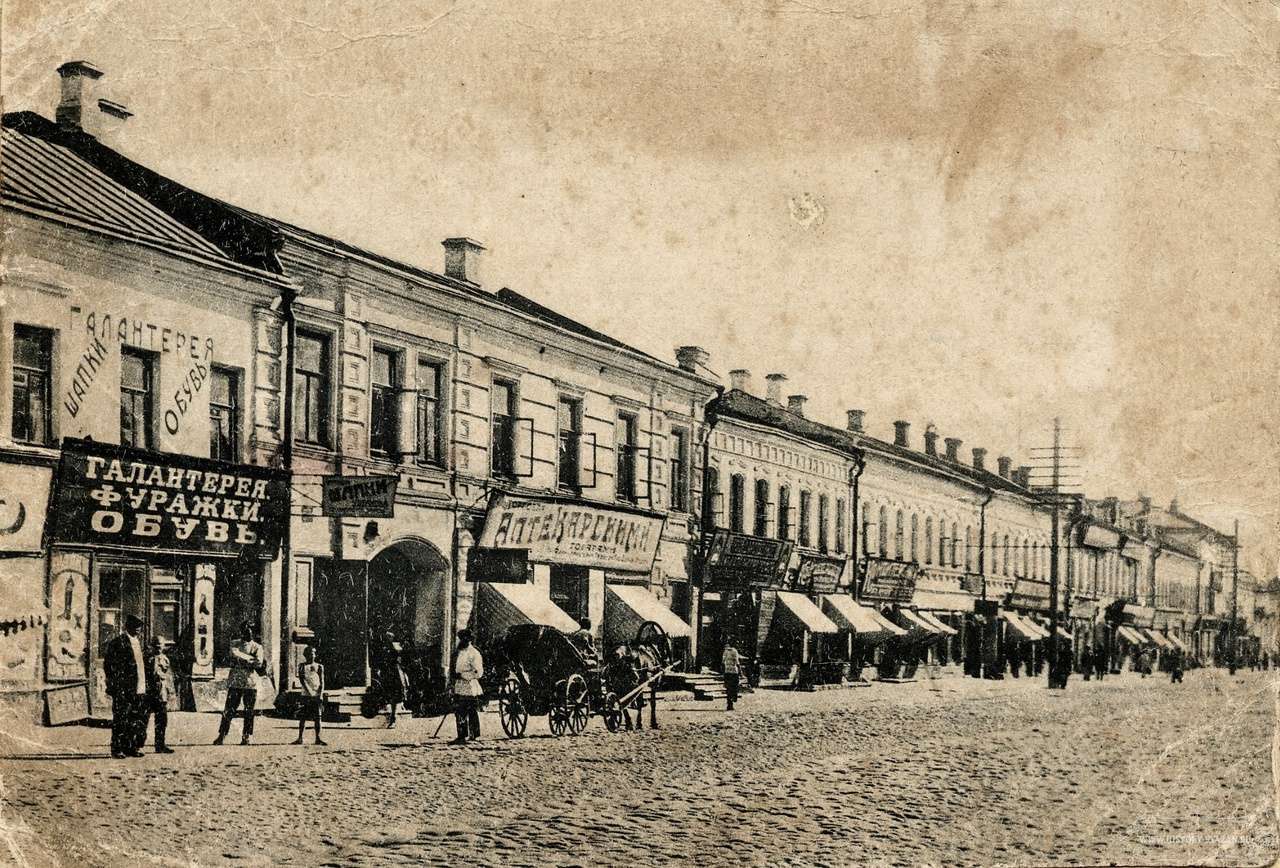
51 Pochtovaya Street
🏟️ Architectural landmark · 🕵️ Urban legend
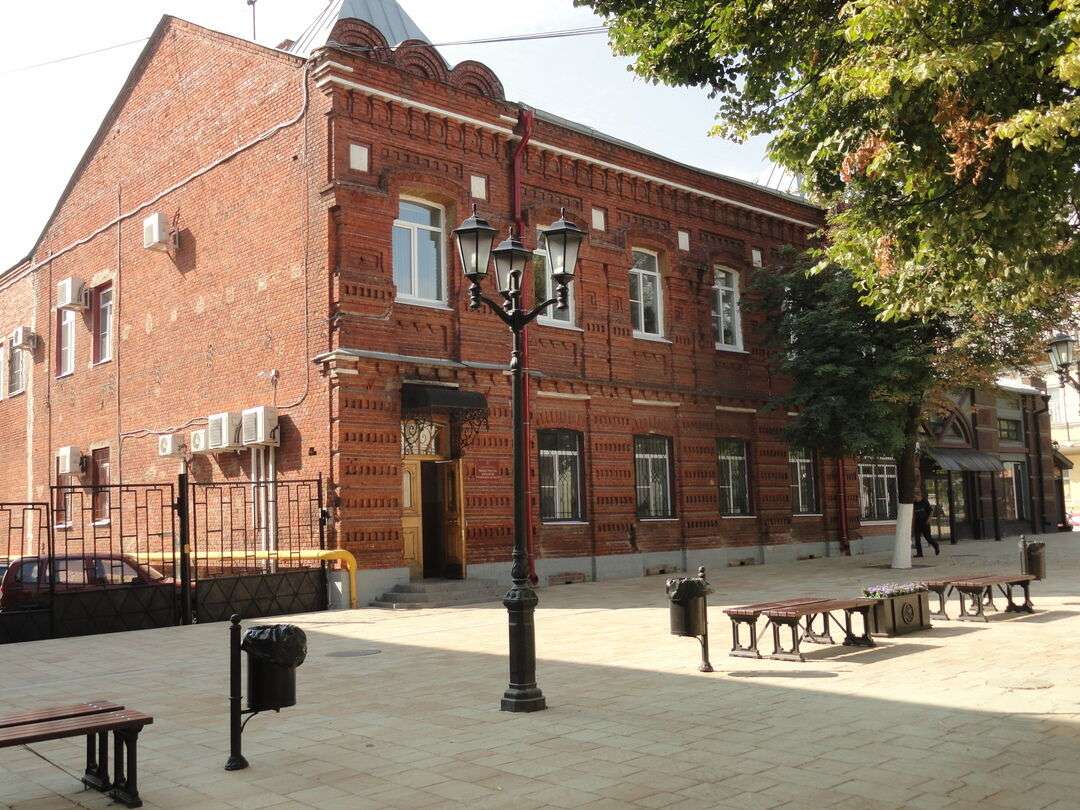
59 Pochtovaya Street
🏟️ Architectural landmark · 🕵️ Urban legend
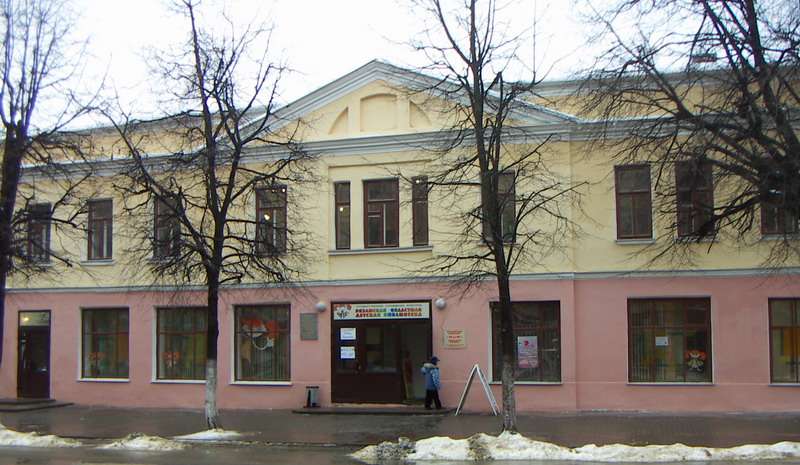
63 Pochtovaya Street
🏟️ Architectural landmark
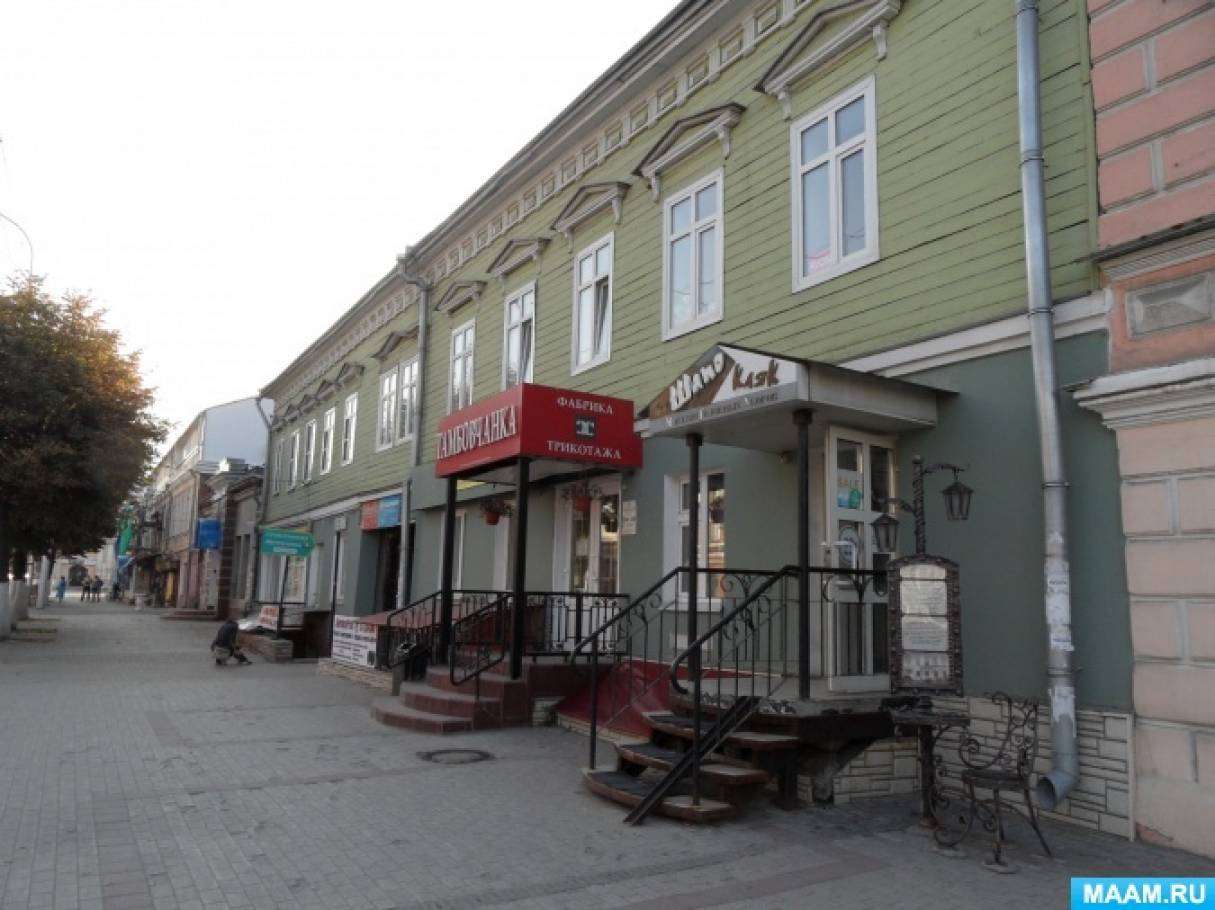
Max Factor
📜 Historic site · 🕵️ Urban legend
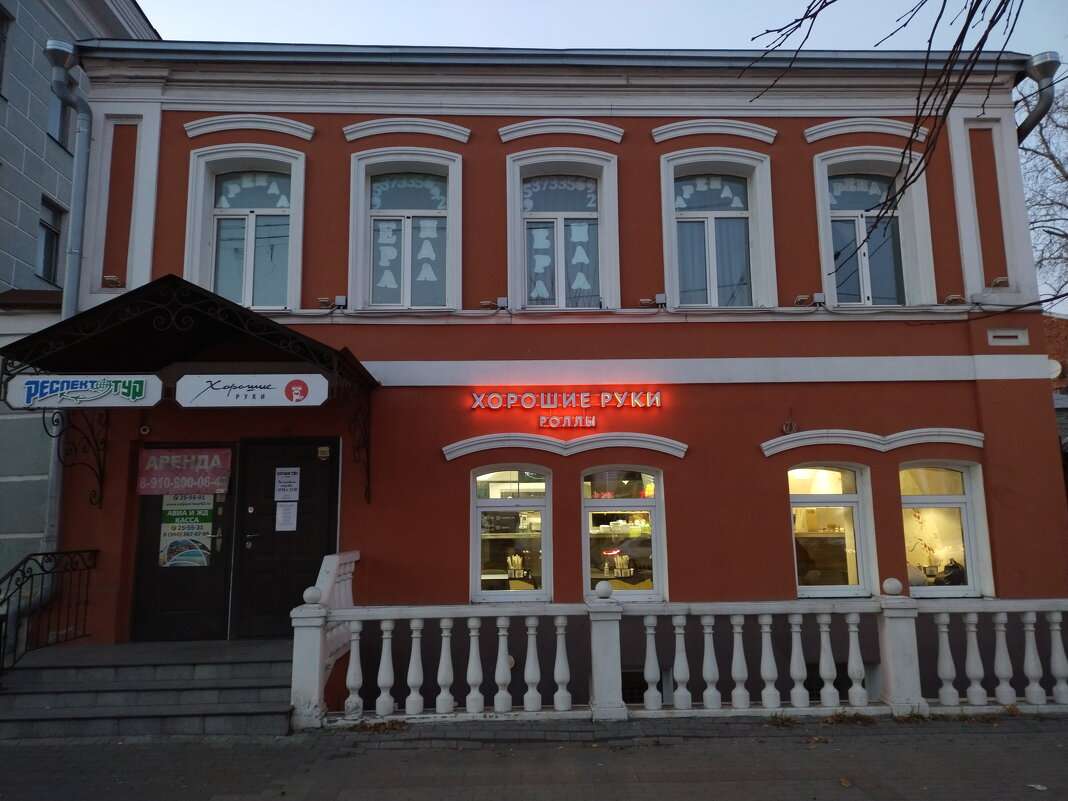
Garin's House
📜 Historic site

11 Seminarskaya Street
🏟️ Architectural landmark
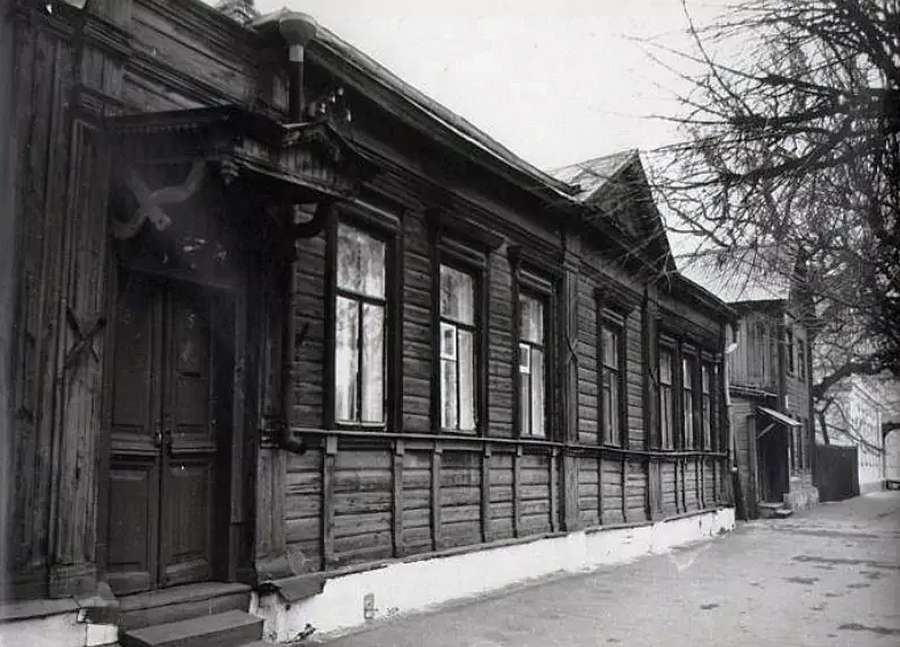
10 Seminarskaya Street
📜 Historic site · 🏟️ Architectural landmark

20 Seminarskaya Street
📜 Historic site · 🕵️ Urban legend
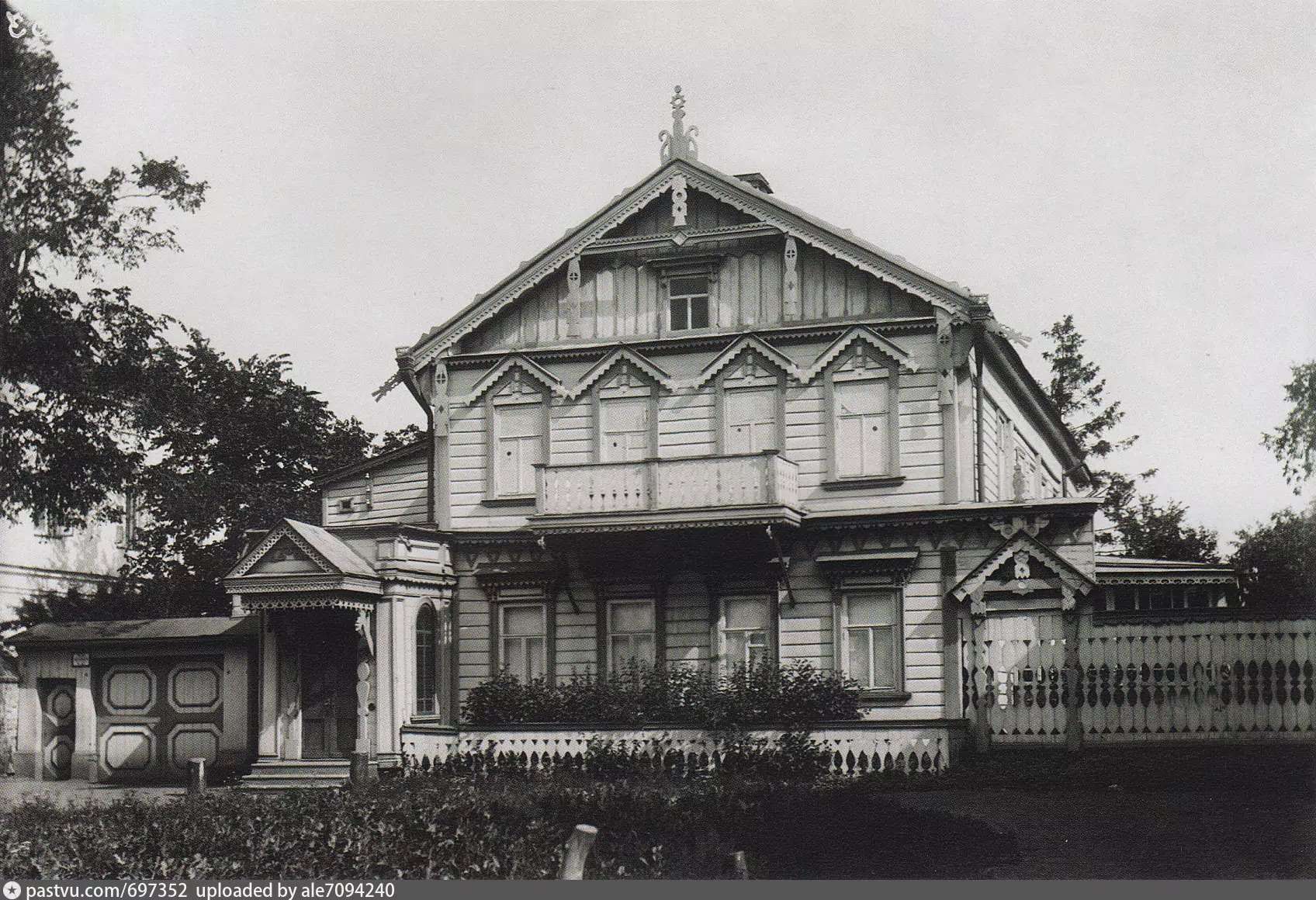
16 Seminarskaya Street
🏟️ Architectural landmark · 📜 Historic site
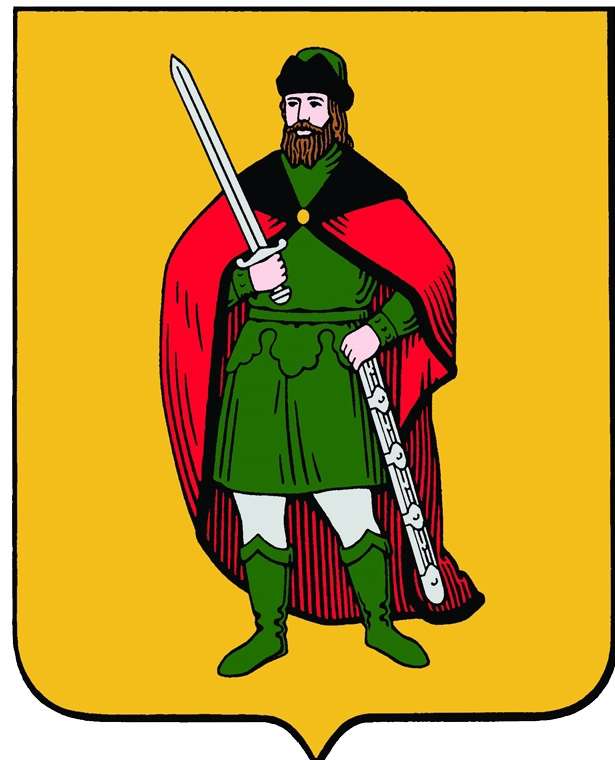
Monument to Oleg of Ryazan
🗿 Monument
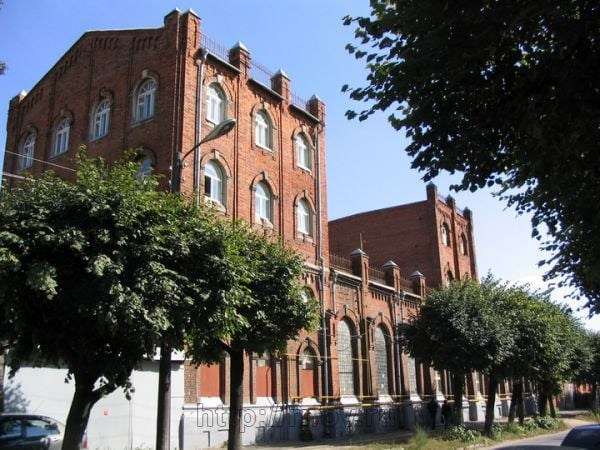
The Power Plant That Smells of Bread
🏟️ Architectural landmark · 📜 Historic site
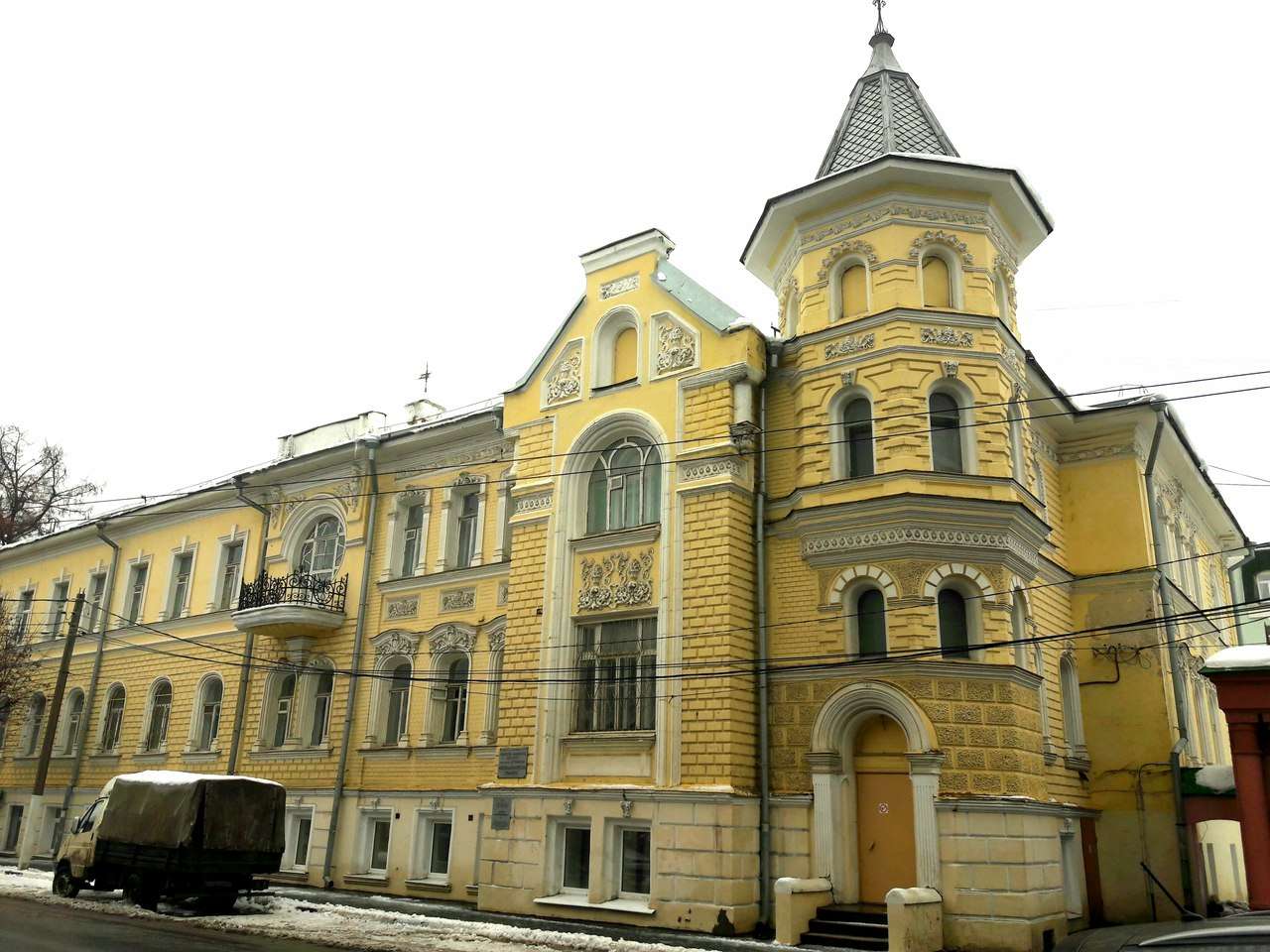
Main House of the Merchant Lebedev's Estate
📜 Historic site · 🏟️ Architectural landmark
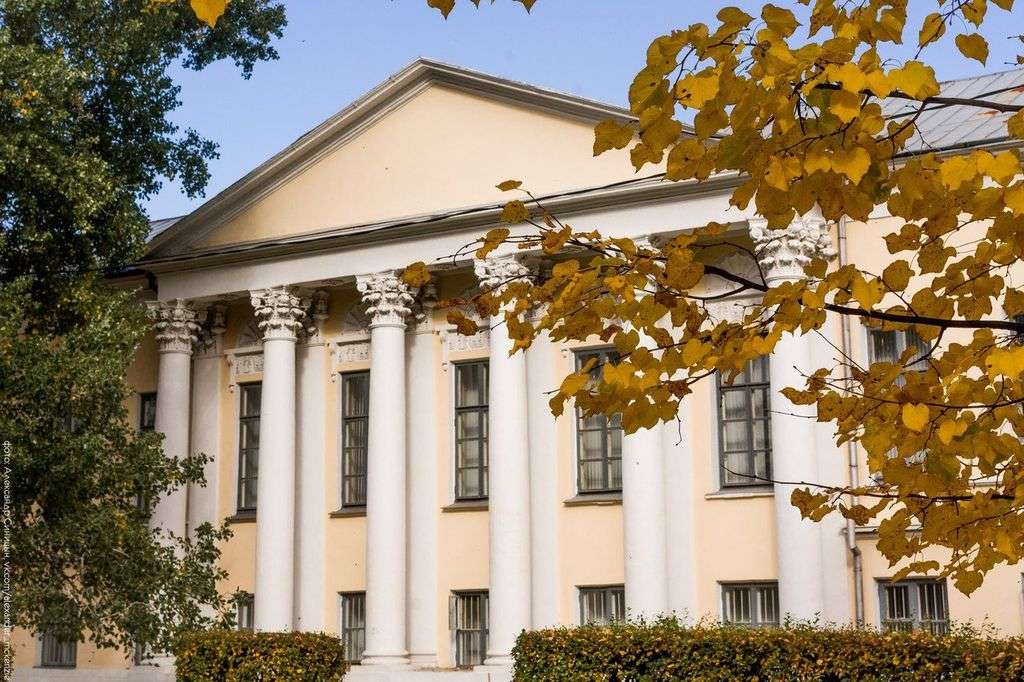
Main House of the Ryumin Estate
🏟️ Architectural landmark · 📜 Historic site

Summer Club of the Assembly of the Nobility
📜 Historic site · 🏟️ Architectural landmark
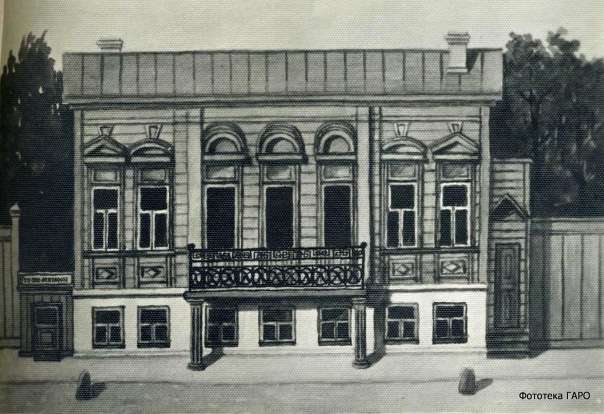
Malashkin House
📜 Historic site
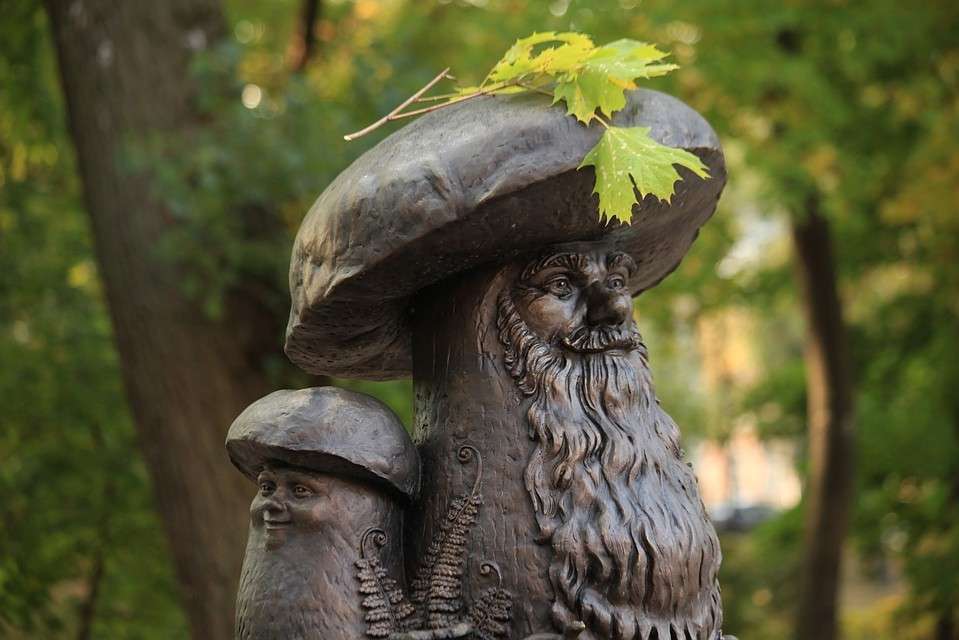
“Mushroom with Eyes” Sculpture
🗿 Sculptures · 🕵️ Urban legend


Point 11
📜 Historic site • 🕵️ Urban legend
The theological seminary that gave the street its name was originally housed nearby in wooden buildings. The new stone building was begun during the Napoleonic Wars and completed after the capture of Paris, in 1816.
The seminary was not only the longest building in 19th-century Ryazan but also the city's most prestigious educational institution. Besides the sciences and humanities, required subjects for seminarians included philosophy and the basics of architecture and music.
In 1918 the seminary was closed, and from then on the building would be mentioned only in a military context. Infantrymen were trained here, and it housed a combined-arms school, which, thanks to the efforts of General Vasily Margelov (the legendary “Uncle Vasya”), was transformed in 1964 into the Ryazan Airborne School, the only one in the world training officers for the “winged infantry.”
Point on route “Historic Center of Ryazan”
Point 11
📜 Historic site • 🕵️ Urban legend
The theological seminary that gave the street its name was originally housed nearby in wooden buildings. The new stone building was begun during the Napoleonic Wars and completed after the capture of Paris, in 1816.
The seminary was not only the longest building in 19th-century Ryazan but also the city's most prestigious educational institution. Besides the sciences and humanities, required subjects for seminarians included philosophy and the basics of architecture and music.
In 1918 the seminary was closed, and from then on the building would be mentioned only in a military context. Infantrymen were trained here, and it housed a combined-arms school, which, thanks to the efforts of General Vasily Margelov (the legendary “Uncle Vasya”), was transformed in 1964 into the Ryazan Airborne School, the only one in the world training officers for the “winged infantry.”