←Getting to Know St. Petersburg

Getting to Know St. Petersburg

Photo of route “Getting to Know St. Petersburg”
18 points7 km1.5 hours

In the city on the Neva, luxurious palaces, world-class museums, old cathedrals, and cozy embankments blend in perfect harmony. This route will highlight the city's main sights, along with some of its secrets and legends.

Things to do

  • 📸 Take photos
  • 📜 Learn the city's history
  • 🏰🕵️‍♂️ Discover a legend

Route points (18)

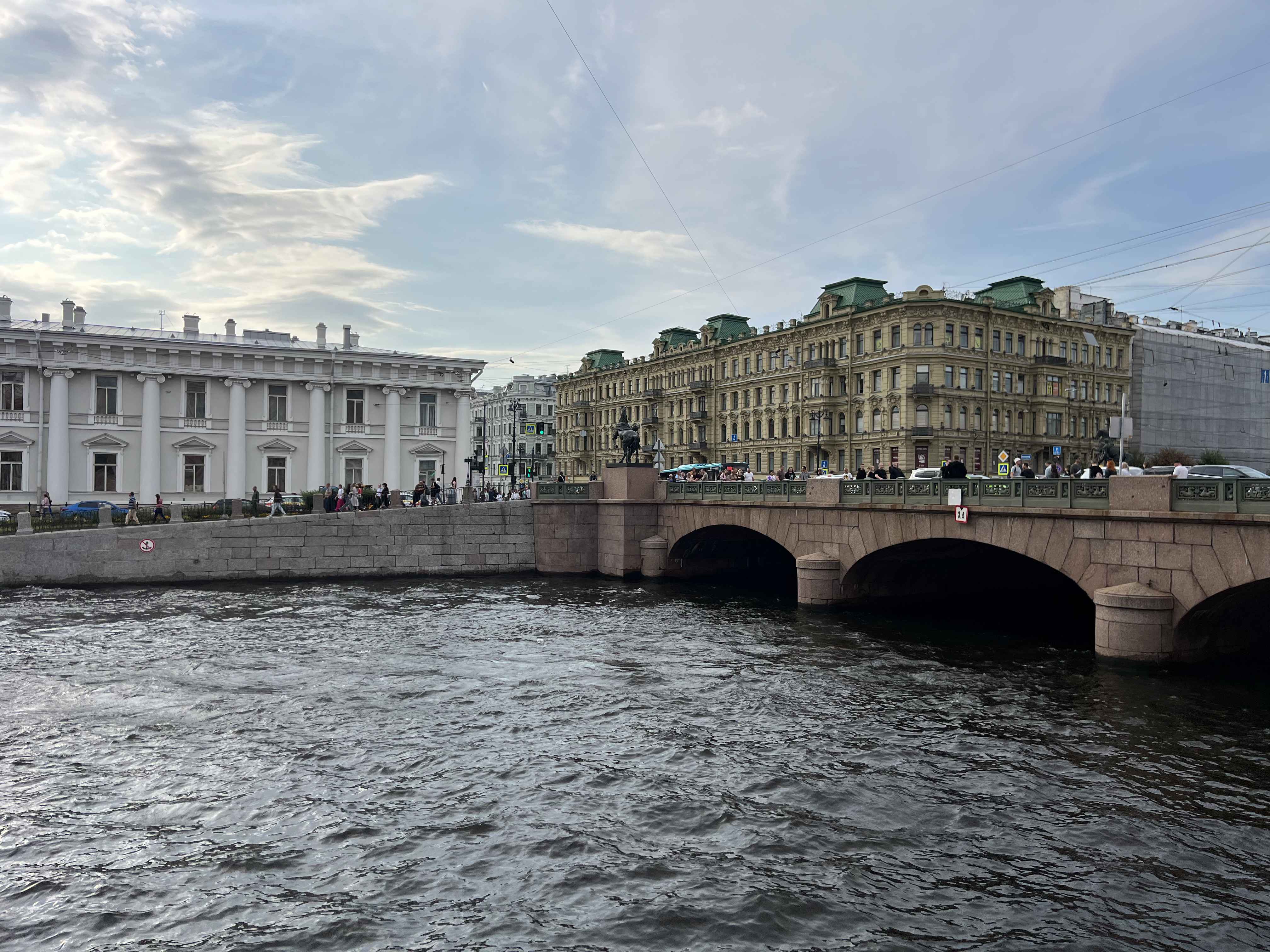
  1. Anichkov Bridge and Palace — point on route “Getting to Know St. Petersburg”

    Anichkov Bridge and Palace

    📜 Historic site · 🏰 Palace · 🌉 Bridge

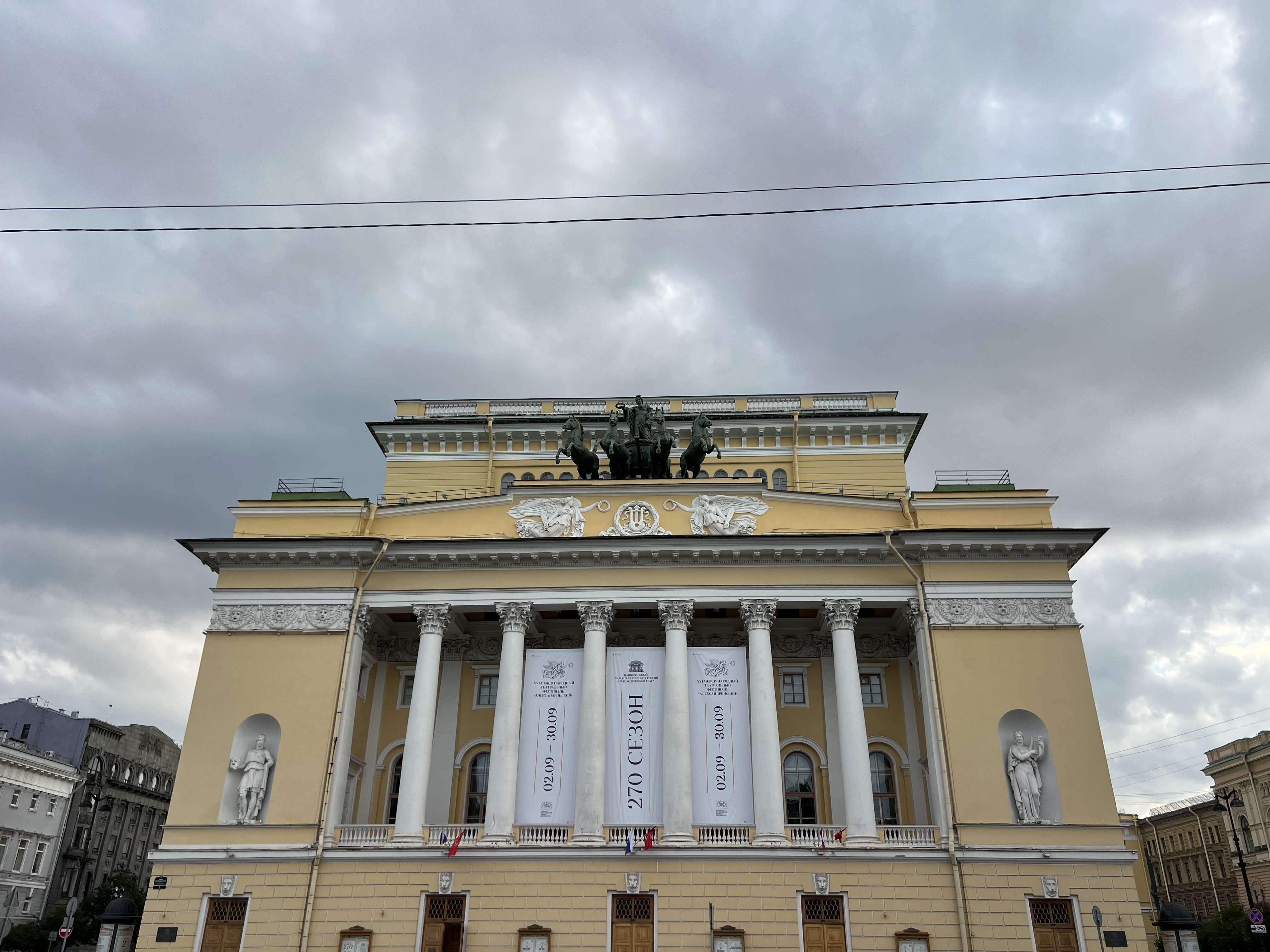
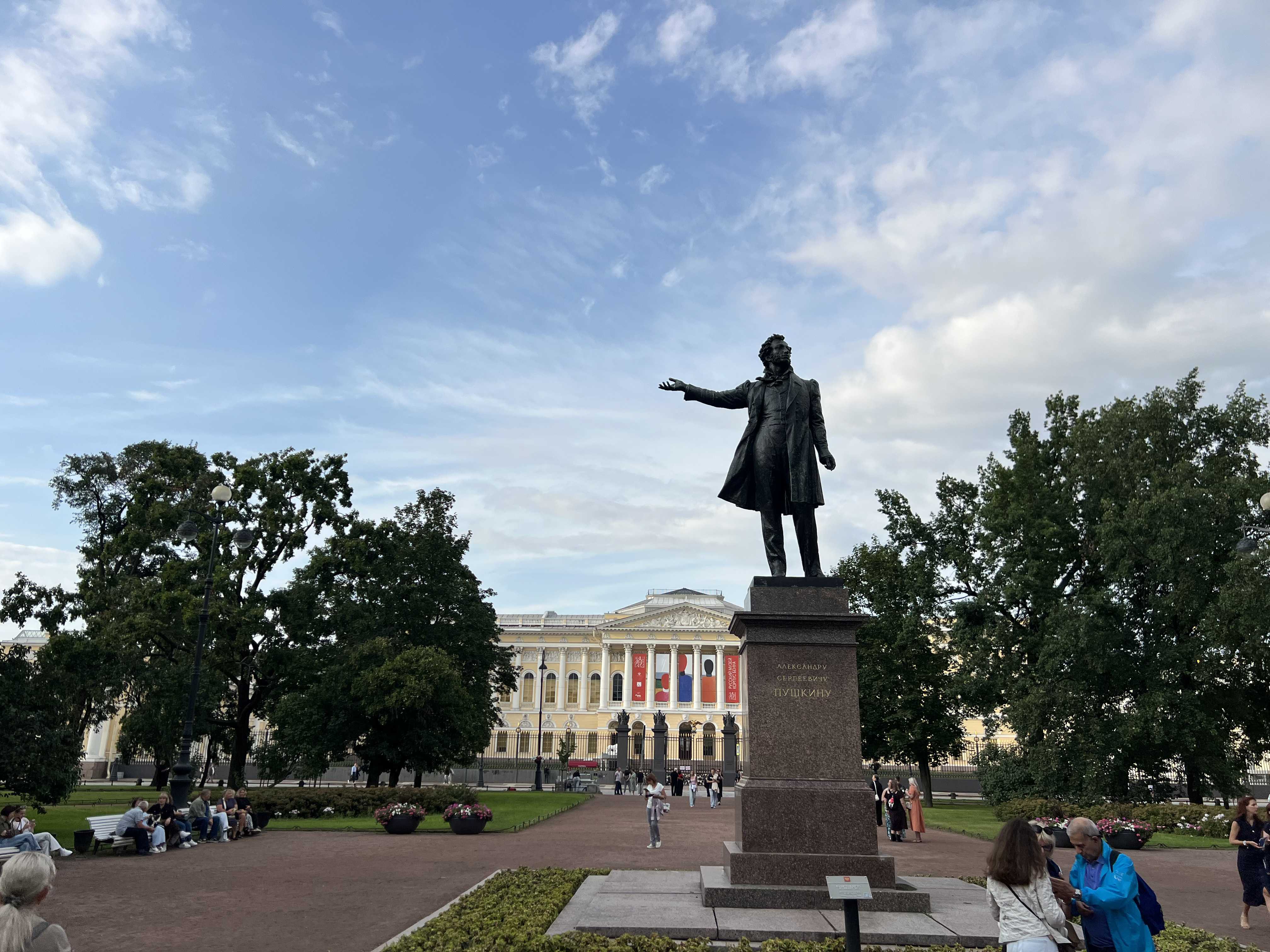
  2. Ostrovsky Square — point on route “Getting to Know St. Petersburg”

    Ostrovsky Square

    📜 Historic site · 🗿 Monument · ⛲ Square

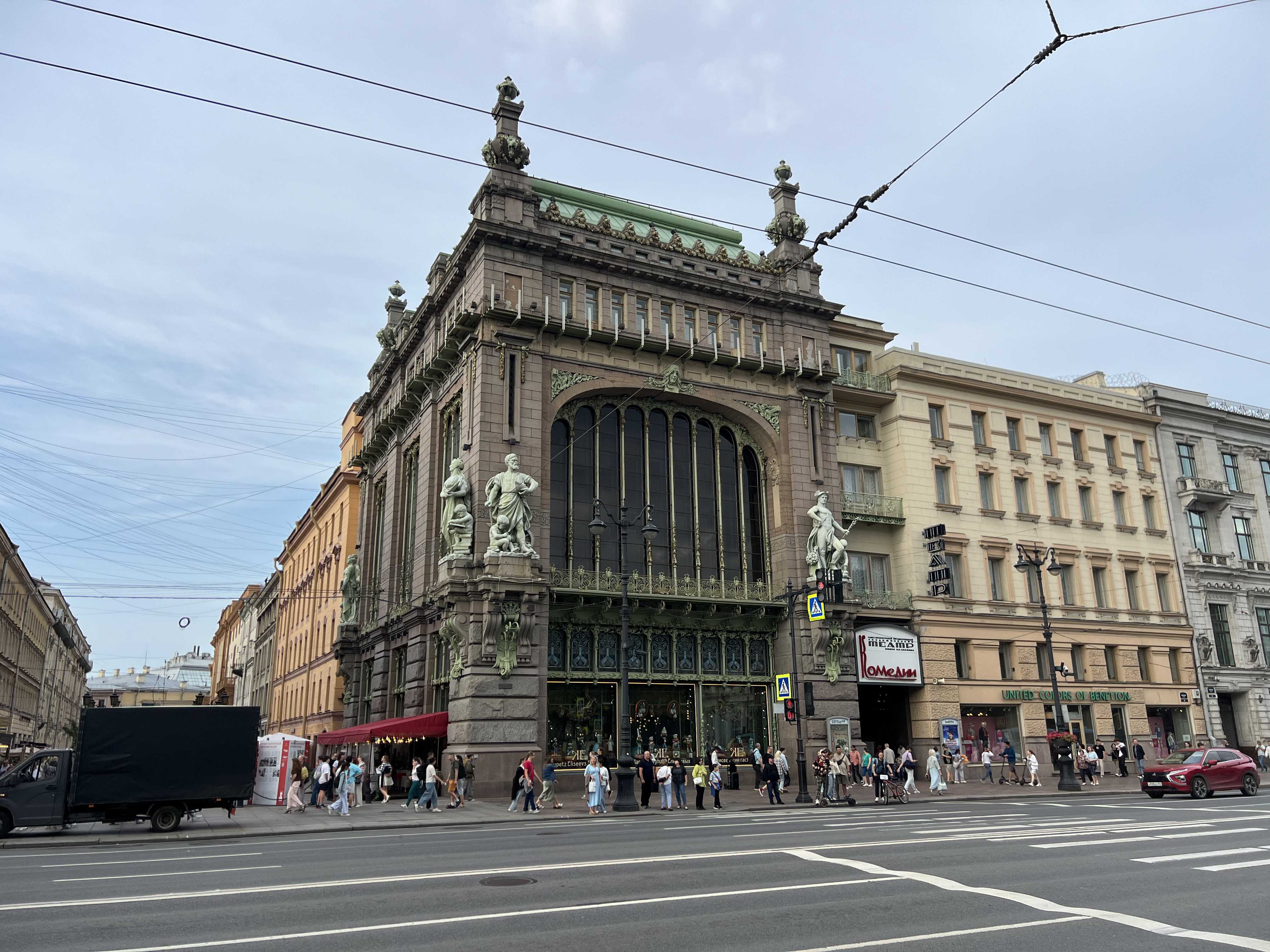
  3. Eliseev Brothers Trading House — point on route “Getting to Know St. Petersburg”

    Eliseev Brothers Trading House

    🏟️ Architectural landmark · 📜 Historic site · 🕵️ Urban legend

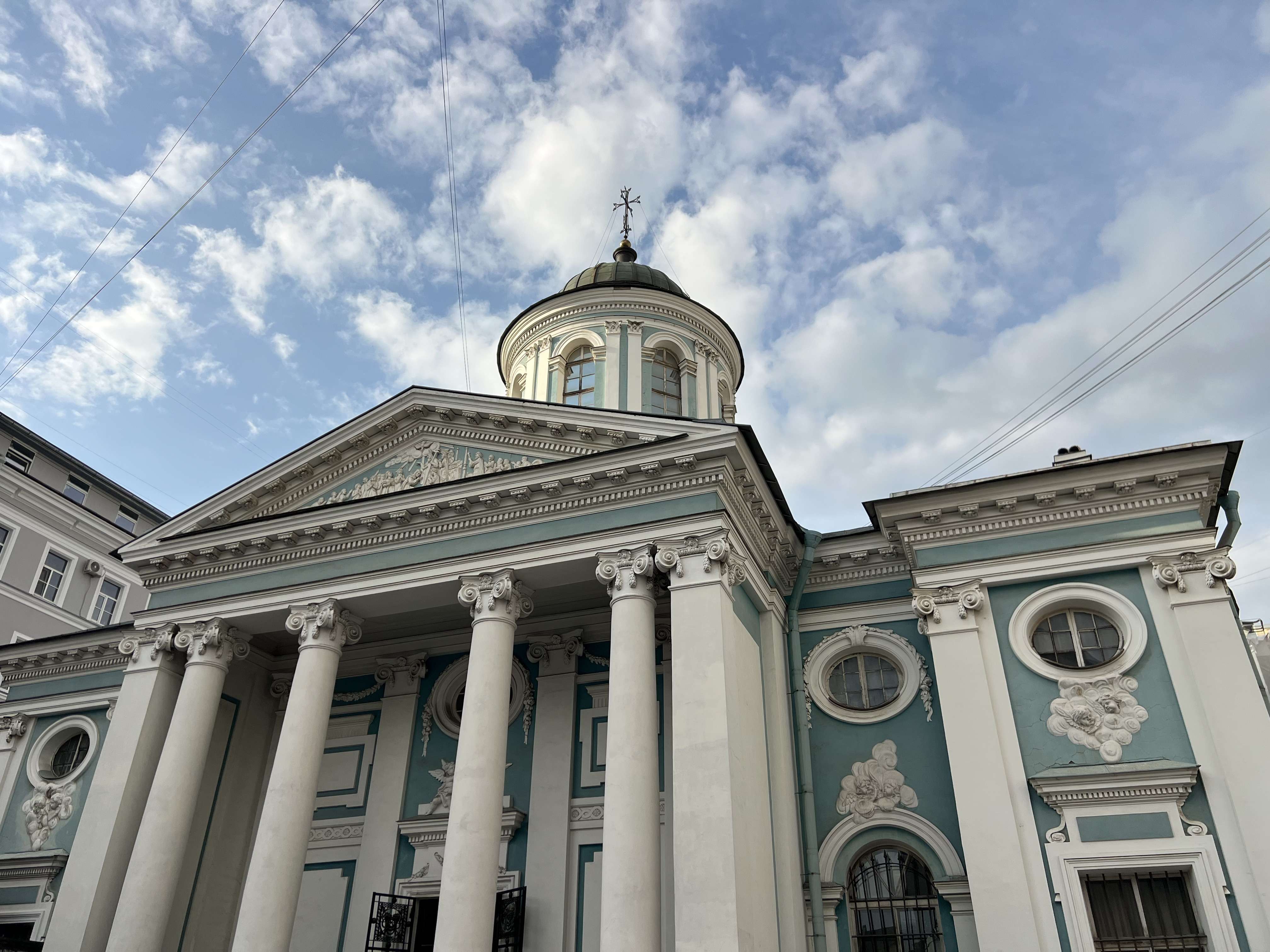
  4. Armenian Church of St. Catherine — point on route “Getting to Know St. Petersburg”

    Armenian Church of St. Catherine

    🕍 Place of worship · 🕵️ Urban legend · 📜 Historic site

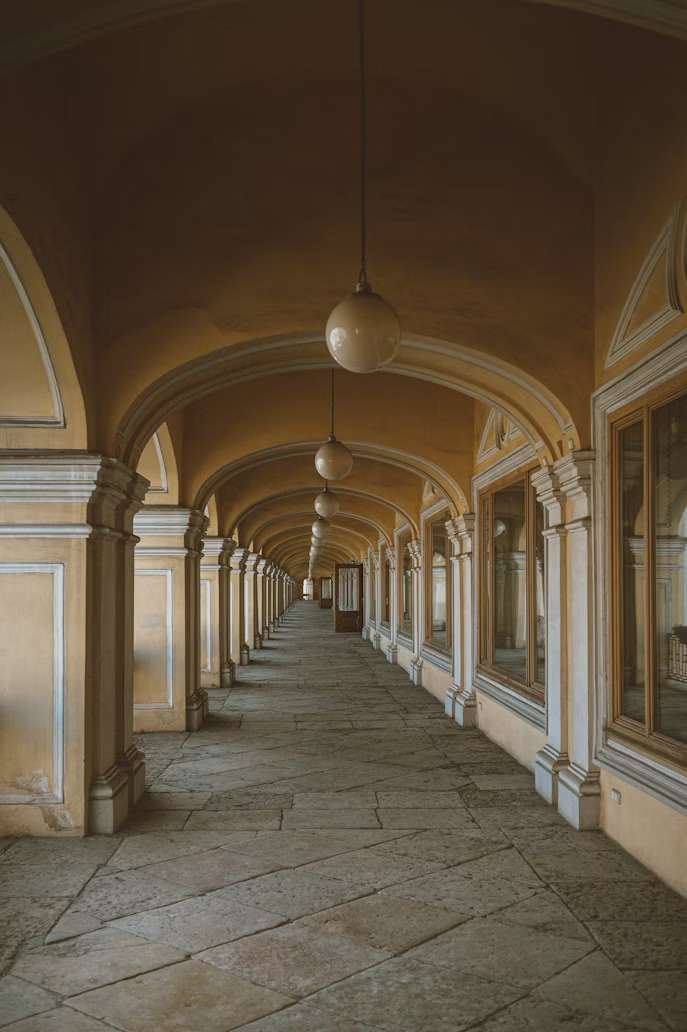
  5. Gostiny Dvor (Merchant Arcade) — point on route “Getting to Know St. Petersburg”

    Gostiny Dvor (Merchant Arcade)

    📜 Historic site · 🏟️ Architectural landmark · 🏺 Market / bazaar

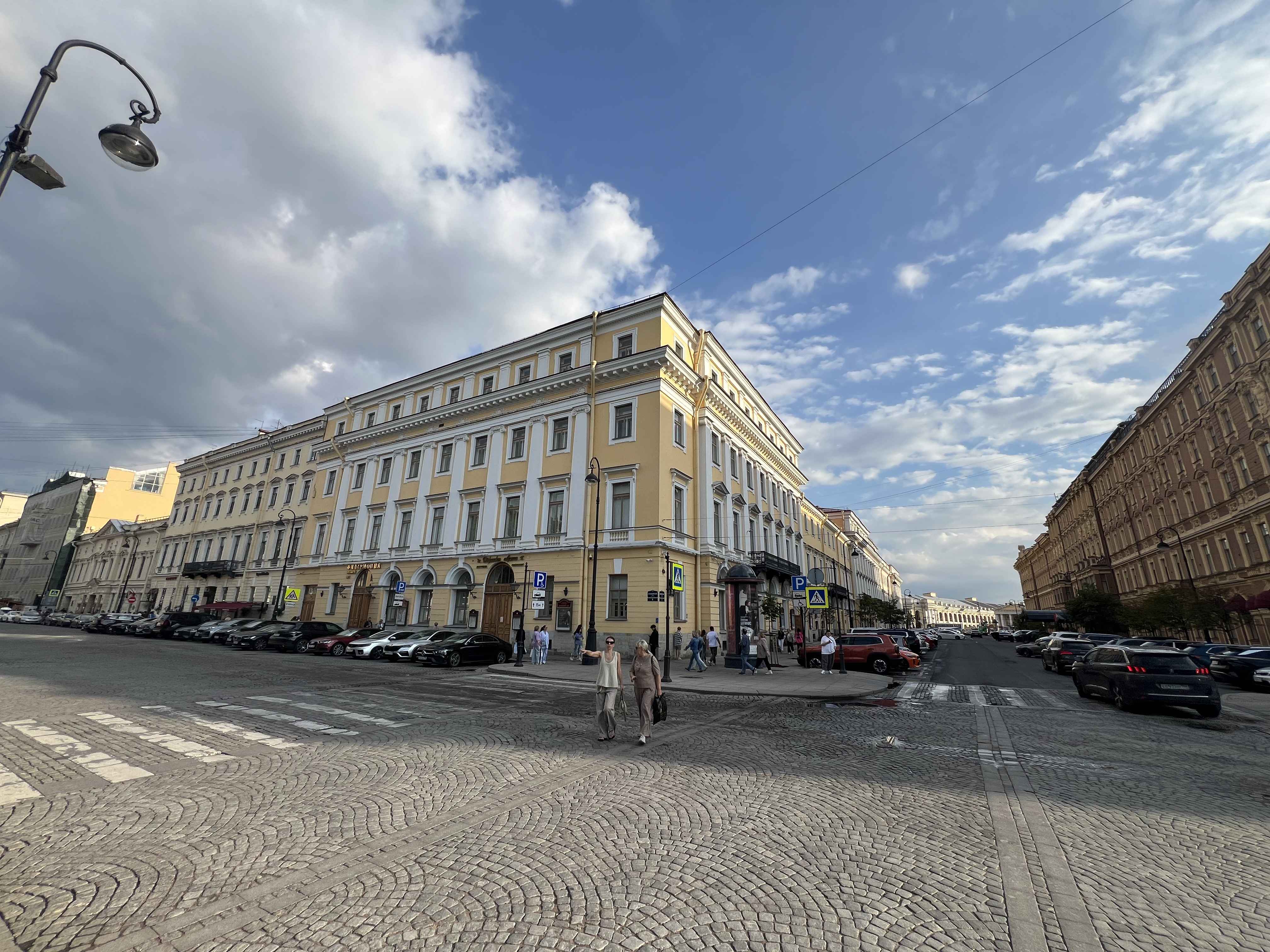
  6. Shostakovich Philharmonia — point on route “Getting to Know St. Petersburg”

    Shostakovich Philharmonia

    🕵️ Urban legend · 📜 Historic site · 🎭 Theater

  7. Mikhailovsky Palace (Russian Museum) — point on route “Getting to Know St. Petersburg”

    Mikhailovsky Palace (Russian Museum)

    🏛️ Museum · 🏰 Palace · 📜 Historic site

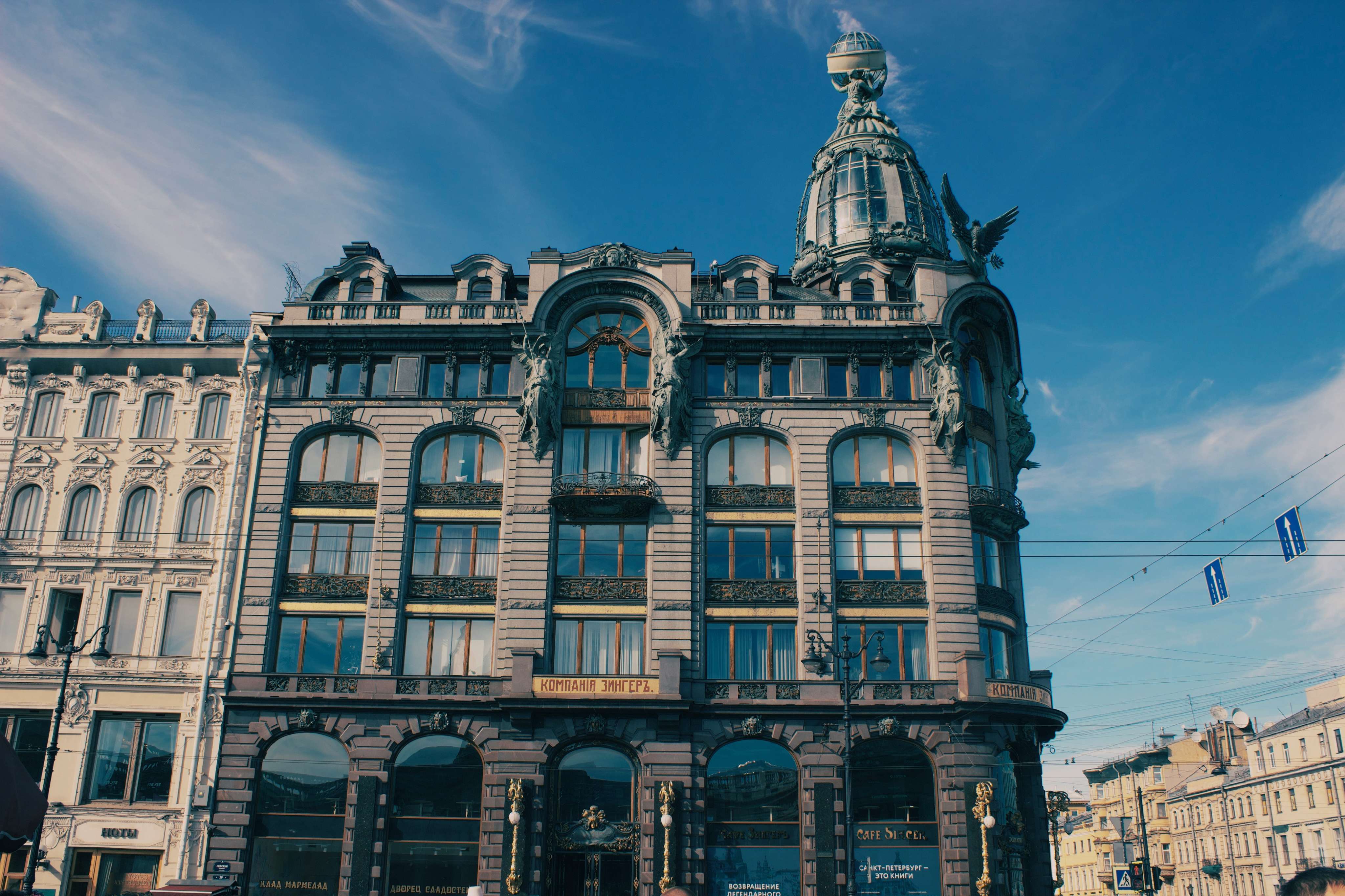
  8. Singer Company Building — point on route “Getting to Know St. Petersburg”

    Singer Company Building

    🏟️ Architectural landmark · 🕵️ Urban legend · 🔭 Viewpoint

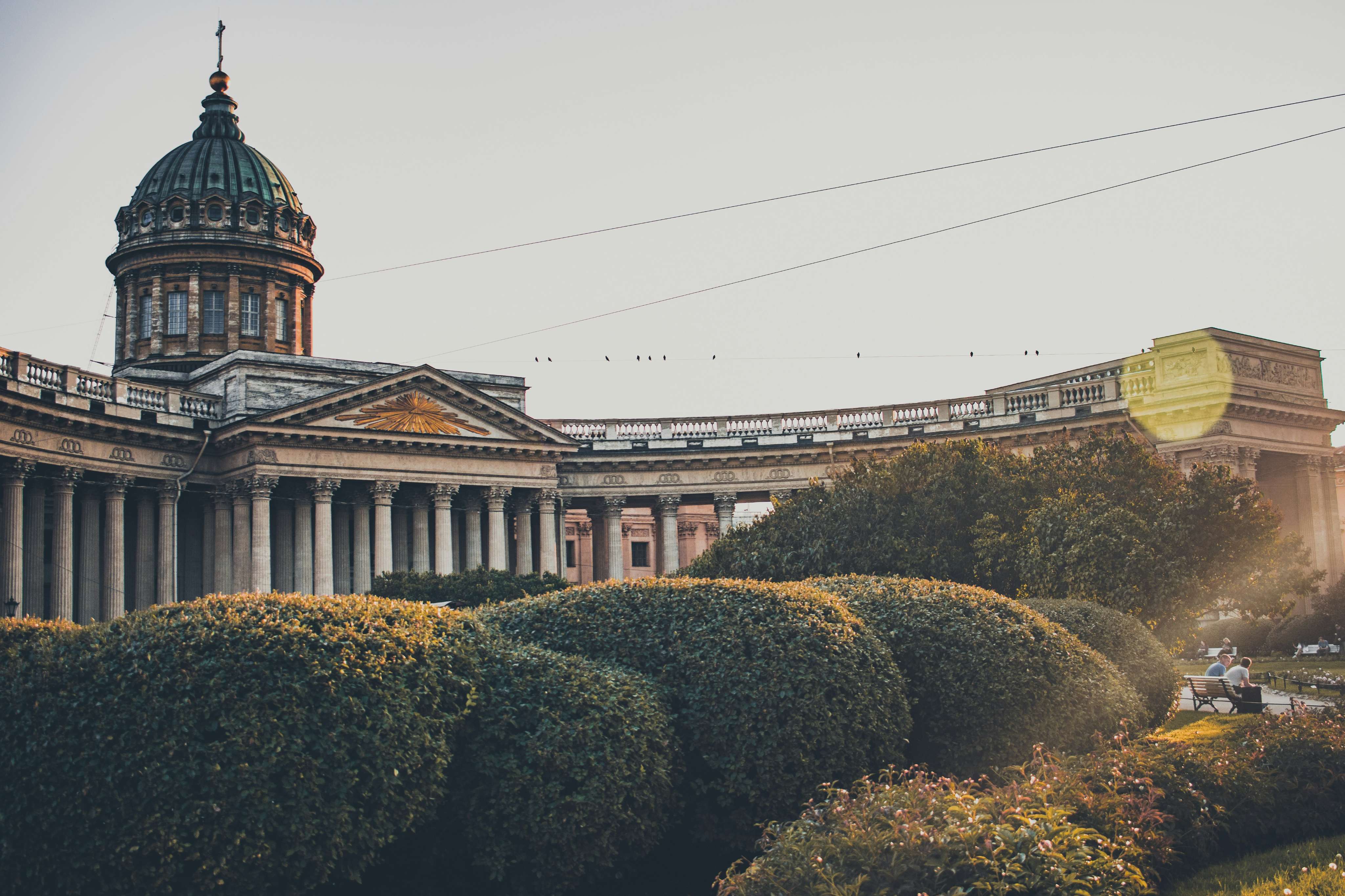
  9. Kazan Cathedral — point on route “Getting to Know St. Petersburg”

    Kazan Cathedral

    🕍 Place of worship · 📜 Historic site · 🏟️ Architectural landmark

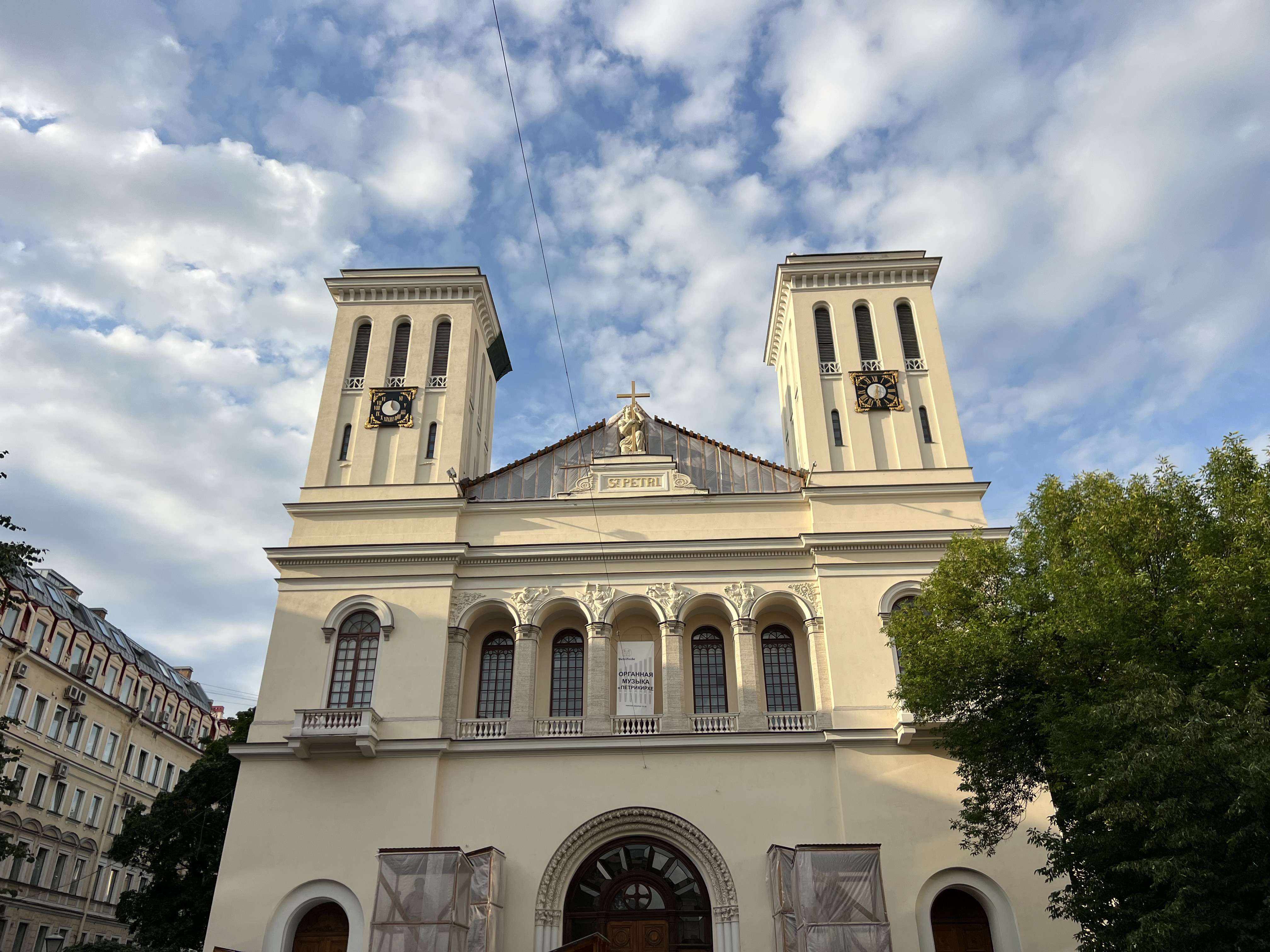
  10. Petrikirche (Church of Sts. Peter and Paul) — point on route “Getting to Know St. Petersburg”

    Petrikirche (Church of Sts. Peter and Paul)

    🕍 Place of worship · 🕵️ Urban legend · 📜 Historic site

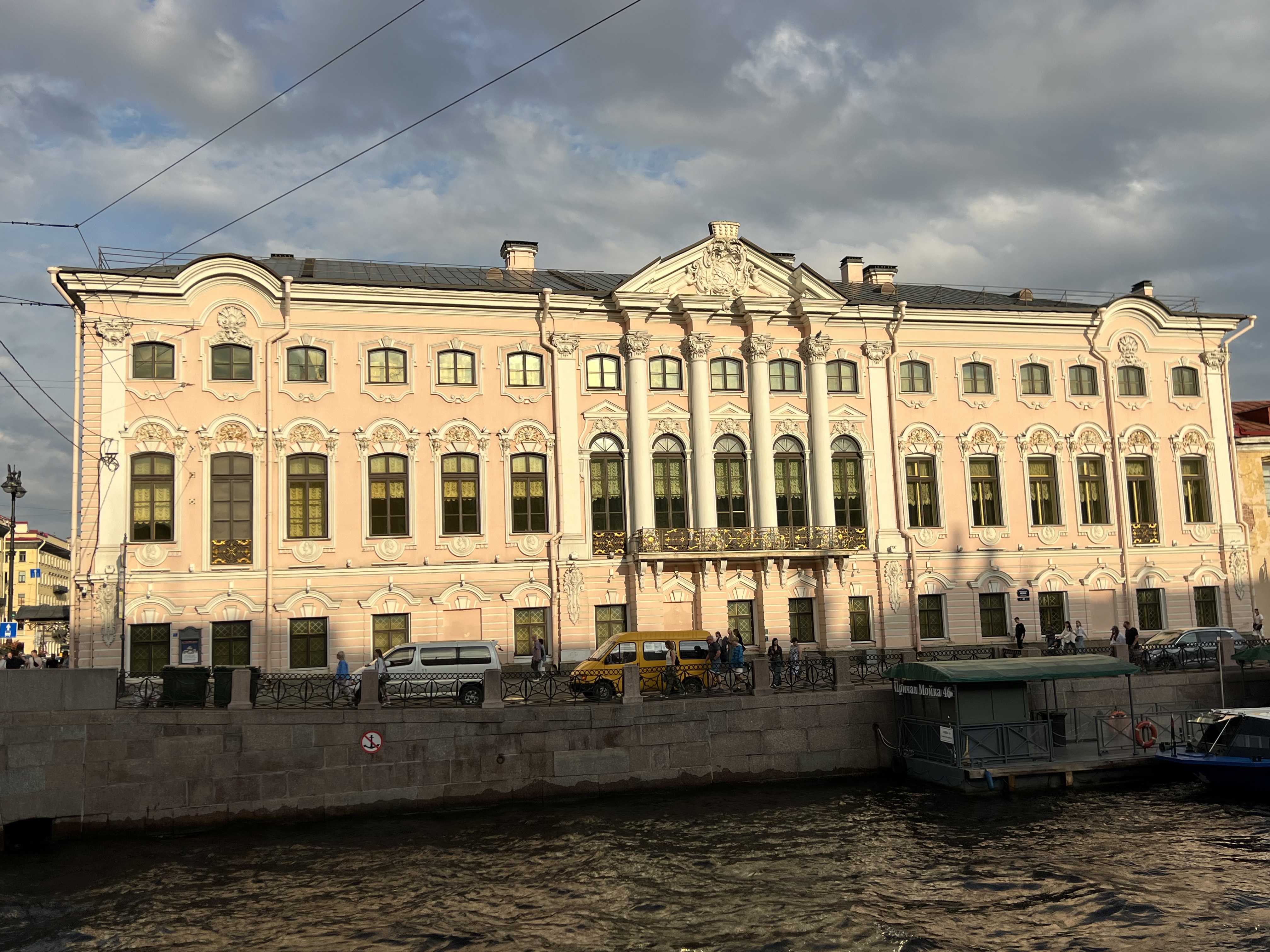
  11. Stroganov Palace — point on route “Getting to Know St. Petersburg”

    Stroganov Palace

    🏰 Palace · 📜 Historic site · 🏛️ Museum

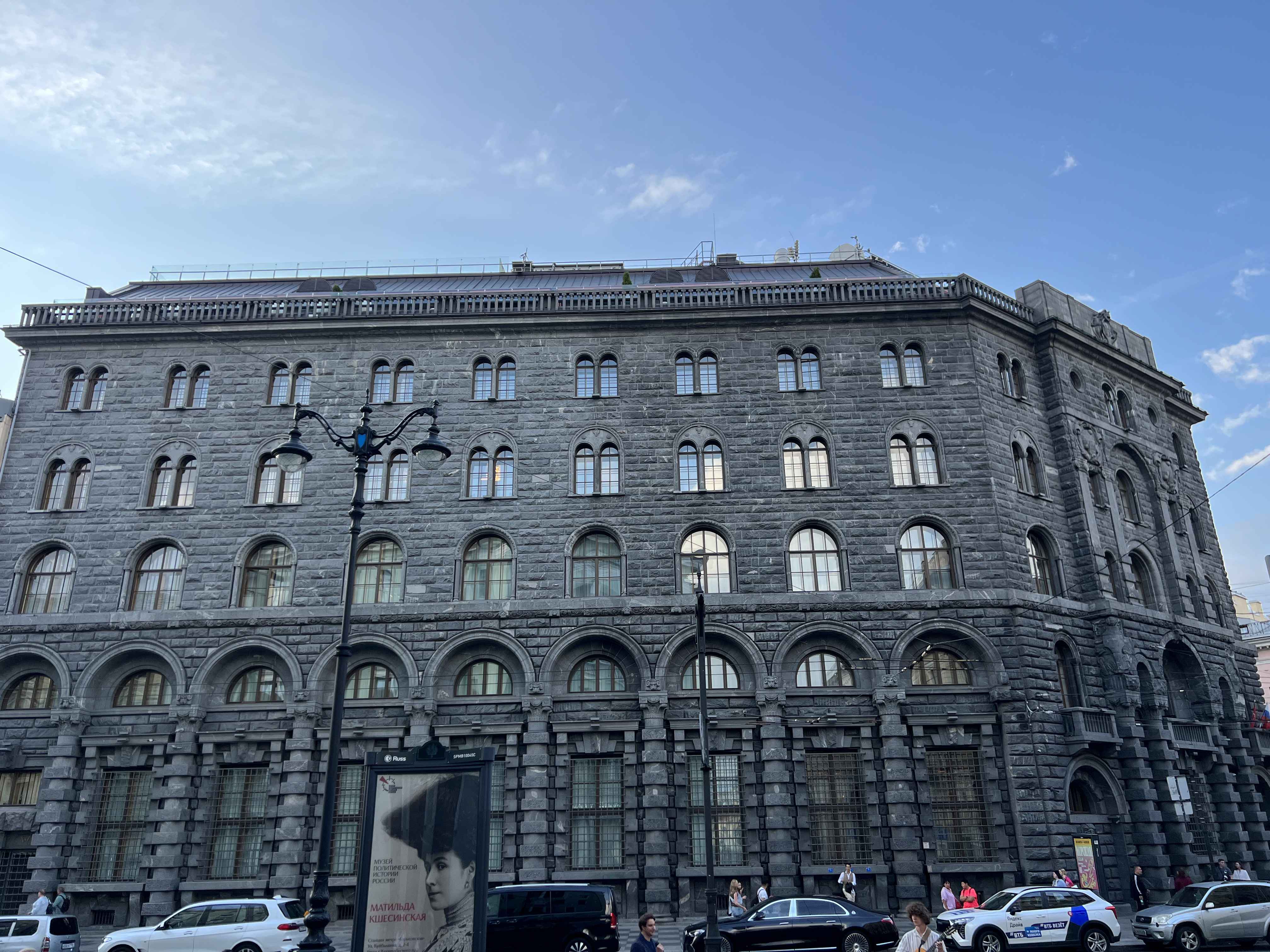
  12. Wawelberg House — point on route “Getting to Know St. Petersburg”

    Wawelberg House

    🏟️ Architectural landmark · 📜 Historic site · 🕵️ Urban legend

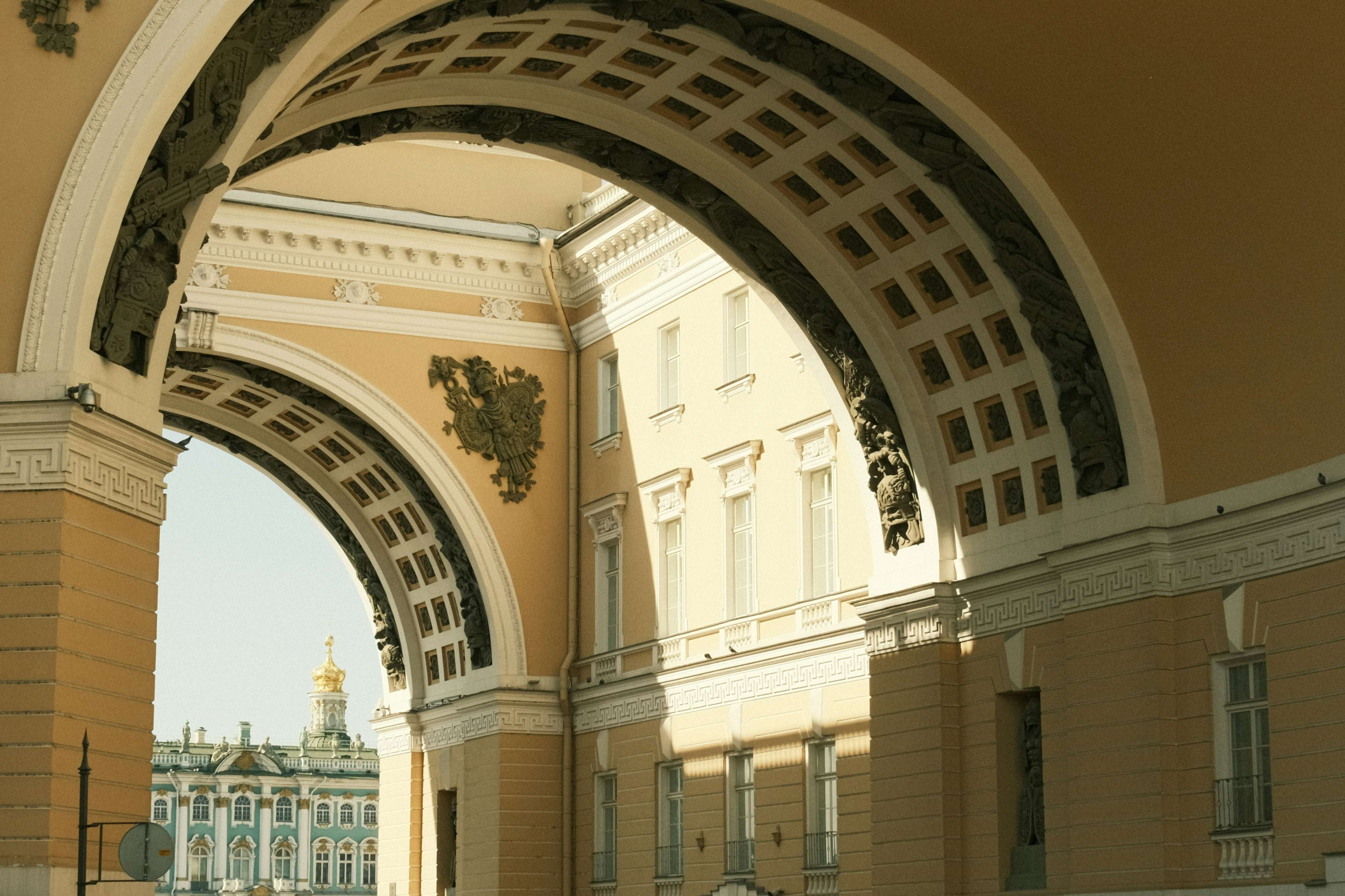
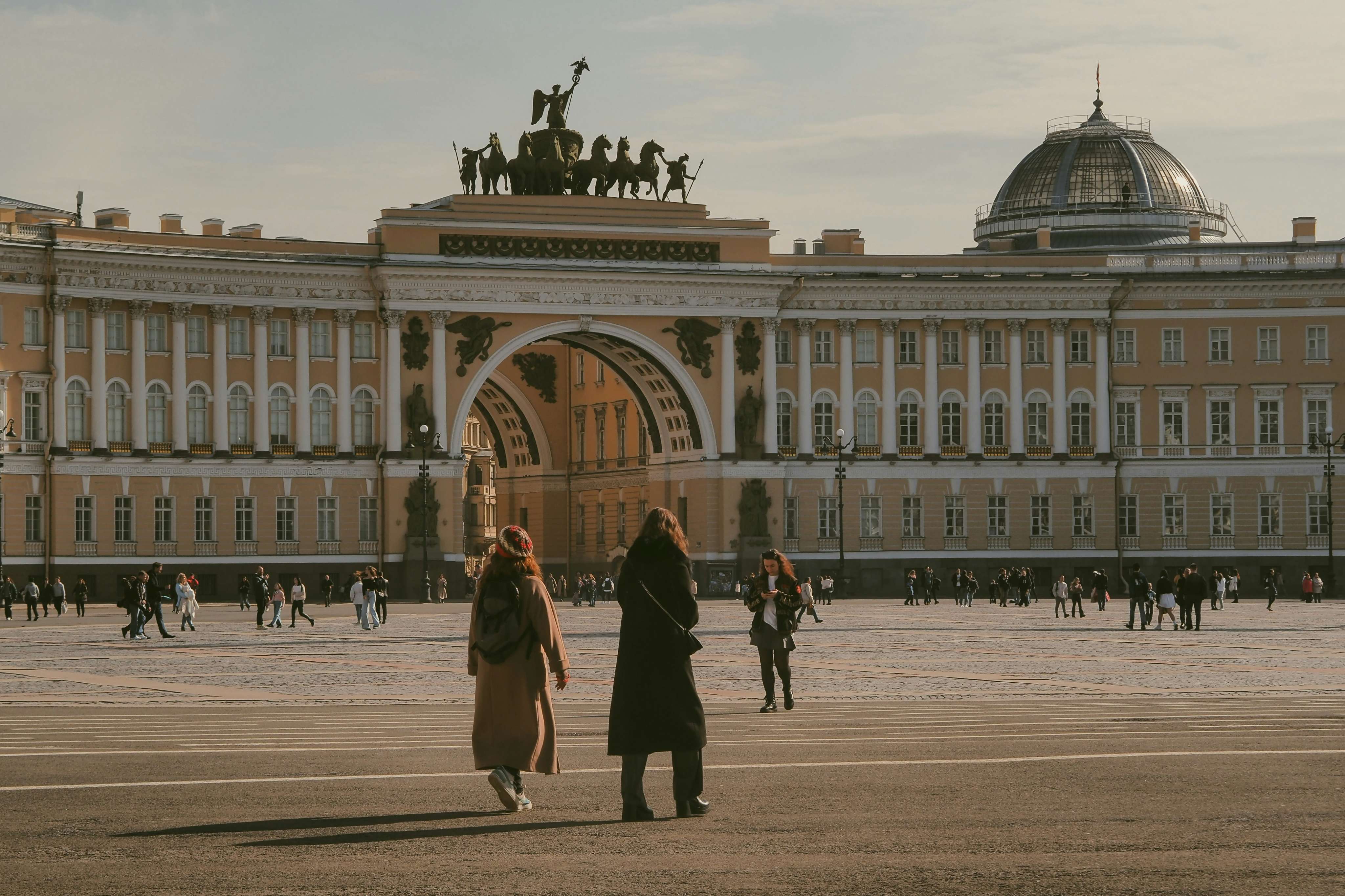
  13. General Staff Arch — point on route “Getting to Know St. Petersburg”

    General Staff Arch

    📜 Historic site · 🏟️ Architectural landmark · 🕵️ Urban legend

  14. Palace Square — point on route “Getting to Know St. Petersburg”

    Palace Square

    ⛲ Square · 🏰 Palace · 📜 Historic site

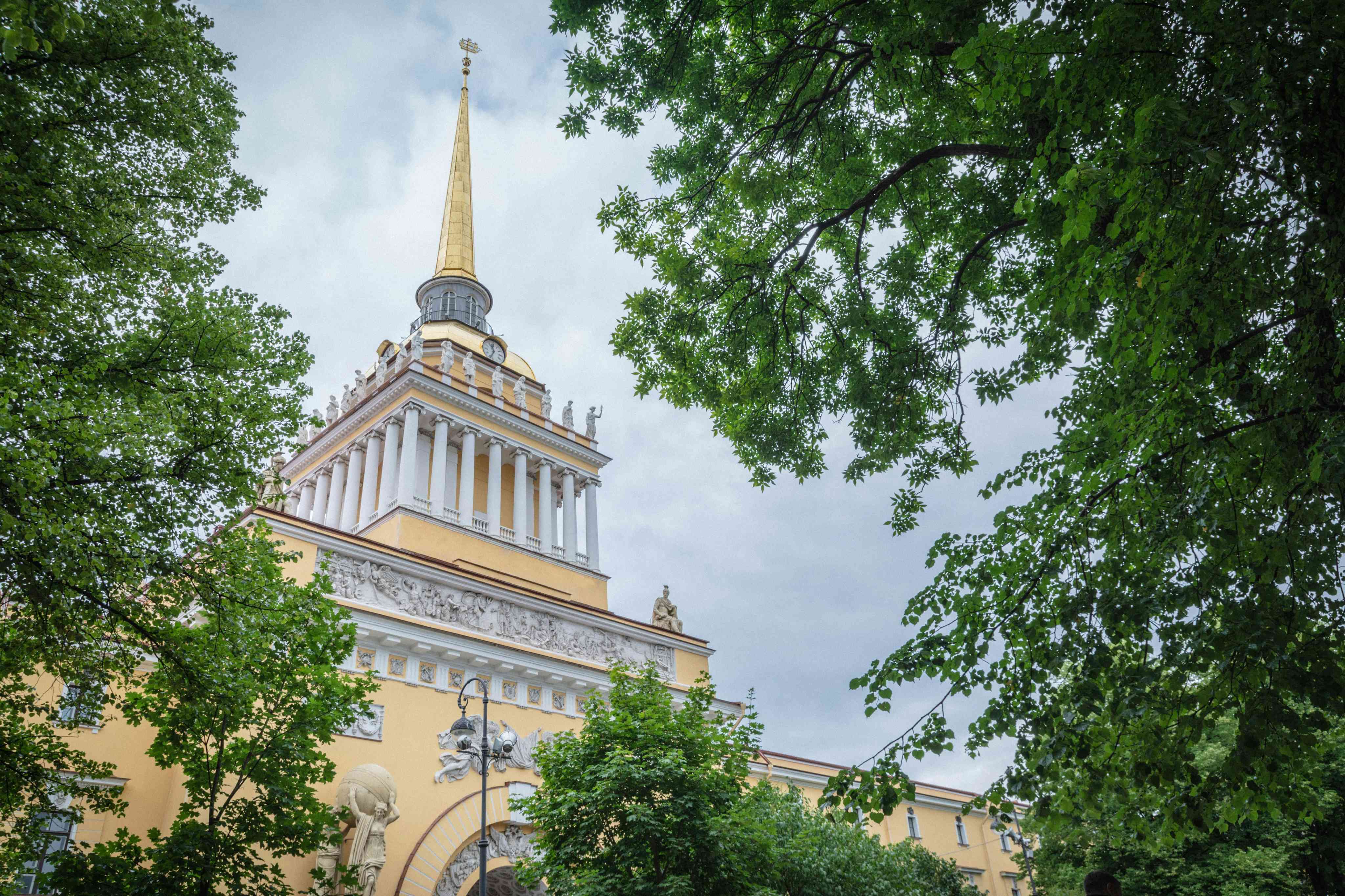
  15. The Admiralty — point on route “Getting to Know St. Petersburg”

    The Admiralty

    📜 Historic site · 🏟️ Architectural landmark · 🕵️ Urban legend

  16. The Bronze Horseman — point on route “Getting to Know St. Petersburg”

    The Bronze Horseman

    🗿 Monument · 🕵️ Urban legend · 🗿 Sculptures

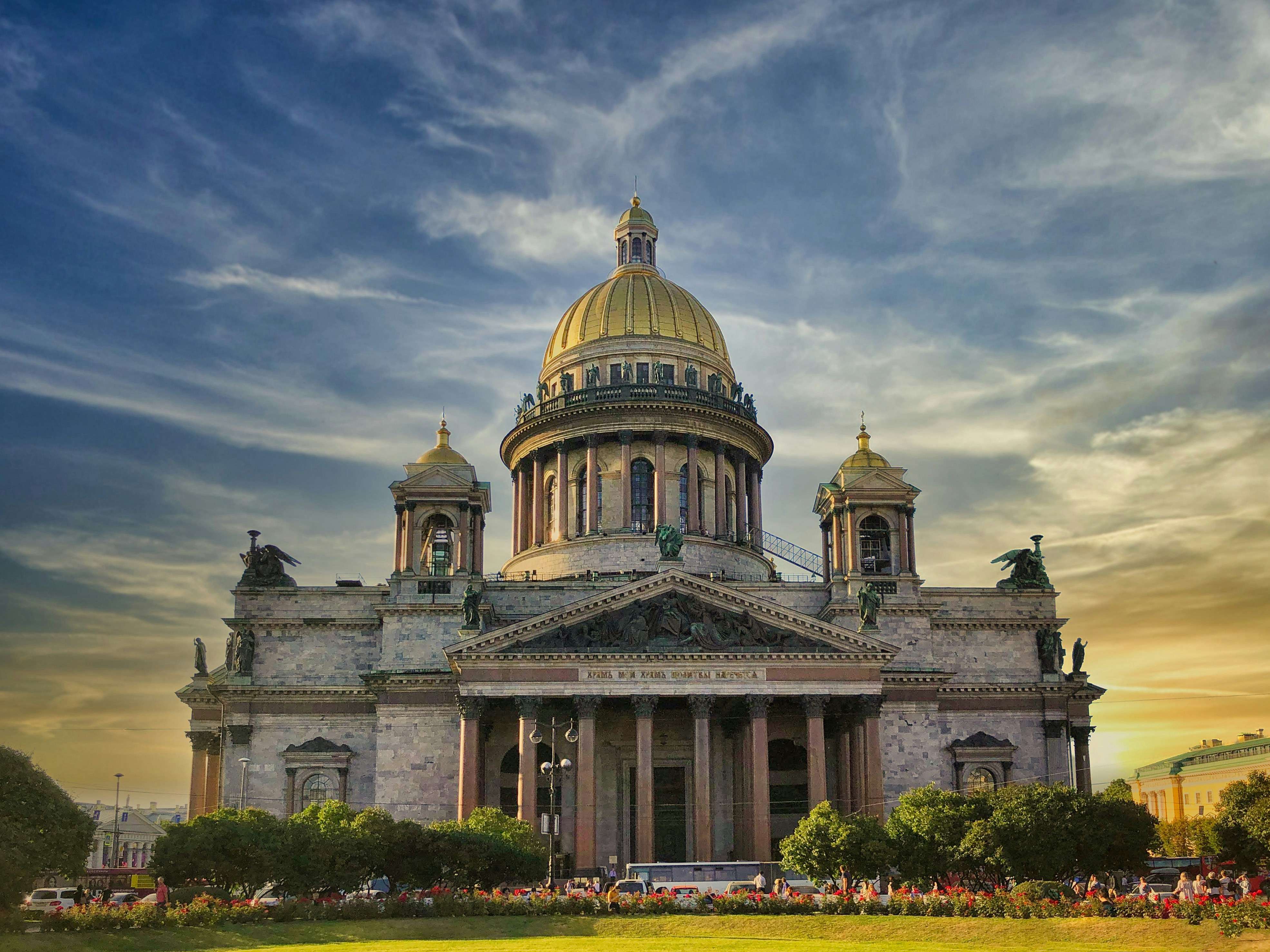
  17. St. Isaac's Cathedral — point on route “Getting to Know St. Petersburg”

    St. Isaac's Cathedral

    🕍 Place of worship · 🕵️ Urban legend · 📜 Historic site

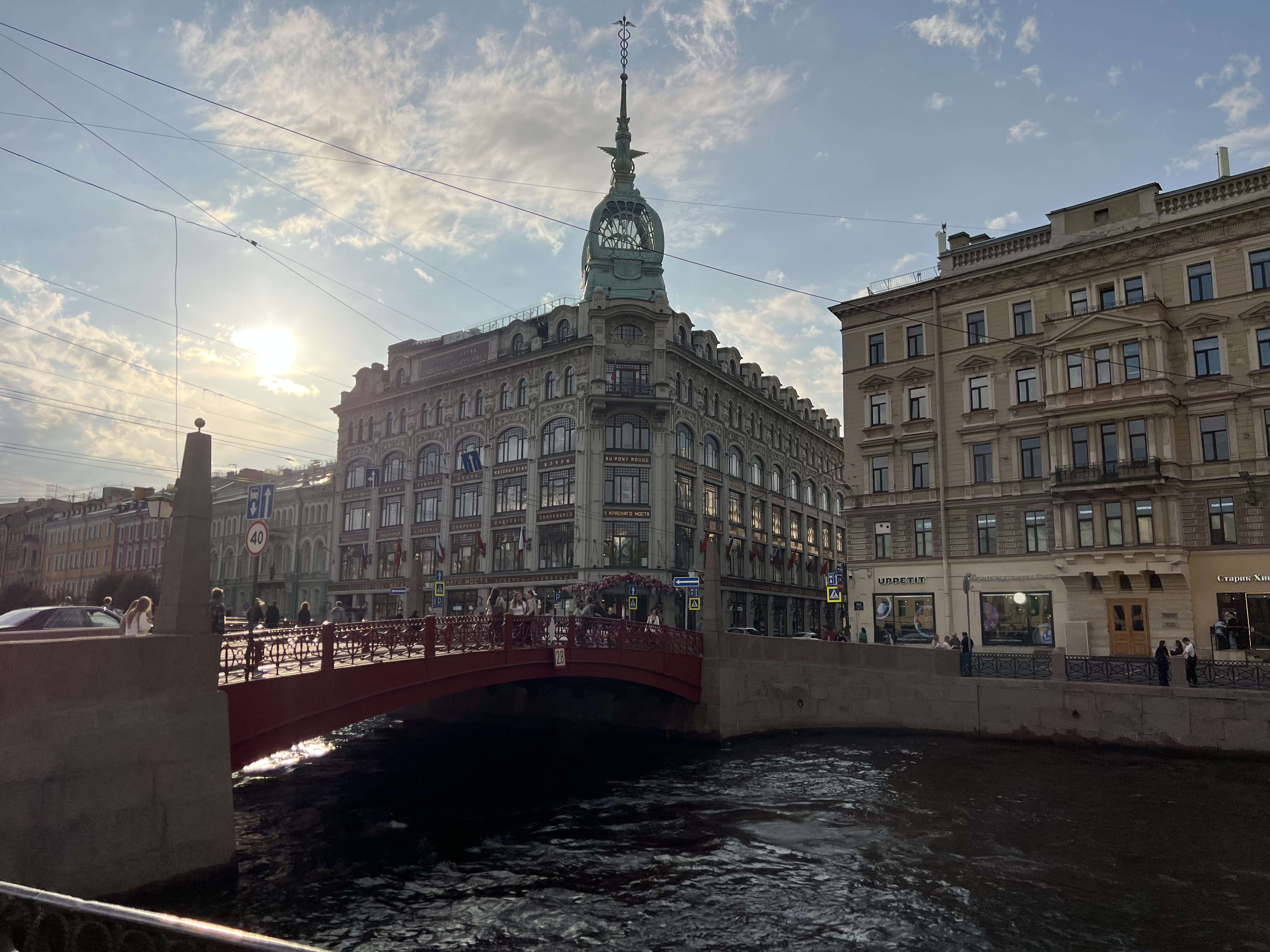
  18. House at the Red Bridge — point on route “Getting to Know St. Petersburg”

    House at the Red Bridge

    🏟️ Architectural landmark · 🕵️ Urban legend · 🌉 Bridge

The Bronze Horseman in Saint Petersburg

Point on route “Getting to Know St. Petersburg”

The Bronze Horseman — point on route “Getting to Know St. Petersburg”

Point 16

The Bronze Horseman

🗿 Monument • 🕵️ Urban legend • 🗿 Sculptures

Historical Background

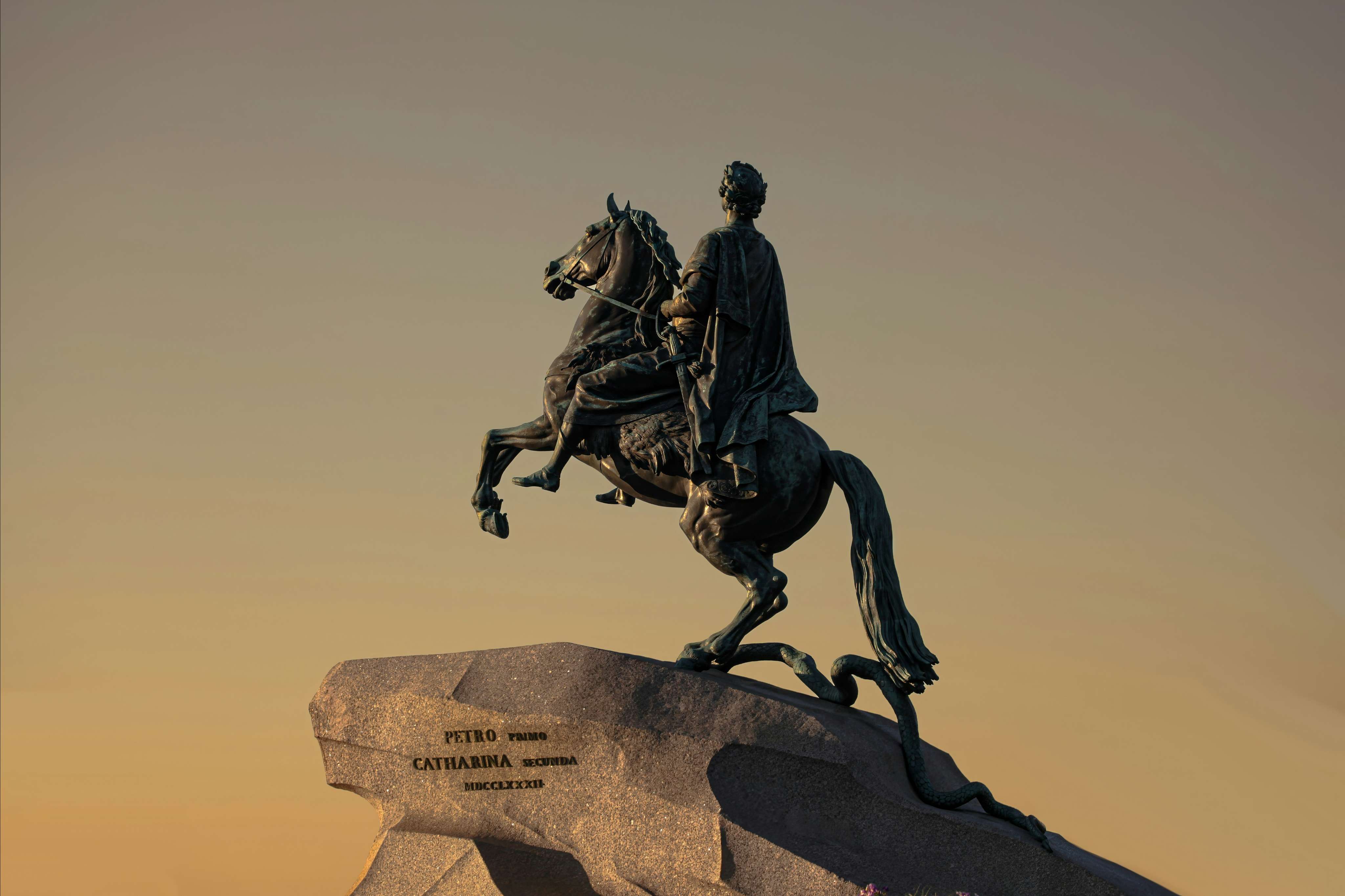
The Bronze Horseman monument stands on Senate Square in St. Petersburg (not to be confused with Sennaya Square). It was unveiled in August 1782 after more than ten years of work. The monument was the initiative of Catherine II, who commissioned the French sculptor Étienne-Maurice Falconet to design it. Diderot and Voltaire, whose taste Catherine II trusted, recommended this particular master, and so in August 1766 Falconet signed the contract. Before coming to Russia he was known for acclaimed sculptures and dreamed of a large monumental project. The monument to Peter I became a symbol of the city. The site chosen for it was the center of the square, next to the Admiralty and the Senate building. Catherine II insisted on placing the monument in the center, but Falconet, showing his independence, set the statue closer to the Neva. Various masters worked on the monument. The model of Peter's head was made by Falconet's pupil Marie-Anne Collot. The serpent, as the author intended, was sculpted by Fyodor Gordeev. The casting of the statue was headed by the master Vasily Ekimov, and the overall architectural supervision was by Yuri Felten.

Bronze, Not Copper

The monument's main architectural feature is its combination of dynamism and complex engineering. It is made of bronze, but the name “copper” (the Russian title is literally “The Copper Horseman”) stuck after Pushkin's poem was published. The statue stands on a massive boulder pedestal known as the Thunder Stone. This block of granite was found at Konnaya Lakhta and brought to St. Petersburg on Catherine II's orders after a difficult winter haul. The granite is about 1.5–1.6 billion years old, and the stone originally weighed much more than in its final form. The pedestal consists of several massive blocks carefully fitted together. Much of the stonework was done right on Senate Square. The stone was delivered thanks to a specially built vessel and a pier on the shore of the Gulf of Finland.

Falconet and the Unfinished Project

The work on the monument was begun by Étienne-Maurice Falconet, a recognized European master. The sculptor undertook to create a sketch of the composition and to execute the monument in full size. He was offered a rather modest fee of 200,000 livres; by comparison, other masters asked twice as much. For a long time no one wanted to take on the casting of the statue itself. Foreign masters named sky-high sums, while local craftsmen were daunted by the statue's size and the complexity of the work. The well-known French founder B. Ersman turned down the commission. He called Falconet a madman and said there was no precedent anywhere in the world for such a casting and that it would fail. Catherine II suggested that Falconet take on the casting himself. The sculptor gave in, studied the relevant literature, and accepted the empress's proposal. In three years he mastered casting to perfection, and the casting of the Bronze Horseman began in 1774. One pour was not enough. During the first, the pipe through which the molten bronze flowed into the mold burst, and the upper part of the statue was ruined. The upper part was broken off, and three more years went into preparing for the second pour, which took place in the summer of 1777. The finishing of the monument took another year. The failed casting and the delays in correcting it soured relations between Catherine II and the sculptor. Falconet never regained the empress's favor. In the end he decided to abandon the work at the final stage: in September 1778 he destroyed the small model of the monument and left the city with Marie-Anne Collot. Falconet never created another sculpture. The pedestal was given its final shape under Felten's direction.

Nearby

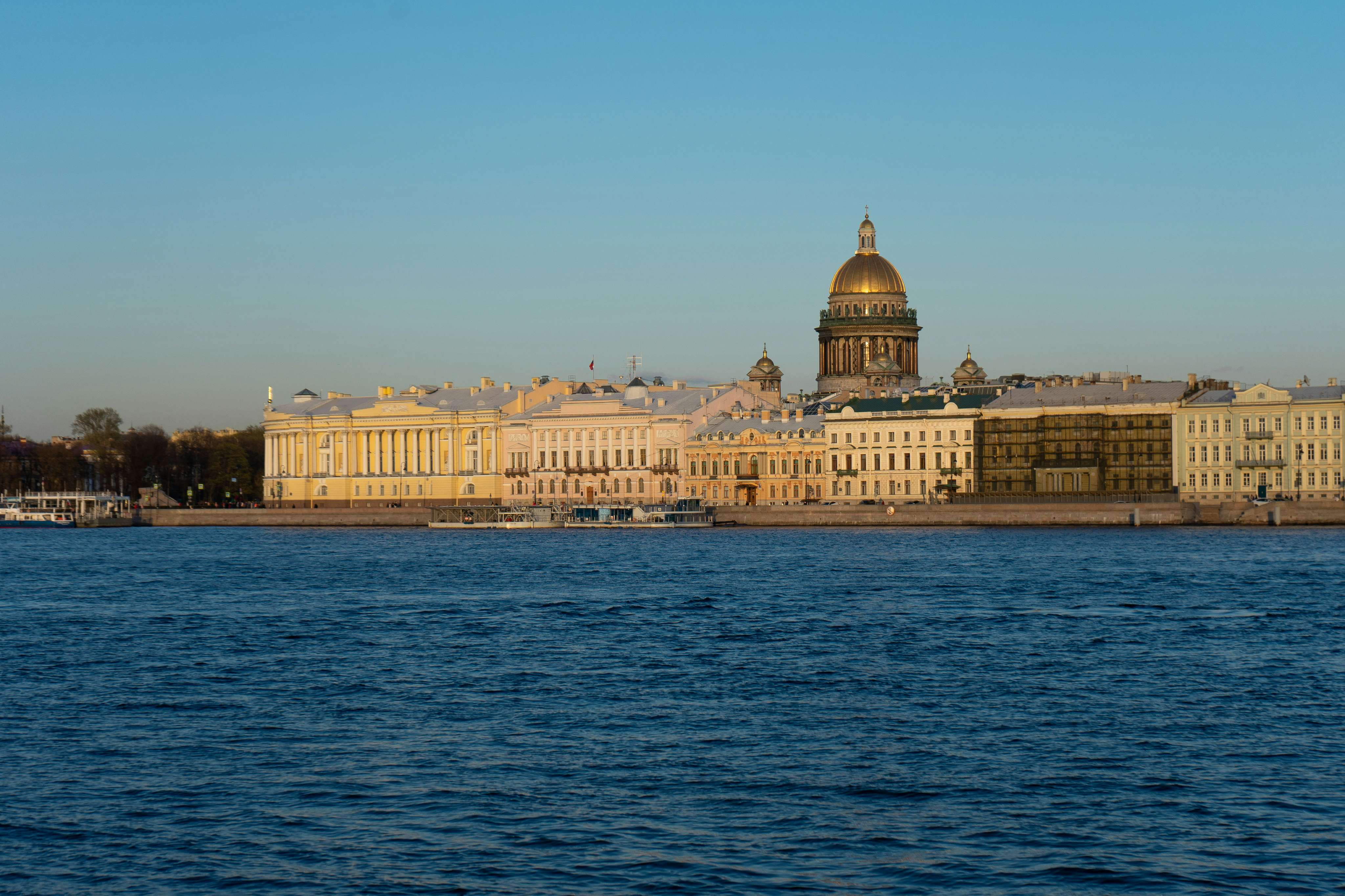
Admiralty Embankment From here there are great views of the Neva and the opposite bank. In good weather many sightseeing boats set off from here.