←Getting to Know St. Petersburg

Getting to Know St. Petersburg

Photo of route “Getting to Know St. Petersburg”
18 points7 km1.5 hours

In the city on the Neva, luxurious palaces, world-class museums, old cathedrals, and cozy embankments blend in perfect harmony. This route will highlight the city's main sights, along with some of its secrets and legends.

Things to do

  • 📸 Take photos
  • 📜 Learn the city's history
  • 🏰🕵️‍♂️ Discover a legend

Route points (18)

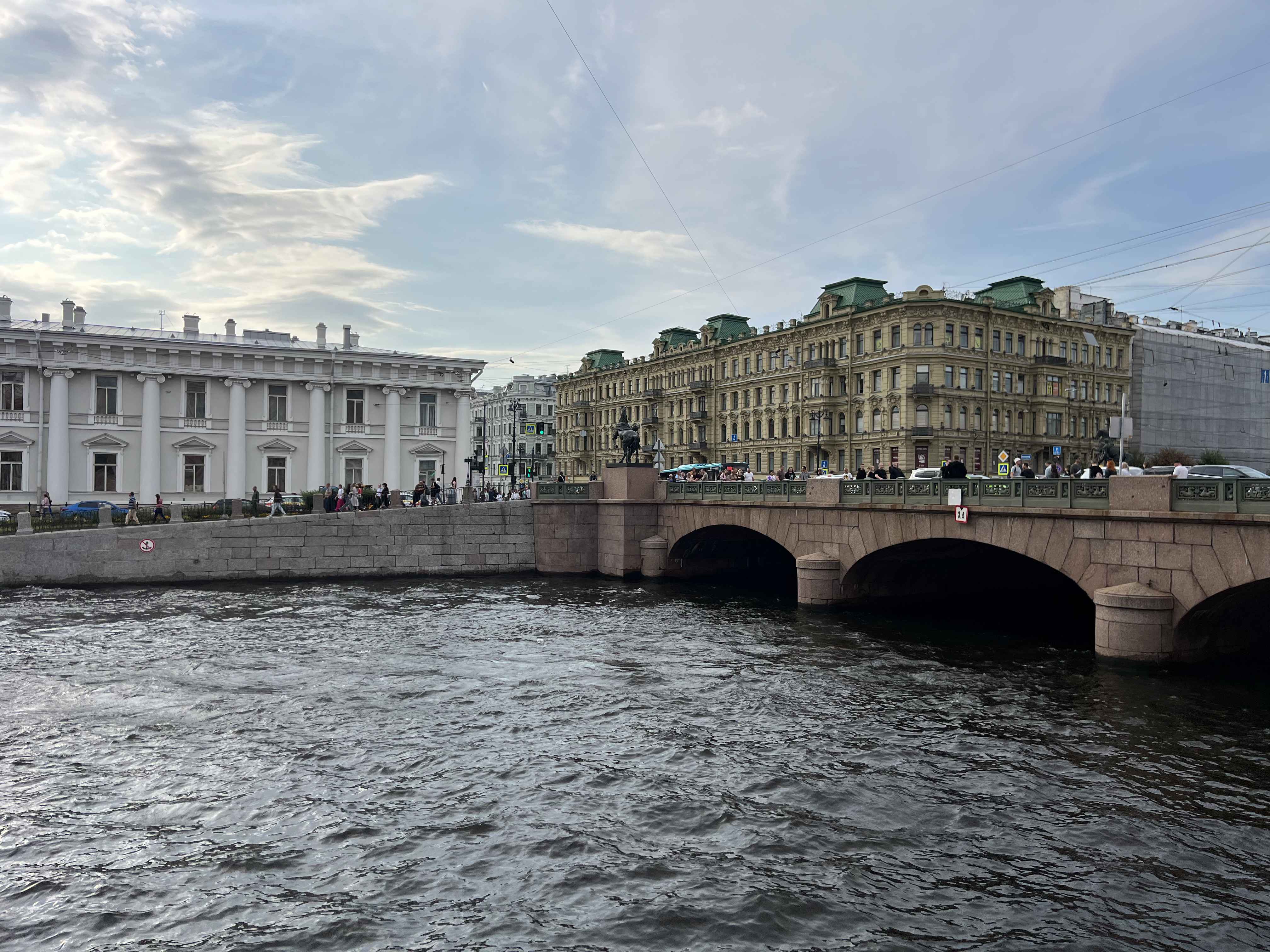
  1. Anichkov Bridge and Palace — point on route “Getting to Know St. Petersburg”

    Anichkov Bridge and Palace

    📜 Historic site · 🏰 Palace · 🌉 Bridge

  2. Ostrovsky Square — point on route “Getting to Know St. Petersburg”

    Ostrovsky Square

    📜 Historic site · 🗿 Monument · ⛲ Square

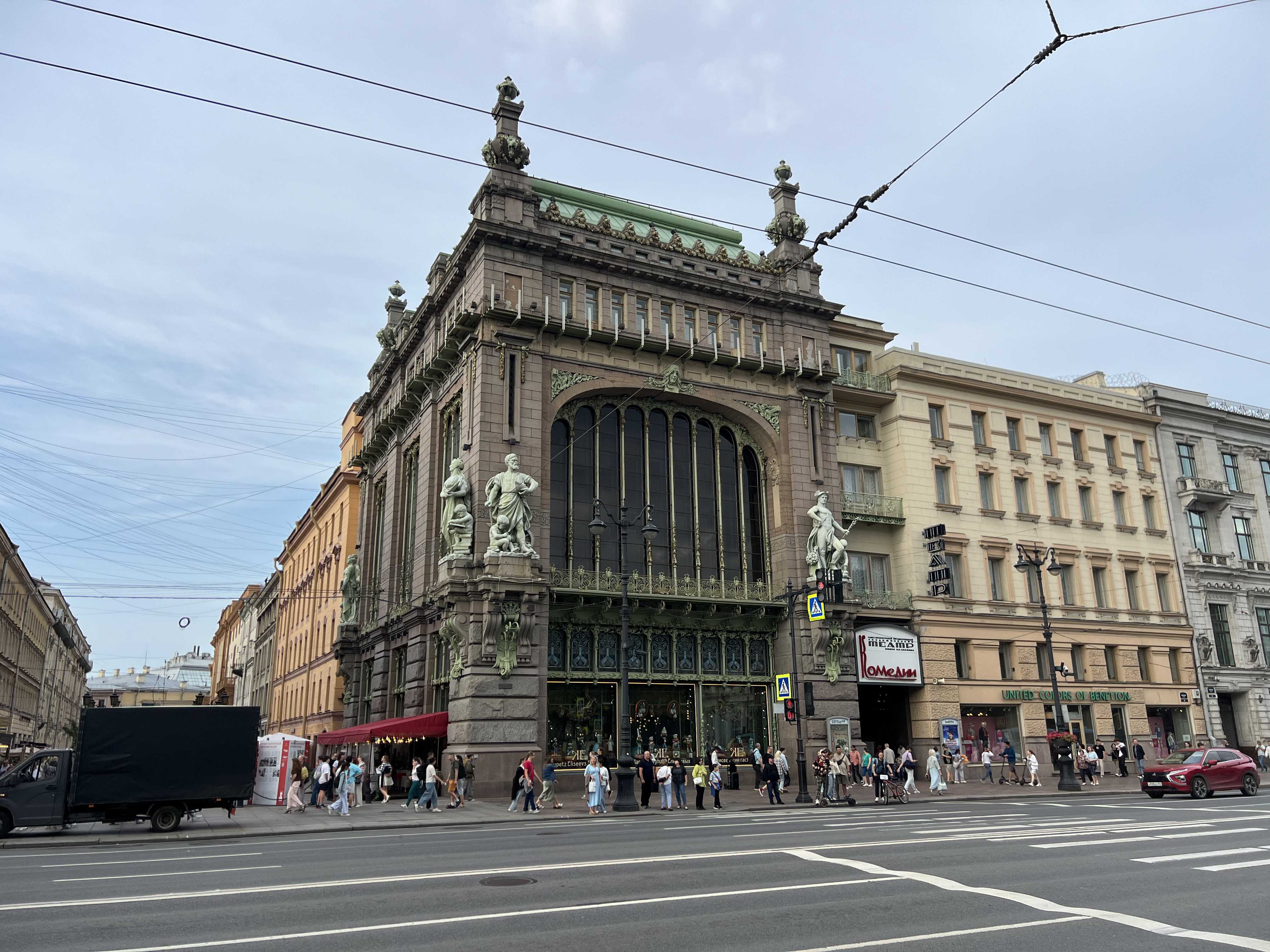
  3. Eliseev Brothers Trading House — point on route “Getting to Know St. Petersburg”

    Eliseev Brothers Trading House

    🏟️ Architectural landmark · 📜 Historic site · 🕵️ Urban legend

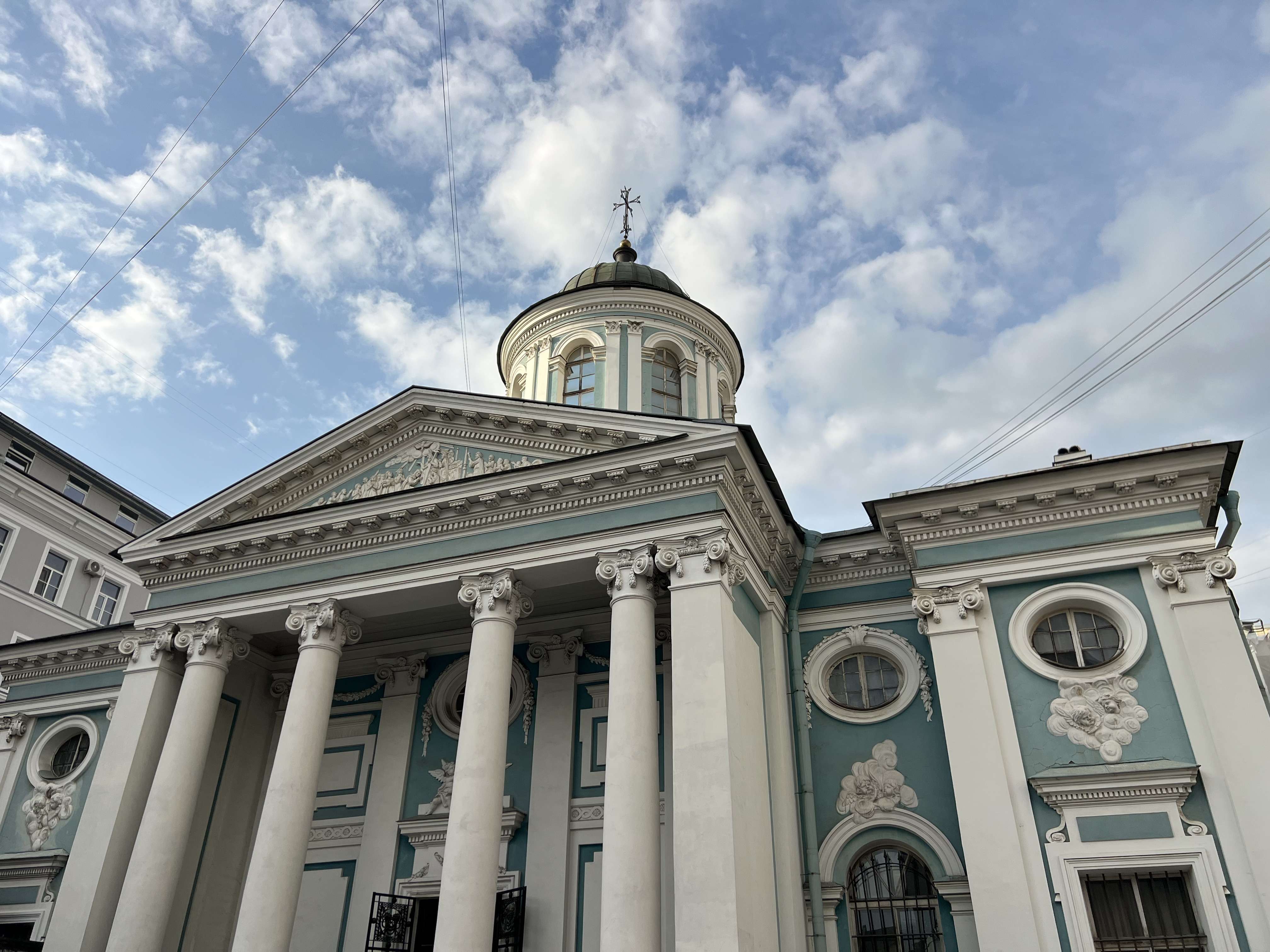
  4. Armenian Church of St. Catherine — point on route “Getting to Know St. Petersburg”

    Armenian Church of St. Catherine

    🕍 Place of worship · 🕵️ Urban legend · 📜 Historic site

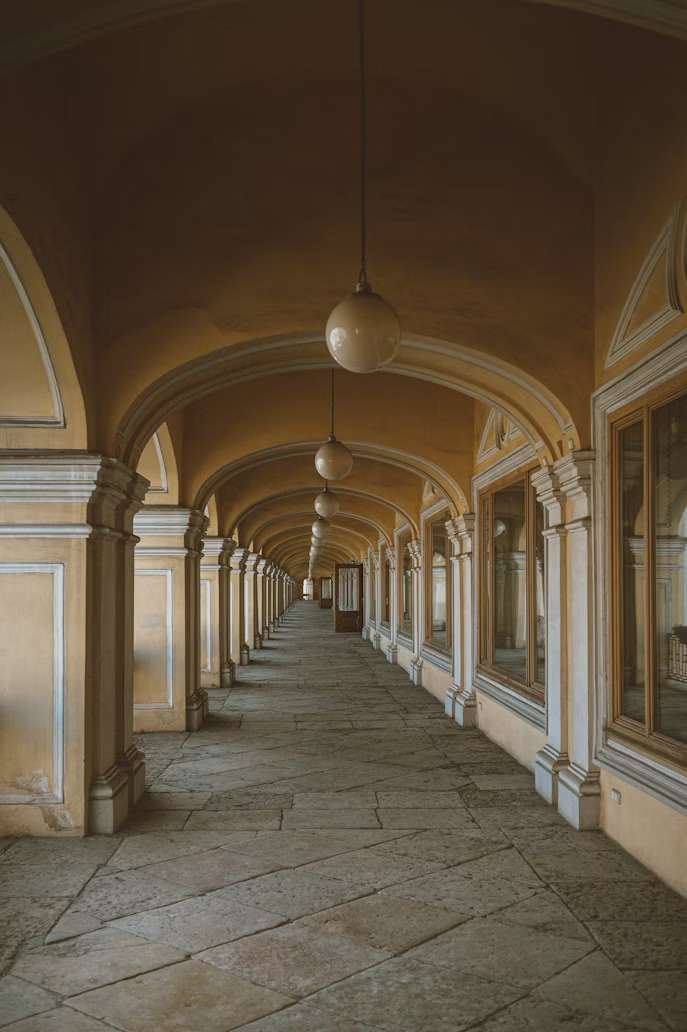
  5. Gostiny Dvor (Merchant Arcade) — point on route “Getting to Know St. Petersburg”

    Gostiny Dvor (Merchant Arcade)

    📜 Historic site · 🏟️ Architectural landmark · 🏺 Market / bazaar

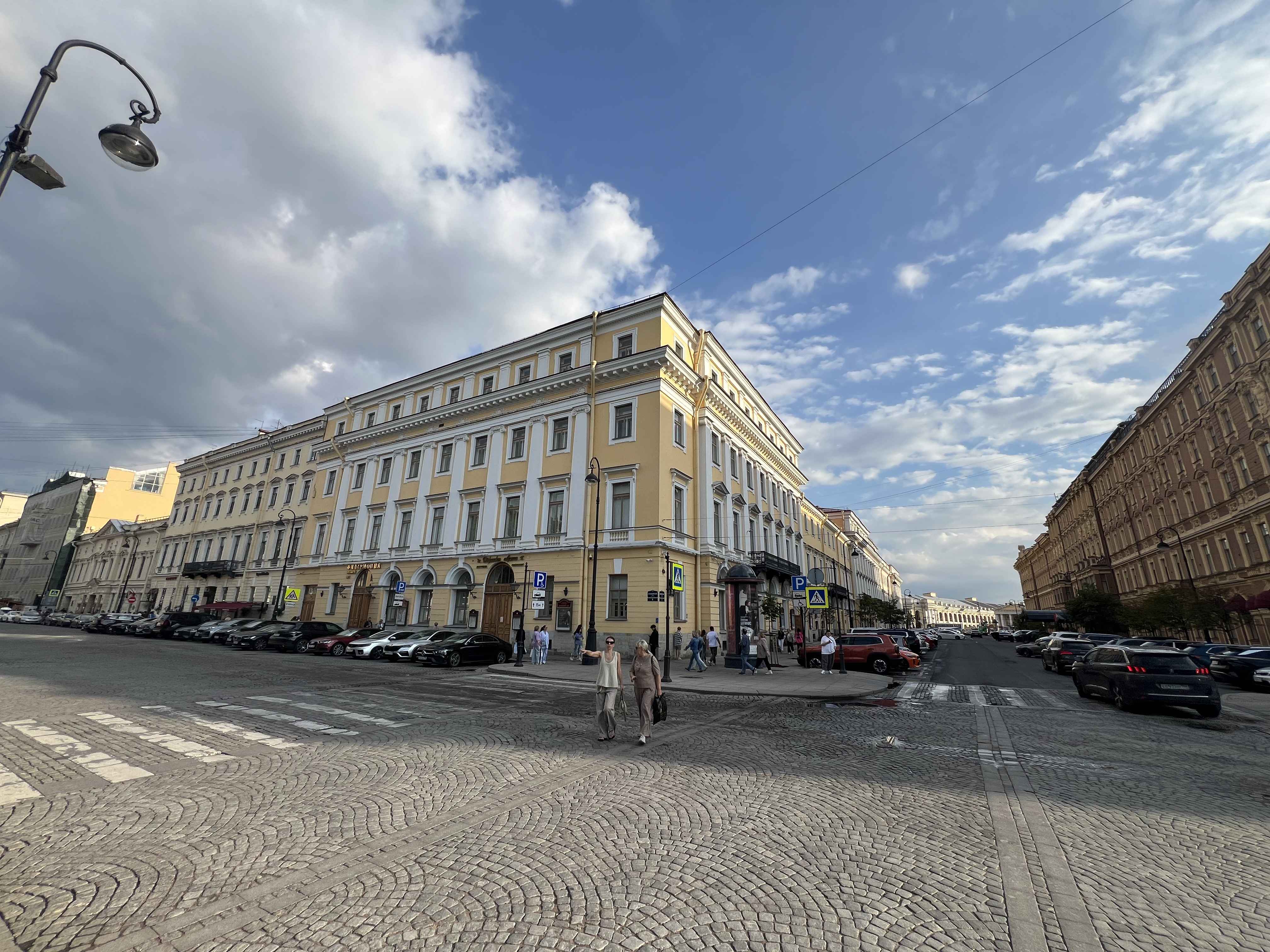
  6. Shostakovich Philharmonia — point on route “Getting to Know St. Petersburg”

    Shostakovich Philharmonia

    🕵️ Urban legend · 📜 Historic site · 🎭 Theater

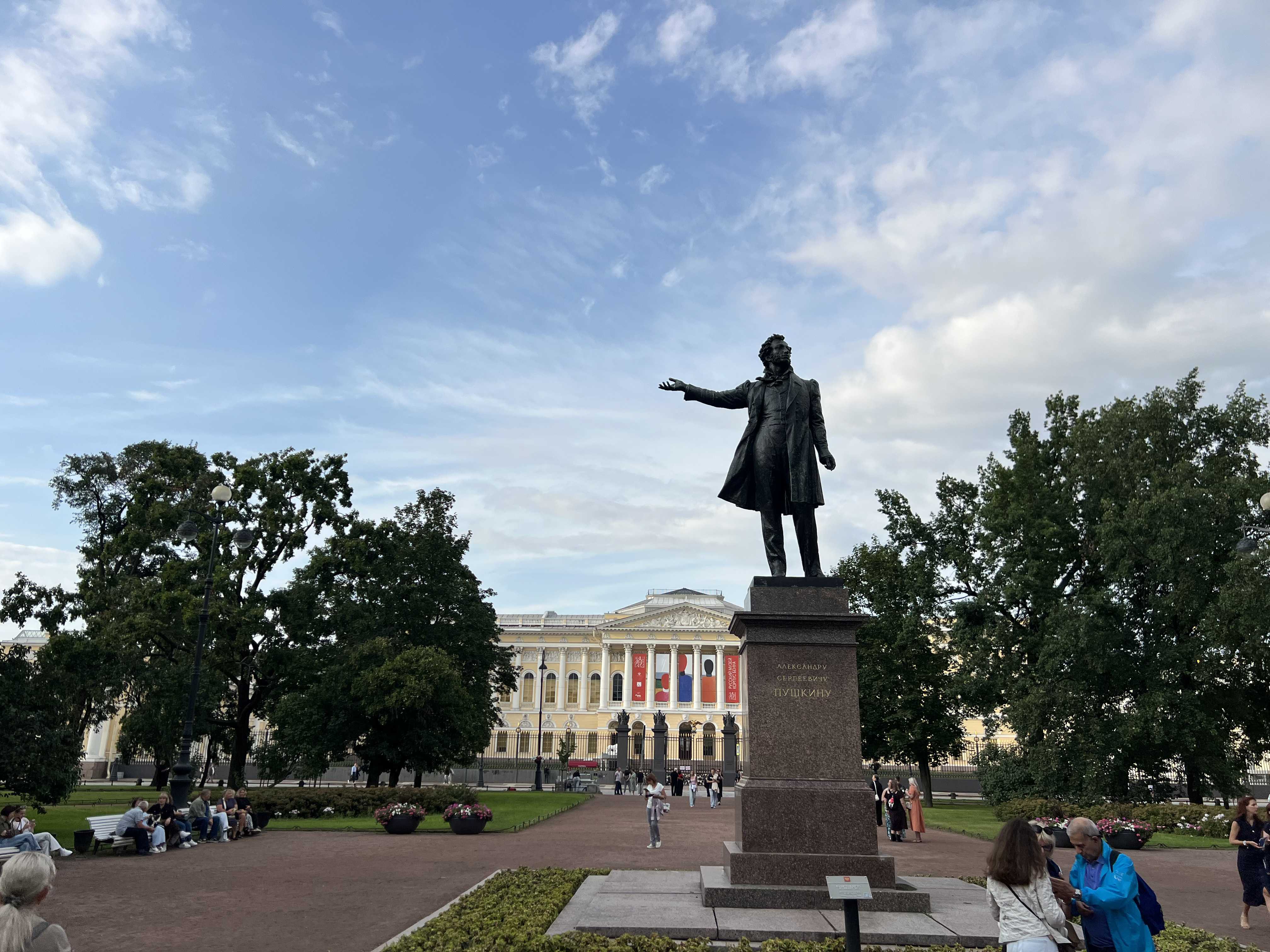
  7. Mikhailovsky Palace (Russian Museum) — point on route “Getting to Know St. Petersburg”

    Mikhailovsky Palace (Russian Museum)

    🏛️ Museum · 🏰 Palace · 📜 Historic site

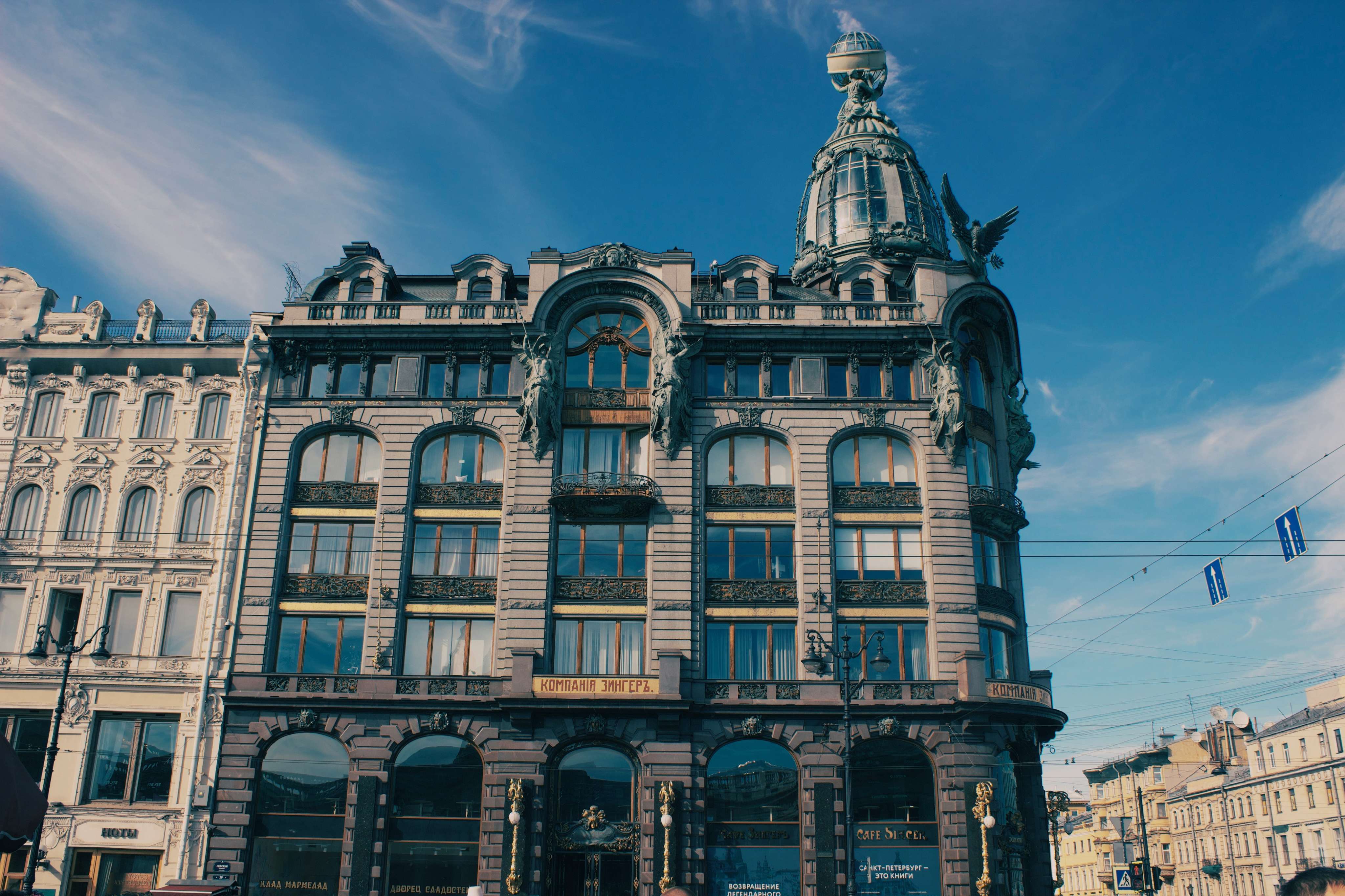
  8. Singer Company Building — point on route “Getting to Know St. Petersburg”

    Singer Company Building

    🏟️ Architectural landmark · 🕵️ Urban legend · 🔭 Viewpoint

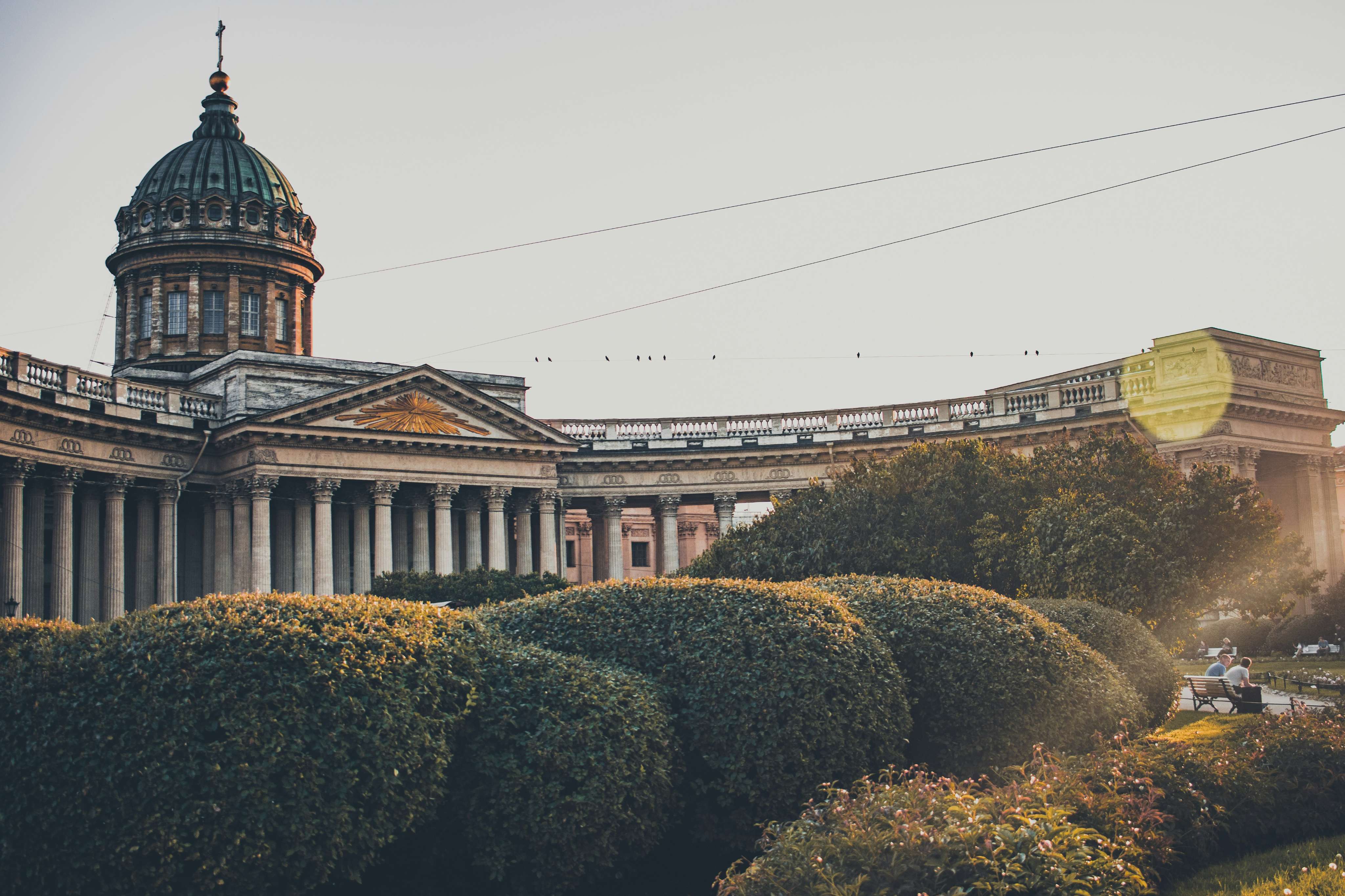
  9. Kazan Cathedral — point on route “Getting to Know St. Petersburg”

    Kazan Cathedral

    🕍 Place of worship · 📜 Historic site · 🏟️ Architectural landmark

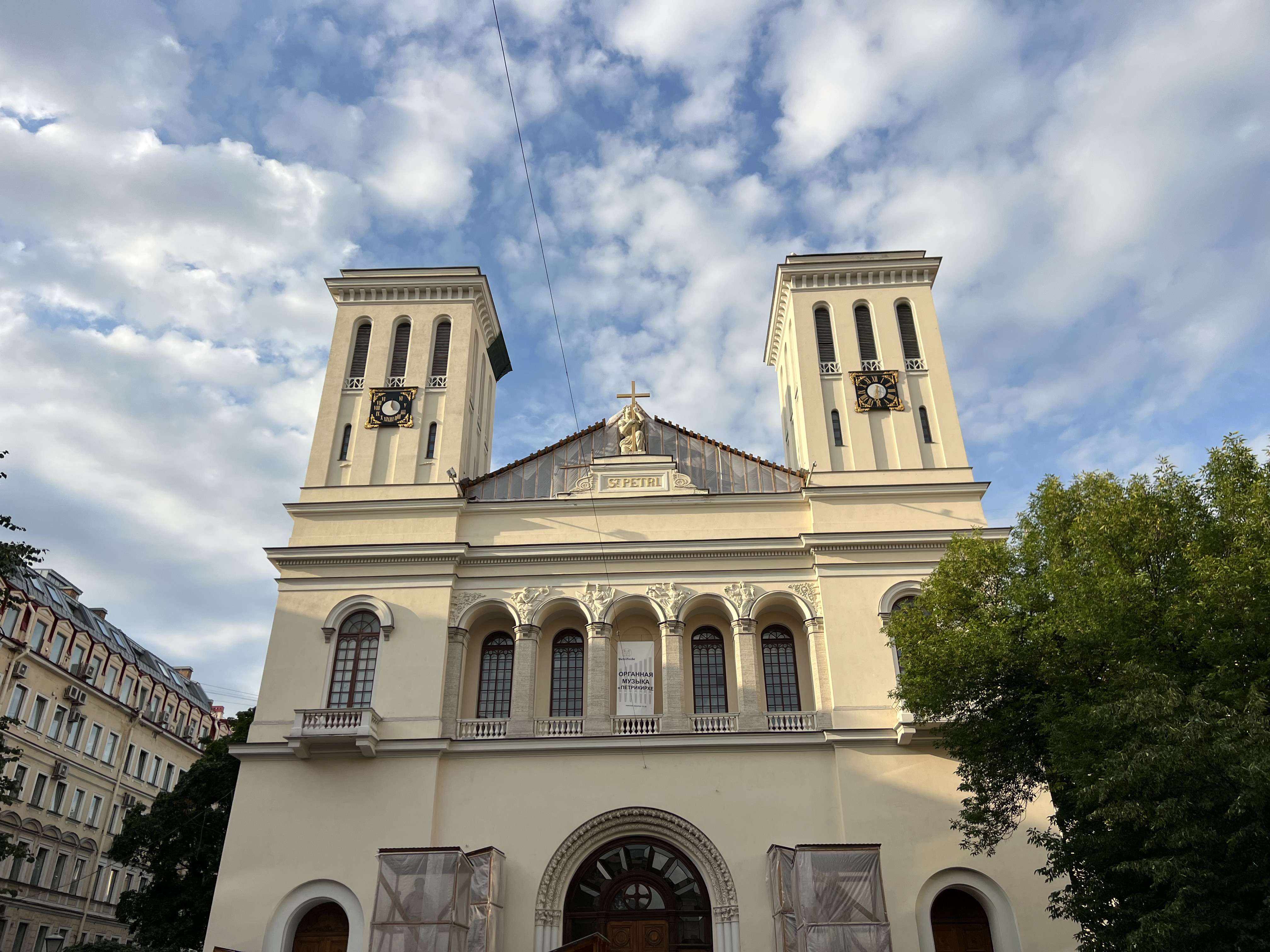
  10. Petrikirche (Church of Sts. Peter and Paul) — point on route “Getting to Know St. Petersburg”

    Petrikirche (Church of Sts. Peter and Paul)

    🕍 Place of worship · 🕵️ Urban legend · 📜 Historic site

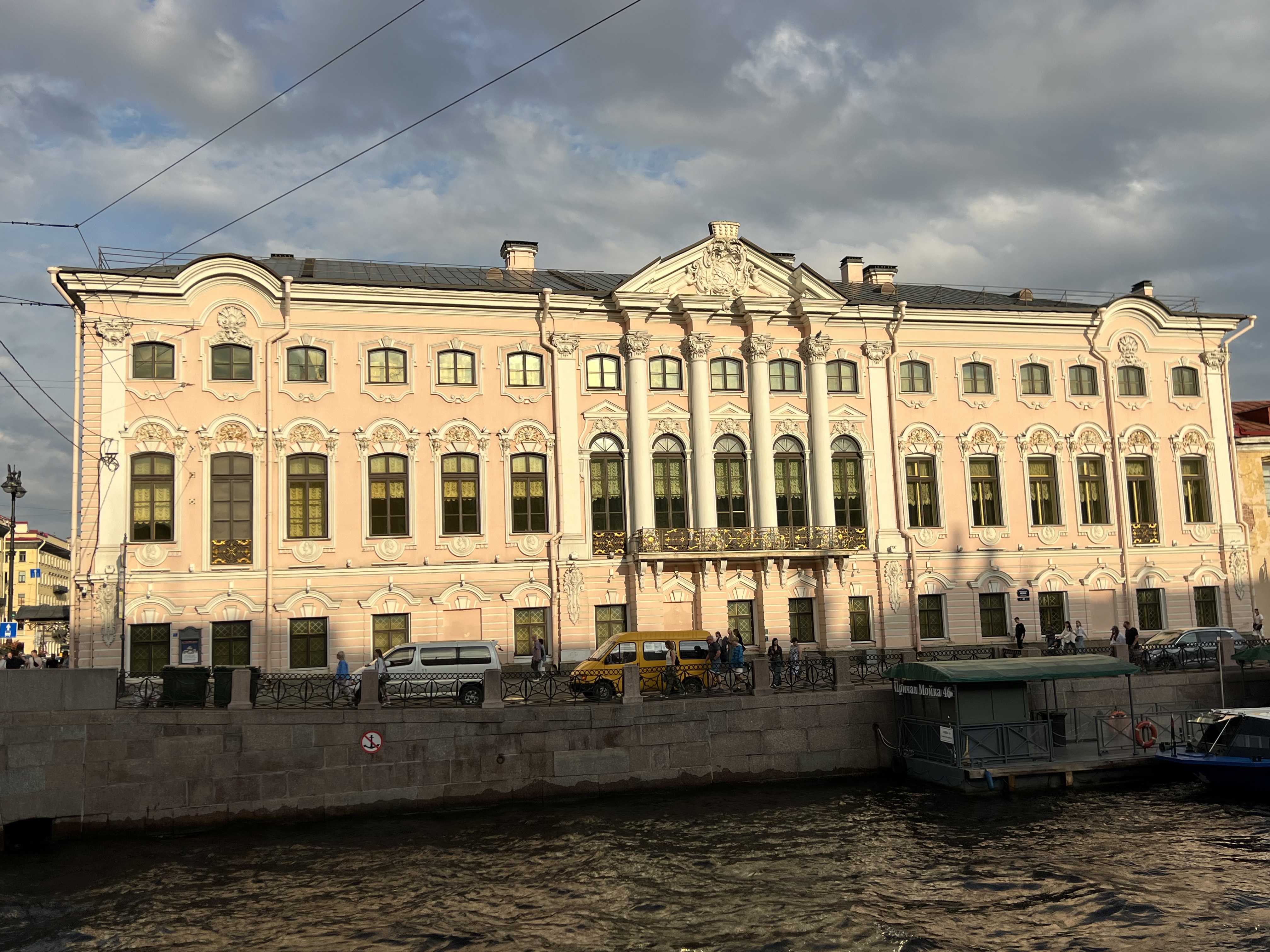
  11. Stroganov Palace — point on route “Getting to Know St. Petersburg”

    Stroganov Palace

    🏰 Palace · 📜 Historic site · 🏛️ Museum

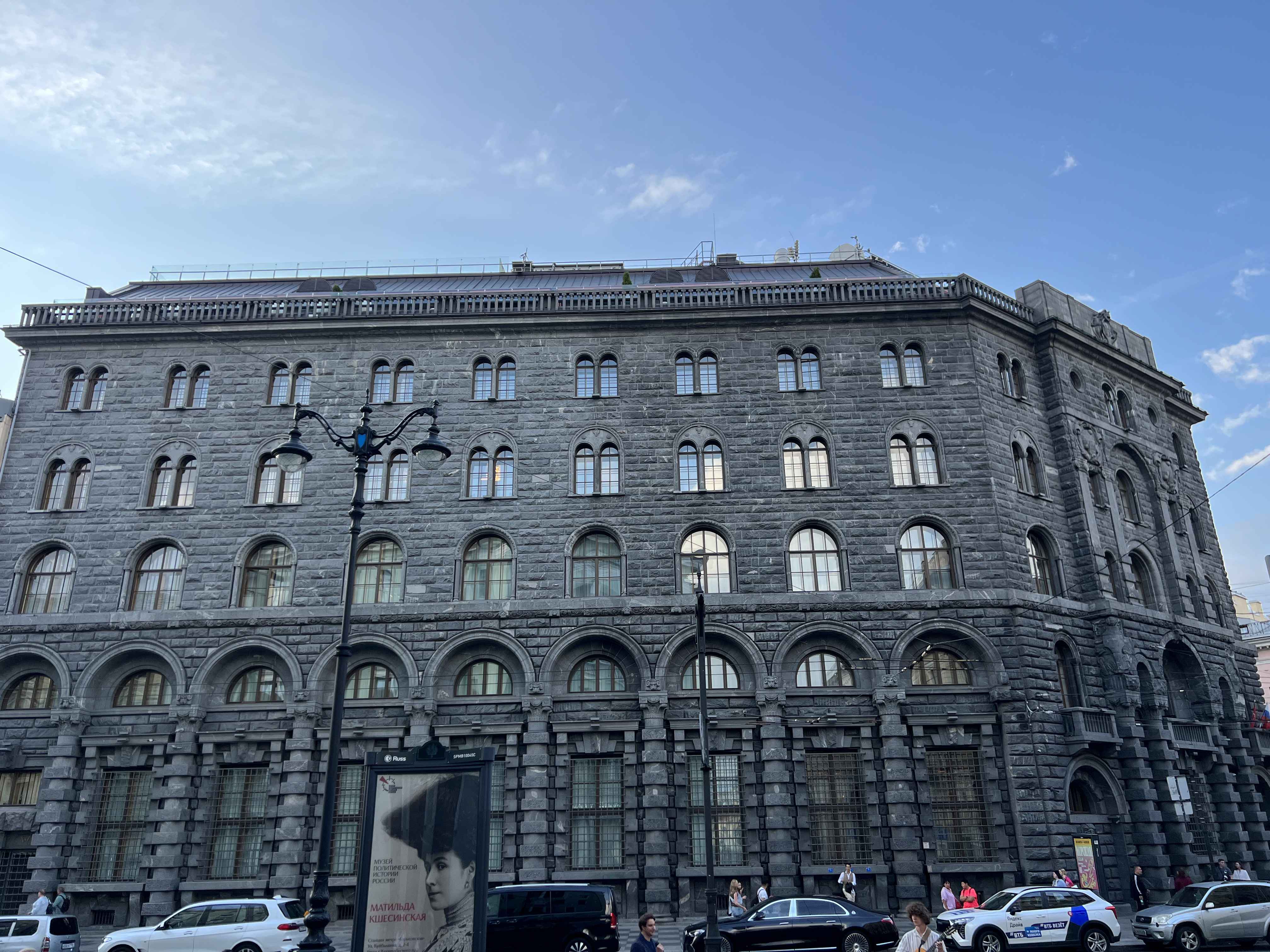
  12. Wawelberg House — point on route “Getting to Know St. Petersburg”

    Wawelberg House

    🏟️ Architectural landmark · 📜 Historic site · 🕵️ Urban legend

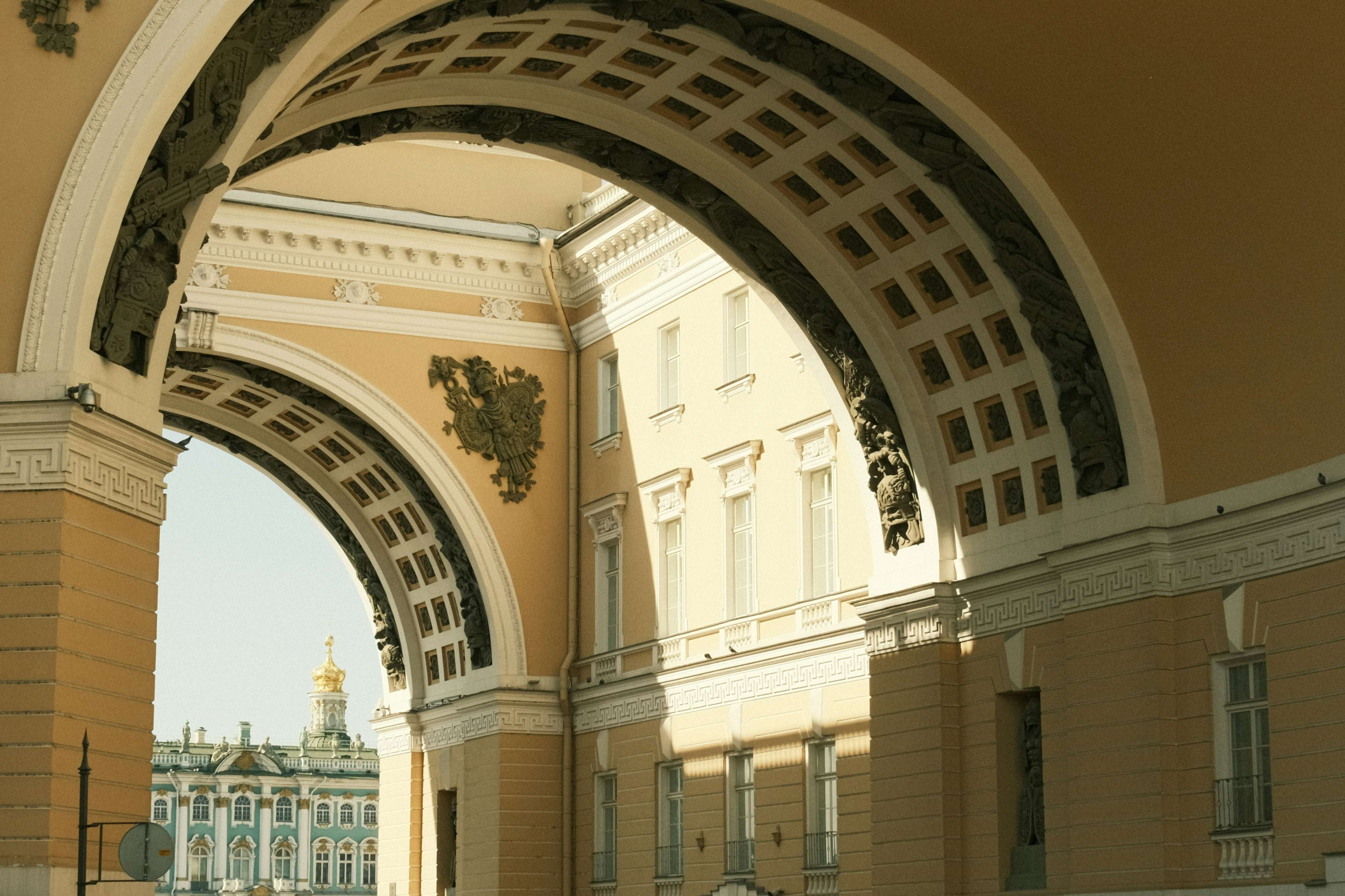
  13. General Staff Arch — point on route “Getting to Know St. Petersburg”

    General Staff Arch

    📜 Historic site · 🏟️ Architectural landmark · 🕵️ Urban legend

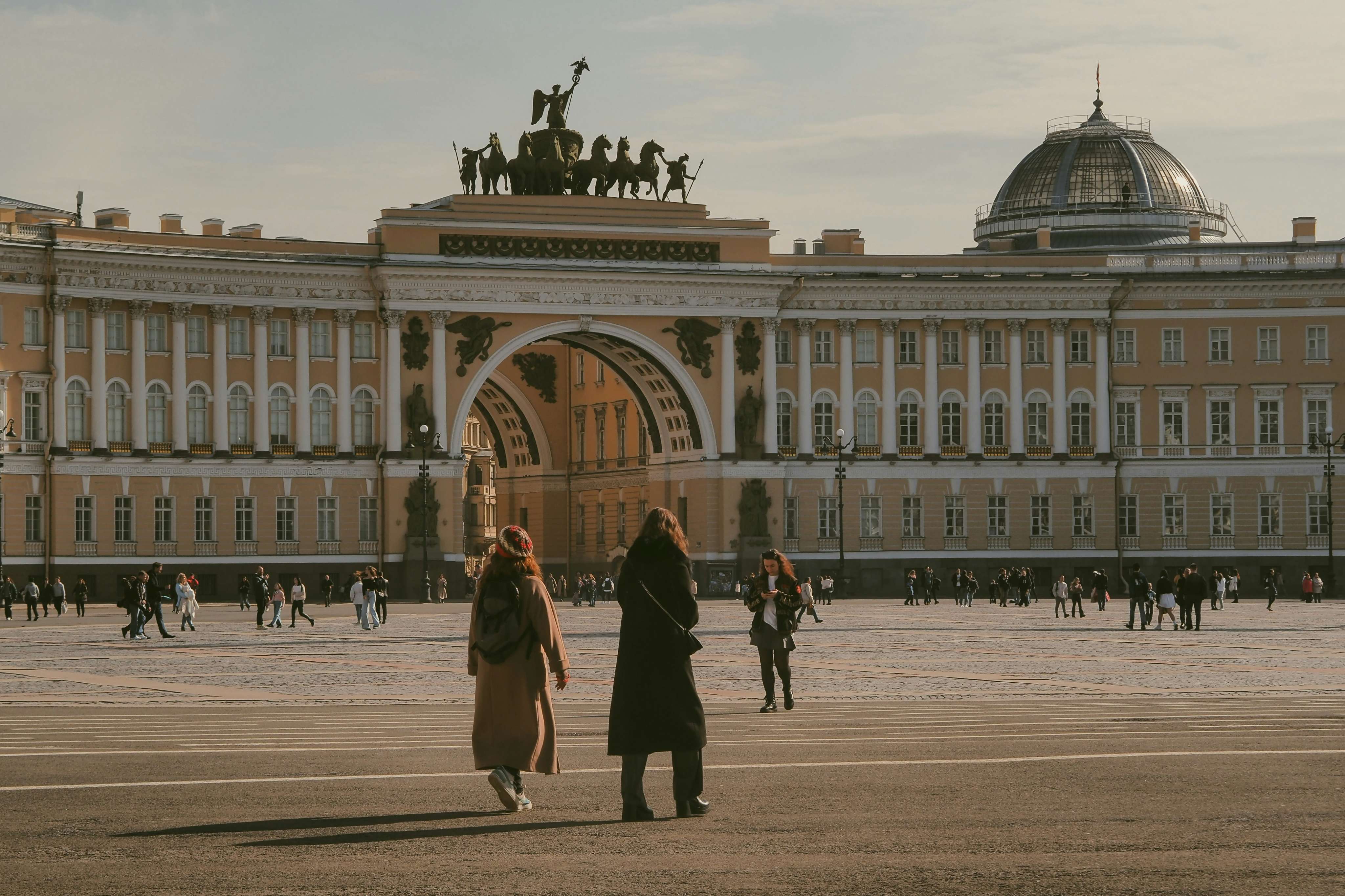
  14. Palace Square — point on route “Getting to Know St. Petersburg”

    Palace Square

    ⛲ Square · 🏰 Palace · 📜 Historic site

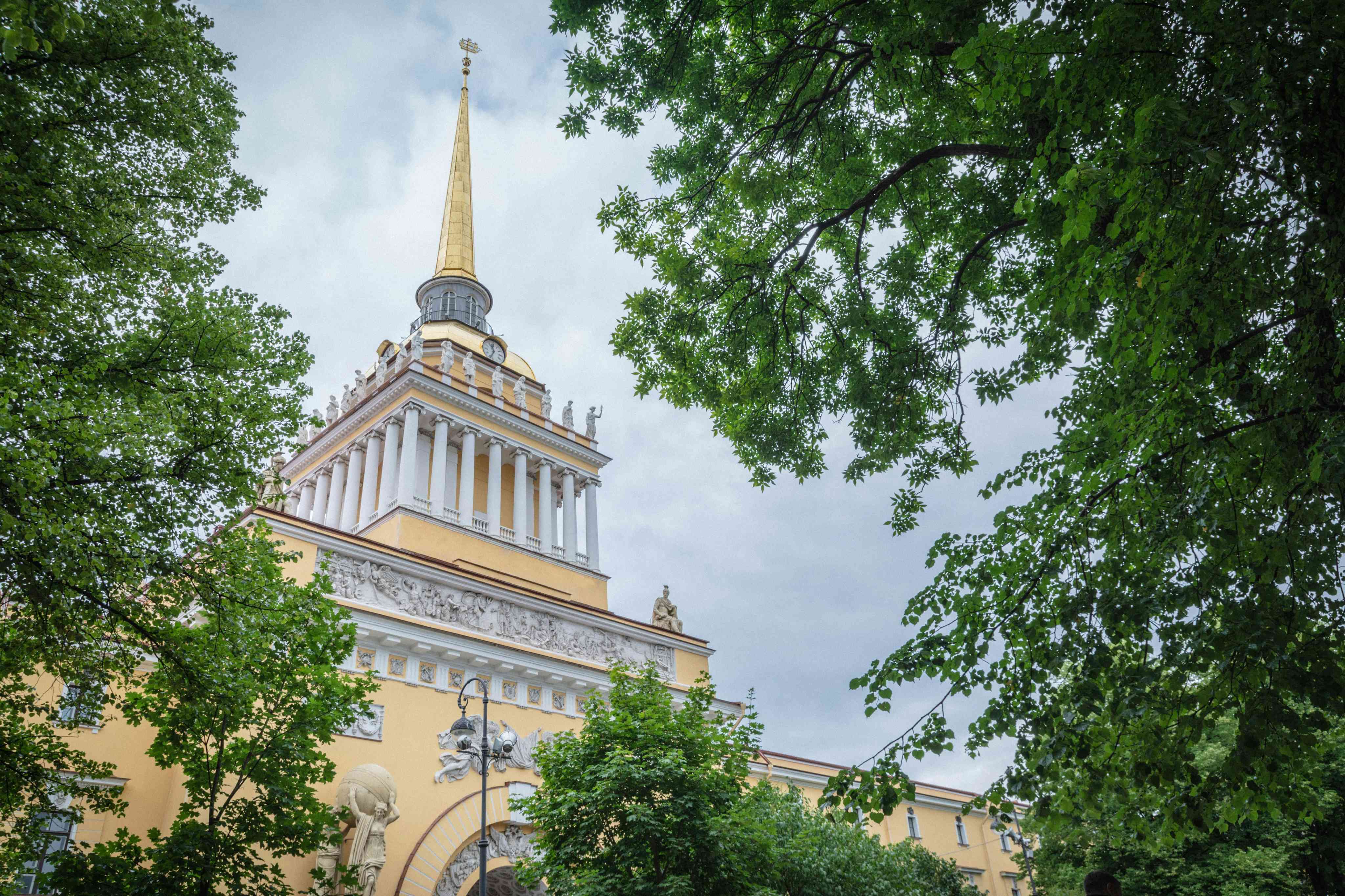
  15. The Admiralty — point on route “Getting to Know St. Petersburg”

    The Admiralty

    📜 Historic site · 🏟️ Architectural landmark · 🕵️ Urban legend

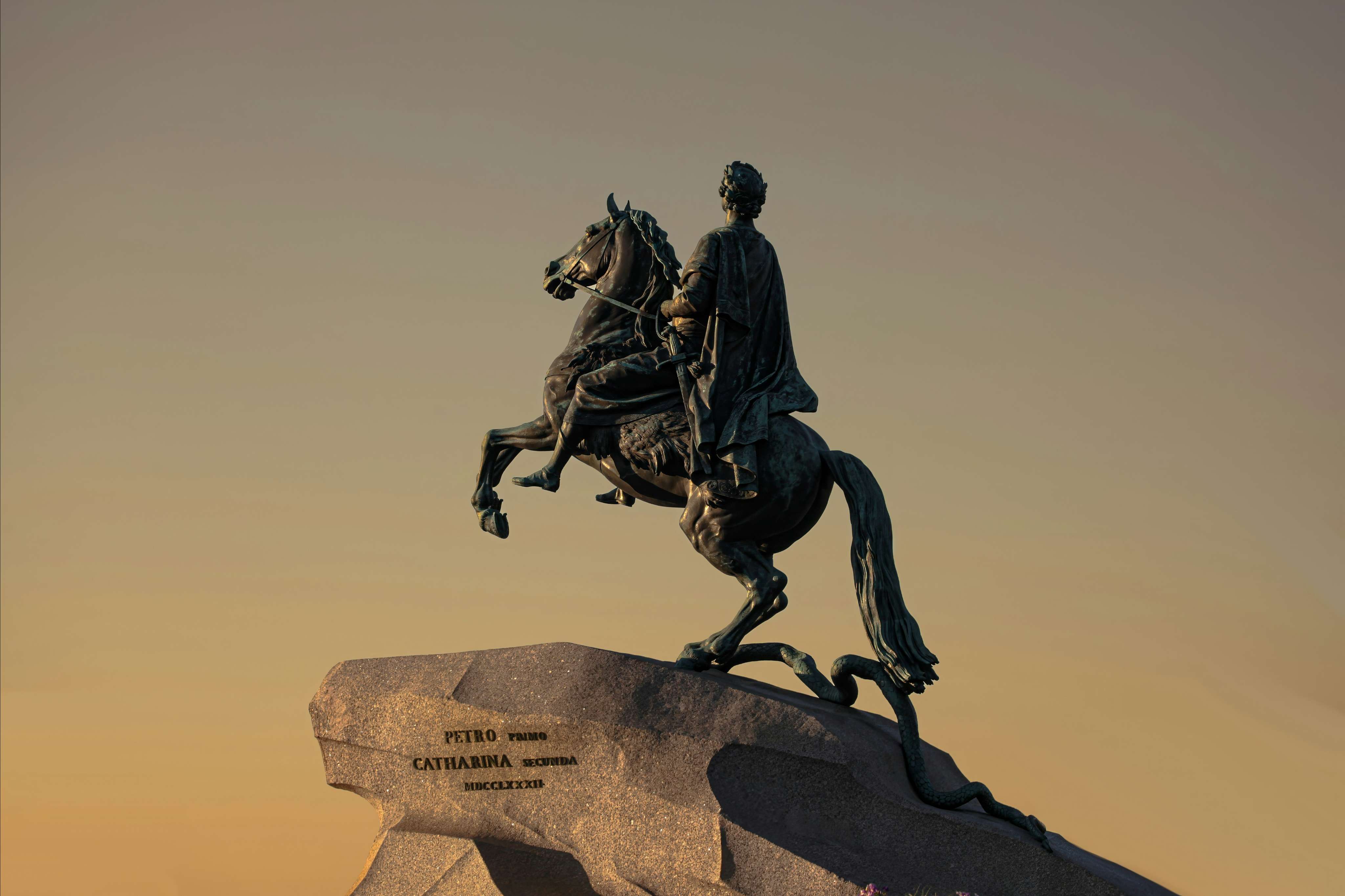
  16. The Bronze Horseman — point on route “Getting to Know St. Petersburg”

    The Bronze Horseman

    🗿 Monument · 🕵️ Urban legend · 🗿 Sculptures

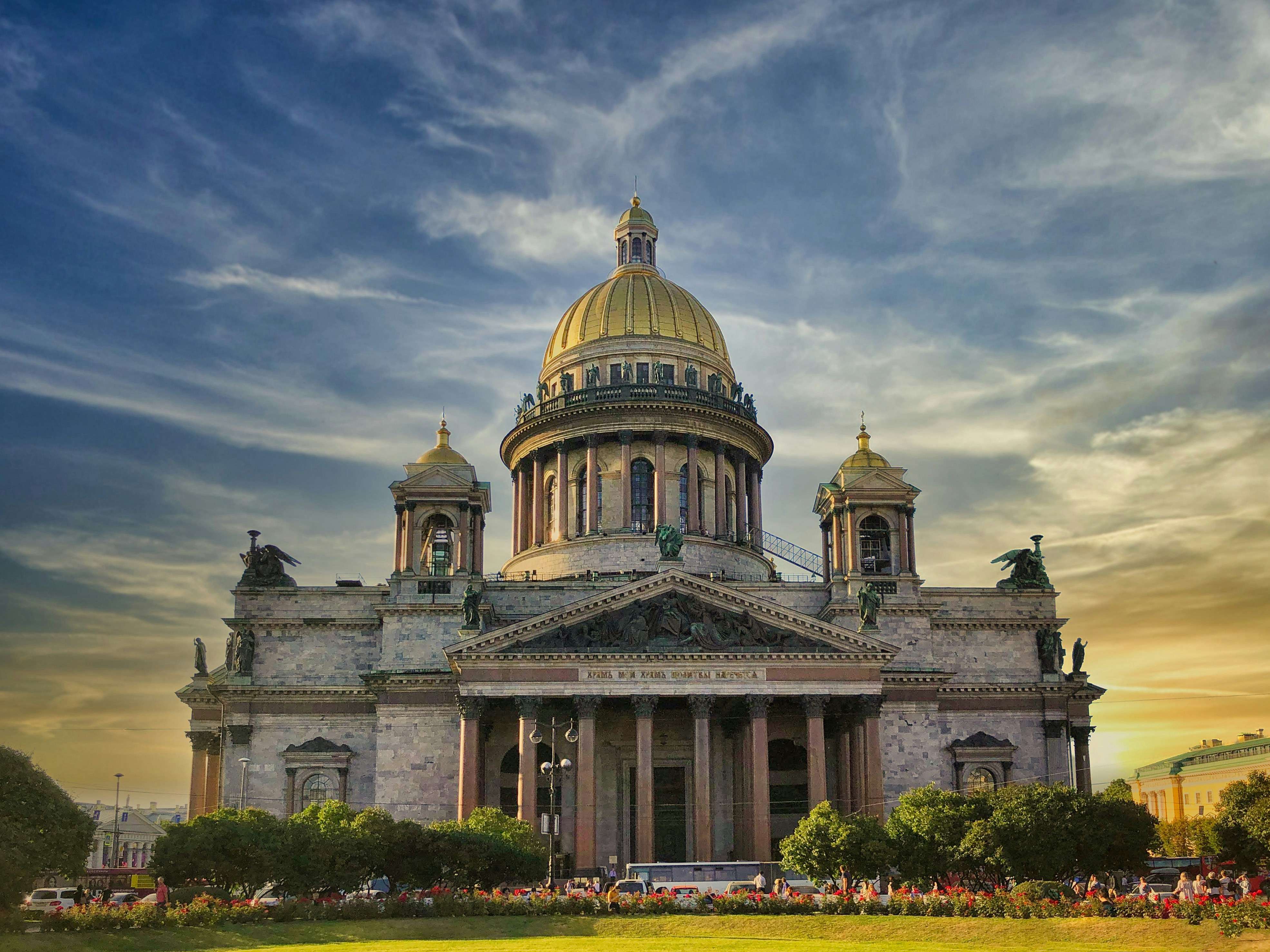
  17. St. Isaac's Cathedral — point on route “Getting to Know St. Petersburg”

    St. Isaac's Cathedral

    🕍 Place of worship · 🕵️ Urban legend · 📜 Historic site

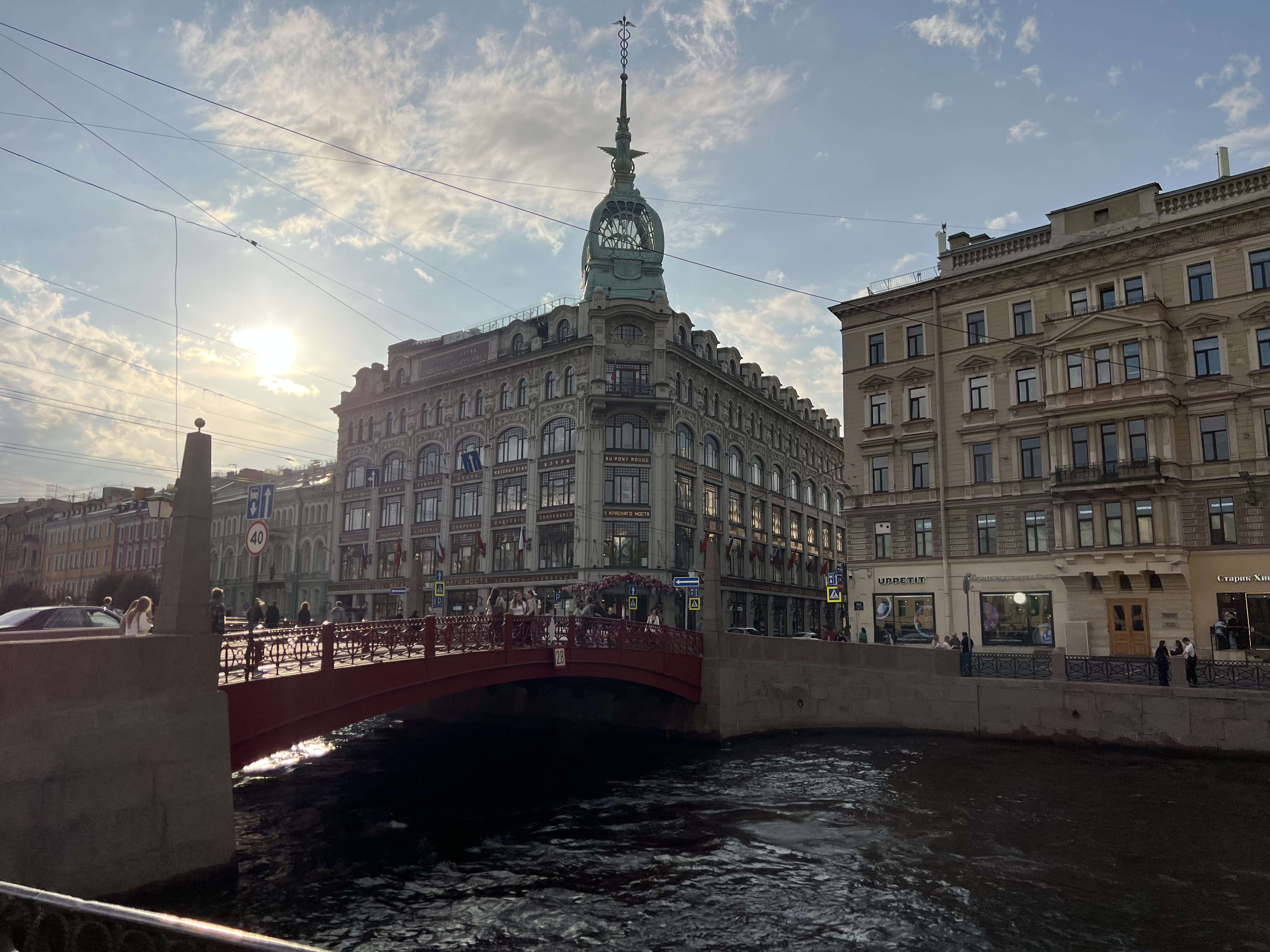
  18. House at the Red Bridge — point on route “Getting to Know St. Petersburg”

    House at the Red Bridge

    🏟️ Architectural landmark · 🕵️ Urban legend · 🌉 Bridge

Ostrovsky Square in Saint Petersburg

Point on route “Getting to Know St. Petersburg”

Ostrovsky Square — point on route “Getting to Know St. Petersburg”

Point 2

Ostrovsky Square

📜 Historic site • 🗿 Monument • ⛲ Square

Historical Background

One of St. Petersburg's best-known squares was laid out in the early 19th century to a design by the brilliant Carlo Rossi. The Russian architect of Italian descent managed to link the square visually with the city's main thoroughfare, Nevsky Prospekt. And thanks to the theater next to it, the place became one of the city's postcard views. The history of the square and its name is closely tied to the neighboring buildings. On the original plan of 1829 it is called Anichkovskaya Square, after the nearby palace. Later it went by various official and unofficial names, such as Alexandrinskaya and Teatralnaya (Theater) Square, after the theater beside it.

Why Ostrovsky?

In the end, the place where Nevsky Prospekt, Zodchego Rossi Street, and Malaya Sadovaya Street meet was named first Writer Ostrovsky Square and then simply Ostrovsky Square. The famous Russian playwright never lived in St. Petersburg, but most of his celebrated plays were successfully staged at the Alexandrinsky Theater.

The Monument to Catherine

Today the monument to Catherine in the center of Ostrovsky Square closely resembles, in style and design, the Millennium of Russia monument in Veliky Novgorod. That's no coincidence: Mikhail Mikeshin, the author of the famous Novgorod monument, was involved in creating the St. Petersburg one. Originally there was no monument to Catherine II on the square. It was erected and consecrated in 1873. Here it's worth recalling the many nicknames the people of St. Petersburg have given to monuments and buildings. For example, locals often call the monument to Catherine the Great “Katka,” the library “Publichka,” the theater “Alexandrinka,” Apollo's quadriga atop the theater “the Coachman from the Alexandrinka,” and the garden on the square “Katka's Garden.”

The Alexandrinsky Theater

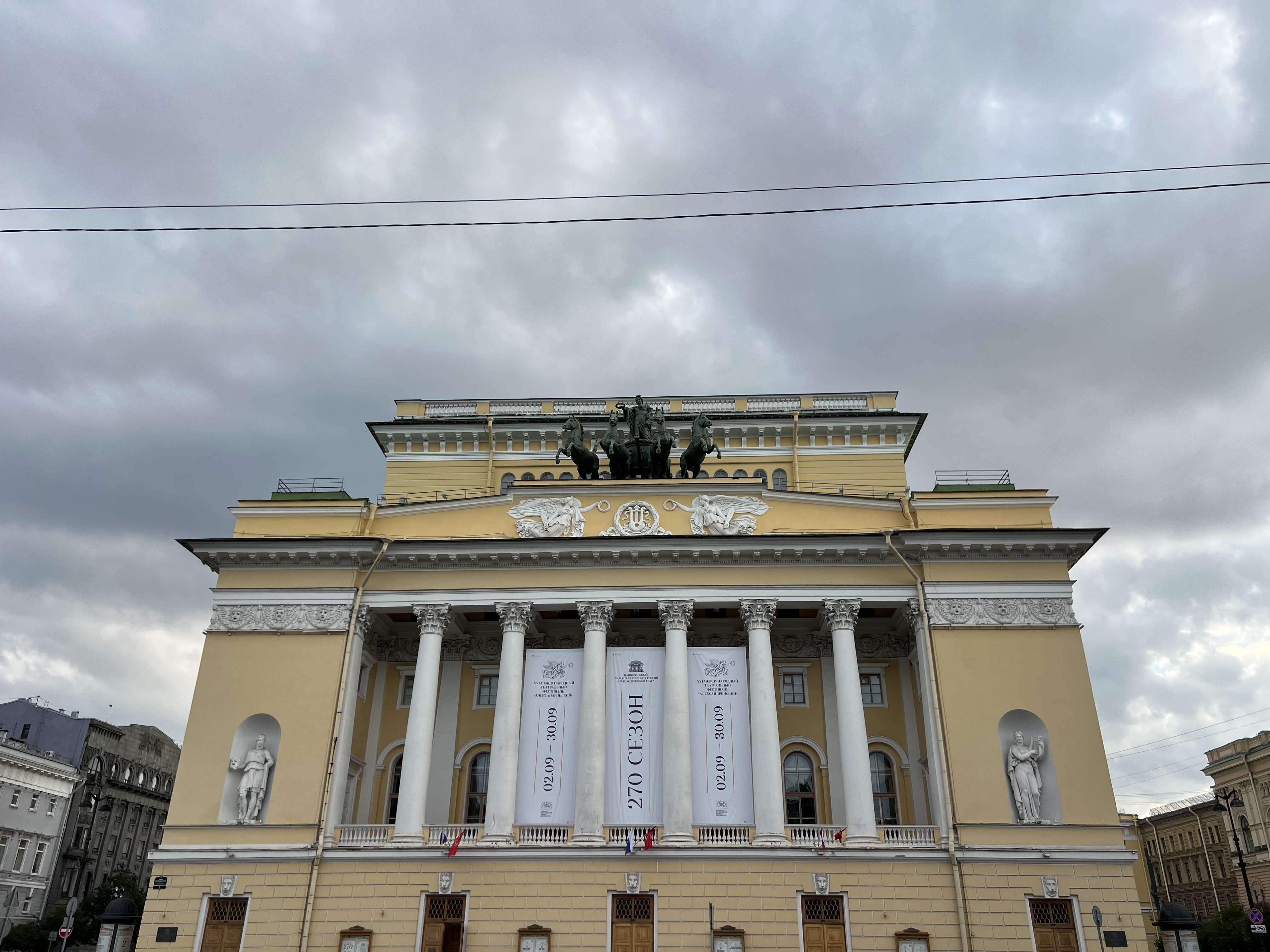
A key building on the square is the Alexandrinsky Theater, built in 1828–1832 to a design by Carlo Rossi. The theater is named after the wife of Emperor Nicholas I. Its main facade, which stands out strikingly against the yellow walls with its six columns, faces Nevsky Prospekt. It is one of the most recognizable buildings in St. Petersburg. The theater is richly decorated. The facade has a loggia with 6 columns, and statues of the Muses, patrons of the arts, stand in niches on either side. The top of the facade is crowned with the chariot of Apollo, god of beauty and patron of the arts. It was hammered out of sheet copper after a model by the sculptor S. S. Pimenov. The building houses the Pushkin Russian State Academic Drama Theater, Russia's oldest national theater. It was founded in 1756 and moved into the new building in 1832. Almost all the premieres of Russian dramatic classics were staged at the Alexandrinsky Theater.

Nearby

The National Library of Russia Right nearby stands the building of that very library nicknamed “Publichka.” It was once home to the Imperial Public Library. The impressive building was erected on the corner of Nevsky Prospekt and Sadovaya Street in 1796–1801. The idea of an open library in the city goes back to Catherine II. In effect, she launched the idea toward the end of her life, but the building was completed later. The first book collection was assembled here; for example, the books Voltaire sent to the enlightened empress are kept here. Today this is a vast collection of almost 40 million items: prose, poetry, manuscripts, archives, scientific papers, and sound recordings. For example, this is where the Laurentian Codex is kept, which contains the oldest surviving copy of “The Tale of Bygone Years.”