←Getting to Know St. Petersburg

Getting to Know St. Petersburg

Photo of route “Getting to Know St. Petersburg”
18 points7 km1.5 hours

In the city on the Neva, luxurious palaces, world-class museums, old cathedrals, and cozy embankments blend in perfect harmony. This route will highlight the city's main sights, along with some of its secrets and legends.

Things to do

  • 📸 Take photos
  • 📜 Learn the city's history
  • 🏰🕵️‍♂️ Discover a legend

Route points (18)

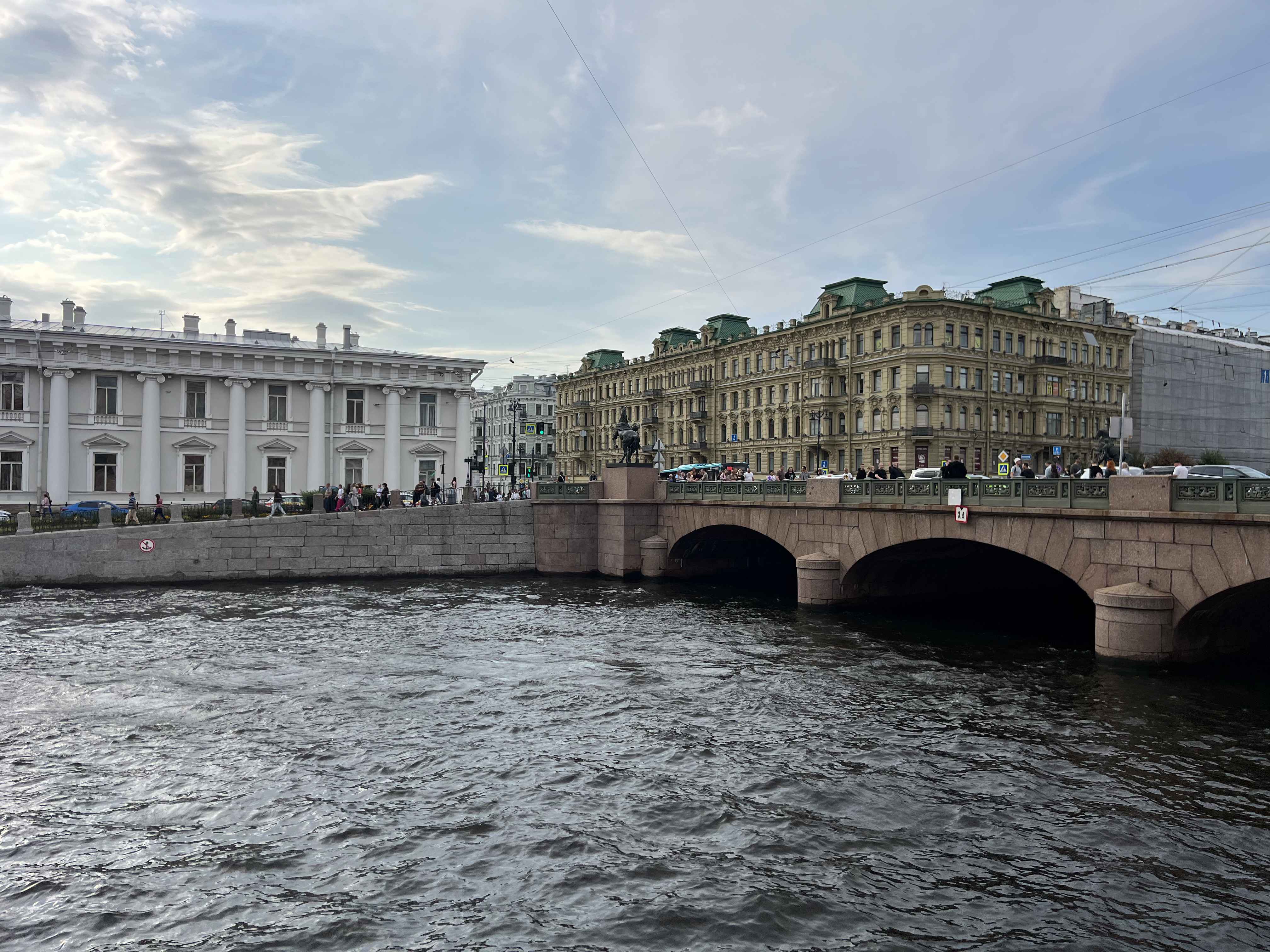
  1. Anichkov Bridge and Palace — point on route “Getting to Know St. Petersburg”

    Anichkov Bridge and Palace

    📜 Historic site · 🏰 Palace · 🌉 Bridge

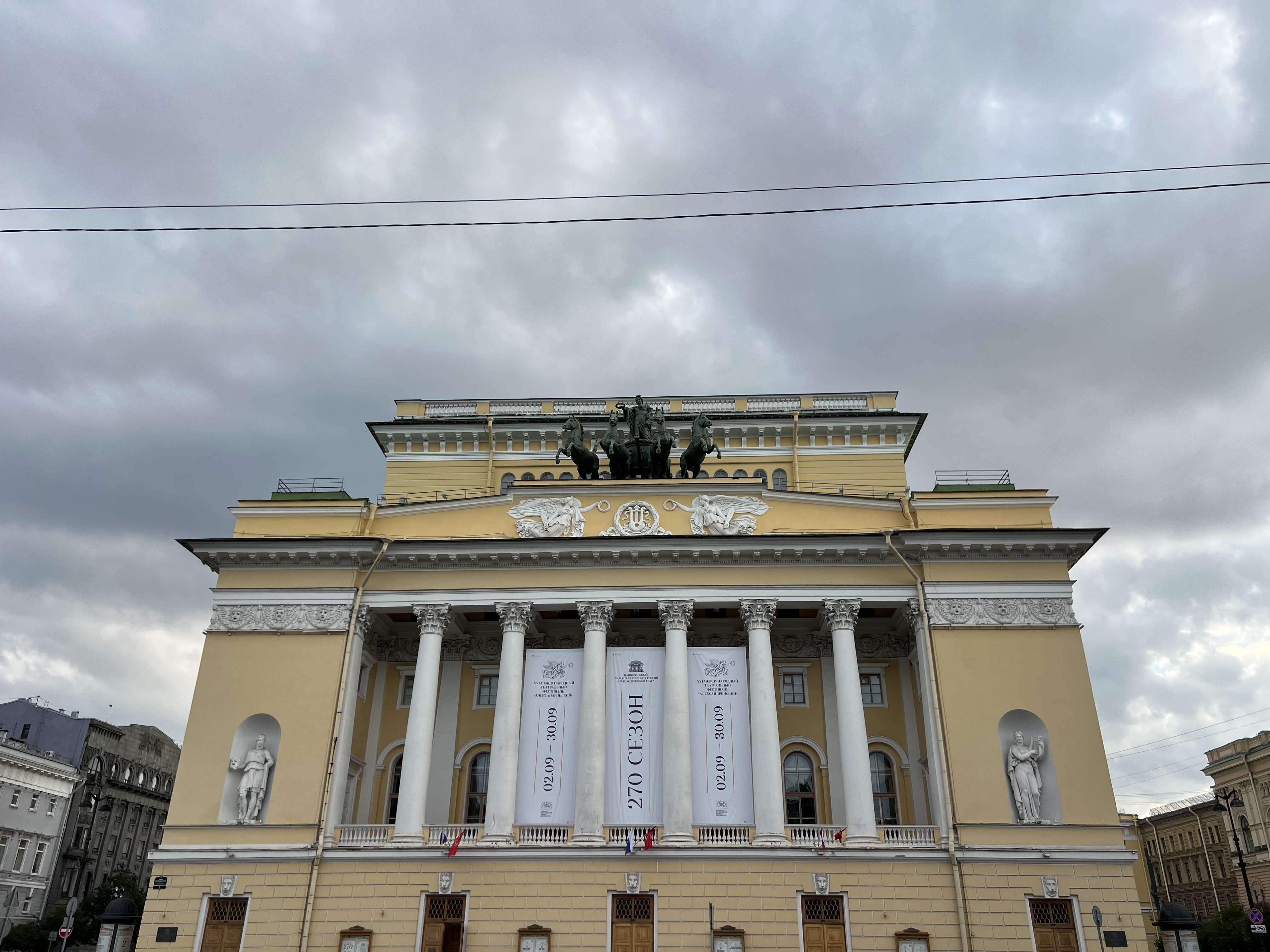
  2. Ostrovsky Square — point on route “Getting to Know St. Petersburg”

    Ostrovsky Square

    📜 Historic site · 🗿 Monument · ⛲ Square

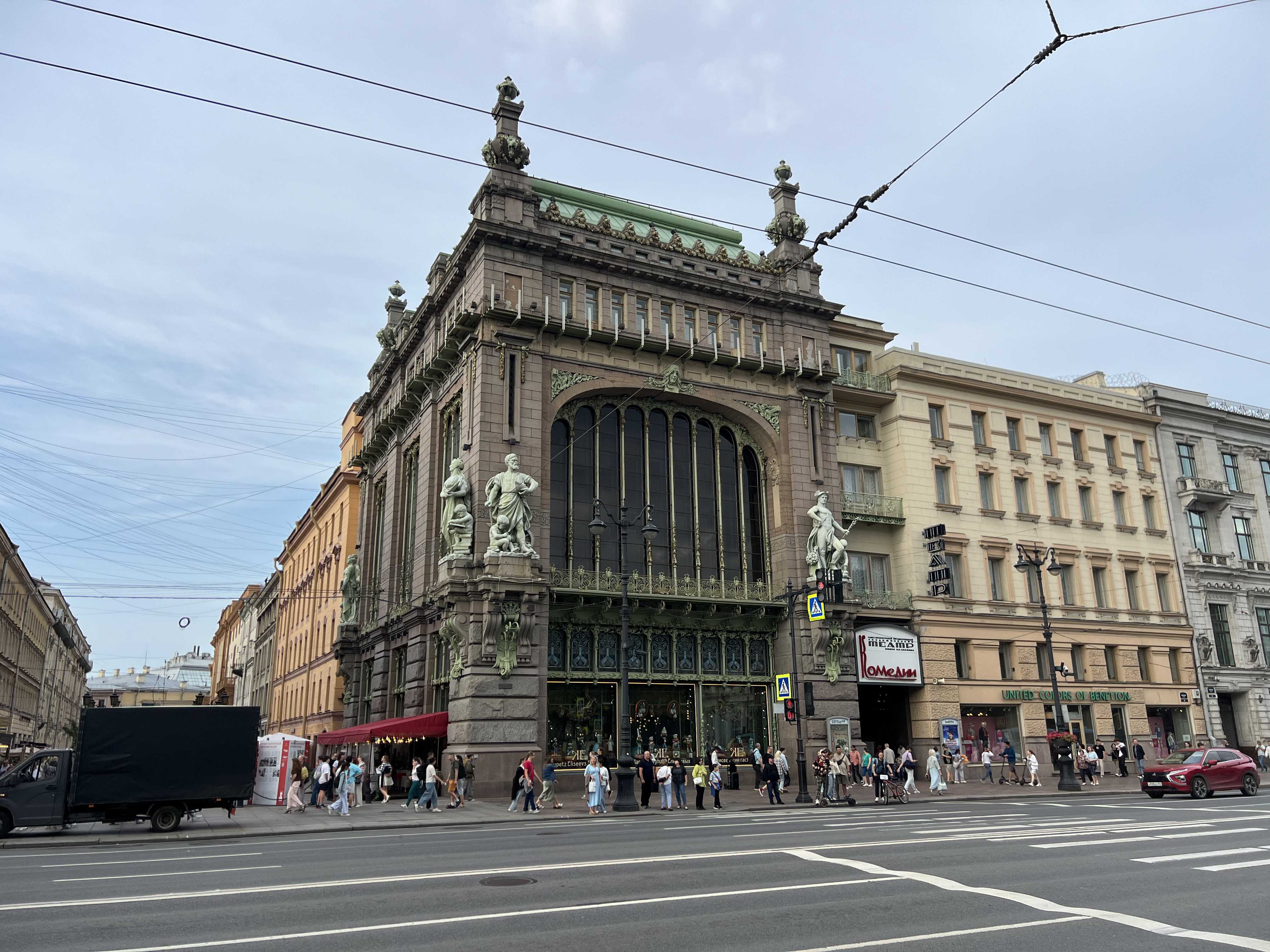
  3. Eliseev Brothers Trading House — point on route “Getting to Know St. Petersburg”

    Eliseev Brothers Trading House

    🏟️ Architectural landmark · 📜 Historic site · 🕵️ Urban legend

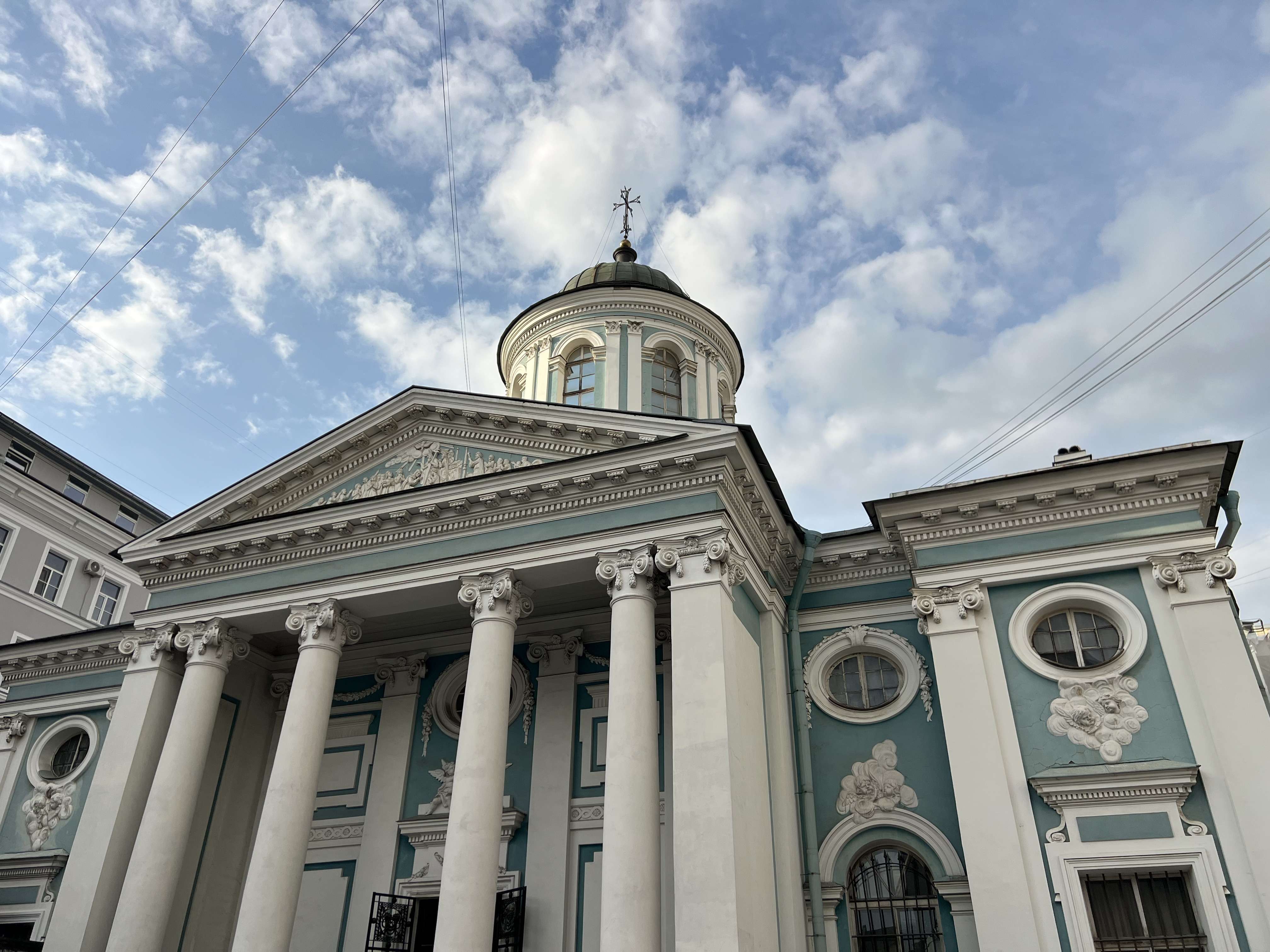
  4. Armenian Church of St. Catherine — point on route “Getting to Know St. Petersburg”

    Armenian Church of St. Catherine

    🕍 Place of worship · 🕵️ Urban legend · 📜 Historic site

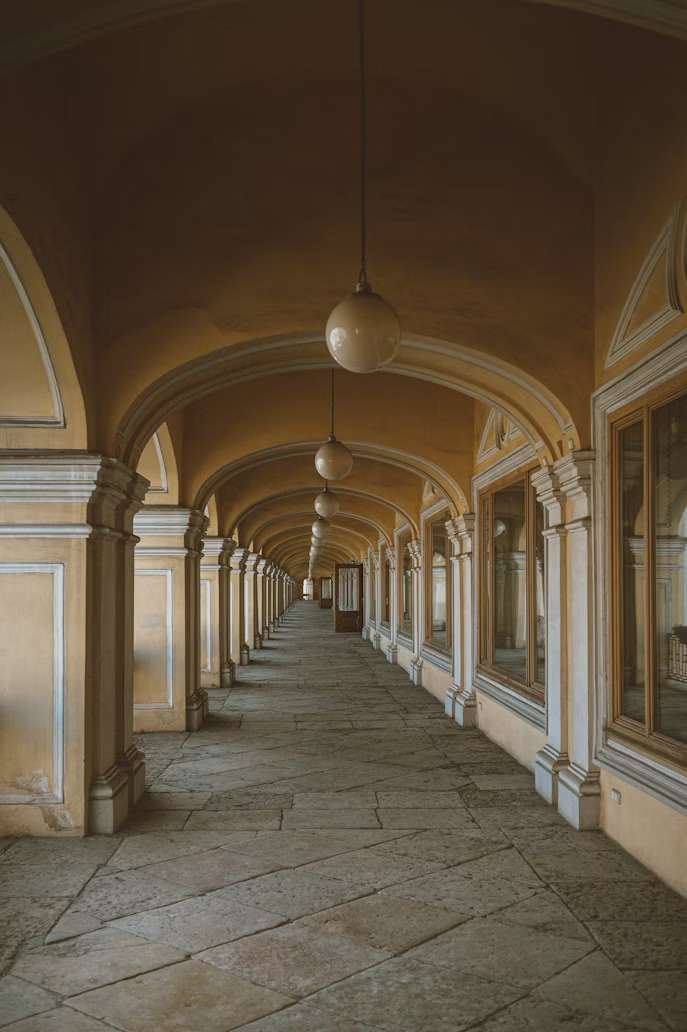
  5. Gostiny Dvor (Merchant Arcade) — point on route “Getting to Know St. Petersburg”

    Gostiny Dvor (Merchant Arcade)

    📜 Historic site · 🏟️ Architectural landmark · 🏺 Market / bazaar

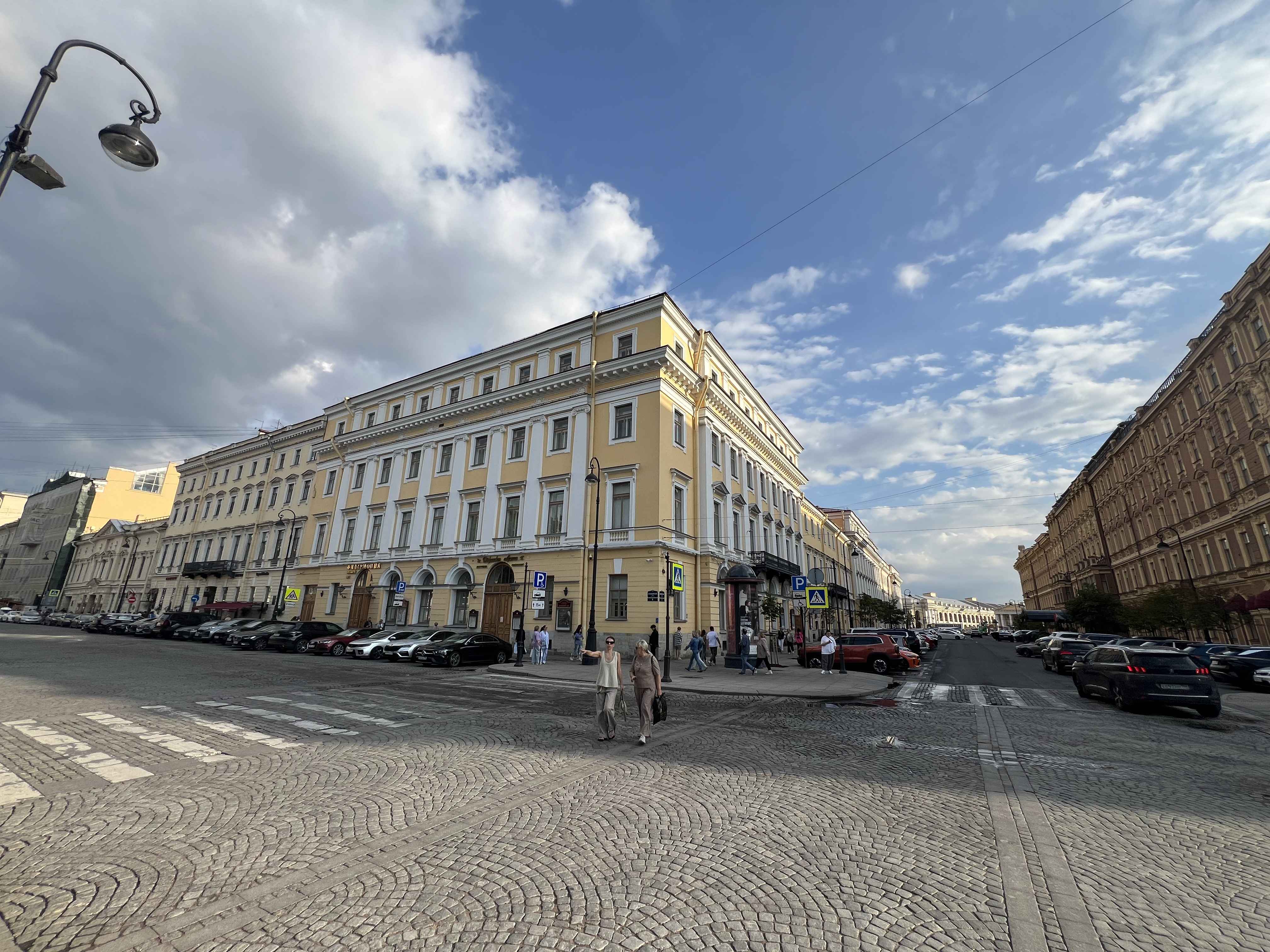
  6. Shostakovich Philharmonia — point on route “Getting to Know St. Petersburg”

    Shostakovich Philharmonia

    🕵️ Urban legend · 📜 Historic site · 🎭 Theater

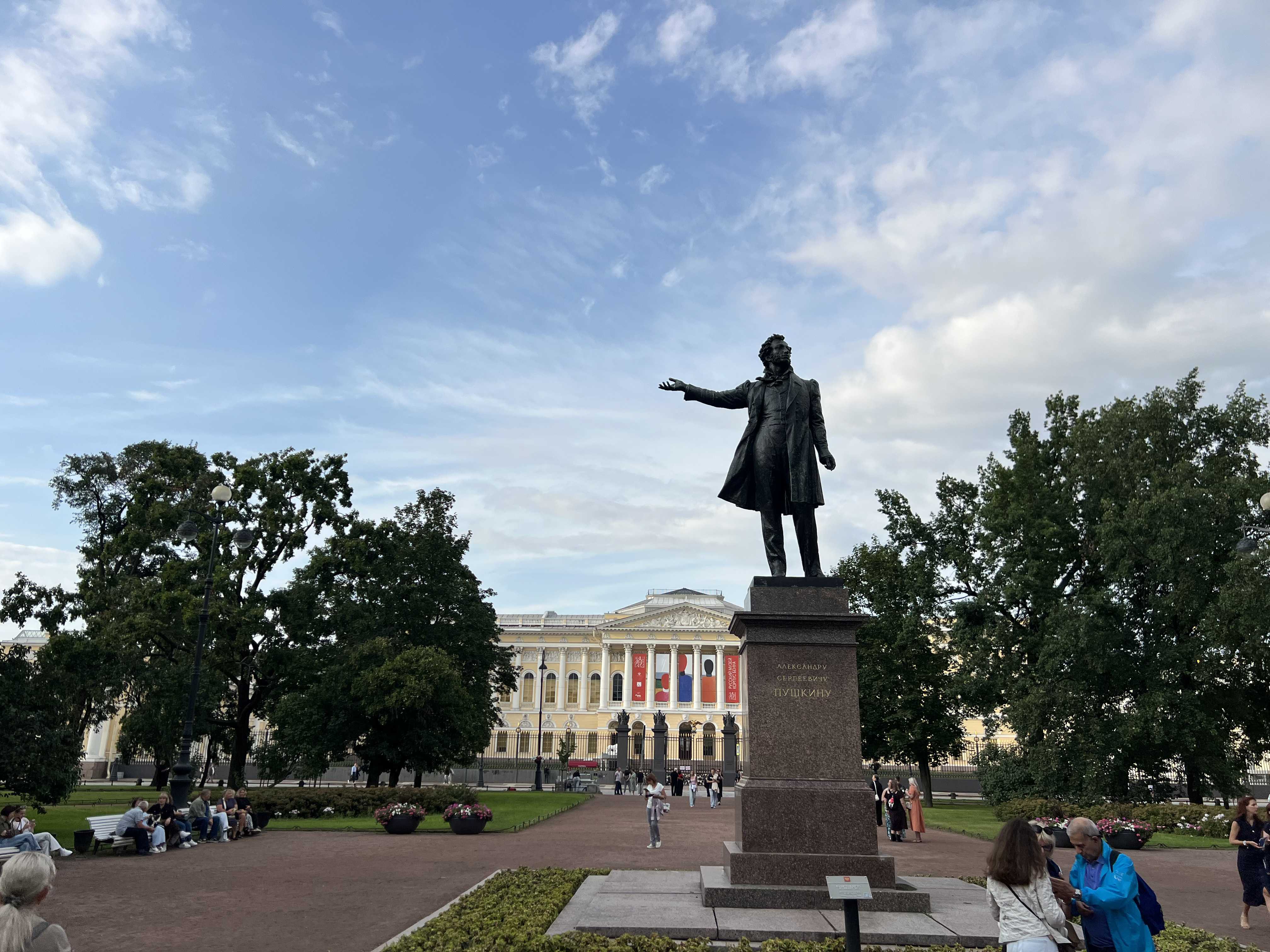
  7. Mikhailovsky Palace (Russian Museum) — point on route “Getting to Know St. Petersburg”

    Mikhailovsky Palace (Russian Museum)

    🏛️ Museum · 🏰 Palace · 📜 Historic site

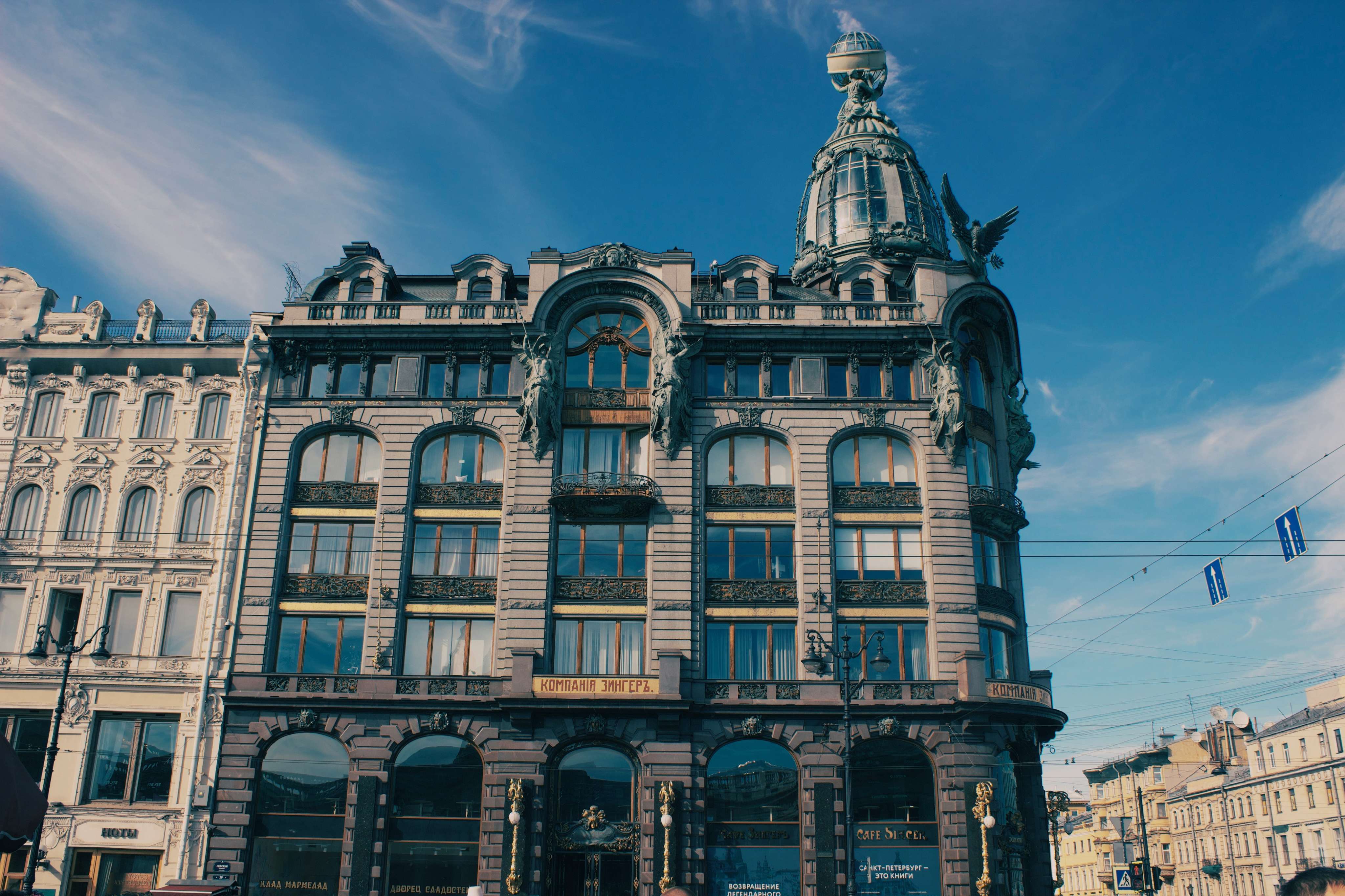
  8. Singer Company Building — point on route “Getting to Know St. Petersburg”

    Singer Company Building

    🏟️ Architectural landmark · 🕵️ Urban legend · 🔭 Viewpoint

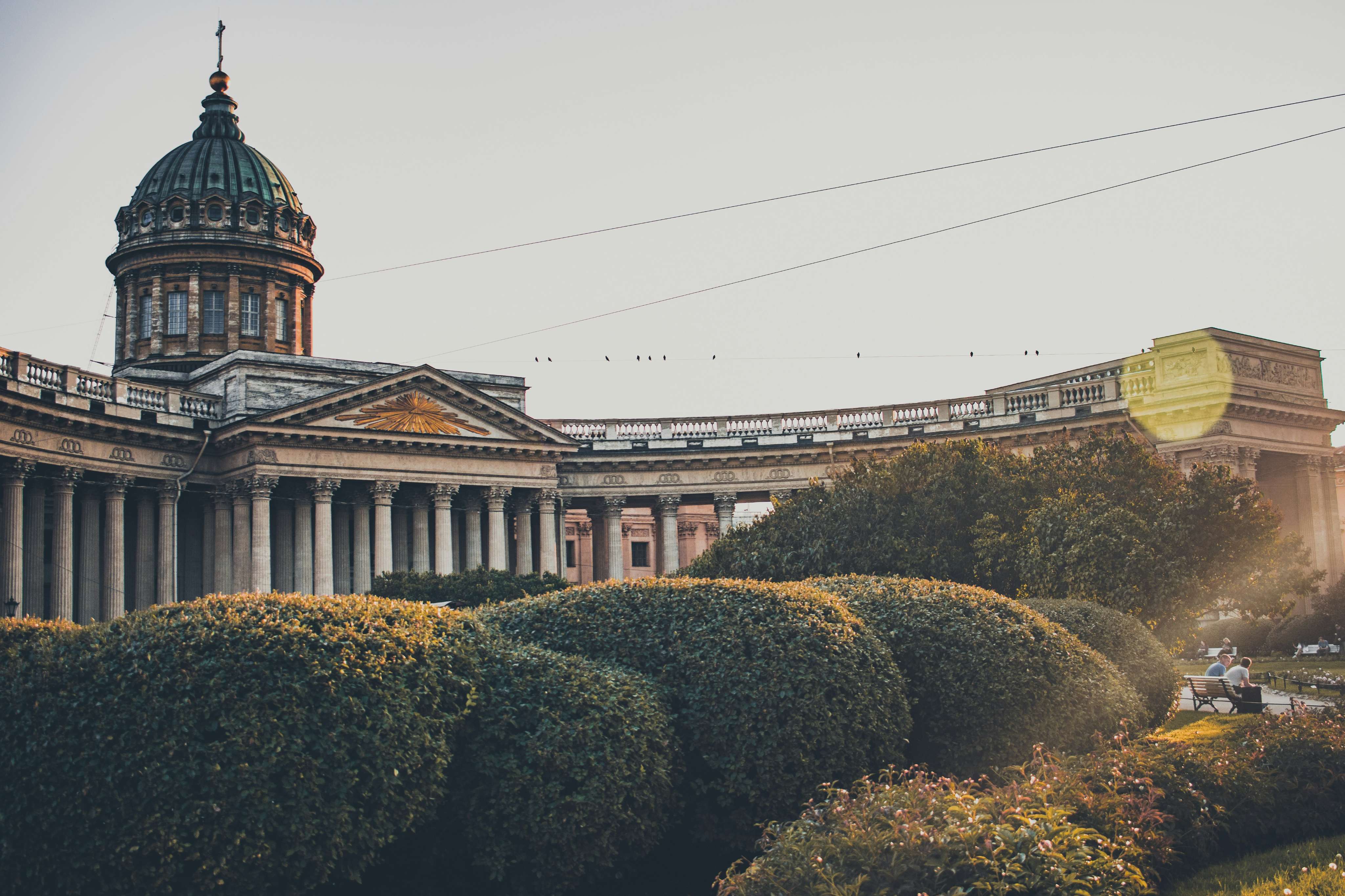
  9. Kazan Cathedral — point on route “Getting to Know St. Petersburg”

    Kazan Cathedral

    🕍 Place of worship · 📜 Historic site · 🏟️ Architectural landmark

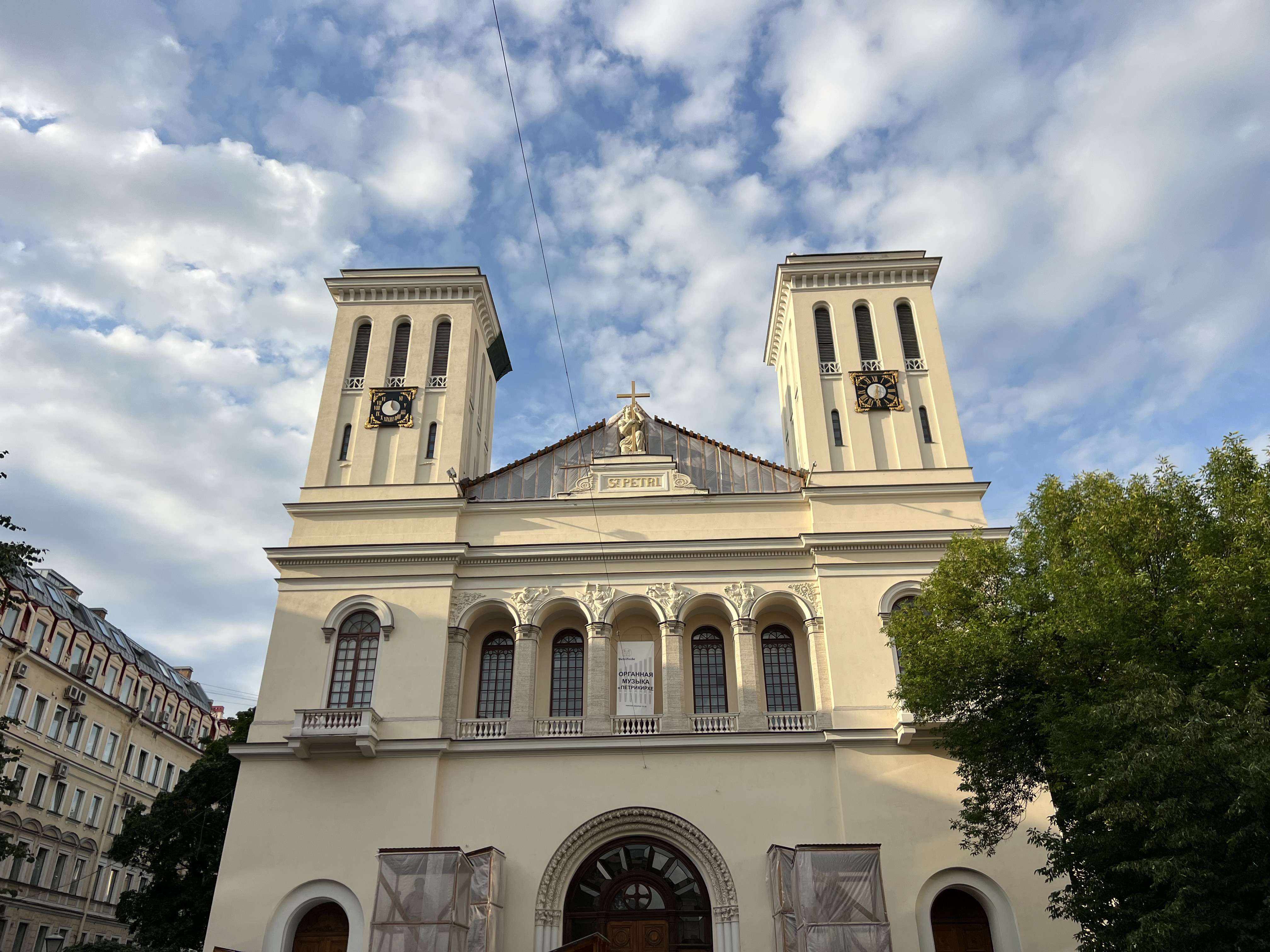
  10. Petrikirche (Church of Sts. Peter and Paul) — point on route “Getting to Know St. Petersburg”

    Petrikirche (Church of Sts. Peter and Paul)

    🕍 Place of worship · 🕵️ Urban legend · 📜 Historic site

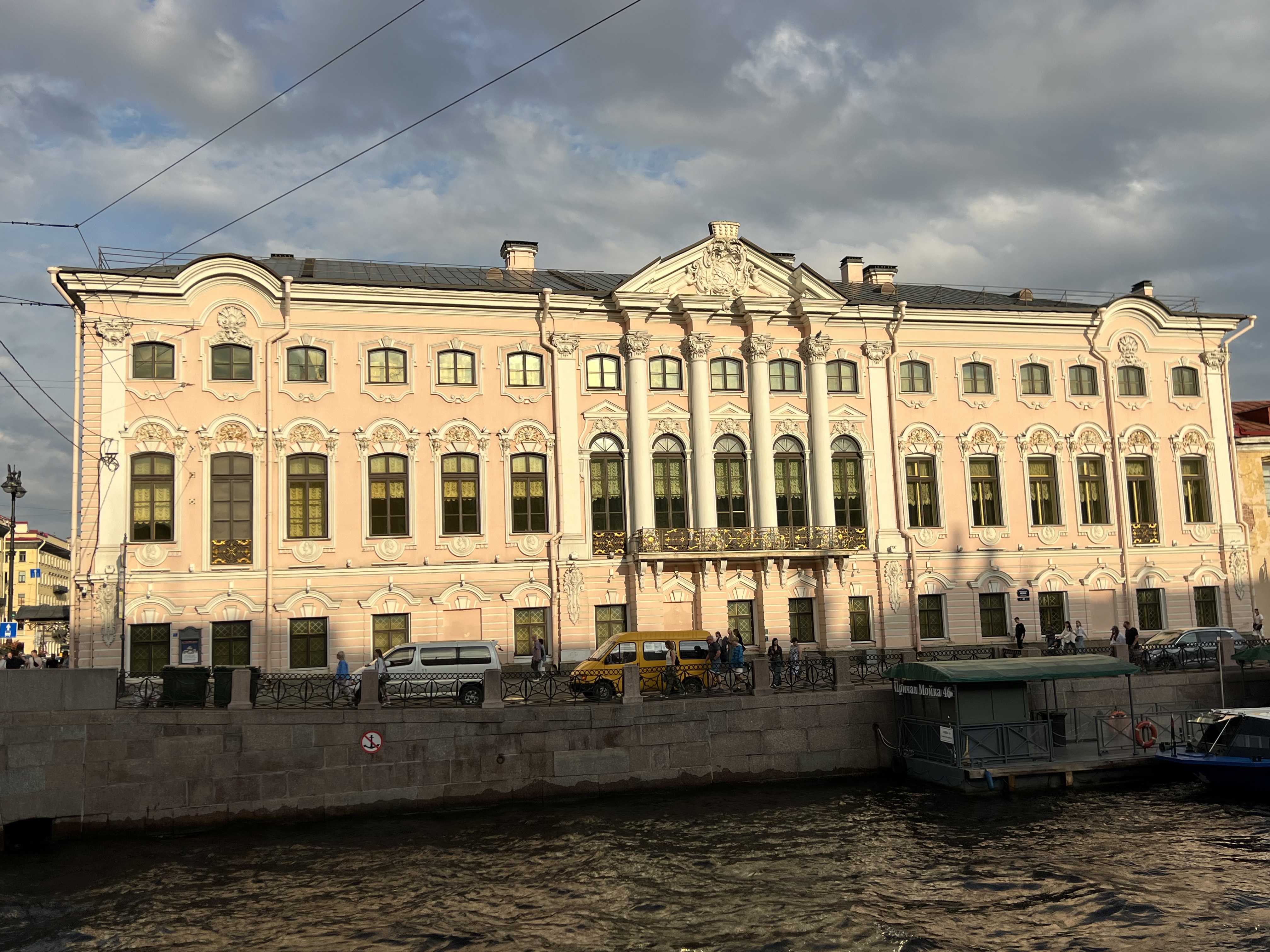
  11. Stroganov Palace — point on route “Getting to Know St. Petersburg”

    Stroganov Palace

    🏰 Palace · 📜 Historic site · 🏛️ Museum

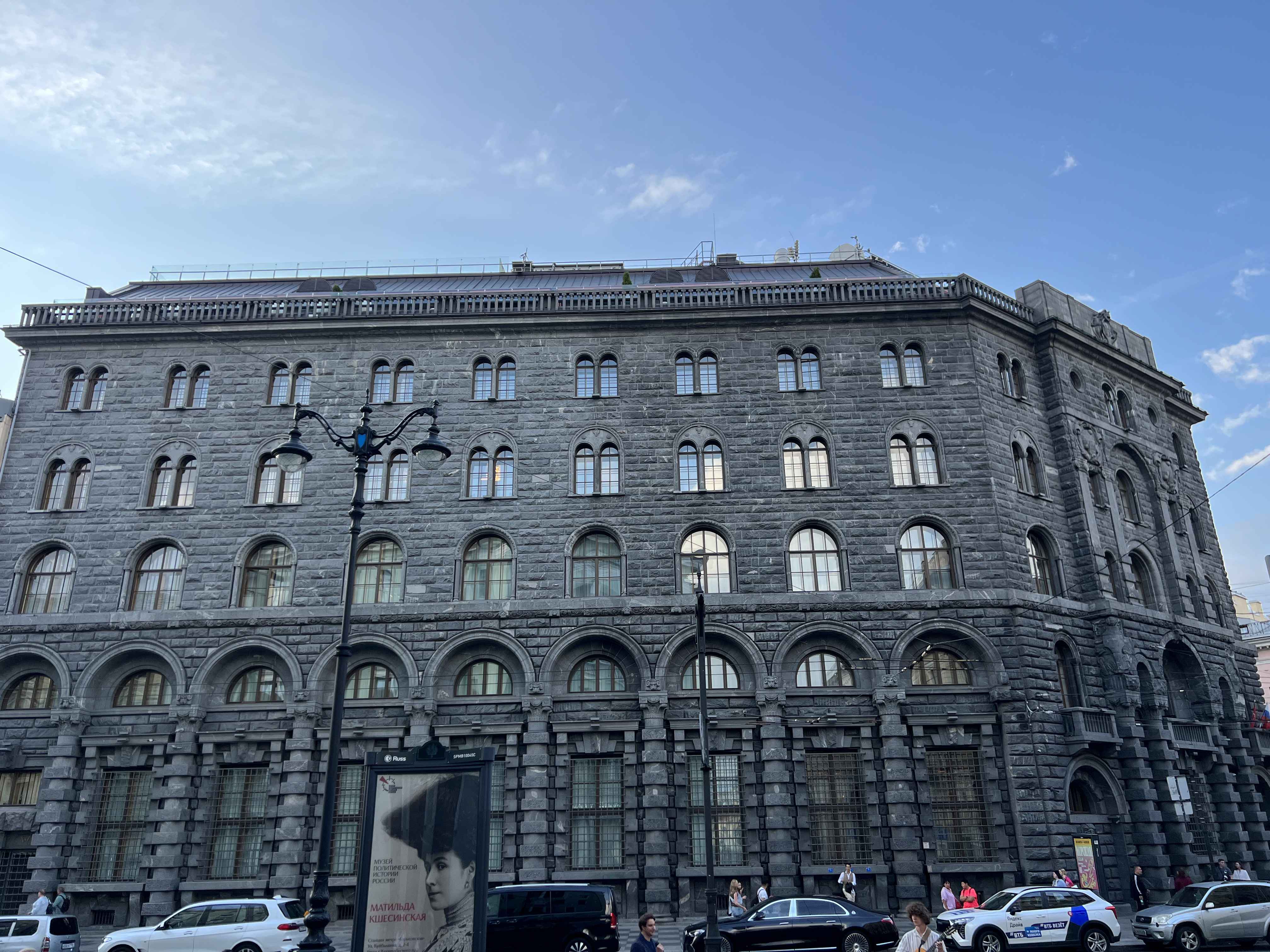
  12. Wawelberg House — point on route “Getting to Know St. Petersburg”

    Wawelberg House

    🏟️ Architectural landmark · 📜 Historic site · 🕵️ Urban legend

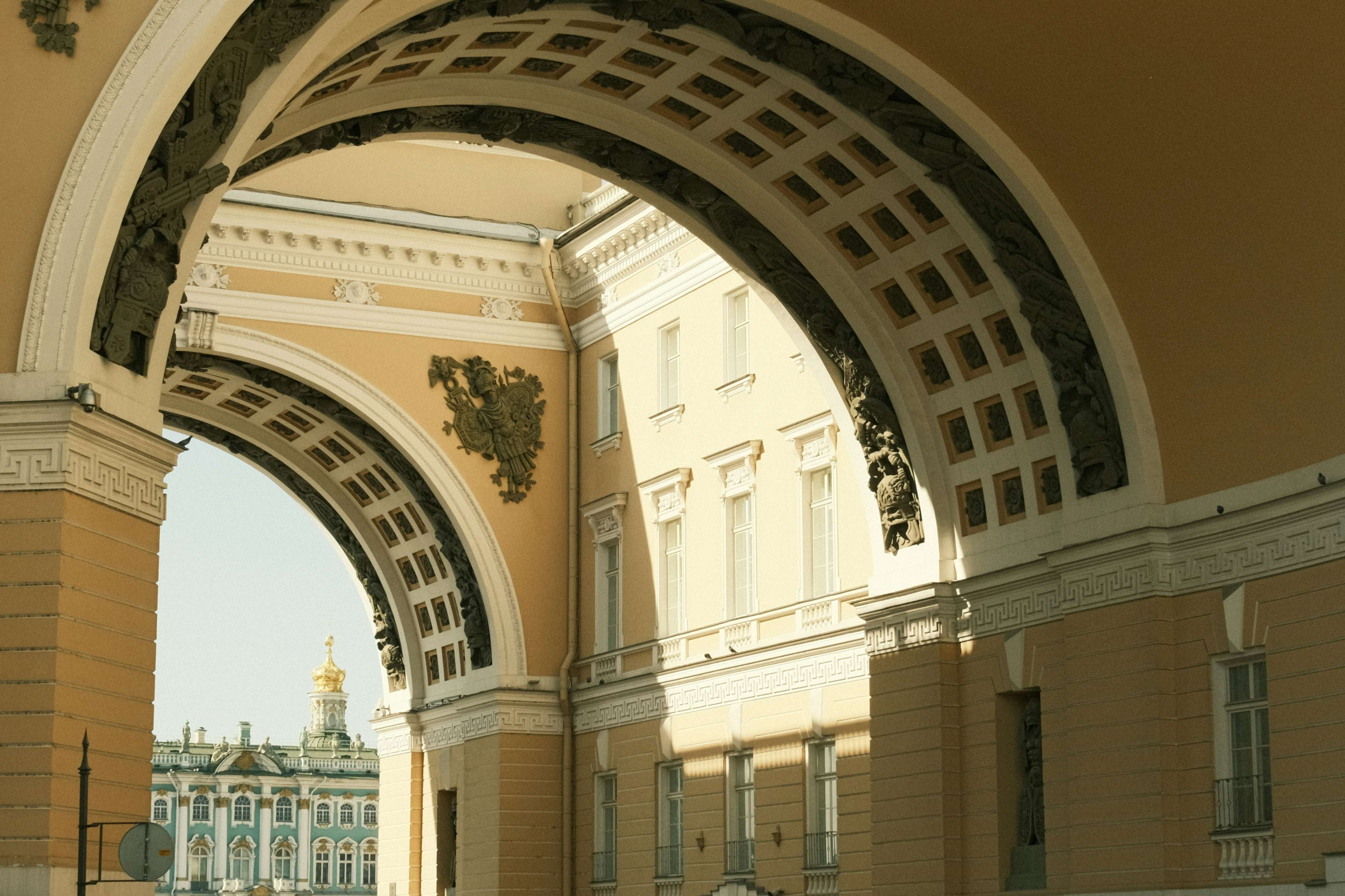
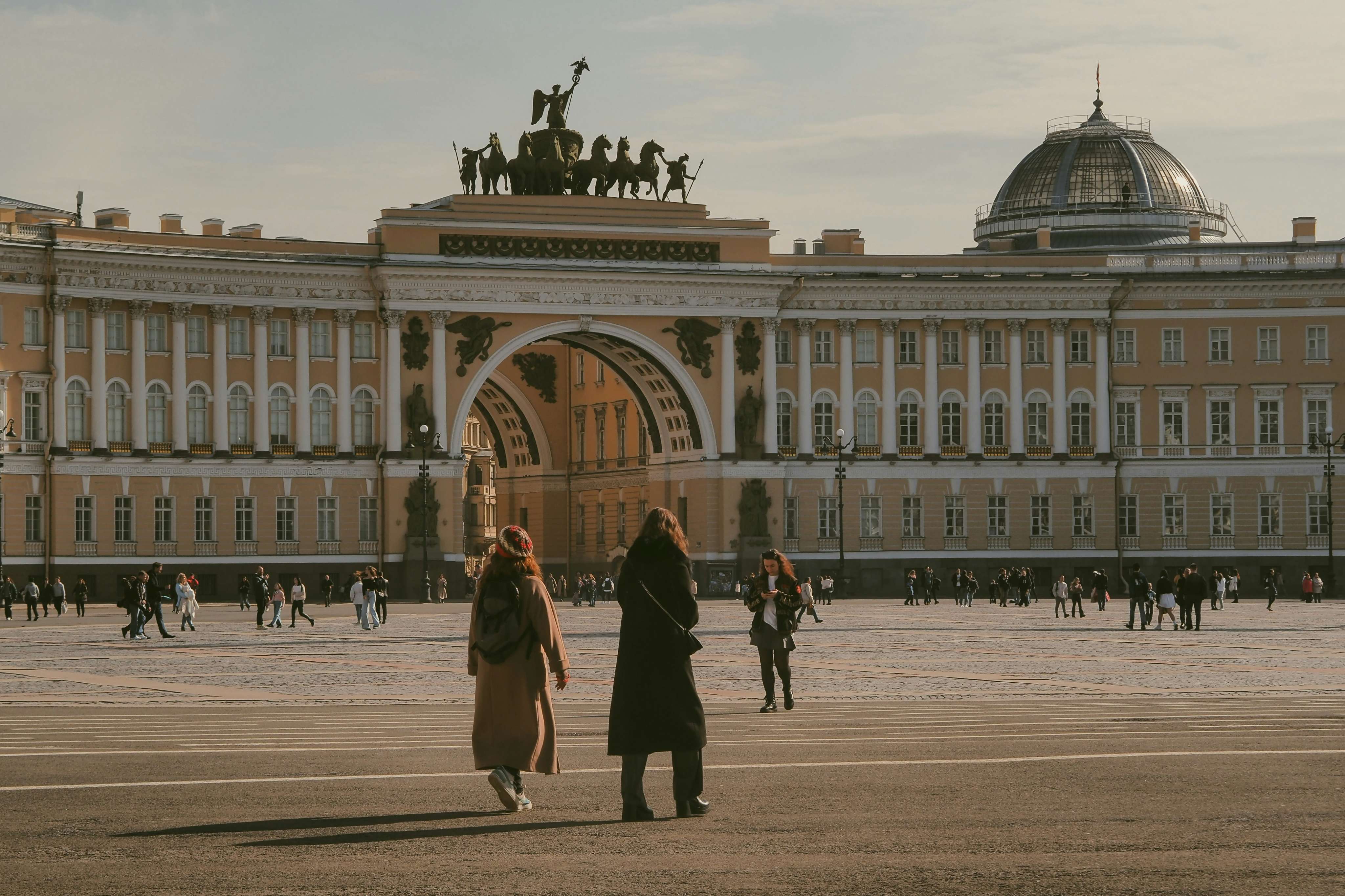
  13. General Staff Arch — point on route “Getting to Know St. Petersburg”

    General Staff Arch

    📜 Historic site · 🏟️ Architectural landmark · 🕵️ Urban legend

  14. Palace Square — point on route “Getting to Know St. Petersburg”

    Palace Square

    ⛲ Square · 🏰 Palace · 📜 Historic site

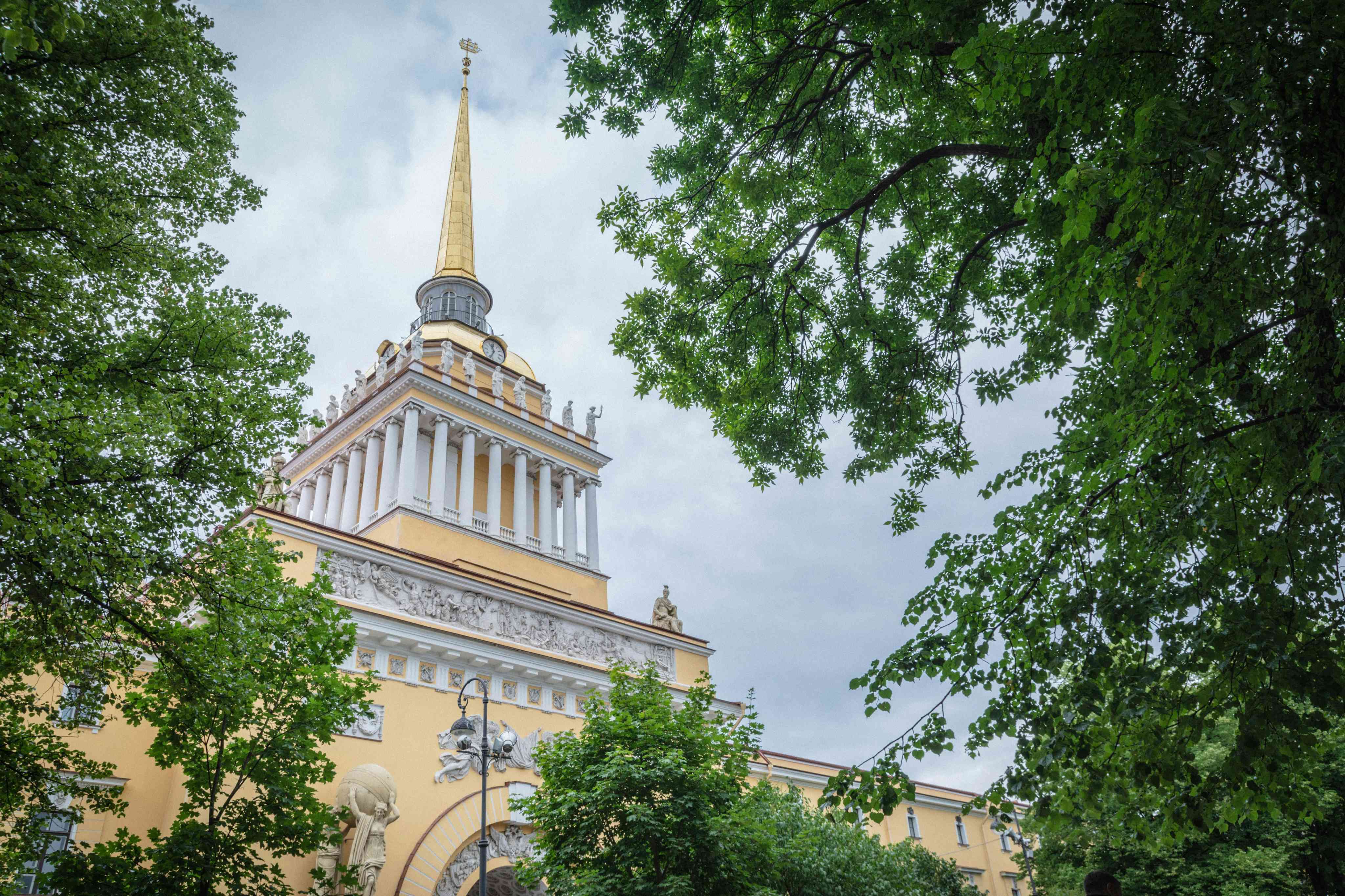
  15. The Admiralty — point on route “Getting to Know St. Petersburg”

    The Admiralty

    📜 Historic site · 🏟️ Architectural landmark · 🕵️ Urban legend

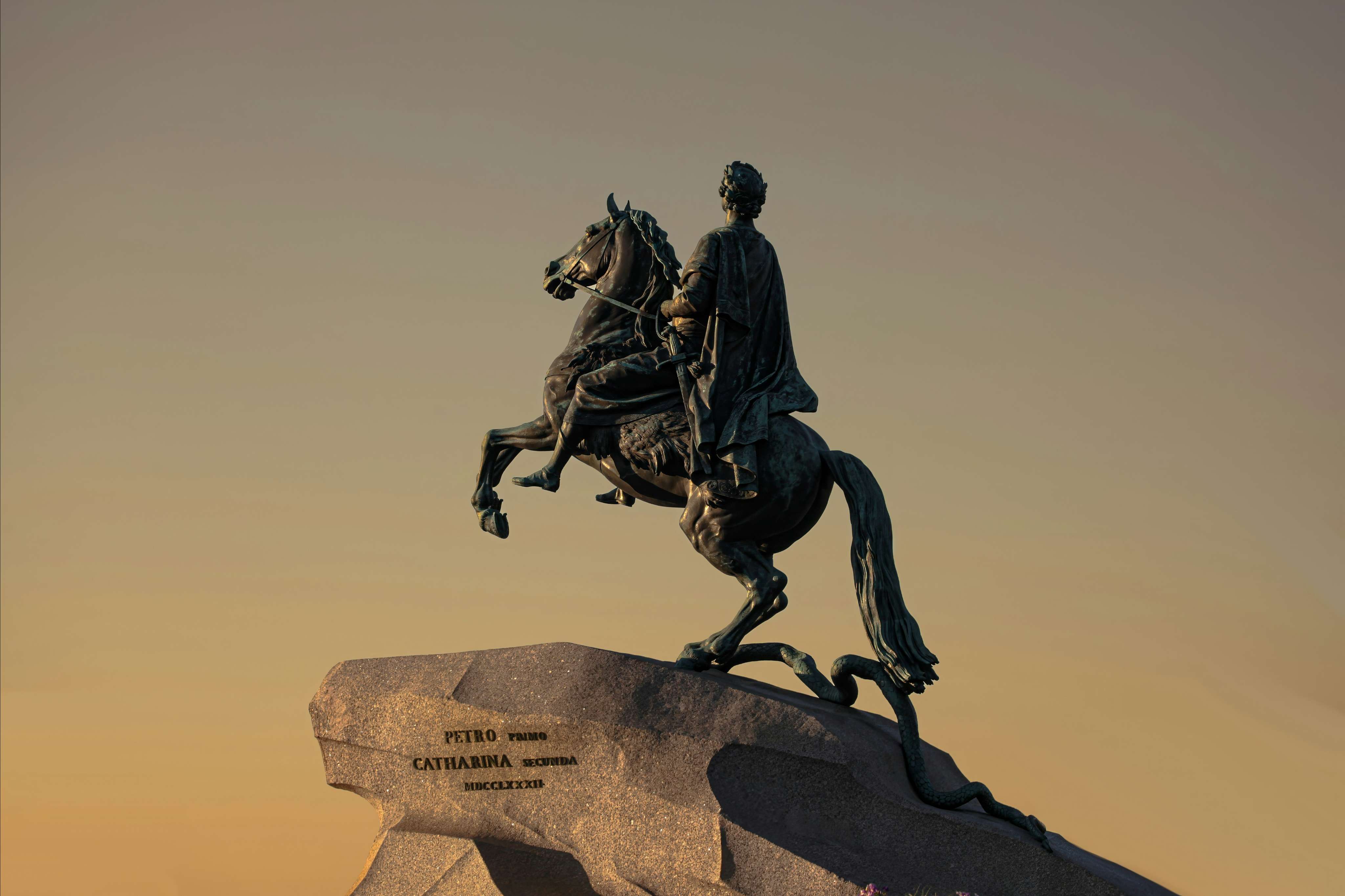
  16. The Bronze Horseman — point on route “Getting to Know St. Petersburg”

    The Bronze Horseman

    🗿 Monument · 🕵️ Urban legend · 🗿 Sculptures

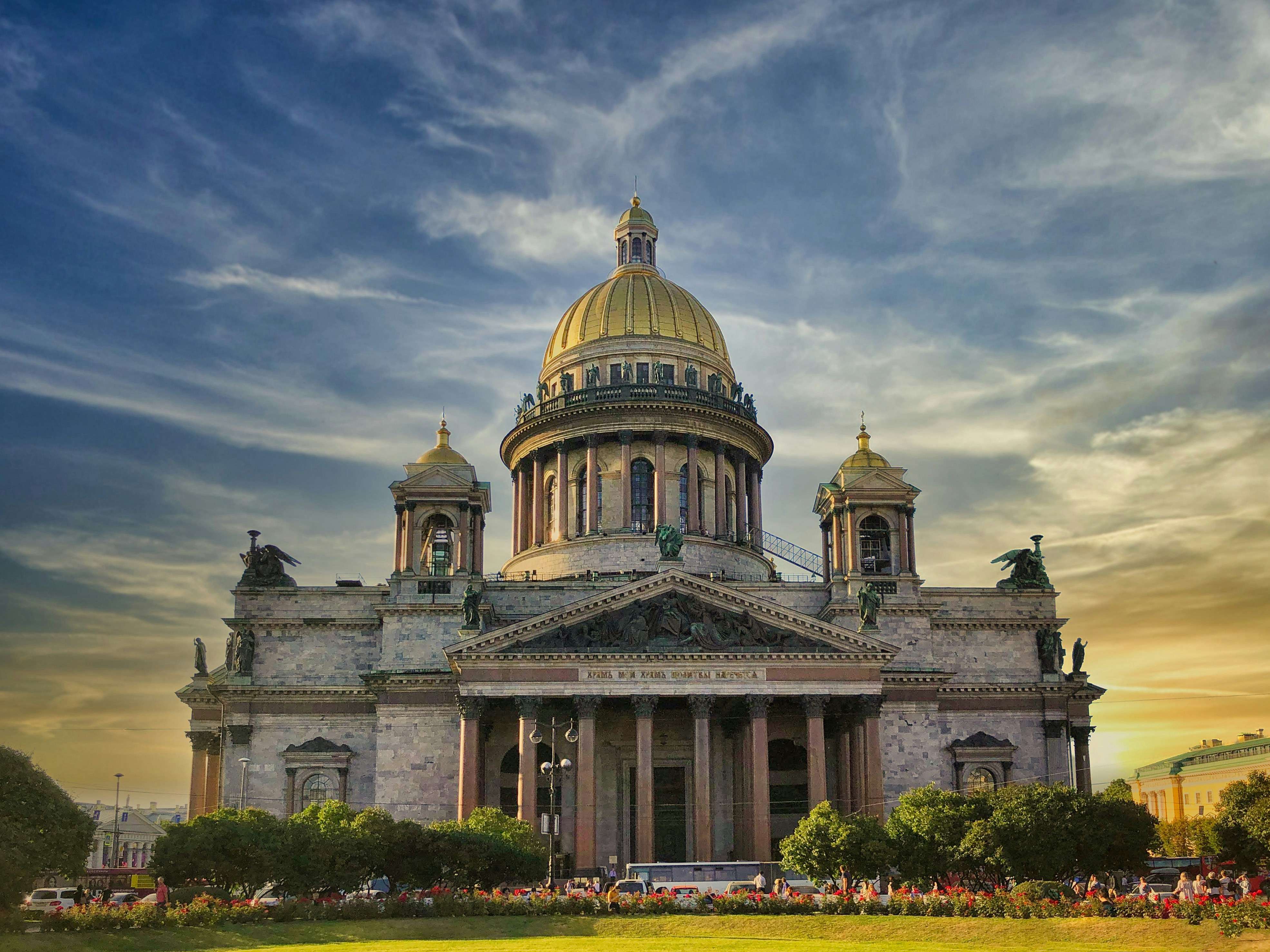
  17. St. Isaac's Cathedral — point on route “Getting to Know St. Petersburg”

    St. Isaac's Cathedral

    🕍 Place of worship · 🕵️ Urban legend · 📜 Historic site

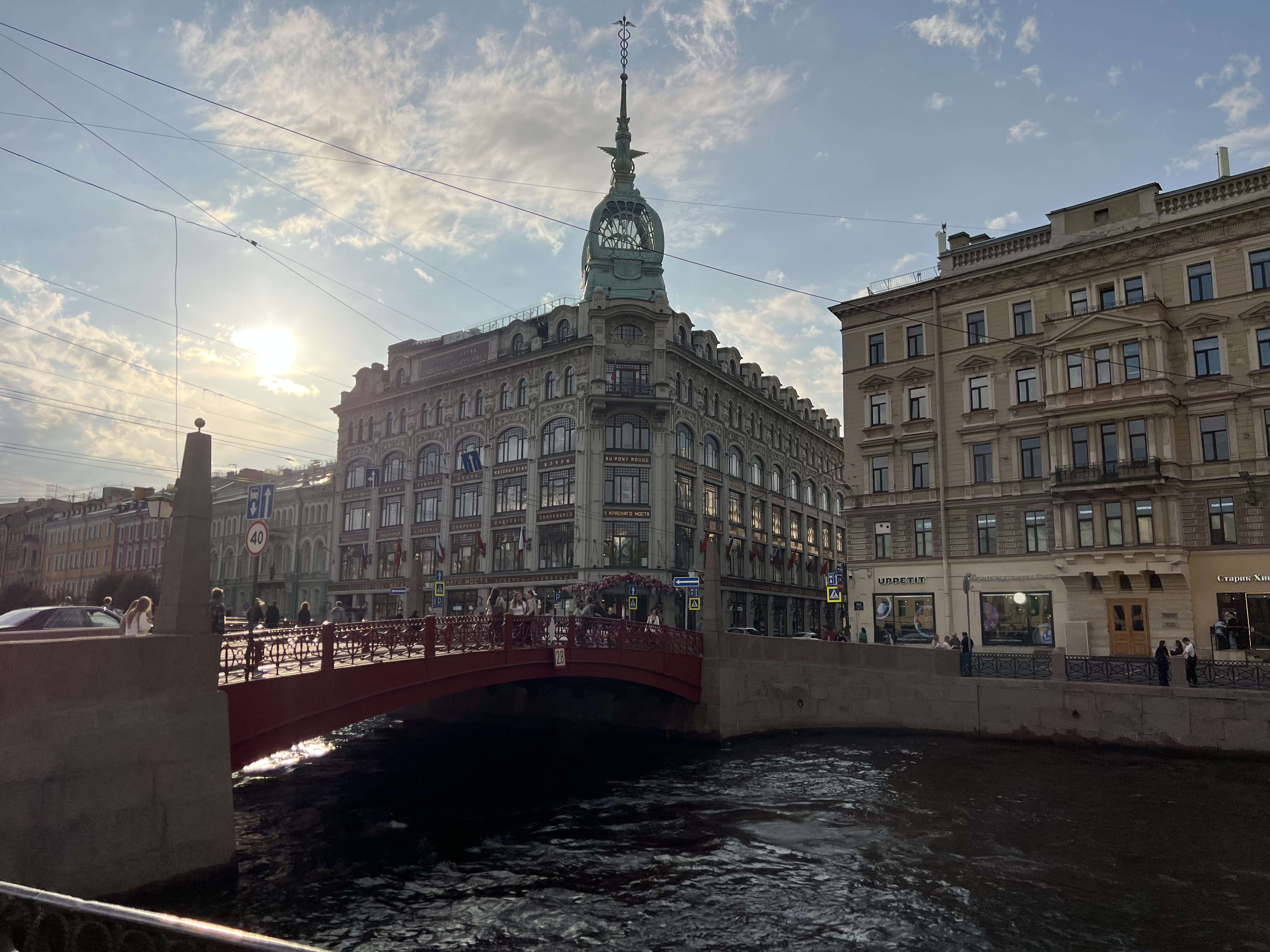
  18. House at the Red Bridge — point on route “Getting to Know St. Petersburg”

    House at the Red Bridge

    🏟️ Architectural landmark · 🕵️ Urban legend · 🌉 Bridge

Singer Company Building in Saint Petersburg

Point on route “Getting to Know St. Petersburg”

Singer Company Building — point on route “Getting to Know St. Petersburg”

Point 8

Singer Company Building

🏟️ Architectural landmark • 🕵️ Urban legend • 🔭 Viewpoint

Historical Background

A historic building and an architectural monument of federal significance, it was built in 1902–1904 for the Singer Company. When it first appeared, this delightful six-story palace with mansards did not much please the people of St. Petersburg. The company's building went up in the same period as the Eliseev merchants' store, and the Wawelberg House appeared a little later. With their style and their architecture, so unusual for central St. Petersburg, these buildings stand out from the row of more classical facades. The Singer building was conceived as a kind of exhibition pavilion where people could watch sewing machines at work. Strolling along Nevsky in those days, you could see seamstresses sitting in the huge ground-floor windows, sewing away on the machines. No better advertising was needed. Other buildings stood on this spot at different times. For example, a wooden opera house designed by the architect Bartolomeo Rastrelli was once built here. In the mid-18th century it burned down. Later other buildings stood here, with varying fortunes and owners. In 1900 the Singer Company bought the plot to build its main office in central St. Petersburg for trade with the countries of the East: Turkey, Persia, China, and Japan. The design was commissioned from the well-known architect Pavel Suzor. In the summer of 1901 the architect presented three different designs to choose from. Approval took about another year. Singer's representatives originally wanted an eight-story building, but St. Petersburg had a height limit of 11 sazhens (23.47 meters, or 77 feet). This height was no accident: it was set by the height of the Winter Palace, so Pavel Suzor had to win approval for a six-story building. The facades were faced with polished fine-grained red and gray granite and adorned with wrought bronze decoration. Two female sculptures of Valkyries were placed on the corner of the facade. At the base of the dome stands a sculpture by Aubert: a sea eagle with outstretched wings.

The House of Books

After the revolution the headquarters building was nationalized, and the Singer Company left Russia. The building was handed over to various institutions. Then the Dom Knigi (House of Books) store opened here, and its name stuck to the building among the townspeople. After World War II the building's link with books only grew stronger: branches of many publishing houses were based here.

Today

After 1991 the building changed owners several times. A 1999 agreement provided for its restoration. The historical and cultural assessment took three years, and then the building was indeed restored: the load-bearing structures were replaced with reinforced concrete, and the foundation was strengthened by driving 2,500 piles into it. Restoration work was finally completed in 2009. After lengthy legal battles with the tenants, in 2022 the building returned to the management of the city government. Today it houses one of VK's offices, the VK Store, the House of Books, and a very atmospheric café overlooking Kazan Cathedral.

Nearby

The Church of the Savior on Spilled Blood The Singer House stands at the intersection of Nevsky Prospekt and the Griboyedov Canal. Looking along the canal, you can see the famous Church of the Savior on Spilled Blood, built on the spot where members of People's Will assassinated Emperor Alexander II.