←Getting to Know St. Petersburg

Getting to Know St. Petersburg

Photo of route “Getting to Know St. Petersburg”
18 points7 km1.5 hours

In the city on the Neva, luxurious palaces, world-class museums, old cathedrals, and cozy embankments blend in perfect harmony. This route will highlight the city's main sights, along with some of its secrets and legends.

Things to do

  • 📸 Take photos
  • 📜 Learn the city's history
  • 🏰🕵️‍♂️ Discover a legend

Route points (18)

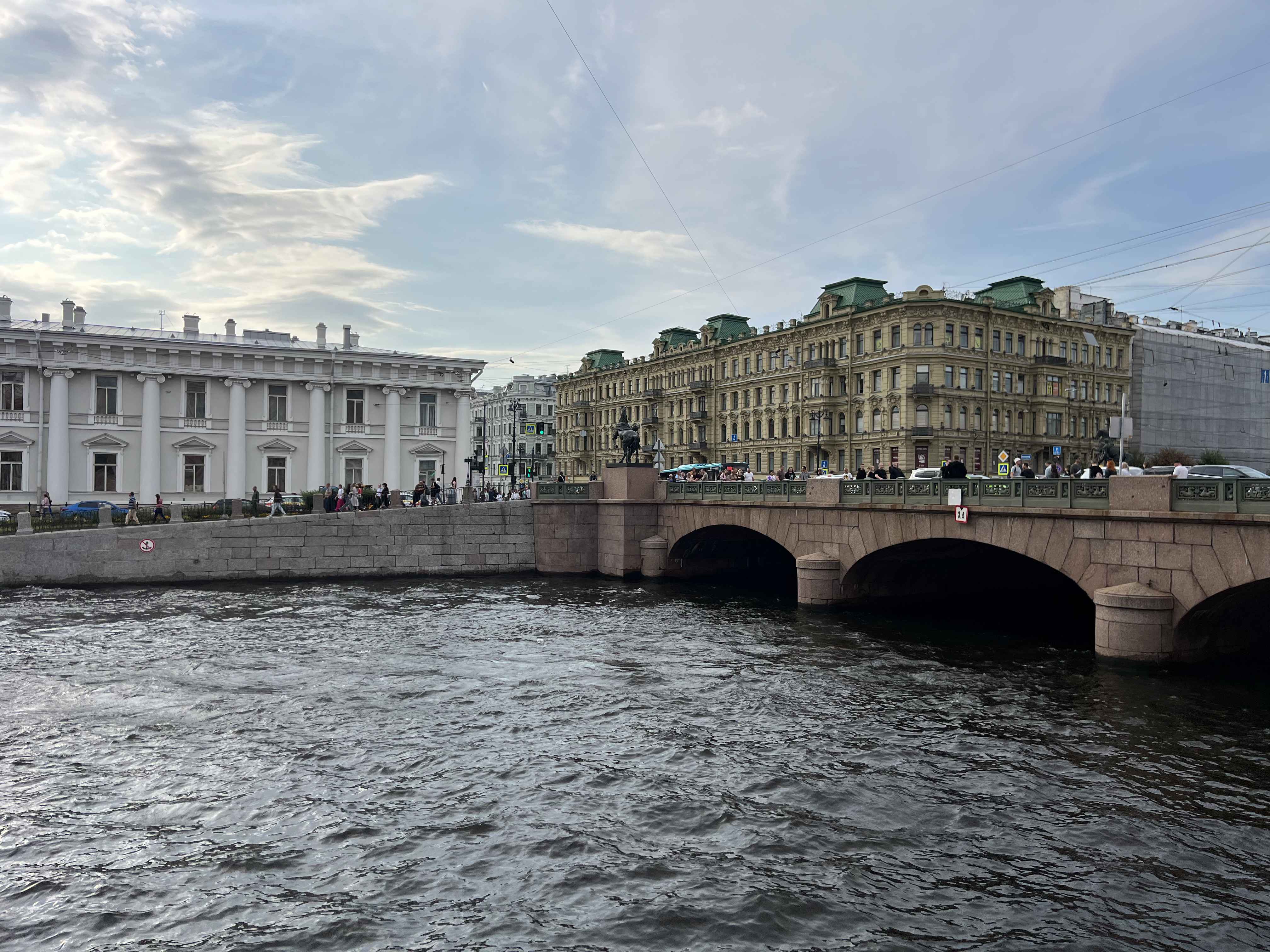
  1. Anichkov Bridge and Palace — point on route “Getting to Know St. Petersburg”

    Anichkov Bridge and Palace

    📜 Historic site · 🏰 Palace · 🌉 Bridge

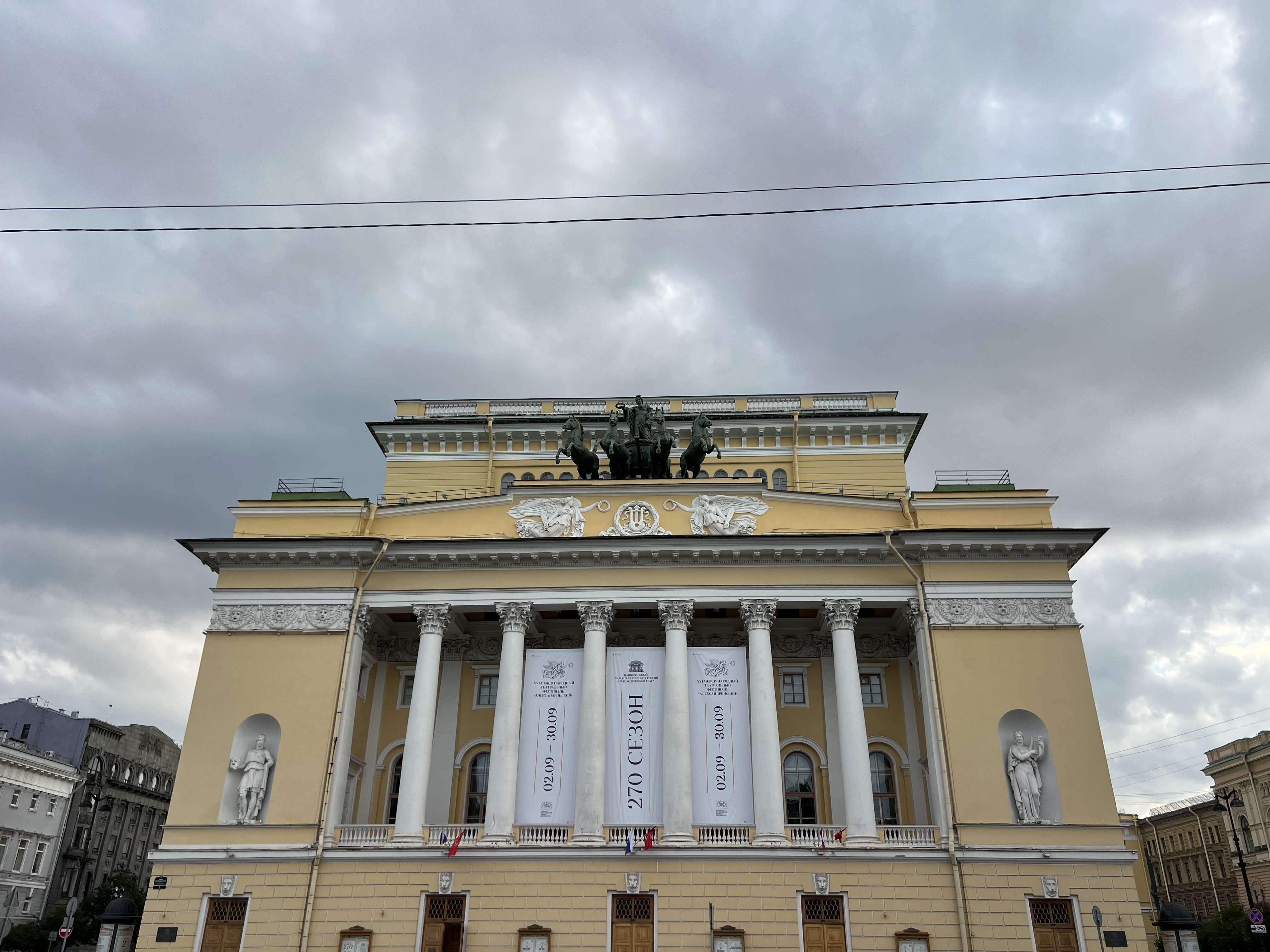
  2. Ostrovsky Square — point on route “Getting to Know St. Petersburg”

    Ostrovsky Square

    📜 Historic site · 🗿 Monument · ⛲ Square

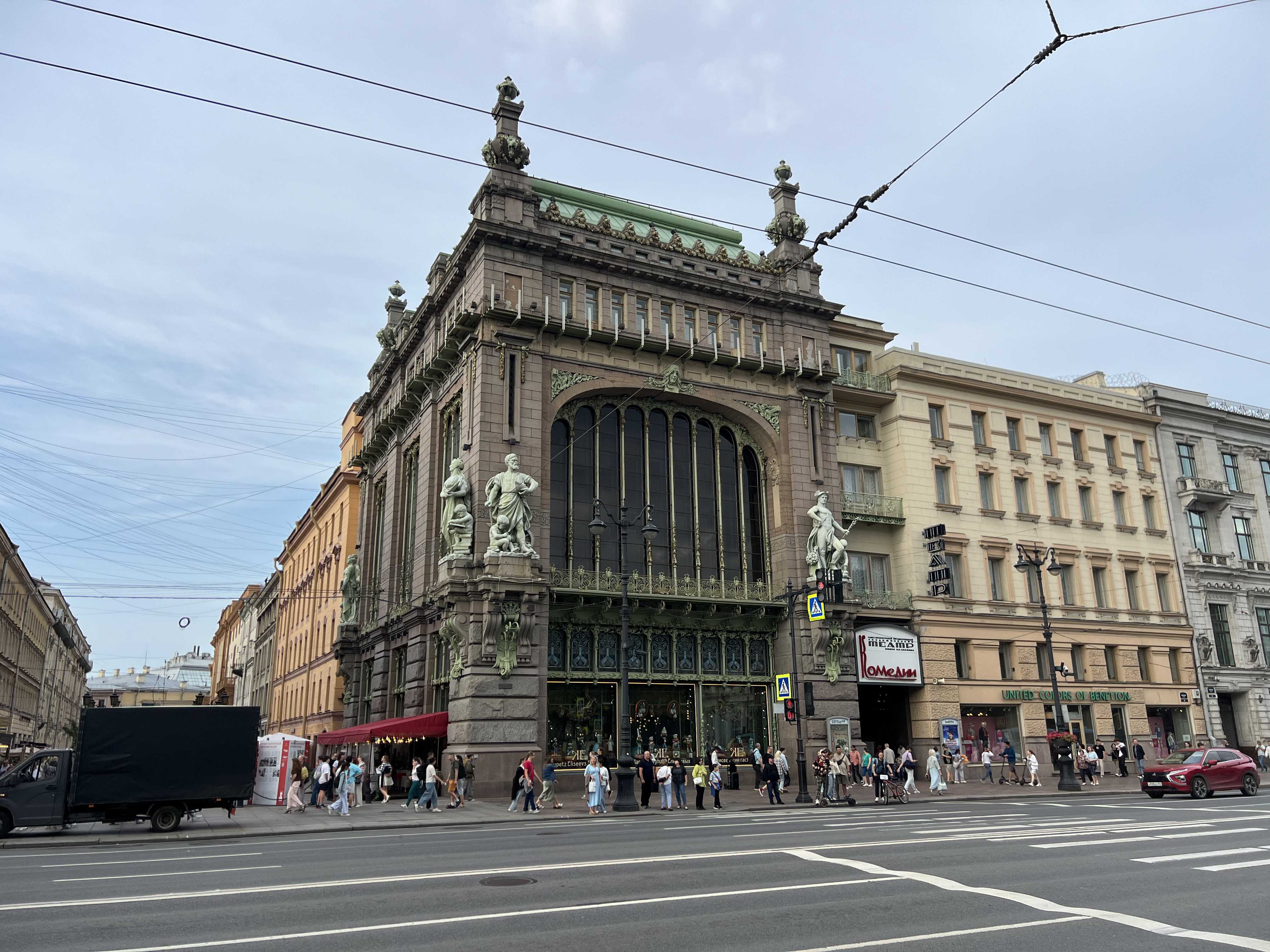
  3. Eliseev Brothers Trading House — point on route “Getting to Know St. Petersburg”

    Eliseev Brothers Trading House

    🏟️ Architectural landmark · 📜 Historic site · 🕵️ Urban legend

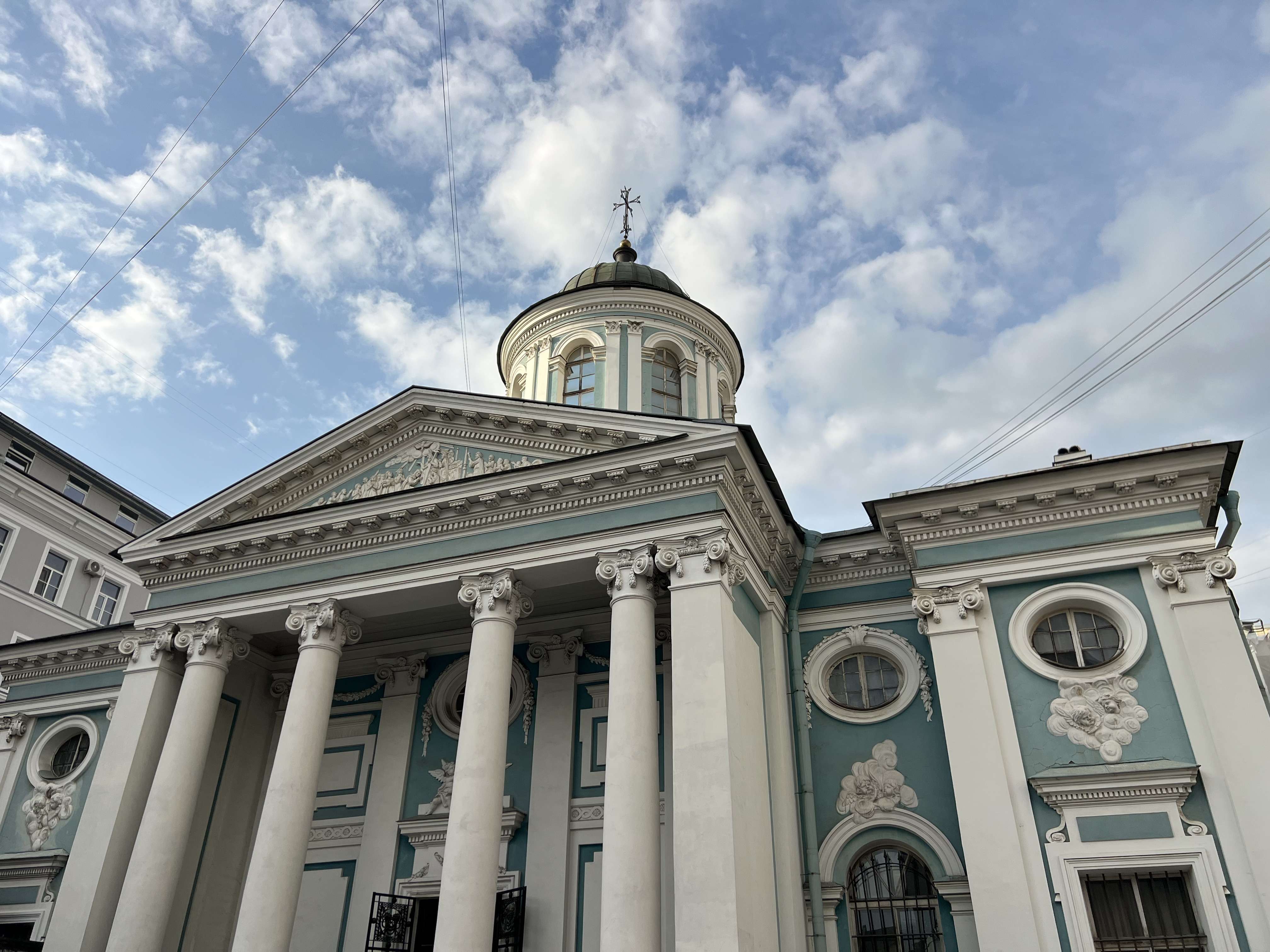
  4. Armenian Church of St. Catherine — point on route “Getting to Know St. Petersburg”

    Armenian Church of St. Catherine

    🕍 Place of worship · 🕵️ Urban legend · 📜 Historic site

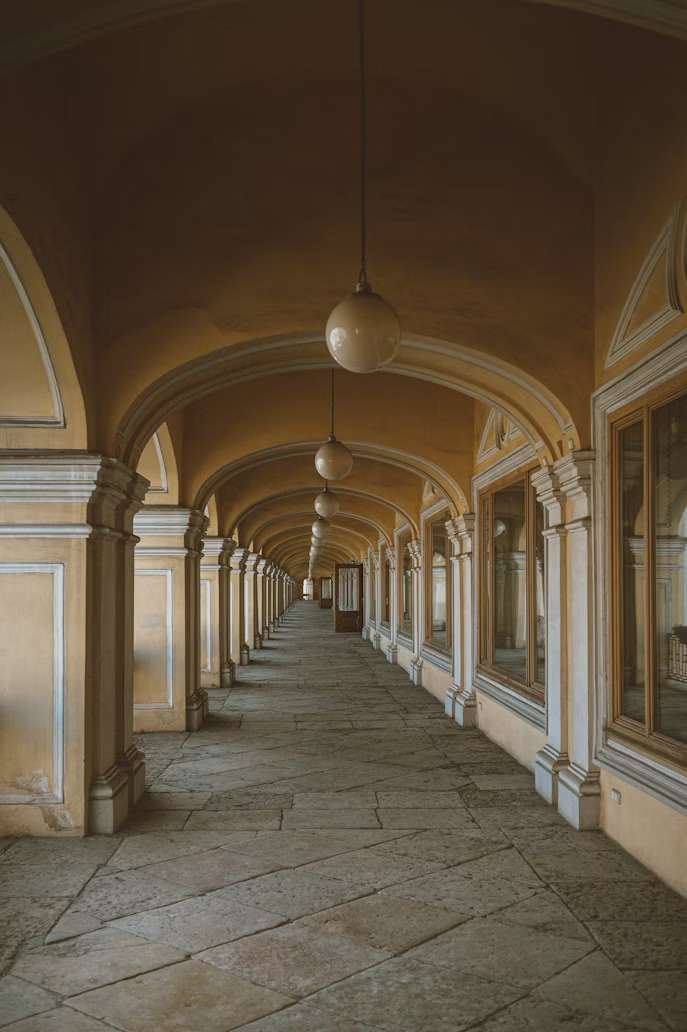
  5. Gostiny Dvor (Merchant Arcade) — point on route “Getting to Know St. Petersburg”

    Gostiny Dvor (Merchant Arcade)

    📜 Historic site · 🏟️ Architectural landmark · 🏺 Market / bazaar

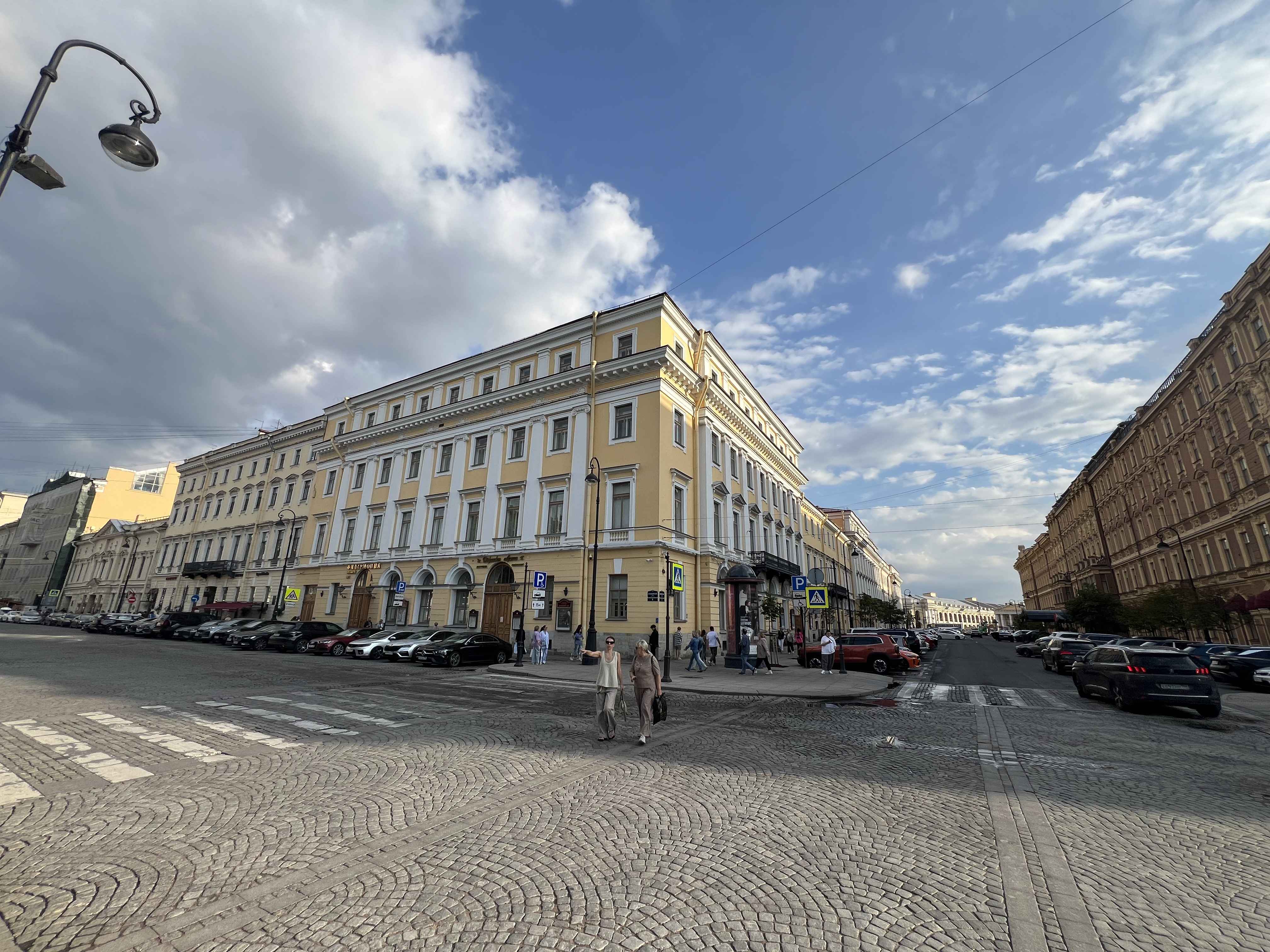
  6. Shostakovich Philharmonia — point on route “Getting to Know St. Petersburg”

    Shostakovich Philharmonia

    🕵️ Urban legend · 📜 Historic site · 🎭 Theater

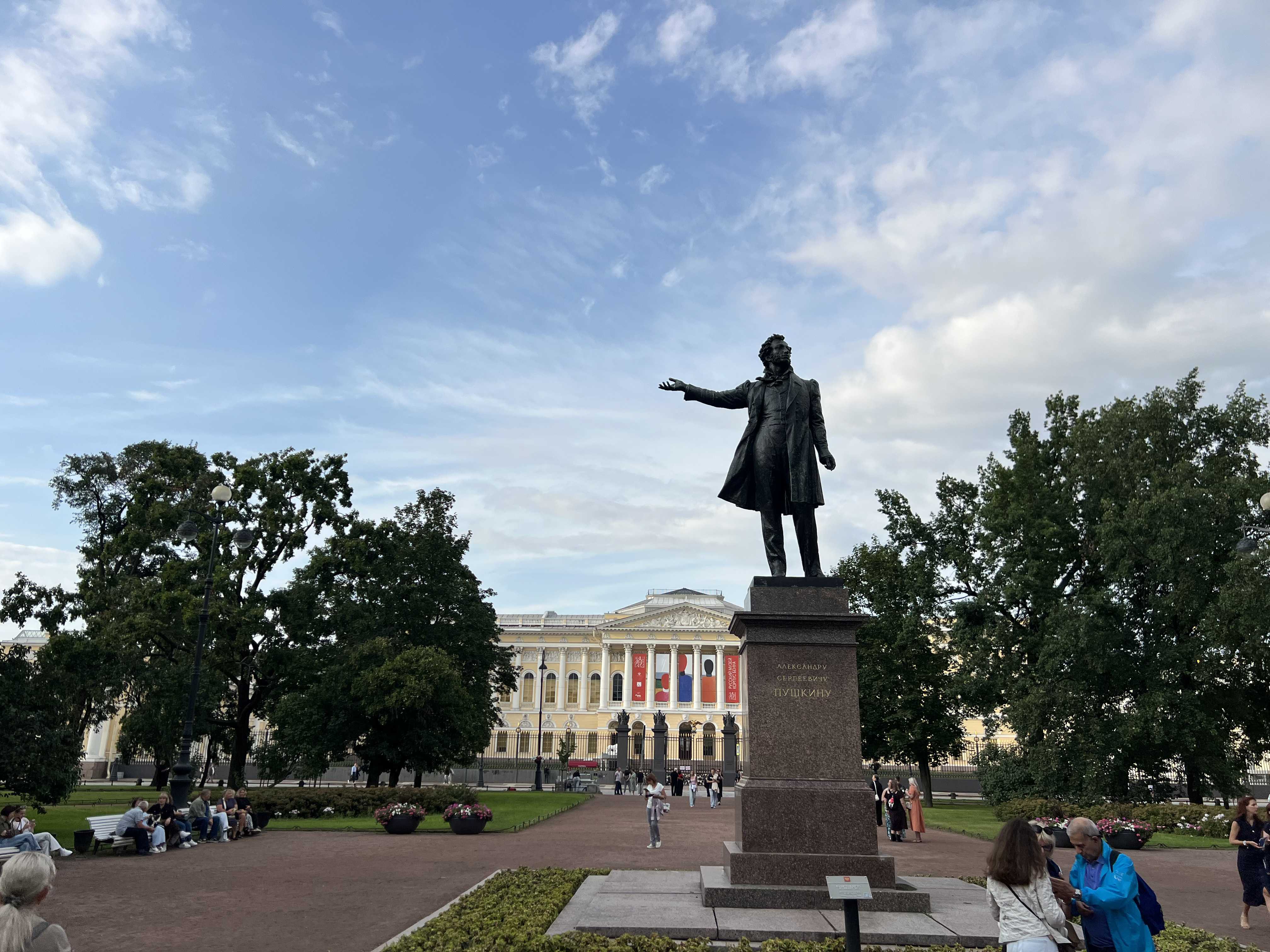
  7. Mikhailovsky Palace (Russian Museum) — point on route “Getting to Know St. Petersburg”

    Mikhailovsky Palace (Russian Museum)

    🏛️ Museum · 🏰 Palace · 📜 Historic site

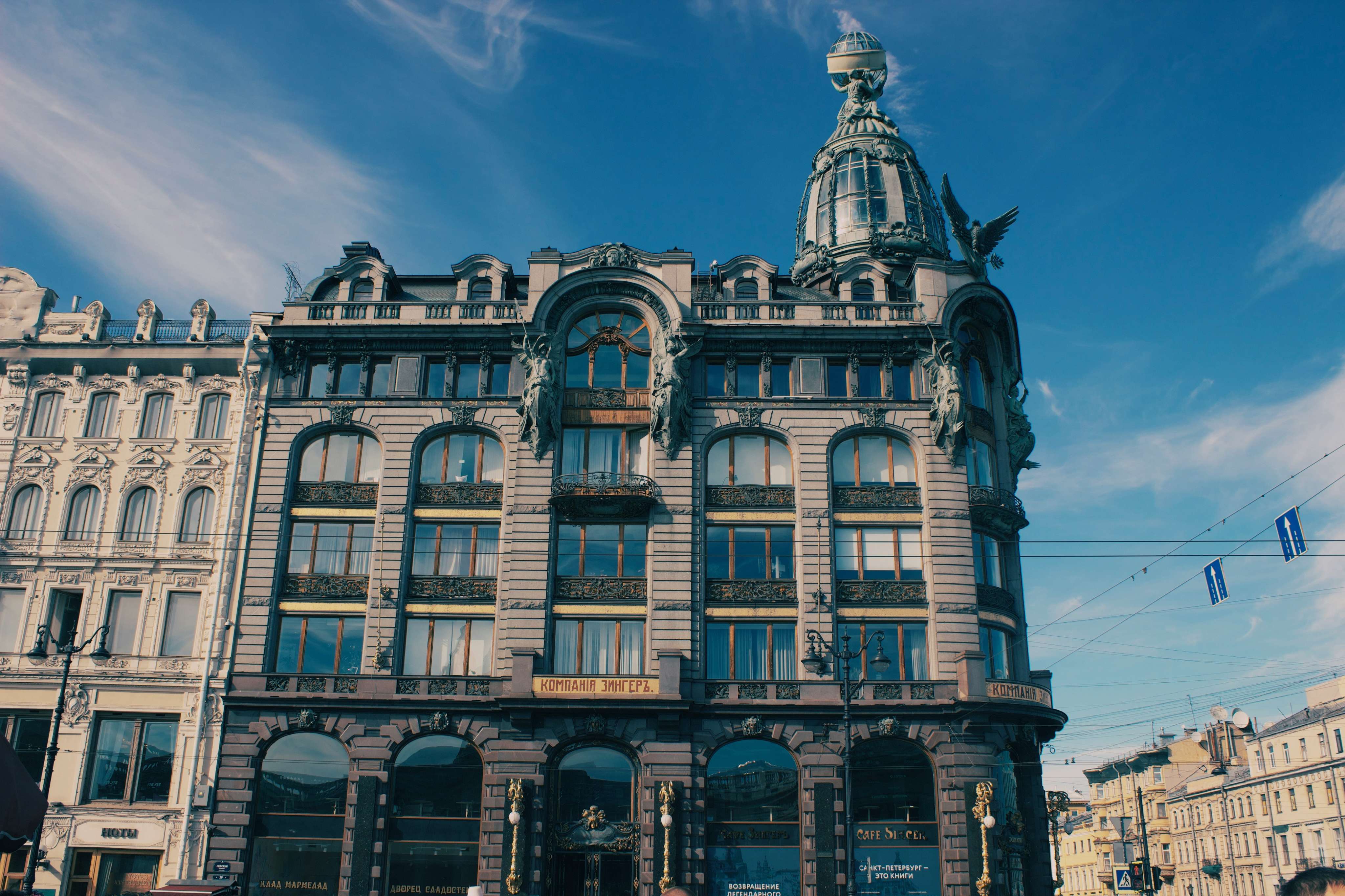
  8. Singer Company Building — point on route “Getting to Know St. Petersburg”

    Singer Company Building

    🏟️ Architectural landmark · 🕵️ Urban legend · 🔭 Viewpoint

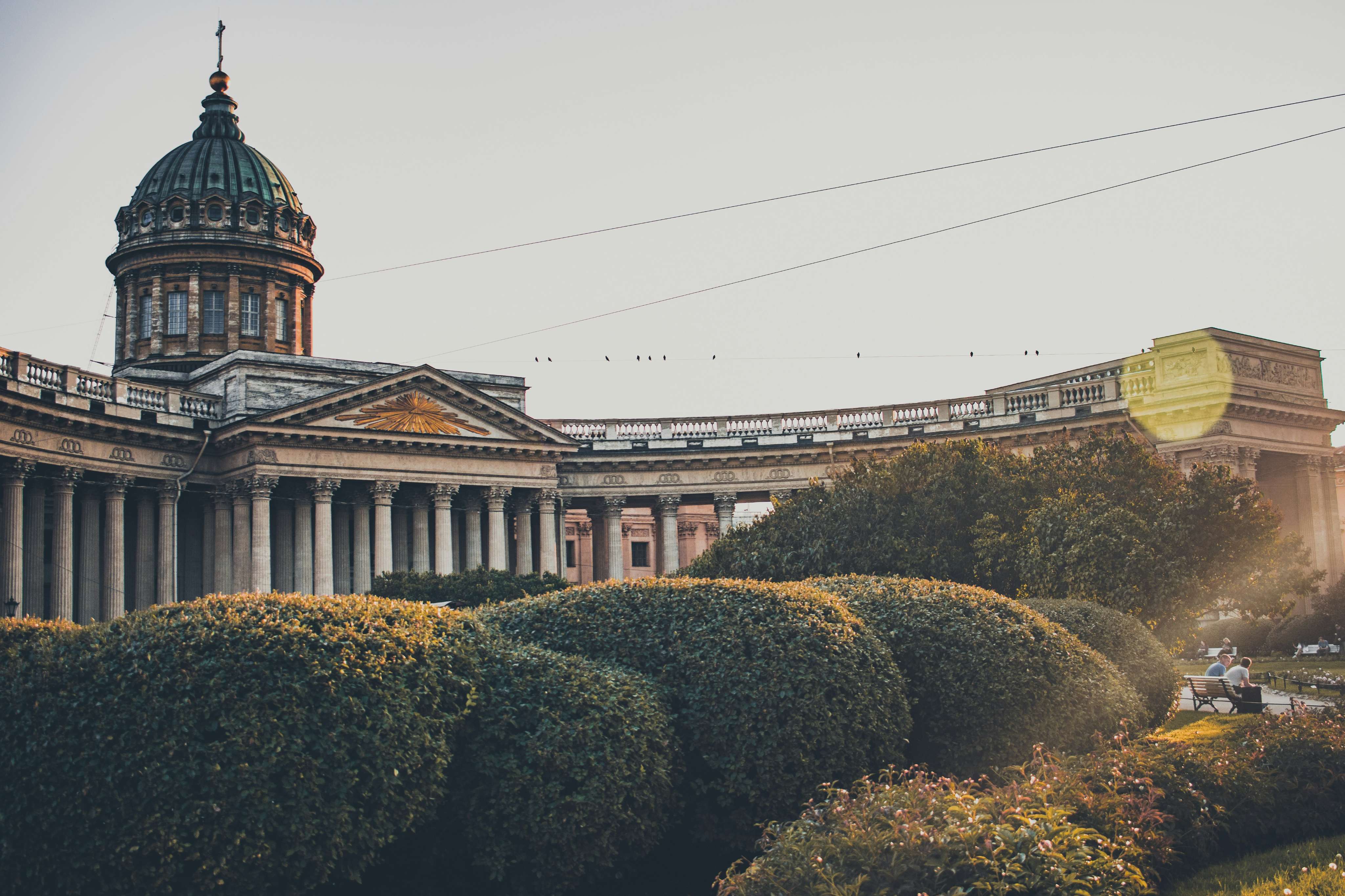
  9. Kazan Cathedral — point on route “Getting to Know St. Petersburg”

    Kazan Cathedral

    🕍 Place of worship · 📜 Historic site · 🏟️ Architectural landmark

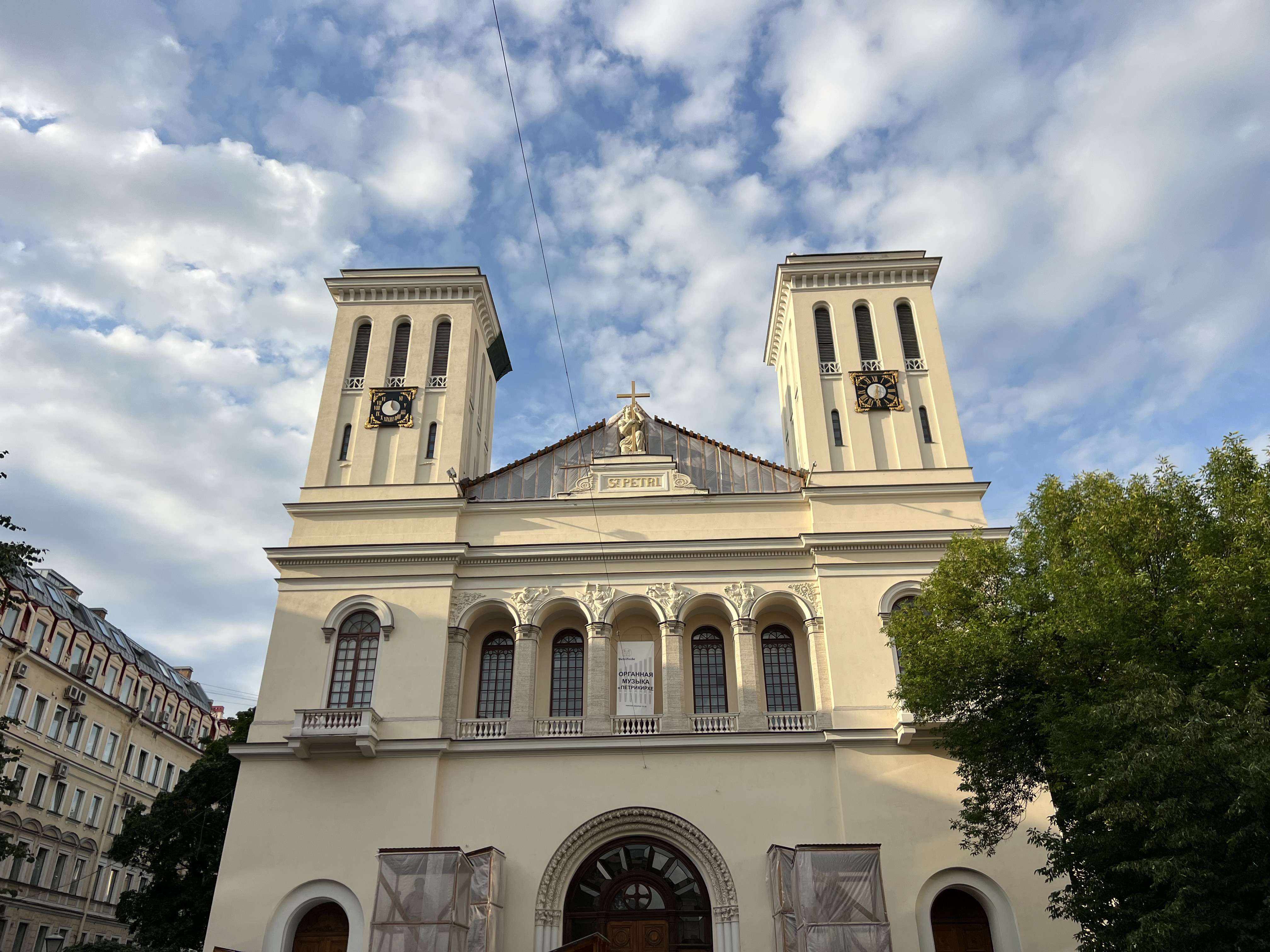
  10. Petrikirche (Church of Sts. Peter and Paul) — point on route “Getting to Know St. Petersburg”

    Petrikirche (Church of Sts. Peter and Paul)

    🕍 Place of worship · 🕵️ Urban legend · 📜 Historic site

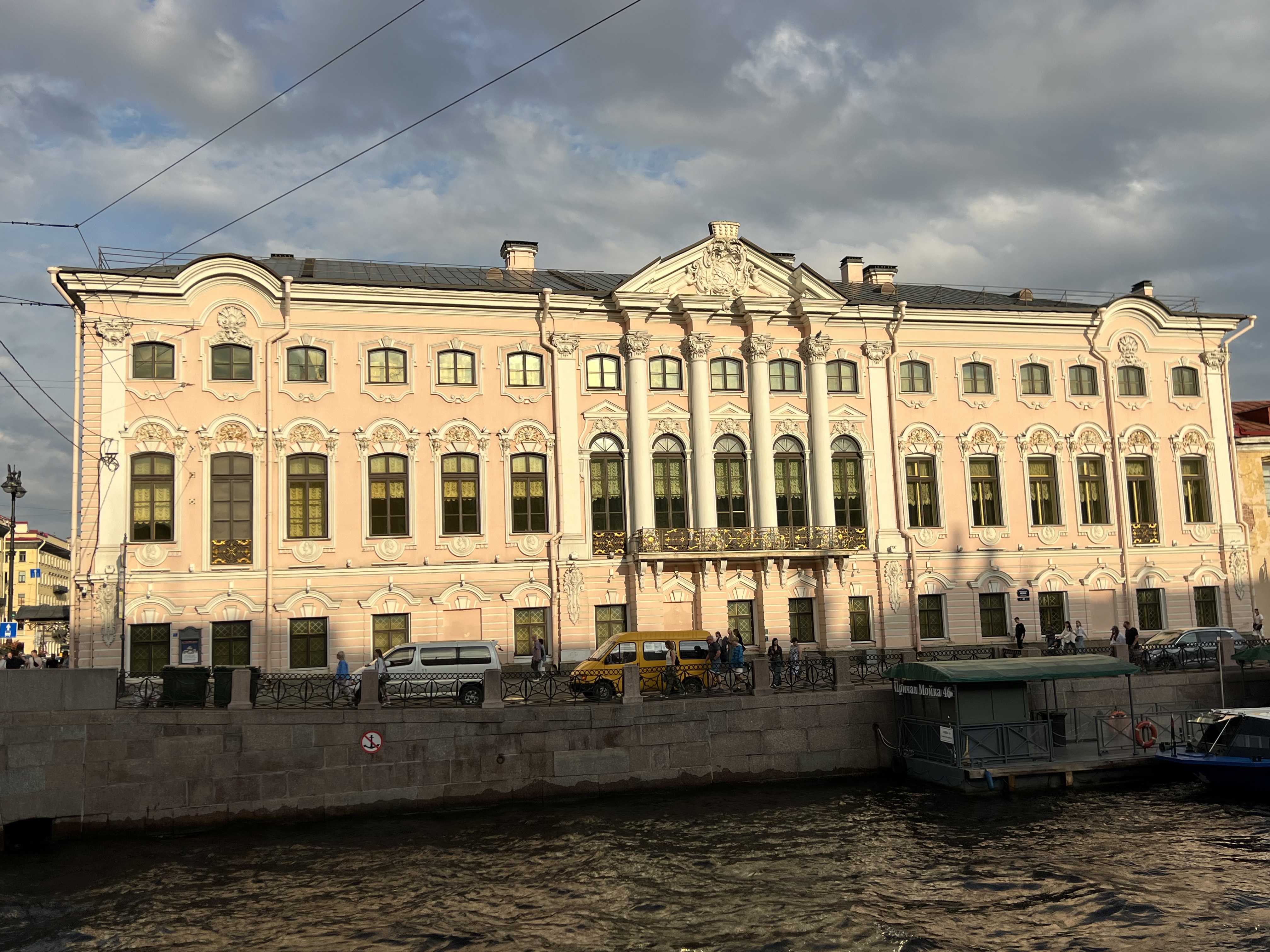
  11. Stroganov Palace — point on route “Getting to Know St. Petersburg”

    Stroganov Palace

    🏰 Palace · 📜 Historic site · 🏛️ Museum

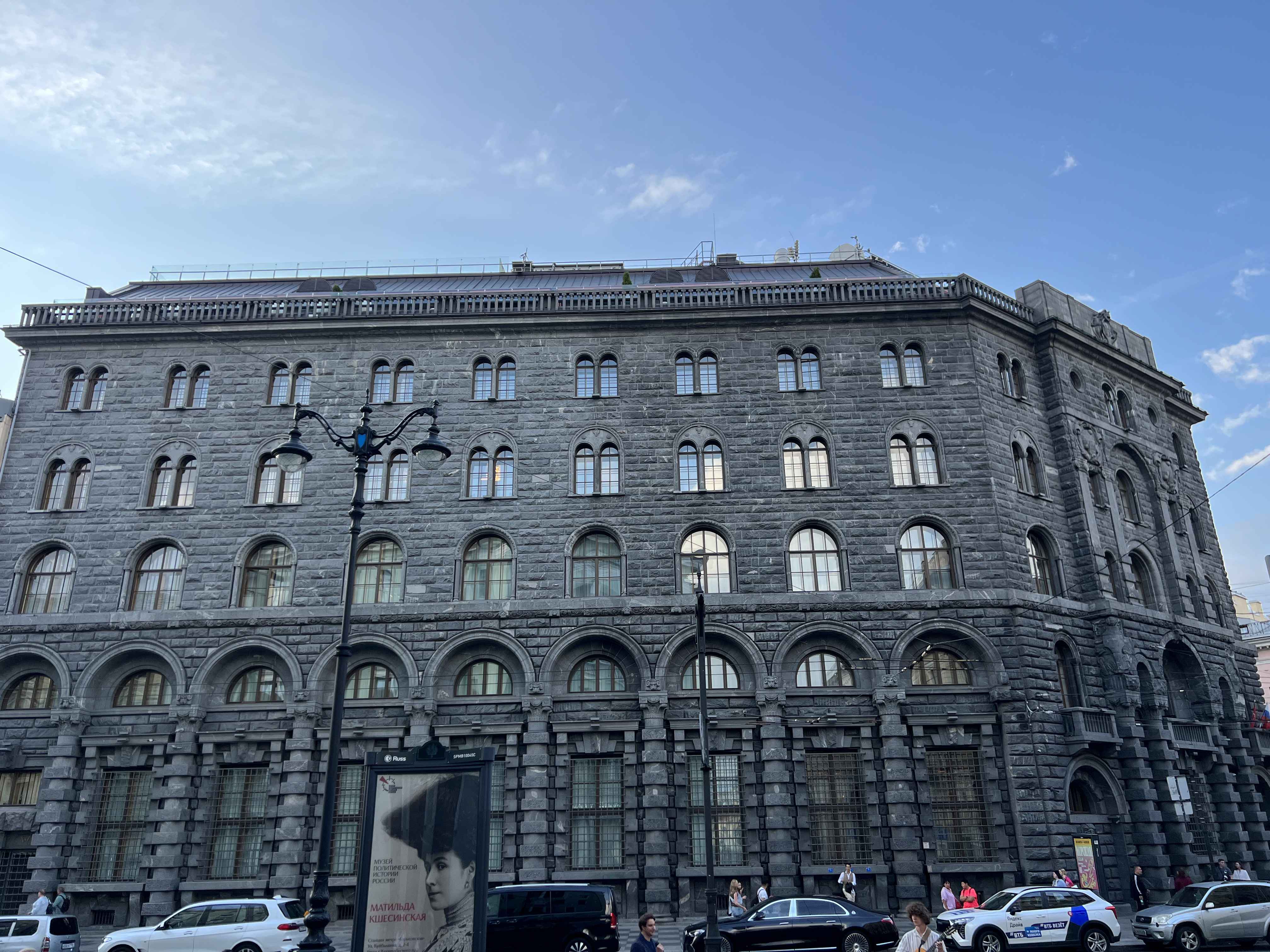
  12. Wawelberg House — point on route “Getting to Know St. Petersburg”

    Wawelberg House

    🏟️ Architectural landmark · 📜 Historic site · 🕵️ Urban legend

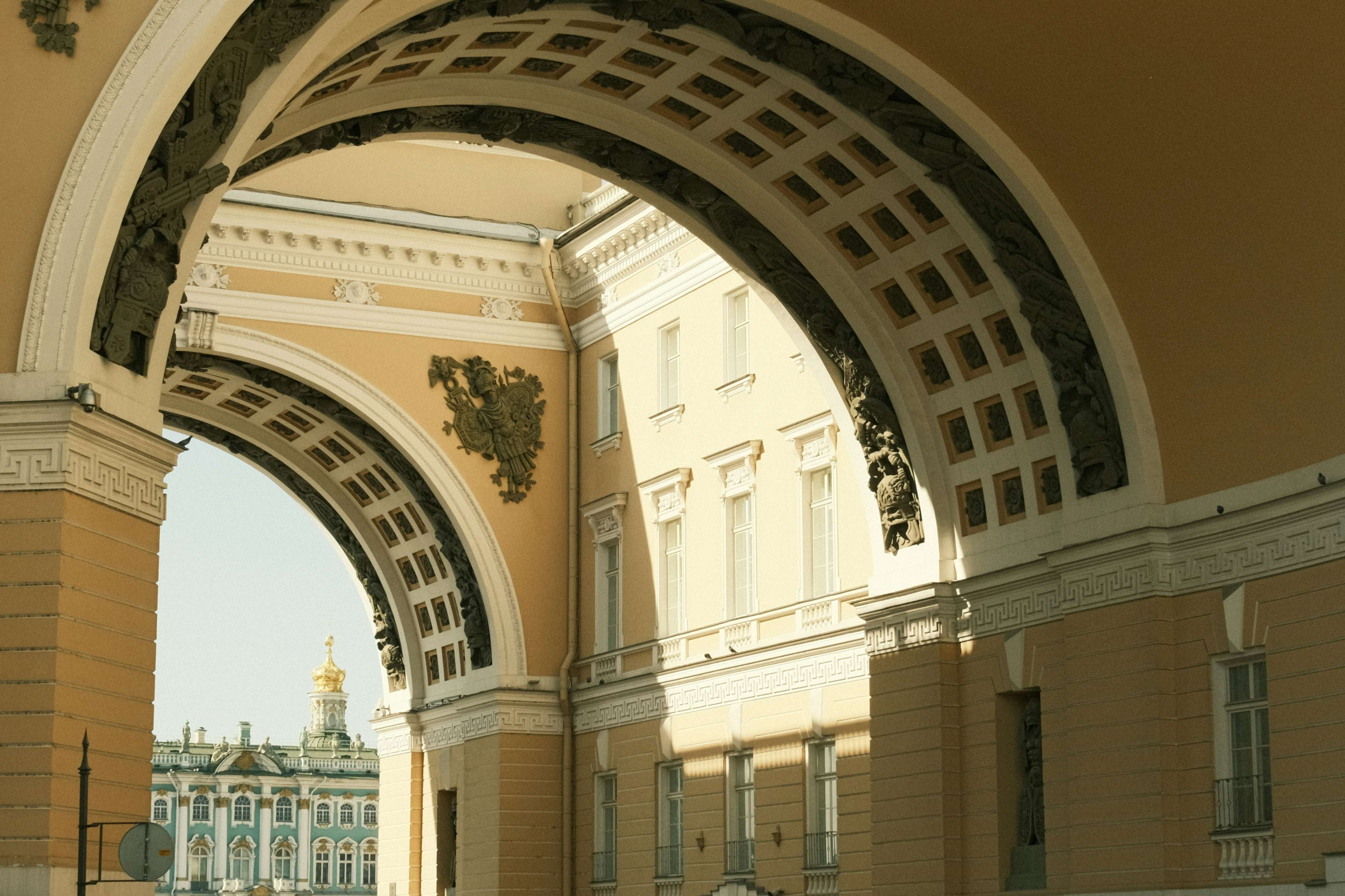
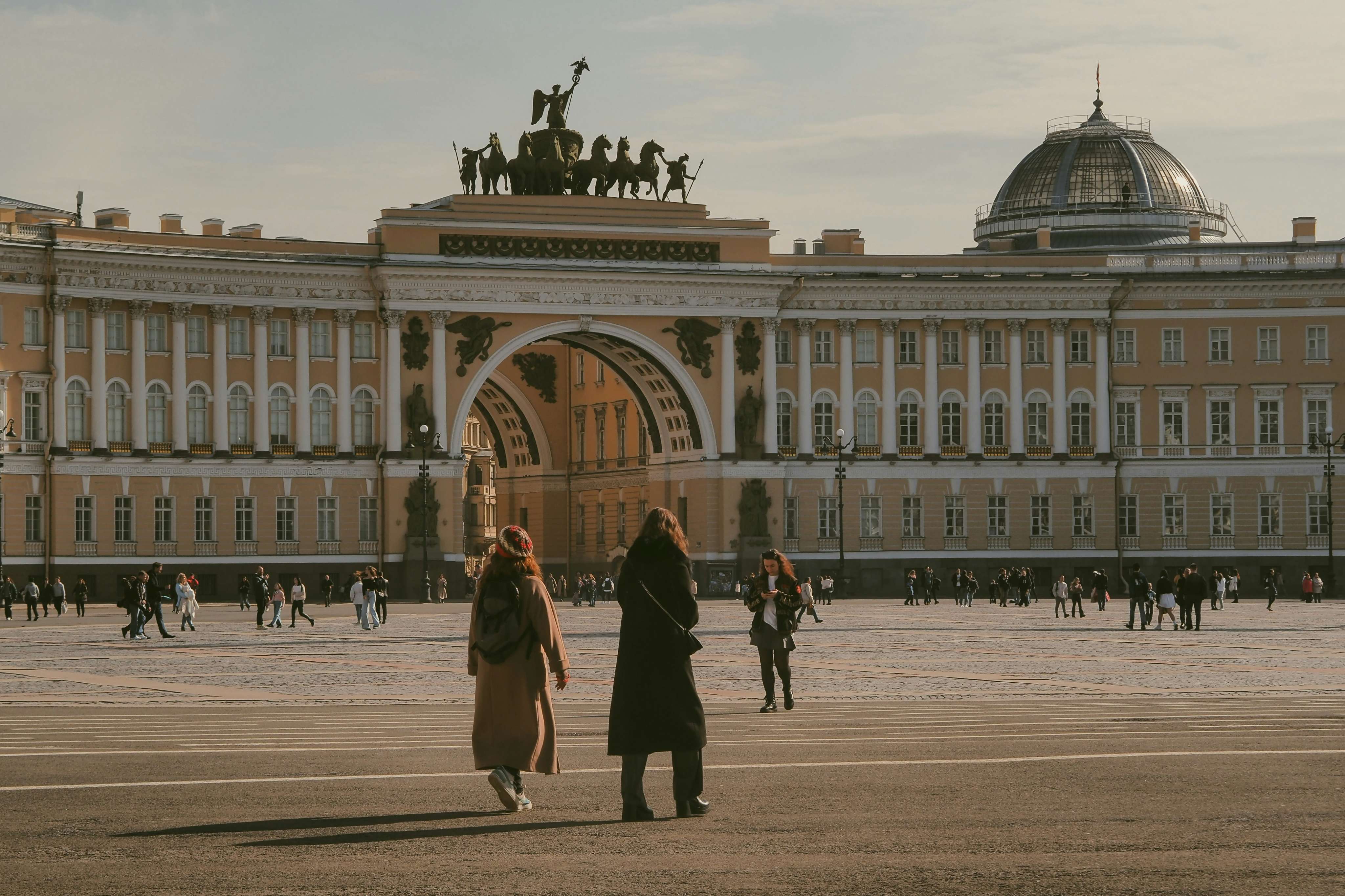
  13. General Staff Arch — point on route “Getting to Know St. Petersburg”

    General Staff Arch

    📜 Historic site · 🏟️ Architectural landmark · 🕵️ Urban legend

  14. Palace Square — point on route “Getting to Know St. Petersburg”

    Palace Square

    ⛲ Square · 🏰 Palace · 📜 Historic site

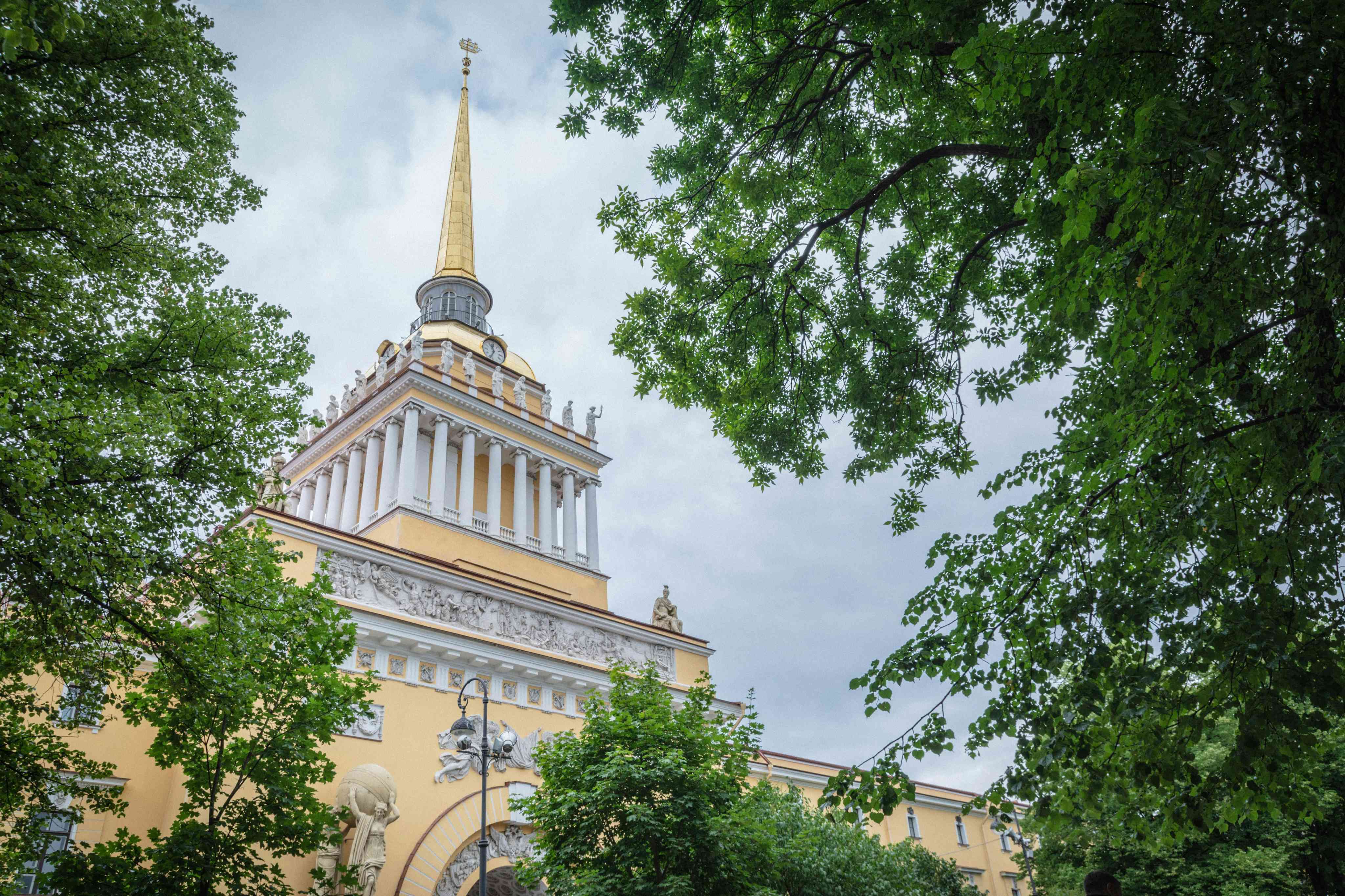
  15. The Admiralty — point on route “Getting to Know St. Petersburg”

    The Admiralty

    📜 Historic site · 🏟️ Architectural landmark · 🕵️ Urban legend

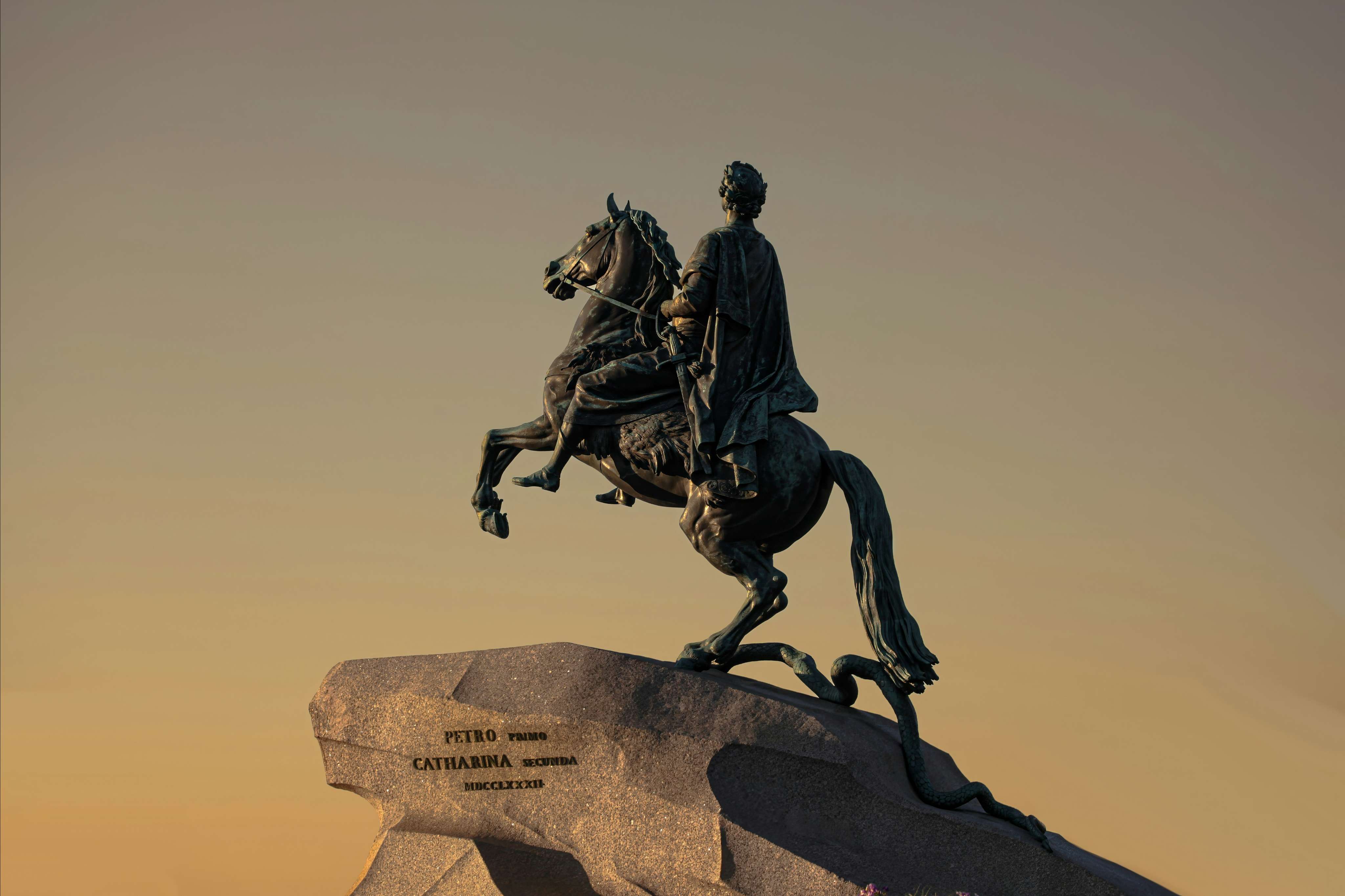
  16. The Bronze Horseman — point on route “Getting to Know St. Petersburg”

    The Bronze Horseman

    🗿 Monument · 🕵️ Urban legend · 🗿 Sculptures

  17. St. Isaac's Cathedral — point on route “Getting to Know St. Petersburg”

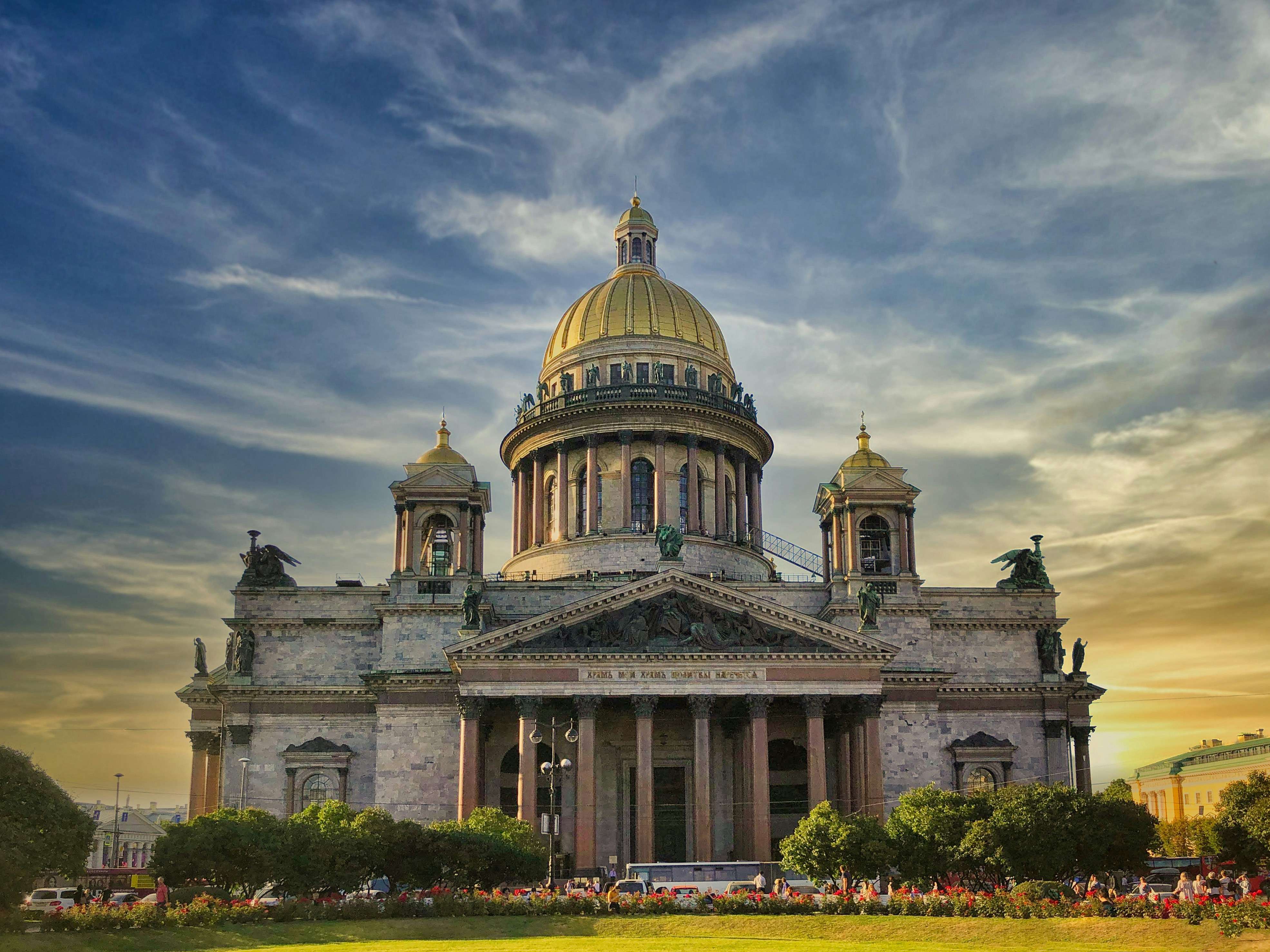
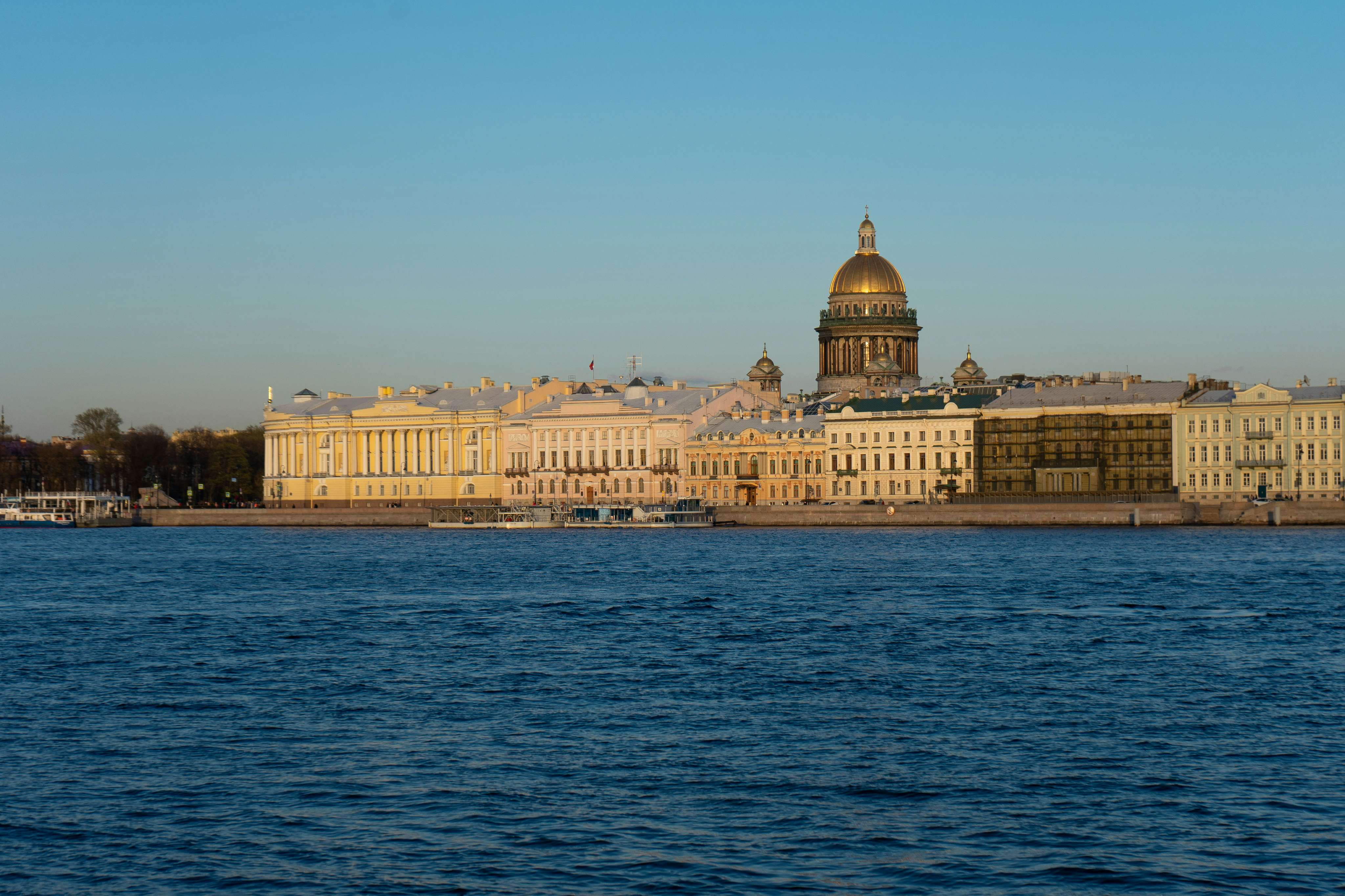
    St. Isaac's Cathedral

    🕍 Place of worship · 🕵️ Urban legend · 📜 Historic site

  18. House at the Red Bridge — point on route “Getting to Know St. Petersburg”

    House at the Red Bridge

    🏟️ Architectural landmark · 🕵️ Urban legend · 🌉 Bridge

House at the Red Bridge in Saint Petersburg

Point on route “Getting to Know St. Petersburg”

House at the Red Bridge — point on route “Getting to Know St. Petersburg”

Point 18

House at the Red Bridge

🏟️ Architectural landmark • 🕵️ Urban legend • 🌉 Bridge

Historical Background

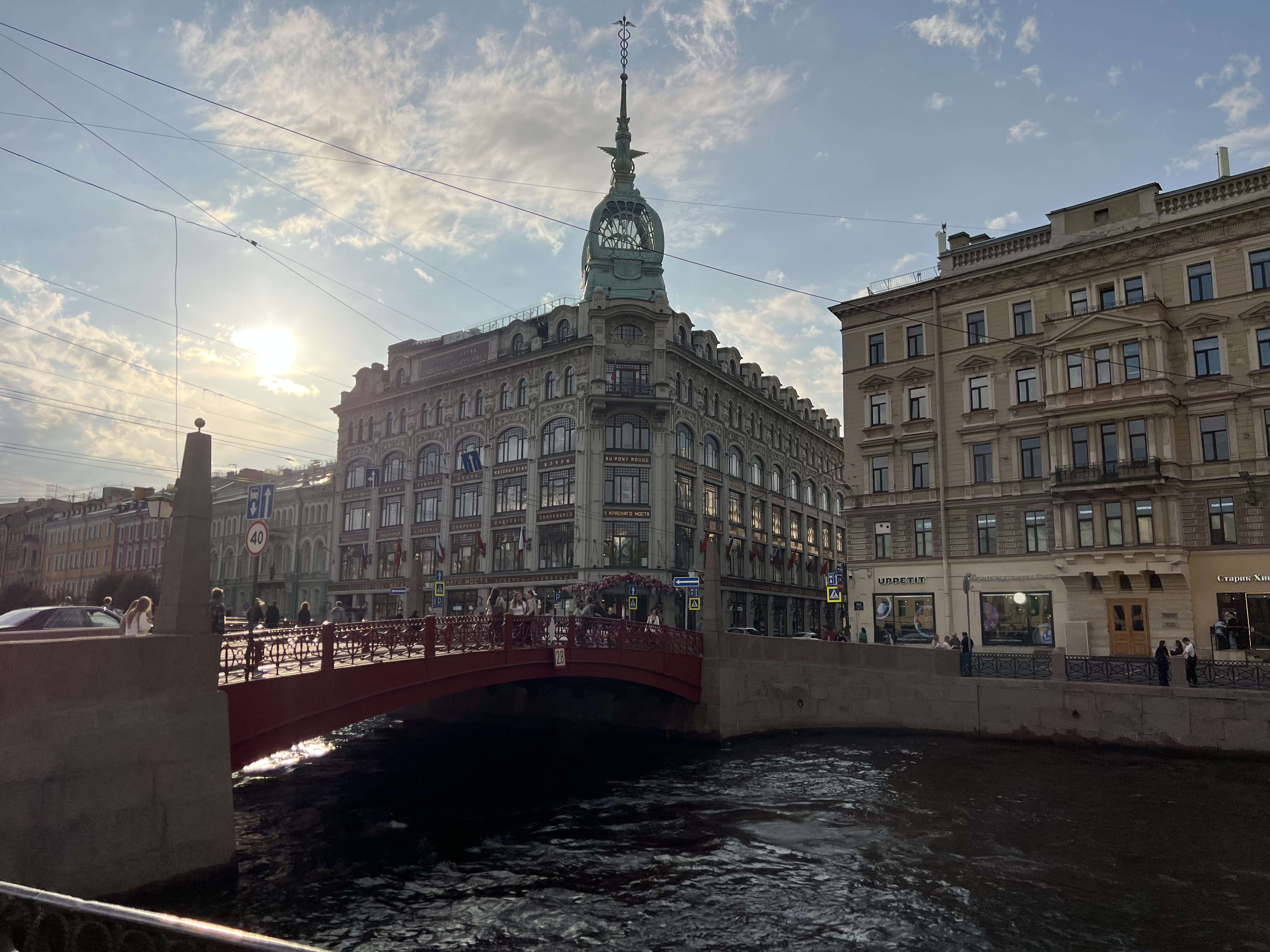
The S. Esders and K. Scheffals Trading House (“Au Pont Rouge,” French for “at the Red Bridge”) stands on the corner of the Moika Embankment and Gorokhovaya Street, by the Red Bridge. In the 18th century the plot belonged to various owners: V. Ya. Novosiltsev, Friedrich von Bremer, and Christian Friedrich Poppe. Even then it housed the workshop of a court tailor, patronized by the capital's elite. In the early 20th century the Belgian entrepreneur Stefan Esders bought the house to build a department store, the sixth for his firm. The building went up in 1906–1907 to a design by the architects Vladimir Lipsky and Konstantin de Rochefort. Its model was the Singer Company building on Nevsky Prospekt. In the years before the revolution the store was popular with wealthy townspeople and even with members of the imperial family. After 1919 the building was nationalized and turned into a garment factory. In the 1930s the dome and spire were removed from the tower. In Soviet times the factory was named after Volodarsky and merged several enterprises. In the early 1990s the factory became a joint-stock company, and later a large-scale restoration of the building began. In the 2010s the historic tower with its spire and sign was rebuilt.

Architectural Features

The building is an example of rationalist Art Nouveau. It rests on a metal frame weighing more than 1,000 metric tons (1,100 short tons), one of the first such experiments in St. Petersburg. This structure made it possible to design large windows and a spacious, light-filled atrium hall. The atrium flooded the building with natural light, making the space feel open and airy. The facade is austere, with pronounced geometry. The three lower floors have rectangular windows; on the fourth floor the window tops become semicircular, on the fifth the openings are paired, and in the mansard they are horseshoe-shaped. The decor takes the form of medallions, garlands, and water lilies. The owners' names are placed on the attic. The cut-off corner gives the building dynamism and emphasizes the entrance. The tower with its dome and spire draws particular attention. For a long time it defined the skyline of the area, standing out among the Art Nouveau turrets of the early 20th century. The tower was demolished in the Soviet period but rebuilt during the restoration. Its outward composition makes the building a prominent architectural landmark, while the metal frame, large windows, and inner atrium reflect what were then modern approaches to designing retail space. The building remains an important part of St. Petersburg's historic center, combining architectural heritage with multifunctional modern use.

Nearby

Gorokhovaya Street One of the three historic central thoroughfares that fan out from the Admiralty. Gorokhovaya Street preserves the spirit of old St. Petersburg, its history, culture, and literature. Many famous people lived here, including characters from works of Russian classical literature.