←Getting to Know St. Petersburg

Getting to Know St. Petersburg

Photo of route “Getting to Know St. Petersburg”
18 points7 km1.5 hours

In the city on the Neva, luxurious palaces, world-class museums, old cathedrals, and cozy embankments blend in perfect harmony. This route will highlight the city's main sights, along with some of its secrets and legends.

Things to do

  • 📸 Take photos
  • 📜 Learn the city's history
  • 🏰🕵️‍♂️ Discover a legend

Route points (18)

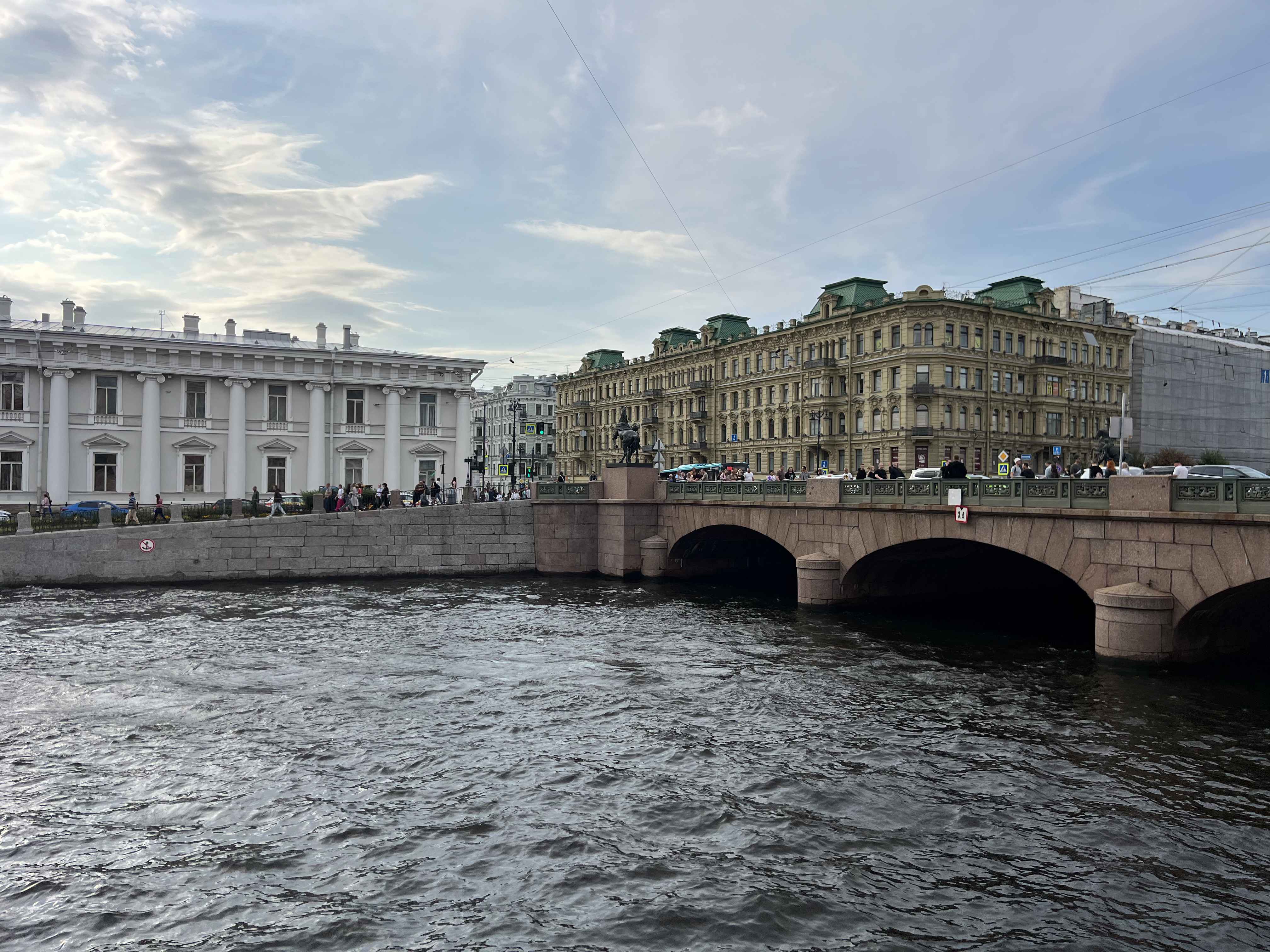
  1. Anichkov Bridge and Palace — point on route “Getting to Know St. Petersburg”

    Anichkov Bridge and Palace

    📜 Historic site · 🏰 Palace · 🌉 Bridge

  2. Ostrovsky Square — point on route “Getting to Know St. Petersburg”

    Ostrovsky Square

    📜 Historic site · 🗿 Monument · ⛲ Square

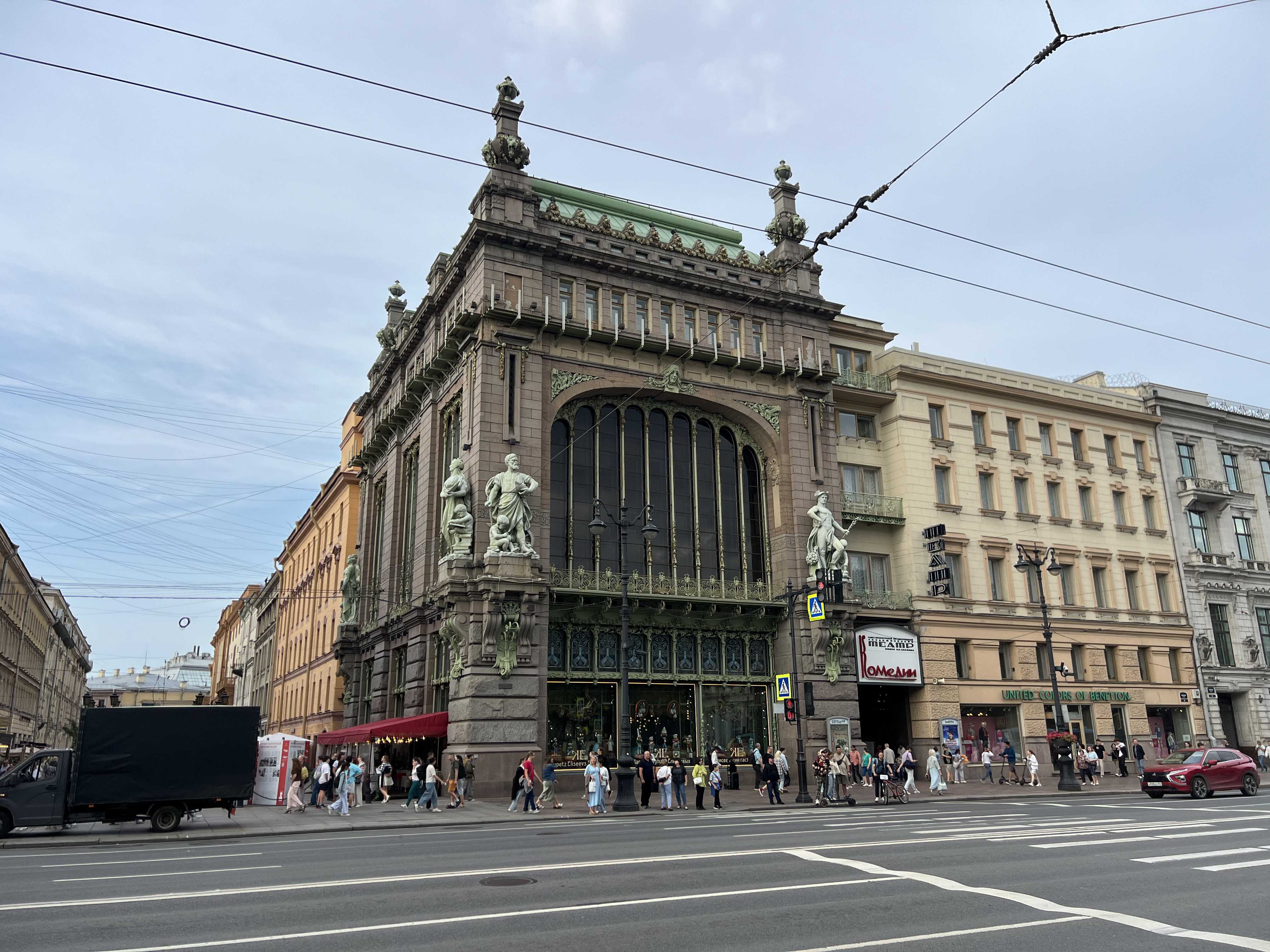
  3. Eliseev Brothers Trading House — point on route “Getting to Know St. Petersburg”

    Eliseev Brothers Trading House

    🏟️ Architectural landmark · 📜 Historic site · 🕵️ Urban legend

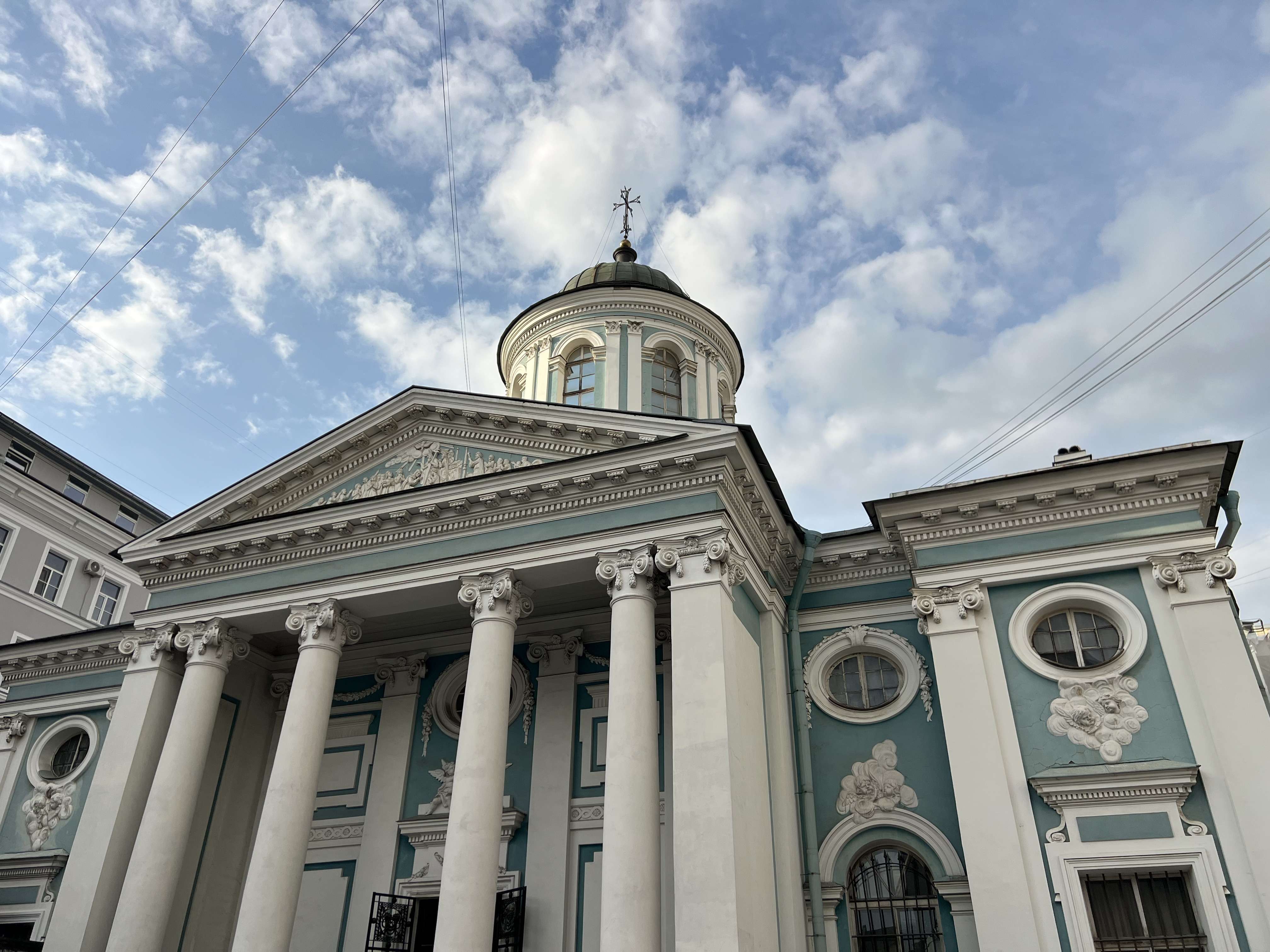
  4. Armenian Church of St. Catherine — point on route “Getting to Know St. Petersburg”

    Armenian Church of St. Catherine

    🕍 Place of worship · 🕵️ Urban legend · 📜 Historic site

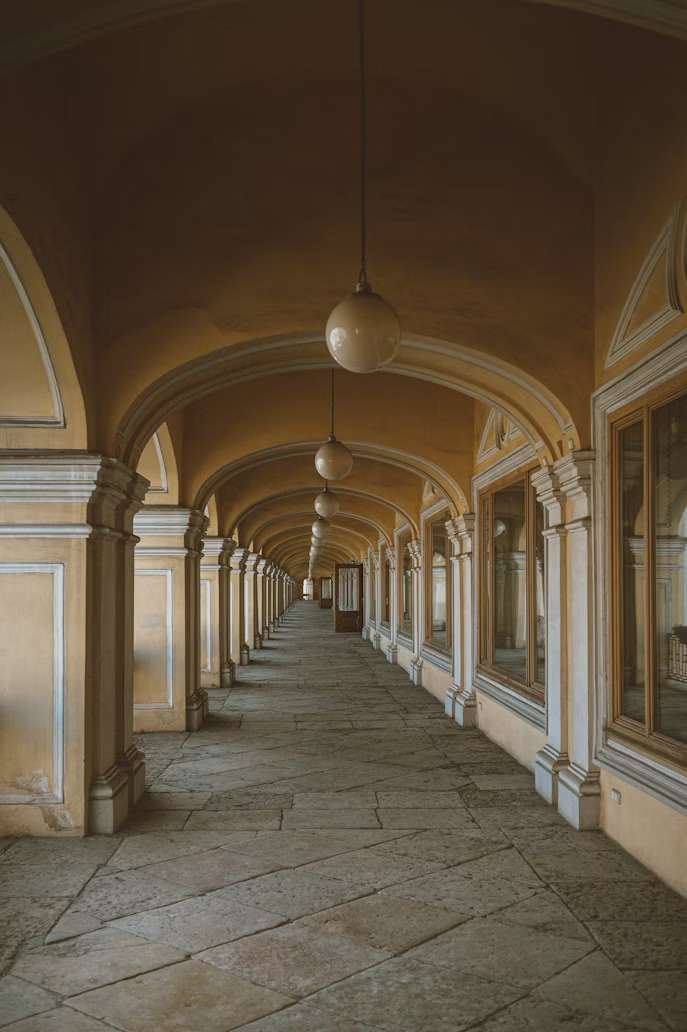
  5. Gostiny Dvor (Merchant Arcade) — point on route “Getting to Know St. Petersburg”

    Gostiny Dvor (Merchant Arcade)

    📜 Historic site · 🏟️ Architectural landmark · 🏺 Market / bazaar

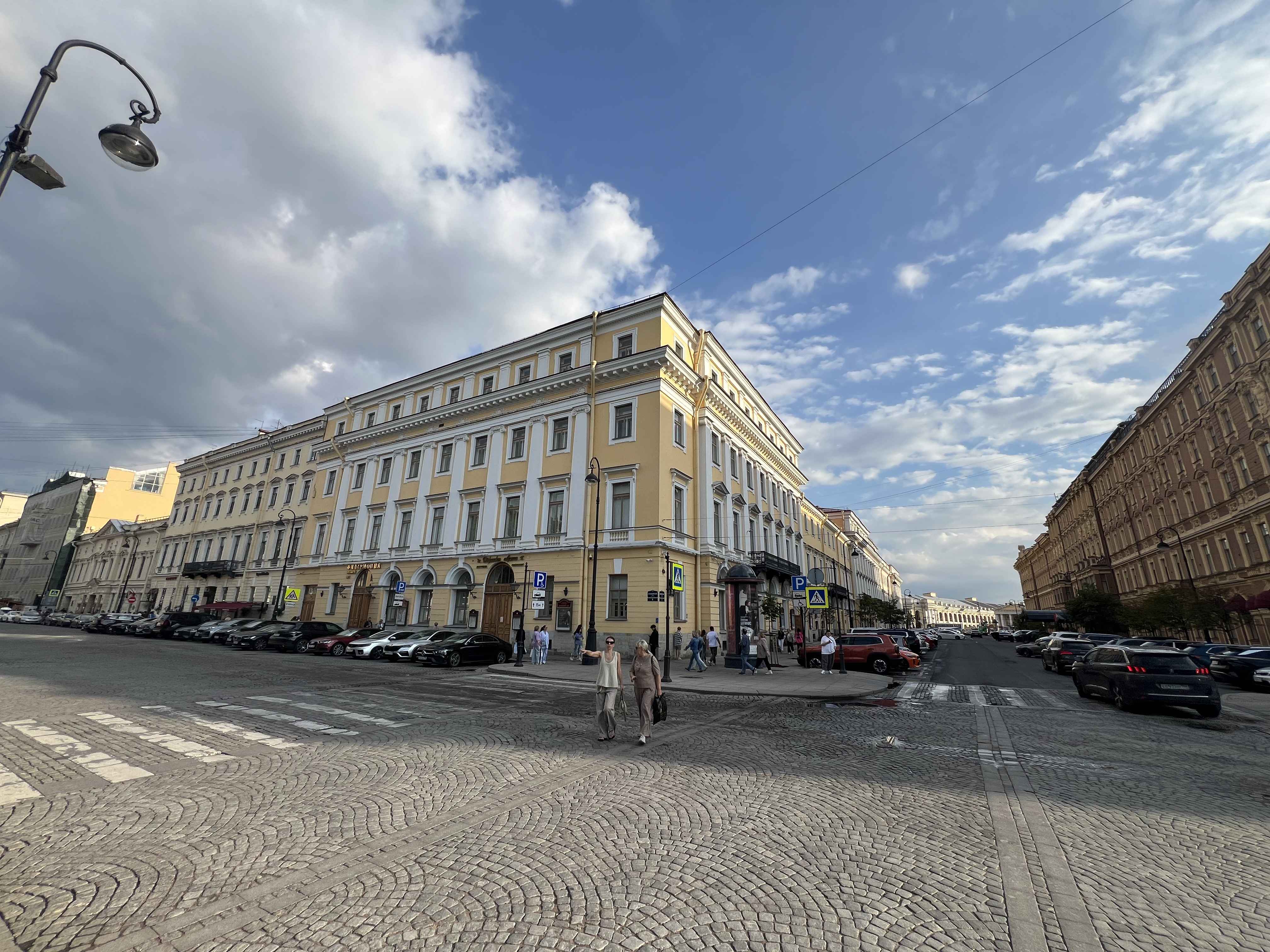
  6. Shostakovich Philharmonia — point on route “Getting to Know St. Petersburg”

    Shostakovich Philharmonia

    🕵️ Urban legend · 📜 Historic site · 🎭 Theater

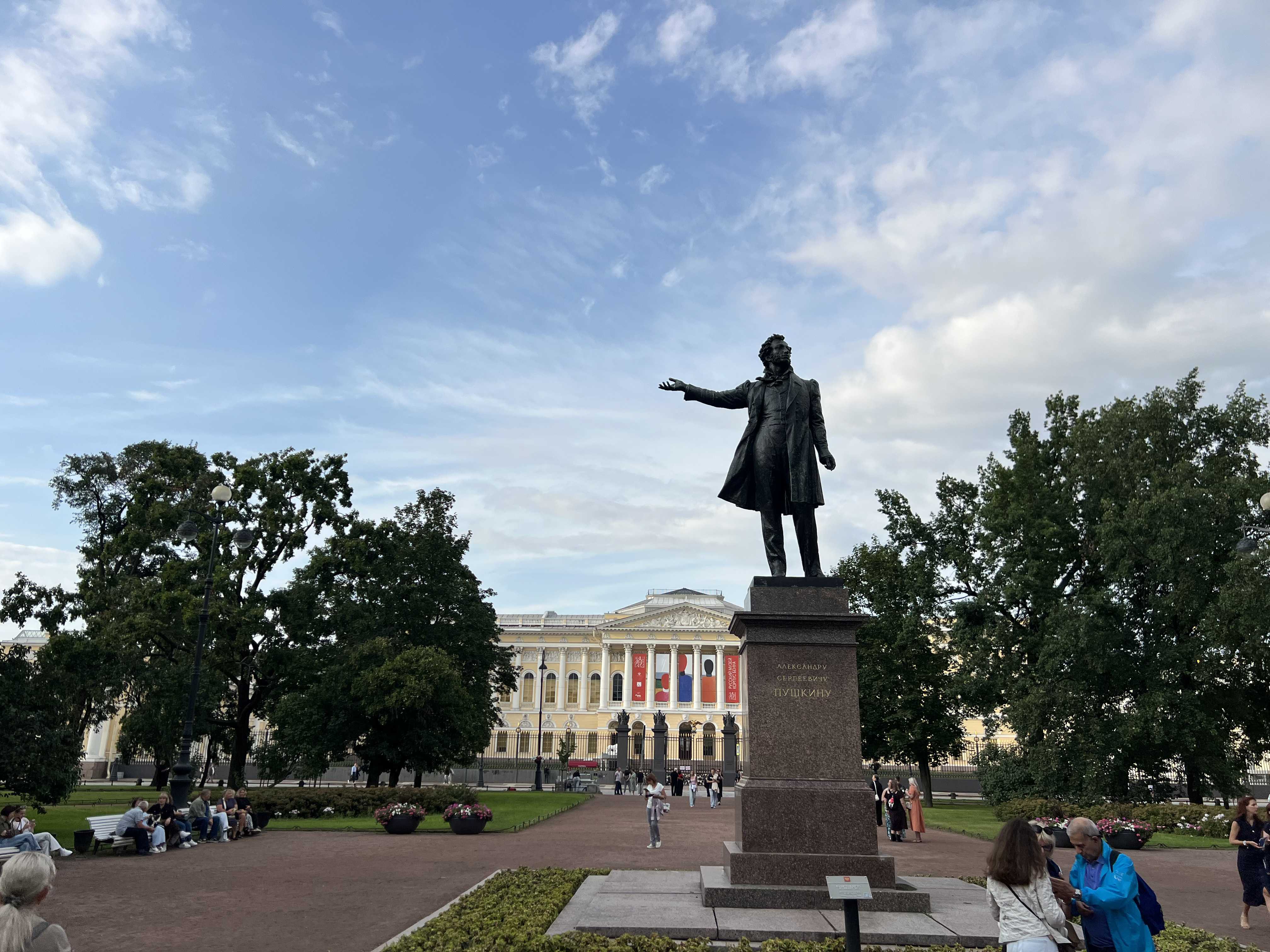
  7. Mikhailovsky Palace (Russian Museum) — point on route “Getting to Know St. Petersburg”

    Mikhailovsky Palace (Russian Museum)

    🏛️ Museum · 🏰 Palace · 📜 Historic site

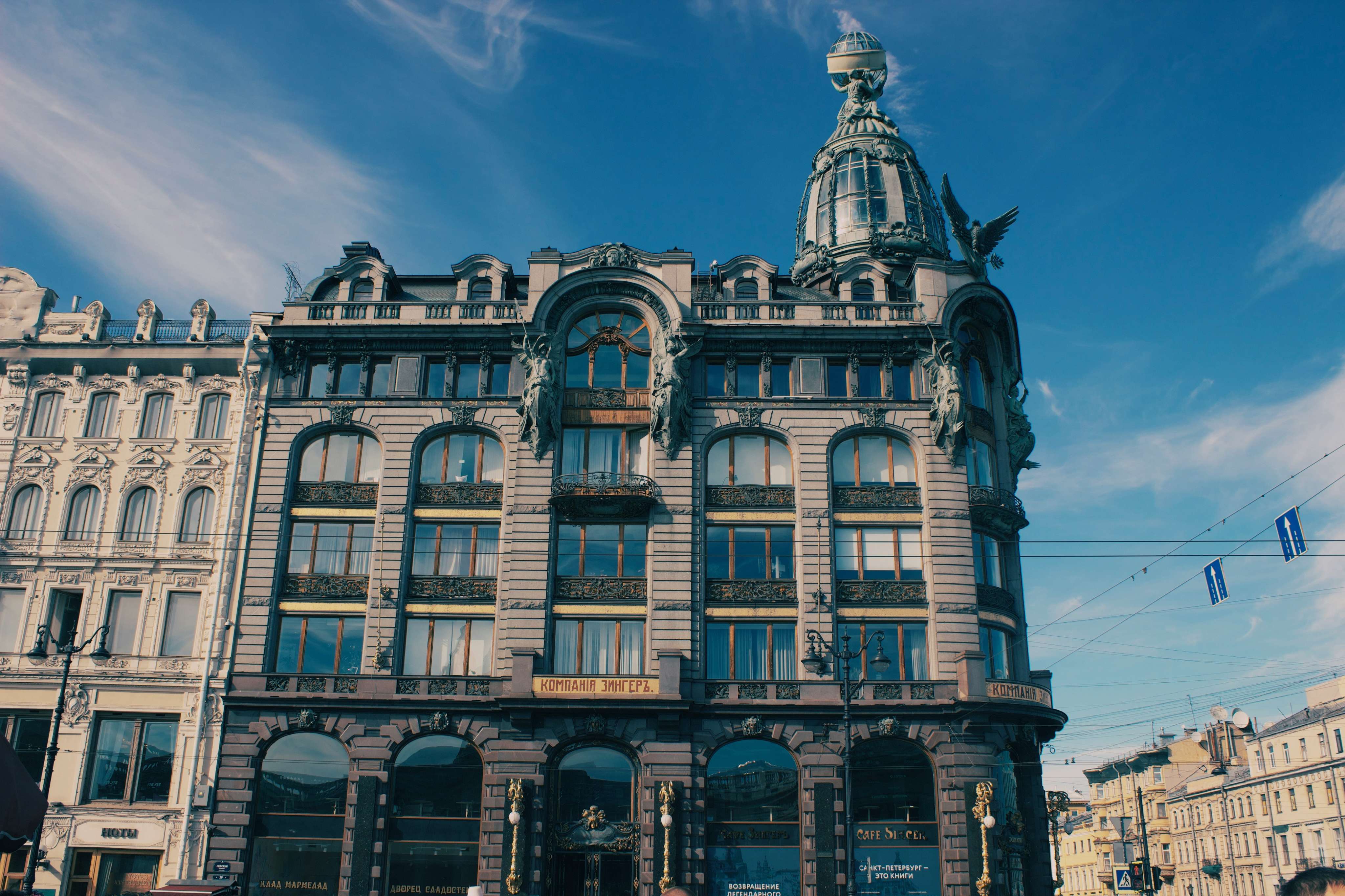
  8. Singer Company Building — point on route “Getting to Know St. Petersburg”

    Singer Company Building

    🏟️ Architectural landmark · 🕵️ Urban legend · 🔭 Viewpoint

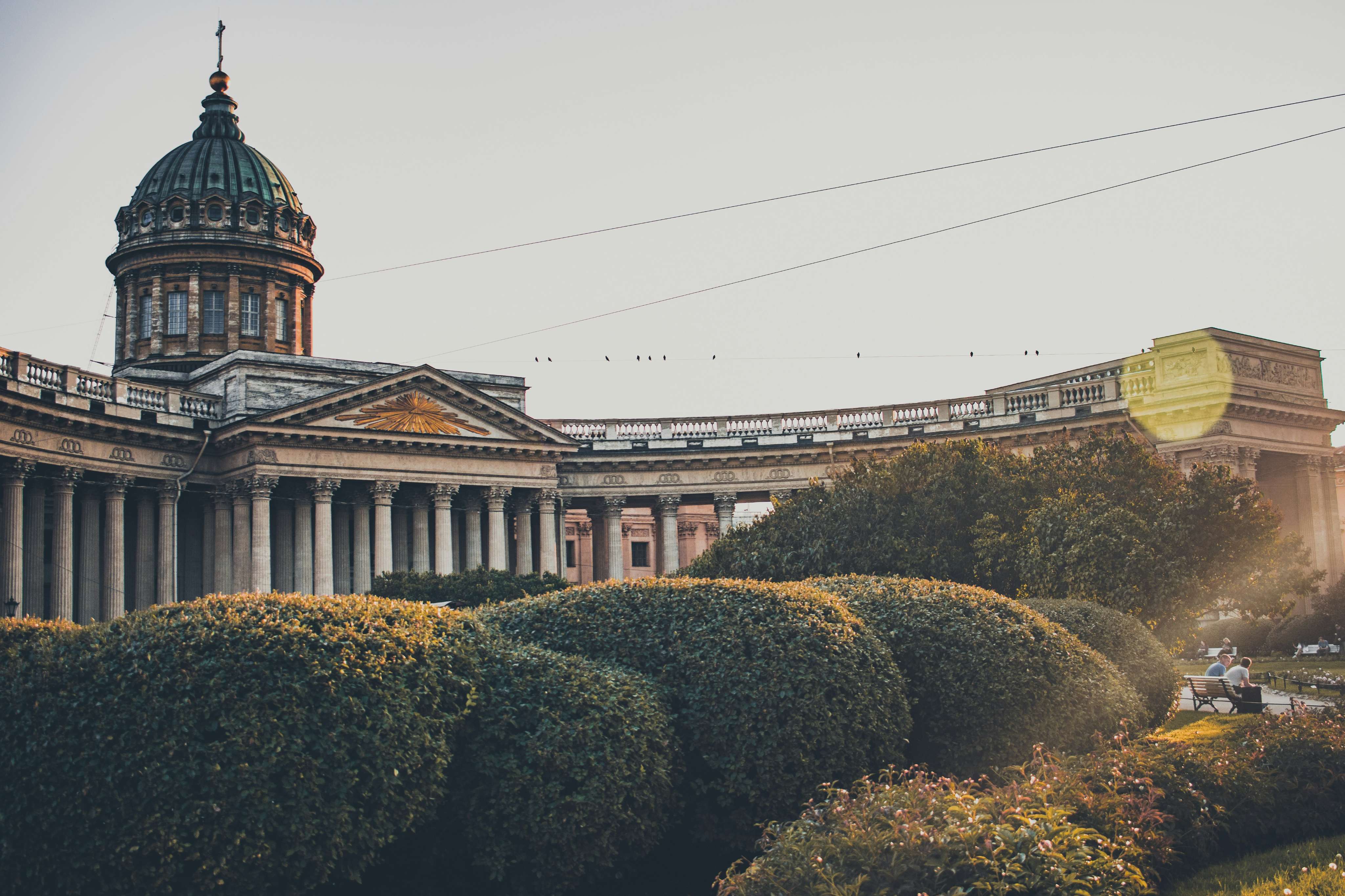
  9. Kazan Cathedral — point on route “Getting to Know St. Petersburg”

    Kazan Cathedral

    🕍 Place of worship · 📜 Historic site · 🏟️ Architectural landmark

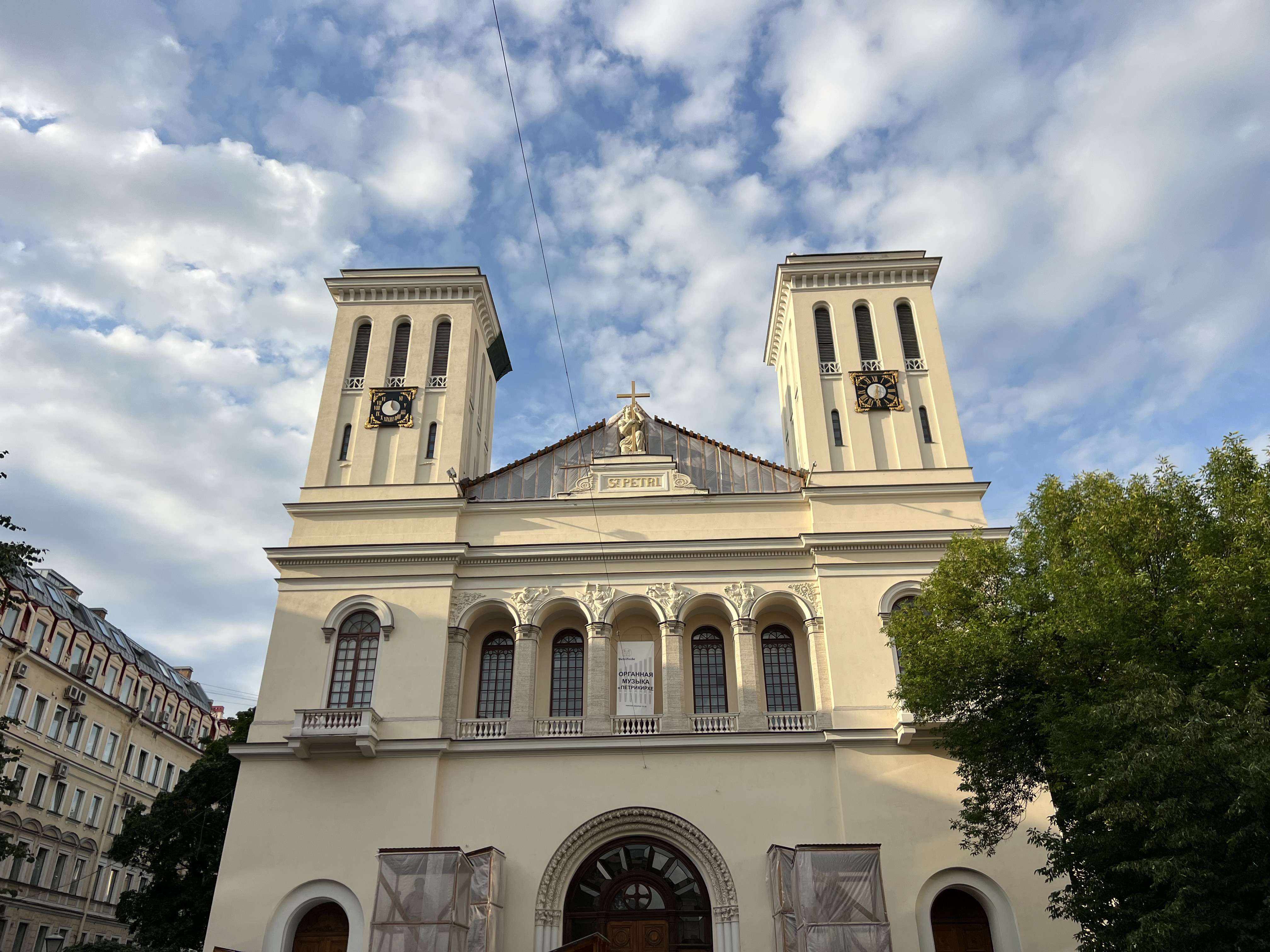
  10. Petrikirche (Church of Sts. Peter and Paul) — point on route “Getting to Know St. Petersburg”

    Petrikirche (Church of Sts. Peter and Paul)

    🕍 Place of worship · 🕵️ Urban legend · 📜 Historic site

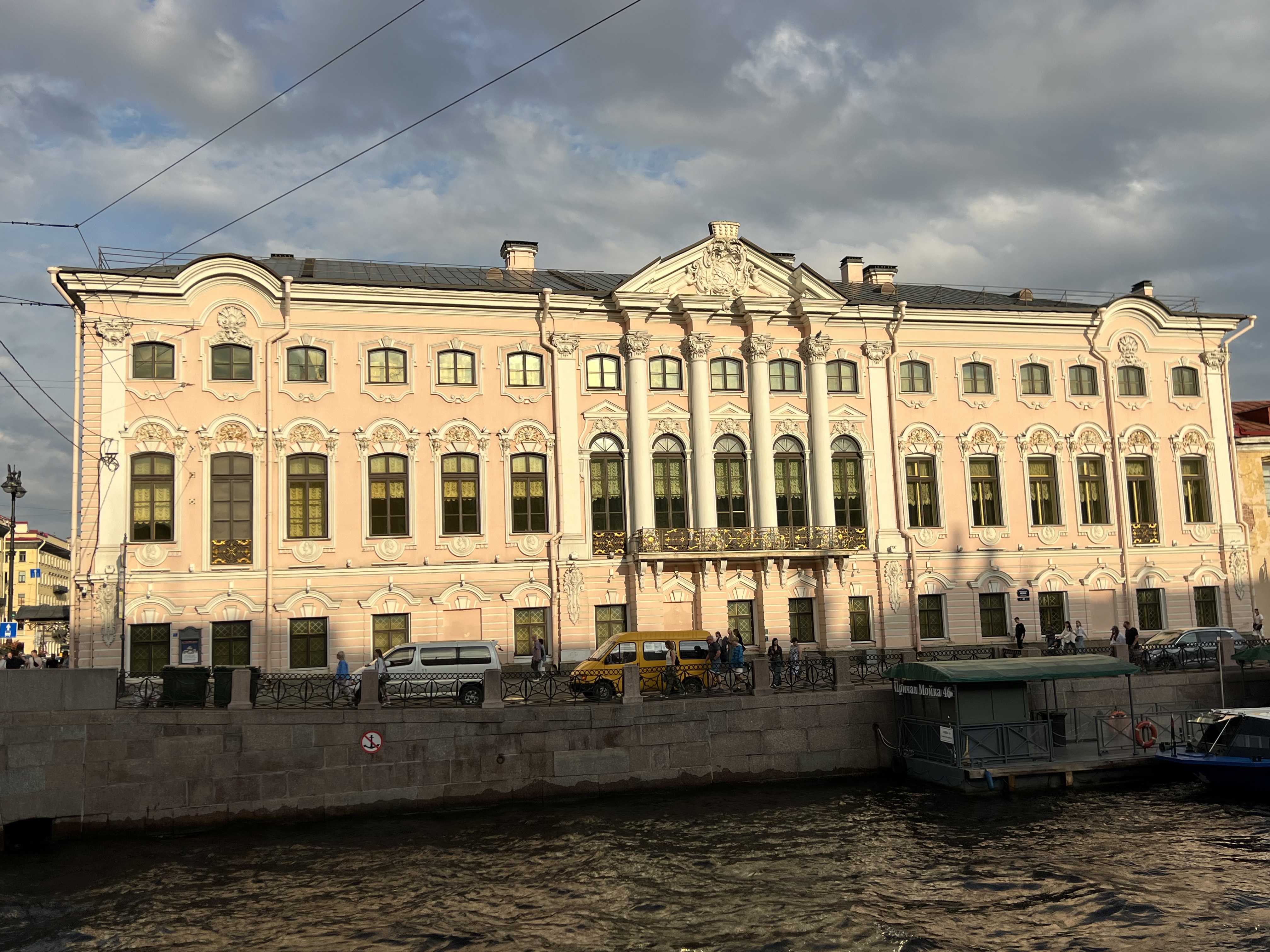
  11. Stroganov Palace — point on route “Getting to Know St. Petersburg”

    Stroganov Palace

    🏰 Palace · 📜 Historic site · 🏛️ Museum

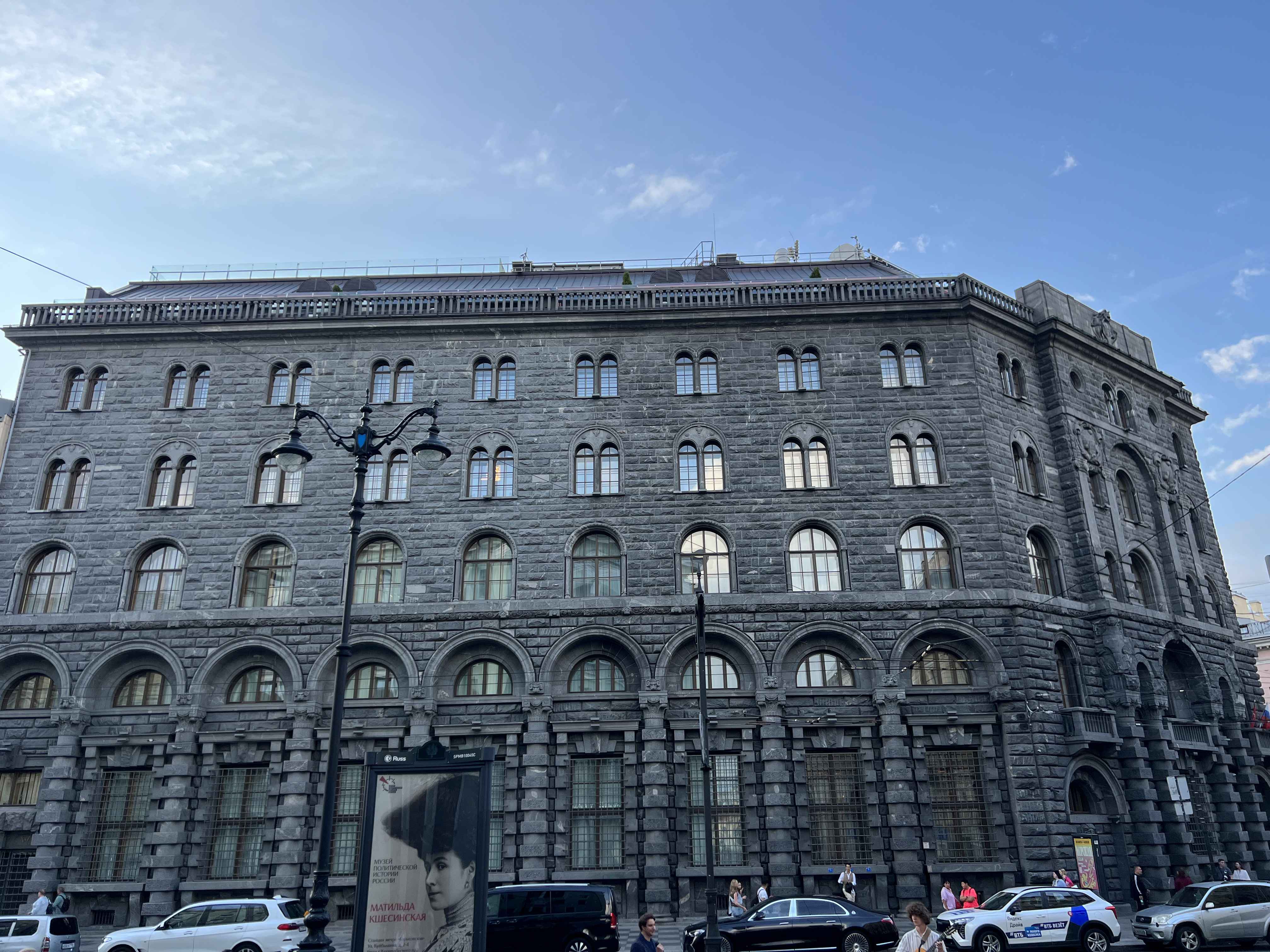
  12. Wawelberg House — point on route “Getting to Know St. Petersburg”

    Wawelberg House

    🏟️ Architectural landmark · 📜 Historic site · 🕵️ Urban legend

  13. General Staff Arch — point on route “Getting to Know St. Petersburg”

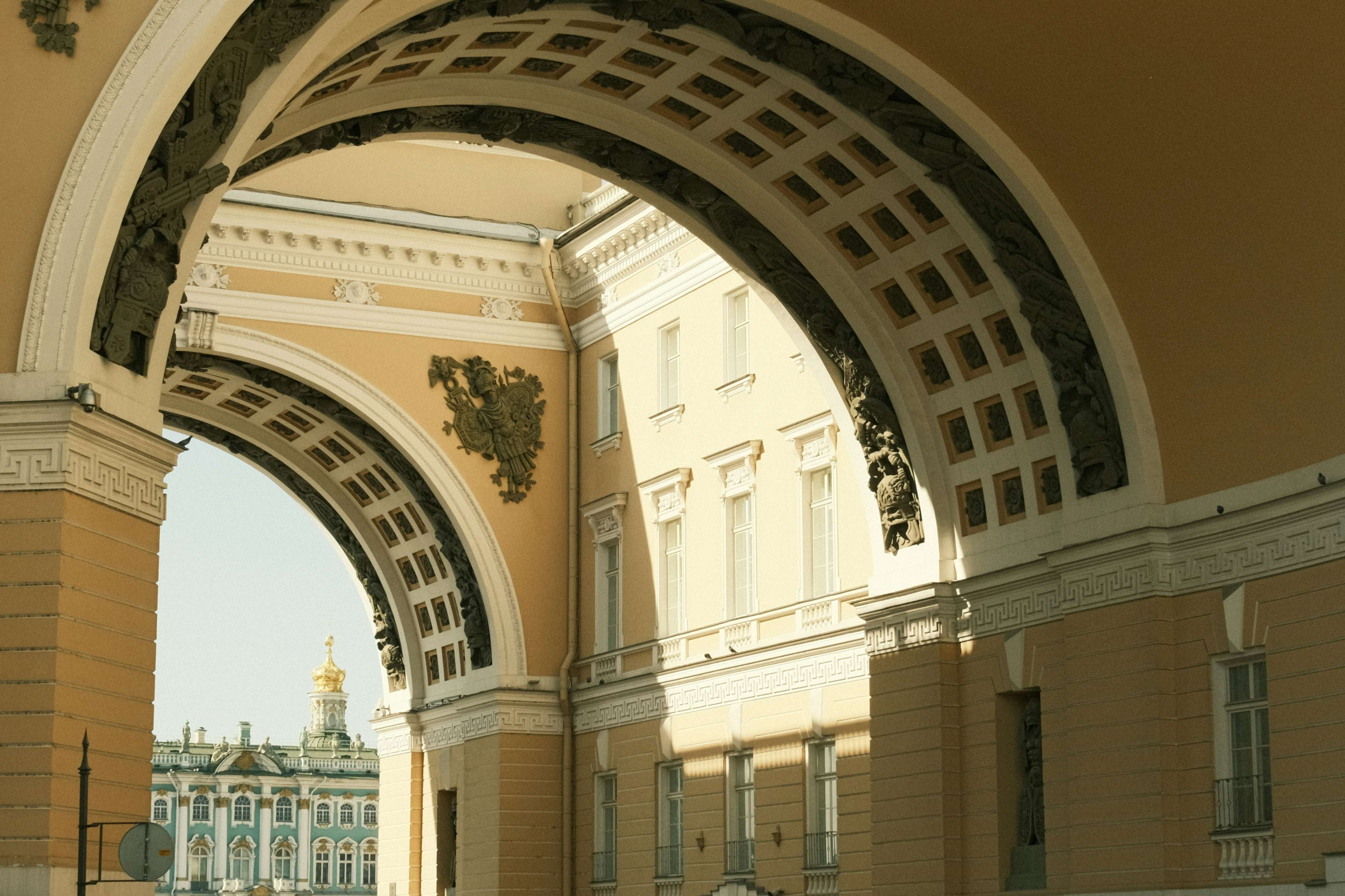
    General Staff Arch

    📜 Historic site · 🏟️ Architectural landmark · 🕵️ Urban legend

  14. Palace Square — point on route “Getting to Know St. Petersburg”

    Palace Square

    ⛲ Square · 🏰 Palace · 📜 Historic site

  15. The Admiralty — point on route “Getting to Know St. Petersburg”

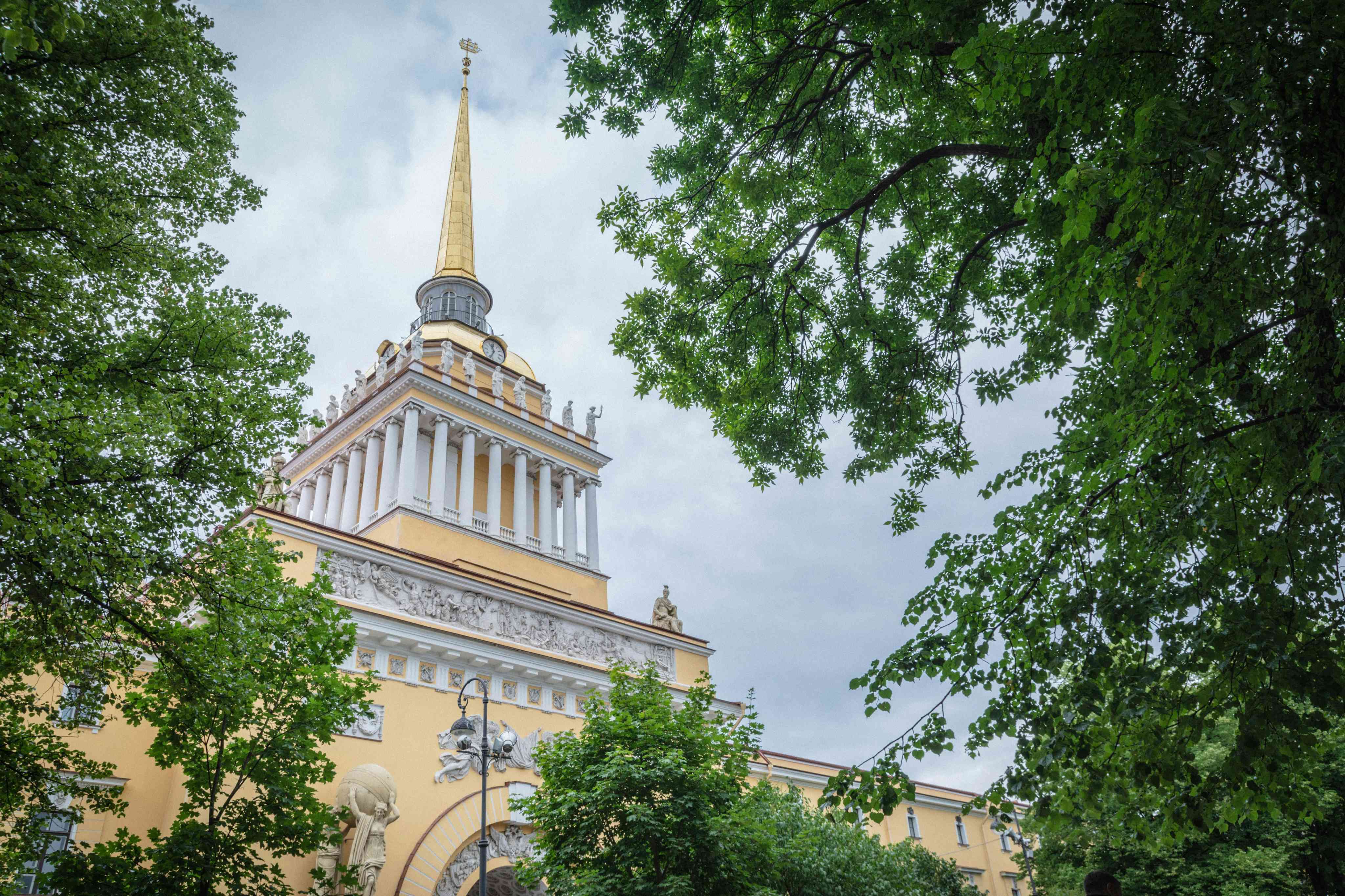
    The Admiralty

    📜 Historic site · 🏟️ Architectural landmark · 🕵️ Urban legend

  16. The Bronze Horseman — point on route “Getting to Know St. Petersburg”

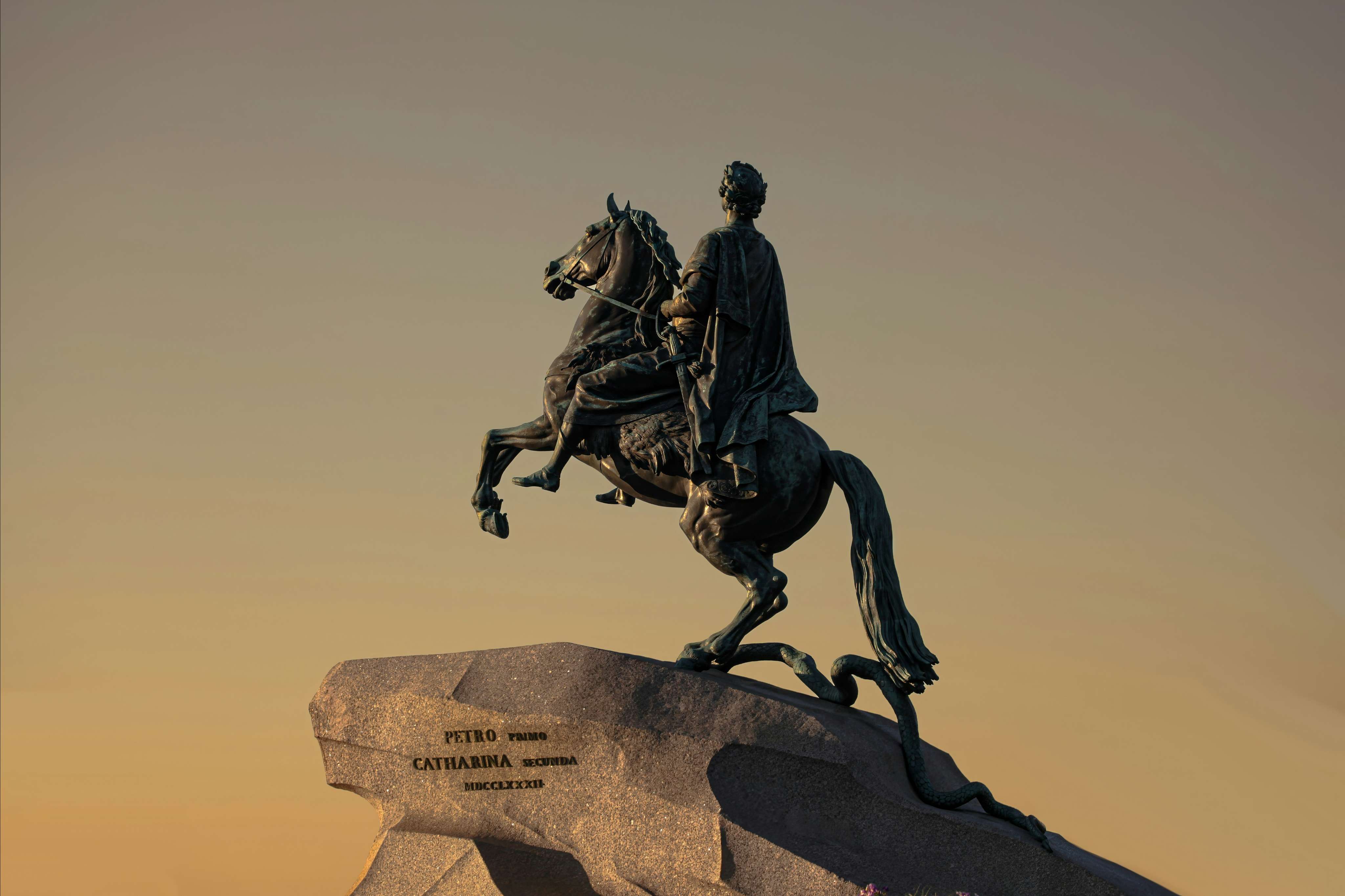
    The Bronze Horseman

    🗿 Monument · 🕵️ Urban legend · 🗿 Sculptures

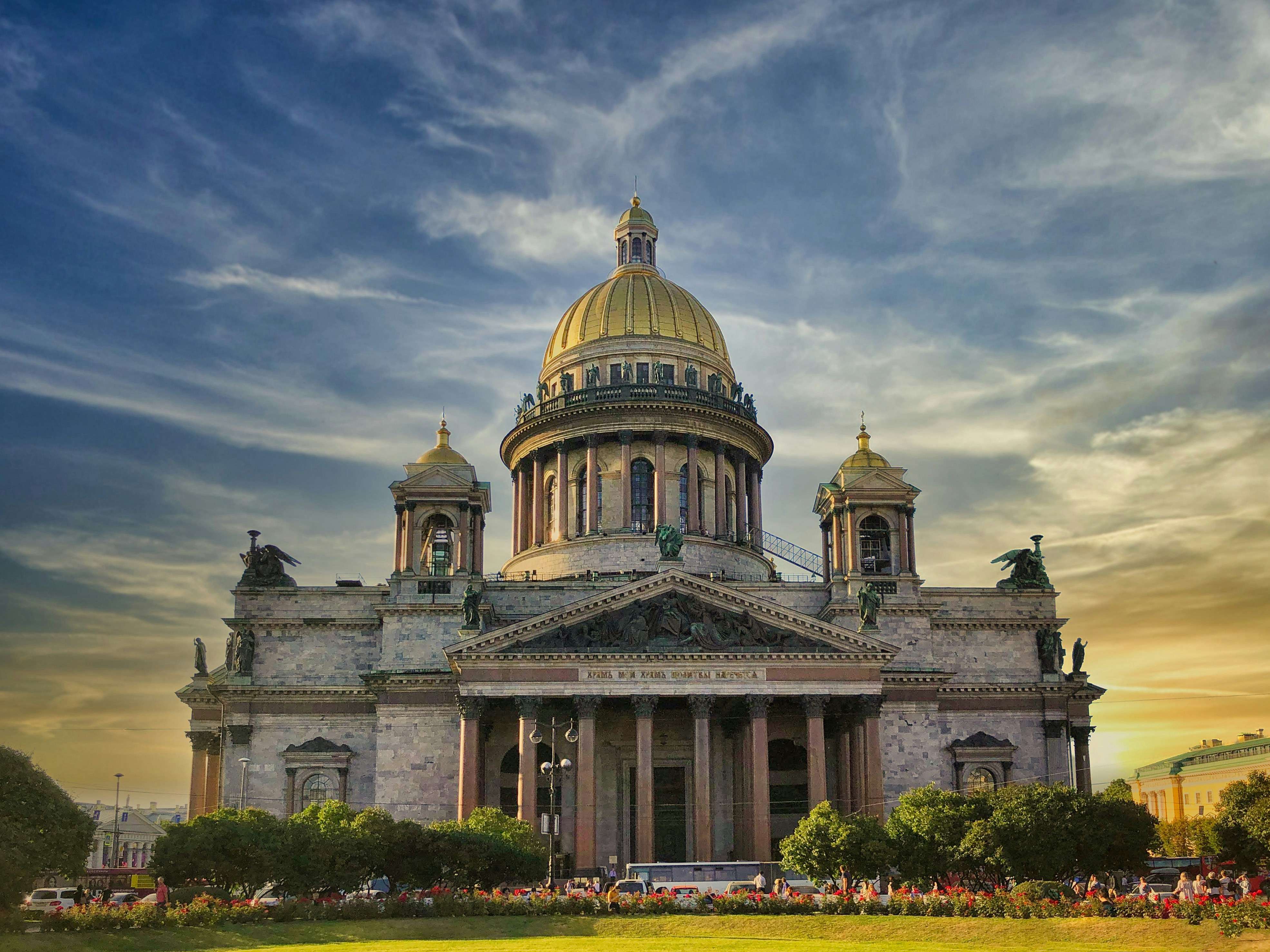
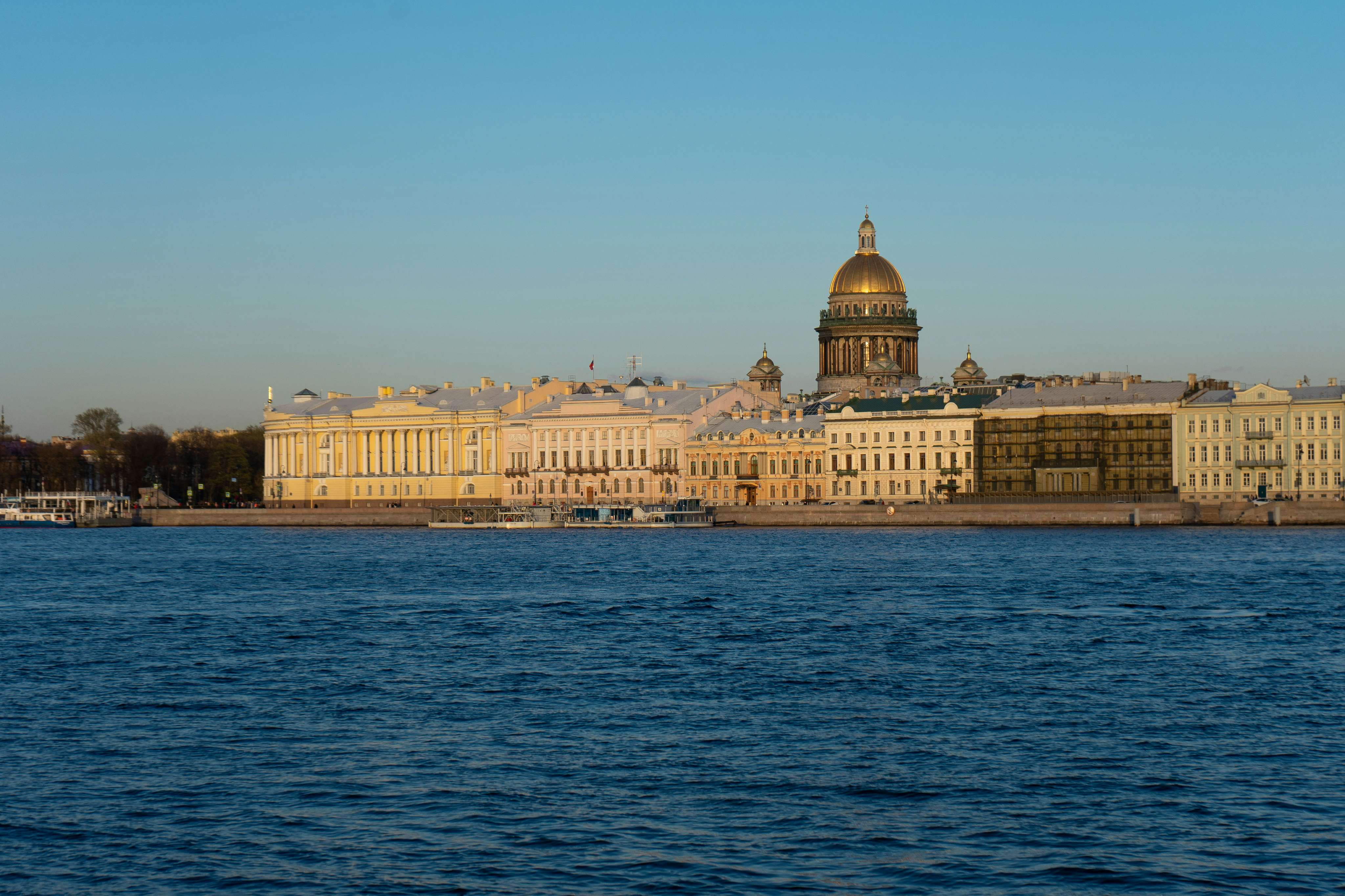
  17. St. Isaac's Cathedral — point on route “Getting to Know St. Petersburg”

    St. Isaac's Cathedral

    🕍 Place of worship · 🕵️ Urban legend · 📜 Historic site

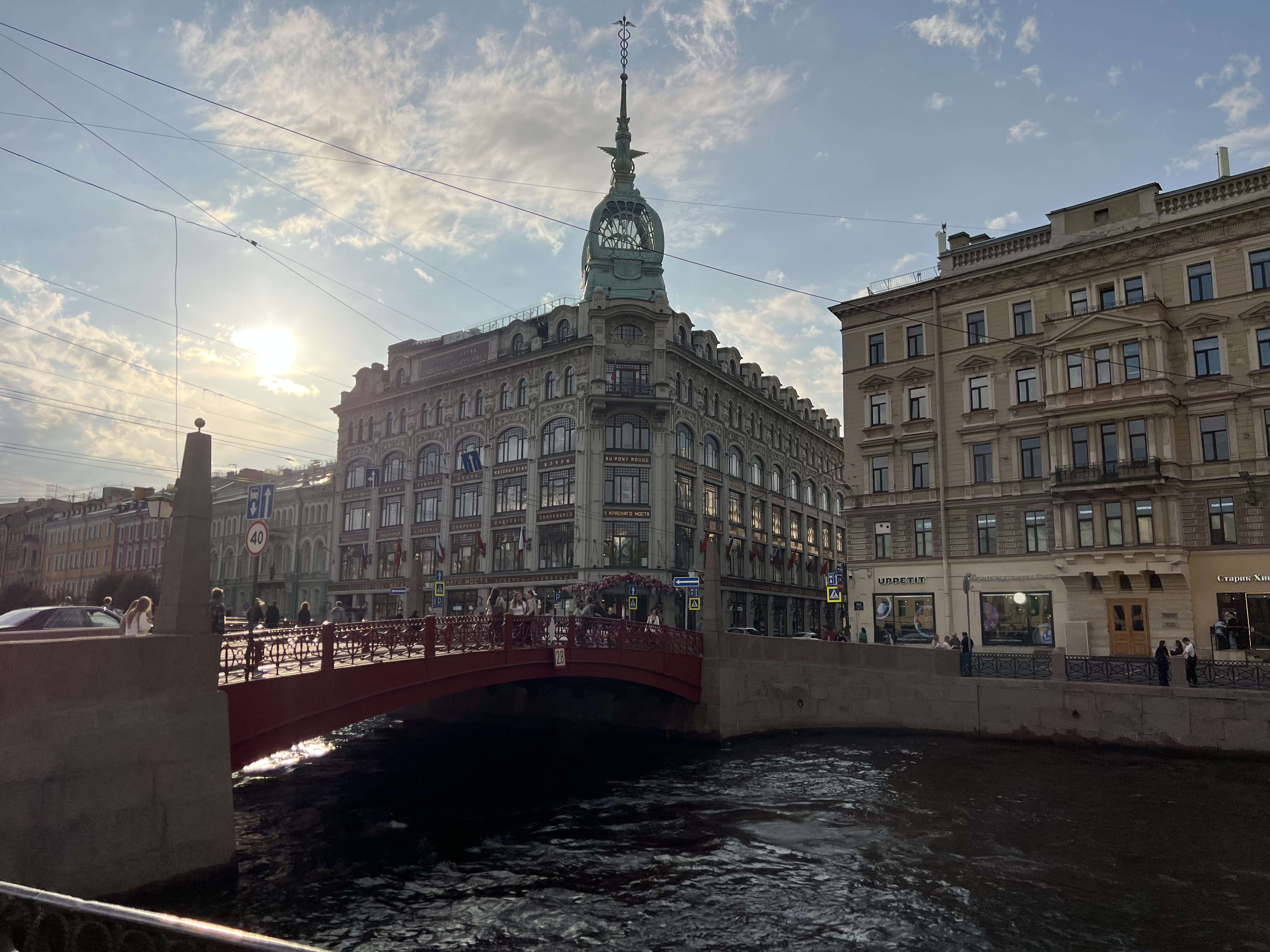
  18. House at the Red Bridge — point on route “Getting to Know St. Petersburg”

    House at the Red Bridge

    🏟️ Architectural landmark · 🕵️ Urban legend · 🌉 Bridge

Palace Square in Saint Petersburg

Point on route “Getting to Know St. Petersburg”

Palace Square — point on route “Getting to Know St. Petersburg”

Point 14

Palace Square

⛲ Square • 🏰 Palace • 📜 Historic site

History of the Place

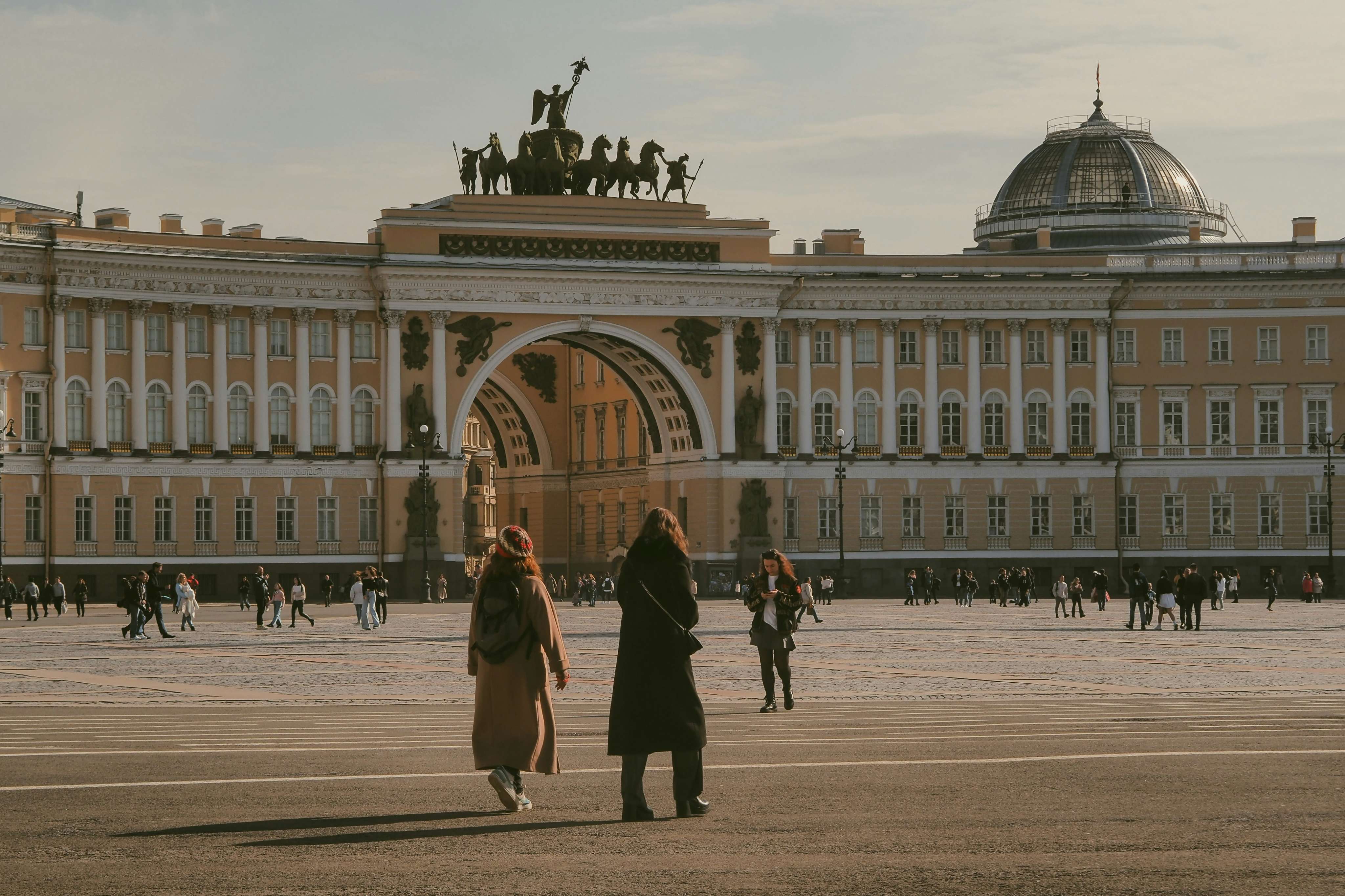
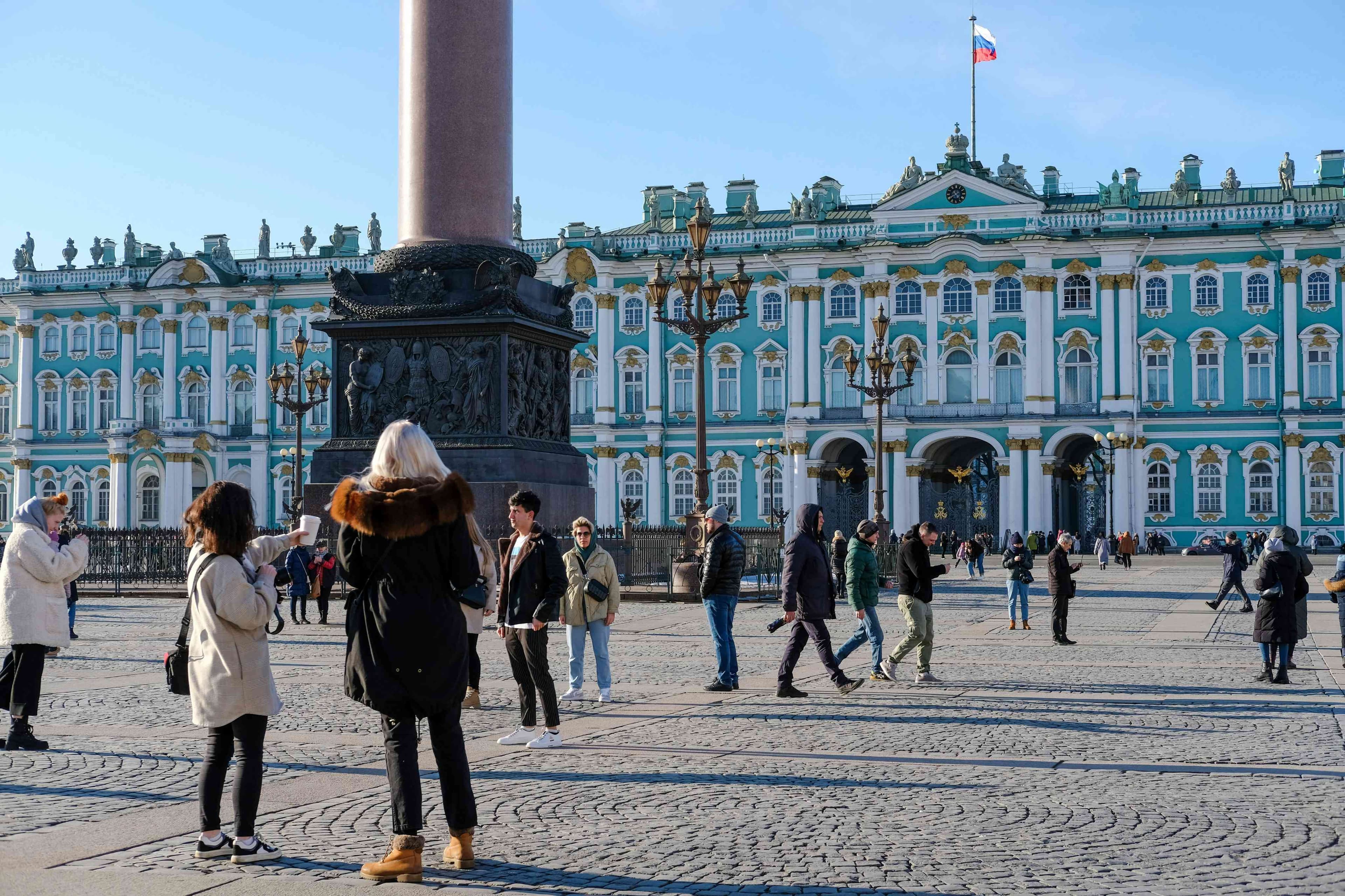
This is the central square of St. Petersburg, part of the city's historic center and its largest architectural ensemble of the 18th and 19th centuries. The area between the Winter Palace and the Admiralty originally served military needs: in the early 18th century it was a wasteland with an embankment for artillery maneuvers. It became known as the Admiralty Meadow. Today the square is surrounded by the Winter Palace, the General Staff Building, and the Guards Corps Headquarters, with the Alexander Column at its center. It covers about 5.4 hectares (13 acres) and is fully pedestrian. Palace Square is a UNESCO World Heritage Site and remains one of the most important venues for city events and celebrations.

The Winter Palace

The square's ensemble began with Rastrelli's construction of the Winter Palace in 1754–1762. This was far from the first Winter Palace on the site, but it was Rastrelli who created the architectural image that is now firmly associated with St. Petersburg. Rastrelli built the fifth palace, which would eventually become Russia's main imperial residence. Only in 1904 did Nicholas II move his main residence to the Alexander Palace in Tsarskoye Selo. During World War I the Winter Palace housed the Tsesarevich Hospital. The palace facades have changed color several times. Originally they were mostly yellowish. After the fire of 1837 the facades were renewed, and the main color became a reddish-orange ocher. Since then the facades have been repainted several more times. During the latest renovation of the facade, in 2011, the Winter Palace was given a color as close as possible to Bartolomeo Rastrelli's original concept.

How the Square Took Shape

The square appeared once Rastrelli's Winter Palace was completed, which happened under Peter III. A great deal of construction debris was left over, and for a long time no one knew how to clear it away. It was an expensive undertaking, so the emperor issued a decree that the people of St. Petersburg could take whatever was left from the construction of the Winter Palace for free. The space was cleared literally overnight. From then on the square became a ceremonial space used for festivities and “carousels,” as they were called then. The square took on its present look in the early 19th century. The architect Carlo Rossi combined new buildings with the historic ones, conceiving the ensemble as a symbol of Russia's victory in the Patriotic War of 1812. In the 1820s the grand General Staff Building, joined by a monumental triumphal arch, was erected on the south side. The arch itself was crowned with a sculpture of the chariot of Victory. The building stretched for more than half a kilometer and closed the square on the south. In 1834 the Alexander Column, created by Auguste de Montferrand, was erected in the center of the square. Made from a single granite shaft, the monument became the architectural focal point of the space, tying its various elements together. Adjoining the west facade of the Winter Palace is a garden with a decorative cast-iron fence notable for its intricate pattern. Palace Square has repeatedly been the scene of major historical events, from public festivities and masquerades to tragic incidents and key episodes of the 1917 revolution.

Nearby

The Atlantes of the Hermitage The portico of the New Hermitage has become highly recognizable thanks to countless tourist photos with its Atlantes. St. Petersburg has plenty of other Atlas sculptures, but for some reason these ones near Palace Square are especially loved by locals and visitors. The New Hermitage opened in 1852. Until the 1920s the ten Atlantes of the New Hermitage guarded the museum's main entrance. They are carved from gray Serdobol granite after a model by the sculptor Terebenev. It took 150 stonemasons two years to make the figures. The Atlantes took their places in the fall of 1848.